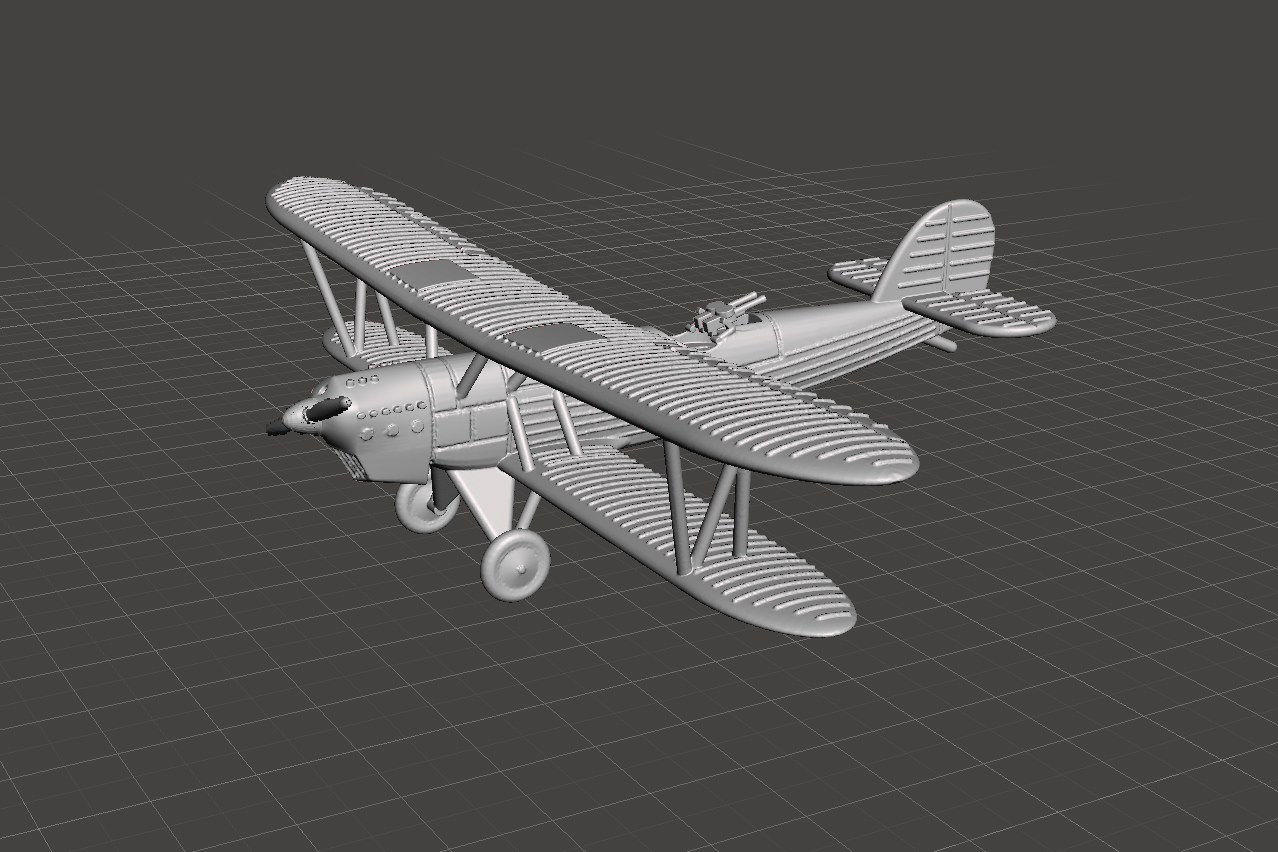
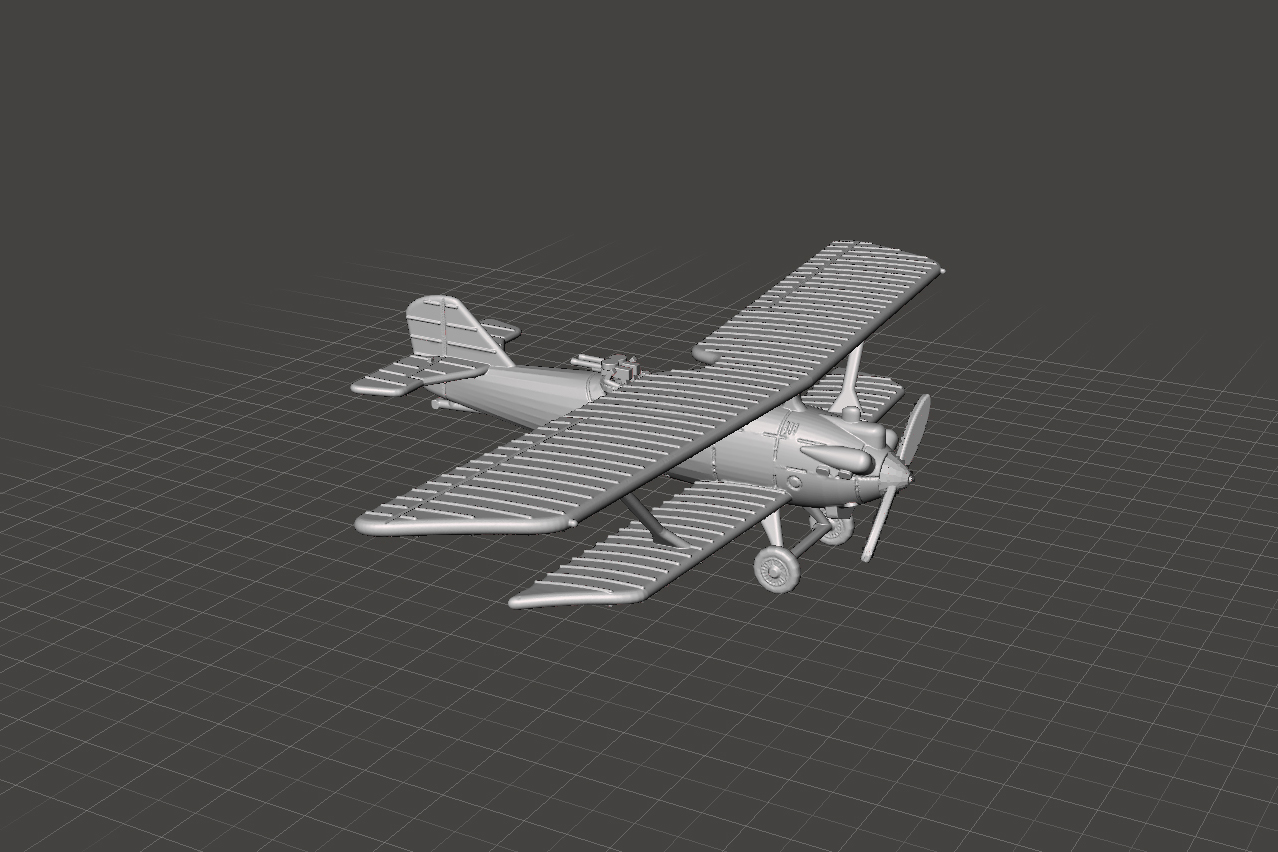
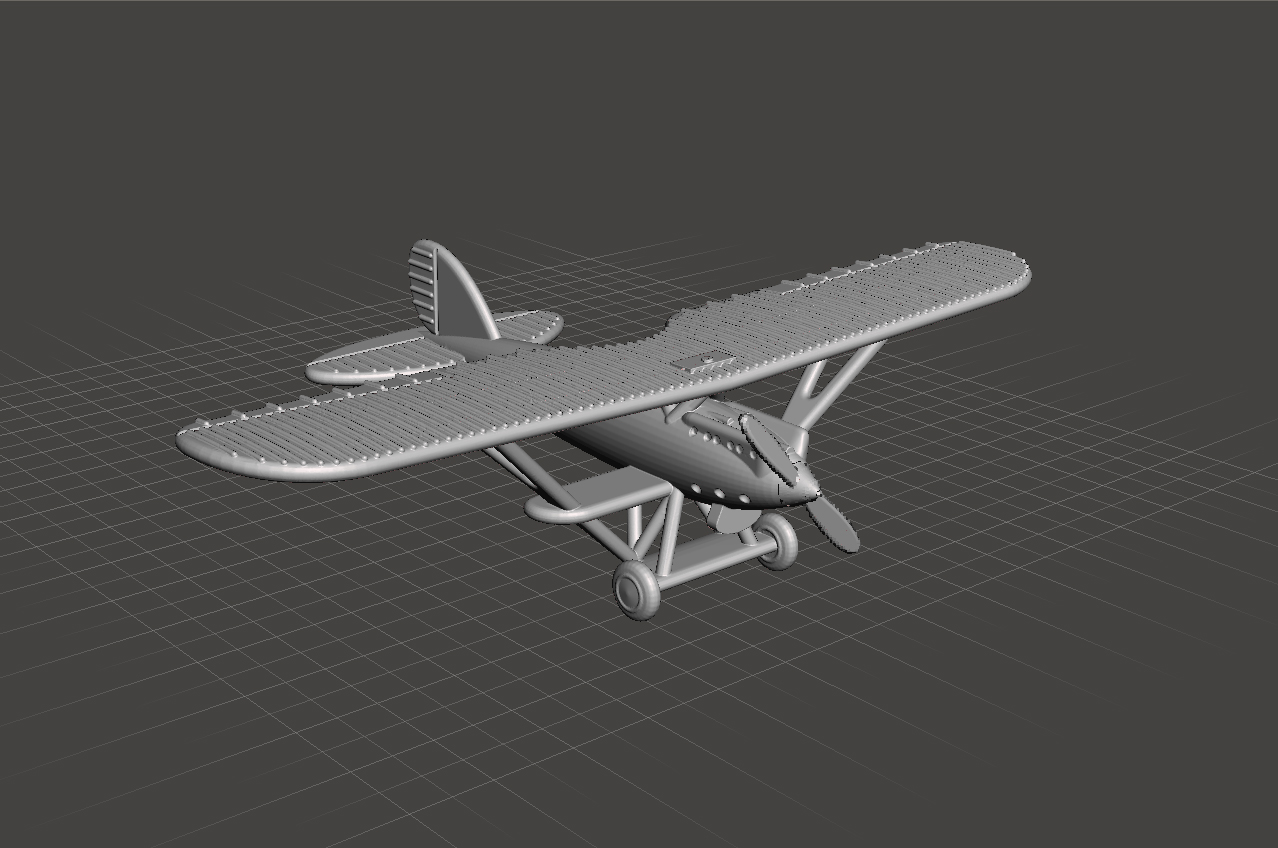
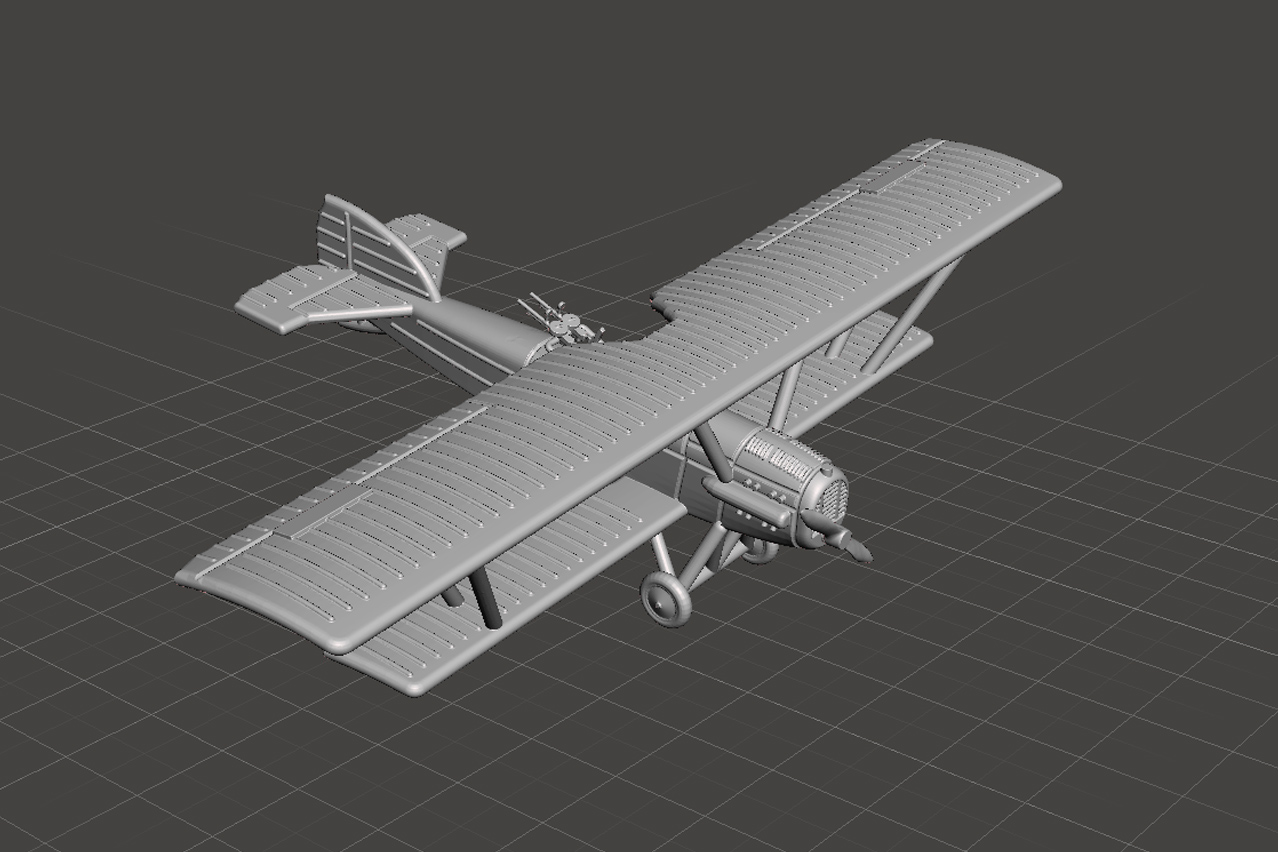
The Aero A-101 was a Czechoslovakian bomber biplane that was developed from the Aero A-100. The type was in service with the Czechoslovak Air Force from January 1936, after a year of service the aircraft were sold to Spain, where they were deployed by both belligerents in the Civil War.
Breguet CASA XIX
Reconnaissance/ Light Bomber
1/300
1/200
1/144
1/100
£2.00
£4.00
£8.00
£12.00
SCW-FR-LB01
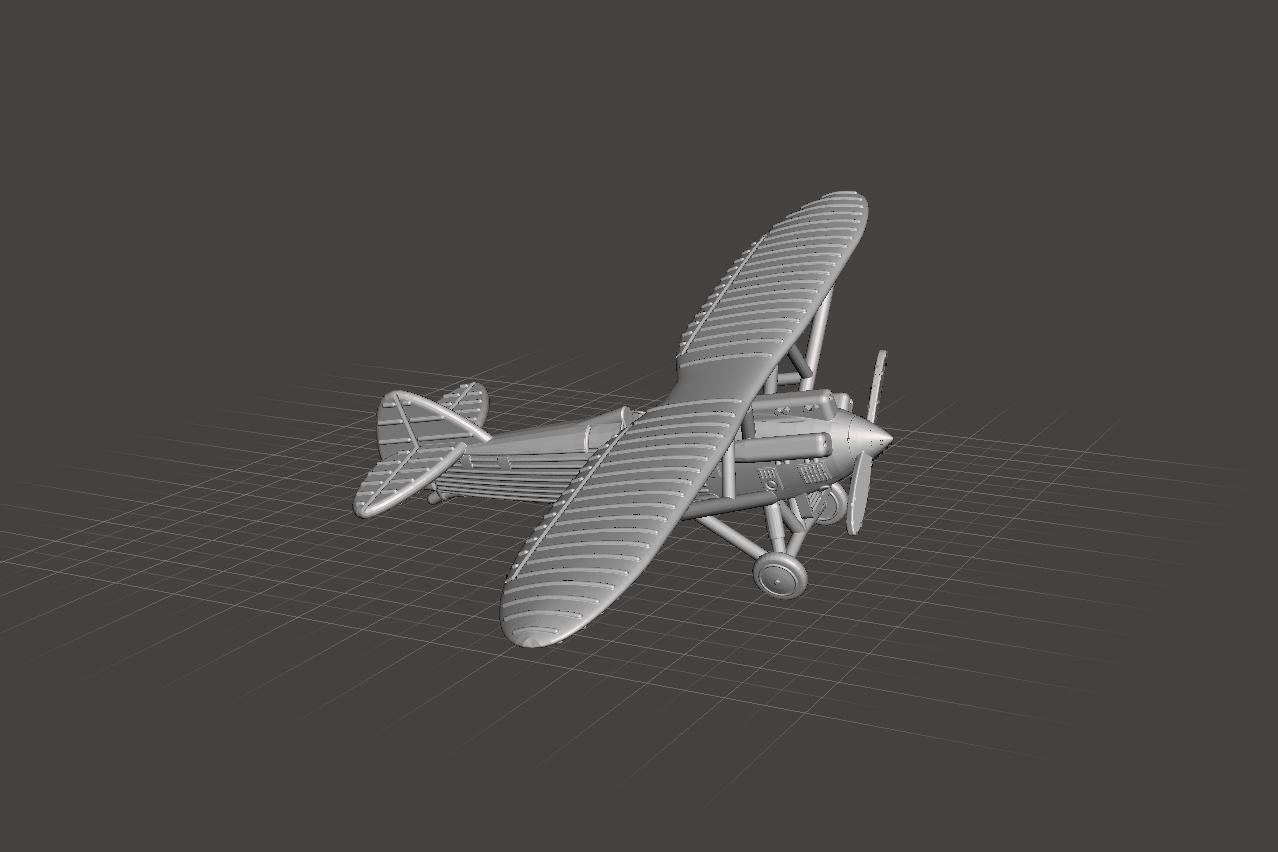
The Breguet 19 was a sesquiplane bomber and reconnaissance aircraft which was also used for long-distance flights and was designed by the French Breguet company and produced from 1924.
De-Havilland DH-89 Dragon Rapide
Reconnaissance/ Light Bomber
1/300
1/200
1/144
1/100
£2.00
£4.00
£8.00
£12.00
SCW-GB-TP04
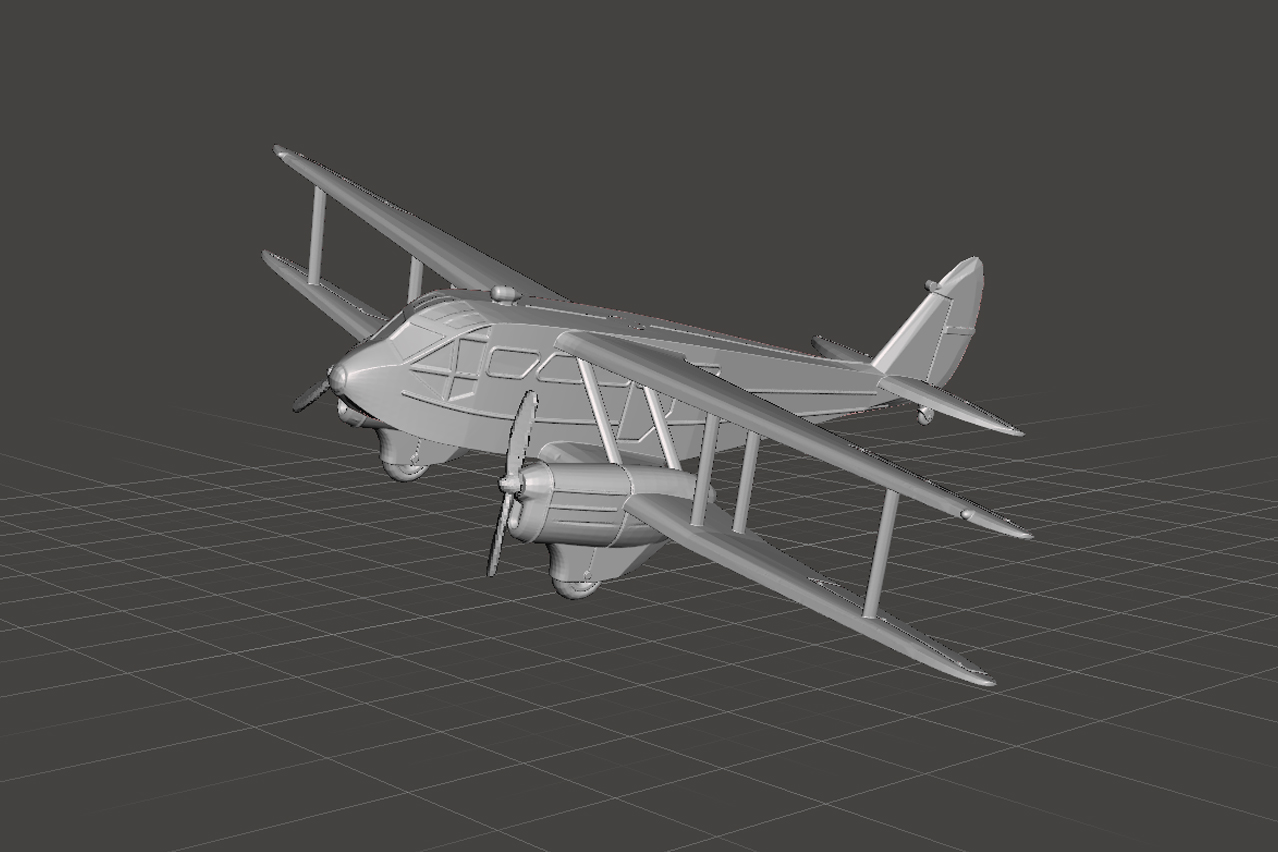
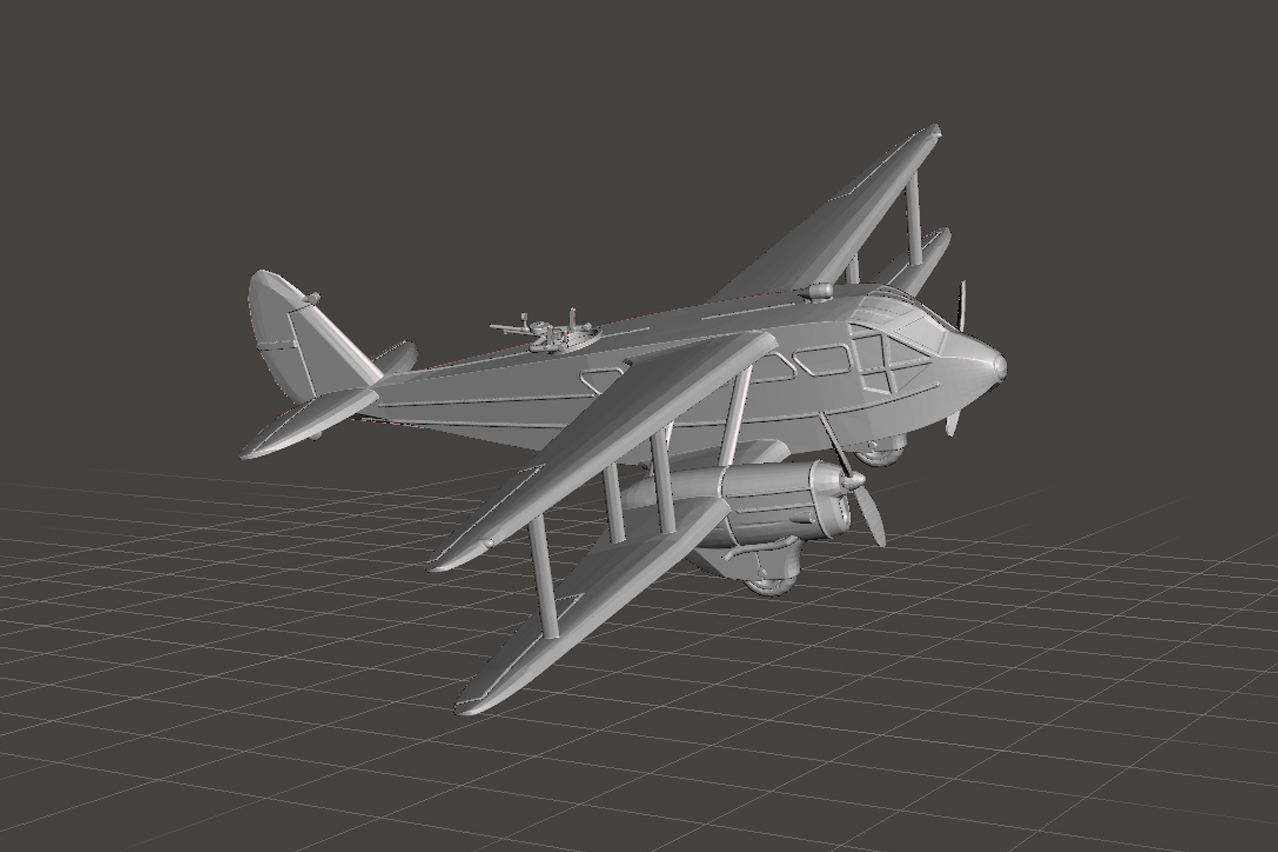
The De Havilland DH-89, originally a civilian transport aircraft, was adapted for military use during the Spanish Civil War. Employed by both Republican and Nationalist forces, it served mainly as a transport and liaison aircraft. Its speed and reliability made it valuable despite lacking combat capabilities.
De-Havilland DH-89M Rapide
Reconnaissance/ Light Bomber
1/300
1/200
1/144
1/100
£2.00
£4.00
£8.00
£12.00
SCW-GB-TP05
The DH-89M, a military variant of the Dragon Rapide, was used by both sides during the Spanish Civil War. In Republican service, it performed transport, liaison, and light bombing roles. Its reliability and versatility proved useful despite limited combat capabilities and vulnerability to enemy fighters.
Dornier J 'Wal'
Reconnaissance Flying Boat
1/300
1/200
1/144
1/100
£4.00
£6.00
£12.00
£16.00
SCW-GE-SP01
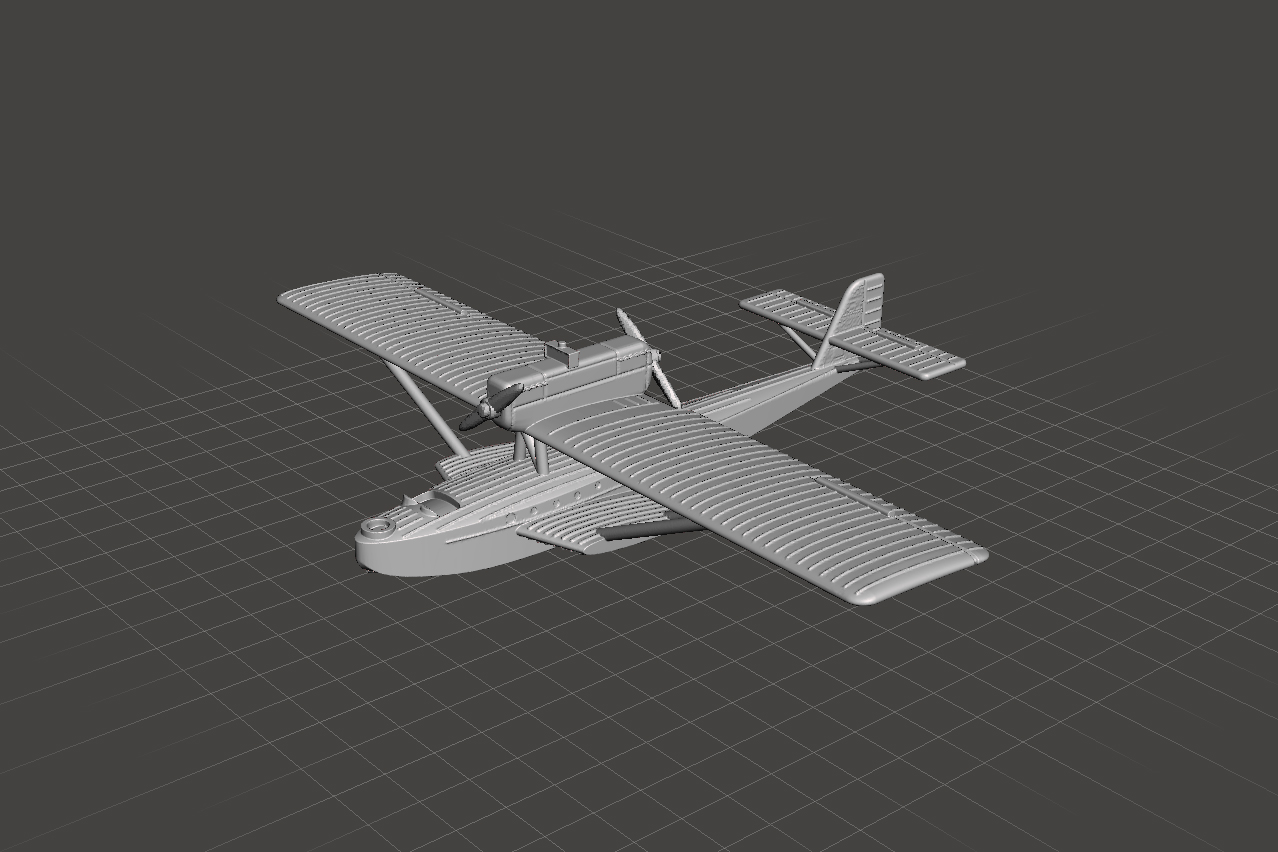
The Dornier Do J Wal is a twin-engine German flying boat of the 1920s designed by Dornier Flugzeugwerke. The Do J was designated the Do 16 by the Reich Air Ministry under its aircraft designation system of 1933.
Dornier J Wal
Seaplane - Waterline
1/300
1/200
1/144
1/100
£4.00
£6.00
£12.00
£16.00
SCW-GE-SP05
Nationalist Spain operated captured or inherited Dornier Do J Wal flying boats for maritime reconnaissance and coastal patrol, monitoring Republican shipping and safeguarding sea communications while supplementing assistance from German and Italian air units supporting Franco’s forces.
Fokker F.VIIB-3m
Transport/ Light Bomber
1/300
1/200
1/144
1/100
£4.00
£6.00
£12.00
£16.00
SCW-NE-TP01
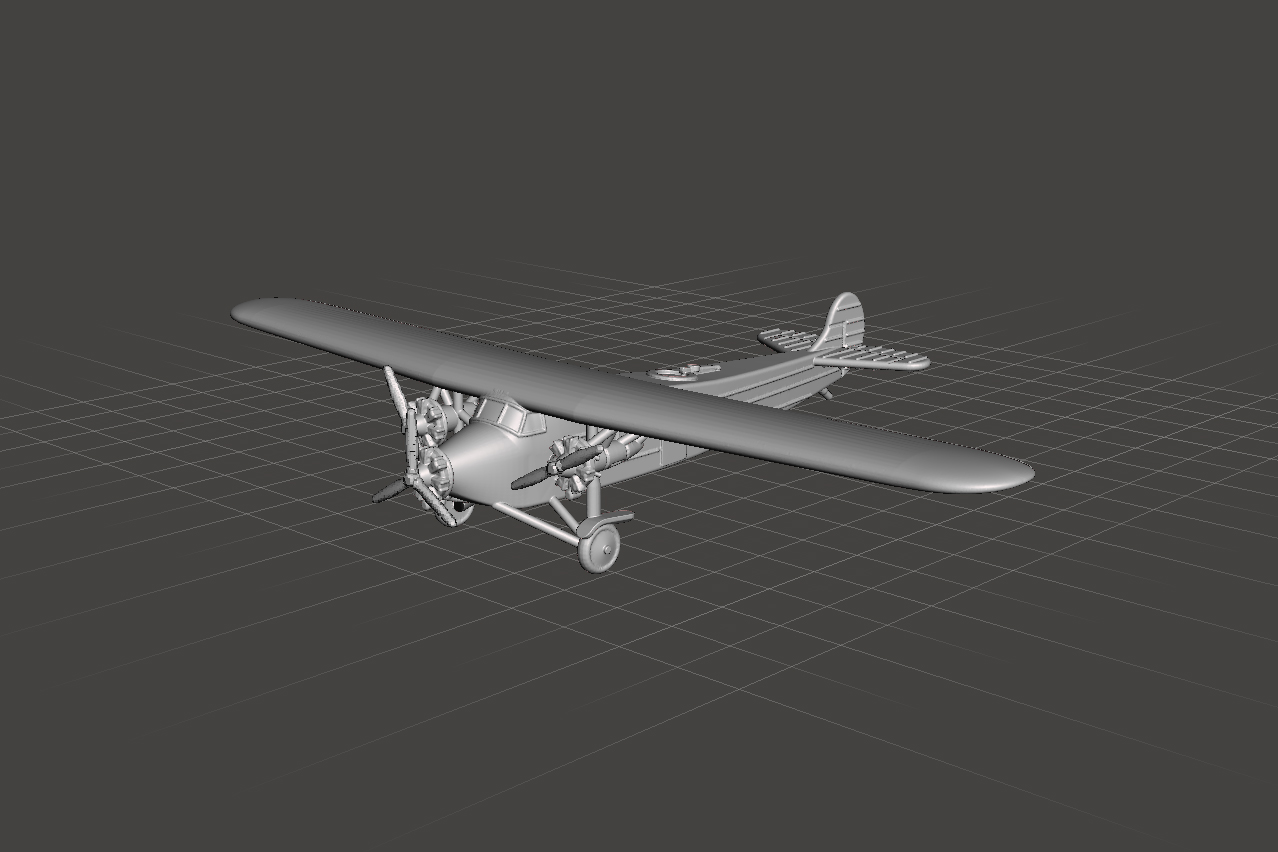
The Fokker F.VII, also known as the Fokker Trimotor, was an airliner produced in the 1920s by the Dutch aircraft manufacturer Fokker, Fokker’s American subsidiary Atlantic Aircraft Corporation, and several other companies under license.
Nieuport-Delage NiD-52
Fighter
1/300
1/200
1/144
1/100
£1.50
£3.00
£6.00
£8.00
SCW-FR-FP10
The Nieuport-Delage NiD 52 was a French fighter aircraft of the 1920s. A single-engined sesquiplane, it served with the Spanish Air Force, being operated by both sides of the Spanish Civil War.
Potez 25 TOE
Light Reconnaissance Bomber
1/300
1/200
1/144
1/100
£2.00
£4.00
£8.00
£12.00
SCW-FR-RB06
The Potez 25 served both Republican and Nationalist forces during the Civil War. Originally a French light reconnaissance bomber aircraft, it was also used for ground attacks. Despite being outdated, its versatility made it valuable in the conflict’s early and middle stages.
PWS-10
Fighter
1/300
1/200
1/144
1/100
£1.50
£3.00
£6.00
£8.00
SCW-PL-FP20
In late 1936, during the Spanish Civil War, 20 PWS-10 were sold in secret to the Spanish Nationalists, via Portugal, by the SEPEWE syndicate. Aircraft were transported in crates and were assembled by PZL workers. The first aircraft was flown by Franco’s airforce in December 1936 from Leon.
Savoia-Marchetti SM.62
Reconnaissance Sea Plane
1/300
1/200
1/144
1/100
£4.00
£6.00
£12.00
£16.00
SCW-IT-SP02
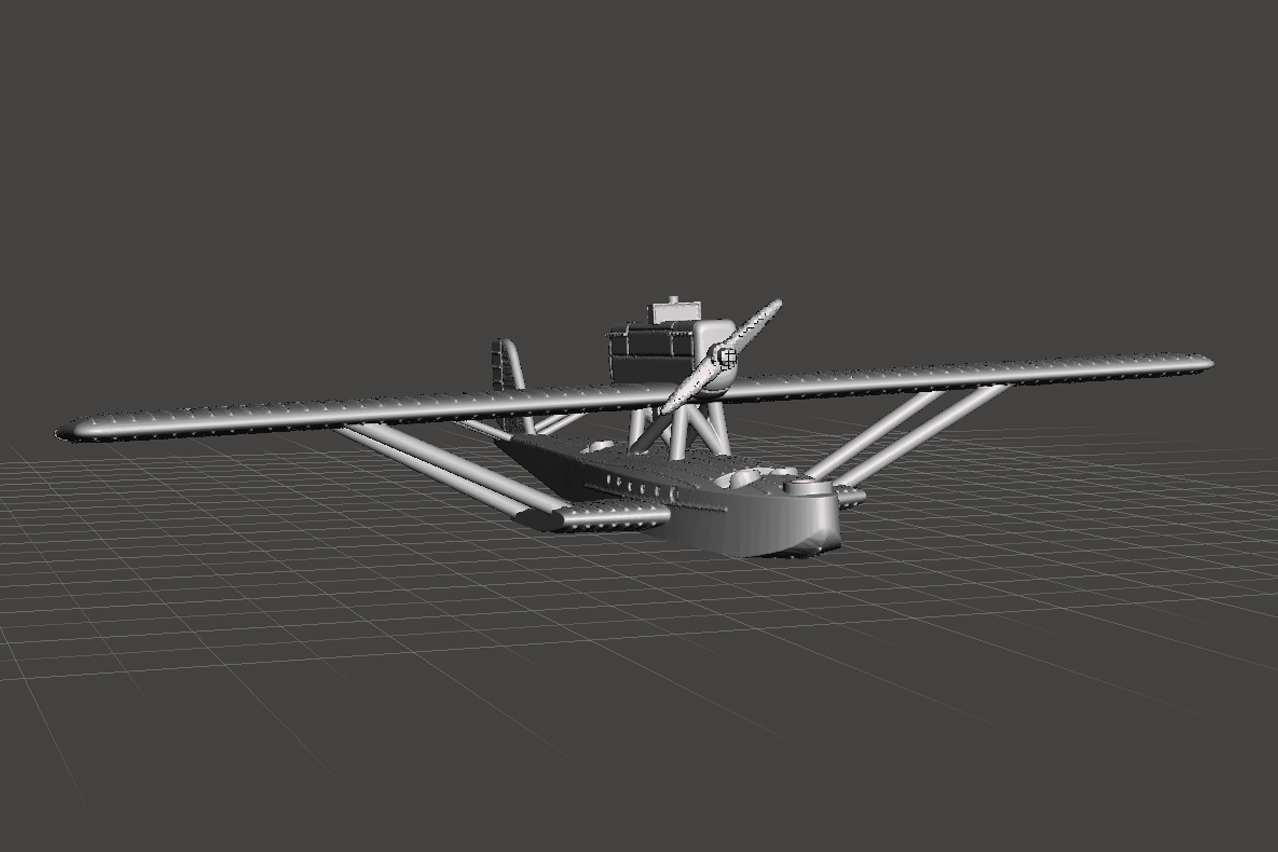
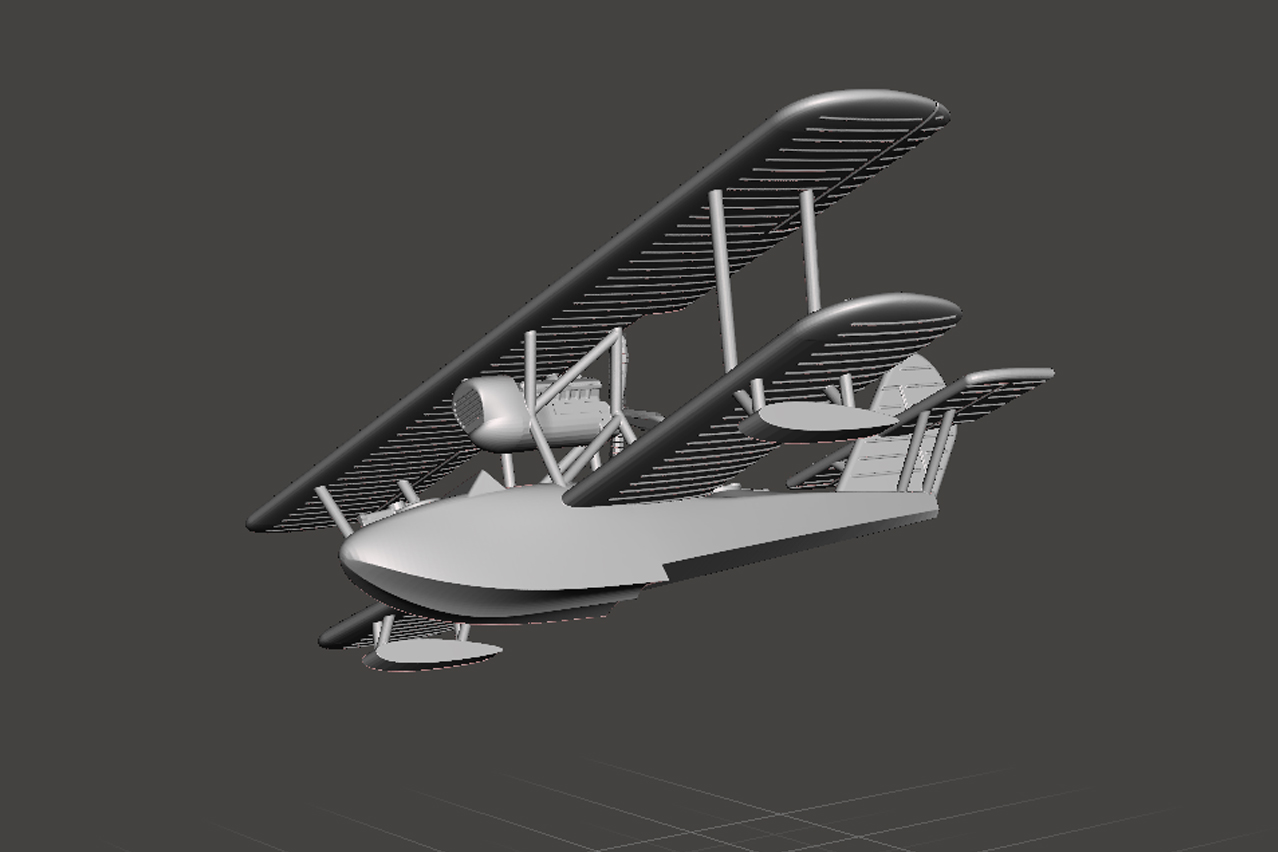
In Nationalist service, the Savoia-Marchetti SM.62 was employed for maritime patrol, reconnaissance, and training duties. Operating from coastal bases, it supported anti-shipping and escort missions, valued for its endurance, stable handling, and adaptability despite being outdated by the Civil War’s end.
Savoia-Marchetti SM.62
Seaplane - Waterline
1/300
1/200
1/144
1/100
£4.00
£6.00
£12.00
£16.00
SCW-IT-SP07
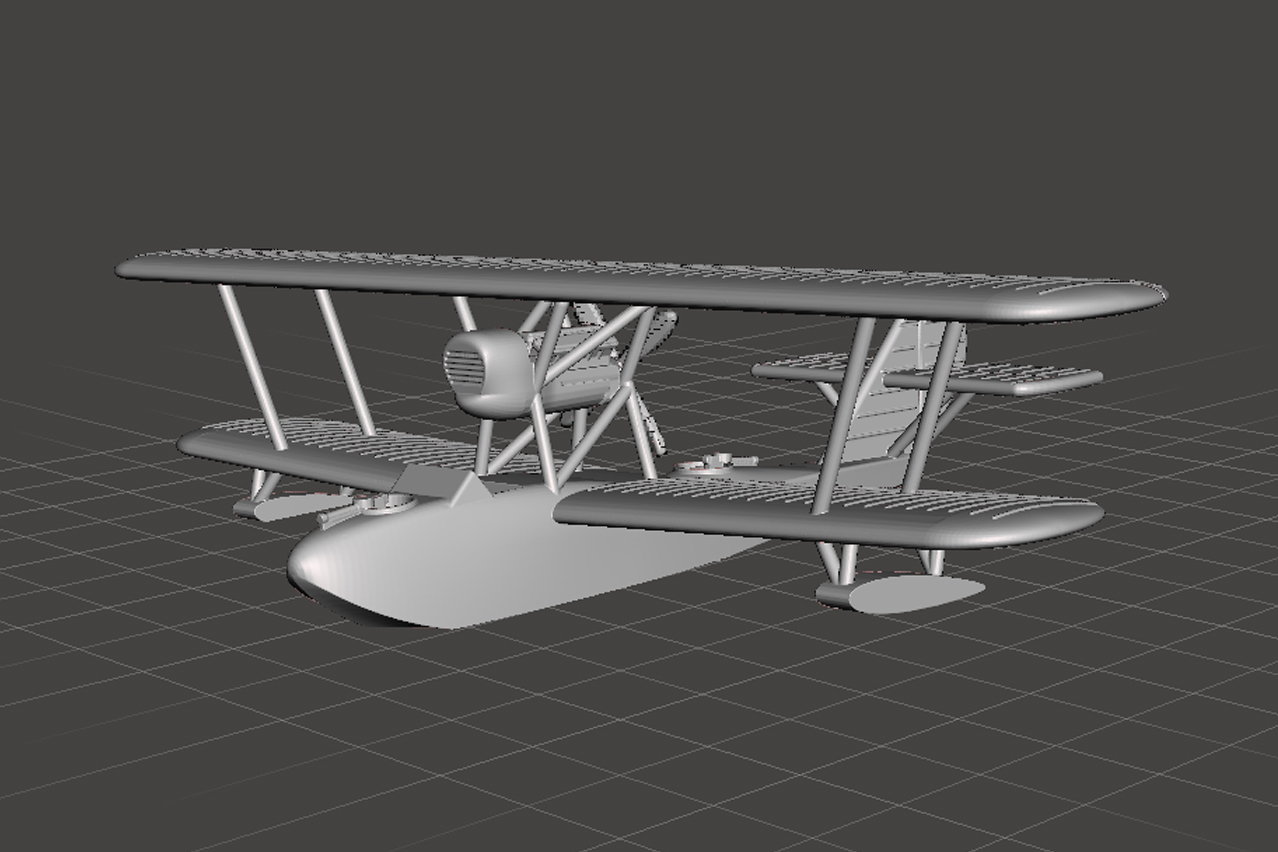
Though already dated, the SM.62’s endurance and seaworthiness allowed useful secondary service in training, communications, and limited patrol tasks, helping the Nationalists sustain basic naval aviation capability alongside more modern German and Italian support aircraft.