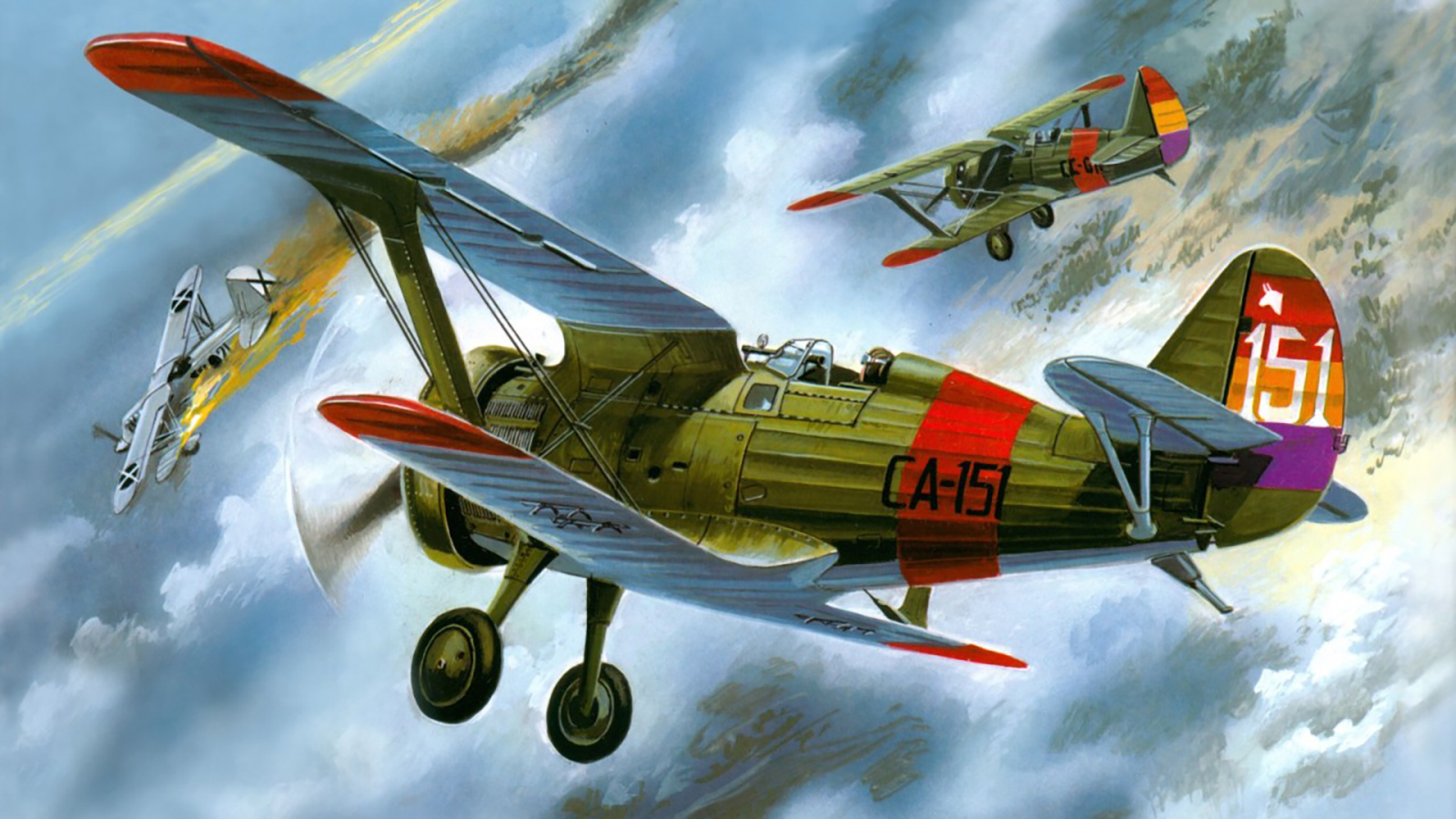
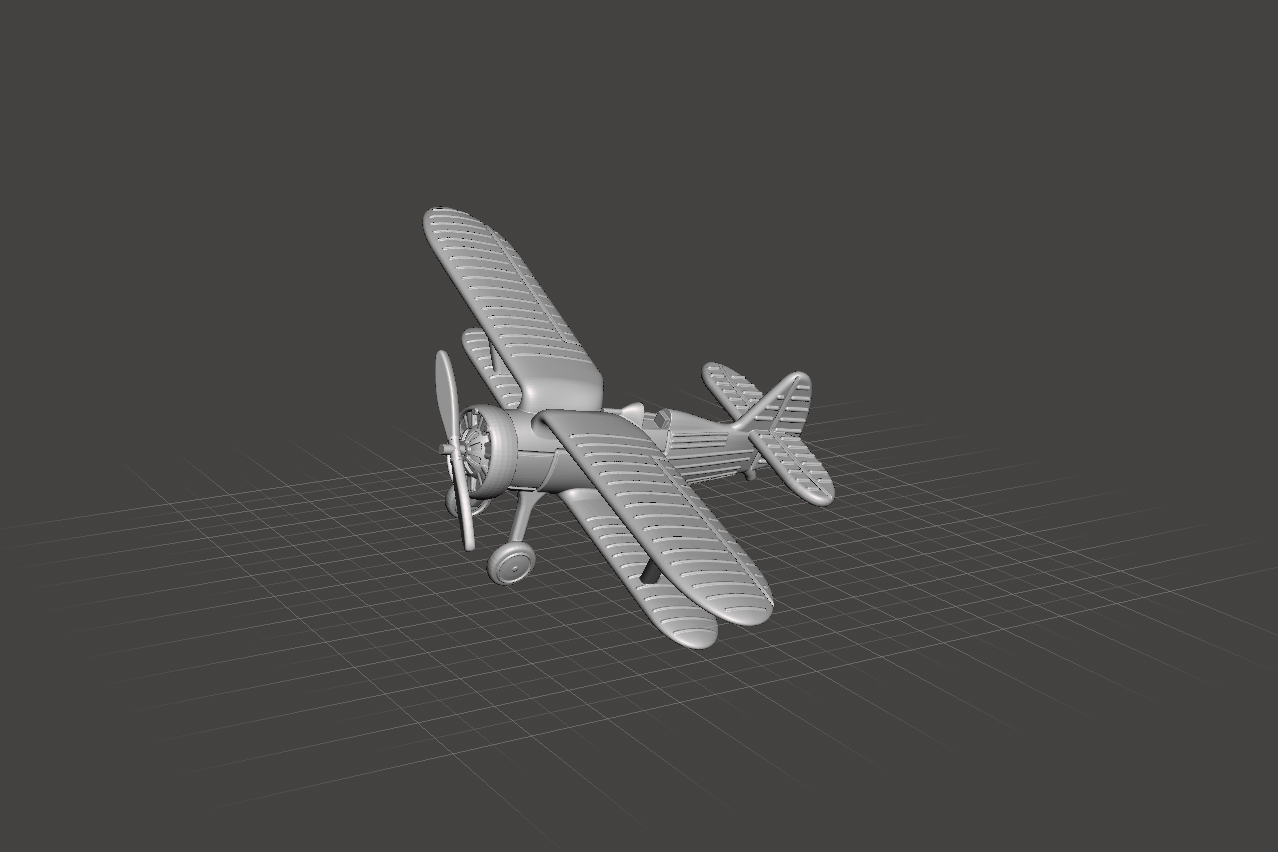
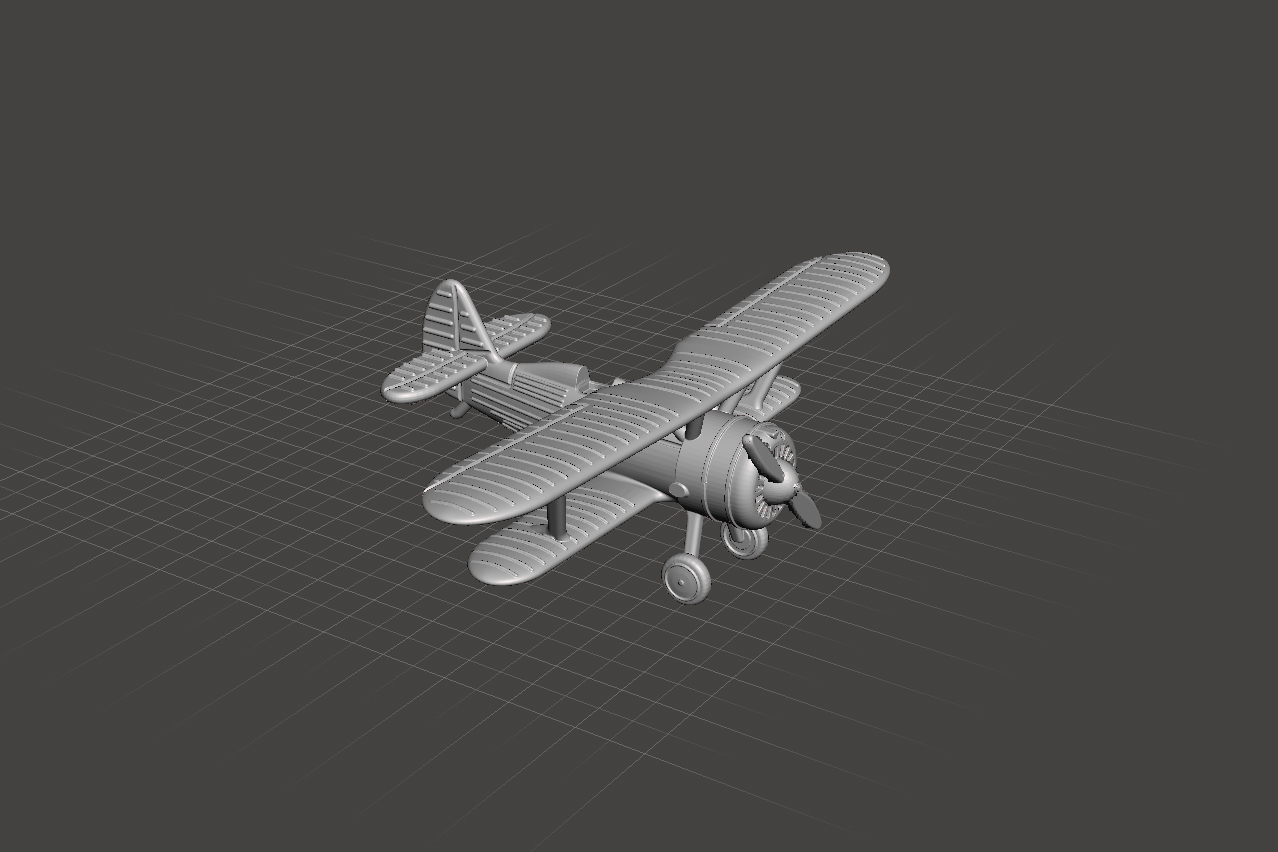
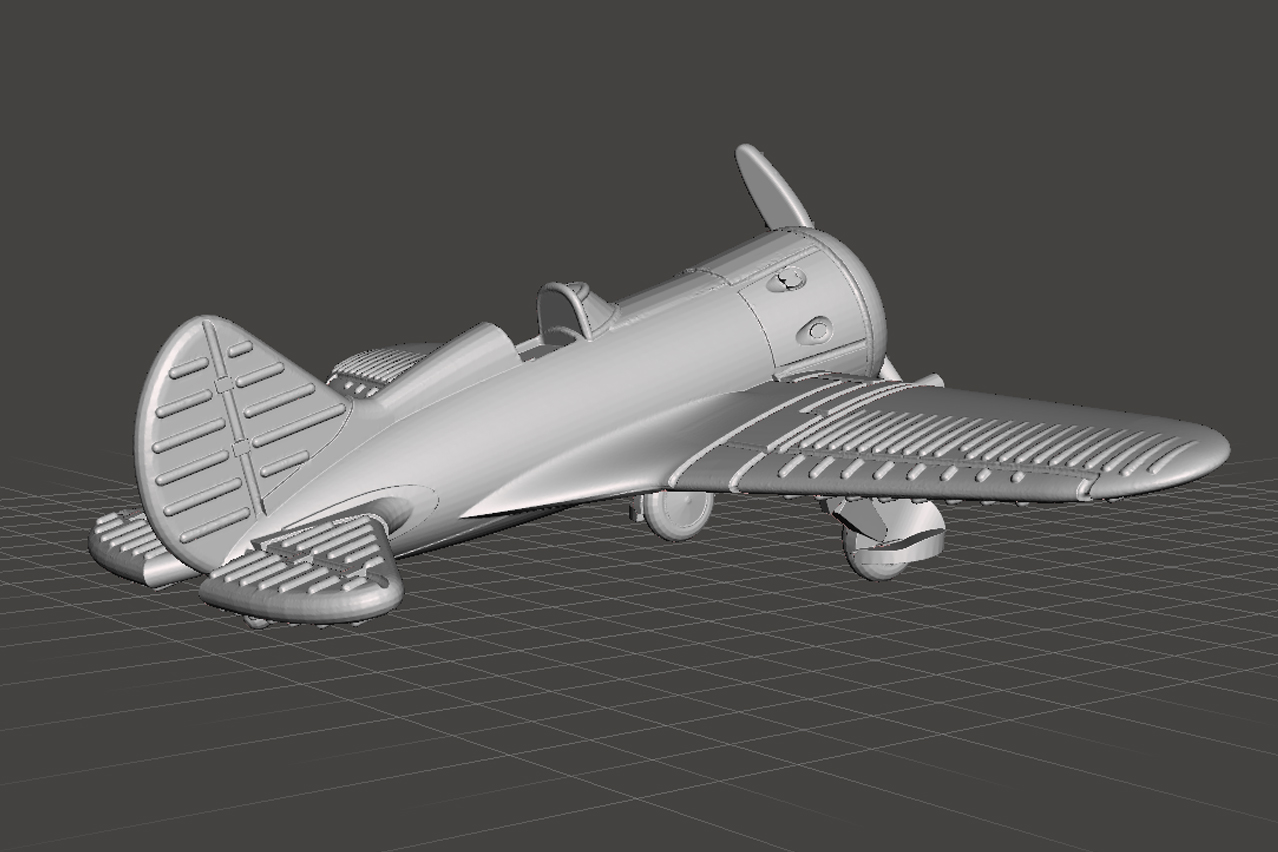
First flown in 1933, the I-15 was a stout, extremely manoeuvrable fighter that featured a gull-shaped upper-wing. It proved to be unpopular with many Soviet pilots. Development of the design continued because given their manoeuvrability would still play a significant role in air-to-air combat.
Polikarpov I-15bis
Fighter
1/300
1/200
1/144
1/100
£1.50
£3.00
£6.00
£8.00
SCW-SU-FP17
First flown in 1933, the I-15bis was a stout, extremely manoeuvrable fighter that featured a conventional upper-wing. Development of the design continued because given their manoeuvrability would still play a significant role in air-to-air combat.
Polikarpov I-16 Type 5
Fighter
1/300
1/200
1/144
1/100
£1.50
£3.00
£6.00
£8.00
SCW-SU-FP18
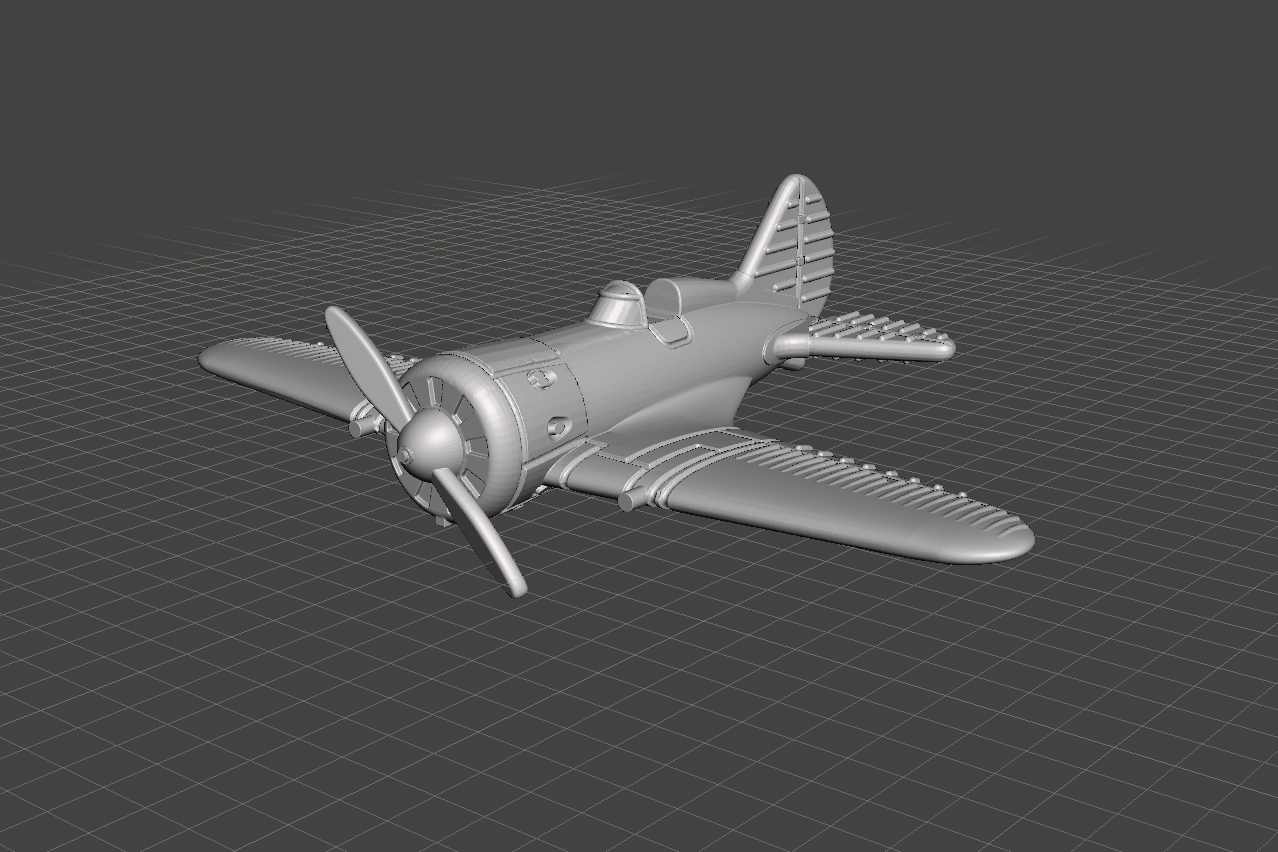
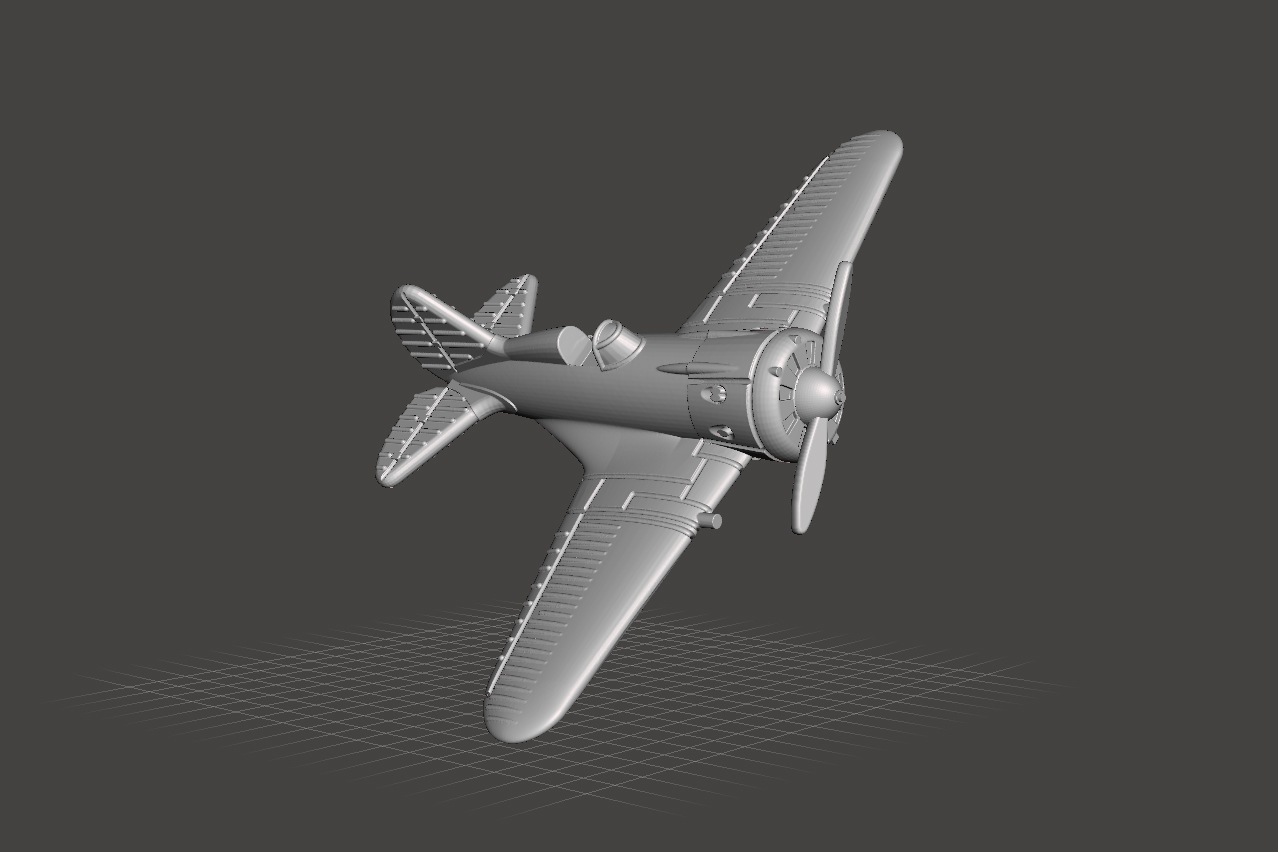
Soviet VVS volunteer pilots introduced the Polikarpov I-16 Type 5 to Spain in late 1936, flying from Republican bases as a shock interceptor. Its retractable gear and speed overmatched many biplanes, earning the Republican nickname “Mosca” and unsettling Nationalist air patrol routines nationwide.
Polikarpov I-16 Type 5
Fighter Plane w. Lowered Undercarriage
1/300
1/200
1/144
1/100
£1.50
£3.00
£6.00
£8.00
SCW-SU-FP25
VVS instructors used Type 5s to teach boom-and-zoom tactics, shallow dives, and coordinated sections against He 51s and CR.32s, while also confronting the I-16’s twitchy landing, limited fuel, and early armament. Experience shaped training, maintenance, and later Soviet fighter doctrine before WW2.
Polikarpov I-16 Type 10
Fighter
1/300
1/200
1/144
1/100
£1.50
£3.00
£6.00
£8.00
SCW-SU-FP19
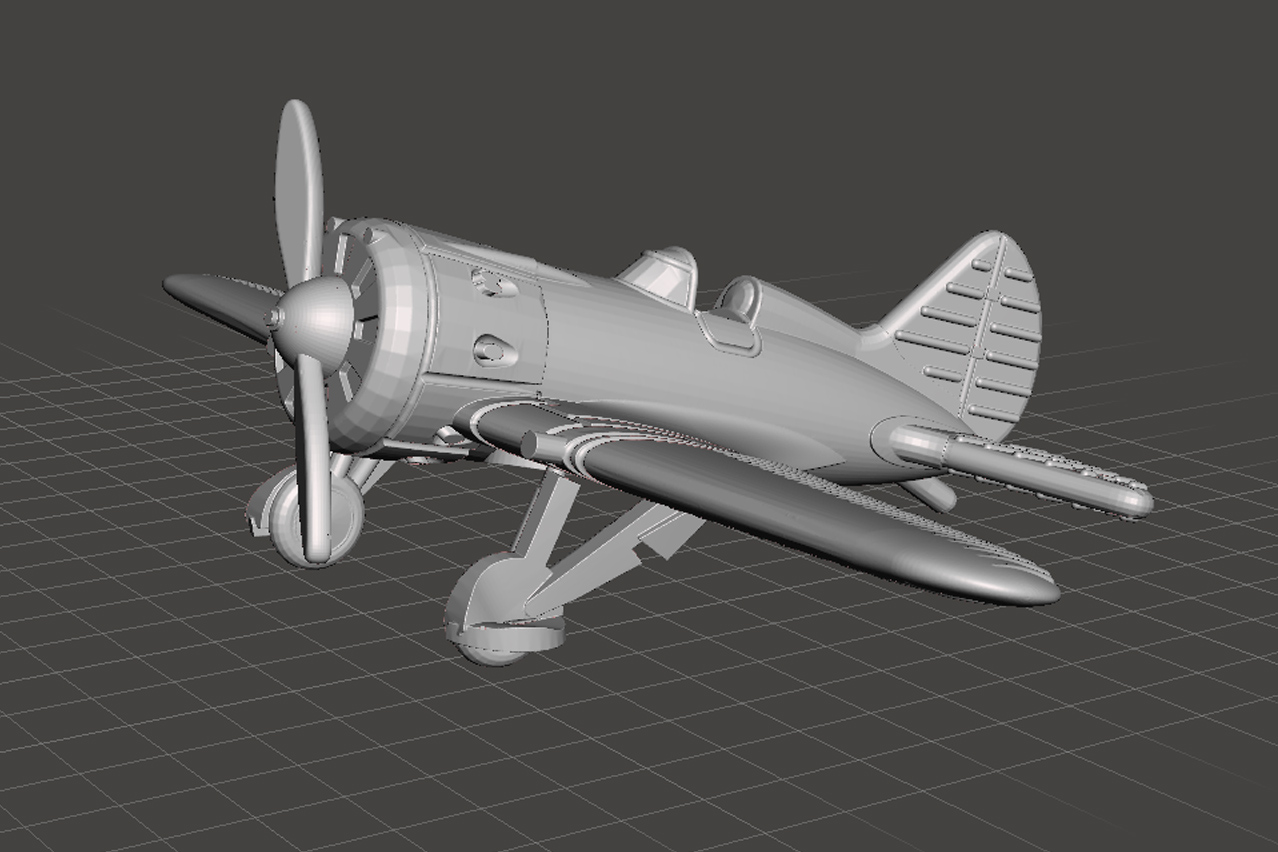
Soviet VVS advisers and volunteer pilots helped introduce the Polikarpov I-16 Type 10 to Republican Spain in 1937, an upgraded “Super Mosca” with four ShKAS machine guns. It reinforced fighter groups around Madrid, the Jarama, and later offensive sectors where it was tasked with gaining air superiority.
Polikarpov I-16 Type 10
Fighter Plane w. Lowered Undercarriage
1/300
1/200
1/144
1/100
£1.50
£3.00
£6.00
£8.00
SCW-SU-FP26
In VVS hands it escorted SB bombers, intercepted He 111s and Ju 52s, and fought Bf 109s, CR.32s, and He 51s. Greater firepower came at the cost of short endurance and demanding takeoffs and landings, driving emphasis on discipline, coordinated tactics, and rigorous maintenance standards.
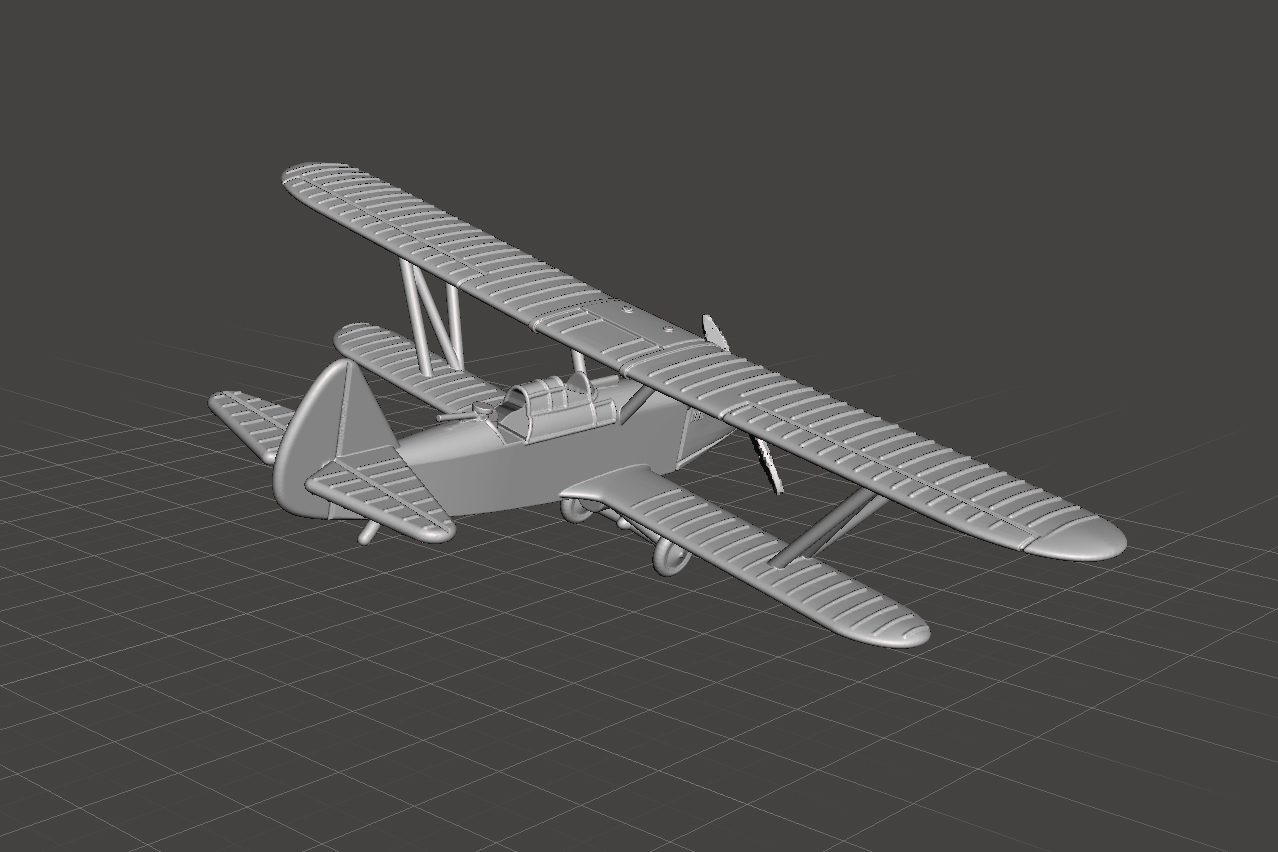
Polikarpov R5 'Rasante'
Light Bomber
1/300
1/200
1/144
1/100
£2.00
£4.00
£8.00
£12.00
SCW-SU-RB03
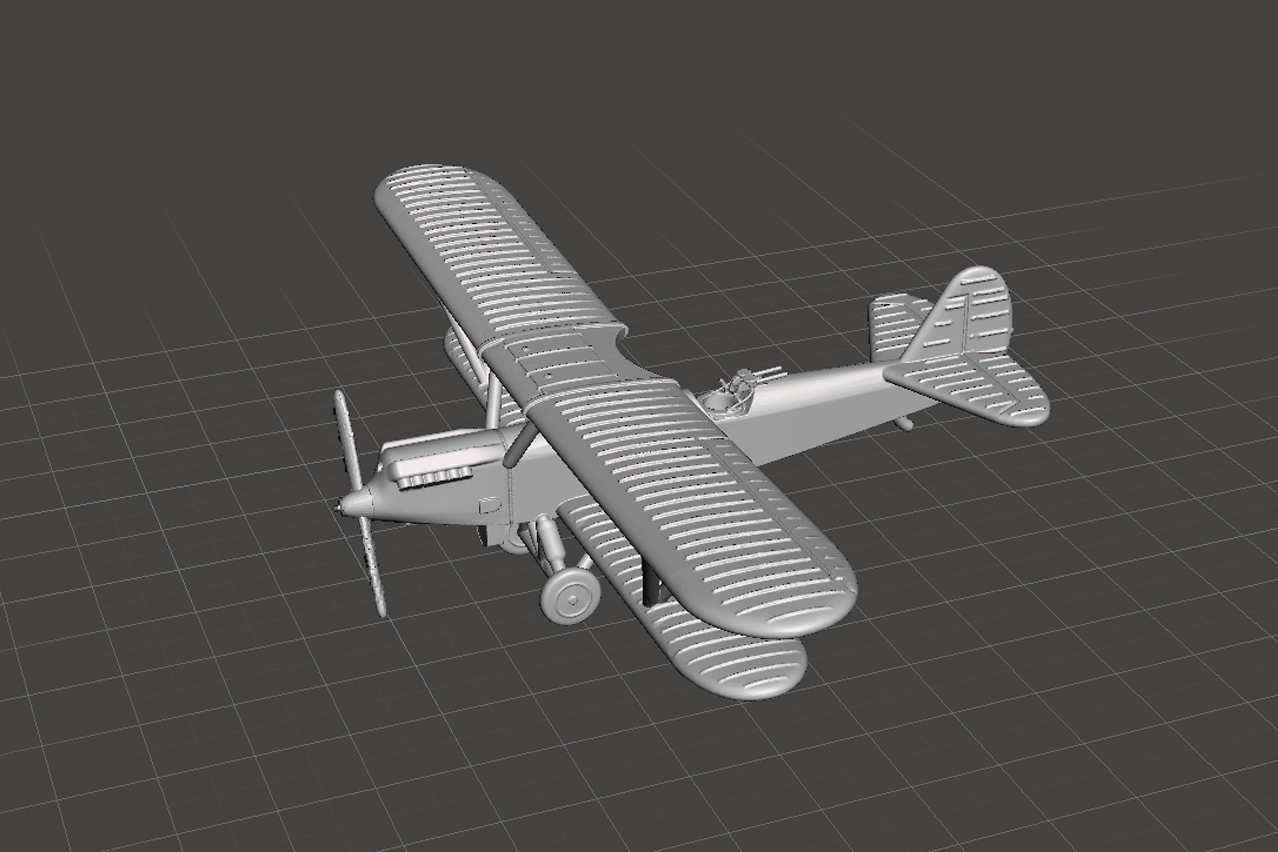
31 R-5’s arrived in November 1936, and were quickly deployed on combat operations. Seven R-5s remained in good condition by March 1939. Known as “Rasante” (roughly translated as “Low flying”) in the Spanish Republican Air Force they were found to be slow and were relegated to night bombing.
Polikarpov R-Z 'Natacha'
Reconnaissance/ Light Bomber
1/300
1/200
1/144
1/100
£2.00
£4.00
£8.00
£12.00
SCW-SU-RB04
The Polikarpov R-Z was a Soviet reconnaissance bomber aircraft of the 1930s. 61 R-Z’s were heavily used, flying in tight formations and using co-ordinated defensive fire to defend against fighter attack, while returning individually at low levels.
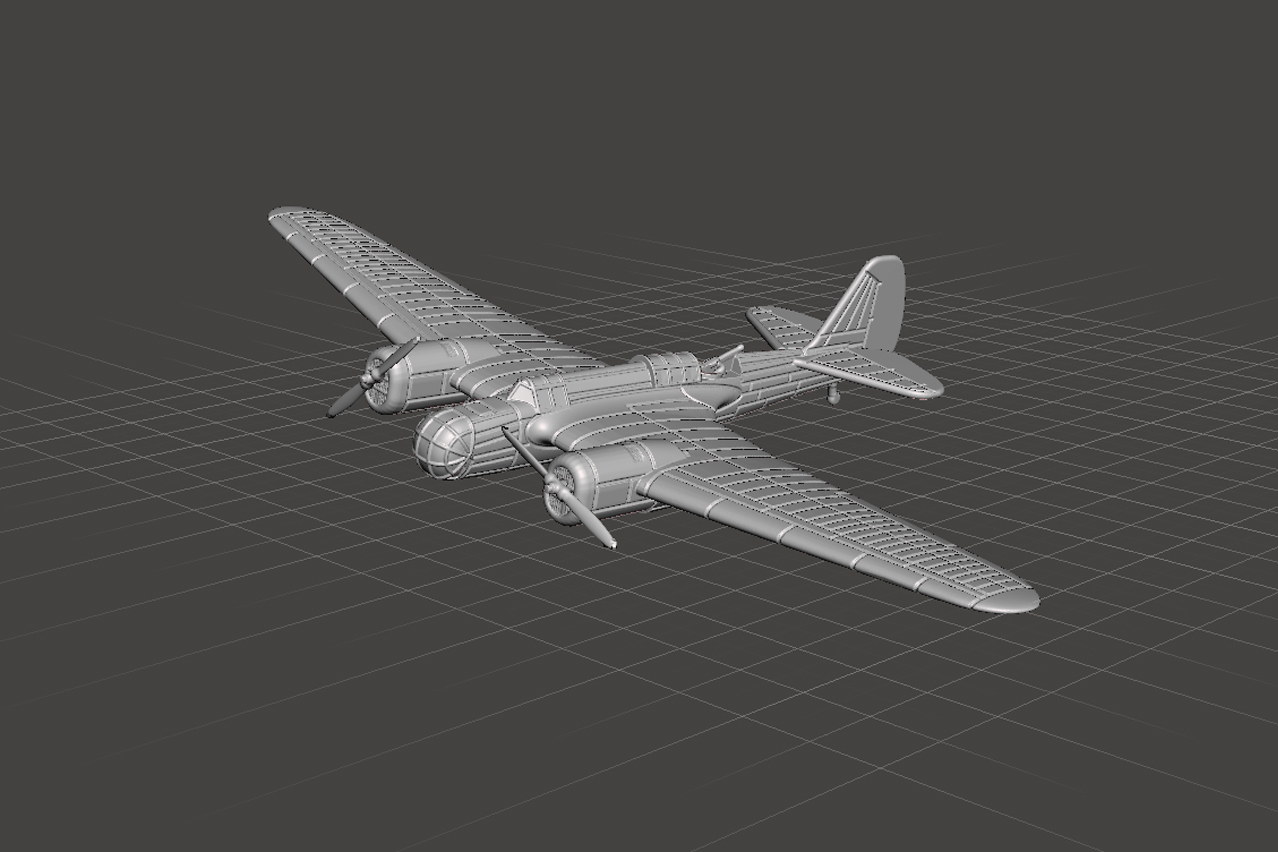
Tupolev SB2M 100 'Katiuska'
Light Bomber
1/300
1/200
1/144
1/100
£4.00
£6.00
£12.00
£16.00
SCW-SU-MB06
Soviet VVS crews and advisers brought the Tupolev SB-2M-100 to Republican Spain in late 1936, where its high speed earned the nickname “Katiuska.” Flown in fast, level-bombing raids, it struck airfields, rail junctions, bridges, and troop assemblies beyond the front during major offensives and sieges.
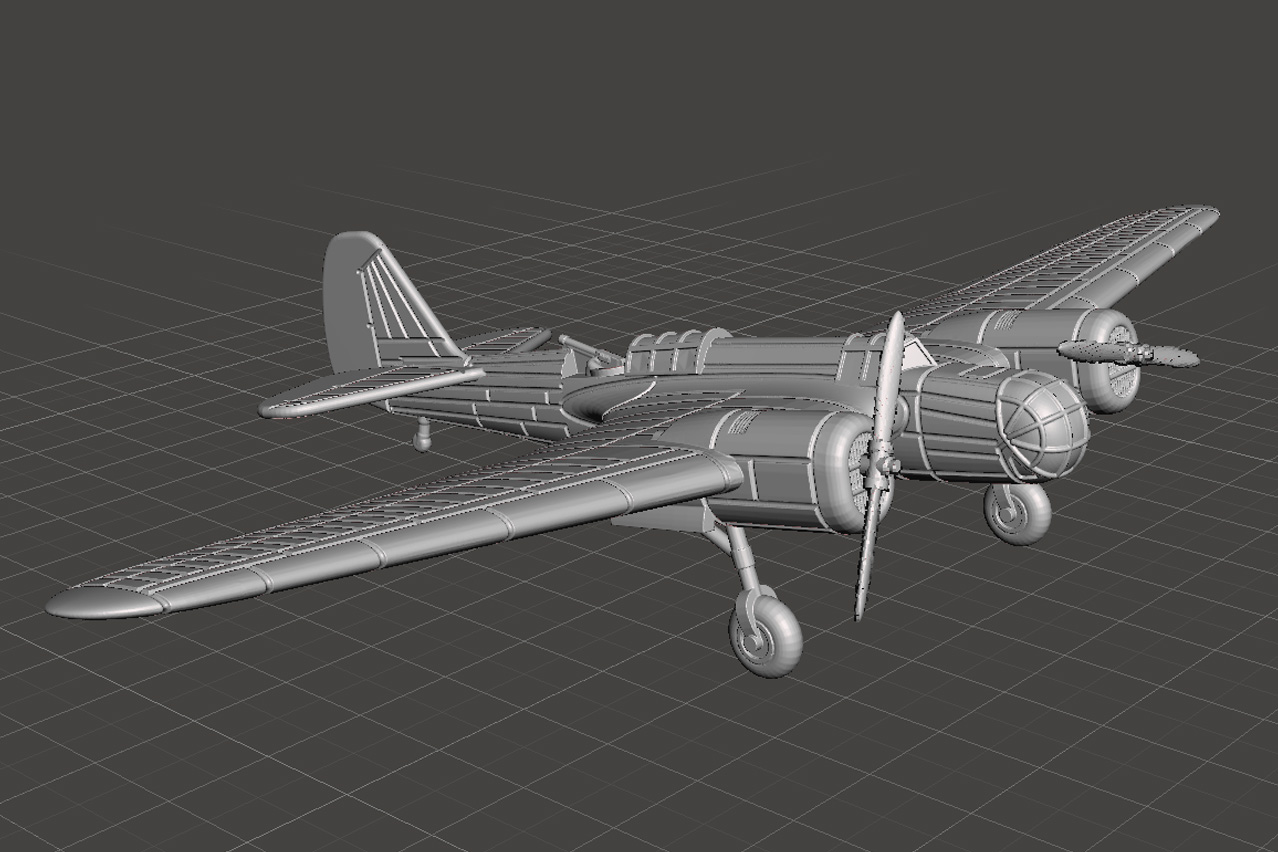
Tupolev SB2M 100 'Katiuska'
Light Bomber w. Lowered Undercarriage
1/300
1/200
1/144
1/100
£4.00
£6.00
£12.00
£16.00
SCW-SU-MB07
The SB often outran interceptors, but improved Nationalist fighter cover forced tighter formations, higher altitudes, and better escort coordination. VVS personnel refined navigation and maintenance in austere fields, learning hard lessons about defensive armament and losses under pressure.