Bayonets & Brushes

Bayonets & Brushes

Dutch Fortifications

Fortifications

Koninklijke Landmacht

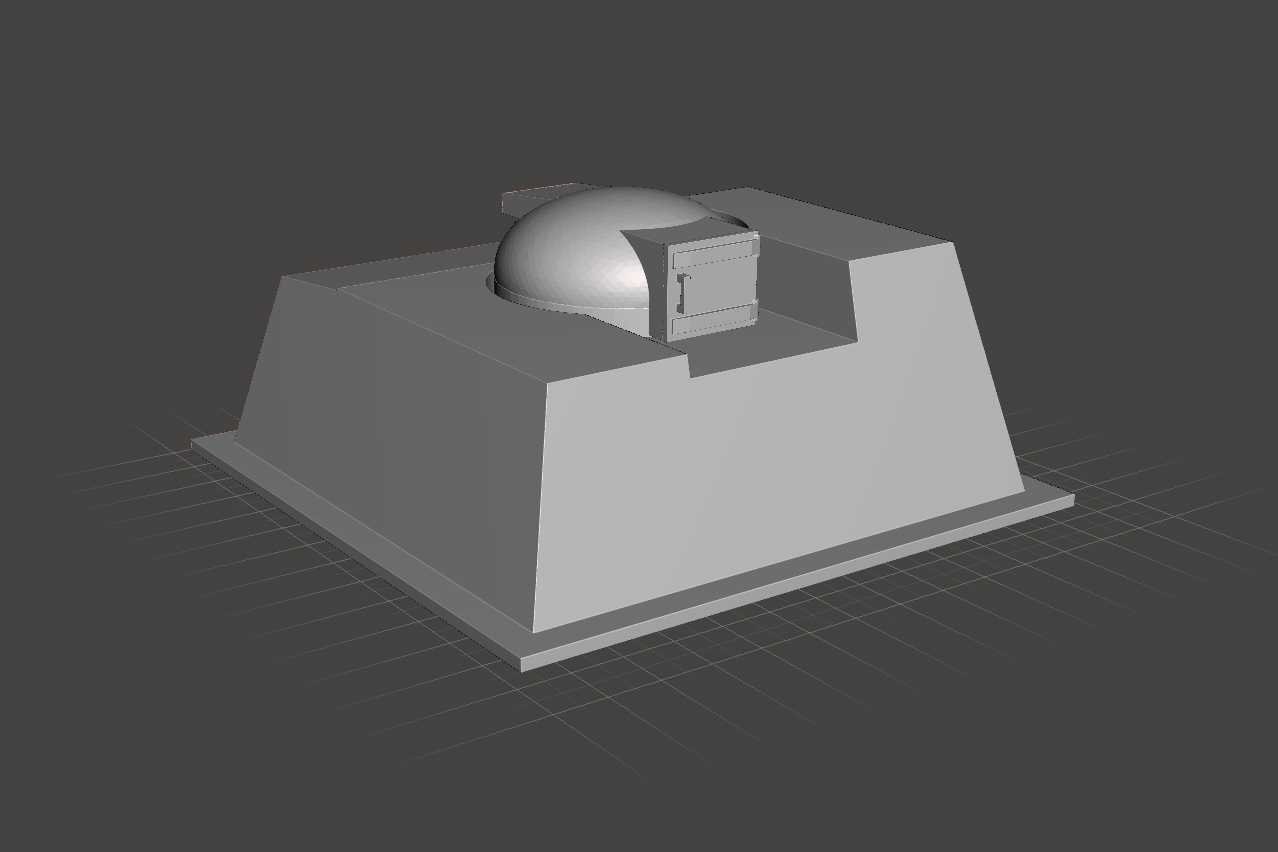
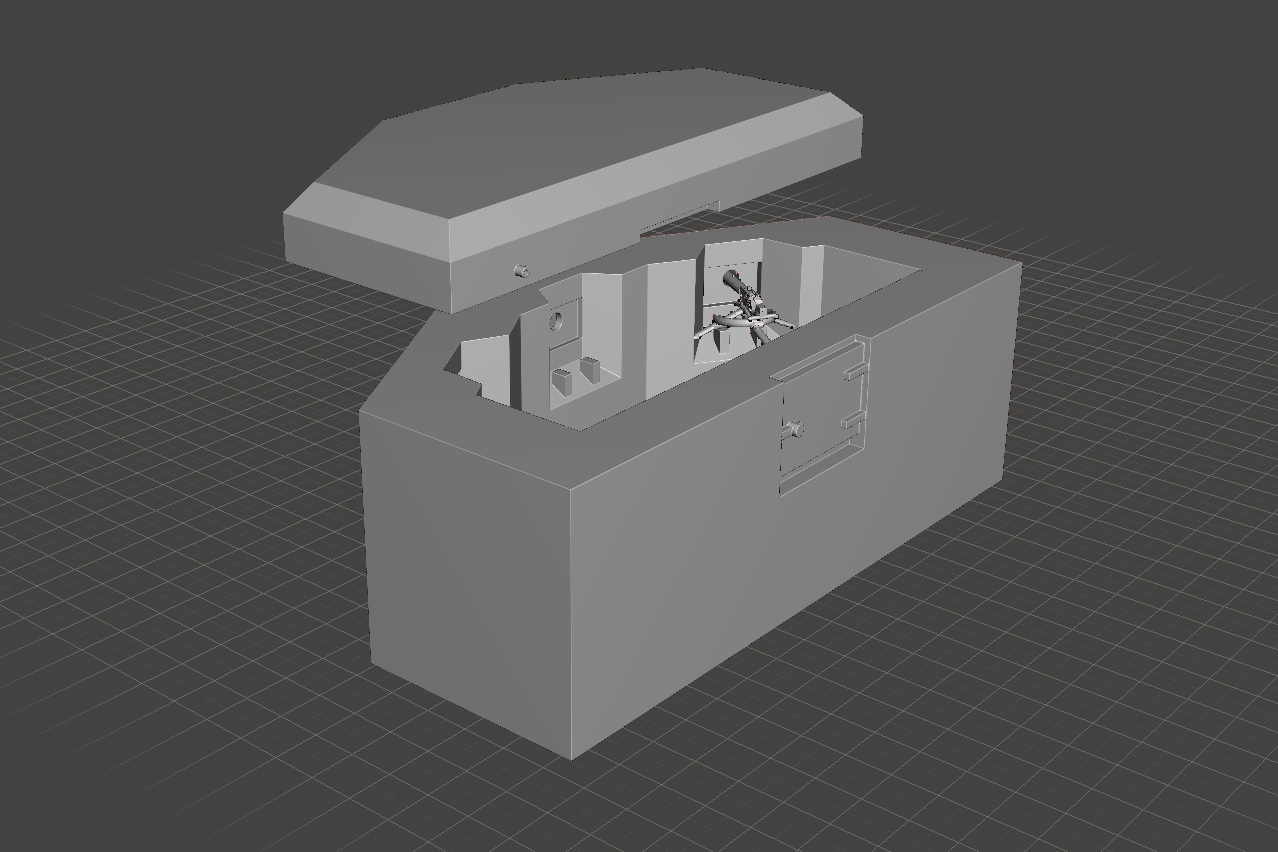
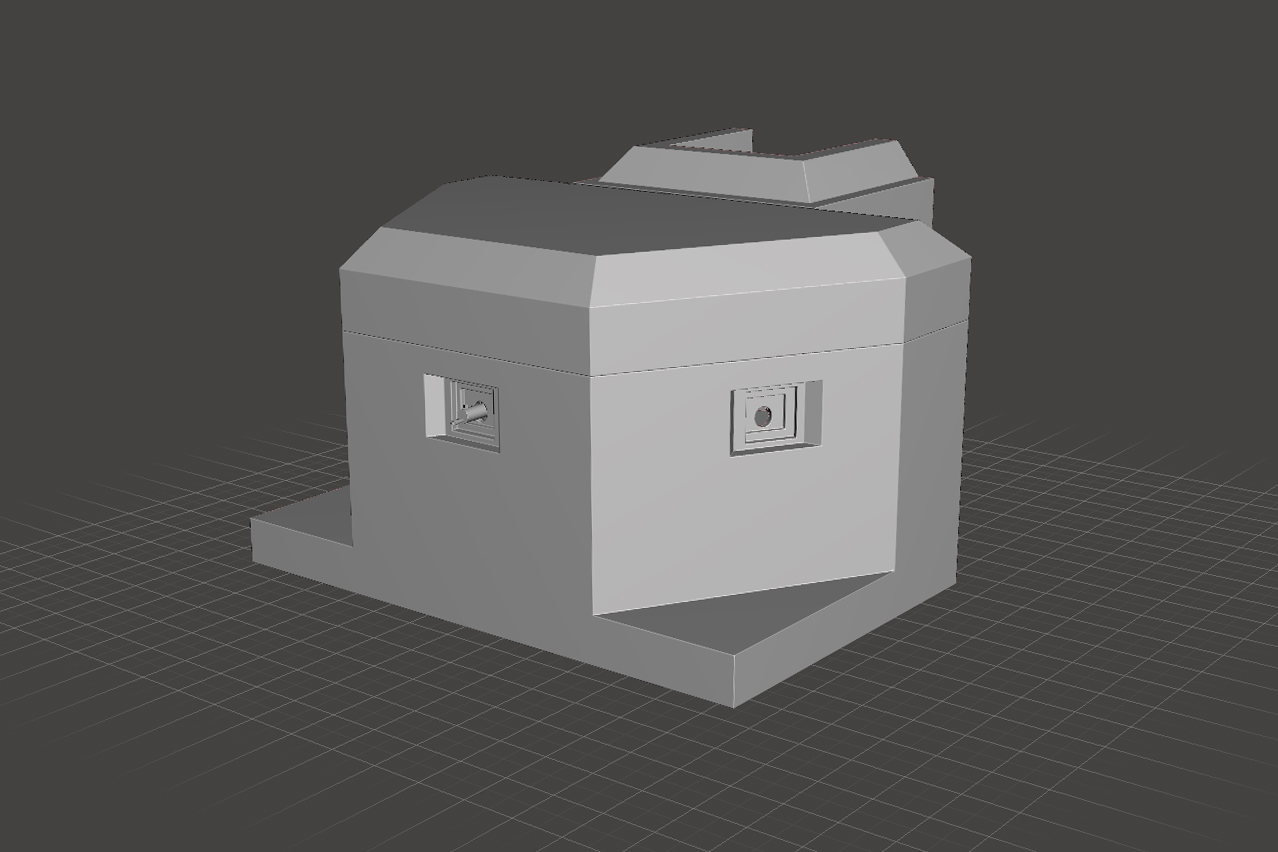
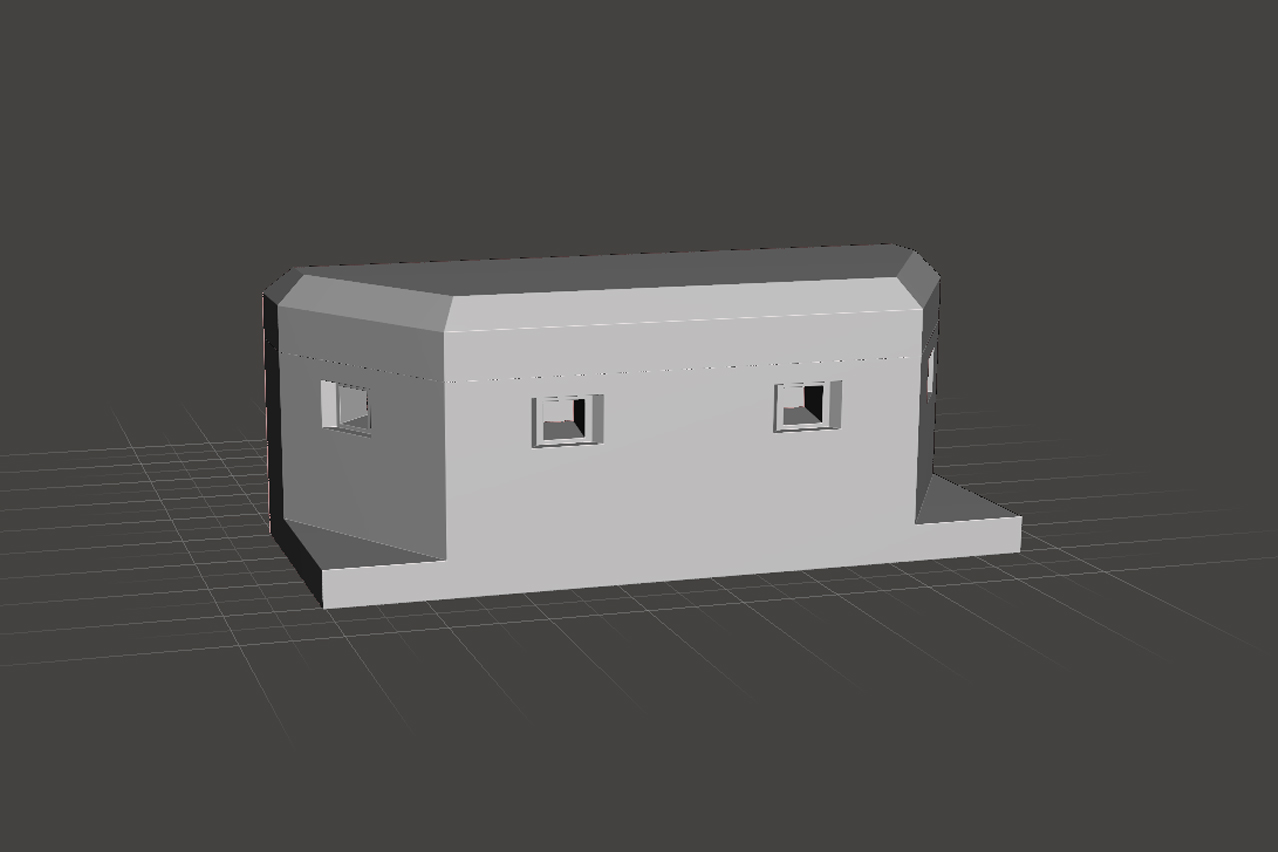
B-Kazemat Left Orientation

Infantry Strongpoint

1/200

1/100

1/72

£8.00

£12.00

£14.00

WWII-NE-Frt01

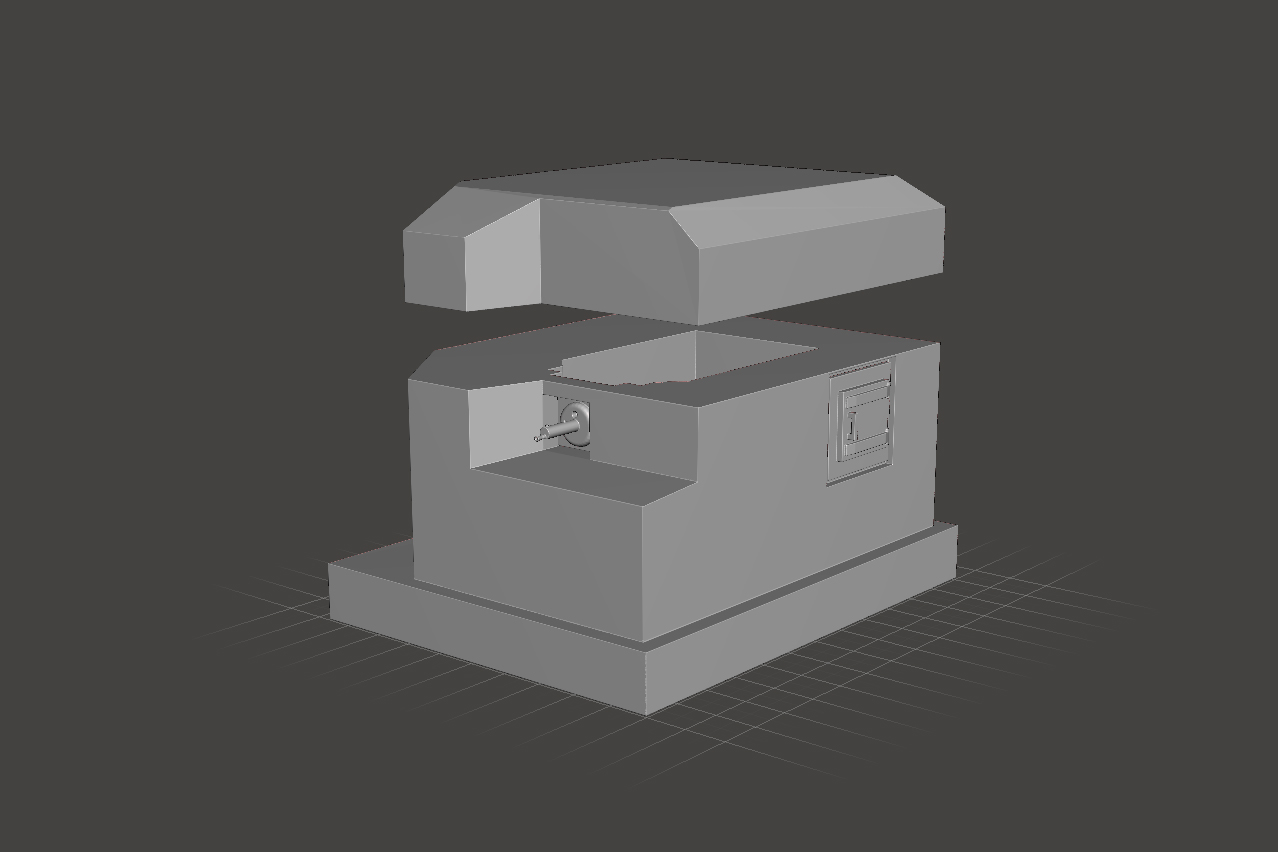
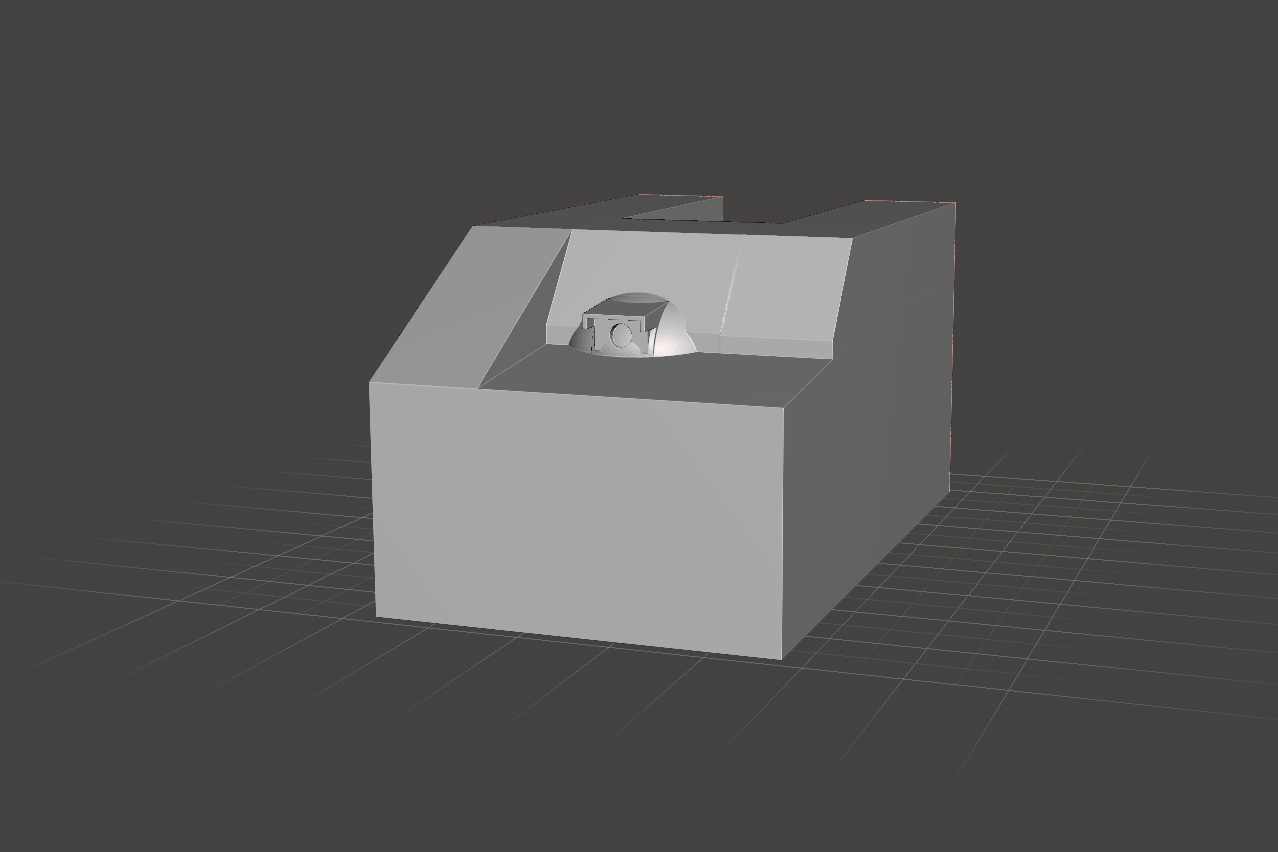
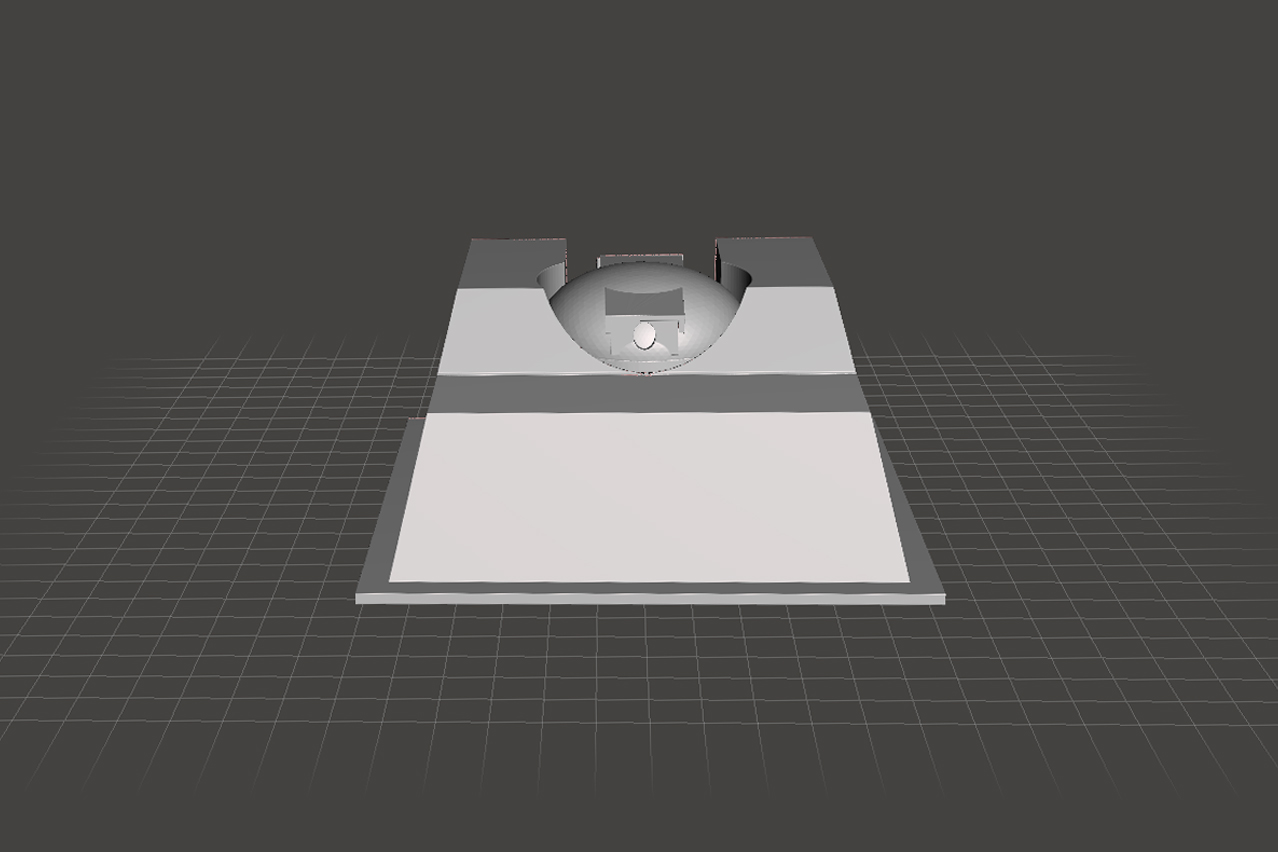
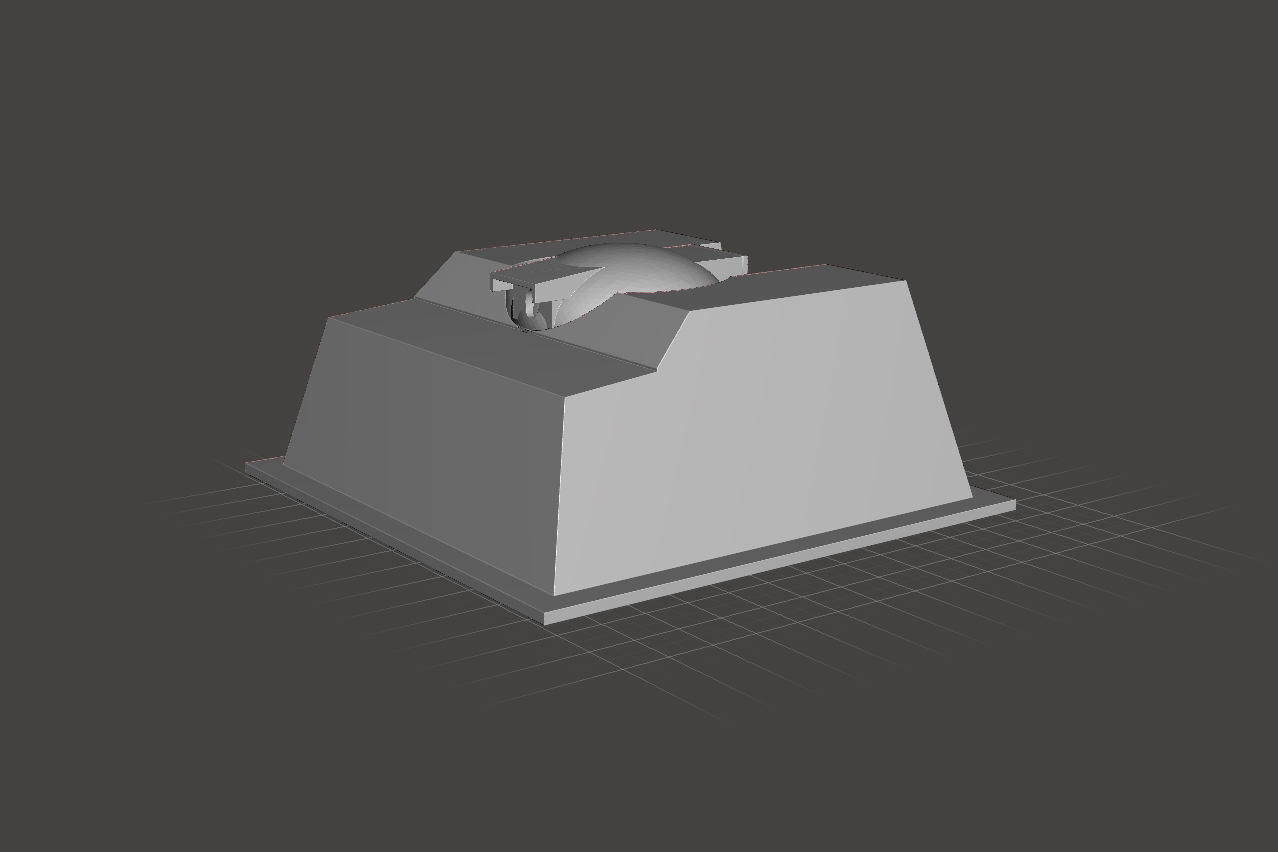
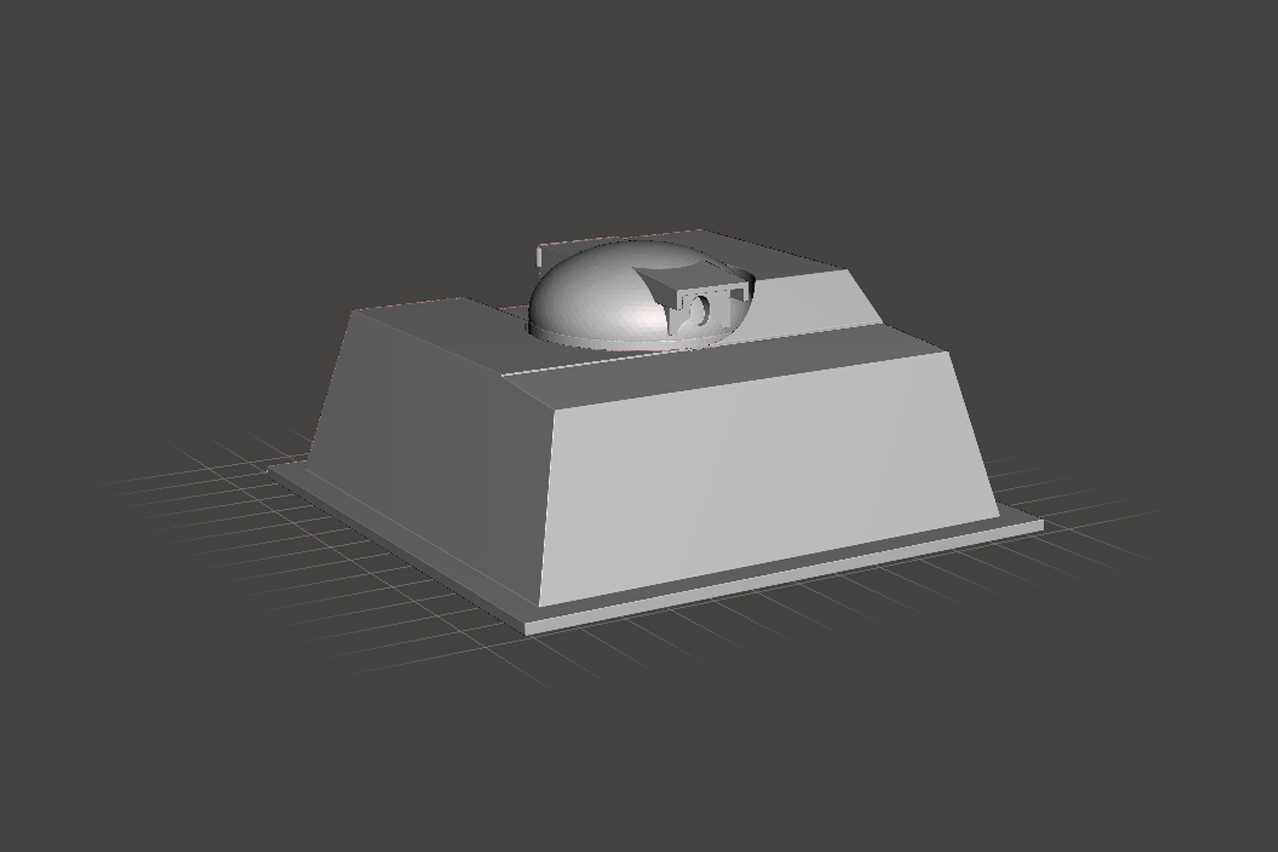
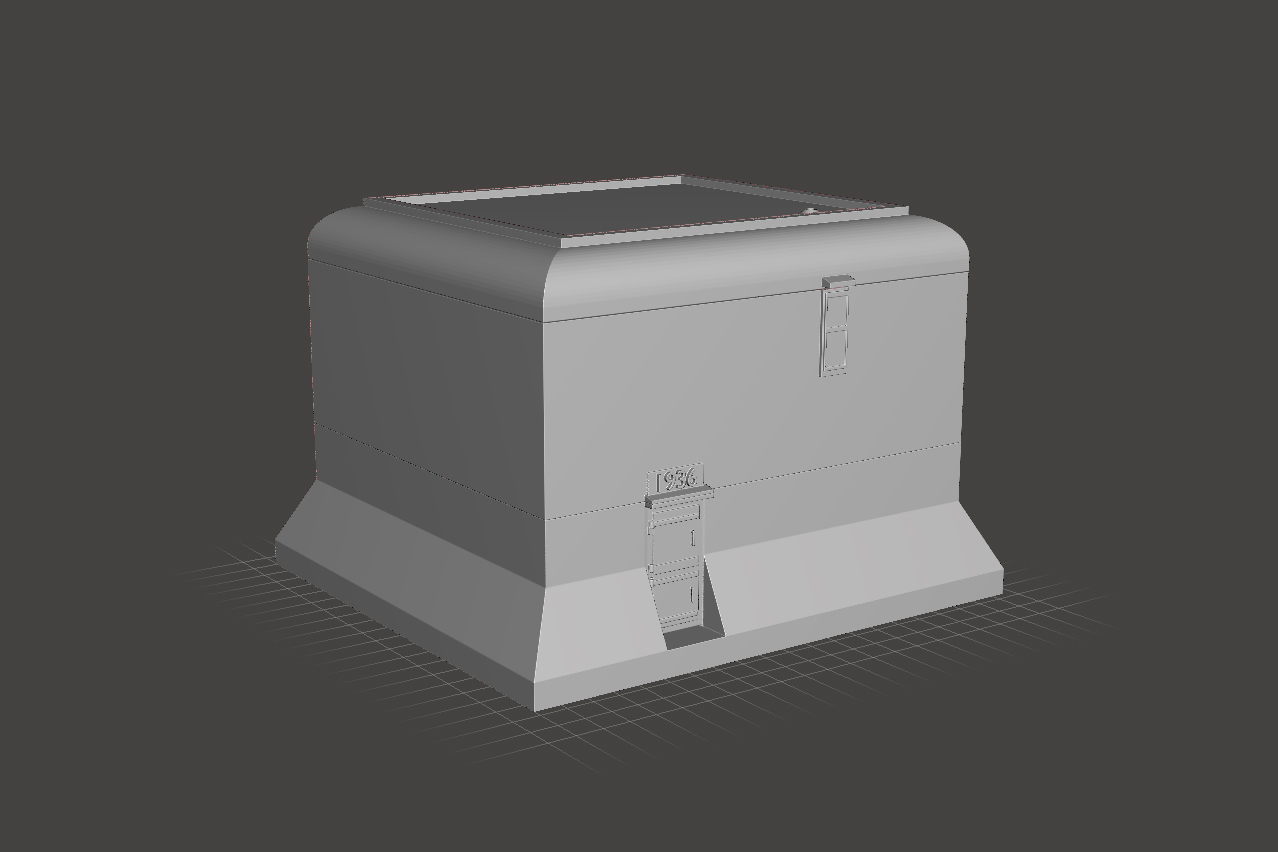
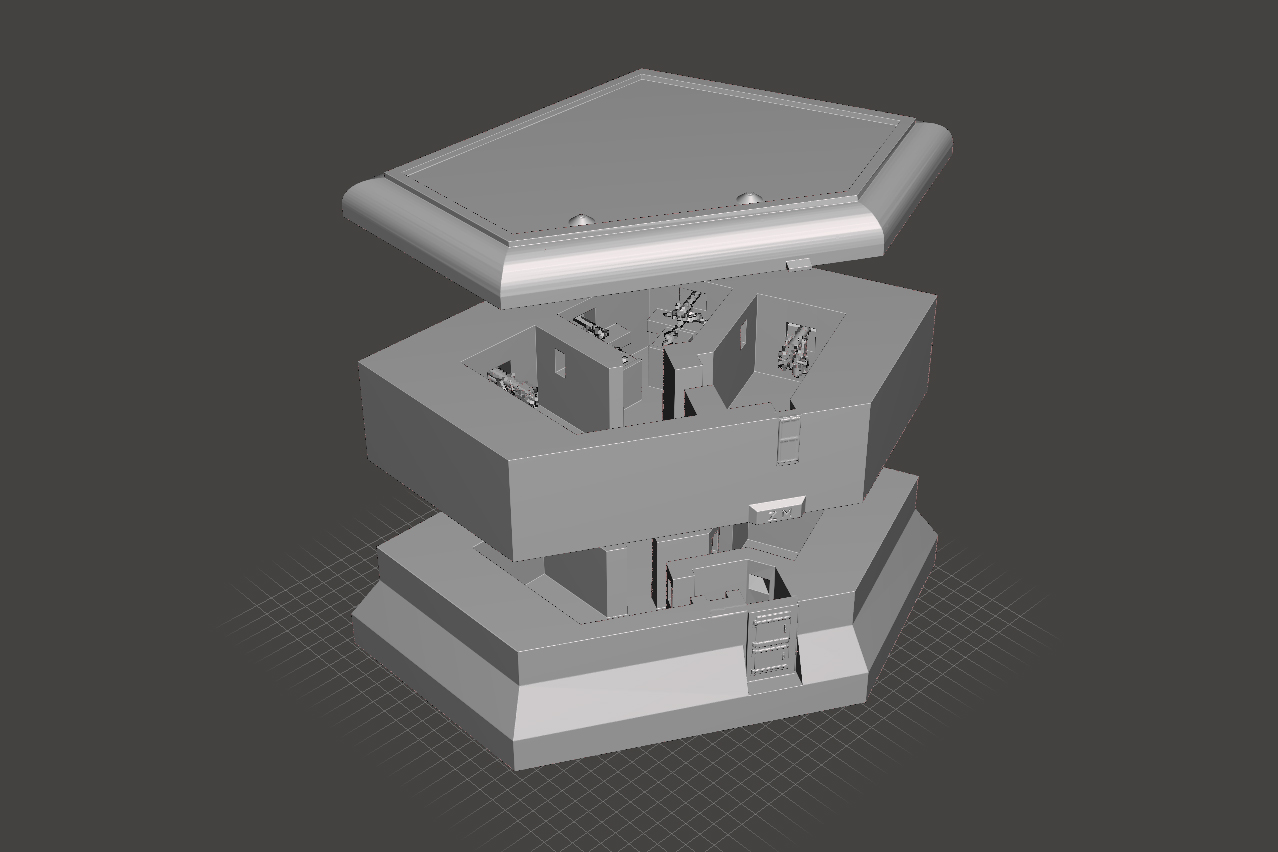
The Dutch B-Kazemats were concrete bunkers built in the 1930s to protect river crossings and key defensive positions. Designed for machine guns or light anti-tank weapons, they featured thick frontal armour and narrow apertures, offering solid protection during the German invasion in May 1940.

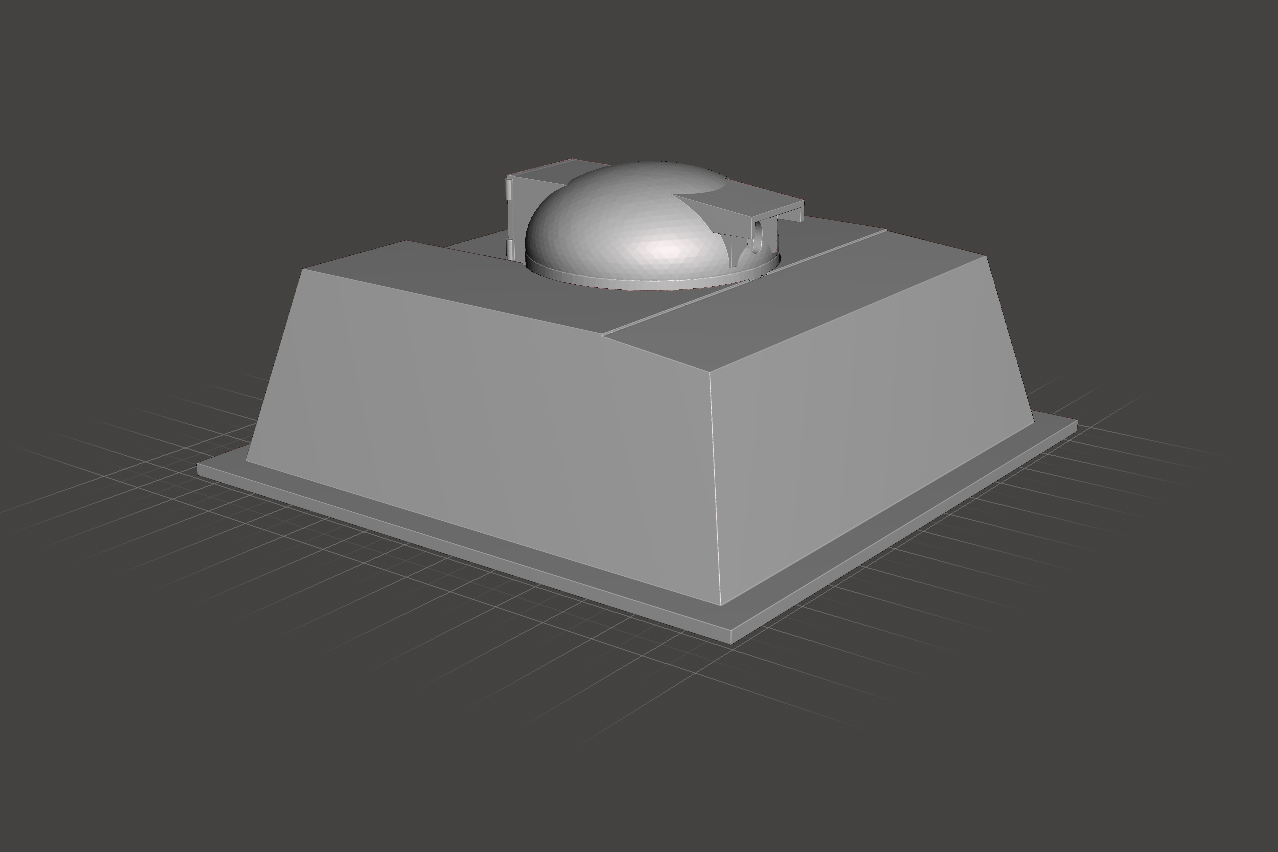
B-Kazemat Right Orientation

Infantry Strongpoint

1/200

1/100

1/72

£8.00

£12.00

£14.00

WWII-NE-Frt02

Positioned along defensive barriers, B-Kazemats provided overlapping fields of fire to support infantry and obstruct enemy movement. Their compact, functional design reflected the Dutch emphasis on static defence, though many were eventually outflanked or destroyed by the German invaders.

G-Kazemat Large w. Raised Left Wall & Rotated Cupola

Infantry Strongpoint

1/200

1/100

1/72

£2.50

£4.50

£8.00

WWII-NE-Frt03

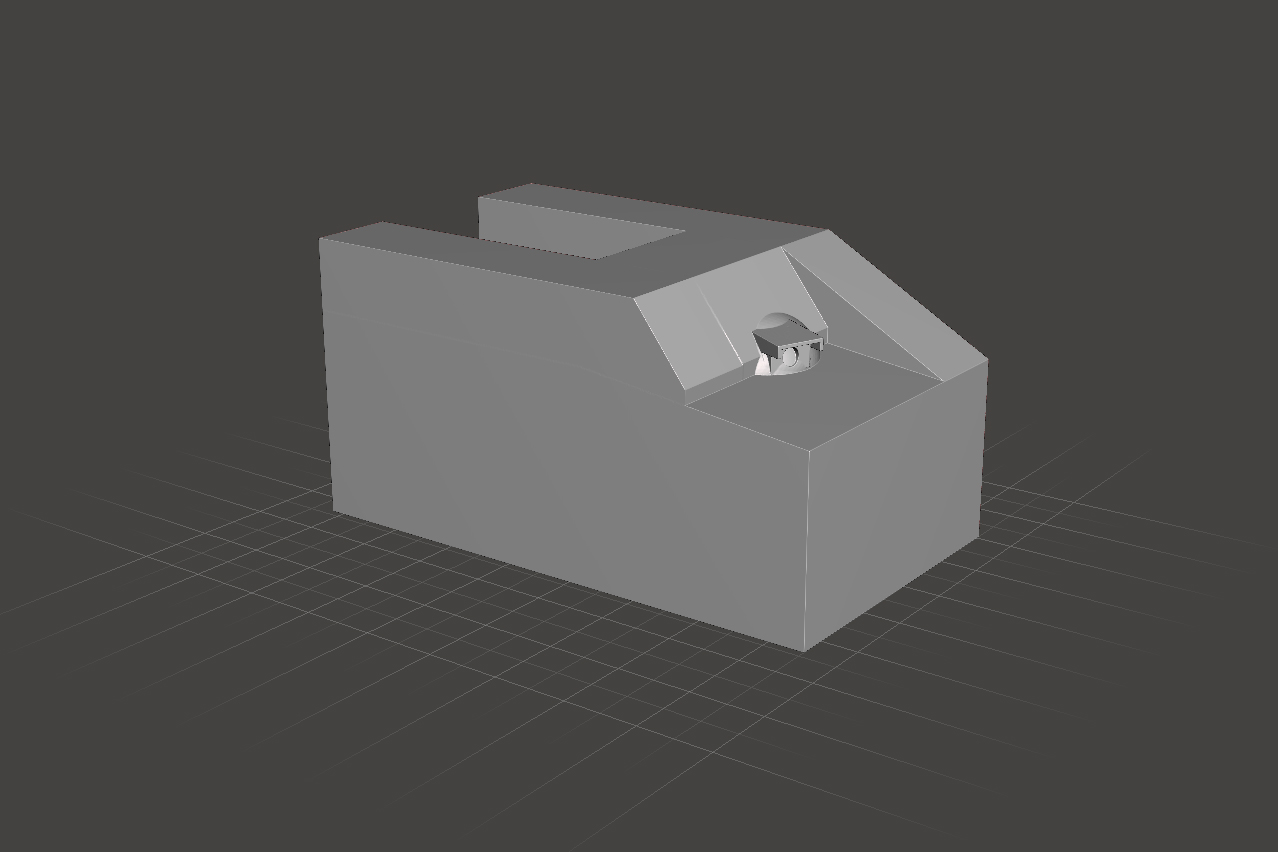
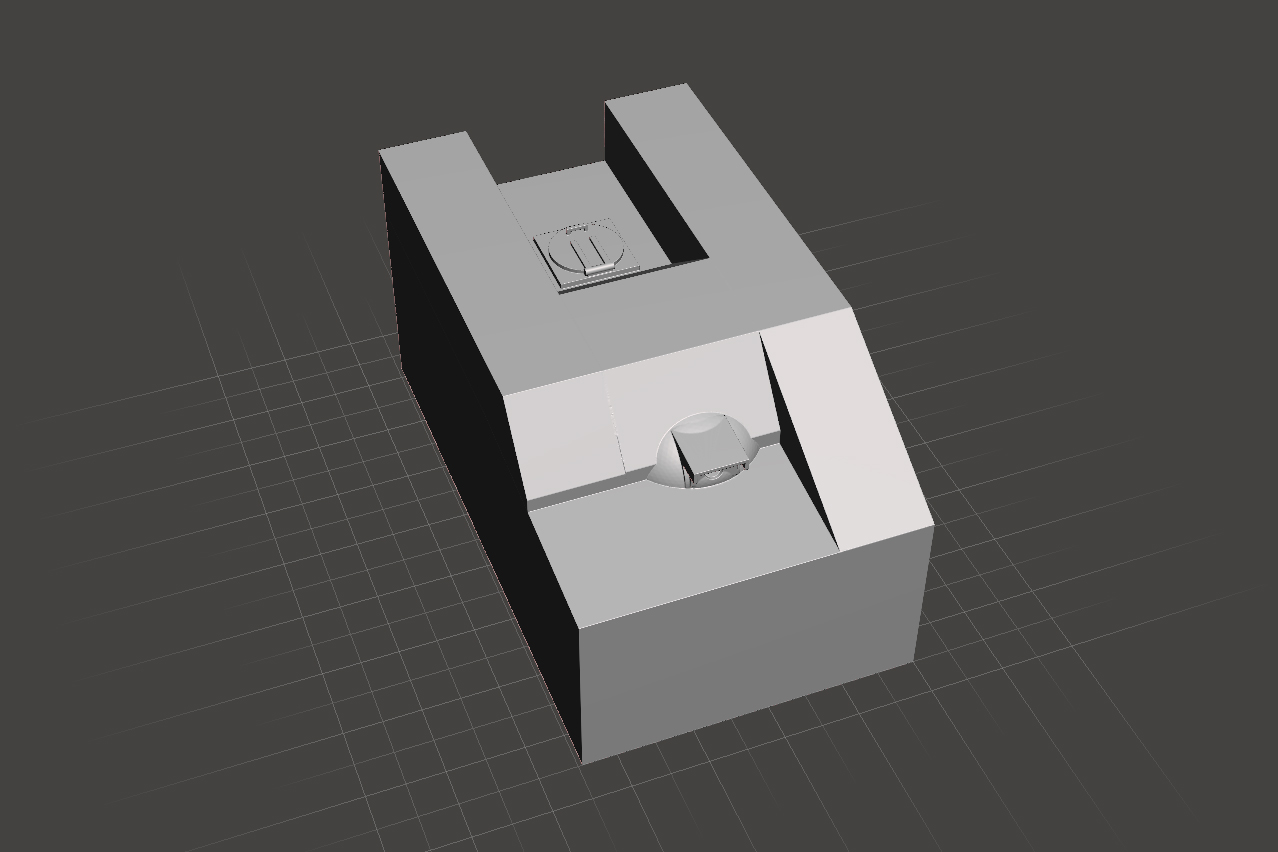
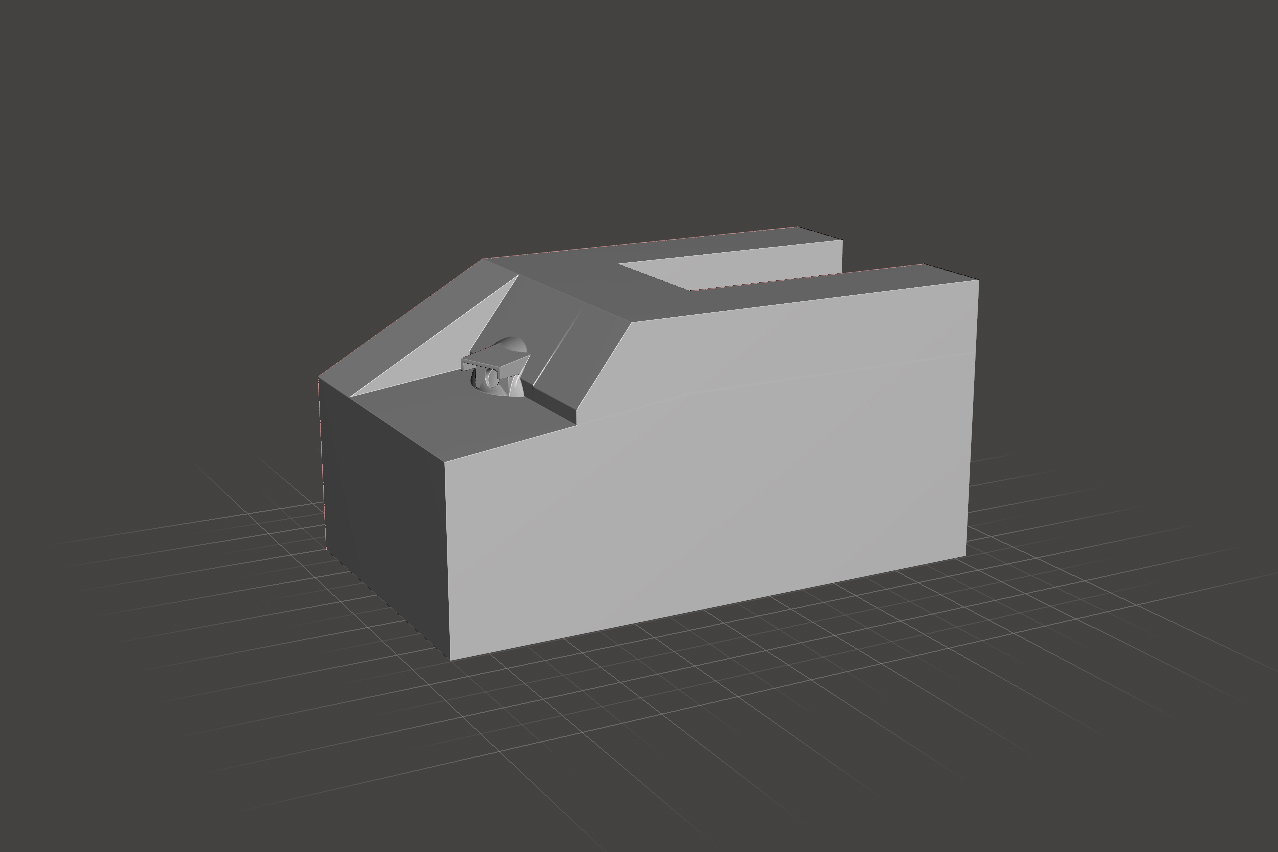
The Dutch G Kazemats were small, reinforced concrete bunkers built during the 1930s as part of the Netherlands’ defensive strategy. Positioned along major defence lines like the Grebbe Line, they served primarily as machine gun positions to support infantry and delay enemy advances.

G-Kazemat Large w. Raised Left Wall

Infantry Strongpoint

1/200

1/100

1/72

£2.50

£4.50

£8.00

WWII-NE-Frt04

Designed with a low profile and thick frontal armor, G Kazemats were difficult to detect and destroy. Their compact, rectangular structure often included firing slits facing key approach routes, enabling defenders to cover roads, canals, and open terrain with sustained fire.

G-Kazemat Large w. Raised Right Wall & Rotated Cupola

Infantry Strongpoint

1/200

1/100

1/72

£2.50

£4.50

£8.00

WWII-NE-Frt05

Typically housing a machine gun, the G Kazemat provided overlapping fields of fire in coordination with nearby bunkers. This interlocking defensive system increased effectiveness, allowing troops to create deadly crossfire zones during an enemy assault.

G-Kazemat Large w. Raised Right Wall

Infantry Strongpoint

1/200

1/100

1/72

£2.50

£4.50

£8.00

WWII-NE-Frt06

Interior space was minimal, usually accommodating a single soldier. Basic equipment included weapon mounts, ammunition storage, and communication gear. The lack of comfort and ventilation reflected their purpose: short-term combat defece under extreme conditions.

G-Kazemat Small w. High Double Raised Walls

Infantry Strongpoint

1/200

1/100

1/72

£2.50

£4.50

£8.00

WWII-NE-Frt07

Most G Kazemats were built using reinforced concrete over a steel framework, with walls often over one meter thick. Camouflage techniques, such as grass roofing or earth covering, helped them blend into the landscape and avoid aerial detection.

G-Kazemat Small w. Low Double Raised Walls

Infantry Strongpoint

1/200

1/100

1/72

£2.50

£4.50

£8.00

WWII-NE-Frt08

They were key components in the Grebbe Line, Peel-Raam Line, and other waterline defences. G Kazemats worked in conjunction with larger gun bunkers, anti-tank obstacles, and natural barriers to form layered resistance against German mechanized advances in May 1940.

G-Kazemat Small w. Low Raised Left Wall

Infantry Strongpoint

1/200

1/100

1/72

£2.50

£4.50

£8.00

WWII-NE-Frt09

Despite their strong design, G Kazemats were vulnerable to heavy artillery, flamethrowers, and air attacks. During the German invasion, many were bypassed or neutralised by superior firepower or infiltration tactics, highlighting the limitations of static fortifications in modern warfare.

G-Kazemat Small w. Low Raised Right Wall

Infantry Strongpoint

1/200

1/100

1/72

£2.50

£4.50

£8.00

WWII-NE-Frt10

After the war, many G Kazemats remained scattered across the Dutch landscape. Some were demolished, but others were preserved as military heritage sites, serving as silent reminders of the Netherlands’ brief but determined resistance during the German invasion.

G-Kazemat Small w. No Walls

Infantry Strongpoint

1/200

1/100

1/72

£2.50

£4.50

£8.00

WWII-NE-Frt11

Today, restored G Kazemats can be visited along former defence lines. They offer insight into Dutch pre-war military engineering and the defensive mindset of a small nation preparing for conflict in a rapidly mechanizing Europe. Many now feature plaques explaining their historical role.

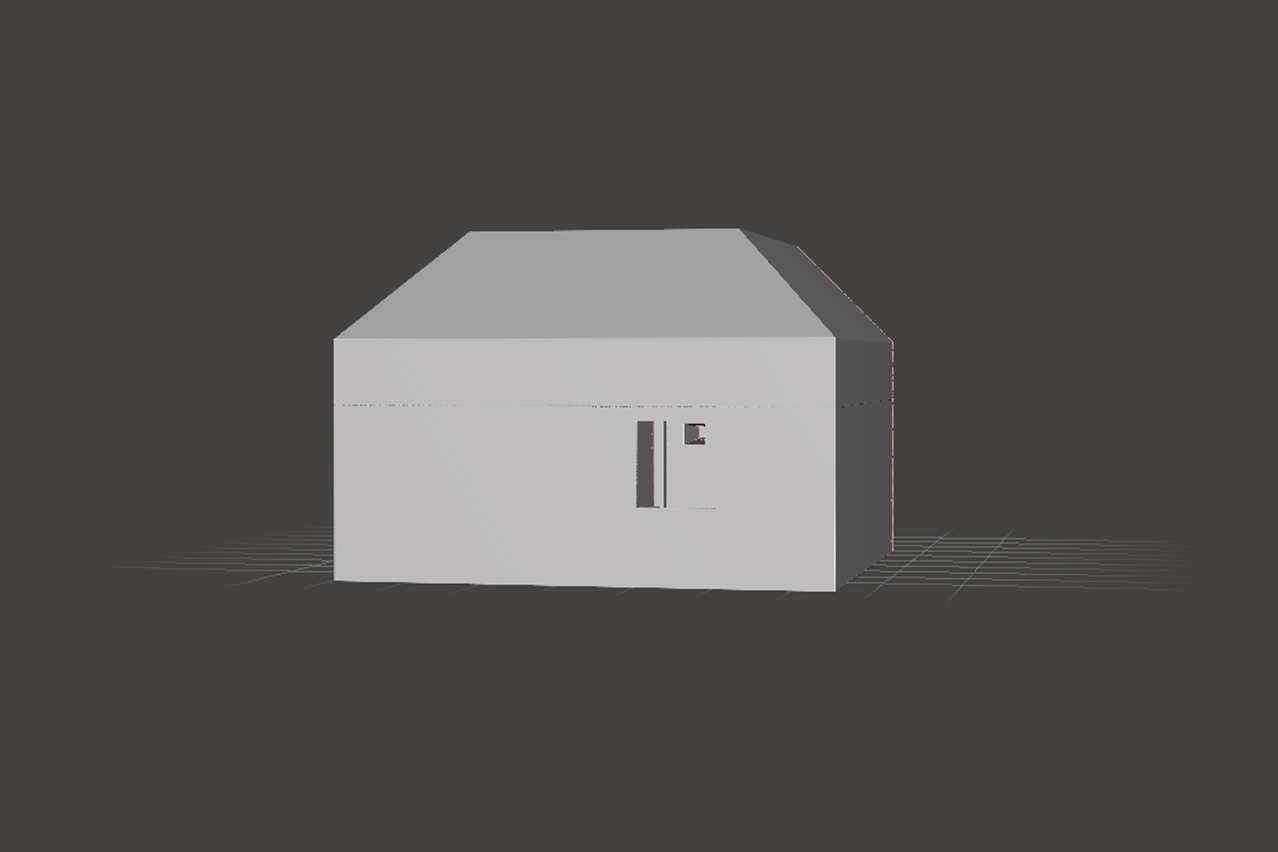
Groepshelter-Type-P (Piramide)

Infantry Strongpoint

1/200

1/100

1/72

£8.00

£12.00

£14.00

WWII-NE-Frt12

The Dutch Groepsschuilplaats Type P, or “Piramide,” was a pyramid-shaped concrete group shelter built in the 1930s. Designed to protect infantry from artillery and shrapnel, it housed 8–12 soldiers. Its sloped walls deflected blasts, and it formed part of the wider Dutch defensive waterline system.

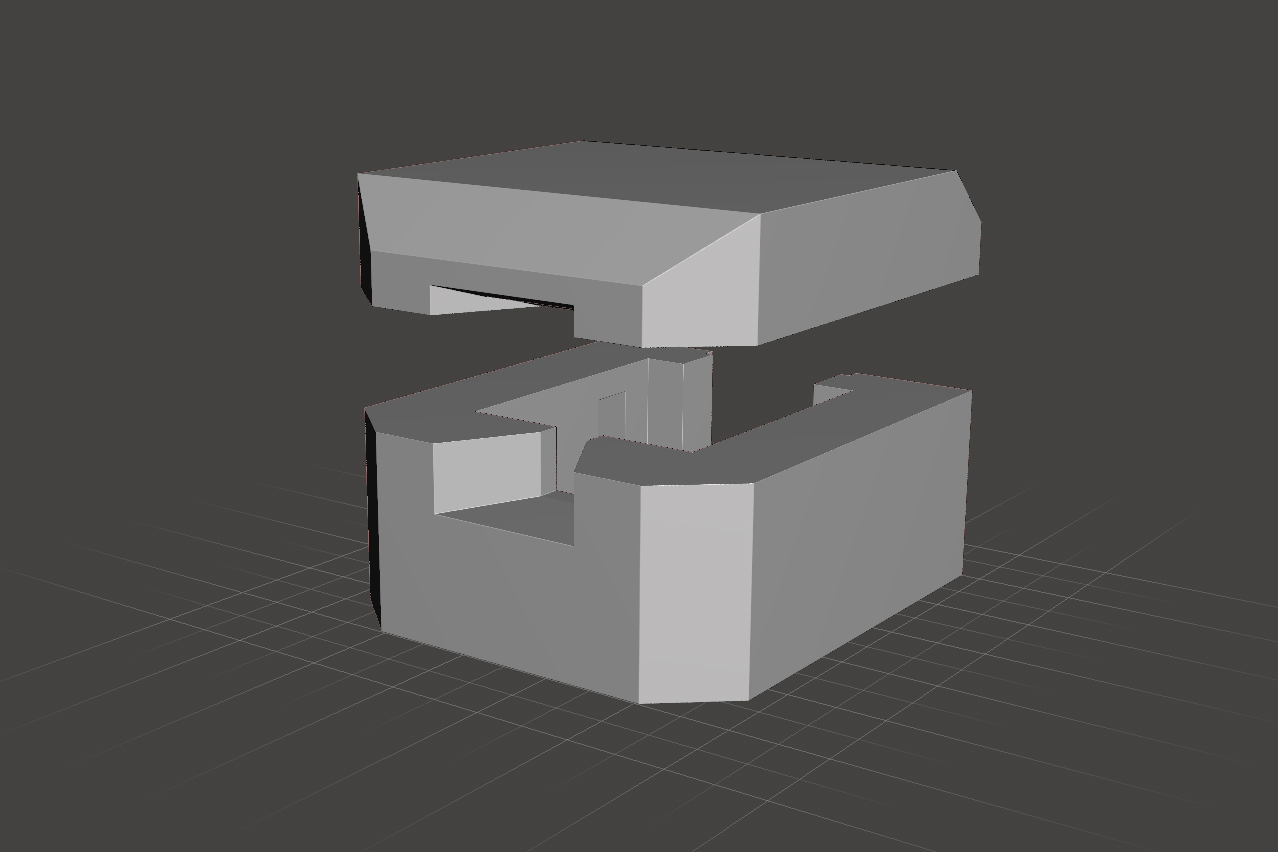
Kanon Kazemat 6 Veld

Infantry Strongpoint

1/200

1/100

1/72

£2.50

£4.50

£8.00

WWII-NE-Frt13

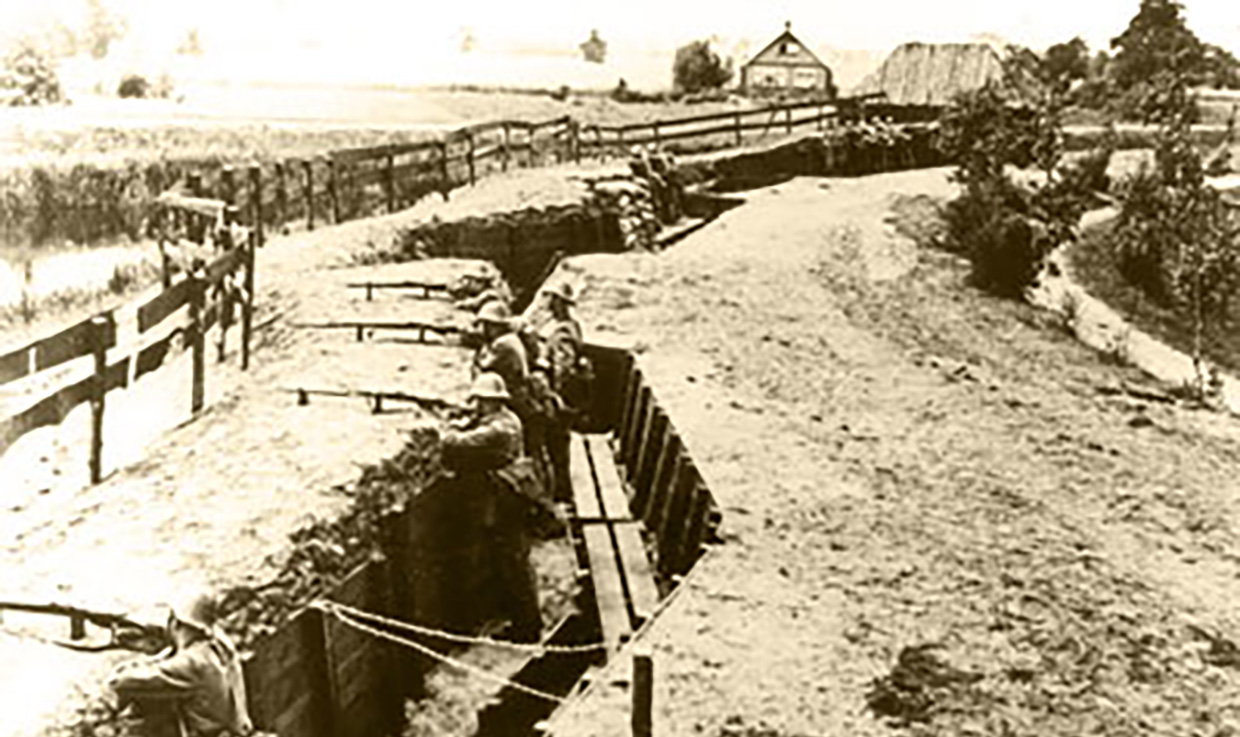
The Dutch Kanon Kazemat 6 Veld was a concrete gun casemate designed to house a 6 Veld (57mm) field gun. Positioned along defensive lines, it provided protected, direct fire against advancing infantry and light vehicles, contributing to the Netherlands’ static defense strategy in 1940.

River Kazemat Type A

Infantry Strongpoint

1/200

1/100

1/72

£12.00

£22.00

£26.00

WWII-NE-Frt14

The N-Series tractor was one of the most successful of its era in the export market. The Dutch Horse Artillery was first provided with these tractors in the early ‘30’s importing a number  of them and used to pull the cavalry’s artillery, still doing so at the start of hostilities.

River Kazemat Type B Standard

Infantry Strongpoint

1/200

1/100

1/72

£12.00

£22.00

£26.00

WWII-NE-Frt15

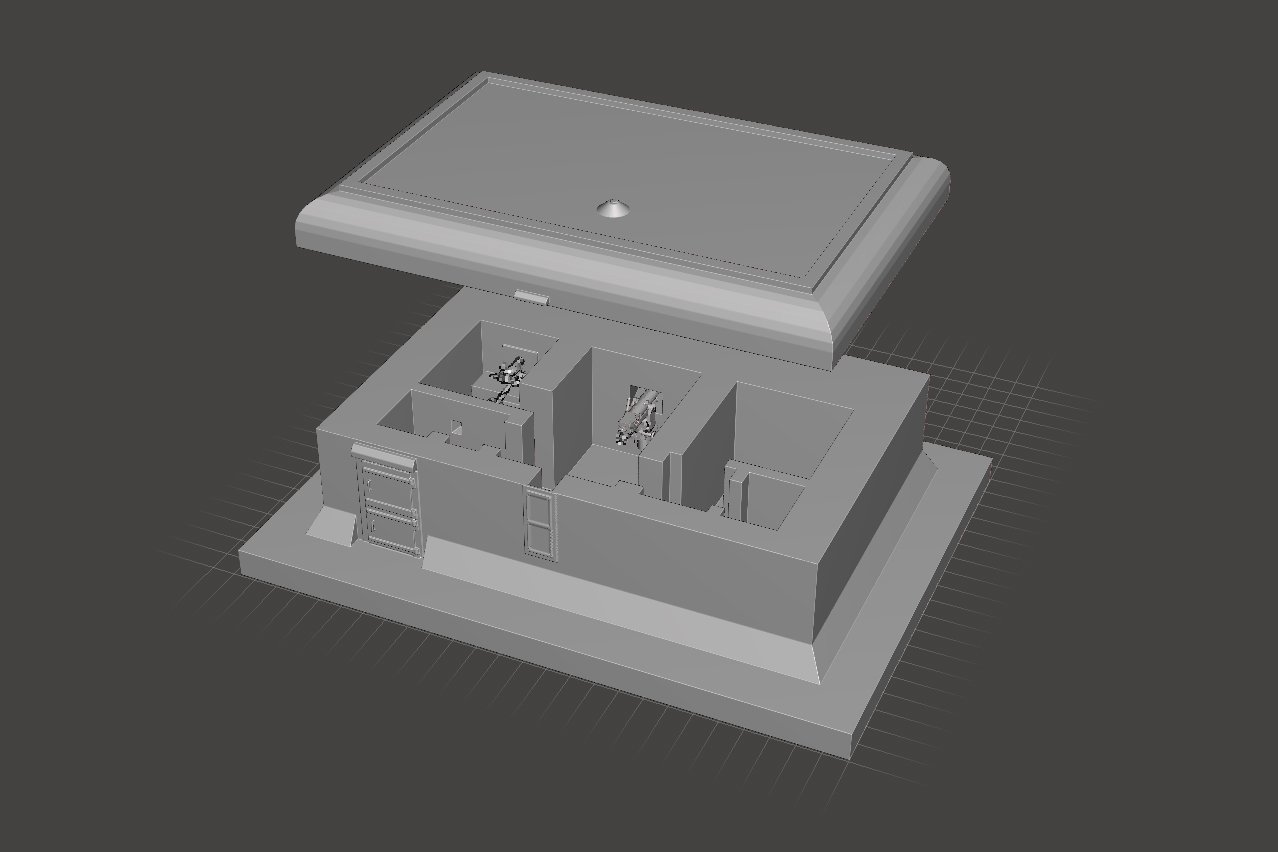
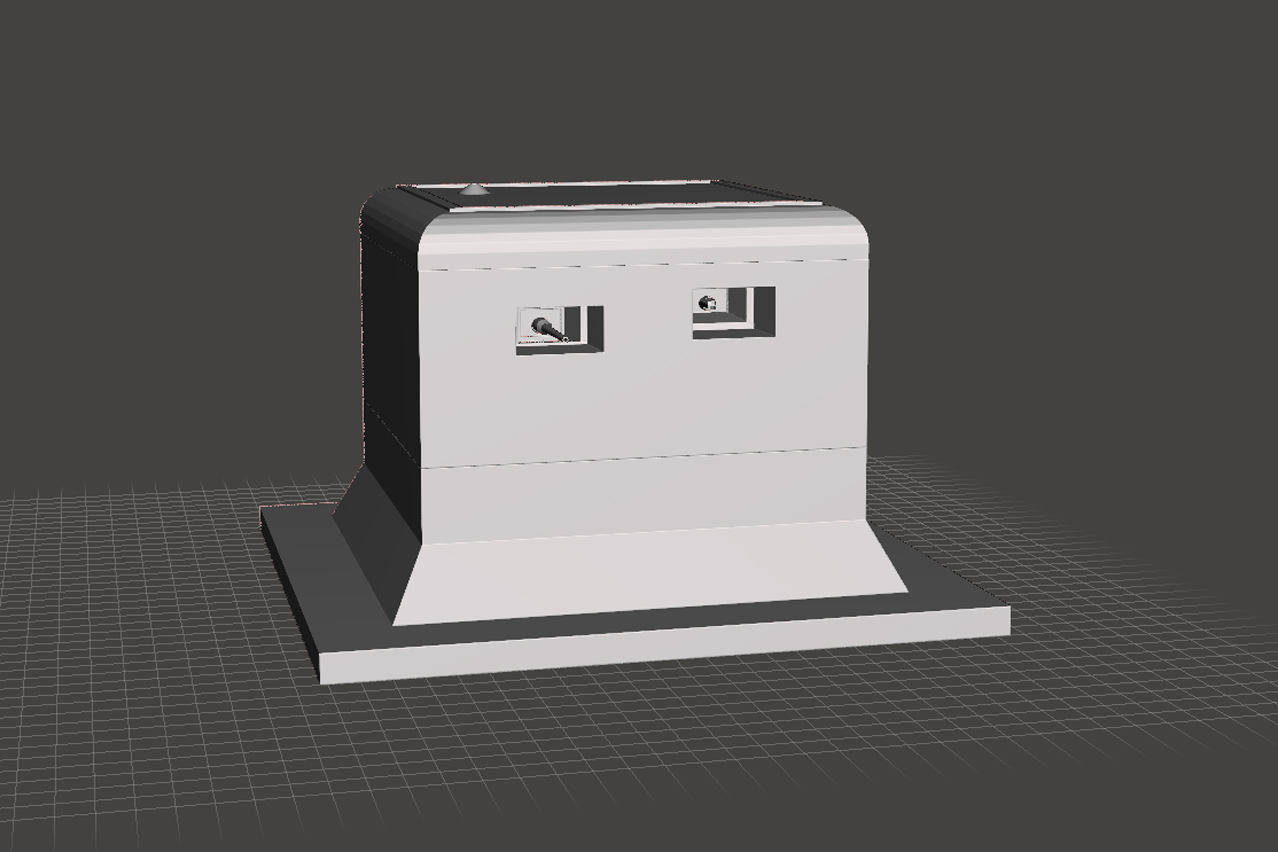
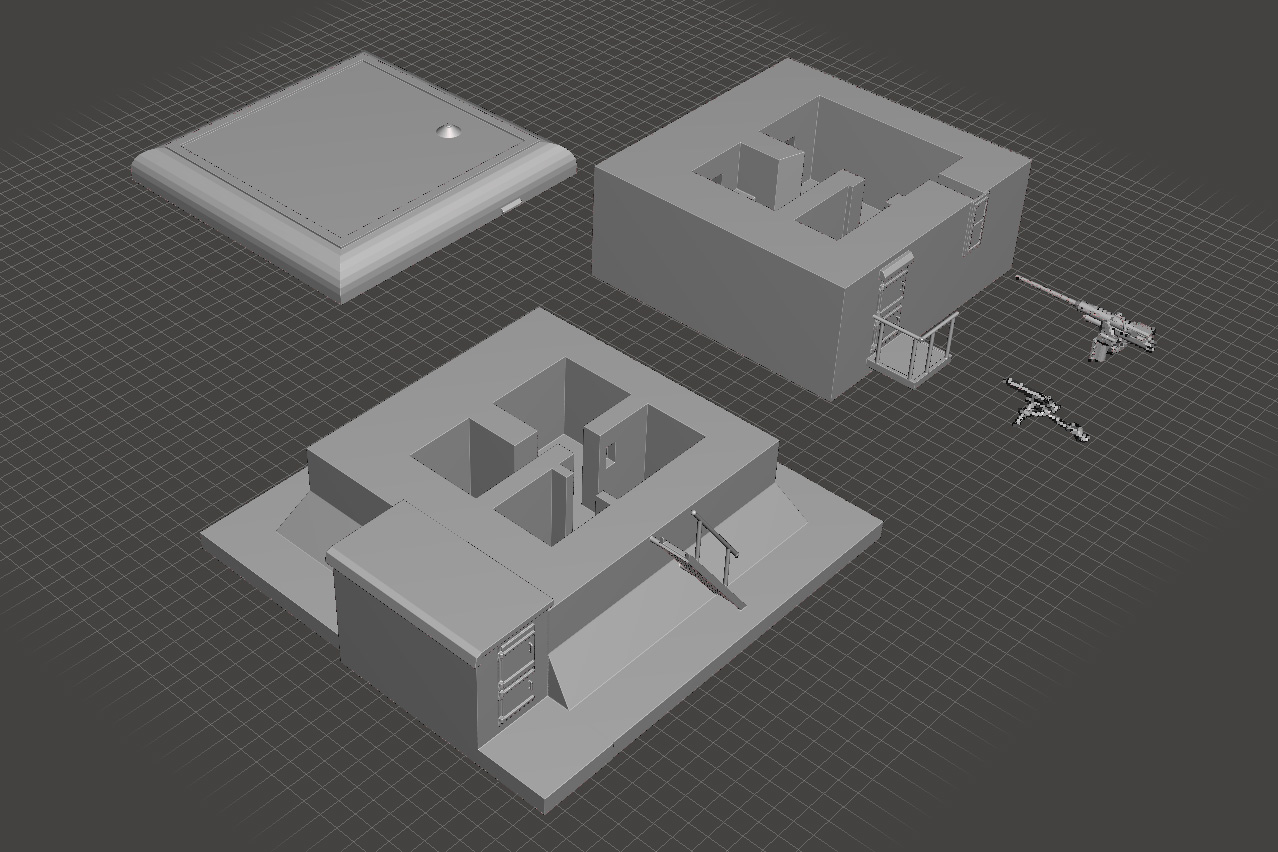
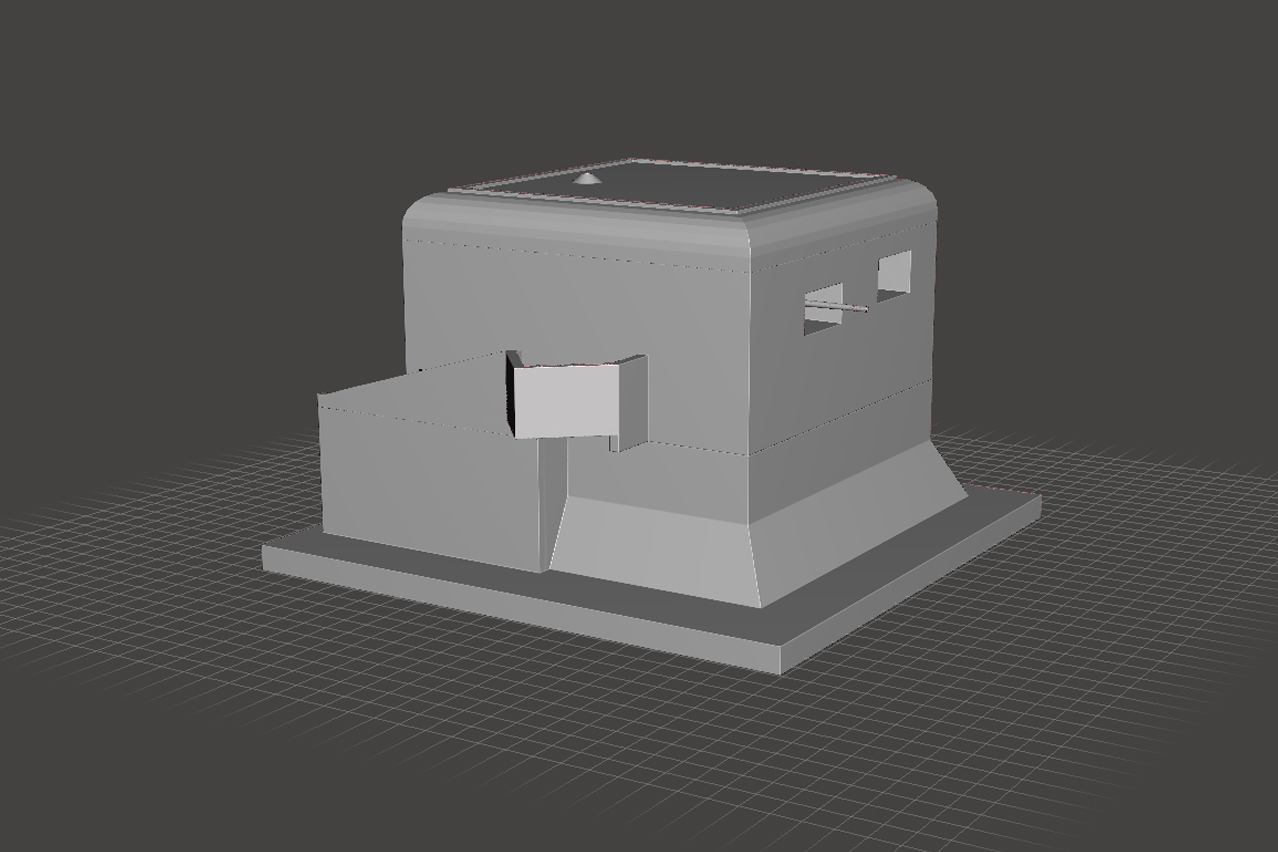
The Dutch River Kazemat Type B was a reinforced concrete bunker constructed along major waterways to defend critical crossings. Positioned near bridges and dikes, it played a vital role in delaying enemy advances during the 1940 German invasion, especially along the IJssel and Waal rivers.

River Kazemat Type B w. Explosives Magazine

Infantry Strongpoint

1/200

1/100

1/72

£12.00

£22.00

£26.00

WWII-NE-Frt16

They featured thick concrete walls, narrow firing slits, and internal chambers for crew protection and storage. Typically armed with machine guns or light anti-tank weapons, they provided overlapping fields of fire, enhancing riverline defences and supporting other nearby fortifications.

River Kazemat Type B w. External LMG Position

Infantry Strongpoint

1/200

1/100

1/72

£12.00

£22.00

£26.00

WWII-NE-Frt17

Though immobile and vulnerable to heavy artillery and air attack, the Type B’s were a key element of Dutch static defenses. Its design emphasized field of fire, concealment, and durability, reflecting the Netherlands’ emphasis on defending vital waterways from mechanized assault.

River Kazemat Type B Zwolle ZN

Infantry Strongpoint

1/200

1/100

1/72

£12.00

£22.00

£26.00

WWII-NE-Frt18

This model depicts the Dutch River Kazemat Type C near Zwolle’s Ijssel bridge. Camouflaged with different options such as wood cladding or painted patterns, it included guns placed on sandbags such as the Schwarzlose M.08/15 and the pantserafweergeschut 5 No.2 employed in 1940.

River Kazemat Type C Zwolle ZM

Infantry Strongpoint

1/200

1/100

1/72

£12.00

£22.00

£26.00

WWII-NE-Frt19

This model depicts the Dutch River Kazemat Type C near Zwolle’s Ijssel bridge. Camouflaged with different options such as wood cladding or painted patterns, it included guns placed on sandbags such as the Schwarzlose M.08/15 and the pantserafweergeschut 5 No.2 employed in 1940.

S-3 Kazemat FL

Infantry Strongpoint

1/200

1/100

1/72

£8.00

£12.00

£14.00

WWII-NE-Frt20

The Dutch S-3 Kazemat FL was a forward-facing concrete pillbox designed to protect key defensive lines in the Netherlands. Armed typically with a machine gun and anti-tank weapon, it featured thick reinforced walls and a low profile, offering strong frontal defense against advancing enemy.

S-3 Kazemat LMG

1/200

1/100

1/72

£8.00

£12.00

£14.00

WWII-NE-Frt21

Through May 1940 only 10% of Dutch artillery had motorised traction… and this meant horses and caissons for the rest! This meant that somewhere near 600 caissons were required not including spares. For this the Netherlands had around 30,000 horses available to pull them.

S-3 Kazemat HMG

1/200

1/100

1/72

£8.00

£12.00

£14.00

WWII-NE-Frt22

Through May 1940 only 10% of Dutch artillery had motorised traction… and this meant horses and caissons for the rest! This meant that somewhere near 600 caissons were required not including spares. For this the Netherlands had around 30,000 horses available to pull them.

S-3k Kazemat HMG

1/200

1/100

1/72

£8.00

£12.00

£14.00

WWII-NE-Frt23

Through May 1940 only 10% of Dutch artillery had motorised traction… and this meant horses and caissons for the rest! This meant that somewhere near 600 caissons were required not including spares. For this the Netherlands had around 30,000 horses available to pull them.

S-4 Kazemat HMG

1/200

1/100

1/72

£8.00

£12.00

£14.00

WWII-NE-Frt24

Through May 1940 only 10% of Dutch artillery had motorised traction… and this meant horses and caissons for the rest! This meant that somewhere near 600 caissons were required not including spares. For this the Netherlands had around 30,000 horses available to pull them.