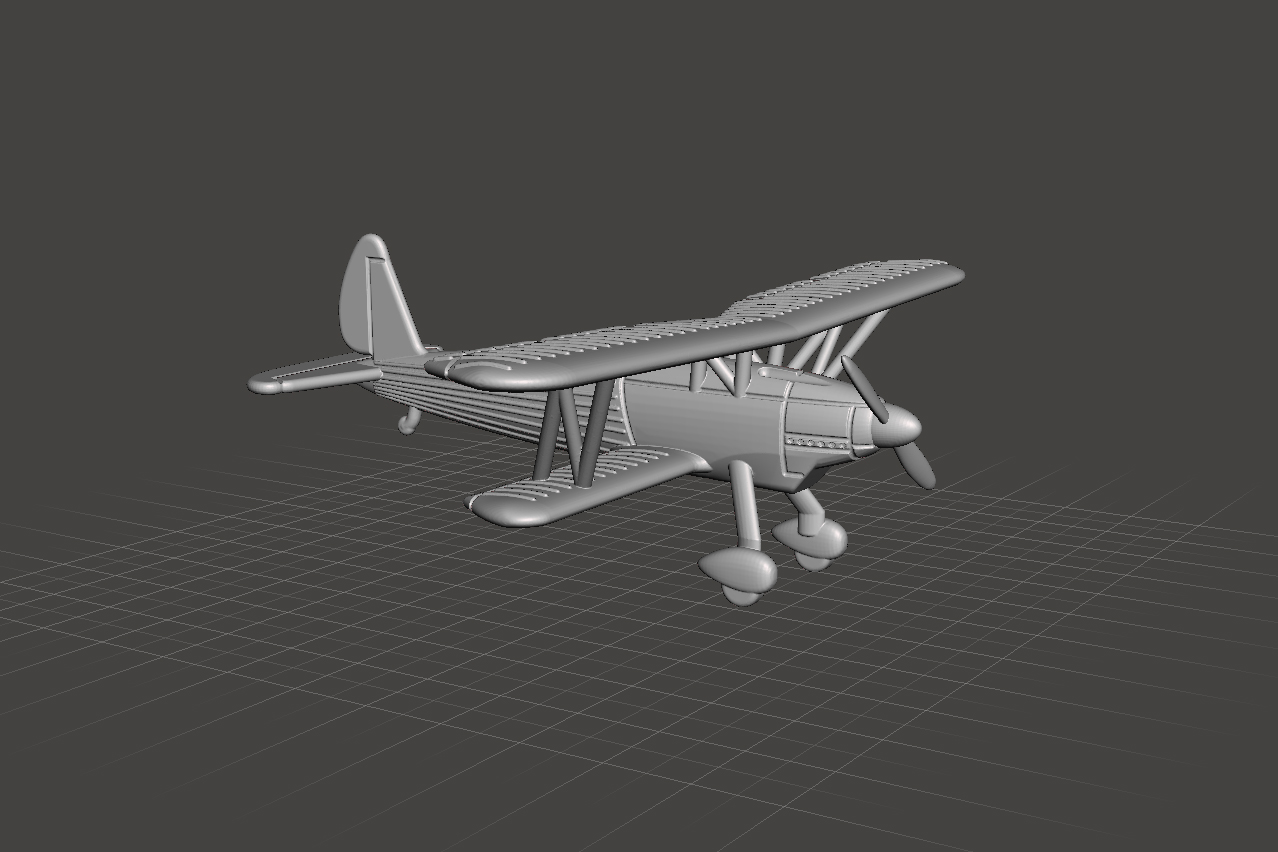
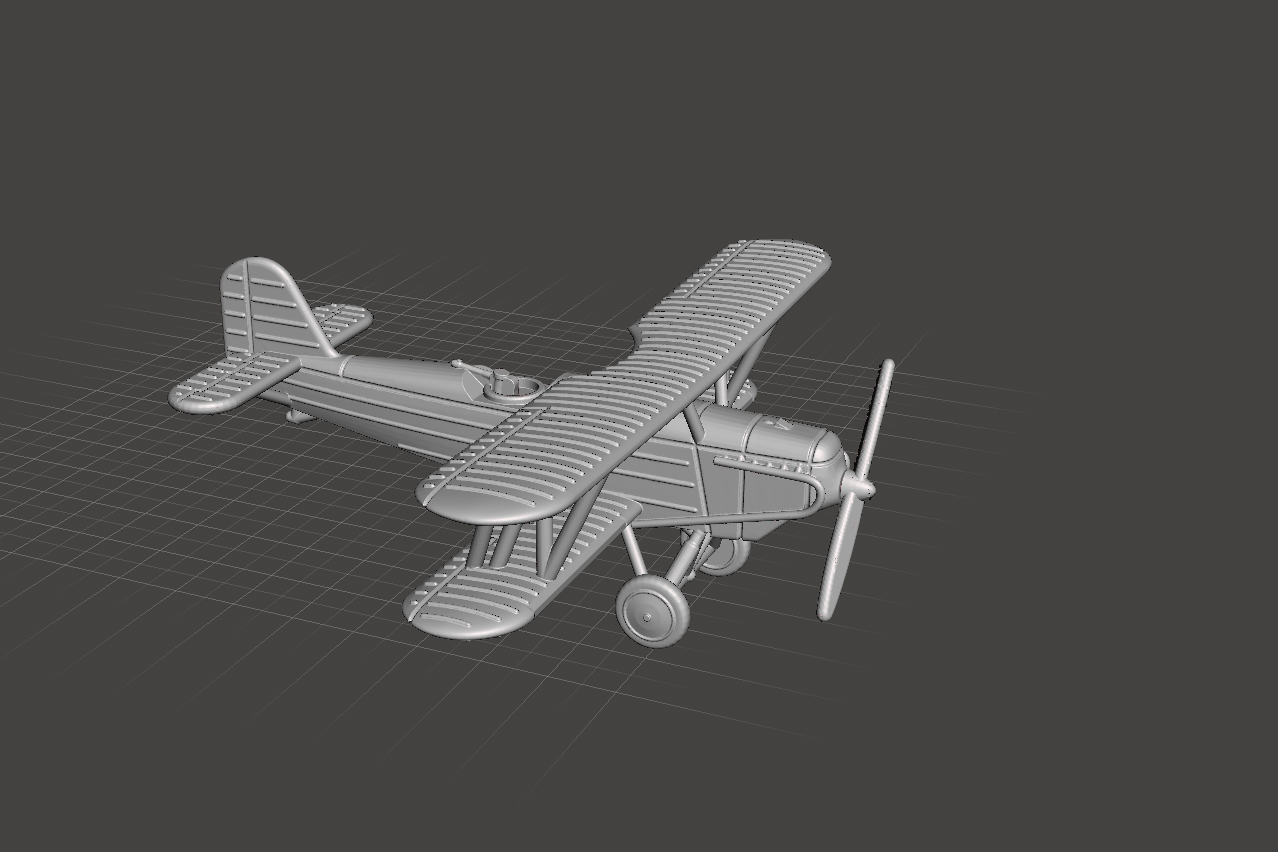
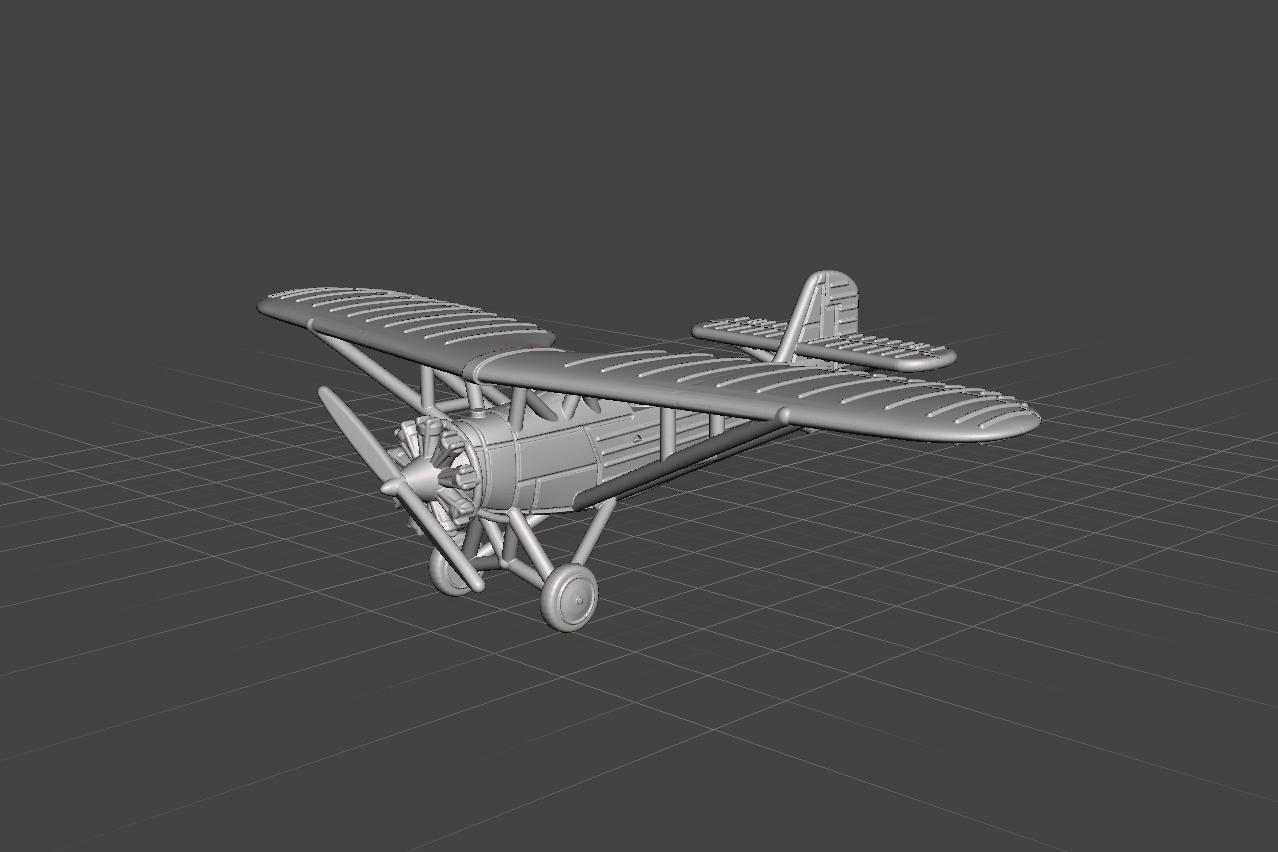
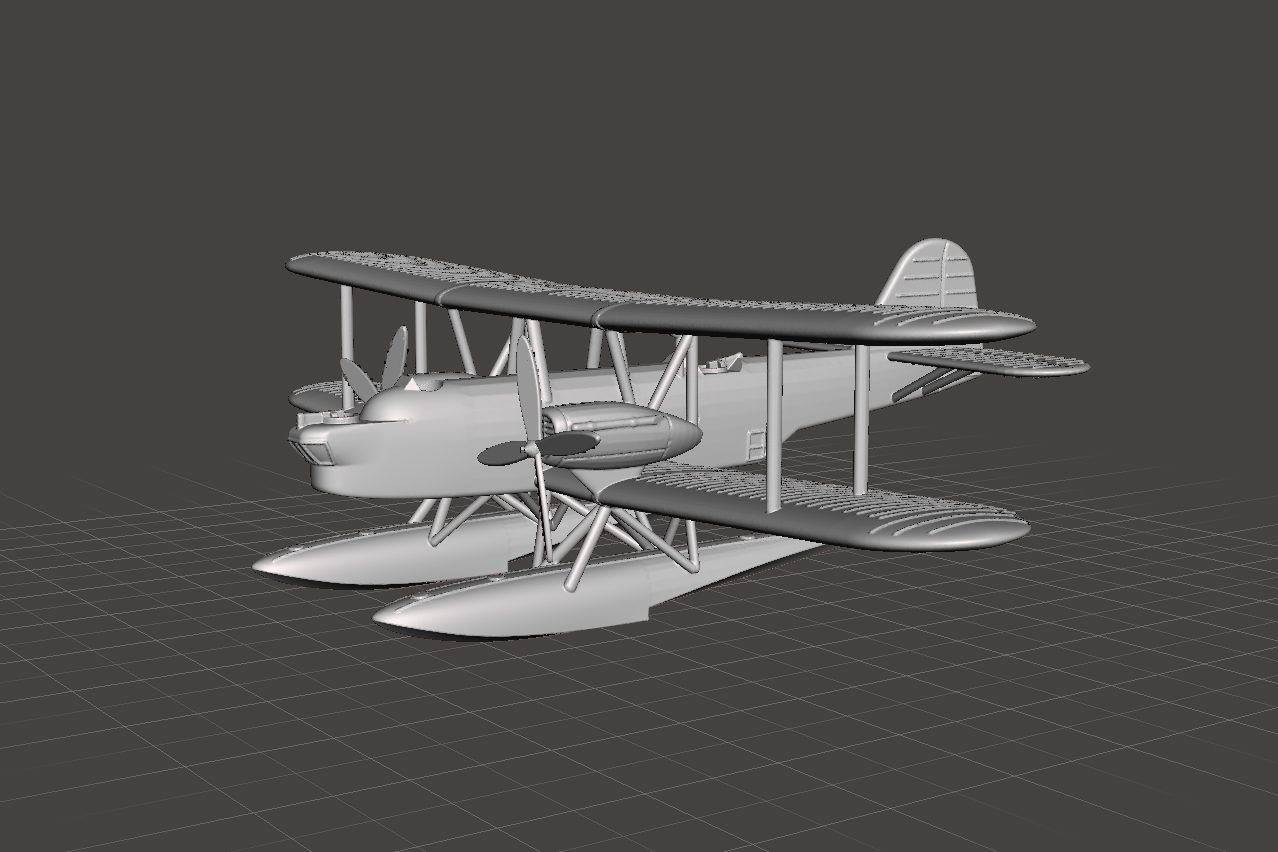
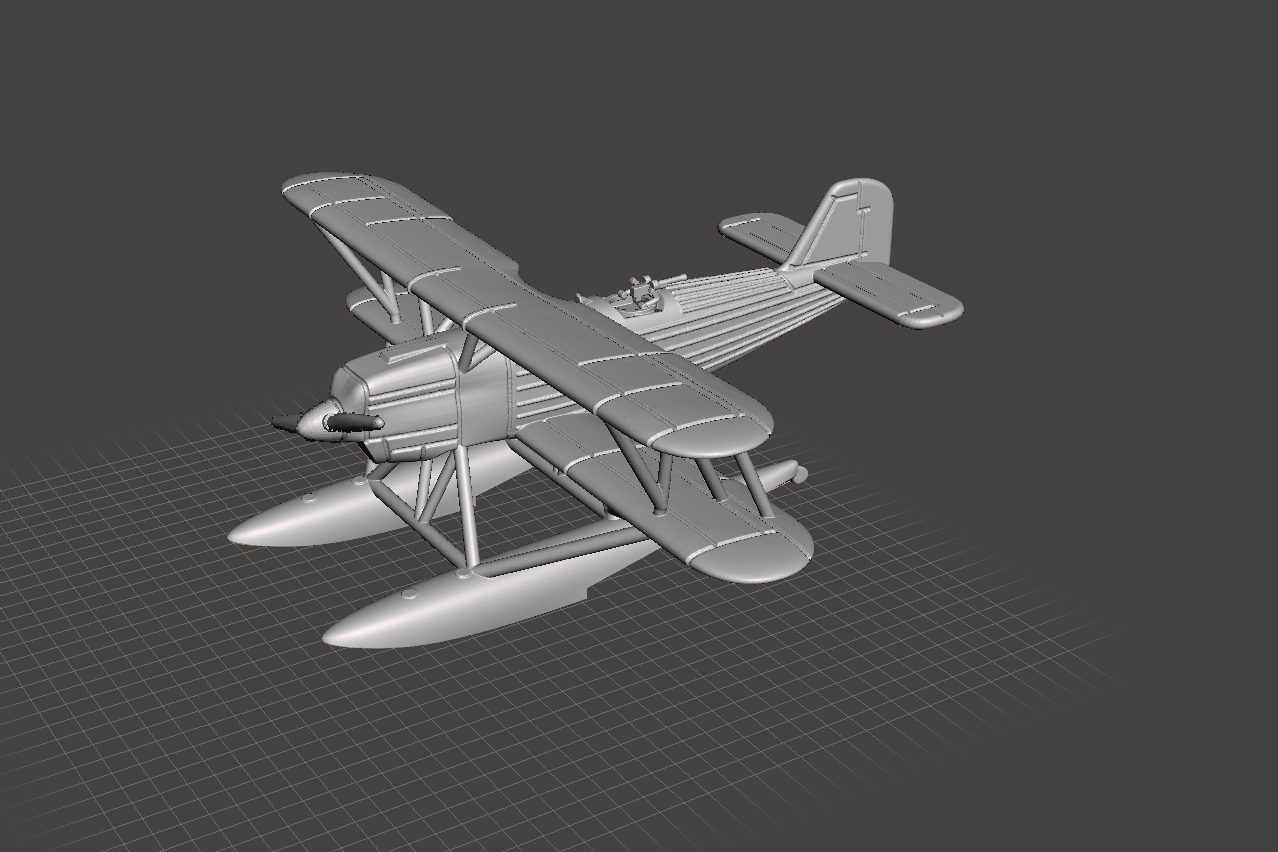
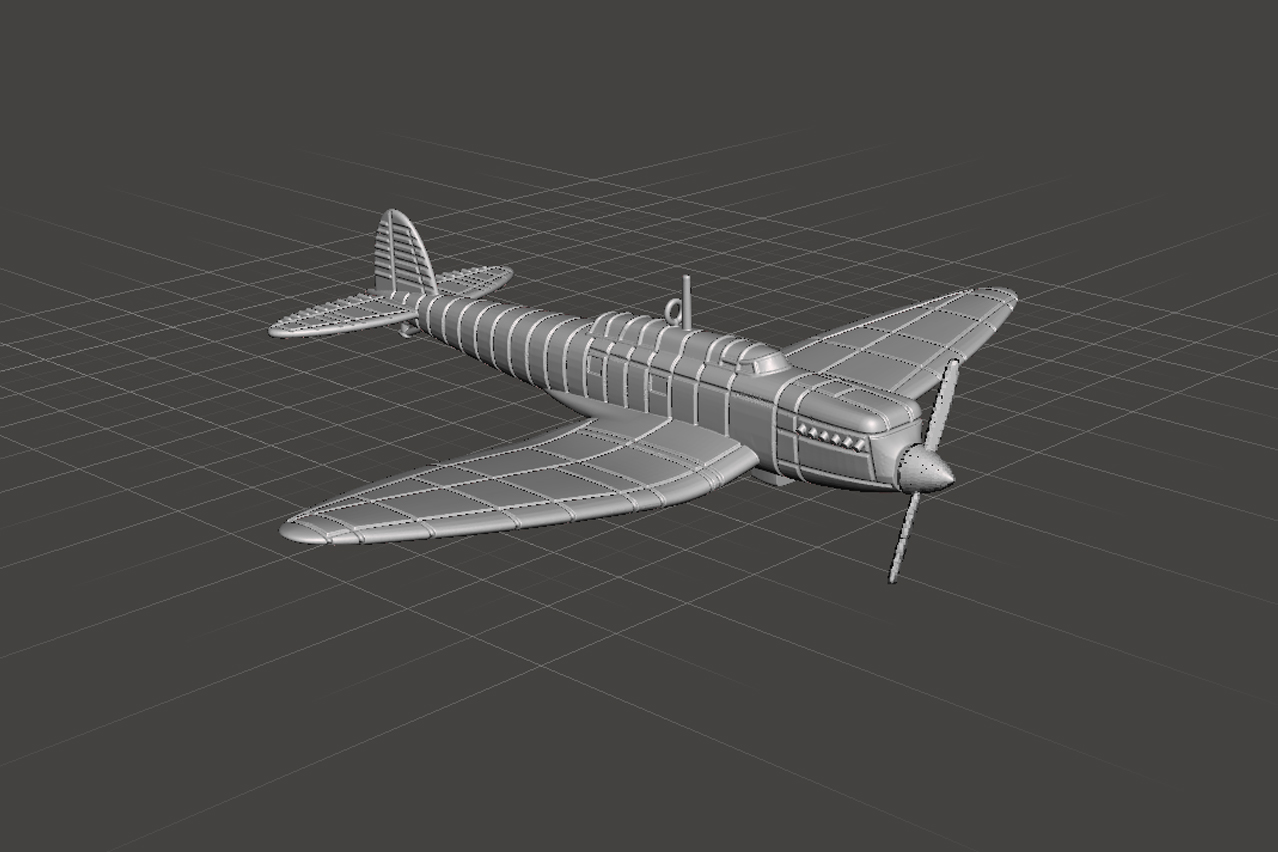
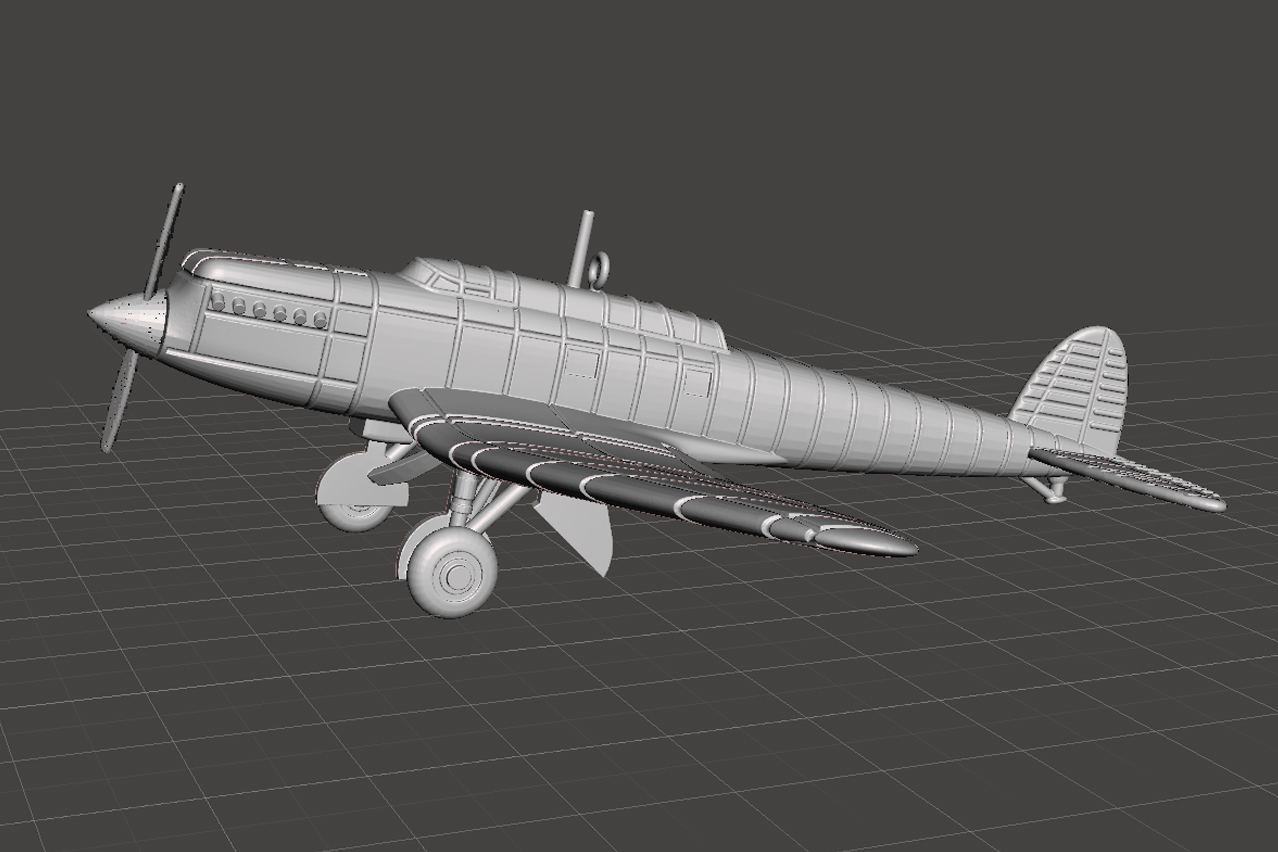
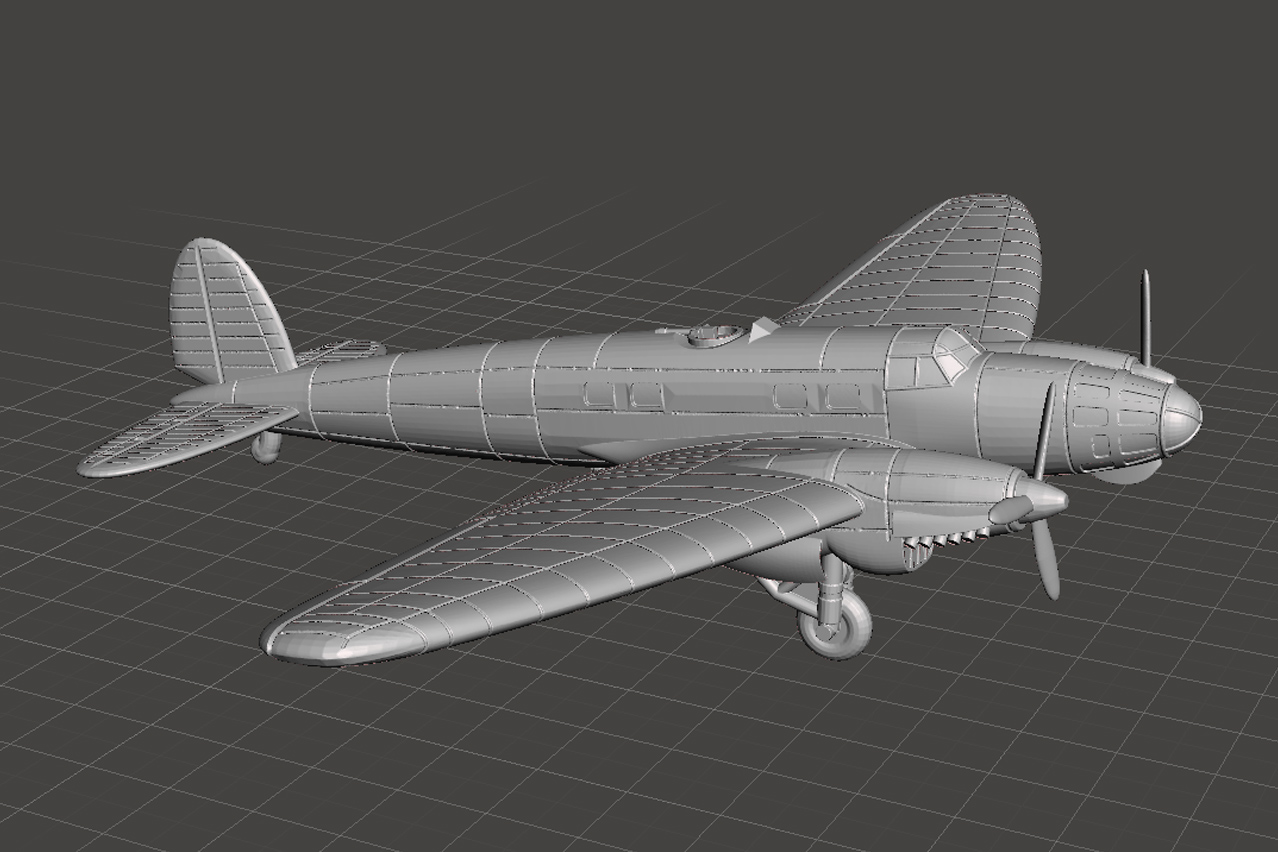
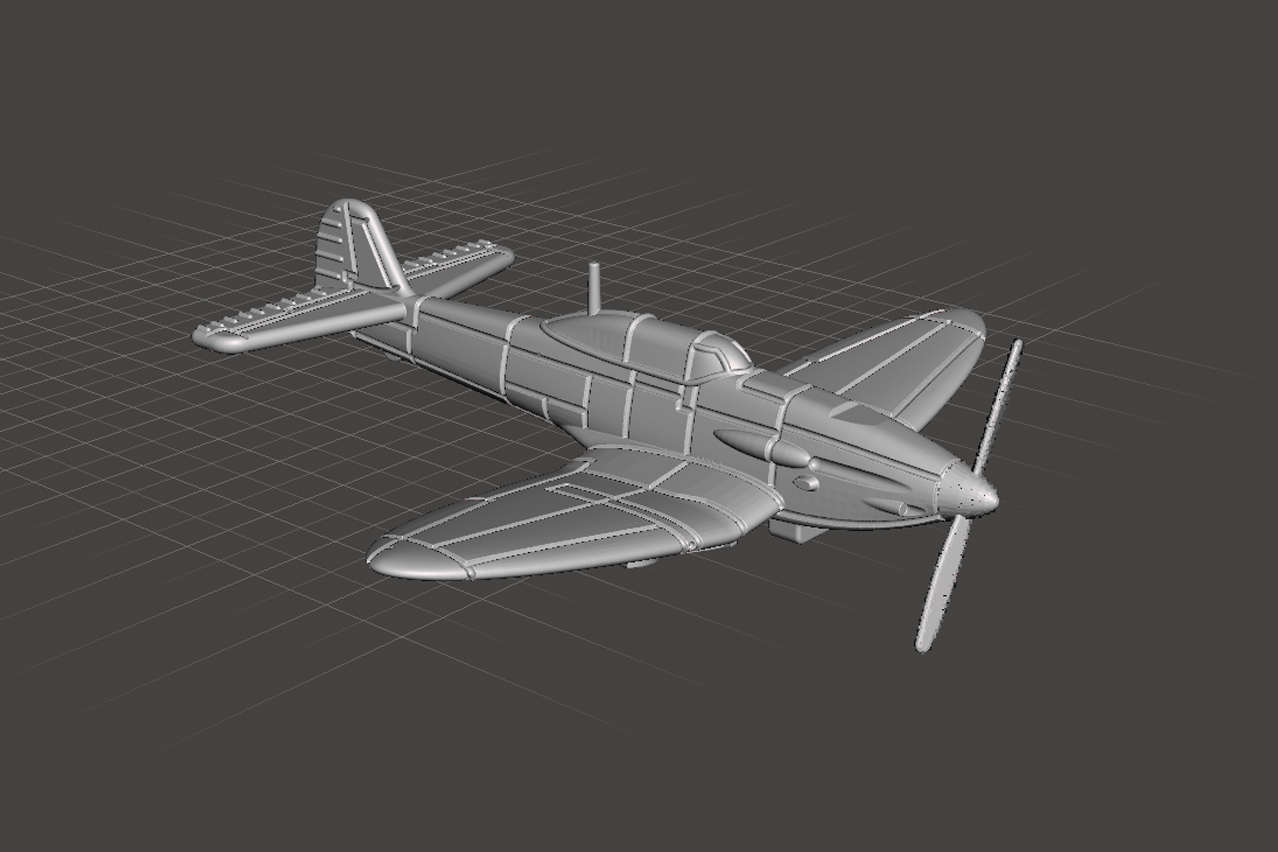
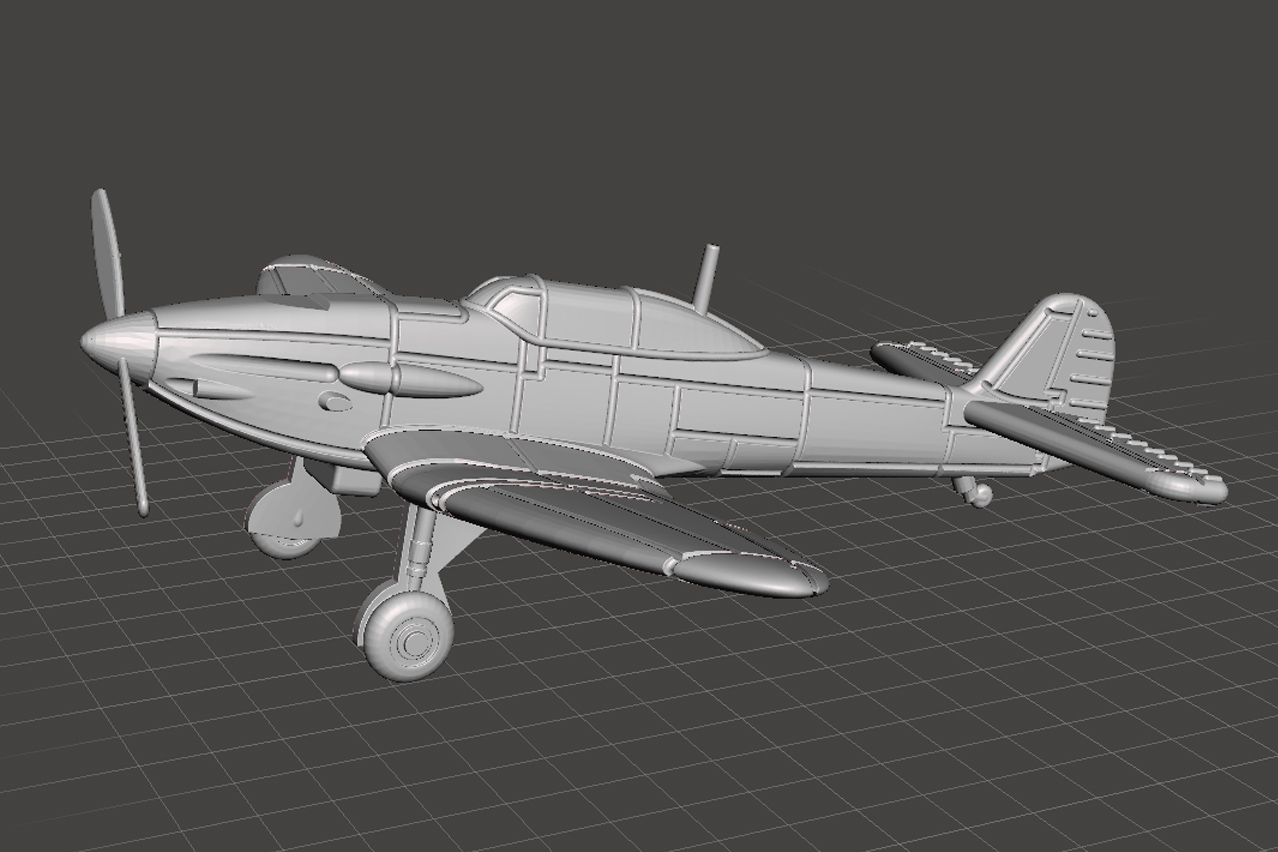
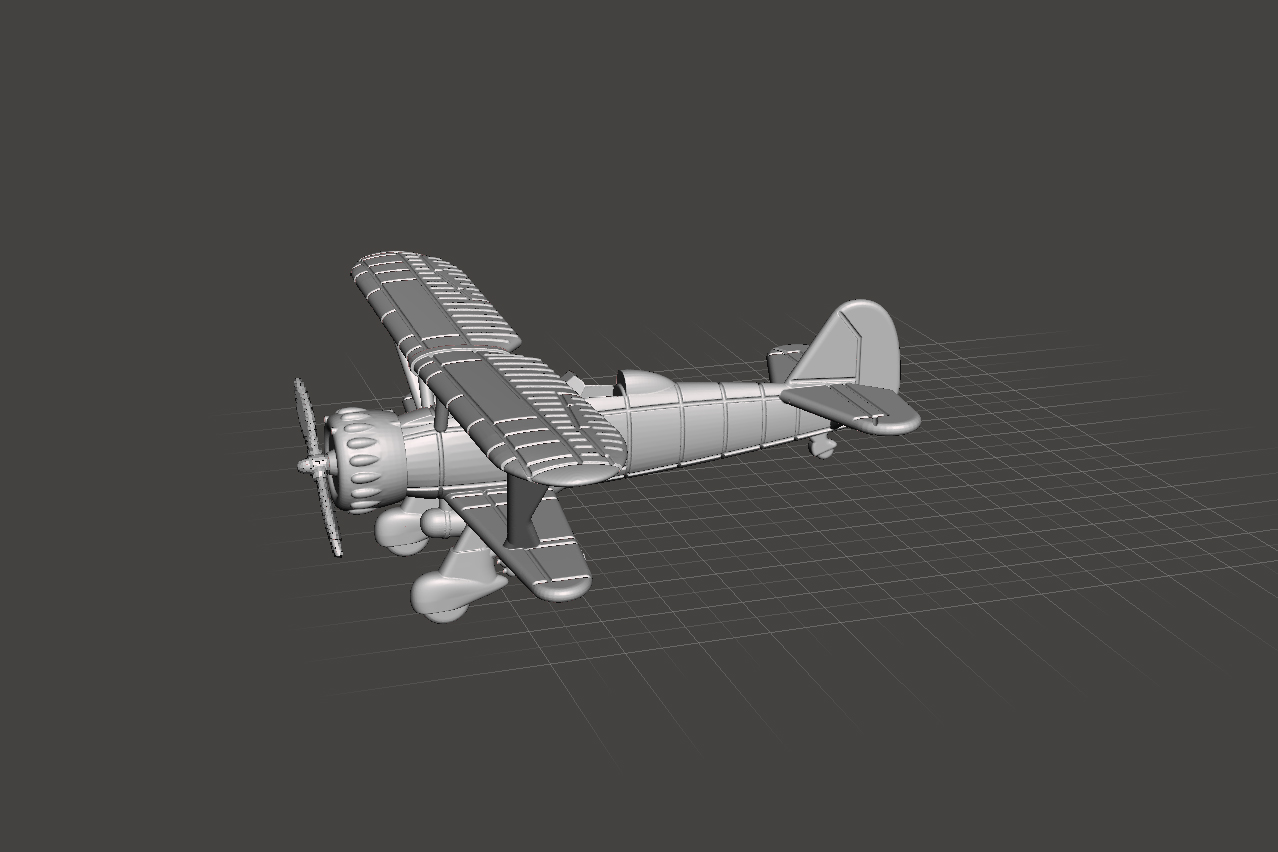
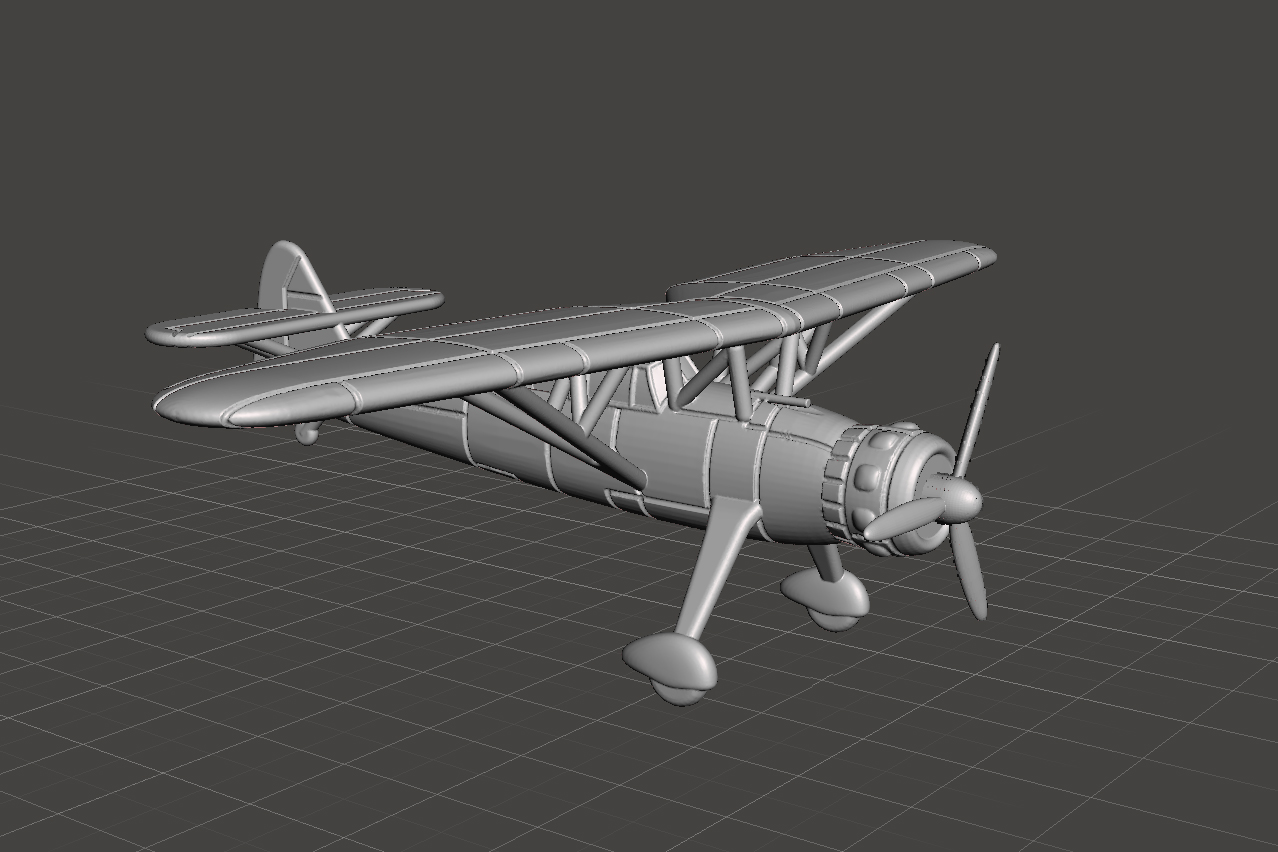
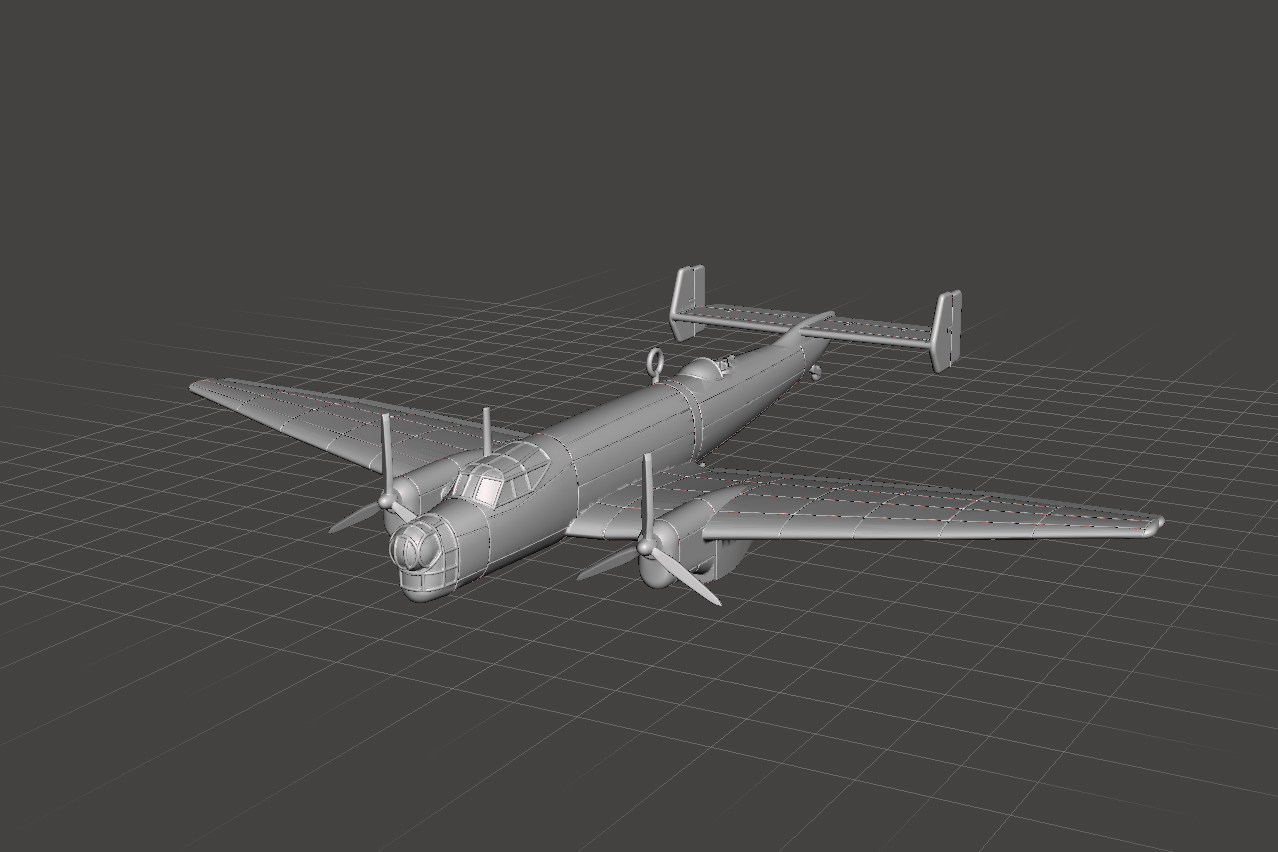
The Arado Ar 68 was a single-seat biplane fighter designed and produced by the German aircraft manufacturer Arado Flugzeugwerke. It was among the first fighters produced when Germany abandoned the restrictions of the Treaty of Versailles and began rearming.
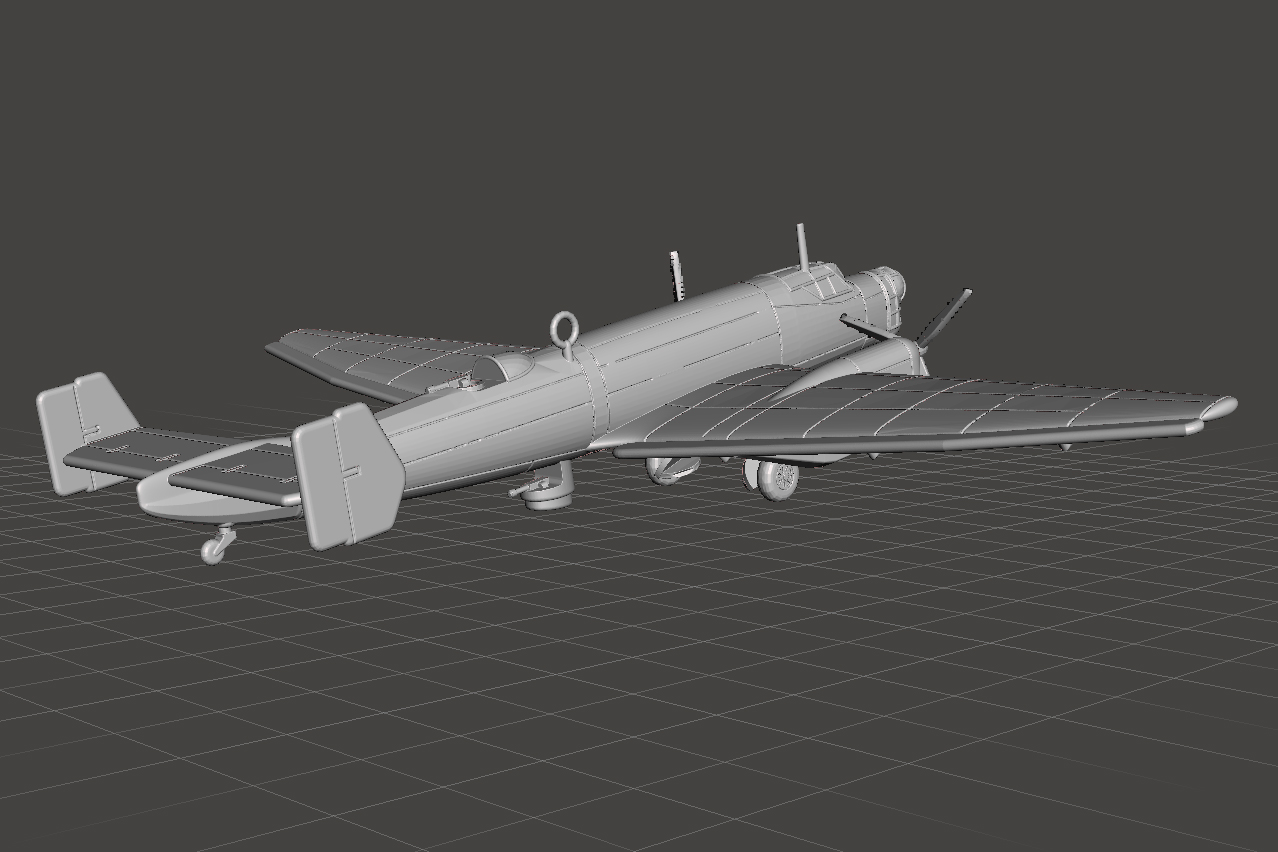
Dornier Do-17E
Light Bomber
1/300
1/200
1/144
1/100
£4.00
£6.00
£12.00
£16.00
SCW-GE-RB07
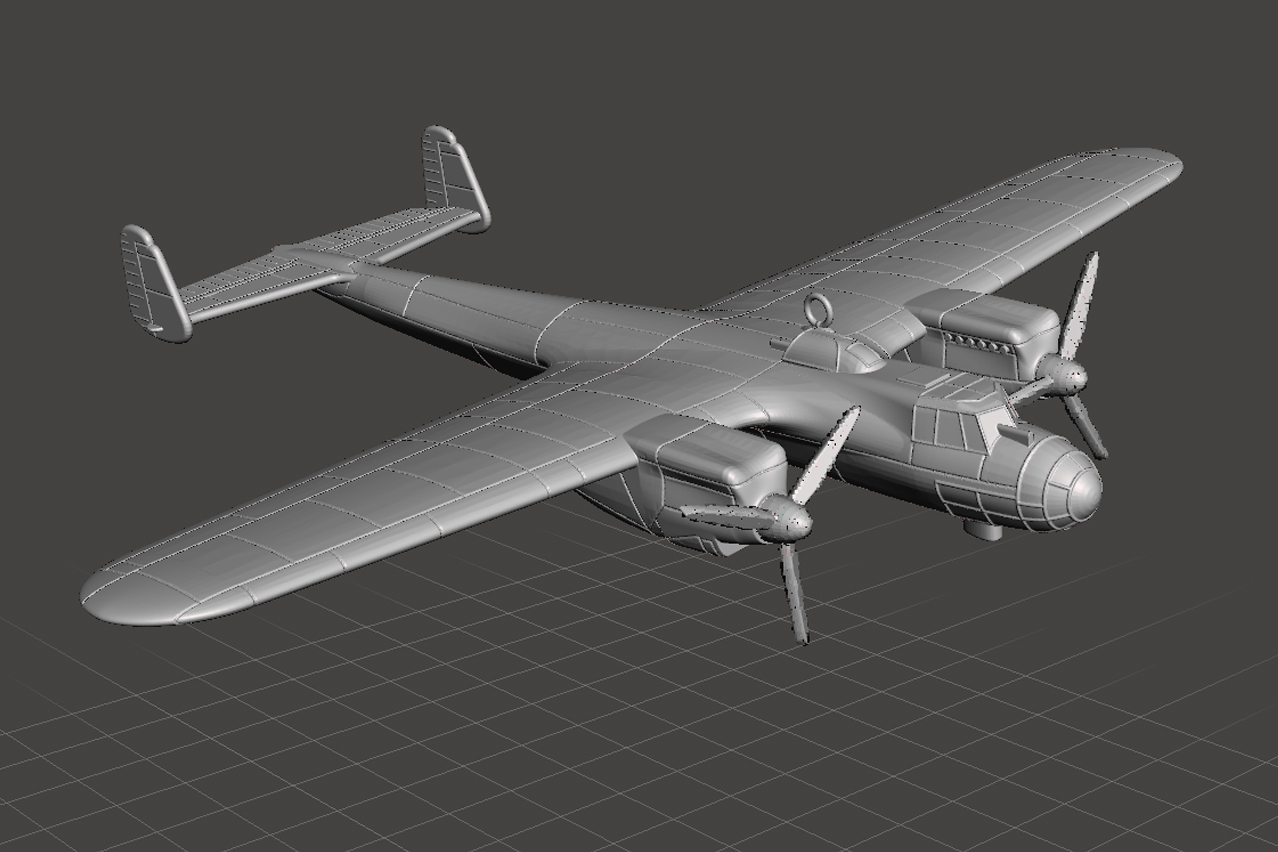
The Dornier Do 17E evolved from a fast mail aircraft concept into a light bomber with a notably slender fuselage. Entering service in the mid-1930s, prioritising speed over payload, it reflected doctrine that survivability could be achieved through performance rather than heavy defensive protection.
Dornier Do-17E
Light Bomber w. Lowered Undercarriage
1/300
1/200
1/144
1/100
£4.00
£6.00
£12.00
£16.00
SCW-GE-RB08
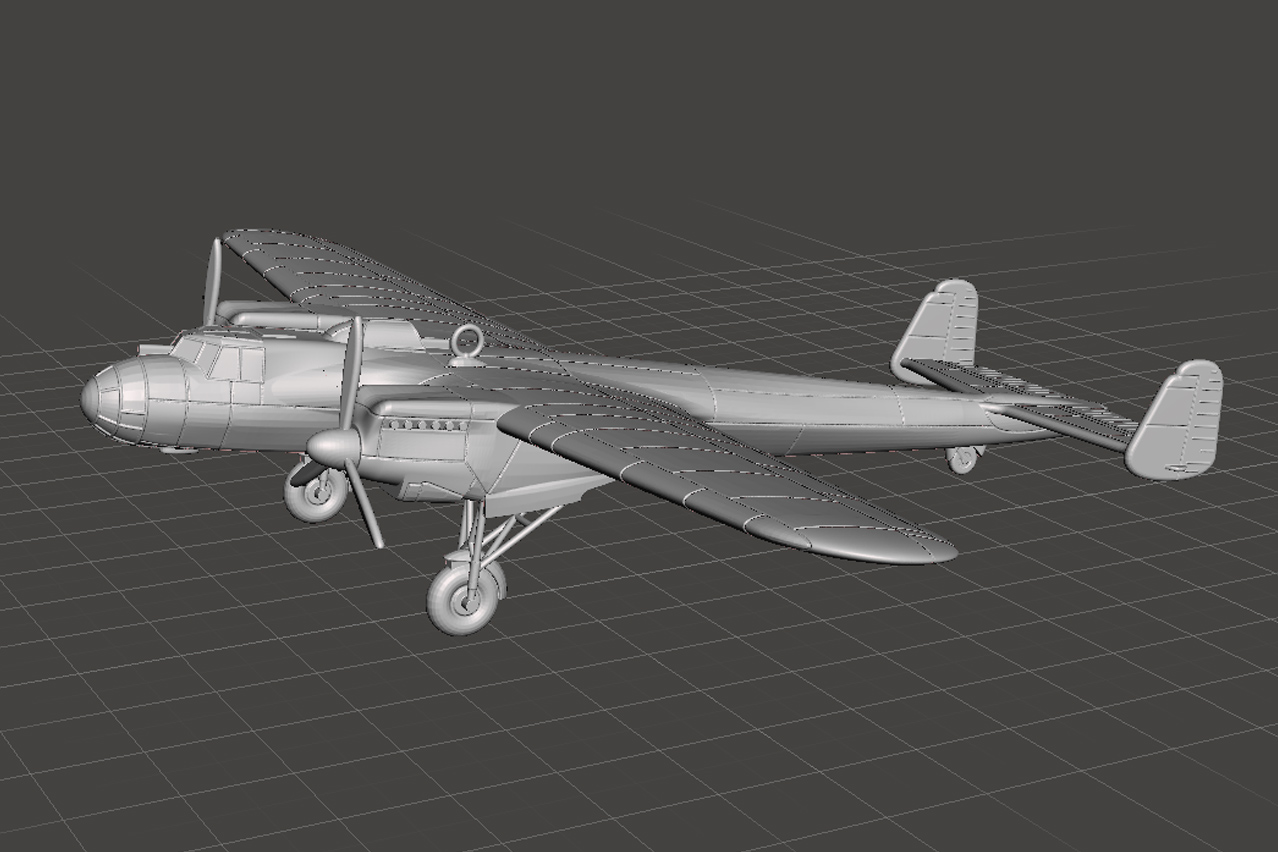
Deployed to Spain with K88, the Do 17E conducted bombing missions against infrastructure and troops in support of Nationalist operations. Its speed offered protection from interception, while operational experience in Spain contributed to refinement of German bomber tactical doctrine.
Heinkel He-45C
Reconnaissance/ Light Bomber
1/300
1/200
1/144
1/100
£2.00
£4.00
£6.00
£12.00
SCW-GE-LB06
The Heinkel He 45 was a light bomber produced in Germany in the early 1930s, one of the first aircraft adopted by the newly formed Luftwaffe. Its appearance was that of a conventional biplane and included seating for pilot and gunner in tandem, open cockpits.
Heinkel He-46C-1
Reconnaissance
1/300
1/200
1/144
1/100
£2.00
£4.00
£6.00
£12.00
SCW-GE-RP02
The Heinkel He-46 was a two-seater short range reconnaissance & army cooperation aircraft in a high-wing fixed undercarriage system with a classic tail designed in 1931.
Heinkel He-51B
Fighter
1/300
1/200
1/144
1/100
£1.50
£3.00
£6.00
£8.00
SCW-GE-FP14
The Heinkel He 51 was a German single-seat biplane fighter aircraft. A seaplane variant and a ground-attack version were also developed. It was a development of the earlier He 49. Provided to the Spanish Nationalists as the war progressed they were predominantly employed in the Ground Attack role.
Heinkel He-59B 'Zapatones'
Reconnaissance/ Torpedo Bomber
1/300
1/200
1/144
1/100
£6.00
£8.00
£16.00
£26.00
SCW-GE-SP03
The Heinkel He 59 was a twin-engined German biplane designed in 1930, resulting from a requirement for a torpedo bomber and reconnaissance aircraft able to operate on wheeled landing gear or twin-floats.
Heinkel He-60
Reconnaissance Floatplane
1/300
1/200
1/144
1/100
£4.00
£6.00
£12.00
£16.00
SCW-GE-SP04
The Heinkel He 60 was a sturdy single-engined twin-float biplane that was used as a coastal reconnaissance aircraft, as well as operating from German battleships and cruisers. The He 60E was the designation given to six aircraft that went to Spain during the Civil War, where two were lost in combat
Heinkel He-70 'Rayo'
Reconnaissance/ Light Bomber
1/300
1/200
1/144
1/100
£2.00
£4.00
£6.00
£12.00
SCW-GE-RB02
Aufklärungsgruppe 88 of the Condor Legion operated Heinkel He 70s in Spain as fast reconnaissance machines, nicknamed “Rayo” (“lightning”) by the Nationalists. Their speed made them useful for route scouting, artillery spotting, and photographic coverage of shifting fronts.
Heinkel He-70 'Rayo'
Light Bomber w. Lowered Undercarriage
1/300
1/200
1/144
1/100
£2.00
£4.00
£8.00
£12.00
SCW-GE-RB06
About 28 aircraft were dispatched, giving German crews combat feedback on navigation, maintenance, and high-speed airframe handling. As Republican fighter strength grew, the He 70 became increasingly vulnerable, shifting to lower-risk duties and light bombing when opportunity outweighed danger.
Heinkel He-111B & E1 'Pedro'
Medium Bomber
1/300
1/200
1/144
1/100
£4.00
£6.00
£12.00
£16.00
SCW-GE-MB04
Kampfgruppe 88 of the Condor Legion introduced the Heinkel He 111B to Spain in 1937, where Nationalists nicknamed it “Pedro.” Fast for its day, it delivered medium-bomber strikes on rail junctions, ports, airfields, and troop concentrations during major offensives, often at high altitude.
Heinkel He-111B
Medium Bomber w. Lowered Undercarriage
1/300
1/200
1/144
1/100
£4.00
£6.00
£12.00
£16.00
SCW-GE-MB08
The He 111B was used for level bombing, navigation-intensive range work, and formation discipline under flak and fighter threat, helping refine German bomber doctrine. As Republican defences improved, Spain exposed maintenance realities, bomb-load limits, and crew coordination in combat.
Heinkel He-112B
Fighter
1/300
1/200
1/144
1/100
£1.50
£3.00
£6.00
£8.00
SCW-GE-FP15
Spain was so impressed with the He 112’s performance during the civil war that the Spanish Air Force purchased the 12 aircraft in early 1938, and later increased the order by another six (some sources say five). Of the first 12, two were shipped in November, another six in January, and the rest in April.
Heinkel He-112B
Fighter Plane w. Lowered Undercarriage
1/300
1/200
1/144
1/100
£1.50
£3.00
£6.00
£8.00
SCW-GE-FP27
In combat the He 112B proved stable and well-armed, but its performance lagged behind contemporary fighters, and it saw only modest operational impact. Spanish service nonetheless provided practical feedback on armament, engine reliability, and fighter tactics under real battlefield conditions.
Henschel Hs-123
Dive Bomber
1/300
1/200
1/144
1/100
£1.50
£3.00
£6.00
£8.00
SCW-GE-DB02
The Henschel Hs 123 was a single-seat biplane dive bomber and close-support aircraft flown by the German Luftwaffe during the Spanish Civil War and the early to middle of World War II. It proved to be robust, durable and effective especially in severe conditions.
Henschel Hs-126
Reconnaissance
1/300
1/200
1/144
1/100
£1.50
£3.00
£6.00
£8.00
SCW-GE-RP03
The Henschel Hs 126 was a German two-seat reconnaissance and observation aircraft of World War II that was derived from the Henschel Hs 122. The pilot was seated in a protected cockpit under the parasol wing and the gunner in an open rear cockpit.
Junkers Ju86D
Medium Bomber
1/300
1/200
1/144
1/100
£4.00
£6.00
£12.00
£16.00
SCW-GE-MB05
The Condor Legion trialled the Junkers Ju 86D-1 in Spain as an early medium-bomber evaluation, with four aircraft arriving in early February 1937. It flew only a small number of sorties before suffering combat and operational losses, limiting its sustained frontline employment.
Junkers Ju-86D
Medium Bomber w. Lowered Undercarriage
1/300
1/200
1/144
1/100
£4.00
£6.00
£12.00
£16.00
SCW-GE-MB09
After one was shot down by Republican fighters and others were damaged in landing accidents, the remaining Ju 86Ds were sold to the Nationalists, where they continued in service through the war’s end. Overall, the type compared poorly with the concurrently tested Heinkel He 111.
Junkers Ju-87A 'Stuka'
Dive Bomber
1/300
1/200
1/144
1/100
£1.50
£3.00
£6.00
£8.00
SCW-GE-DB03
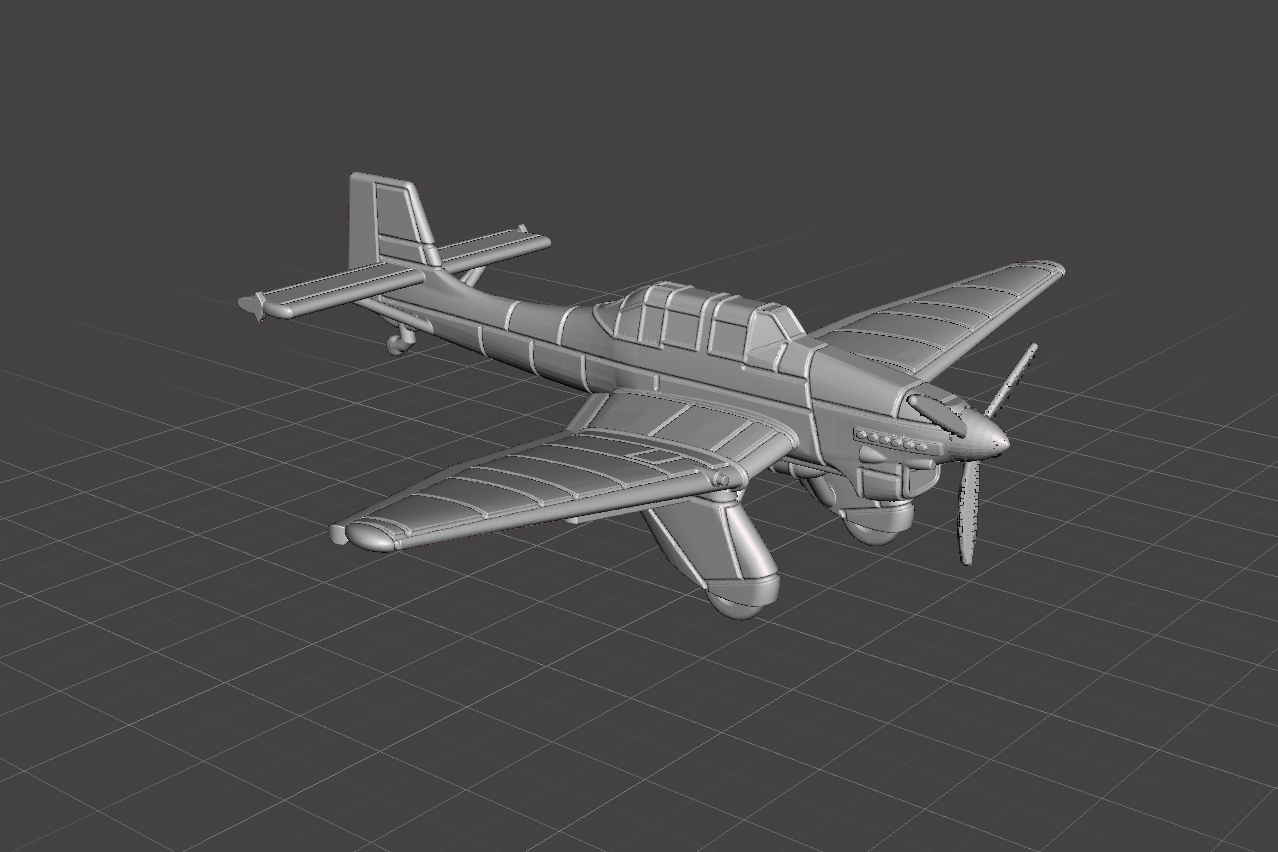
The Ju 87A was designed as a single-engined, twin-seat all metal dive bomber. Its fuselage was built by connecting two oval-shaped sections with a simple structure design. The longerons consisted of long shaped strips which spanned across the longitudinal direction of the aircraft.
Junkers Ju-87B 'Stuka'
Dive Bomber
1/300
1/200
1/144
1/100
£1.50
£3.00
£6.00
£8.00
SCW-GE-DB04
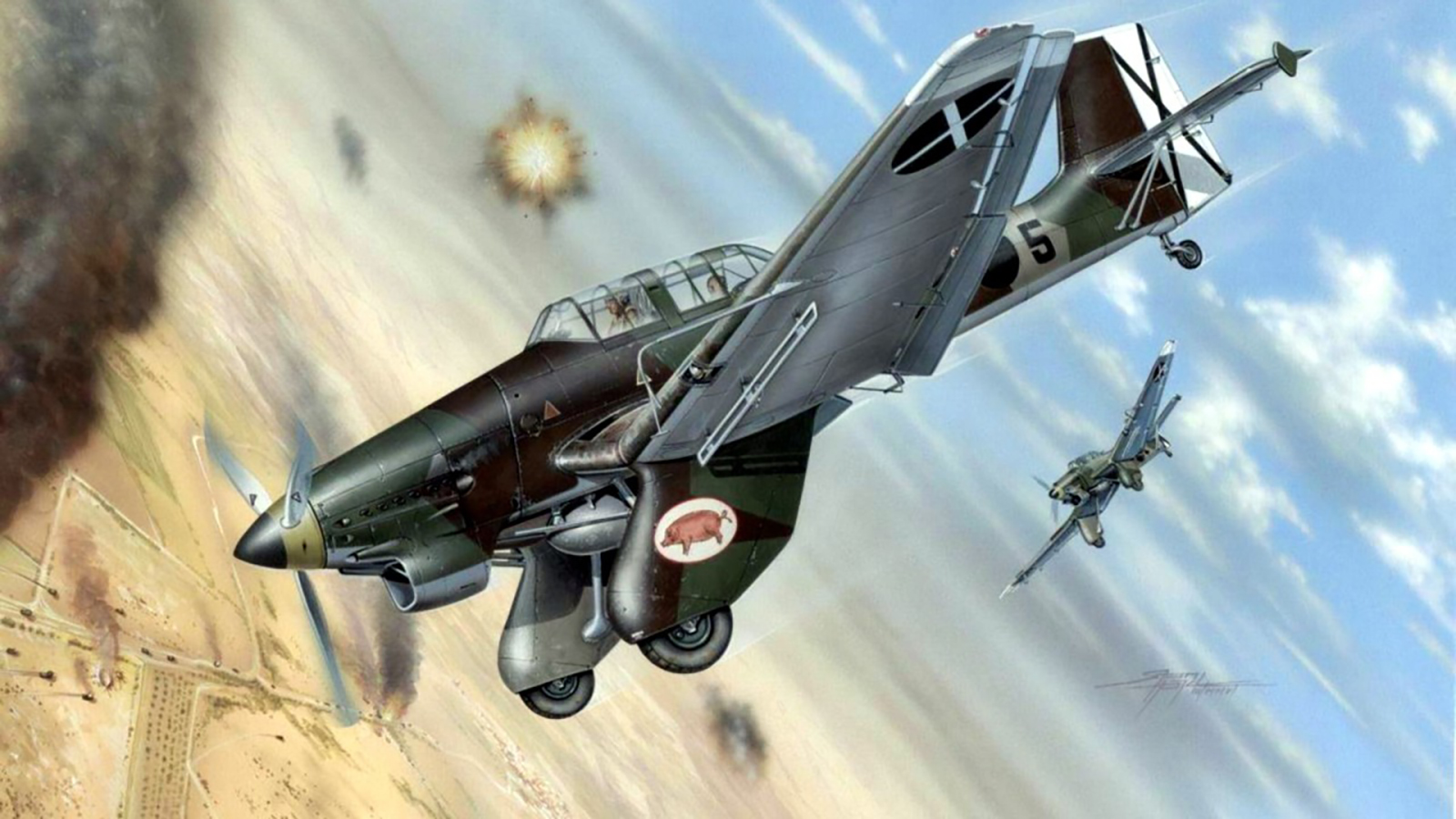
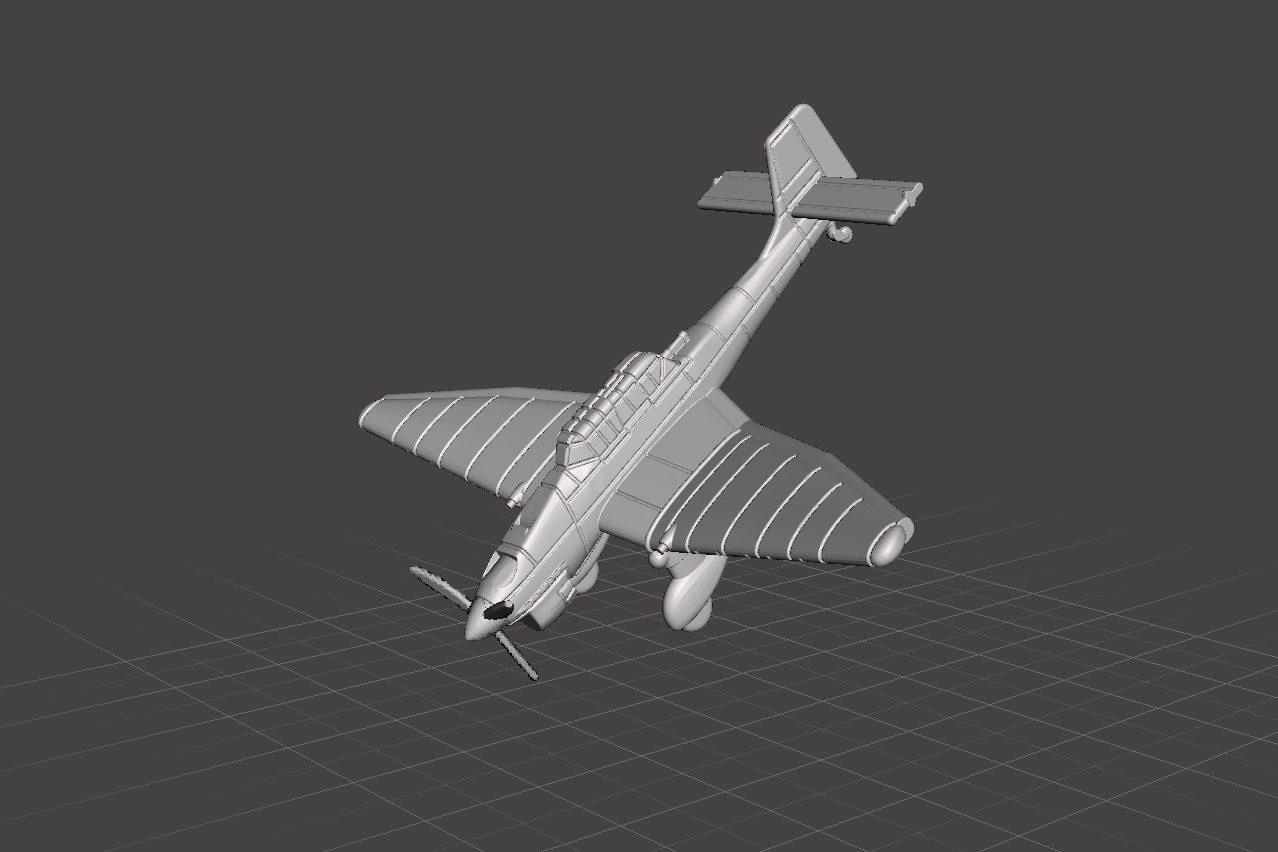
The Junkers Ju-87, popularly known as the ‘Stuka’, was a German dive bomber and ground-attack aircraft. Designed by Hermann Pohlmann, it first flew in 1935. Making its combat debut in 1937 with the Condor Legion in Spain it also served the Axis in World War II from beginning to end.
Junkers Ju-52/3m 'Tante Ju'
Transport/ Medium Bomber
1/300
1/200
1/144
1/100
£4.00
£6.00
£16.00
£26.00
SCW-GE-TP03
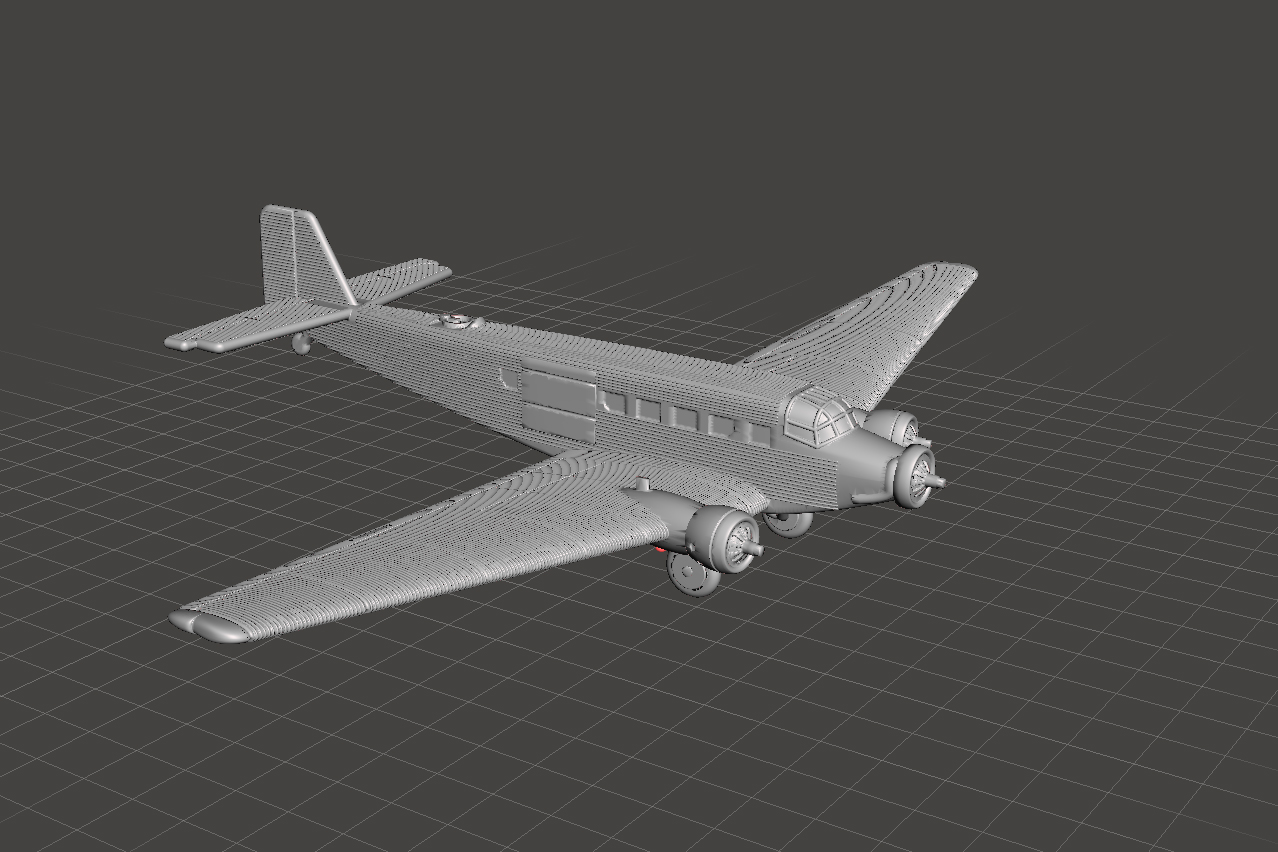
The Junkers Ju-52/3m, nicknamed ‘Tante Ju’ was a transport aircraft that was designed and manufactured by Junkers. Introduced in 1930 as a civilian airliner, it was adapted into a military transport aircraft by the Nazis, who took the company over the objections of the company’s founder Hugo Junkers.
Messerschmitt Bf-109b2
Fighter
1/300
1/200
1/144
1/100
£1.50
£3.00
£6.00
£8.00
SCW-GE-FP21
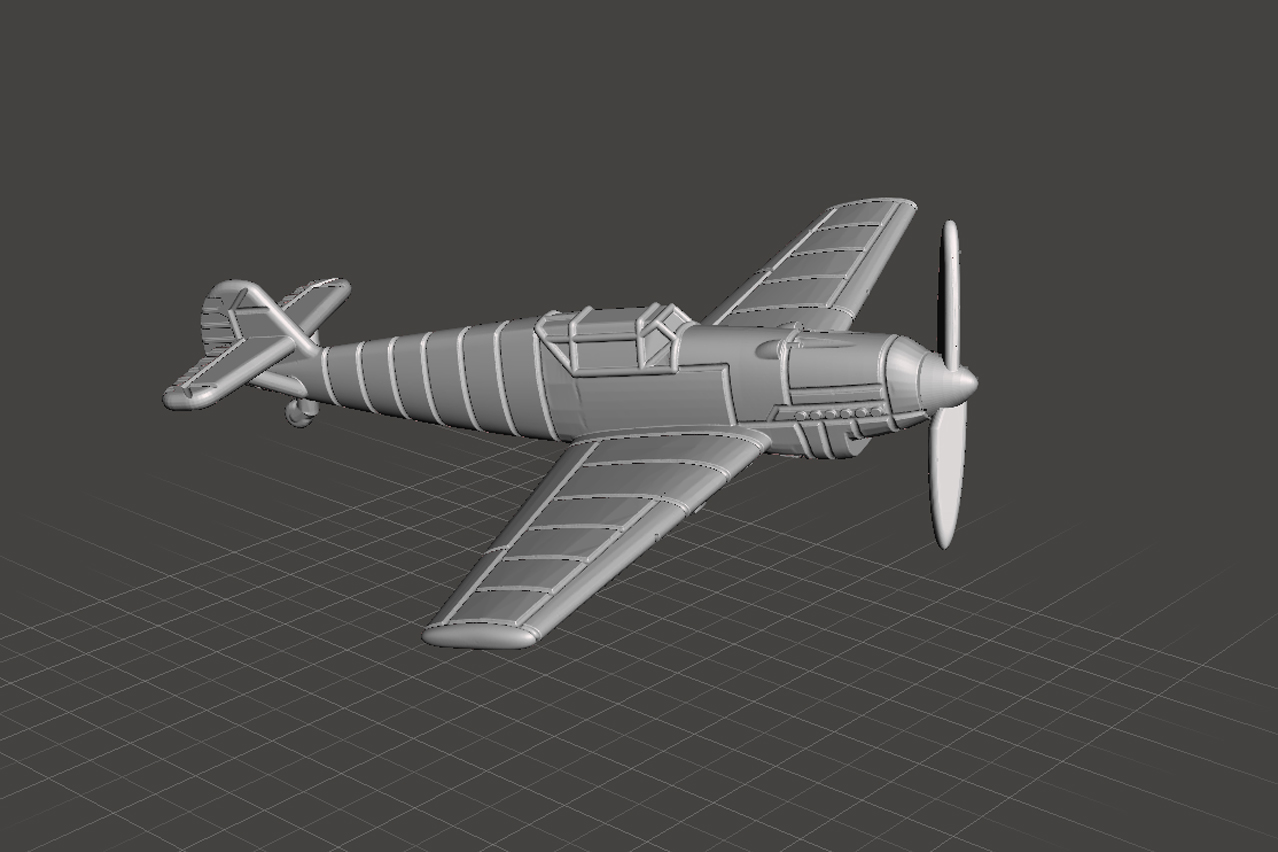
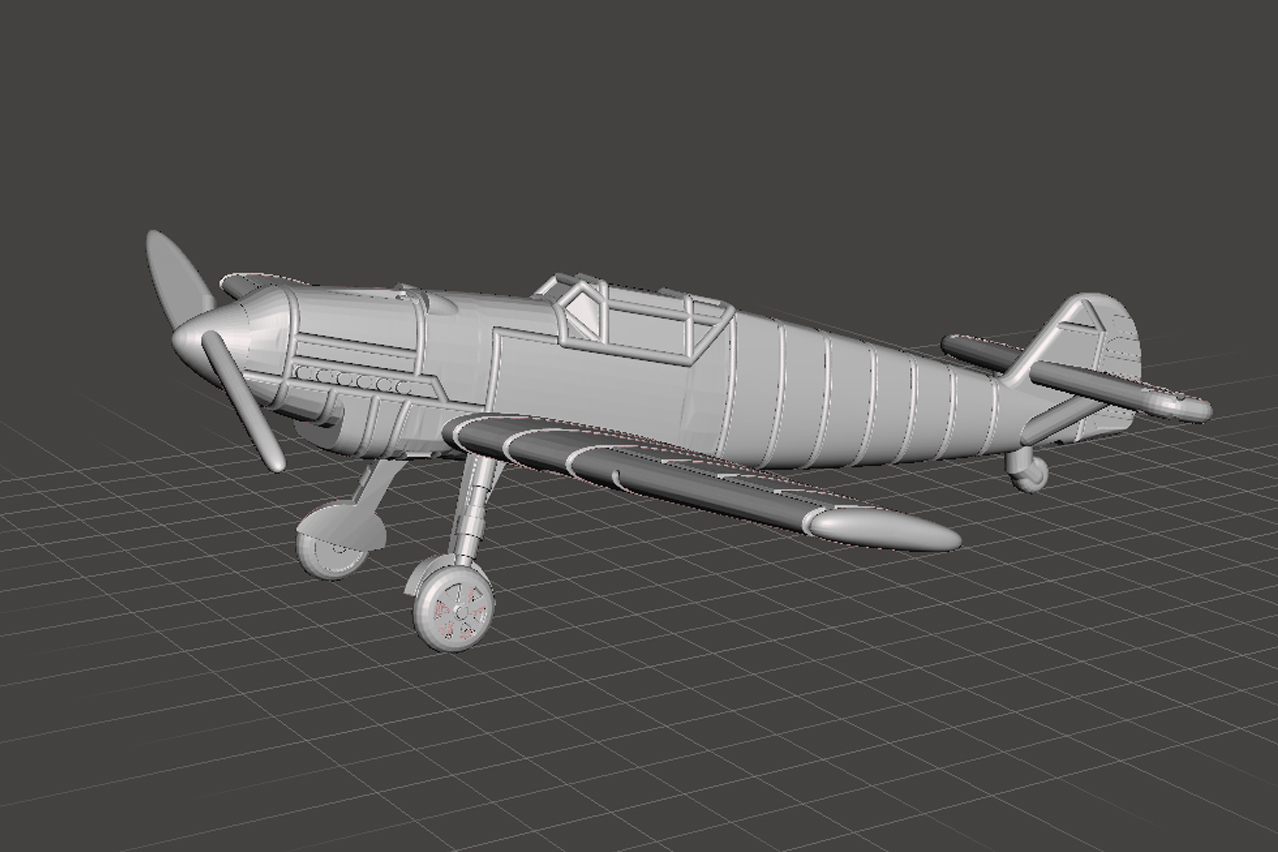
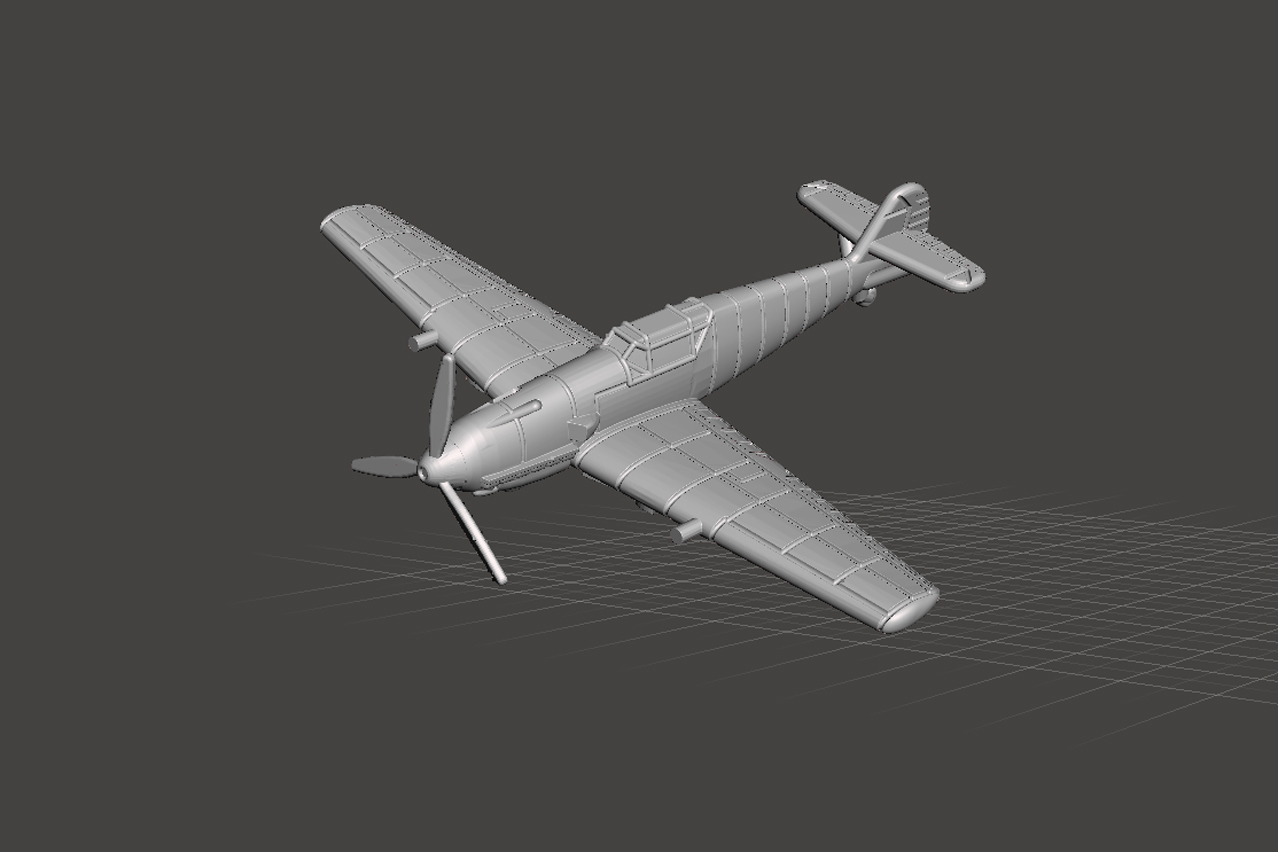
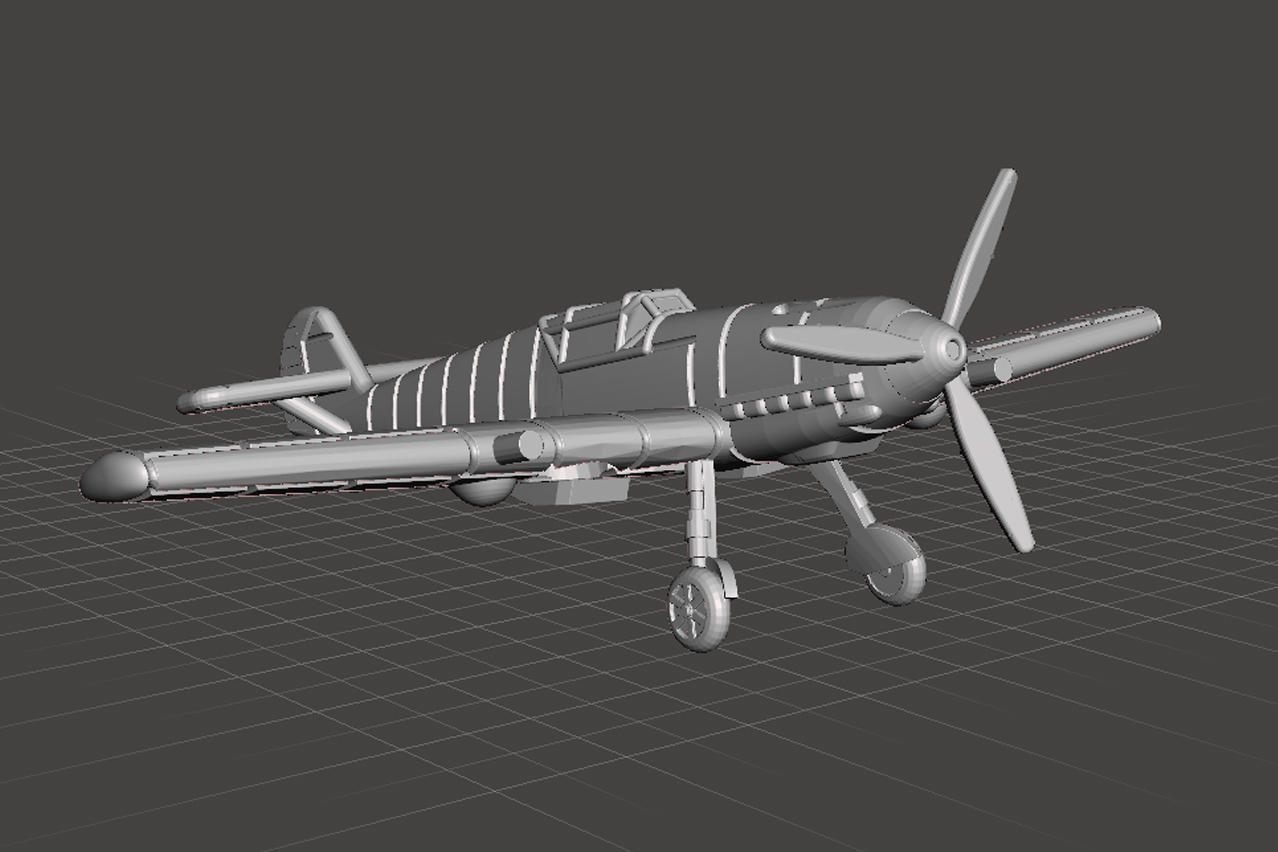
Jagdgruppe 88 introduced the Messerschmitt Bf 109B-2 to Spain in 1937, replacing earlier He 51 biplanes. The monoplane fighter brought higher speed, climb, and firepower, contesting Republican I-15 and I-16 aircraft while escorting bombers and sweeping ahead of advancing Nationalist columns.
Messerschmitt Bf-109b2
Fighter Plane w. Lowered Undercarriage
1/300
1/200
1/144
1/100
£1.50
£3.00
£6.00
£8.00
SCW-GE-FP23
Combat over Brunete and the Ebro honed tactics—kette and rotte precursors, and disciplined radio use—while exposing engine and armament limitations of early variants. Experience with the Bf 109B-2 shaped refinements that culminated in later, more capable Bf 109 models entering wider Luftwaffe service.
Messerschmitt Bf-190e3
Fighter
1/300
1/200
1/144
1/100
£1.50
£3.00
£6.00
£8.00
SCW-GE-FP22
Jagdgruppe 88 received the new Daimler-Benz powered Bf 109E-3 late in the war for operational trials, supplementing earlier models. Flying from Nationalist fields, they escorted bombers, swept Republican airspace, and intercepted fighters during the 1939 endgame in Catalonia and along the Levante corridor.
Messerschmitt Bf-109e3
Fighter Plane w. Lowered Undercarriage
1/300
1/200
1/144
1/100
£1.50
£3.00
£6.00
£8.00
SCW-GE-FP24
The E-3’s higher speed and climb rewarded energy fighting and tighter formations, but its late arrival meant few victories compared with earlier deployments. Even so, sorties in Spain validated cooling, armament fit, radio discipline, and ground servicing routines that fed directly into Luftwaffe practices.