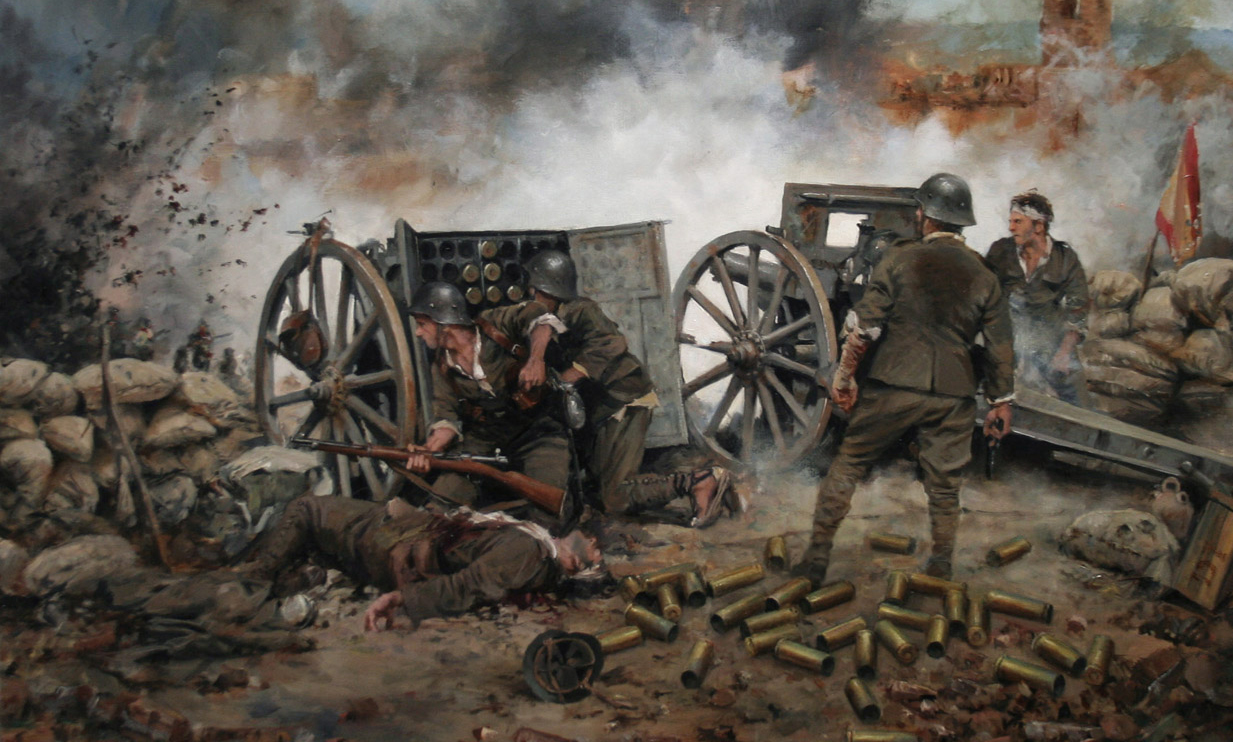
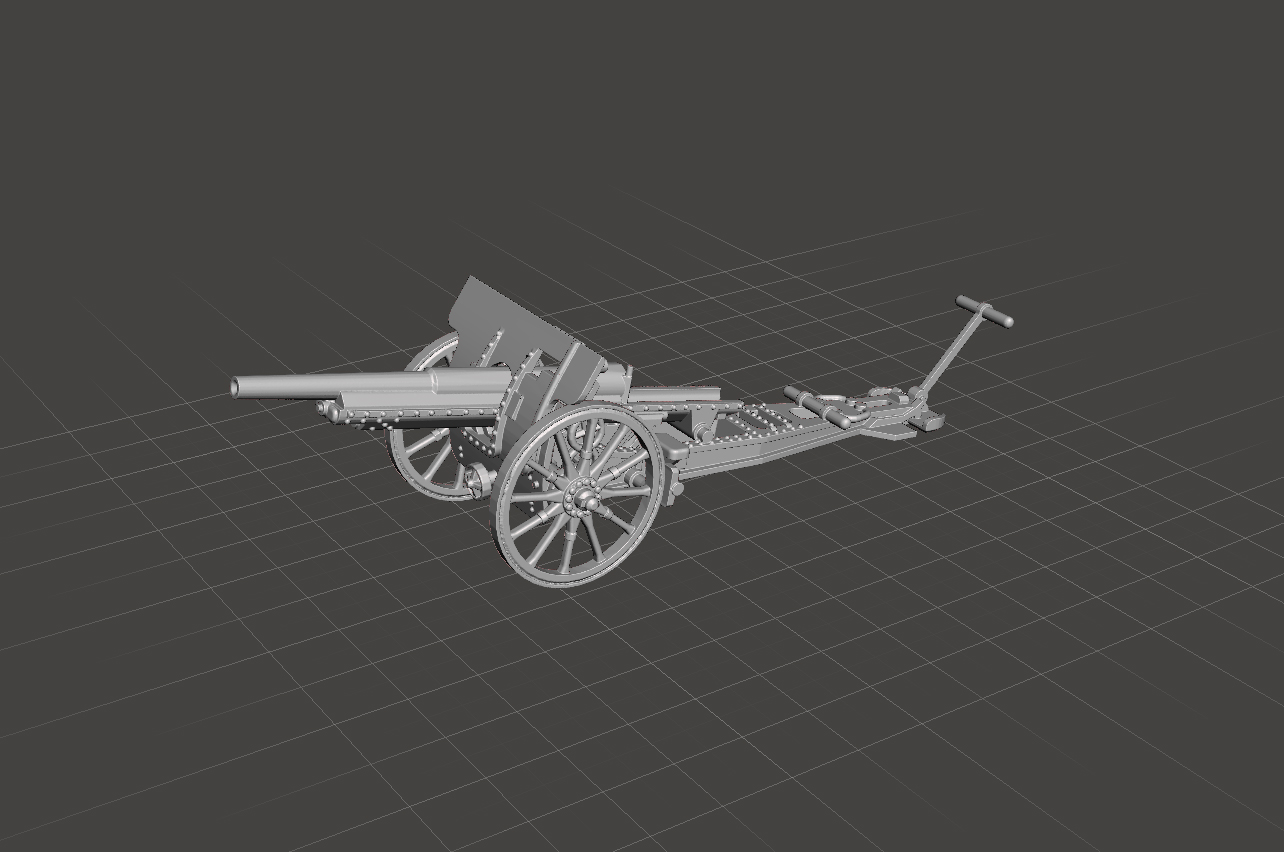
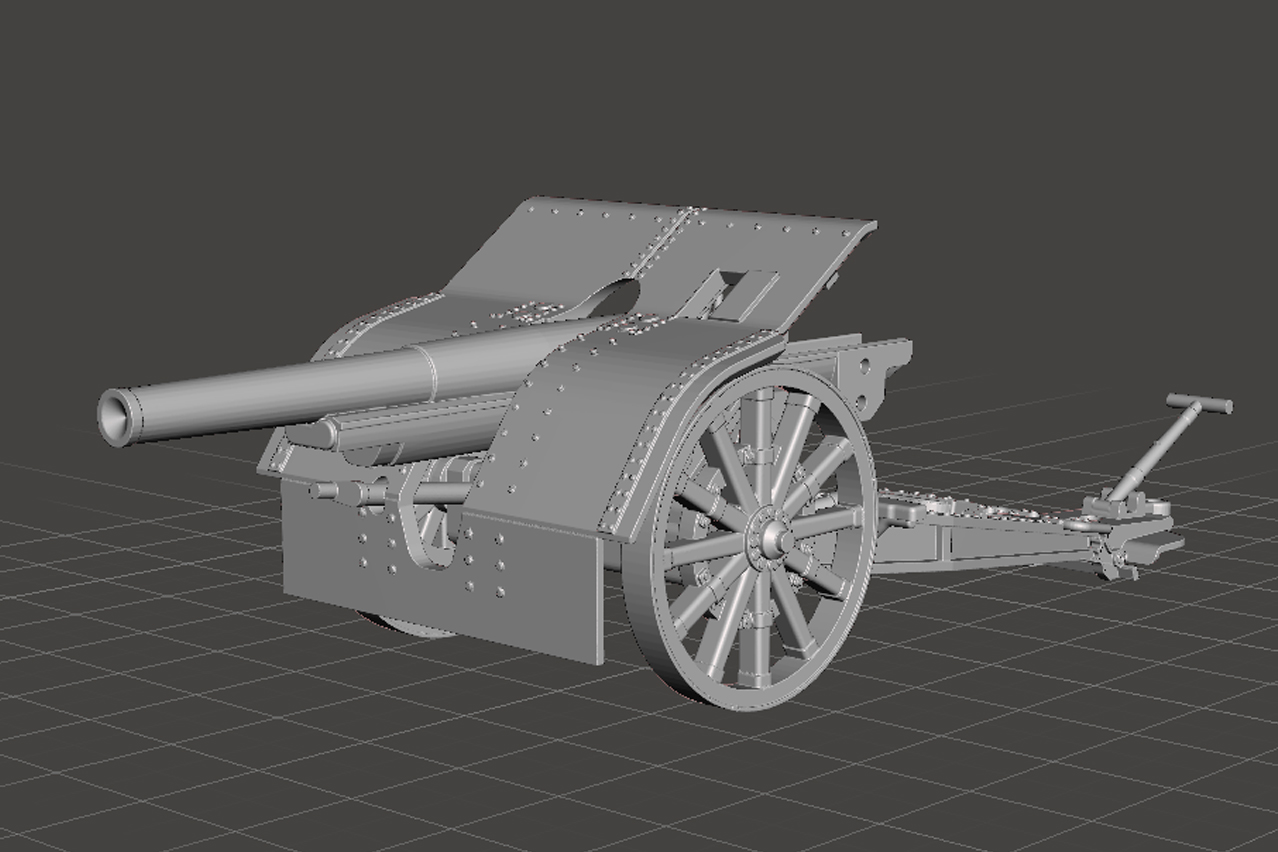
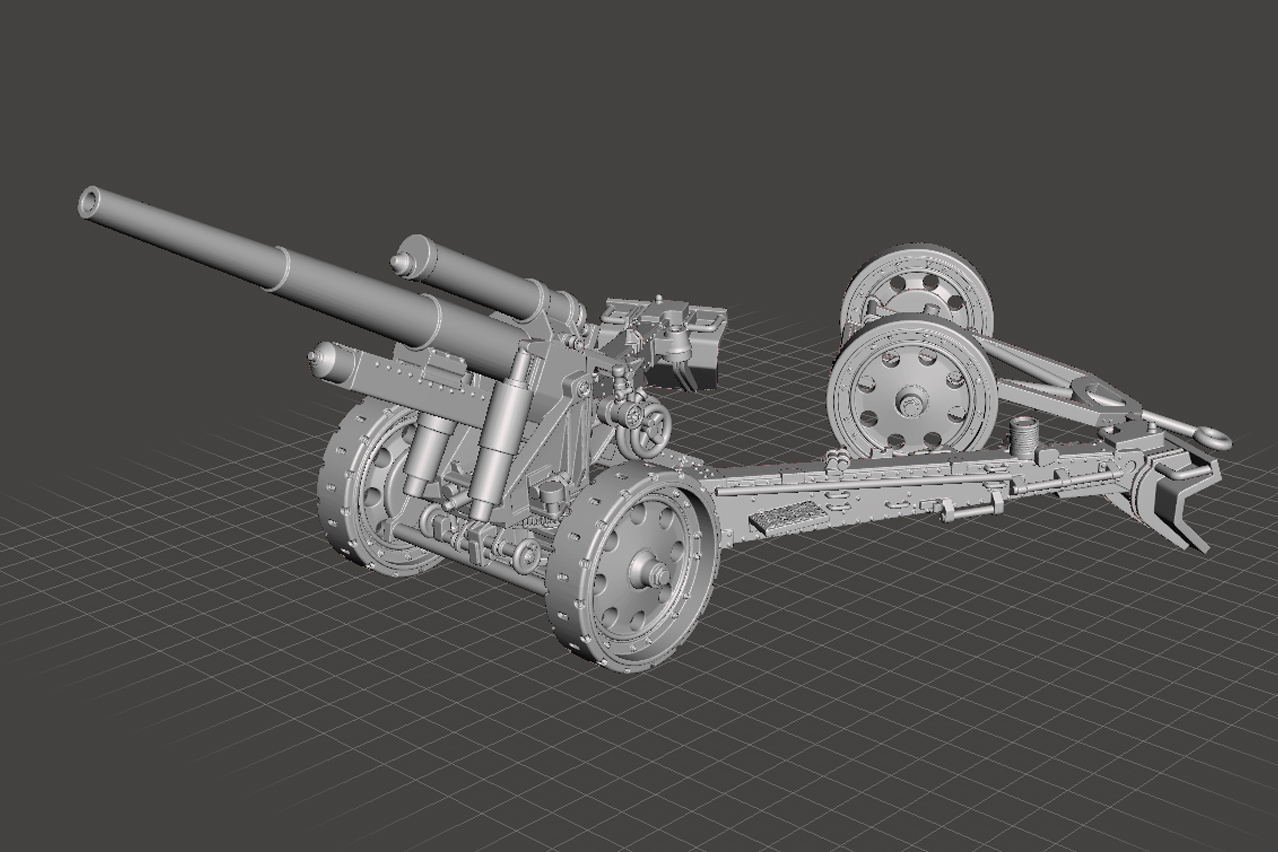
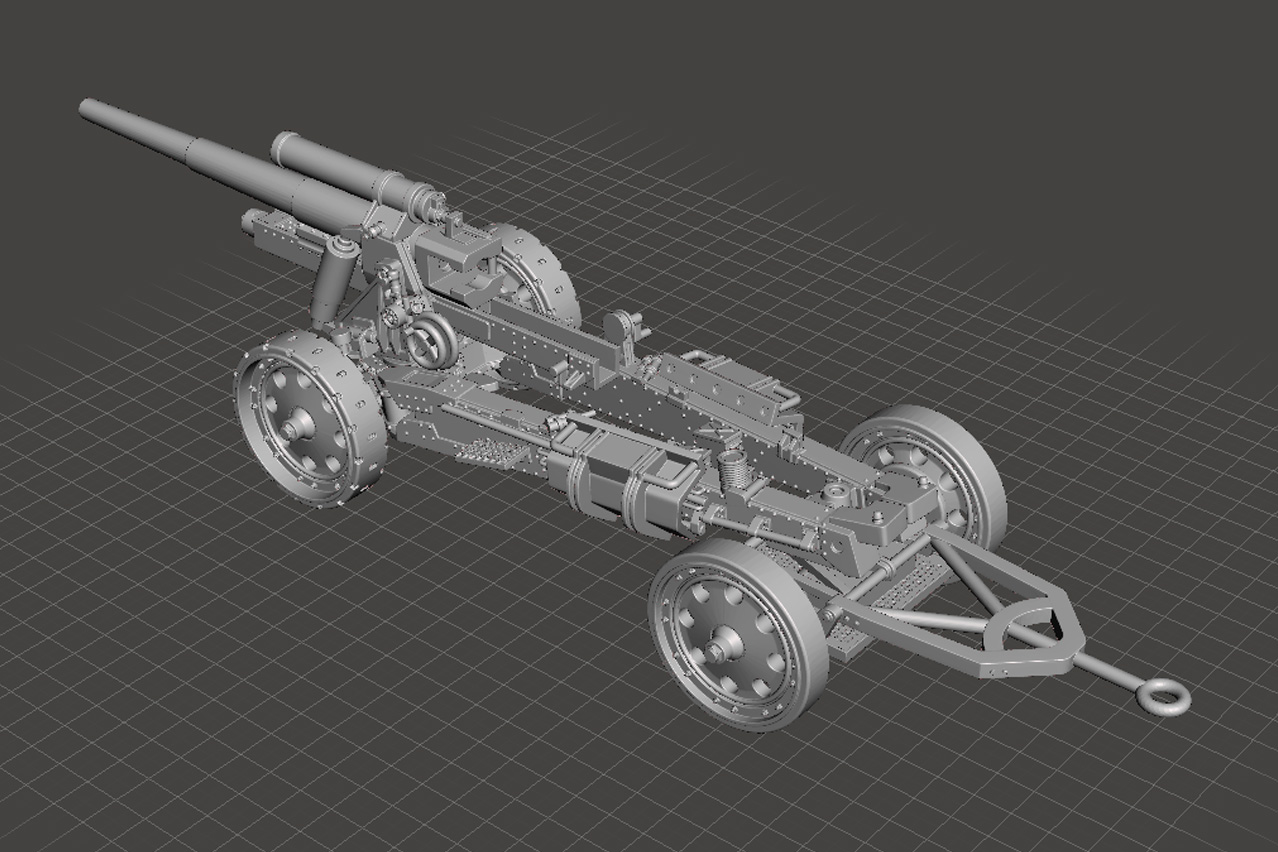
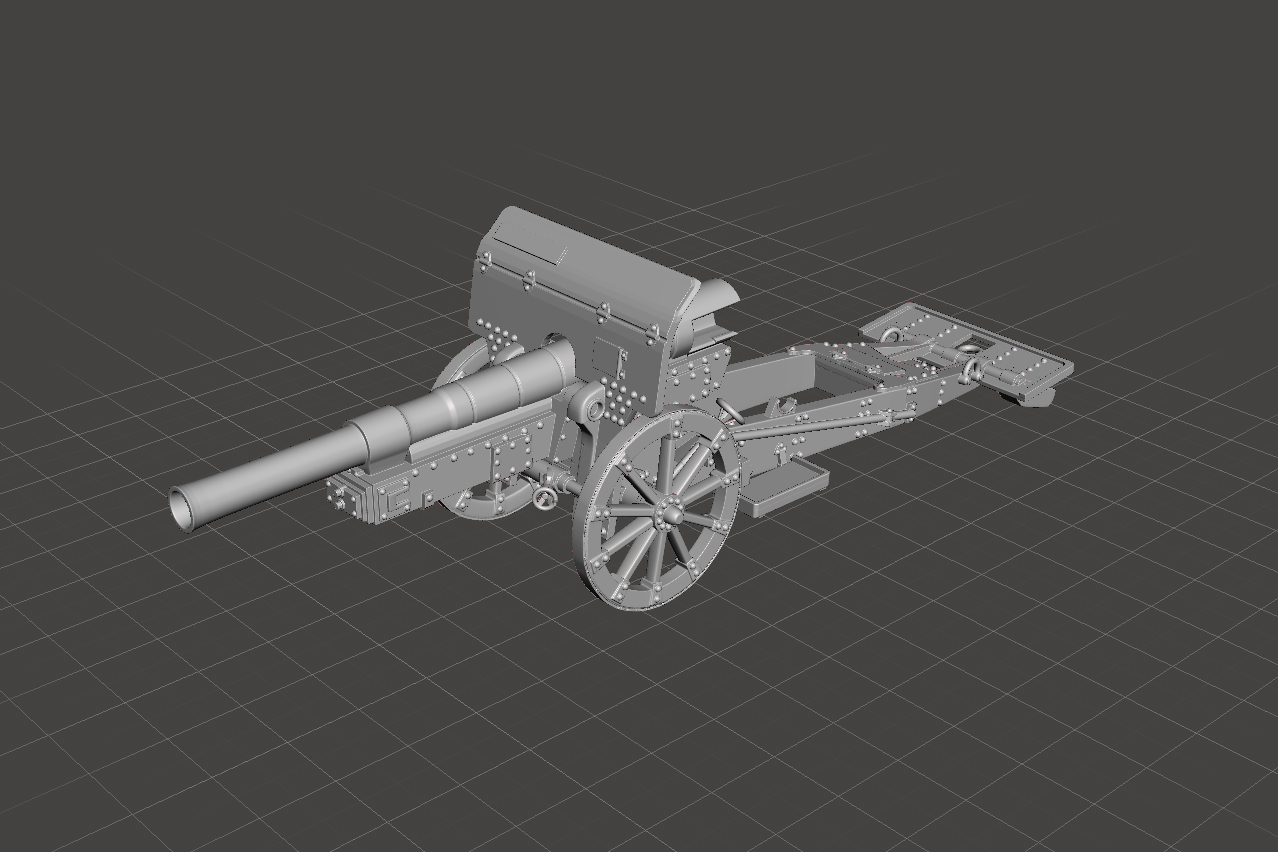
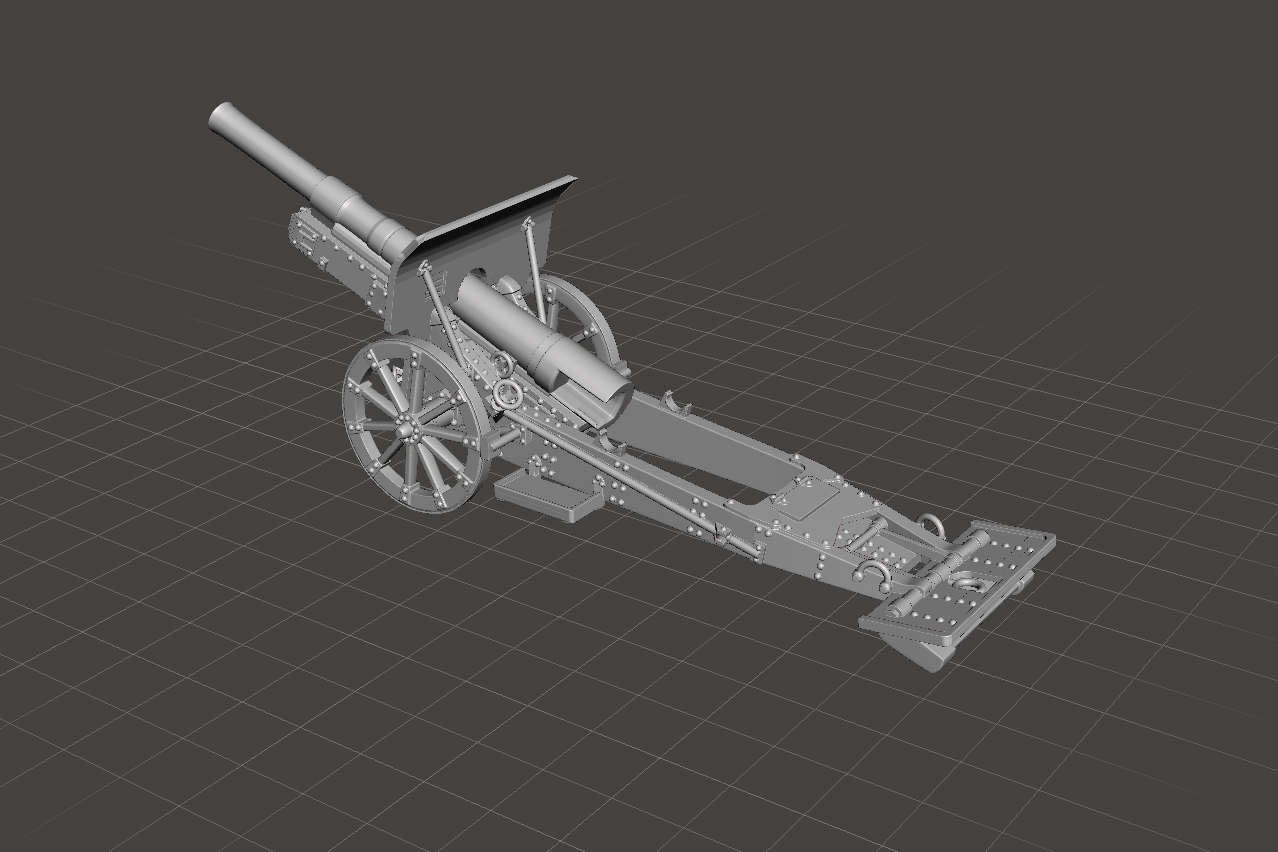
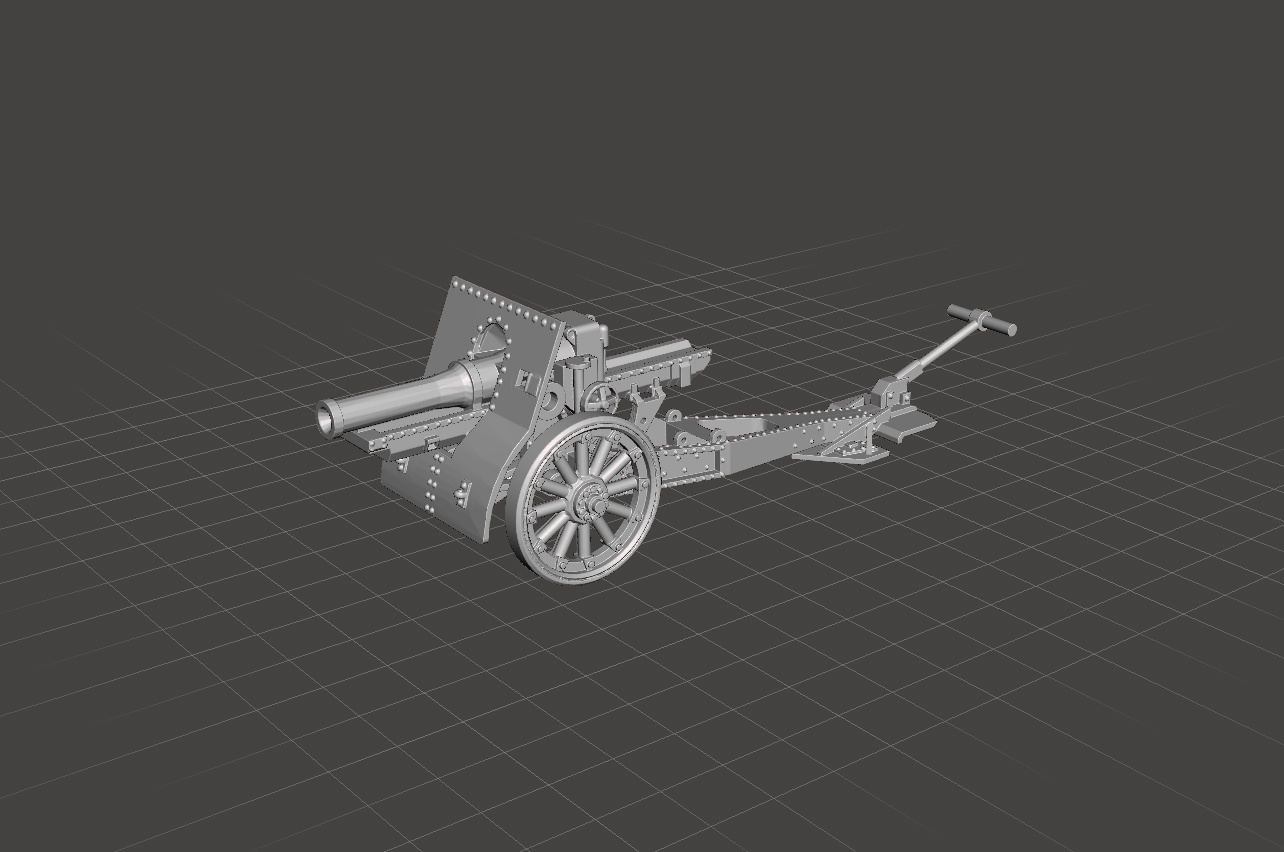
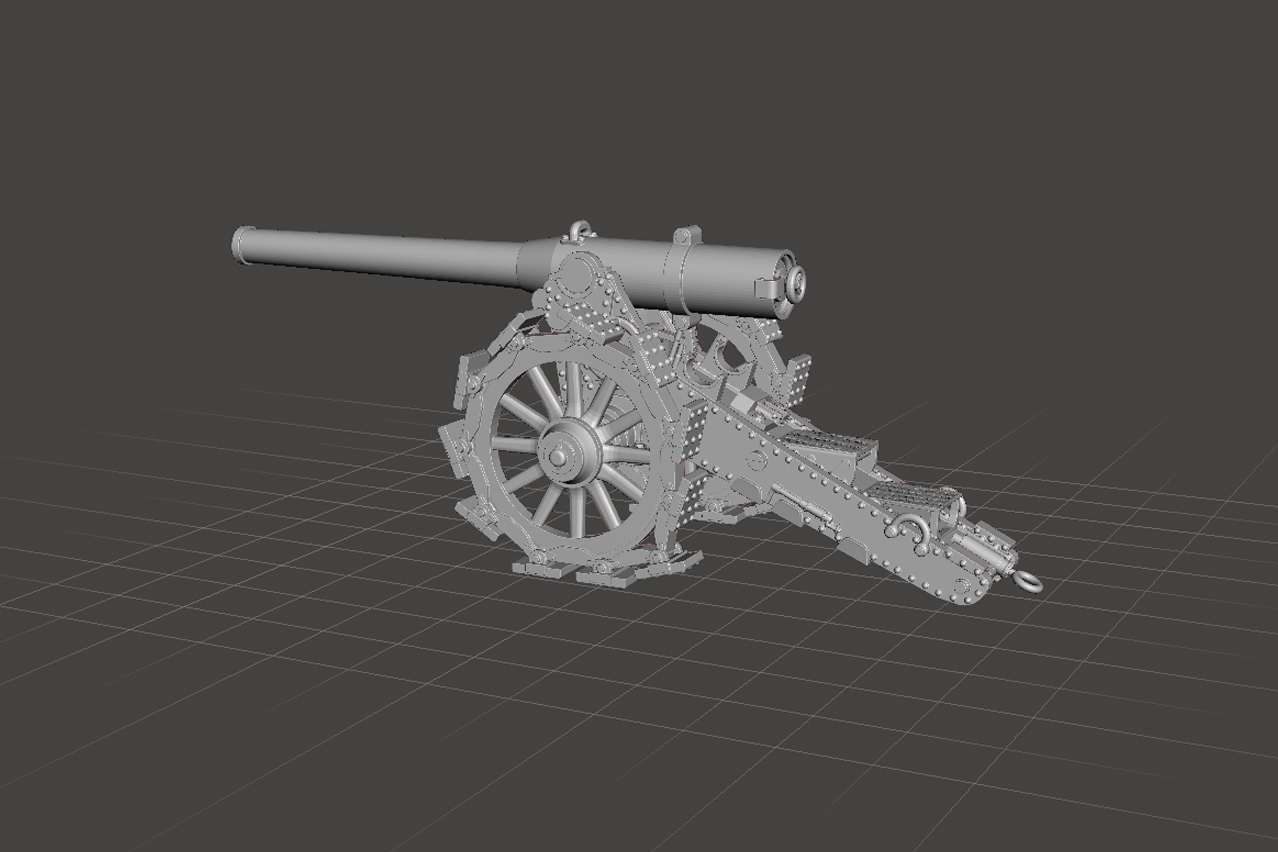
All the artillery pieces that found their way to Spain
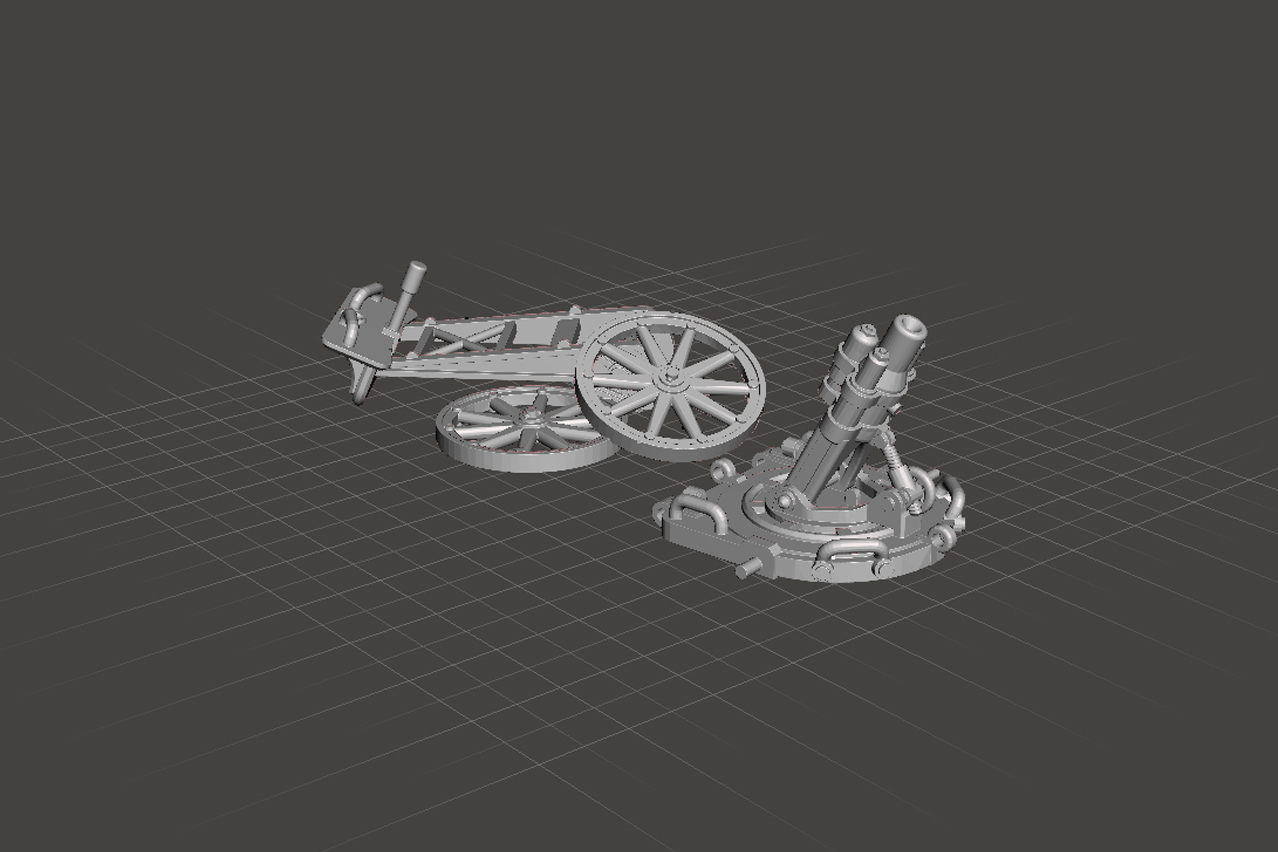
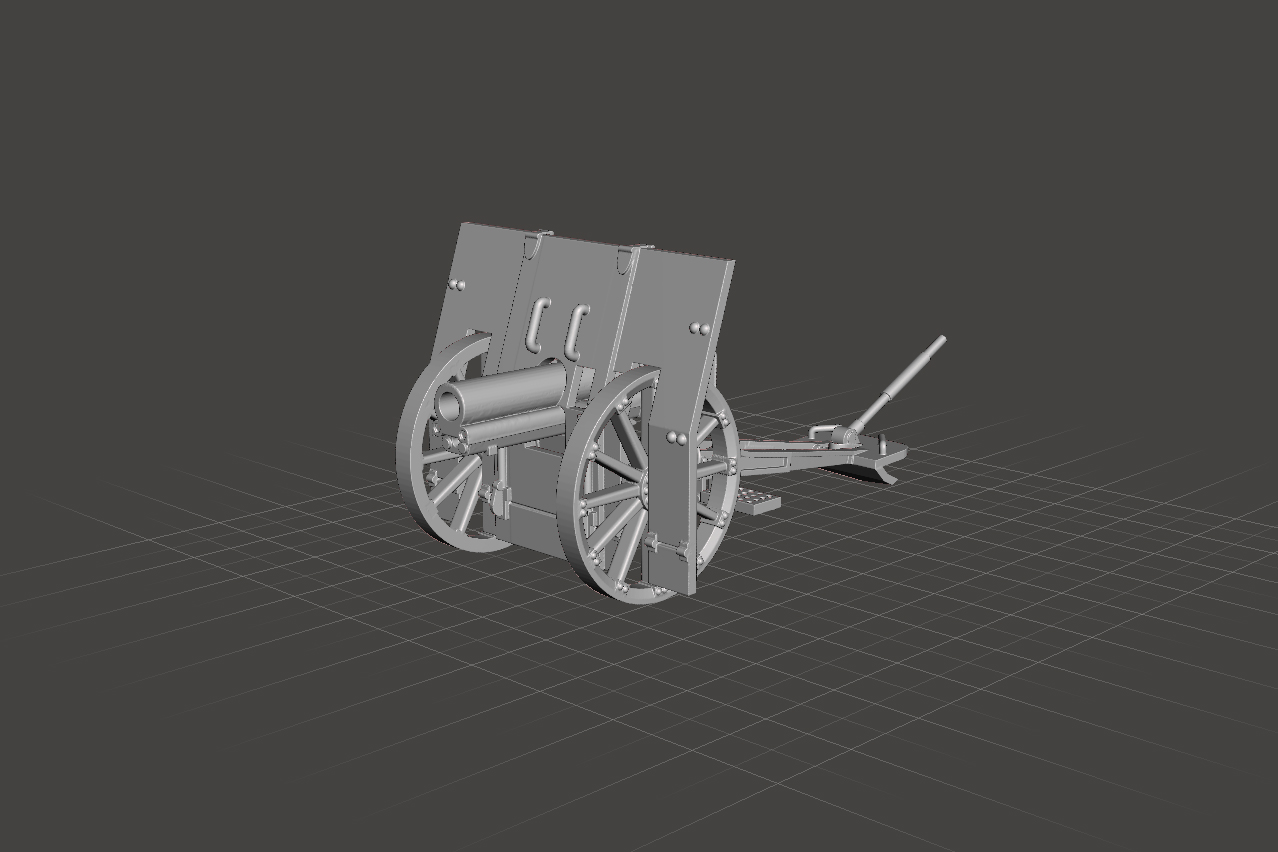
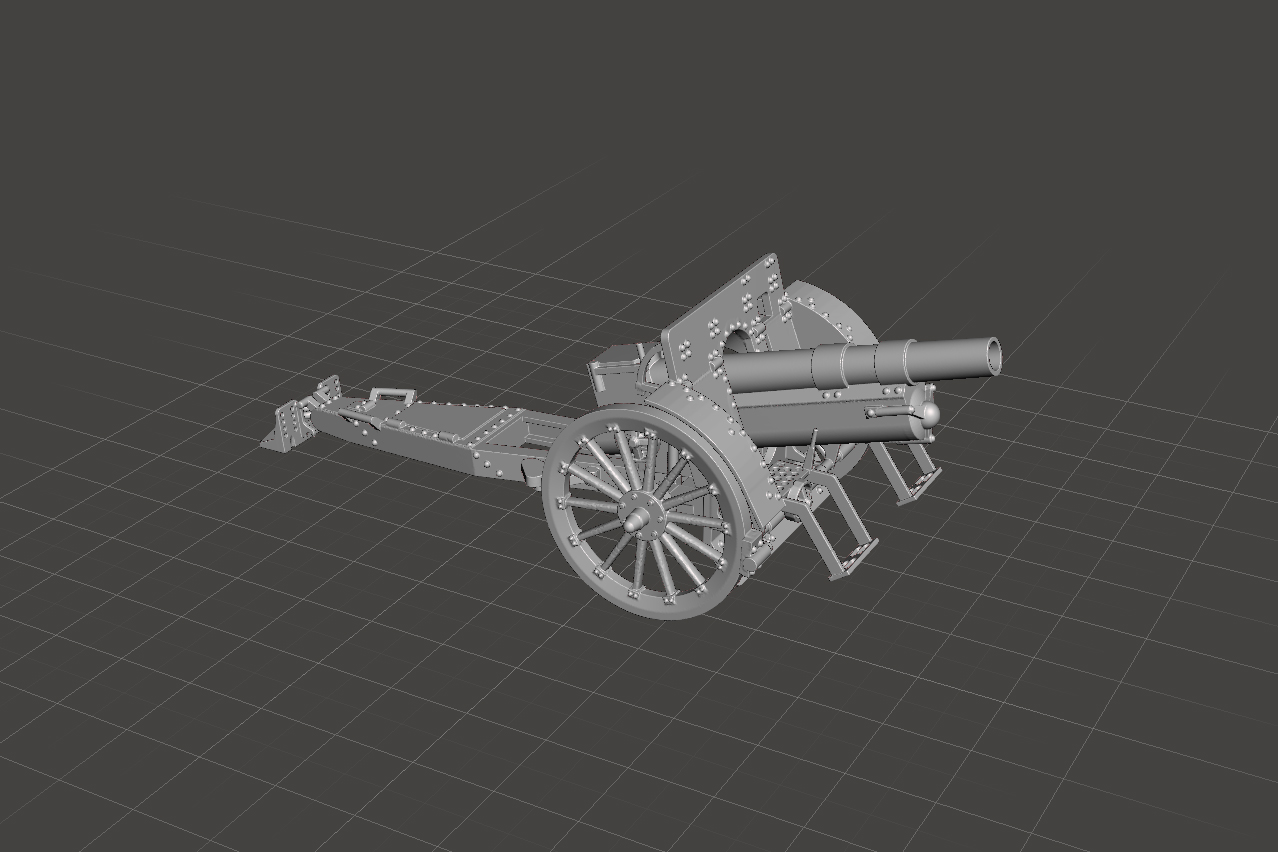
7.58cm Minenwerfer n.A
Deployed Trench Mortar
1/200
1/100
1/72
1/56
£2.20
£3.50
£6.50
£11.00
SCW-AP-TM01
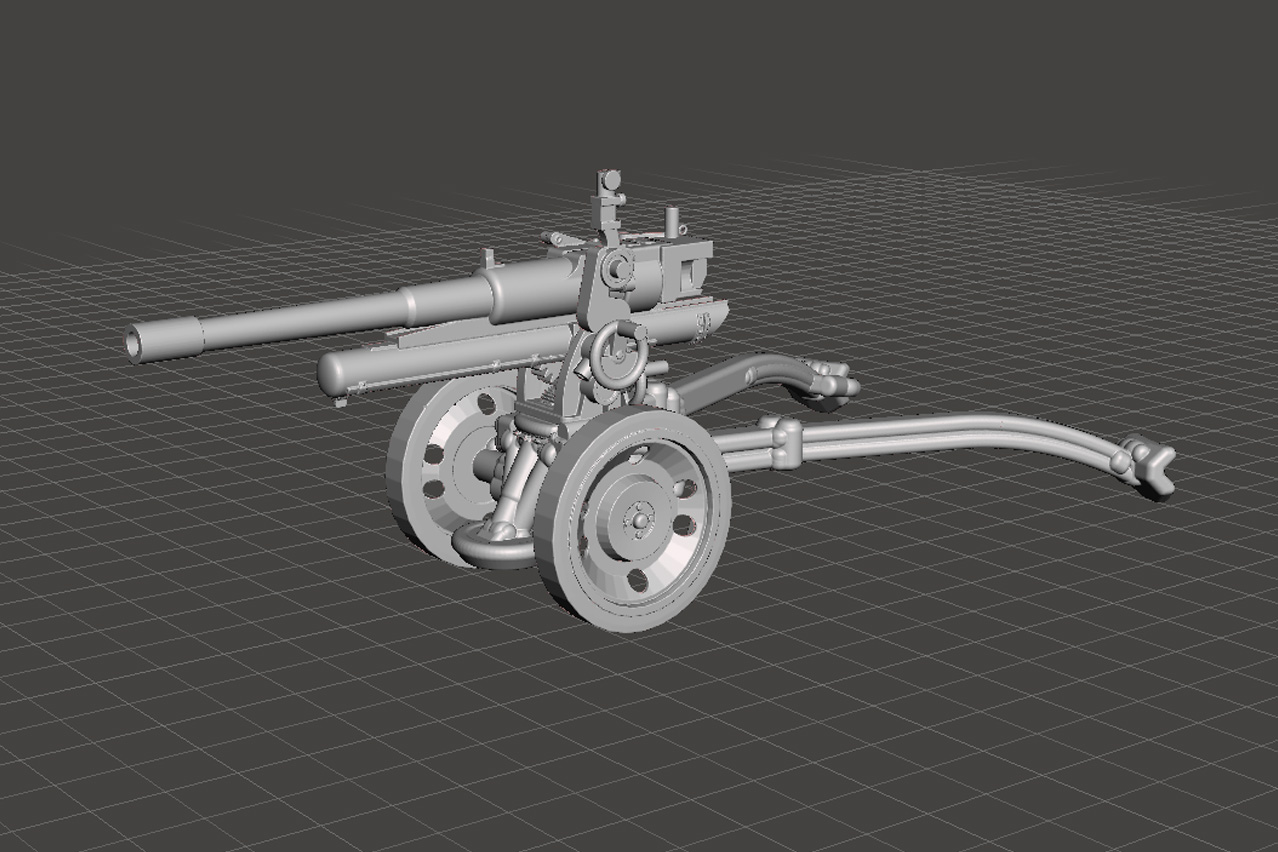
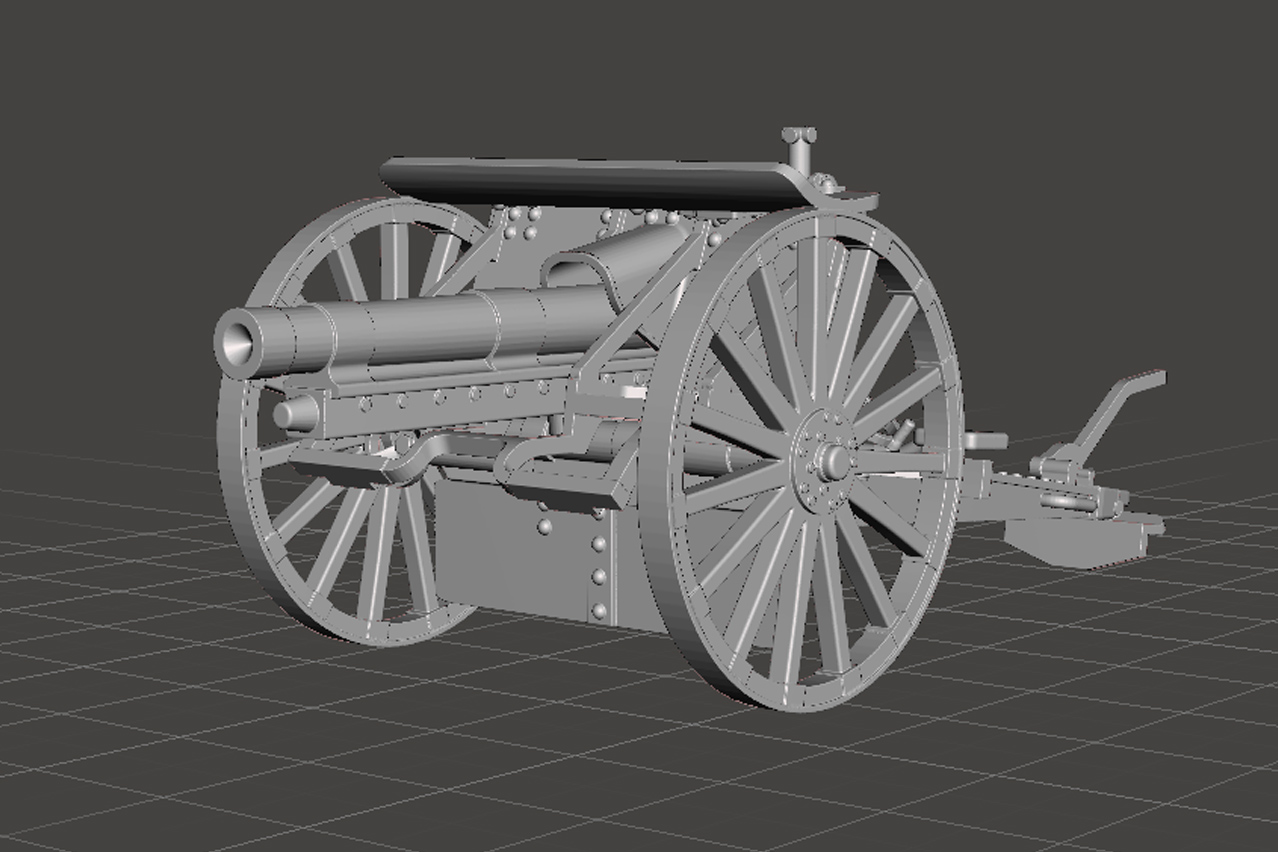
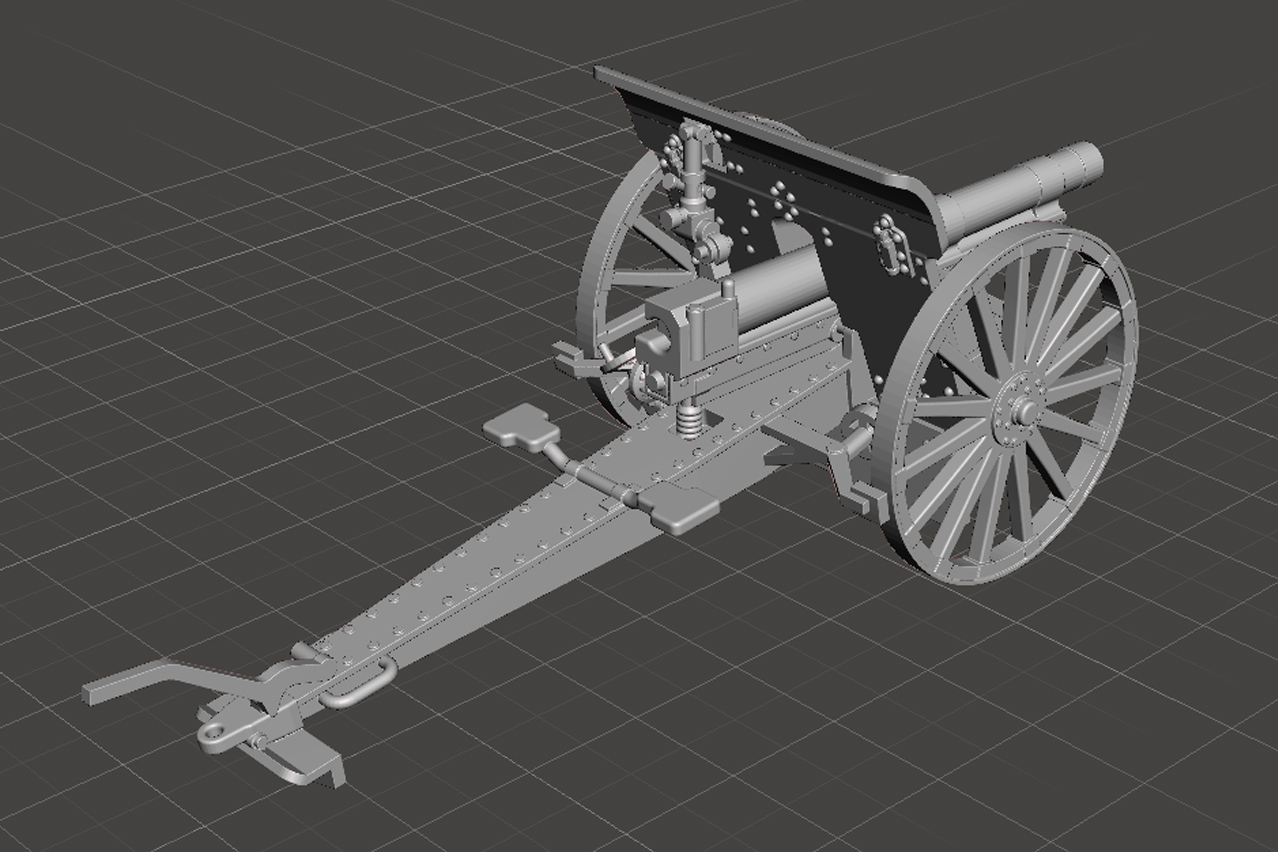
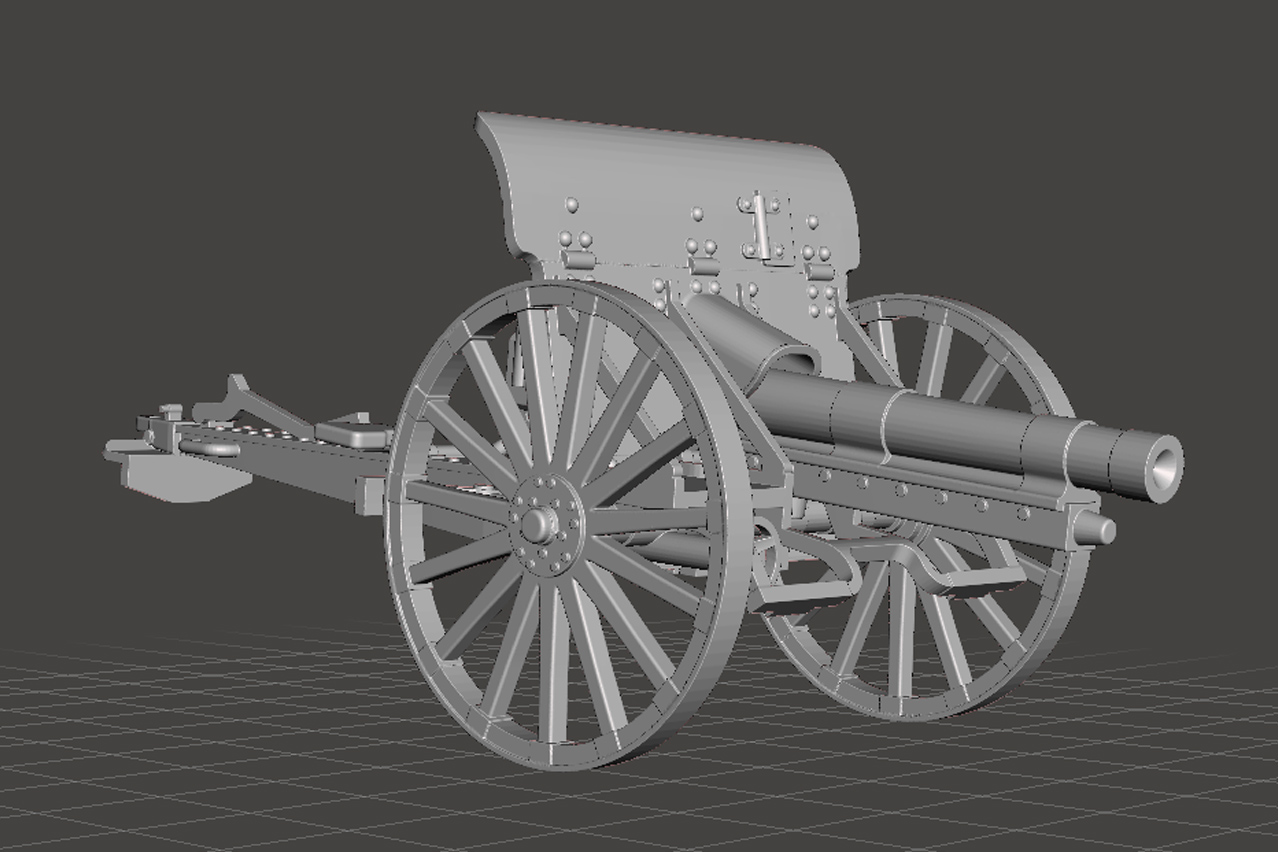
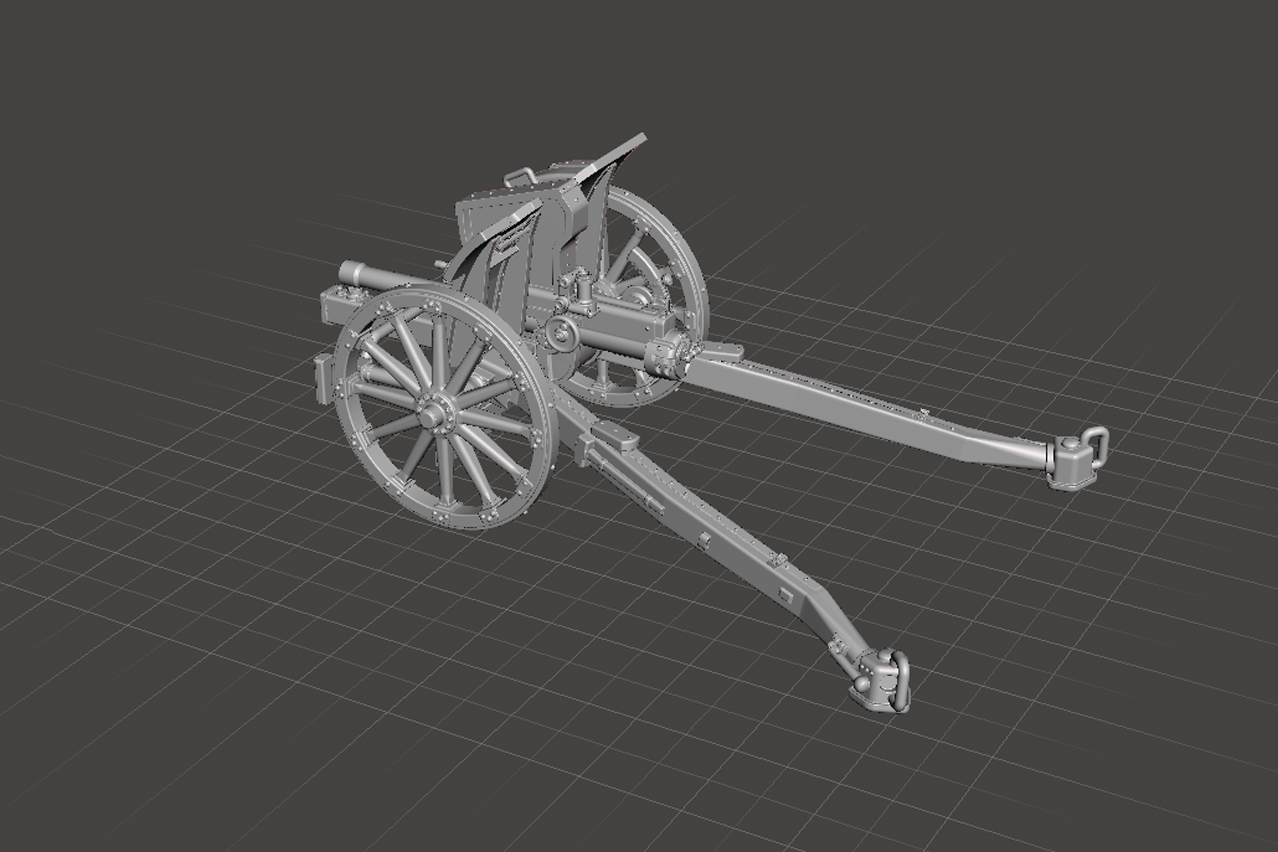
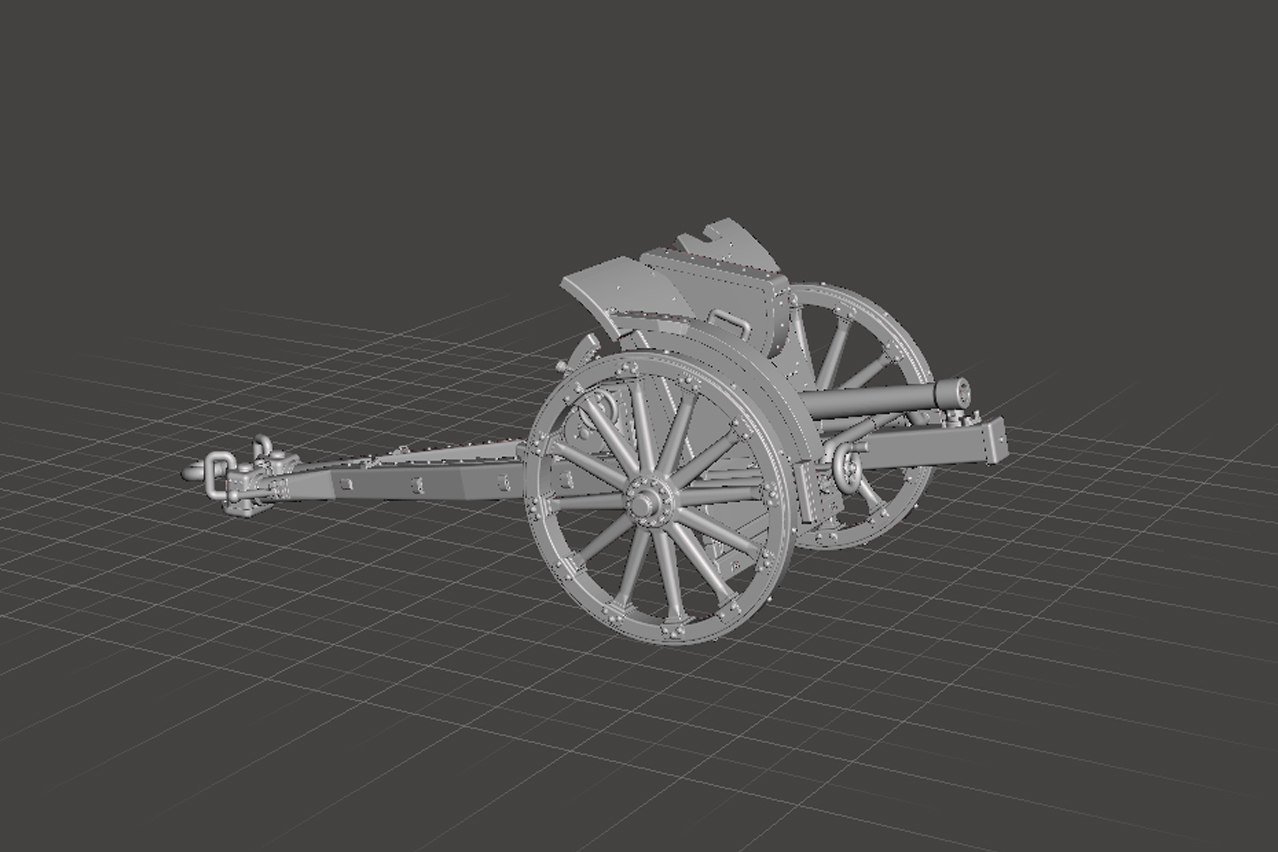
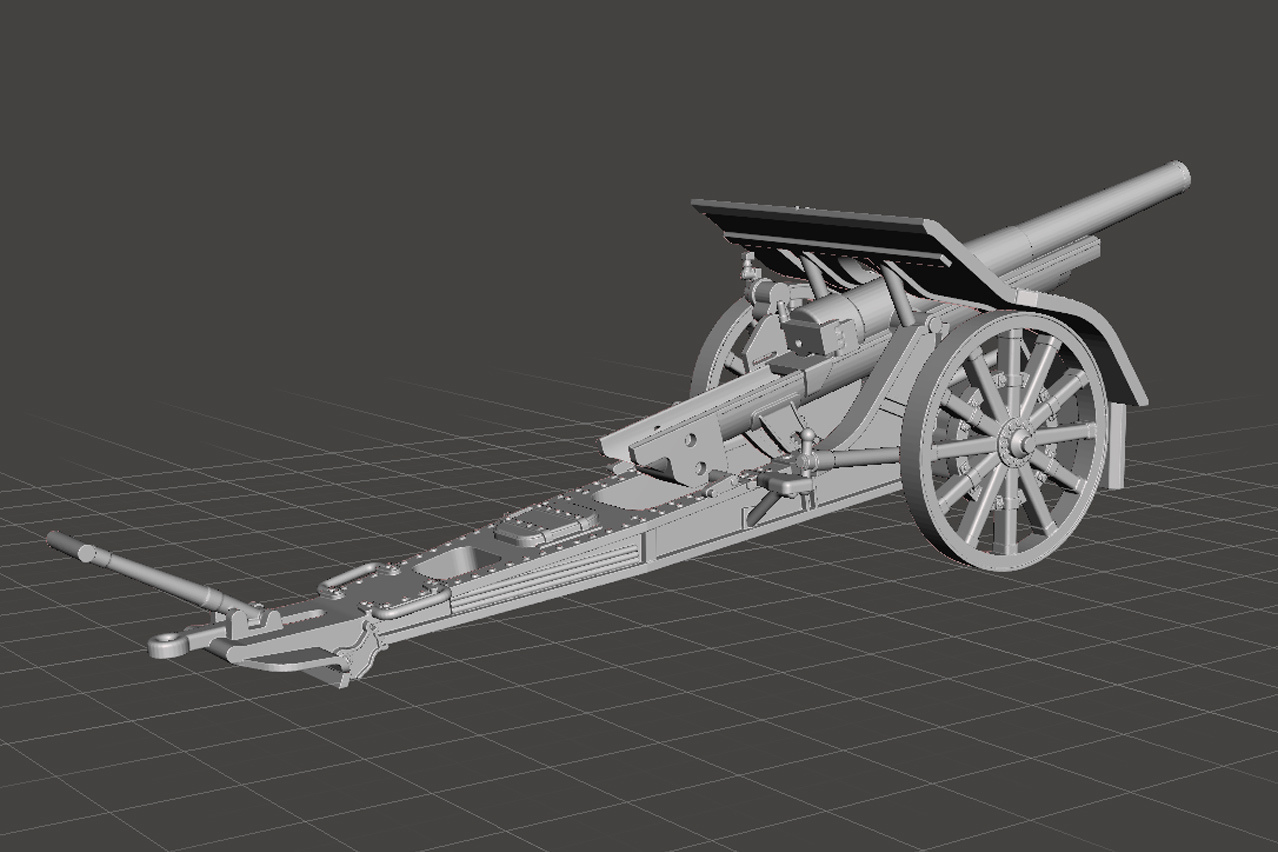
Having its baptism of fire at the Battle of the Somme in 1916, they proved so effective that pretty soon so many were being supplied that it led to an identification of manpower shortage in the German army. Over 10,000 were still in service at the end of the war.
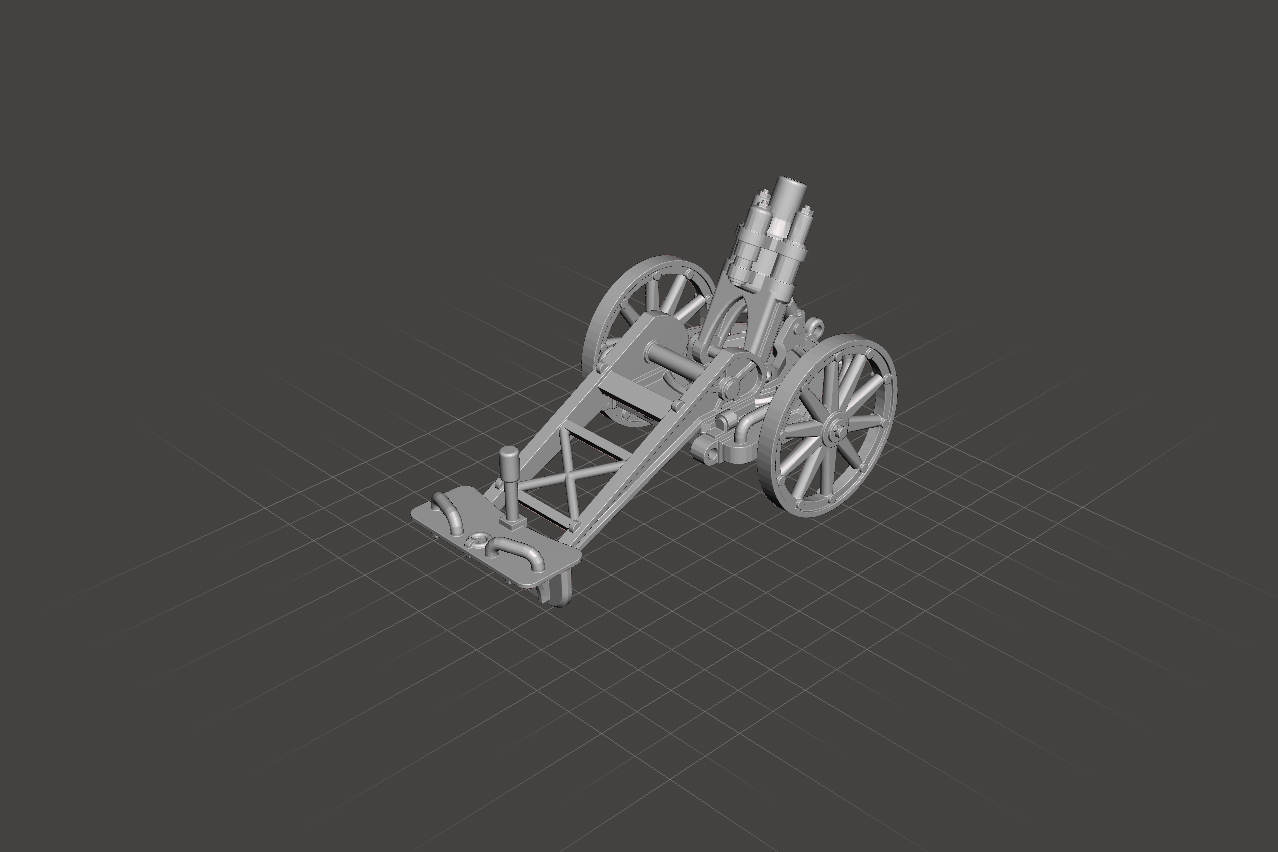
7.58cm Minenwerfer n.A
Limbered Trench Mortar
1/200
1/100
1/72
1/56
£2.20
£3.50
£6.50
£11.00
SCW-AP-TM02
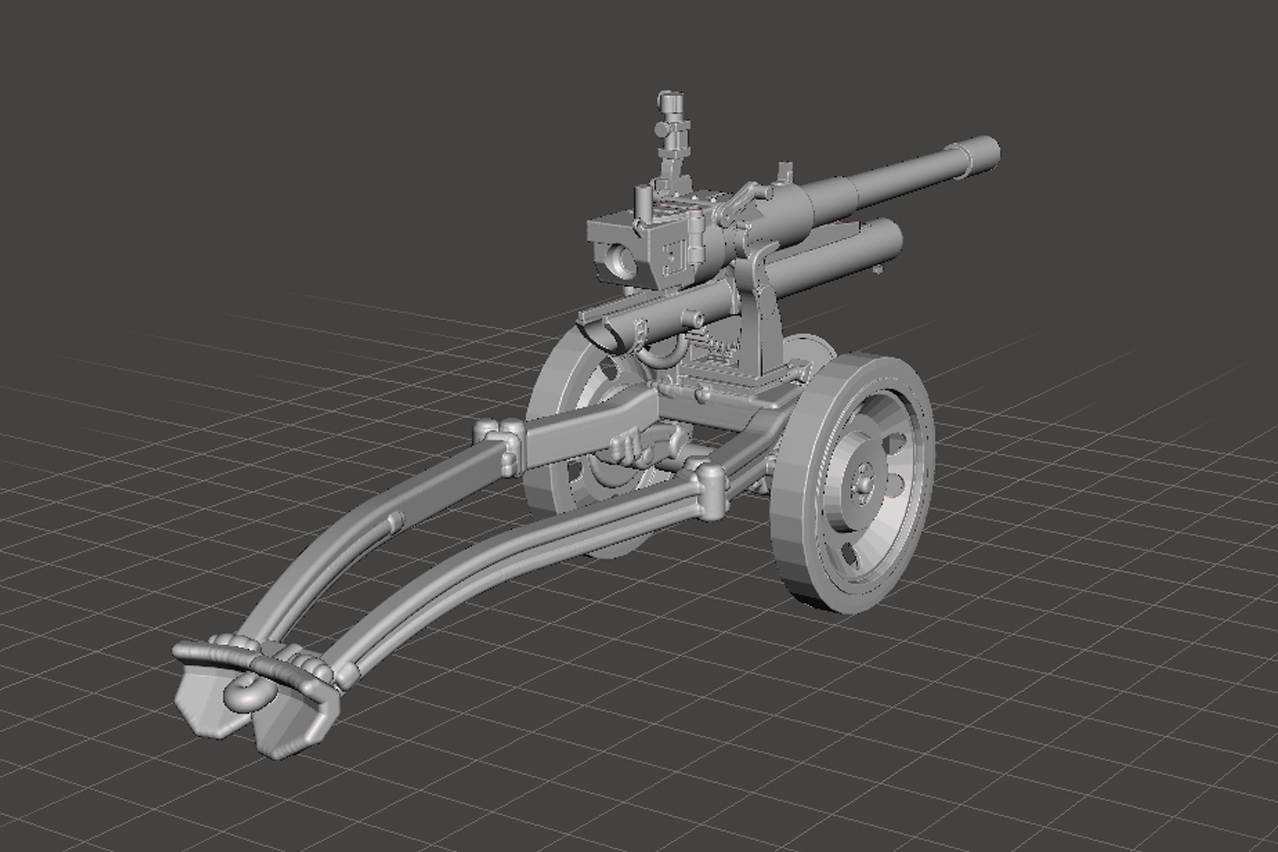
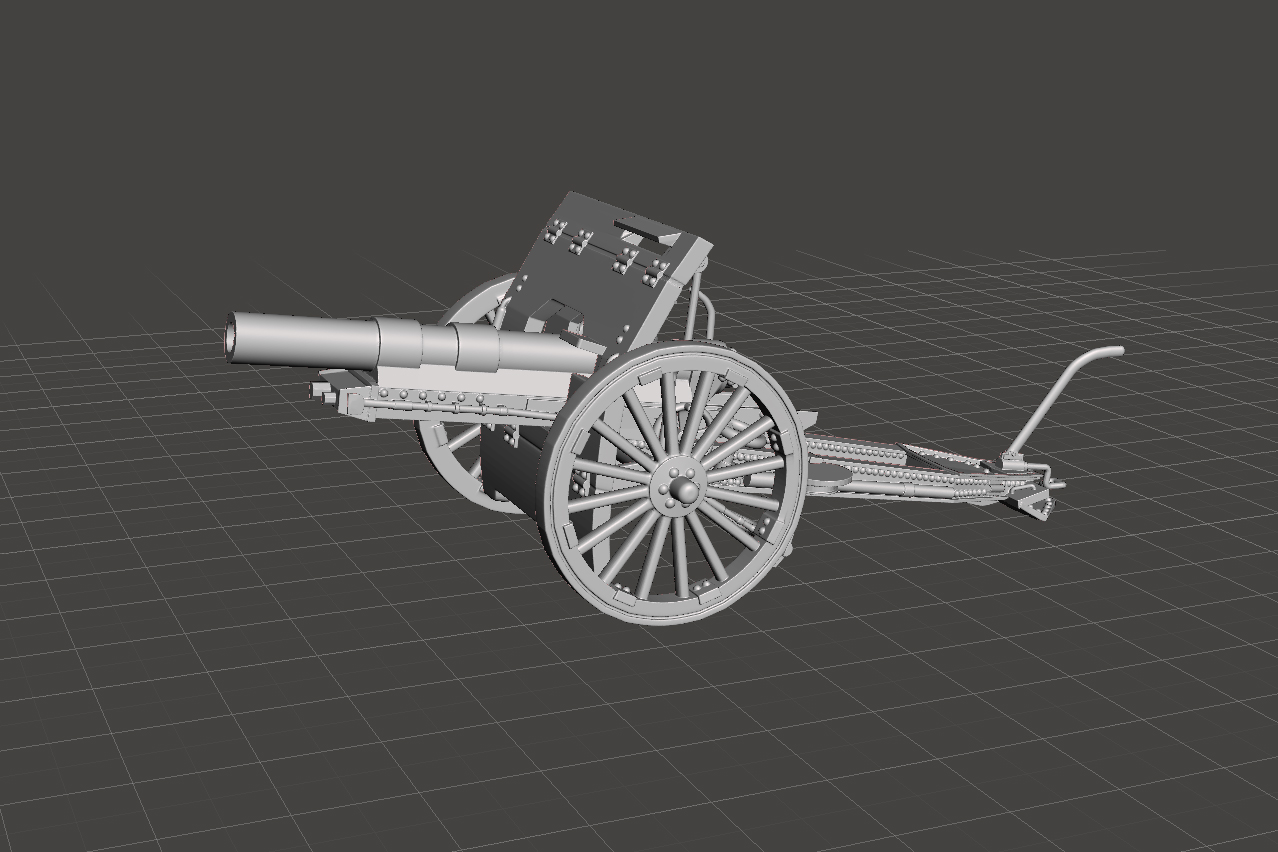
After the end of WW1 the Minenwerfer was considered obsolete in favour of the British Stokes mortar solution. This move away from the mine thrower allowed the Republic to pick up around 300 examples with the Nationalists gaining around 80 from those willing to sell.
Breda 20-65 Modello 1935
Light Anti-Aircraft Gun
1/200
1/100
1/72
1/56
£2.50
£4.50
£8.00
£14.00
SCW-AP-AA05
The Breda 20-65 Modello 1935, an Italian anti-aircraft gun, was used on the Nationalist side during the Spanish Civil War. Valued for its reliability and firepower, it served in infantry roles, providing sustained defense and support during assaults, contributing significantly to ground combat effectiveness.
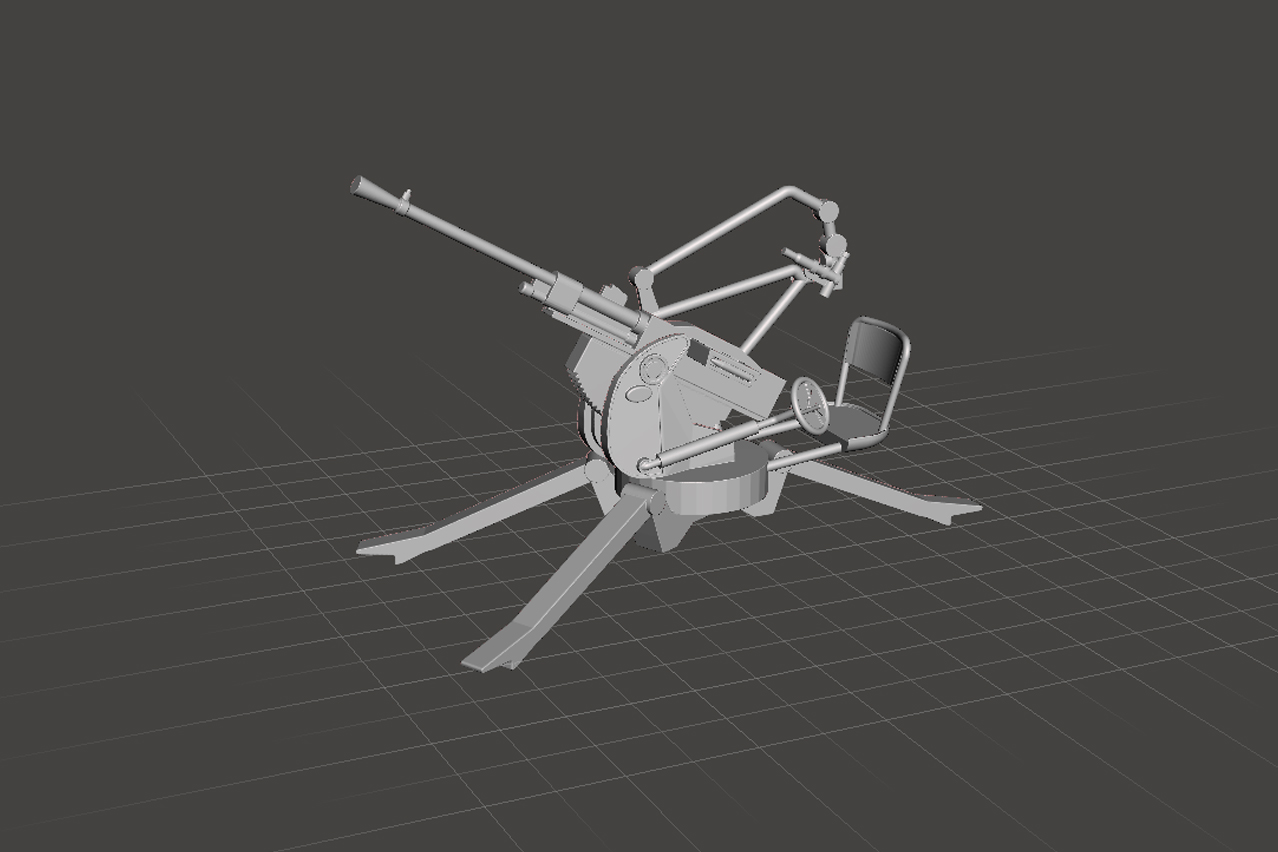
20mm FlaK 30
Light Anti-Aircraft Gun - Deployed
1/200
1/100
1/72
1/56
£2.20
£3.50
£6.50
£11.00
SCW-AP-AA06
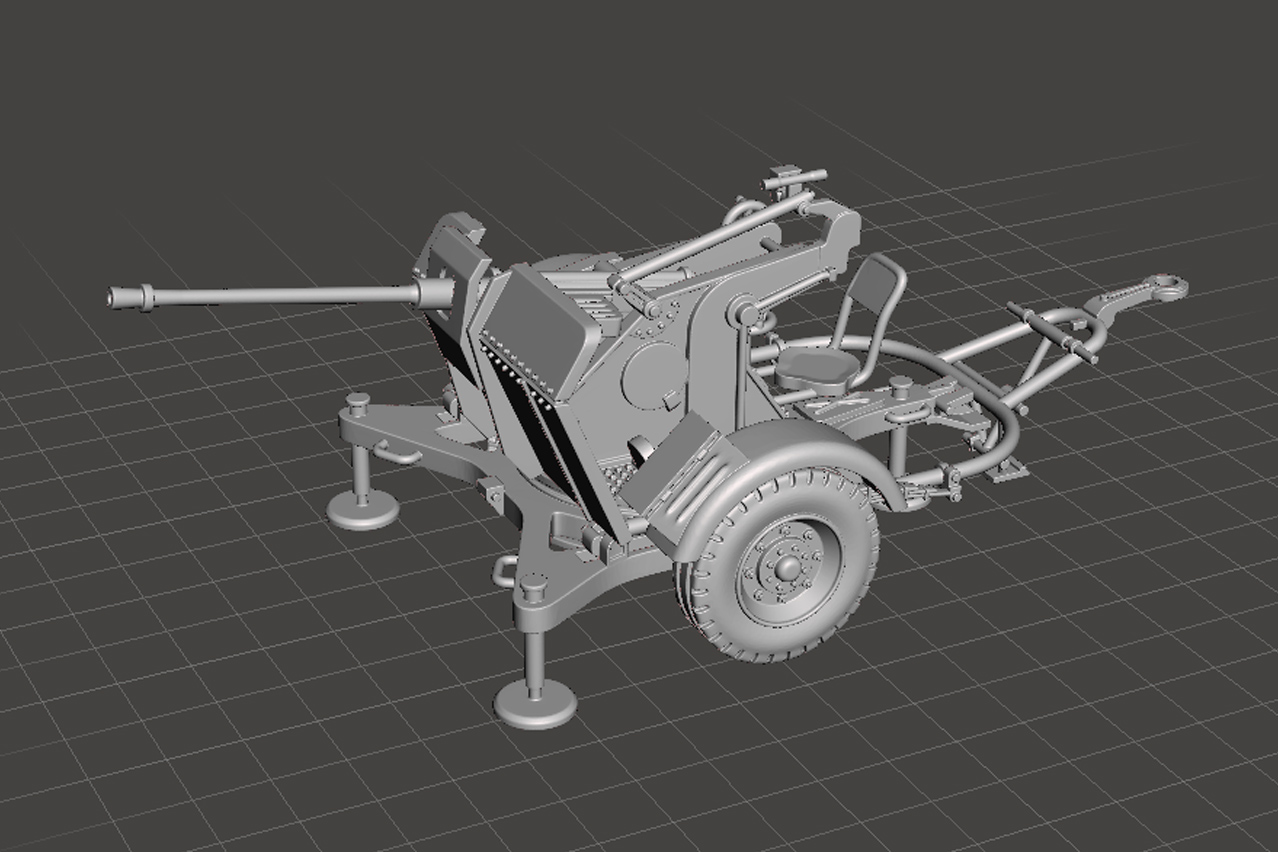
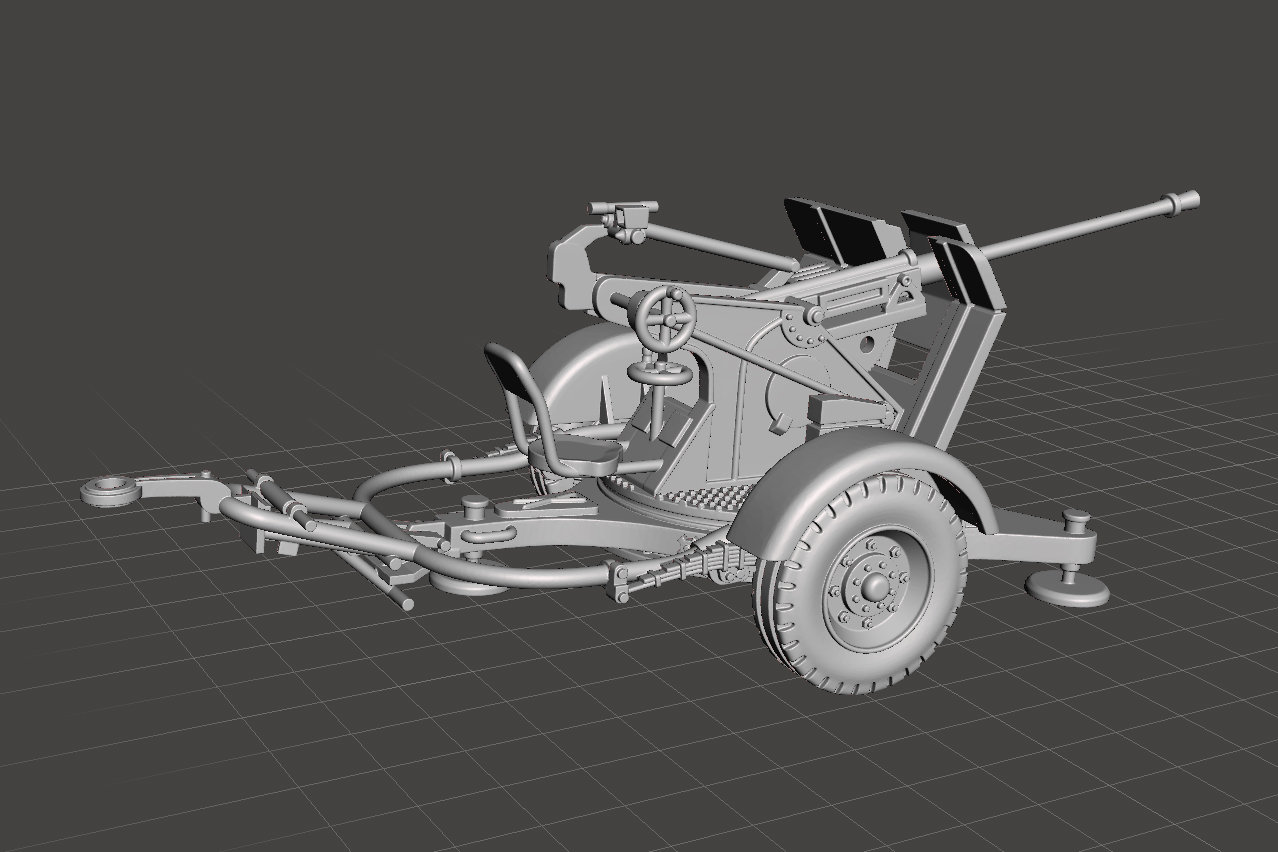
Within the Condor Legion, Flakabteilung 88 fielded Germany’s 2 cm FlaK 30, to shield Nationalist airfields, troop columns, and key junctions from low-level attack with fast 360° traverse. Deployed during the Spanish Civil War, it provided practical combat evaluation under operational conditions.
20mm FlaK 30
Light Anti-Aircraft Gun - Limbered
1/200
1/100
1/72
1/56
£2.20
£3.50
£6.50
£11.00
SCW-AP-AA07
Its 20×138 mmB cannon was effective against aircraft but also pressed into ground fire—raking trucks, positions, and light armour—giving German crews a live laboratory for tactics, logistics, and doctrine later carried into the Second World War with measurable operational impact.
37mm m.1930
Anti Tank Gun
1/200
1/100
1/72
1/56
£2.20
£3.50
£6.50
£11.00
SCW-AP-AT01
The first iteration of the Soviet license made version of the German Pak 36 was the 37mm M.1930. There is some conjecture as to whether these were in the Soviet shipment to Spain or not although members of the British Anti Tank Company in XV International Brigade swear that they in fact only used these.
45mm m.1932
Anti Tank Gun
1/200
1/100
1/72
1/56
£2.20
£3.50
£6.50
£11.00
SCW-AP-AT02
Over the course of the SCW Stalin dispatched over 138 of the modernised 37mm M.1930 Anti Tank Gun. Now firing a 45mm shell and firing down a 44 calibre barrel, this was a killer from whom no vehicle on the field was safe. It could penetrate 61mm of armour at 100m and could still go through 32mm at 1,000m.
Rheinmetall 3.7cm Pak-36
Anti Tank Gun
1/200
1/100
1/72
1/56
£2.20
£3.50
£6.50
£11.00
SCW-AP-AT03
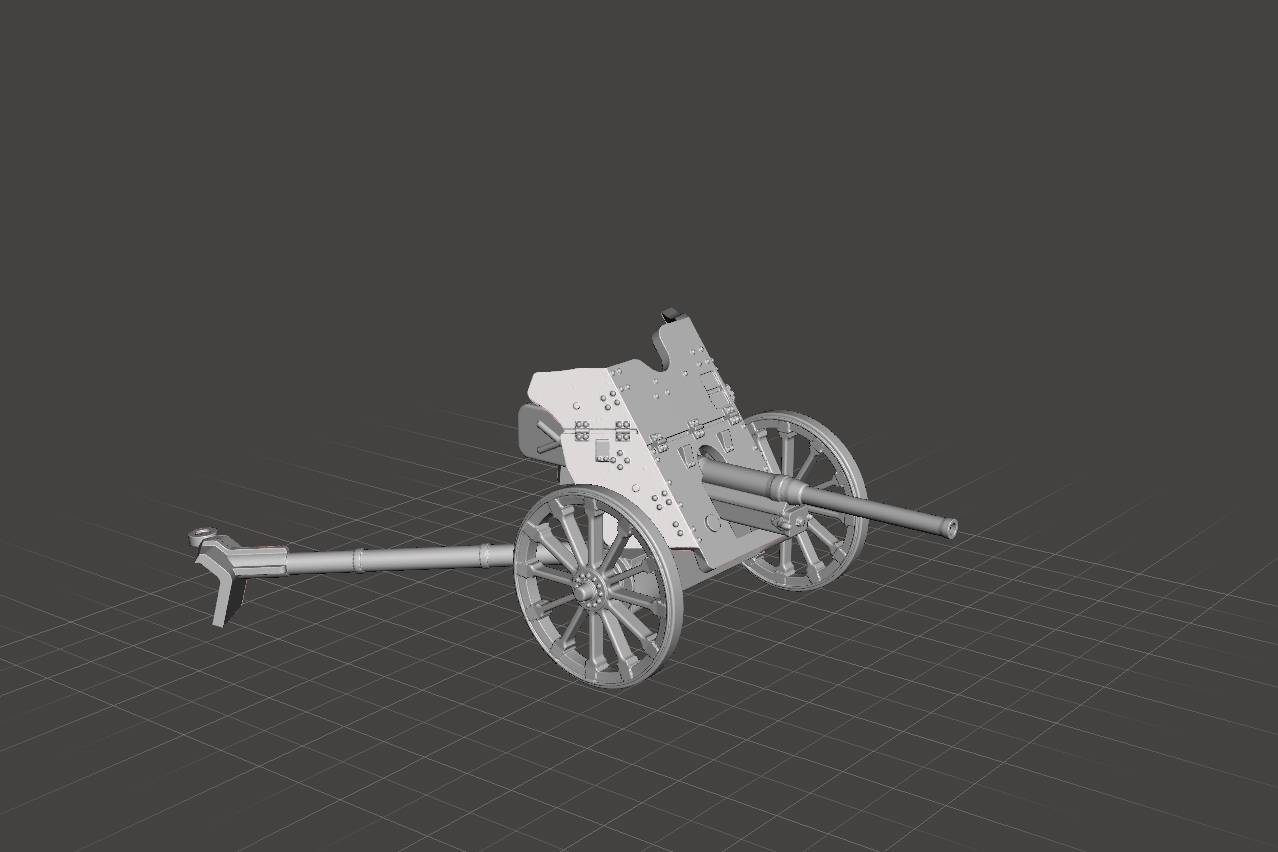
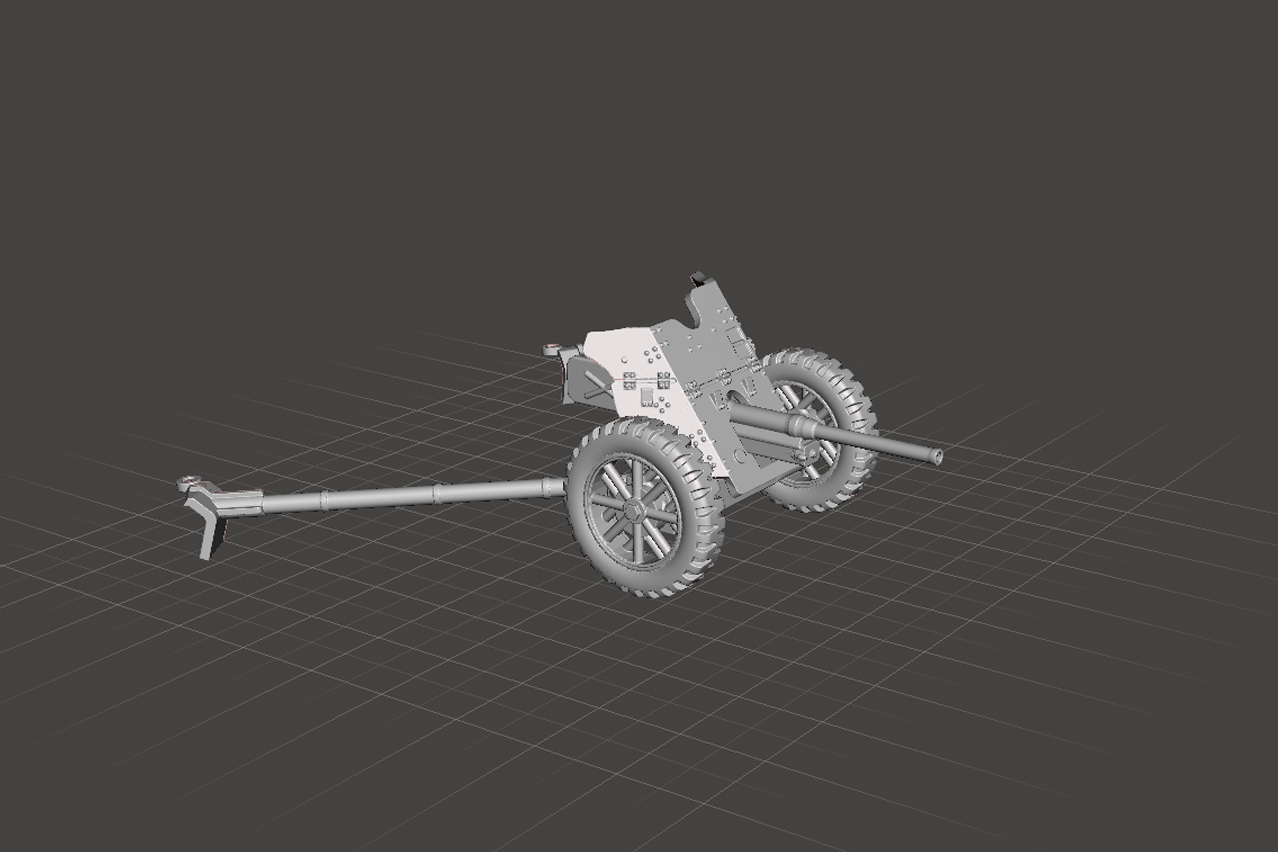
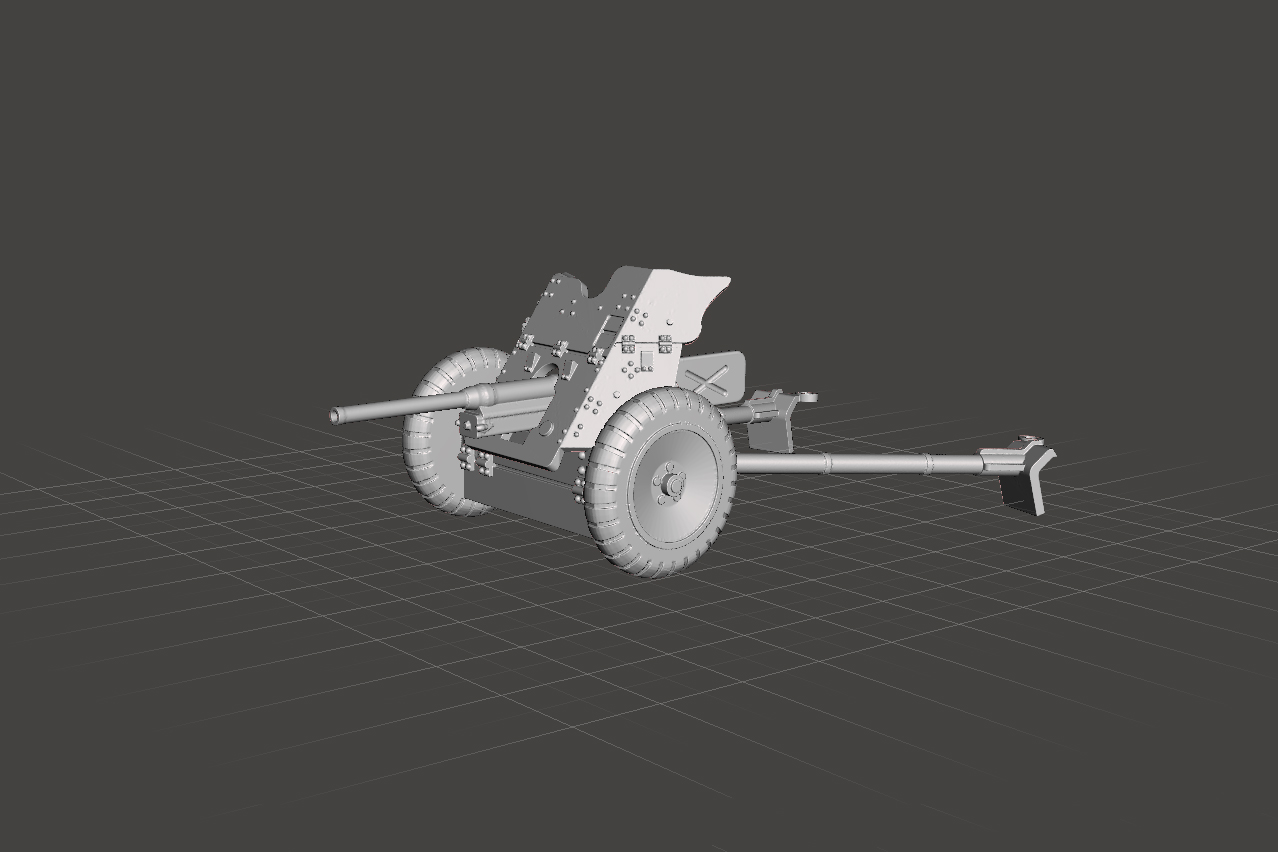
Sperle’s Condor Legion ground troops brought over 300 of these small anti-tank guns to Spain with them where they had their baptism of fire, encountering little trouble from any of the armoured vehicles on the Spanish fields of battle penetrating over 20mm of armour at a mile.
Bofors 40mm L/60
Deployed Anti Aircraft Gun
1/200
1/100
1/72
1/56
£2.50
£4.50
£8.00
£14.00
SCW-AP-AA01
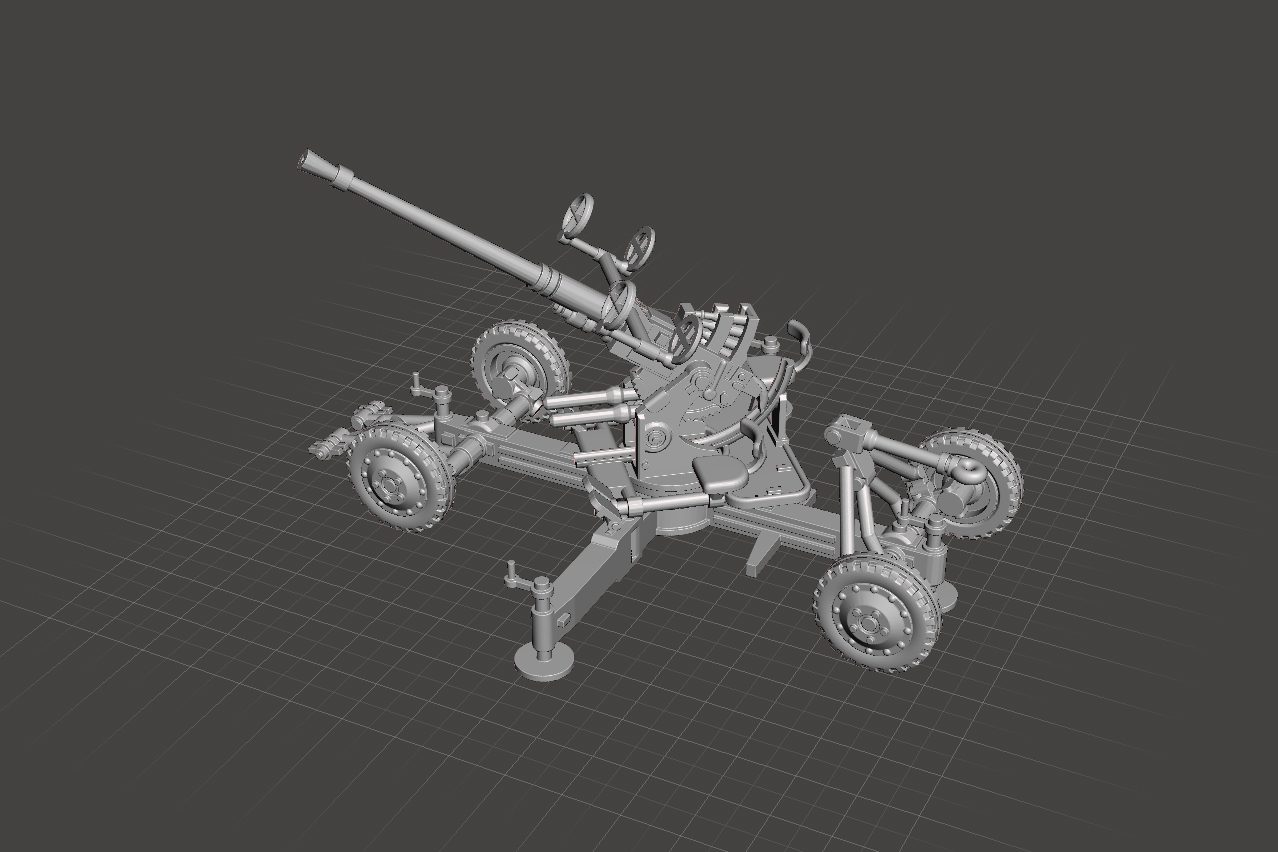
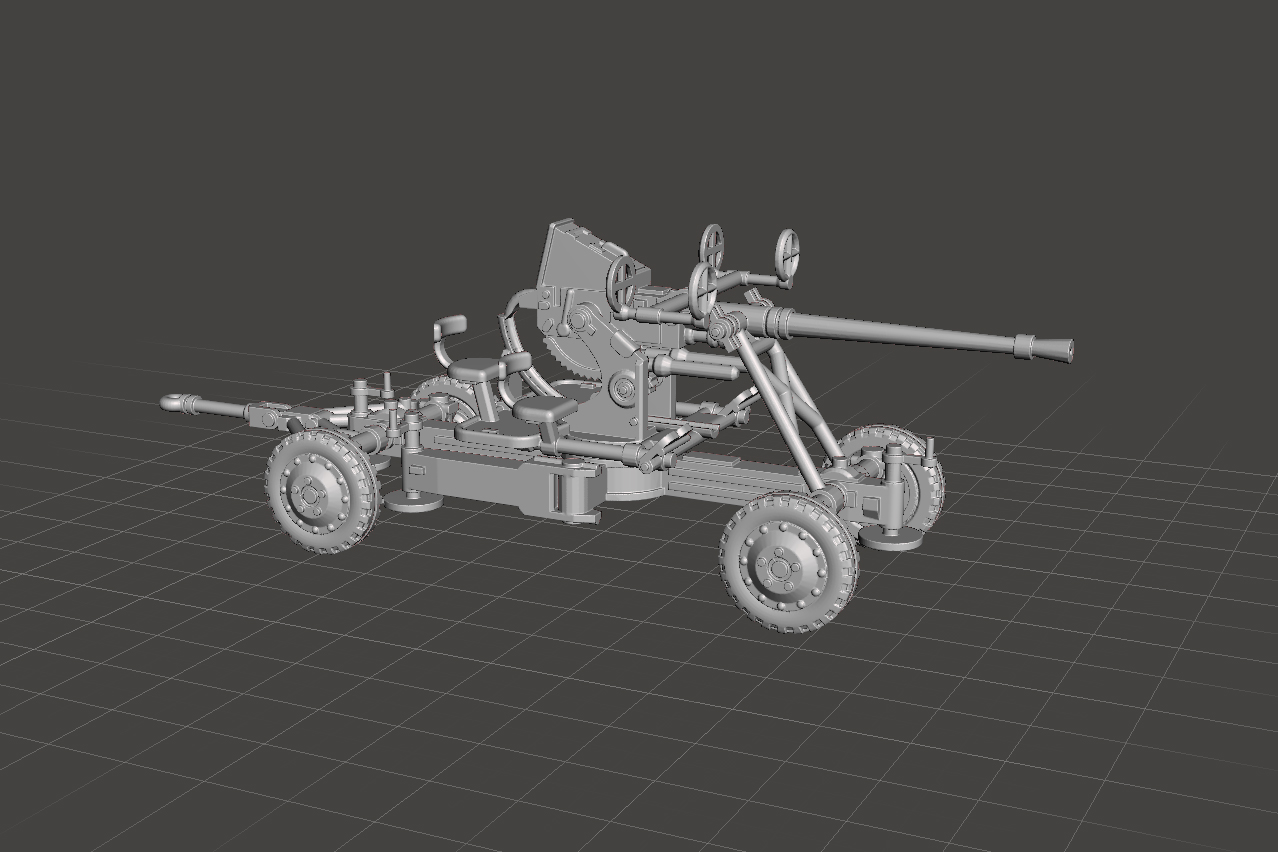
It is still debated if the Bofors 40mm cannon ever made it to Spain during the conflict but for the fact that at the National War Booty exhibition in the Grand Kursaal in San Sebastian one was on display, captured on the Castellon front, although the Kursaal’s exhibit map from 1938 has no such weapon listed.
Bofors 40mm L/60
Limbered Anti Aircraft Gun
1/200
1/100
1/72
1/56
£2.50
£4.50
£8.00
£14.00
SCW-AP-AA02
Manuel Taguena in his memoirs (Testimonios de dos Guerros p.205) recites that 12 of these anti-tank guns and a further 16 of these anti-aircraft guns were brought to the Flix-Vinebre sector to support the Republican attack across the Ebro on 25th July 1938, although all were short on ammunition.
Bohler 47-32 M.1932
Light Anti-Tank Gun w. Solid Wheels 1935-39 Deployed
1/200
1/100
1/72
1/56
£2.20
£3.50
£6.50
£11.00
SCW-AP-AT04
The Italian Corpo Truppe Volontarie (CTV) introduced the Austrian Böhler-derived 47/32 (Italian Cannone da 47/32 mod. 1935) to Spain—its first operational theatre—issuing it as a light, flexible piece for close support and anti-tank defence alongside Italian formations.
Bohler 47-32 M.1932
Light Anti-Tank Gun w. Solid Wheels 1935-39 Semi Deployed
1/200
1/100
1/72
1/56
£2.20
£3.50
£6.50
£11.00
SCW-AP-AT05
In action it was typically dug in to cover roads, junctions, and infantry frontages: engaging low-profile armour and armoured cars when opportunities appeared, while also using high-explosive fire to harass gun pits, strongpoints, and troop concentrations at short-to-medium ranges.
Bohler 47-32 M.1932
Light Anti-Tank Gun w. Solid Wheels 1935-39 Limbered
1/200
1/100
1/72
1/56
£2.20
£3.50
£6.50
£11.00
SCW-AP-AT06
Spain became a proving ground for how the CTV would handle light anti-tank artillery: the 47/32’s small size and dual-role utility encouraged forward siting, rapid repositioning, and integration with infantry manoeuvre—experience Italy carried into broader doctrine and later mass service.
AREN Canone de 65-17 m.1913
Mountain Gun
1/200
1/100
1/72
1/56
£2.20
£3.50
£6.50
£11.00
SCW-AP-MG02
The Italians brought over 340 of these cannons with the C.T.V to Spain, where they armed both the Nationalists and the C.T.V itself, proving mobile and effective in a number of roles such as the Anti-tank role at the Battle of Guadalajara in 1937 as well serving as a mountain gun.
AREN Canone de 65-17 m.1913
Mountain Gun with Gunshield
1/200
1/100
1/72
1/56
£2.20
£3.50
£6.50
£11.00
SCW-AP-MG03
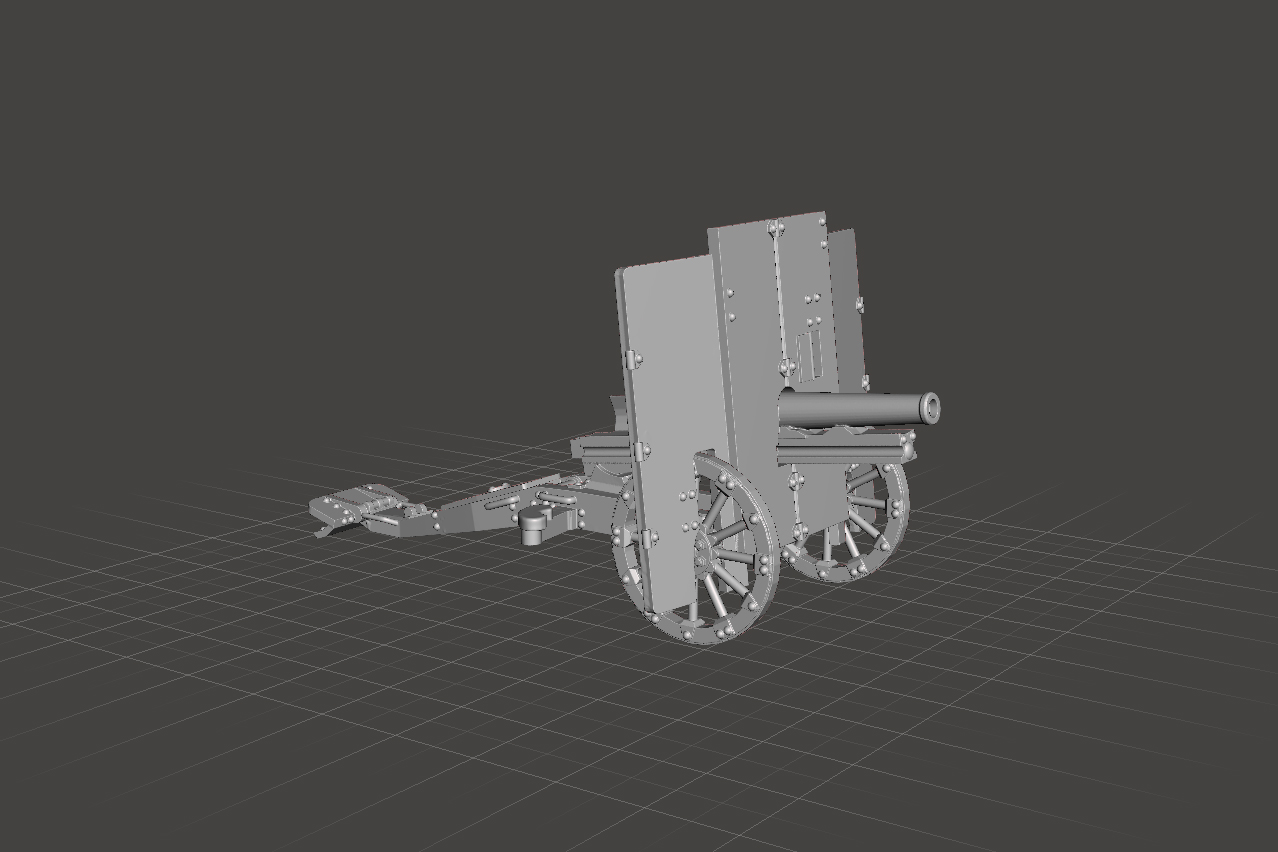
Many of these mountain guns that were brought to Spain with the C.T.V were supplied with fold up gun shields. Typically not used whilst attempting the Doctrinally quick movements when batteries had time to dig in these shield would provide valuable shrapnel protection.
Schneider 70-16 Mod.1908
Mountain Gun
1/200
1/100
1/72
1/56
£2.20
£3.50
£6.50
£11.00
SCW-AP-MG01
Over 200 of these mountain guns were on establishment at the outbreak of hostilities with the numbers claimed by both sides being roughly split down the middle. 94 being claimed by the rebels and 106 remaining with the government. Having a range of only 4.5km it was used mainly for close support
Canon Schneider de 75mm Mle.1897
Field Gun
1/200
1/100
1/72
1/56
£2.50
£4.50
£8.00
£14.00
SCW-AP-FG01
During the limited occasions that the French border was open for arms to come through a total of 51 of the famous French ‘soixante-quinze’ were able to be shipped across, into the arms of the Republic. Reliable, with a good range and a decent rate of fire, these put in sterling service for the popular army.
Obice da 75/13 Mod.1915
Mountain Gun
1/200
1/100
1/72
1/56
£2.20
£3.50
£6.50
£11.00
SCW-AP-MG04
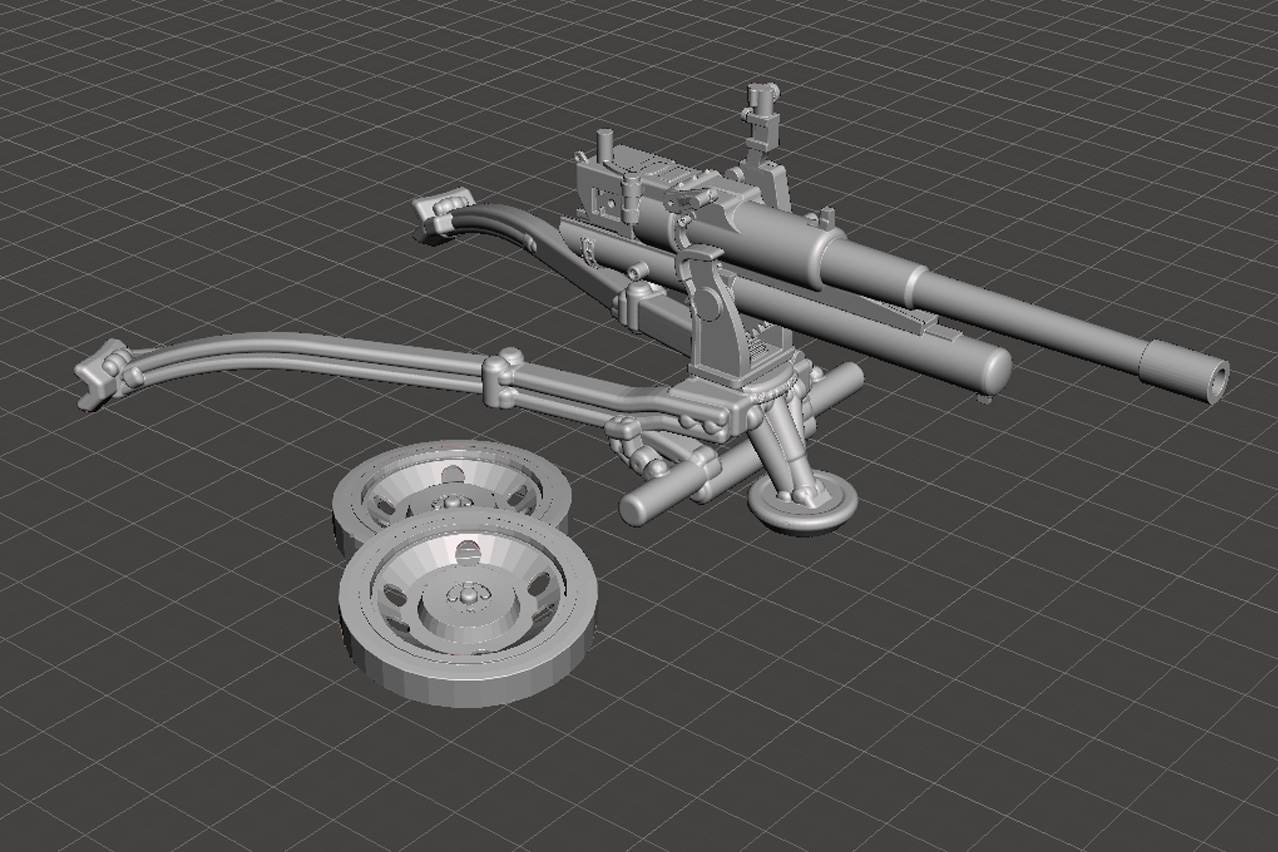
The Italian version of the famous Skoda 75mm M.1916 mountain gun, only four of these guns were brought to Spain by the C.T.V. although with the ability to break them down for transport and quick reassembly time combined with their ability to throw a 6kg shelloveer 8km they proved indispensible.
Obice da 75-18 mod.34
Mountain Gun w. Barrel Level
1/200
1/100
1/72
1/56
£2.50
£4.50
£8.00
£14.00
SCW-AP-MG05
The Corpo Truppe Volontarie employed the Obice da 75/18 mod. 34 as a light howitzer for close infantry support in Spain—its first combat use—valued for mobility and a useful shell in rough terrain and fast-moving columns. Combat experience there refined Italian artillery doctrine.
Obice da 75-18 mod.34
Mountain Gun w. Barrel Raised
1/200
1/100
1/72
1/56
£2.50
£4.50
£8.00
£14.00
SCW-AP-MG06
Designed as mountain artillery, the mod. 34 could be broken into multiple pack loads for transport, letting Italian batteries keep pace where heavier guns struggled, then deliver short-to-medium range high-explosive fire against positions, road blocks, and strongpoints during CTV operations.
Cannone da 75-27 Modello 1906
Field Gun w. Wooden Wheels & Folded Shield
1/200
1/100
1/72
1/56
£2.50
£4.50
£8.00
£14.00
SCW-AP-FG07
CTV field artillery in Spain is most often associated with the Cannone da 75/27 Mod. 11, but Italy also possessed the older Krupp-derived Cannone da 75/27 Modello 06 in its wider inventory. As such, it remained available for expeditionary deployment within the Corpo Truppe Volontarie.
Cannone da 75-27 Modello 1906
Field Gun w. Wooden Wheels
1/200
1/100
1/72
1/56
£2.50
£4.50
£8.00
£14.00
SCW-AP-FG08
Where the 1906-pattern guns appeared, they filled the classic divisional-gun role: indirect fire to support infantry attacks, break up counterattacks, and interdict roads and defiles—typically from forward, rapidly shifted positions rather than heavy, deep-battery artillery parks.
Cannone da 75-27 Modello 1906
Field Gun w. Wooden Wheels & Limbered
1/200
1/100
1/72
1/56
£2.50
£4.50
£8.00
£14.00
SCW-AP-FG09
As an older design, the Mod. 06 was less modern than newer 75mm pieces, but it was serviceable, mobile, and familiar—useful for routine fire missions and for padding out batteries when higher-performance guns were limited or prioritized elsewhere.
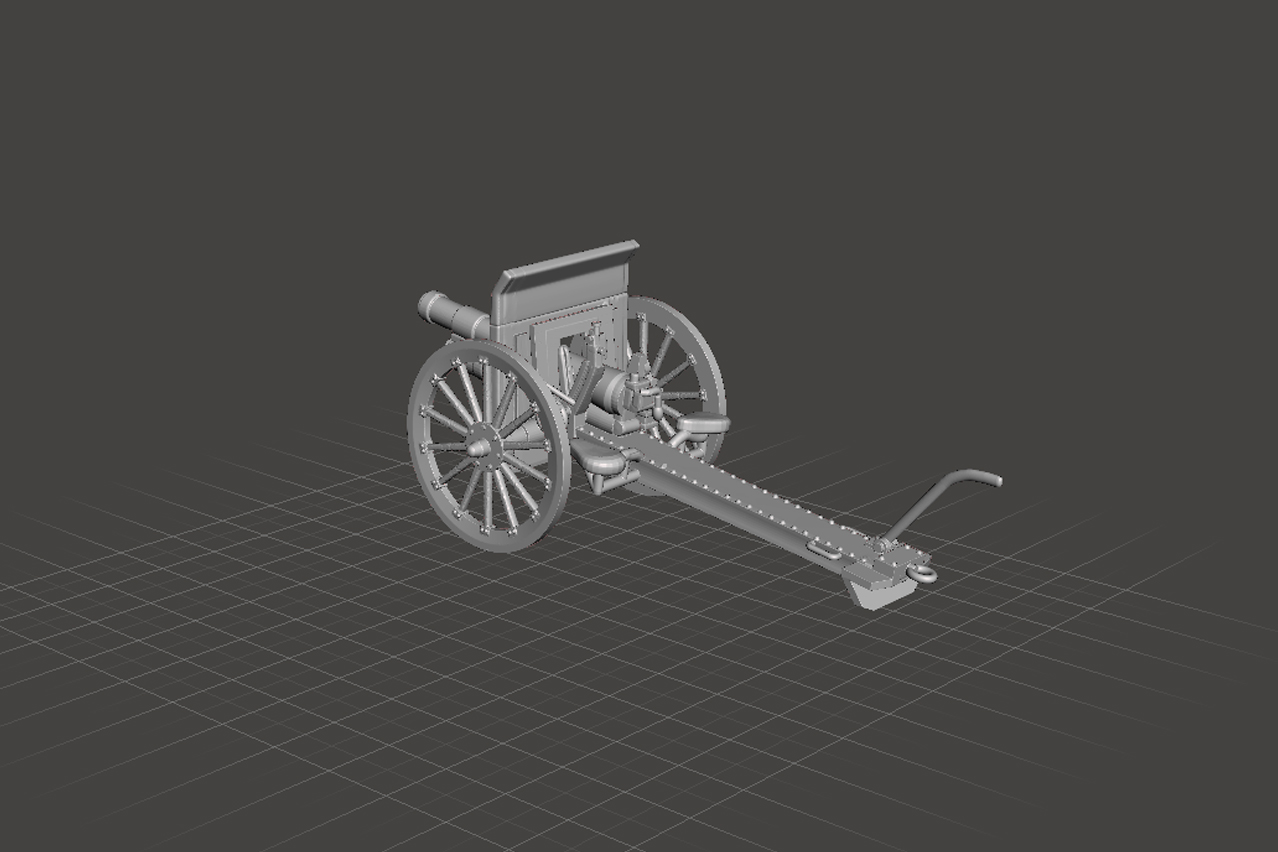
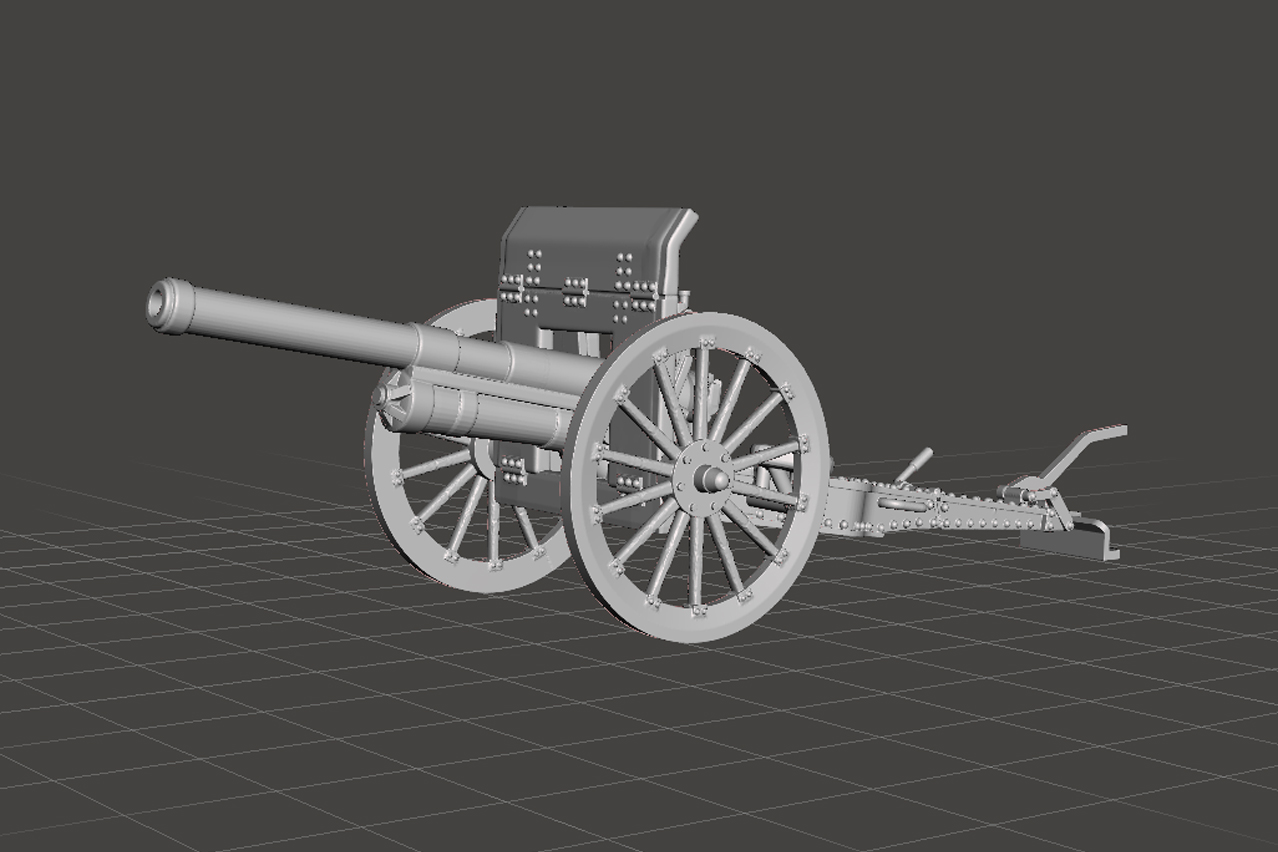
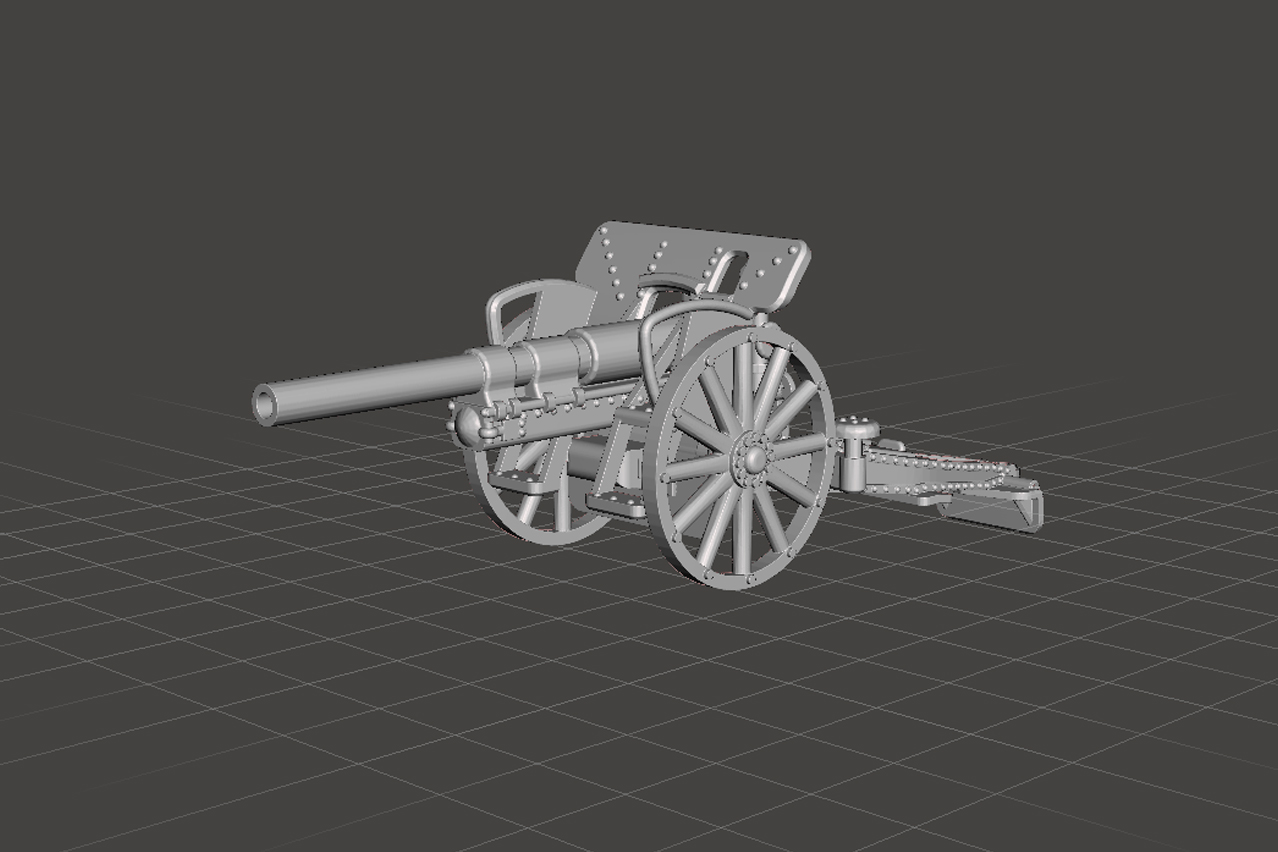
Cannone da 75/27 Modello 11
Deployed Field Gun
1/200
1/100
1/72
1/56
£2.50
£4.50
£8.00
£14.00
SCW-AP-FG06
Its relatively light weight allowed quick repositioning, enhancing battlefield flexibility. Despite being an older design, its accuracy and effective range made it a valuable asset. However, it faced limitations against heavily fortified positions and evolving armored threats.
Cannone da 75/27 Modello 11
Limbered
Field Gun
1/200
1/100
1/72
1/56
£2.50
£4.50
£8.00
£14.00
SCW-AP-FG05
The Cannone da 75/27 Modello 11, an Italian field gun, was deployed by Nationalist forces during the Spanish Civil War. Known for its mobility and rapid-fire capability, it provided crucial artillery support in both offensive and defensive operations across diverse battlefronts.
76mm Air Defence Gun M1931 (3-K)
Anti-Aircraft Gun - Deployed w. Barrel Level
1/200
1/100
1/72
1/56
£2.80
£5.50
£14.00
£22.00
SCW-AP-AA08
The 76 mm Air Defence Gun M1931 (3-K) was fielded as part of efforts to build a modern heavy AA screen, protecting airfields, depots, rail nodes, and key urban centres. Supplied by the Soviet Union, these weapons formed the backbone of Republican high-altitude air defence batteries.
76mm Air Defence Gun M1931 (3-K)
Anti-Aircraft Gun - Deployed w. Barrel Raised
1/200
1/100
1/72
1/56
£2.80
£5.50
£14.00
£22.00
SCW-AP-AA09
The 3-K’s barrel, traverse, and elevation enabled engagement of medium-altitude aircraft, while its ammunition type supported an accepatbele rate of fire for battery air defence. With optical predictors and rangefinders, its effectiveness increased significantly against coordinated air attacks.
76mm Air Defence Gun M1931 (3-K)
Anti-Aircraft Gun - Limbered
1/200
1/100
1/72
1/56
£2.80
£5.50
£14.00
£22.00
SCW-AP-AA10
Republican crews also exploited its direct-fire potential in emergencies, but the gun’s weight and complexity demanded trained detachments, prepared sites, and coherent fire-control—conditions not always available in a fluid civil-war battlespace, particularly during rapid retreats.
Putilov 76.2mm M.1902
Field Gun
1/200
1/100
1/72
1/56
£2.50
£4.50
£8.00
£14.00
SCW-AP-FG02
During the Spanish Civil War (1936-1939), the Putilov 76.2mm M.1902 was used by Republican forces. Procured from existing Soviet stocks, it provided significant artillery support due to its powerful 76.2mm shell, though it was eventually outclassed by newer models that became available as the war went on.
Putilov 76.2mm Mod. 02/30
Field Gun
1/200
1/100
1/72
1/56
£2.50
£4.50
£8.00
£14.00
SCW-AP-FG04
Its relatively light weight allowed quick repositioning, enhancing battlefield flexibility. Despite being an older design, its accuracy and effective range made it a valuable asset. However, it faced limitations against heavily fortified positions and evolving armored threats.
Krupp 7.7cm FK16
Field Gun
1/200
1/100
1/72
1/56
£2.50
£4.50
£8.00
£14.00
SCW-AP-FG03
A prolific German artillery piece, there were many of these sold around the world at the end of WW1. Spain was one of the countries who bought them. On top of the supply of these guns that found there way to both sides artillery parks the Condor Legion also brought a number to supply to Franco.
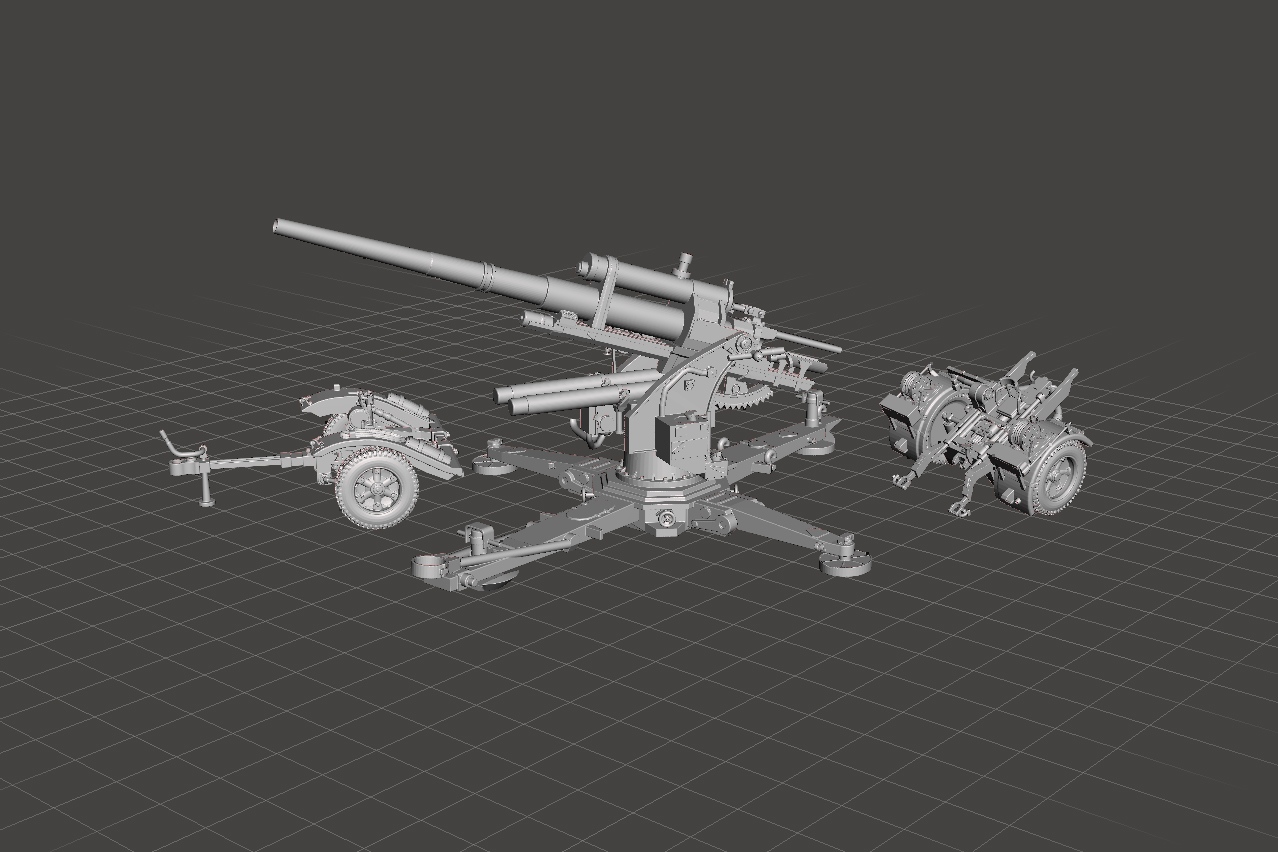
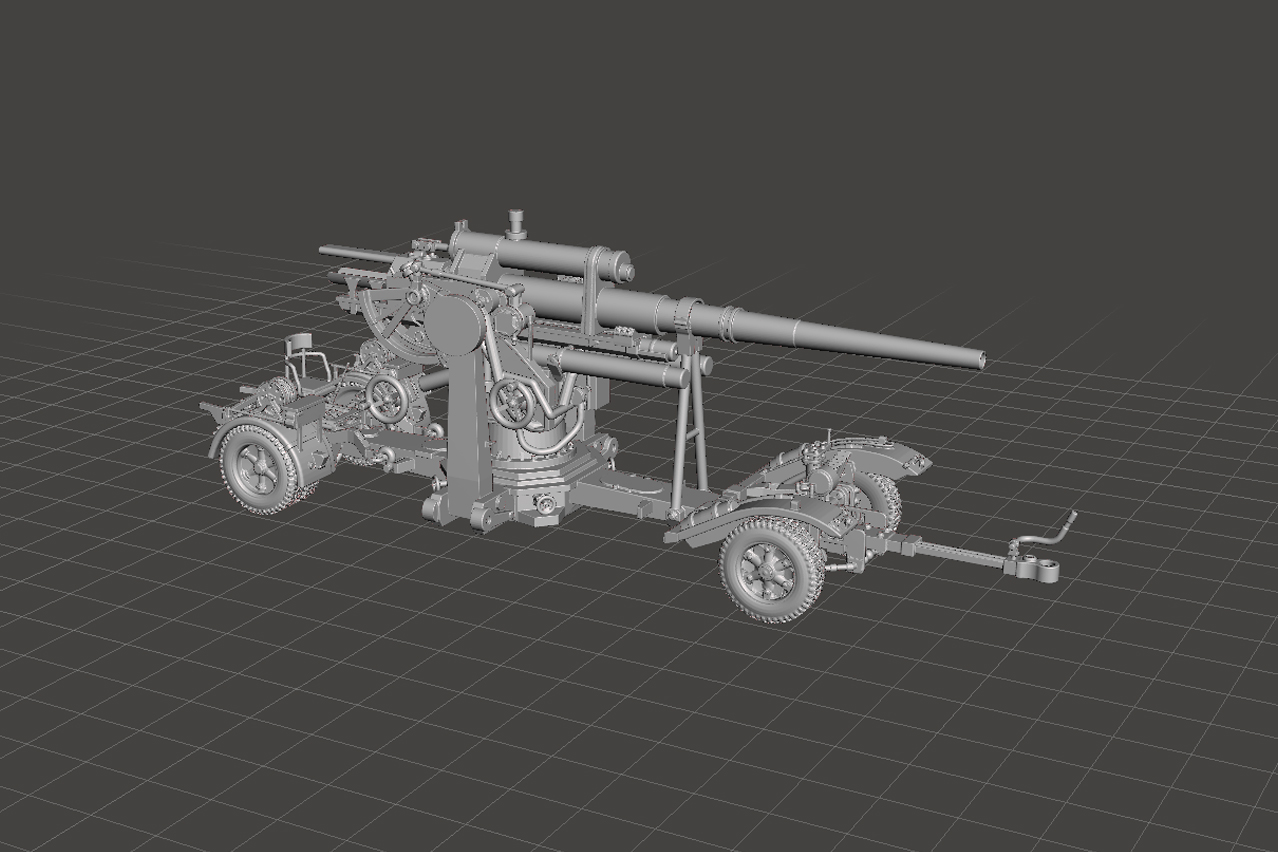
Rheinmetal 8.8cm Flak 18
Deployed Anti-Aircraft & Anti-Tank Gun
1/200
1/100
1/72
1/56
£2.80
£5.50
£14.00
£22.00
SCW-AP-AA03
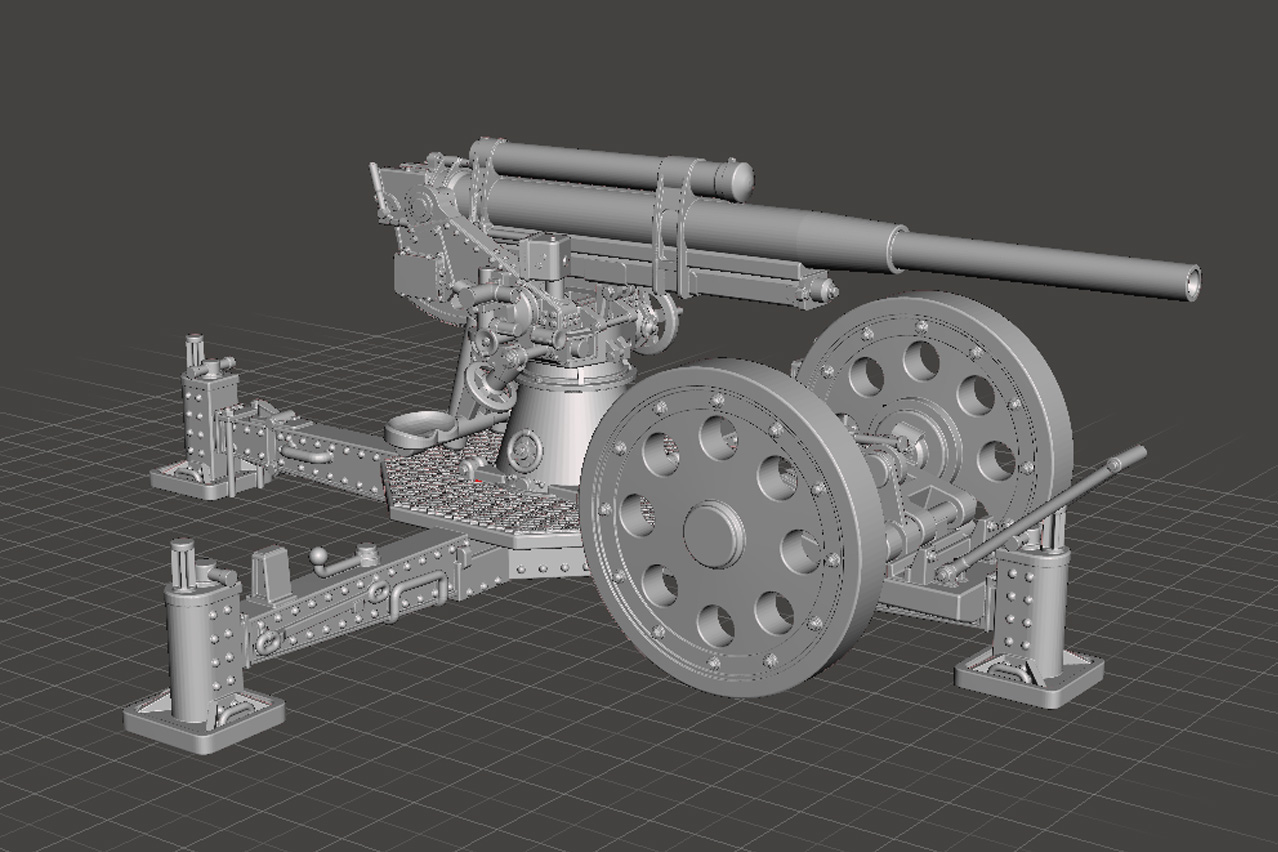
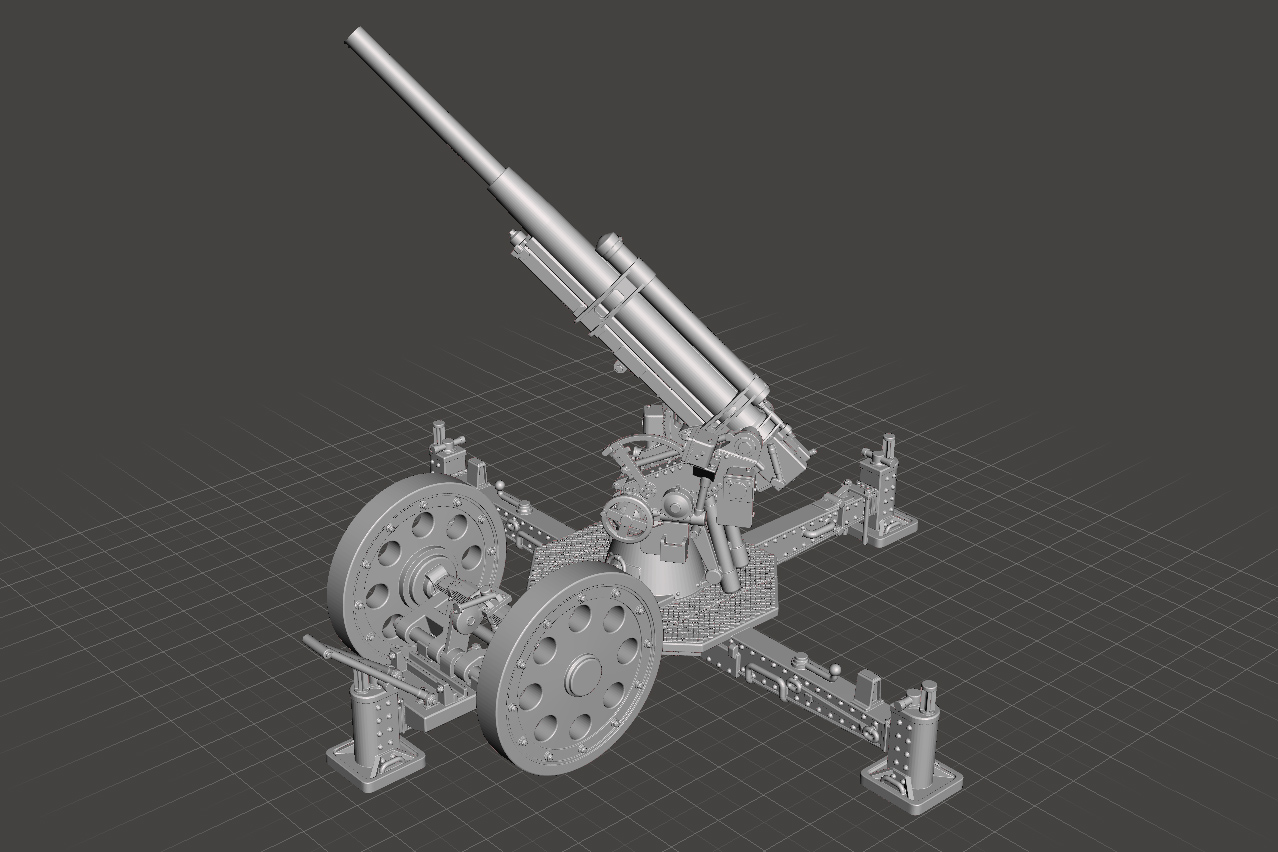
Probably one of the most famous artillery pieces ever manufactured the ‘Eighty-Eight’ began its path to glory in the First World War. Capable of being fully deployed in only 180 seconds it also had limited anti-tank capabilities firing whilst still mounted on its wheels.
Rheinmetal 8.8cm Flak 18
Limbered Anti-Aircraft & Anti-Tank Gun
1/200
1/100
1/72
1/56
£2.80
£5.50
£14.00
£22.00
SCW-AP-AA04
The German 8.8cm Flak 16 came about due to the need for the German air defence units to be able to fire at higher altitudes with greater weight. This model served as the foundation for the later Flak 18, Flak 36 & Flak 41. Just under 80 of these pieces served in Spain soon proving itself the best gun in country.
Obice da 100-17 mod.14
Howitzer
1/200
1/100
1/72
1/56
£2.50
£4.50
£8.00
£14.00
SCW-AP-HO03
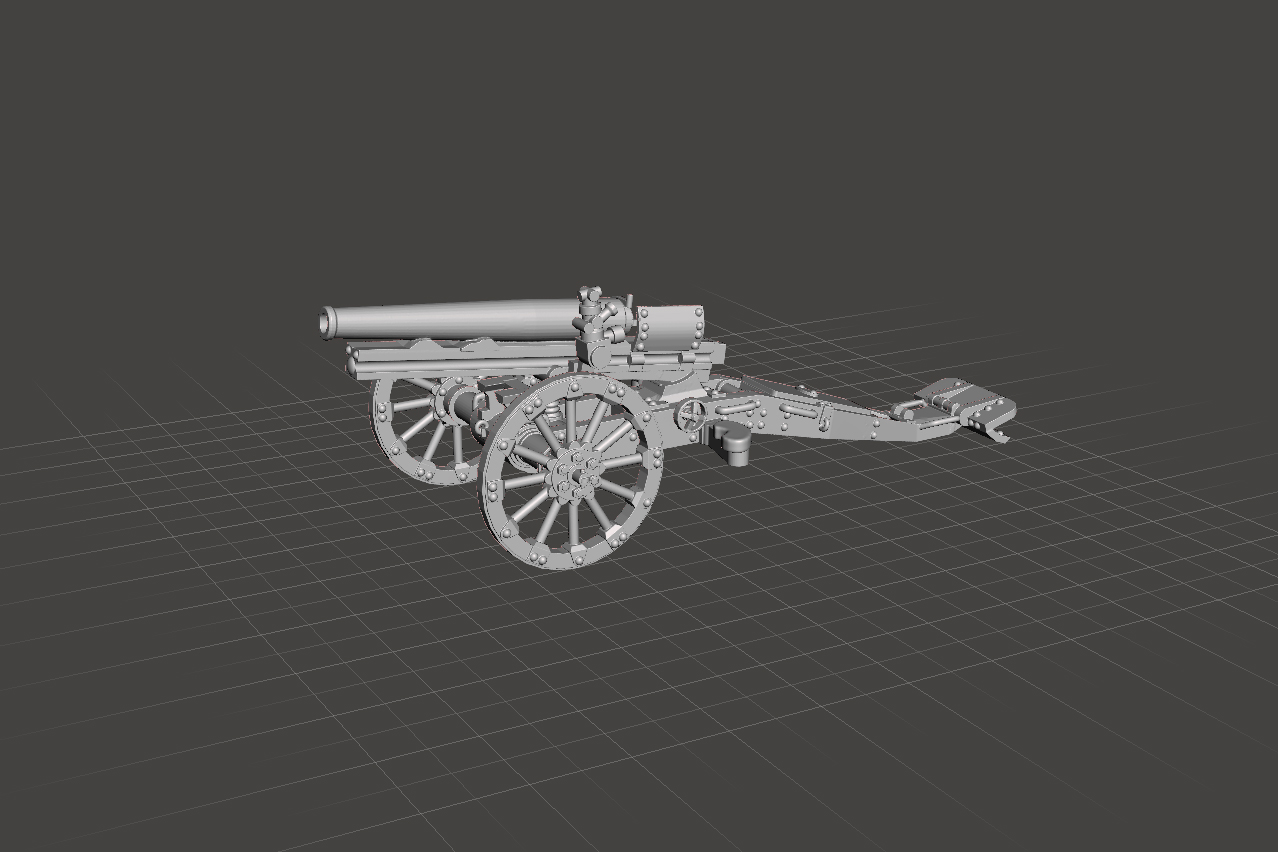
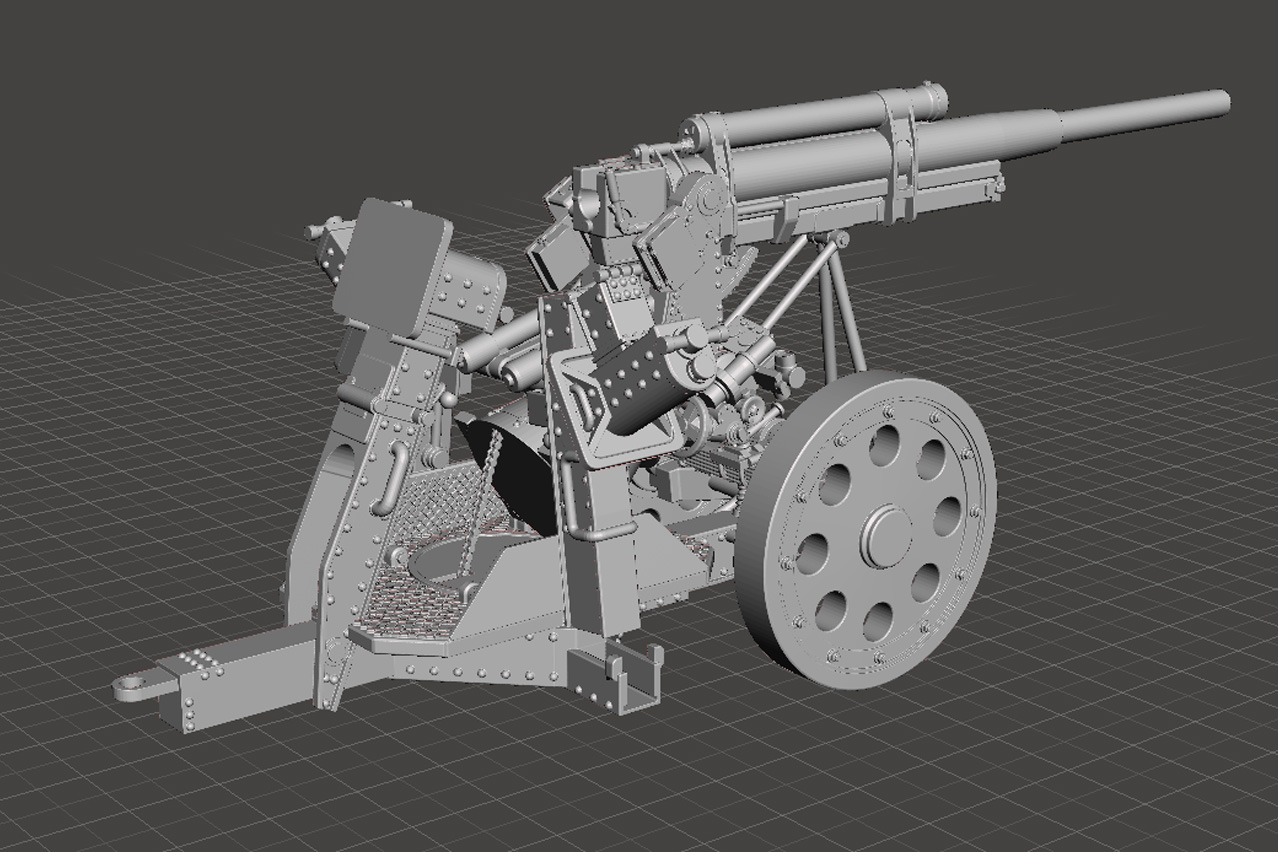
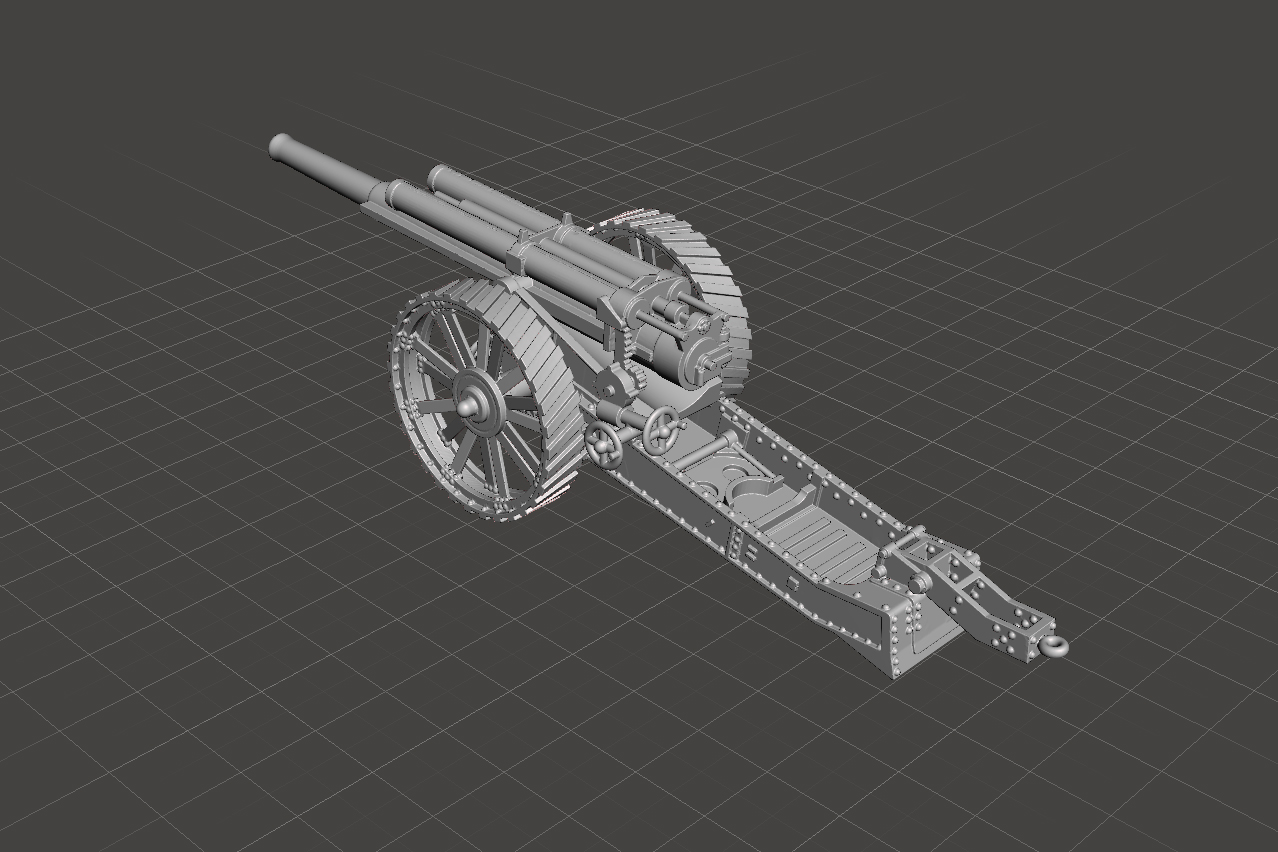
One of the most numerous guns brought to Spain, with 241 arriving with the C.T.V. They lost four to the Republic at Guadalajara where they went on to form the ‘Antonio Gramsci’ battery in the International Brigades. The Republic also had another four of these arrive from Poland although one gun was unserviceable, thus forming a battery of three.
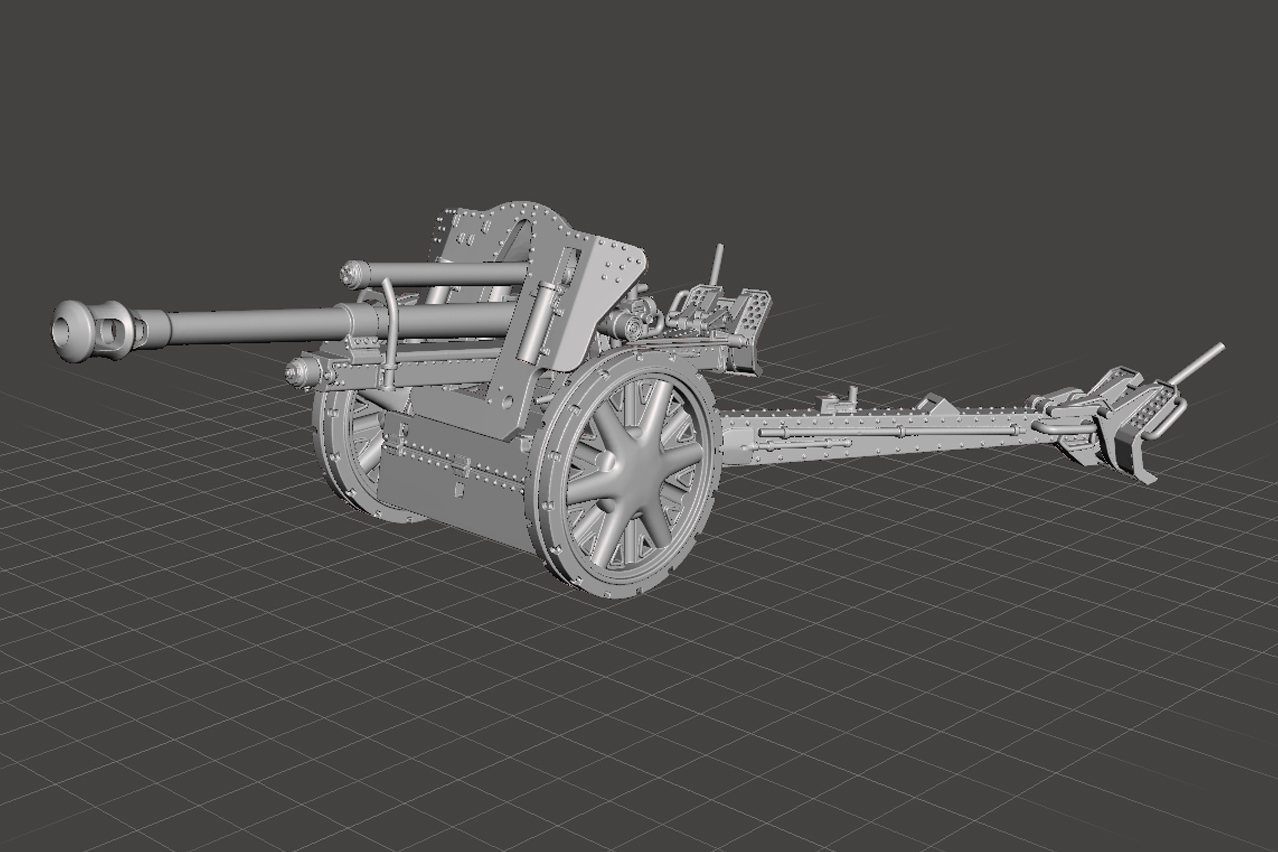
Rheinmetall 10.5cm LeFH 18
Light Howitzer - Deployed
1/200
1/100
1/72
1/56
£2.50
£4.50
£8.00
£14.00
SCW-AP-HO10
The Condor Legion deployed a single four-gun battery of the 10.5 cm leFH 18 to Spain, attaching it to Artillerie-Abteilung 88 to provide modern, mobile divisional fire support for Nationalist operations. This represented the Legion’s only commitment of the type during the conflict.
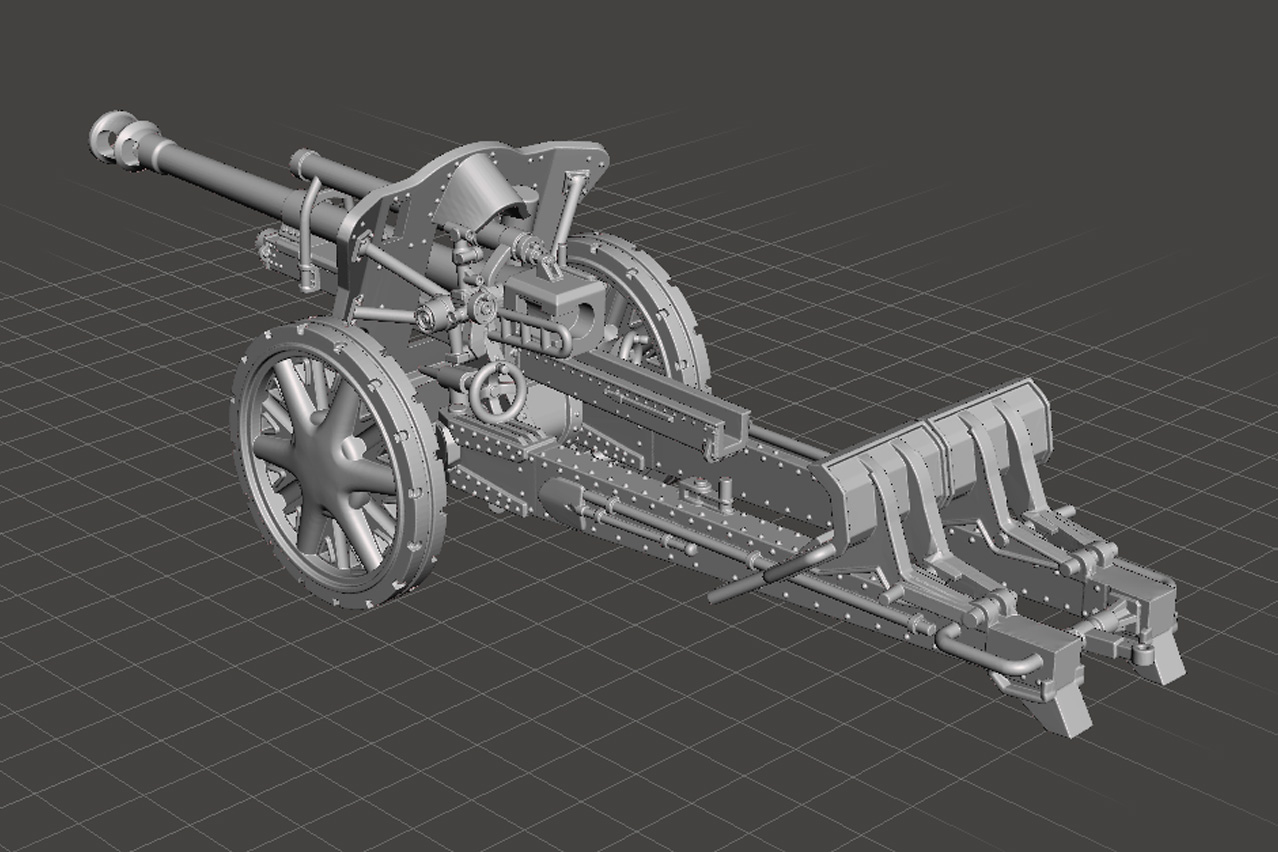
Rheinmetall 10.5cm LeFH 18
Light Howitzer - Limbered
1/200
1/100
1/72
1/56
£2.50
£4.50
£8.00
£14.00
SCW-AP-HO13
Though limited in number, the battery delivered preparation and interdiction fires, rehearsing forward observation, survey, and fire-direction under combat conditions. Spain thus served as a practical testbed for gunnery procedures and logistical rhythms later embedded in German artillery doctrine.
10cm schwere Kanone 18
Field Gun - Deployed
1/200
1/100
1/72
1/56
£2.50
£4.50
£8.00
£14.00
SCW-AP-HO14
Unlike the Condor Legion’s well-documented 8.8 cm Flak and 10.5 cm leFH 18 deployments, reliable public accounts of 10 cm schwere Kanone 18 pieces serving in Spain are scarce in surviving operational records and archives. The sK 18 itself entered service in 1933–34 as a long-range corps gun.
10cm schwere Kanone 18
Field Gun - Limbered
1/200
1/100
1/72
1/56
£2.50
£4.50
£8.00
£14.00
SCW-AP-HO15
If any sK 18s were trialled, they would have suited counter-battery and deep interdiction: a heavy, split-trail gun with roughly 19 km range, firing separate-loading ammunition from prepared positions to hit batteries, roadheads, and assembly areas beyond lighter howitzers’ reach.
Canon Schneider de 105mm L13S
Field Gun
1/200
1/100
1/72
1/56
£2.50
£4.50
£8.00
£14.00
SCW-AP-HO02
These also found themselves on both sides of the conflict. 14 of them were carried across the french border and formed four batteries of three apiece whilst the exact same gun titled 105/28 was provided to the Nationalist cause to the tune of another 83 pieces as well as those that were captured.
Cannone da 105-28 Modello 13
Field Gun w. Wooden Wheels & Barrel Level
1/200
1/100
1/72
1/56
£2.50
£4.50
£8.00
£14.00
SCW-AP-HO21
The CTV could draw on Italy’s heavy field artillery pool, including the Cannone da 105/28 Mod. 13 (the Italian designation for the Schneider 105 mle 1913). When present in Spain, it provided longer-range weight of fire than the ubiquitous Italian 65–75 mm pieces.
Cannone da 105-28 Modello 13
Field Gun w. Wooden Wheels & Barrel Raised
1/200
1/100
1/72
1/56
£2.50
£4.50
£8.00
£14.00
SCW-AP-HO22
Employed as a corps-level gun, it suited counter-battery, routes interdiction, and battery fire against troops in cover and fieldworks—missions historically associated with Italy’s heavy field artillery arm—giving Nationalist-aligned forces a deeper strike option behind the infantry fight.
Vickers 105-22 Mod.1922
Howitzer
1/200
1/100
1/72
1/56
£2.50
£4.50
£8.00
£14.00
SCW-AP-HO04
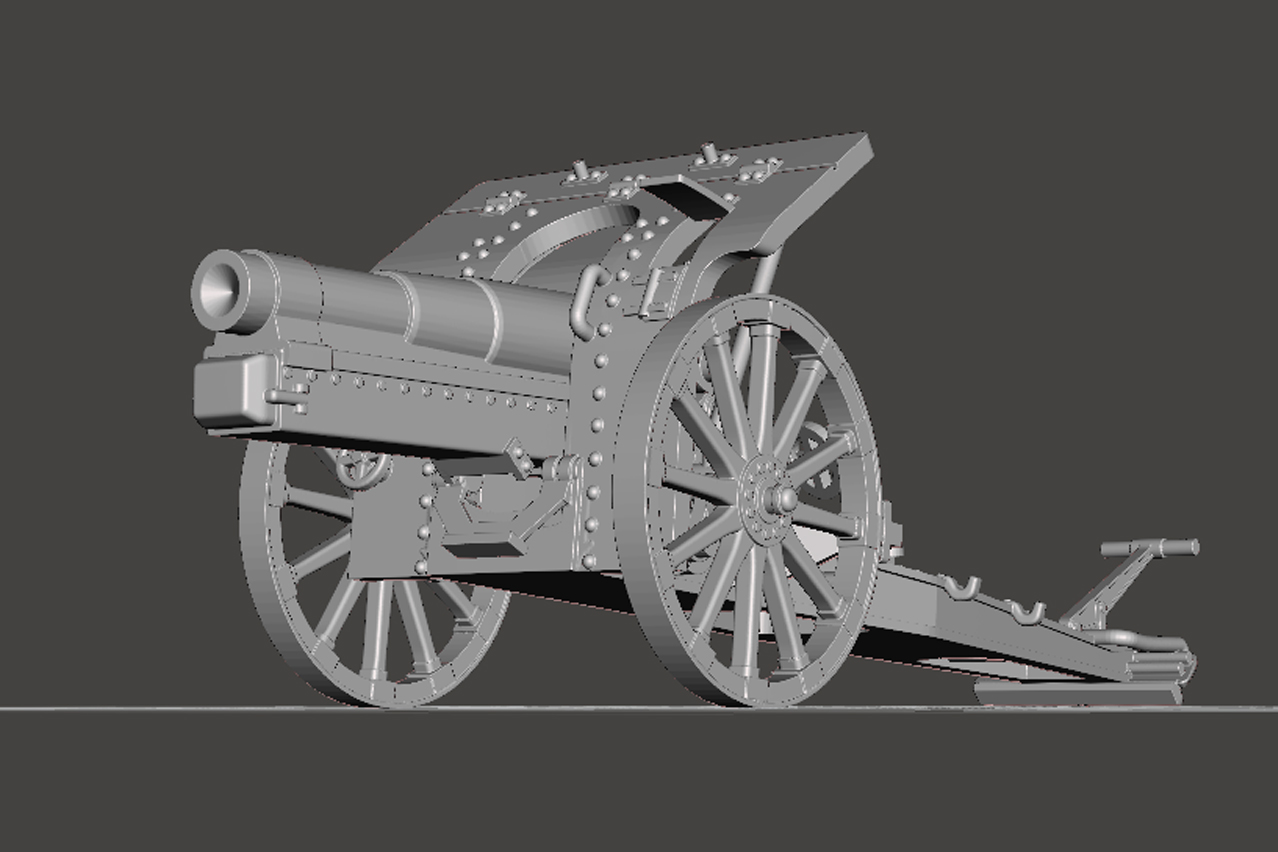
After WWI Vickers modified their 18-Pdr on Mk.IV carriages to fire 105mm shells. This variant was licensed to the Spanish state for production at the SECN plant at Reinosa. There were 288 of these cannons in Spain at the time of the Pronunciamento with almost 2/3 falling to the Nationalists
Vickers-Armstrong 127mm BL60
Howitzer
1/200
1/100
1/72
1/56
£2.50
£4.50
£8.00
£14.00
SCW-AP-HO05
12 of these were provided by the U.S.S.R to the Republic where 6 were deployed in two 3-gun batteries at Madrid from late November 1936 onwards, whilst the other 6 landed in Bilbao on 3rd November 1936 where they formed three 2-gun batteries with four eventually being captured with the fall of the north.
Obice da 149-12 Mod.1914
Howitzer - Deployed w. Barrel Level
1/200
1/100
1/72
1/56
£2.50
£4.50
£8.00
£14.00
SCW-AP-HO19
Organised in four-gun batteries, the 149/12 was best used for deliberate fires—softening objectives, smashing strongpoints, and conducting occasional counter-battery work—rather than quick, close “infantry gun” style support at the front edge in fluid, rapidly shifting engagements.
Obice da 149-12 Mod.1914
Howitzer - Deployed w. Barrel Raised
1/200
1/100
1/72
1/56
£2.50
£4.50
£8.00
£14.00
SCW-AP-HO20
With a typical range around 6.9 km (maximum about 8.8 km) and separate-loading ammunition, it demanded prepared sites, steady observation, and reliable towing to keep pace across difficult Spanish terrain and limited road networks during sustained offensive and defensive operations.
Obice da 149-12 Mod.1914
Howitzer - Limbered
1/200
1/100
1/72
1/56
£2.50
£4.50
£8.00
£14.00
SCW-AP-HO18
The CTV employed the Obice da 149/12 Mod. 1914 in Spain to add heavy high-explosive support beyond its common 65–75 mm guns, reinforcing Nationalist attacks against fieldworks and stubborn positions with a larger-calibre howitzer during major offensives and deliberate assaults.
Cannone da 149-35A
Heavy Field Gun w. Barrel Level
1/200
1/100
1/72
1/56
£2.50
£4.50
£8.00
£14.00
SCW-AP-HO16
The CTV sent only sixteen Cannone da 149/35 A (Mod. 1901) to Spain, using them as scarce heavy assets to give Nationalist-aligned forces occasional long-range weight of fire beyond Italy’s more common 65–100 mm pieces during sustained positional operations.
Cannone da 149-35A
Heavy Field Gun w. Barrel Raised
1/200
1/100
1/72
1/56
£2.50
£4.50
£8.00
£14.00
SCW-AP-HO17
As an old, position-style gun with no recoil system and essentially no traverse, it was best employed from prepared emplacements for deliberate bombardment and interdiction rather than fast manoeuvre support—each shot forcing re-laying and slowing sustained, responsive missions.
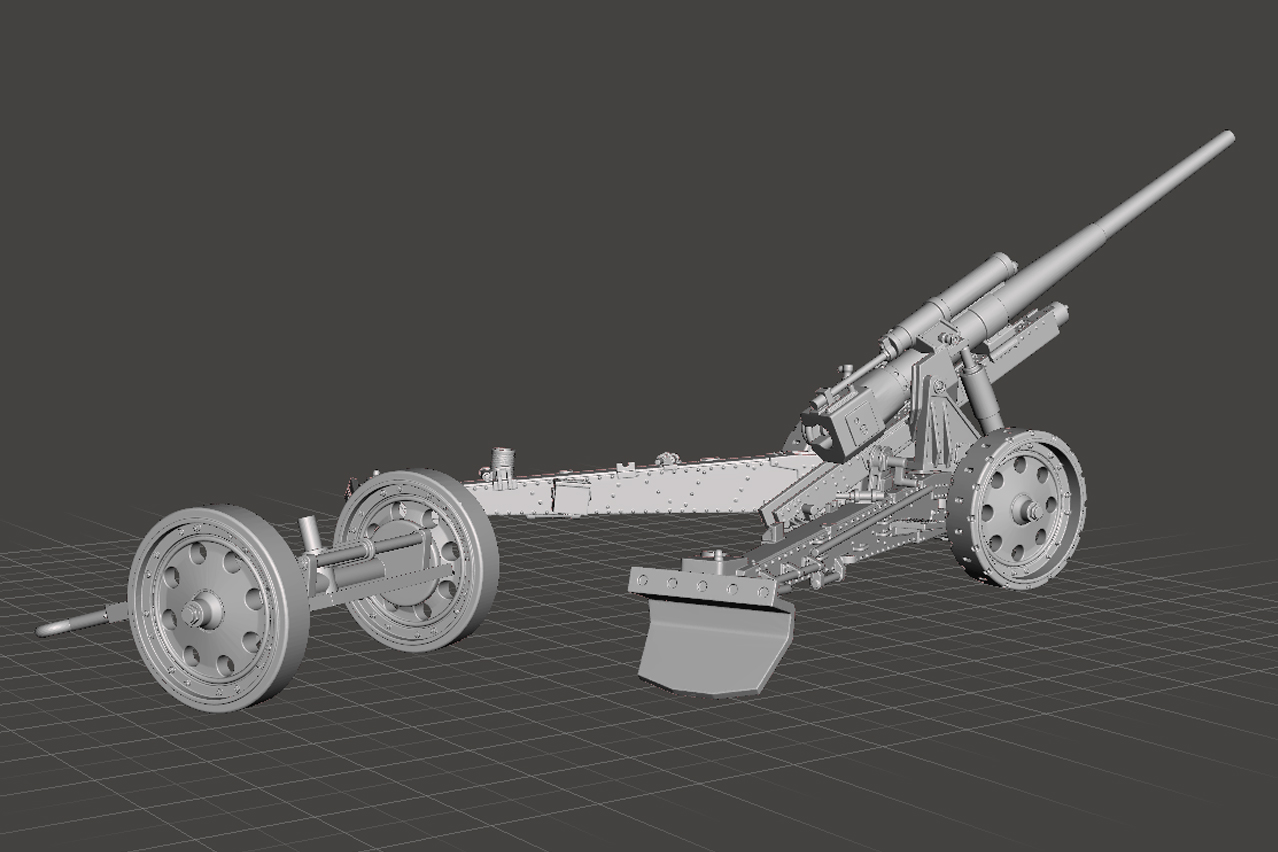
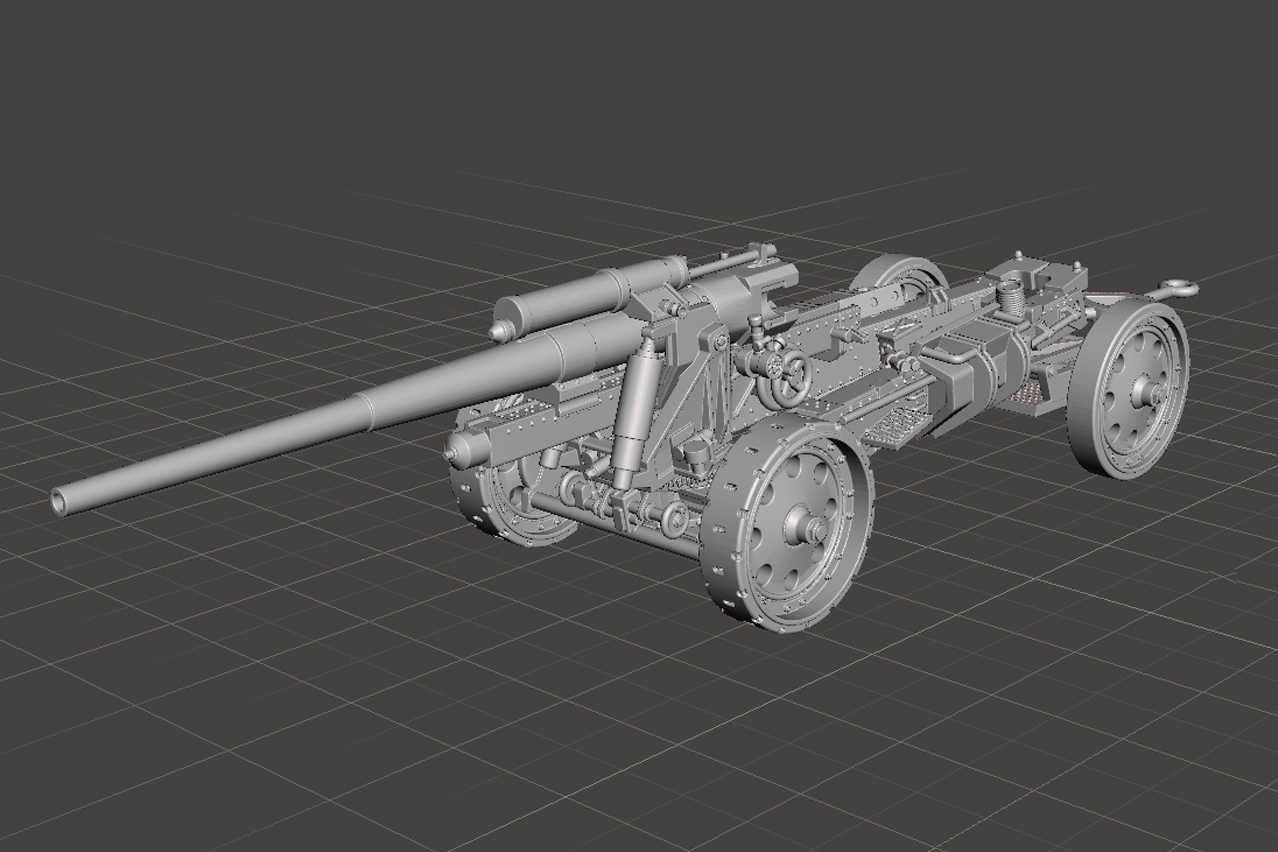
Krupp-Rheinmetall 15cm sFH 18
Heavy Howitzer - Deployed
1/200
1/100
1/72
1/56
£2.50
£4.50
£8.00
£14.00
SCW-AP-HO11
The Condor Legion is often reported to have deployed one four-gun battery of 15 cm sFH 18 to Spain, giving its ground contingent a heavier, longer-reaching howitzer than light field pieces and enabling deliberate bombardment in support of Nationalist operations.
Krupp-Rheinmetall 15cm sFH 18
Heavy Howitzer - Limbered
1/200
1/100
1/72
1/56
£2.50
£4.50
£8.00
£14.00
SCW-AP-HO12
In use, the sFH 18 excelled at preparation fires, neutralising strongpoints, and harassing/interdiction from prepared positions, while crews rehearsed observation, survey, and fire-direction under combat conditions. Its heavy 149 mm shell and split-trail carriage shaped employment and mobility.
Canon de Campana de 15cm Mod.1916
Howitzer - Barrel Level
1/200
1/100
1/72
1/56
£2.50
£4.50
£8.00
£14.00
SCW-AP-HO06
The enigmatic Krupp 15cm M.1916 is probably one of the most difficult artillery pieces to research due to the lack of details that are available. What we can be sure of though is that at the start of the Spanish Civil War, the nation of Spain had 32 of these artillery pieces in a single heavy artillery regiment.
Canon de Campana de 15cm Mod.1916
Howitzer - Barrel Raised
1/200
1/100
1/72
1/56
£2.50
£4.50
£8.00
£14.00
SCW-AP-HO07
When the war started, the batteries were divided across the country within a number of different Coastal Artillery Groups and with the split of the territory between elected government and rebel factions, four batteries of four guns each found themselves on each side.
Canon Schneider de 155mm Mle1917
Howitzer
1/200
1/100
1/72
1/56
£2.50
£4.50
£8.00
£14.00
SCW-AP-HO01
These howitzers were present in relatively appreciable numbers in Spain before the outbreak of hostilities. When the ‘pronunciamento’ split the nation only 24 remained in the hands of the Republican armed forces whilst a slightly richer 36 found their way into the hands of the rebels.
De Bang 1877 155mm
Heavy Howitzer - Girdles & Level Barrel
1/200
1/100
1/72
1/56
£2.50
£4.50
£8.00
£14.00
SCW-AP-HO08
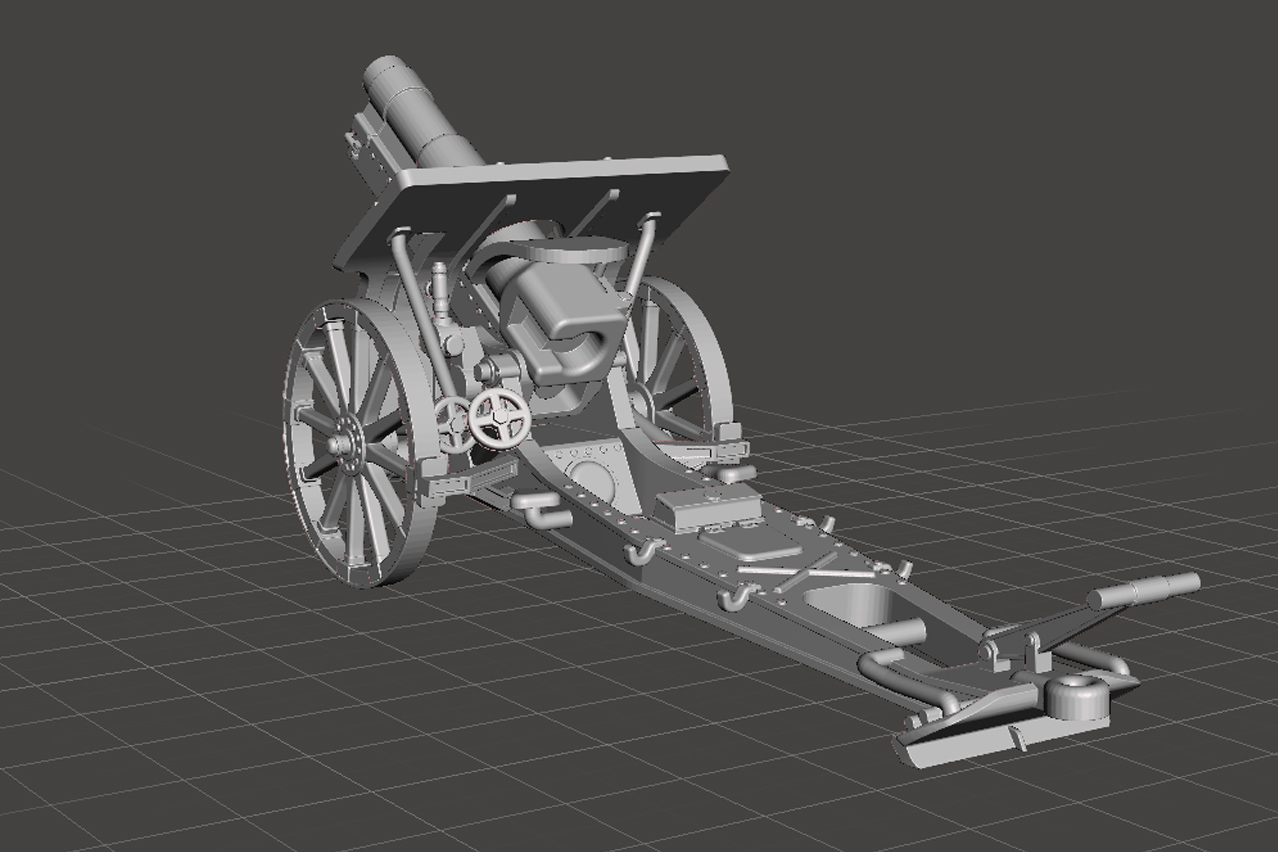
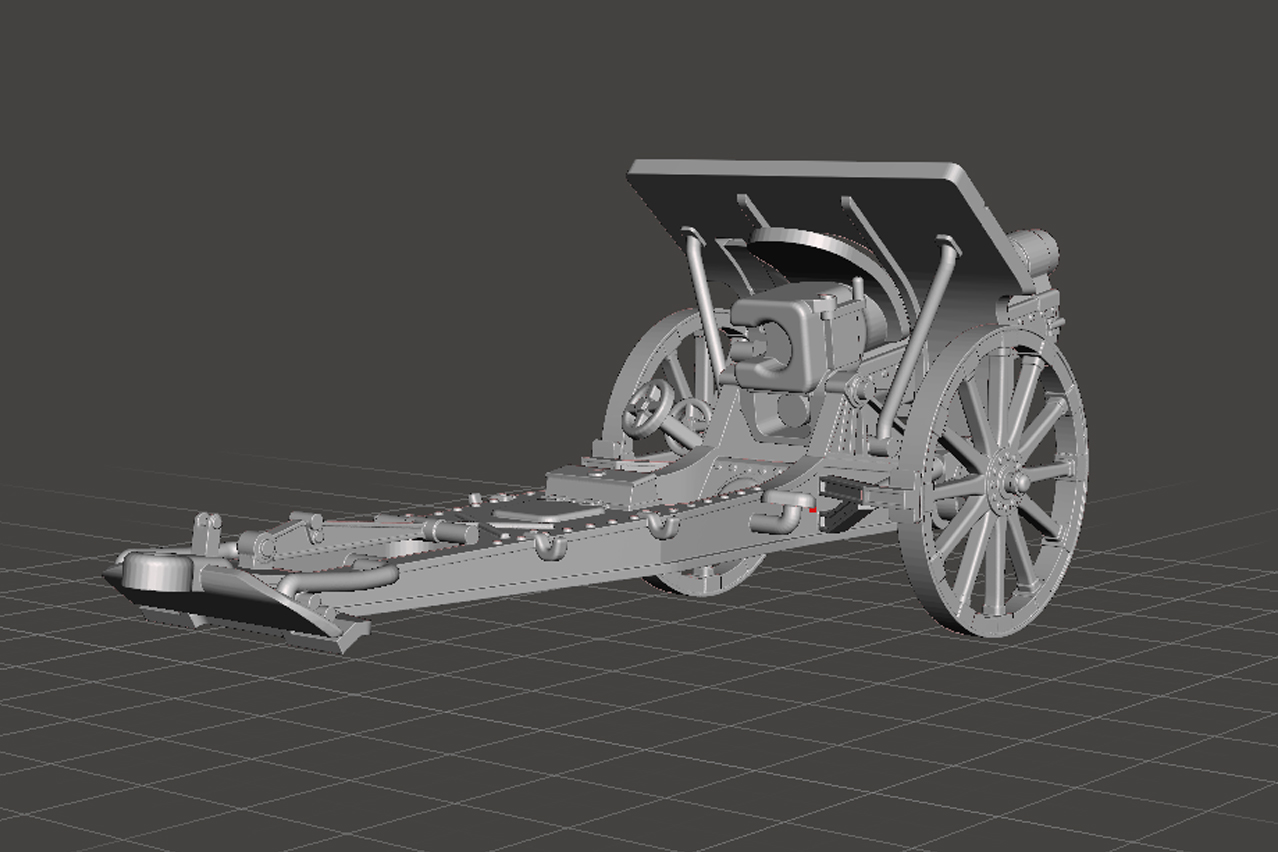
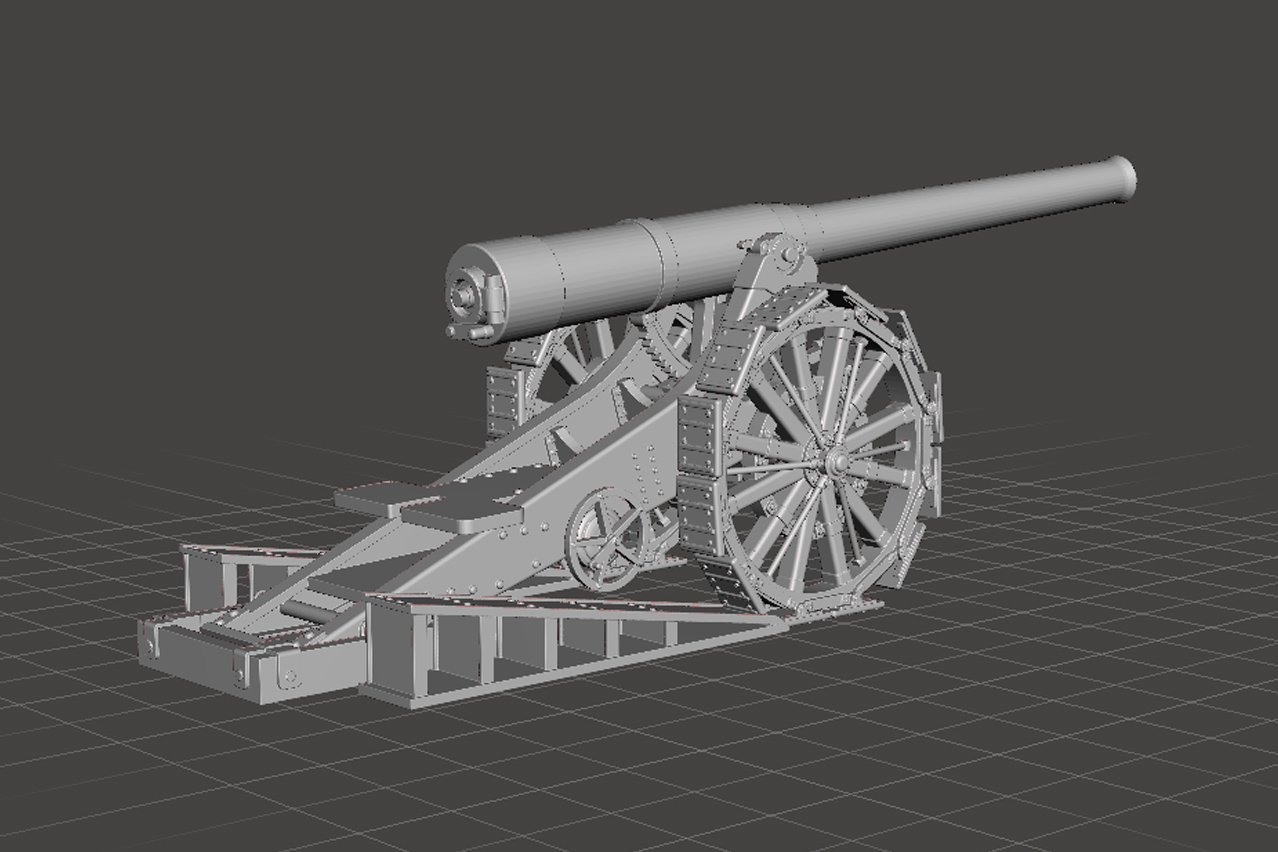
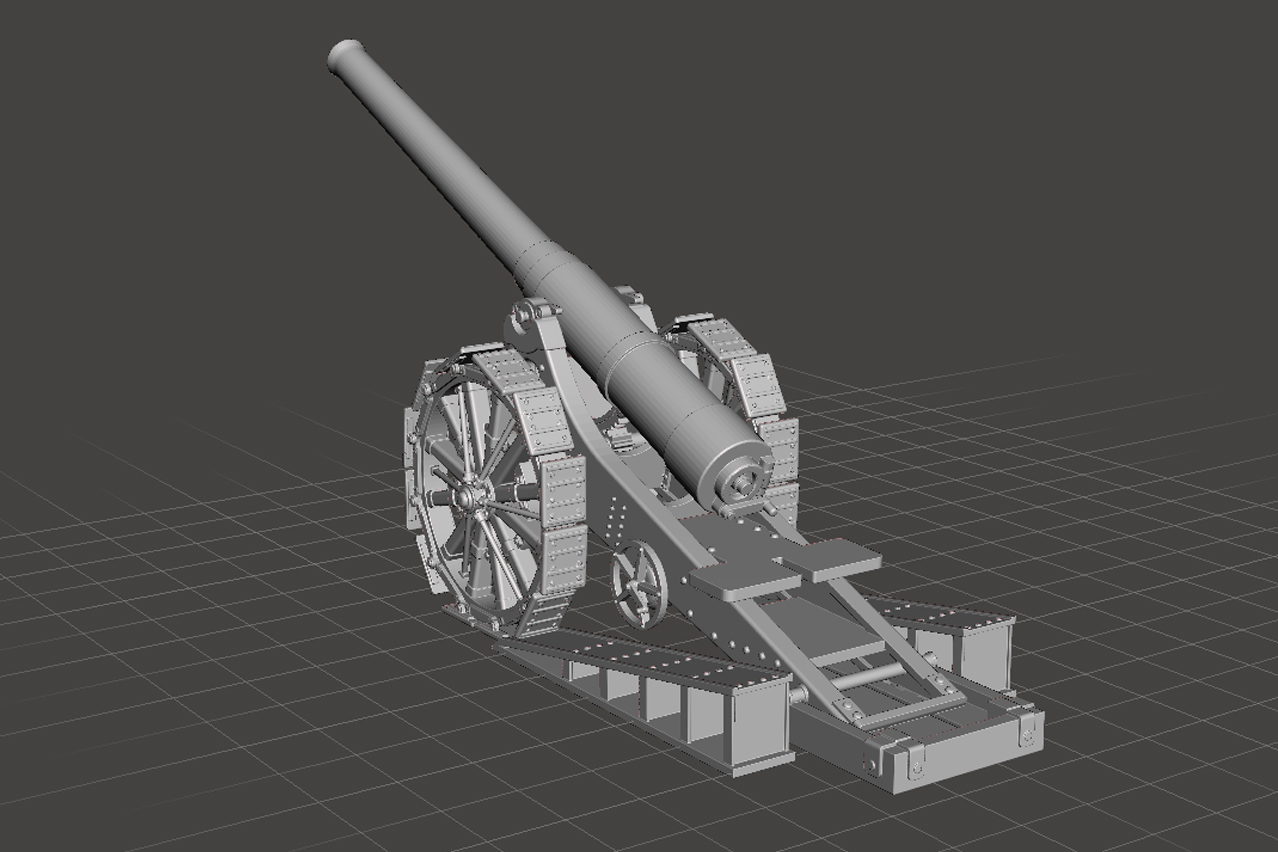
By the time the SCW started the De Bang 155mm was already horribly obsolete. Obsolete even by the start of World War I the French nonetheless employed it in great numbers in the first two years of the conflict as their main counter-battery artillery piece to great effect.
De Bang 1877 155mm
Heavy Howitzer - Girdles & Raised Barrel
1/200
1/100
1/72
1/56
£2.50
£4.50
£8.00
£14.00
SCW-AP-HO09
32 of these guns were sent by the Soviets to the Republican forces. The Republicans formed 15 two-gun batteries with these with two kept in reserve. One 155 L de Bange gun nicknamed “El Abuelo” (“The grandfather”) entered public consciousness after being deployed and photographed in Plaza de España, Madrid.