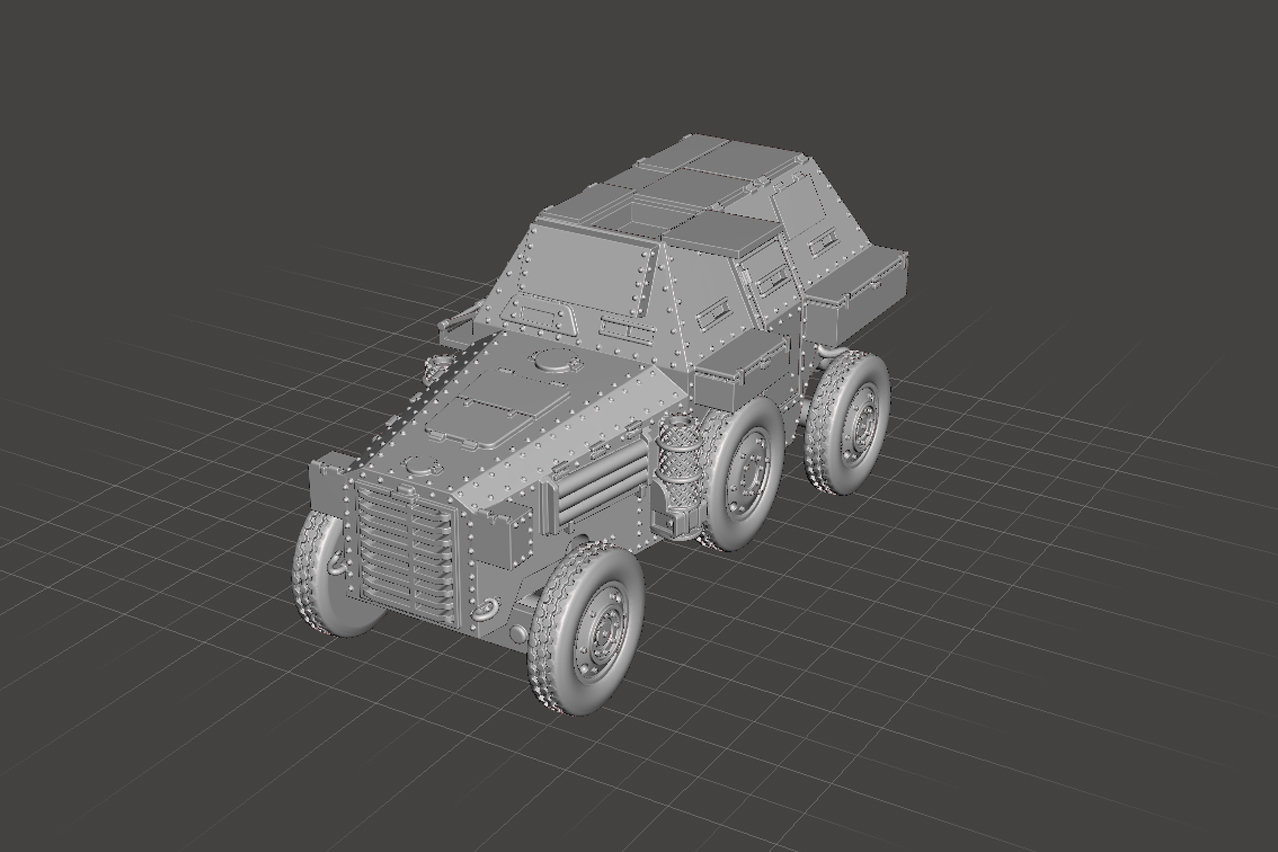
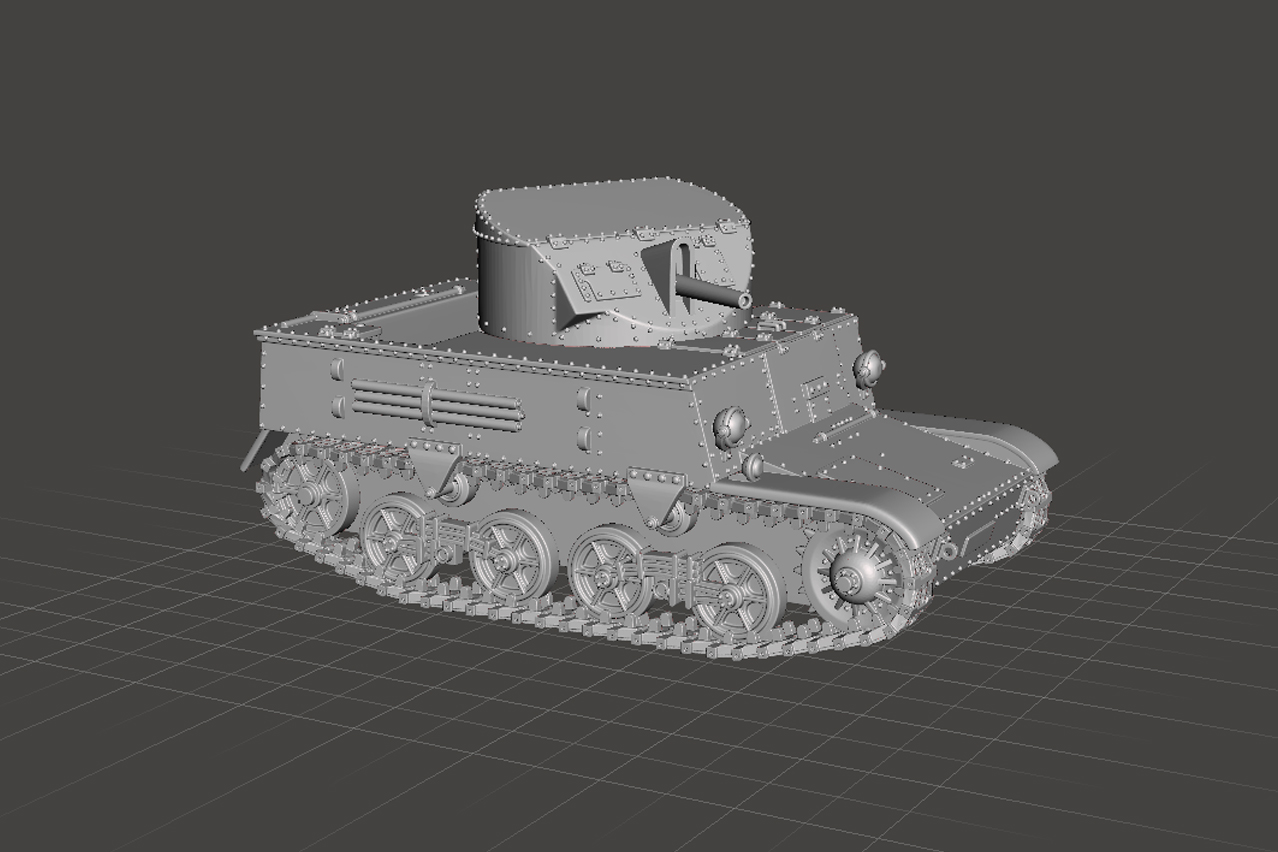
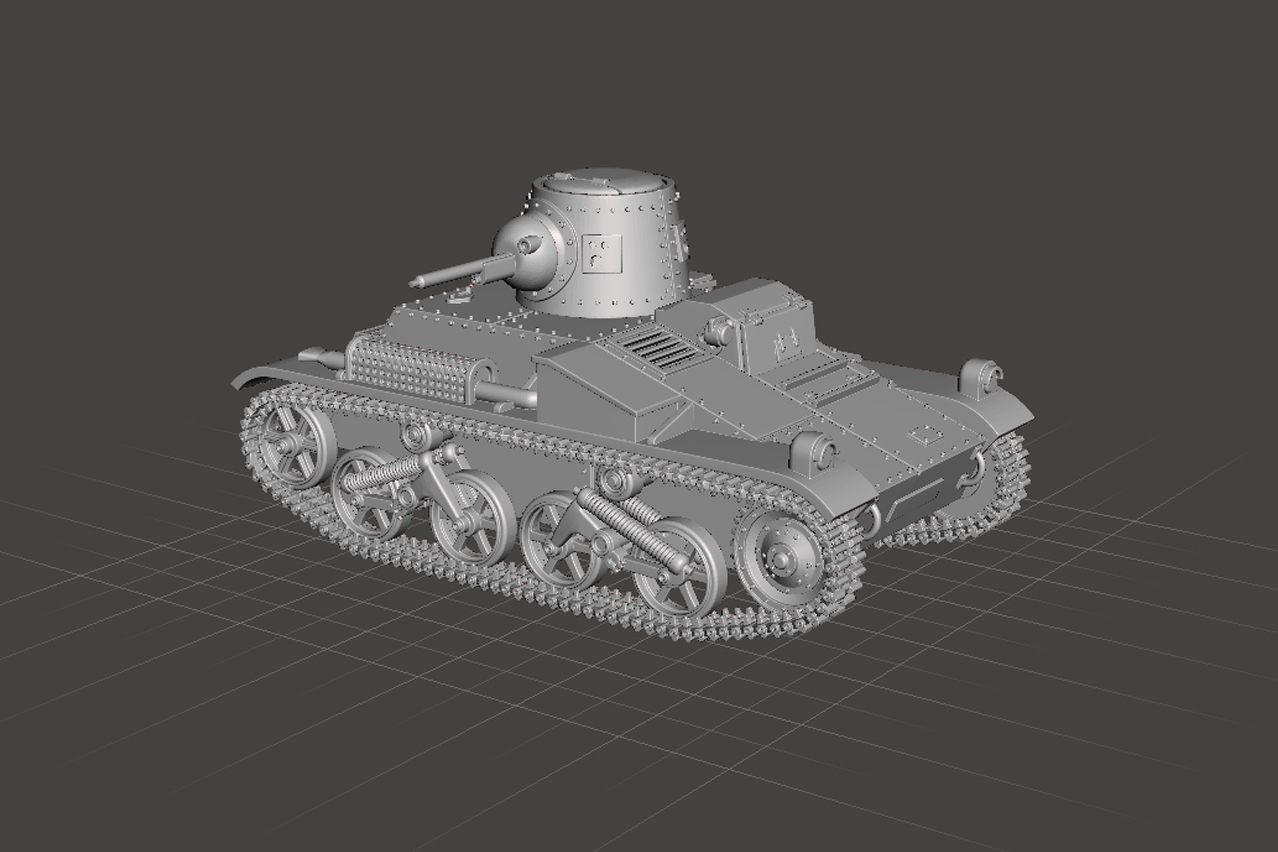
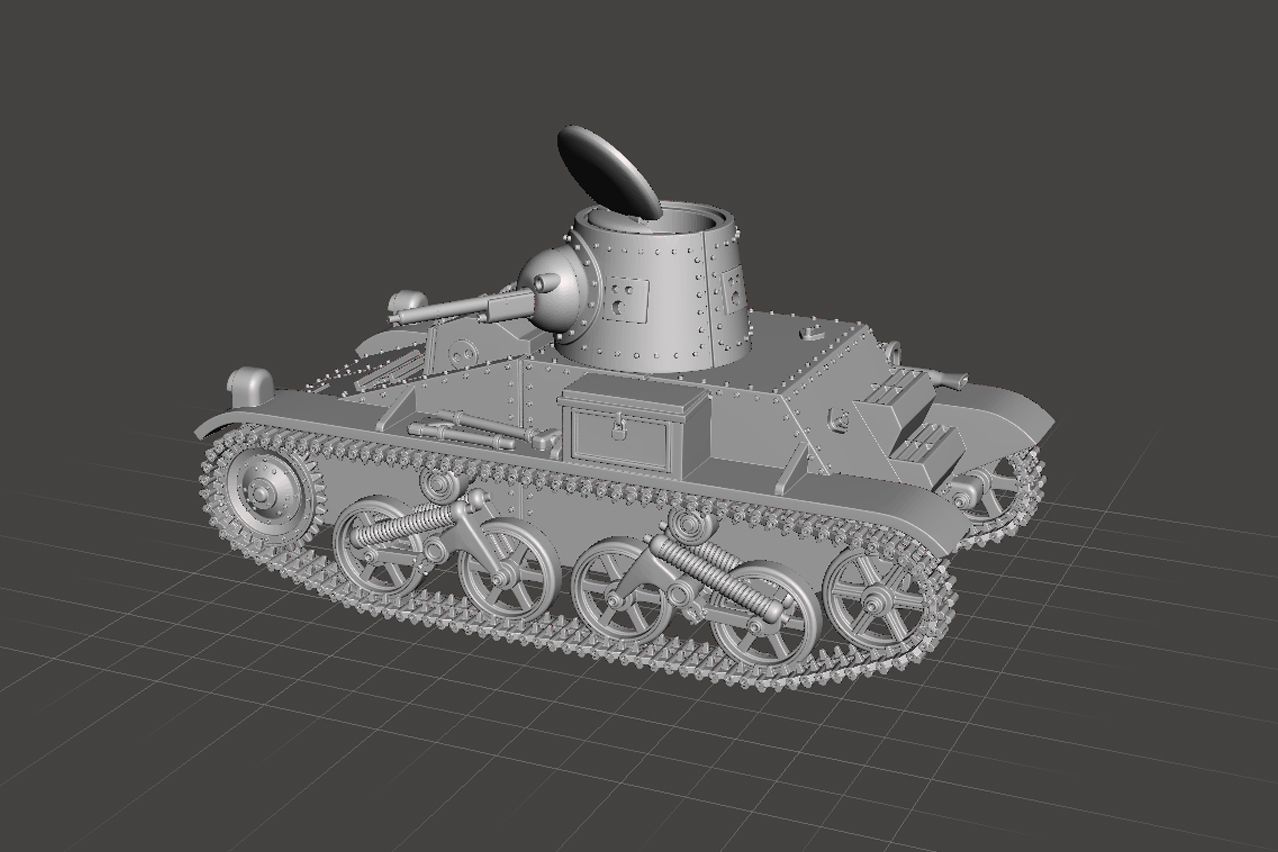
The Berliet VUDB was a French armored personnel carrier designed in 1928 to help Police France’s colonial possessions, it lays claim to being the worlds first infantry fighting vehicle, carrying two LMG’s with 4,000 rounds of ammunition and sporting a handsome 7mm of armour all over.
Berliet VUDB
Armoured Car w. Hatch Open
1/200
1/100
1/72
1/56
£2.50
£4.50
£8.00
£14.00
WWII-BE-AC02
The Berliet VUDB was a French armored personnel carrier used by the Belgian Gendarmerie during the Intebellum. It provided internal security and riot control capabilities, offering protection and mobility. Though limited in number, it served effectively until more modern vehicles replaced it.
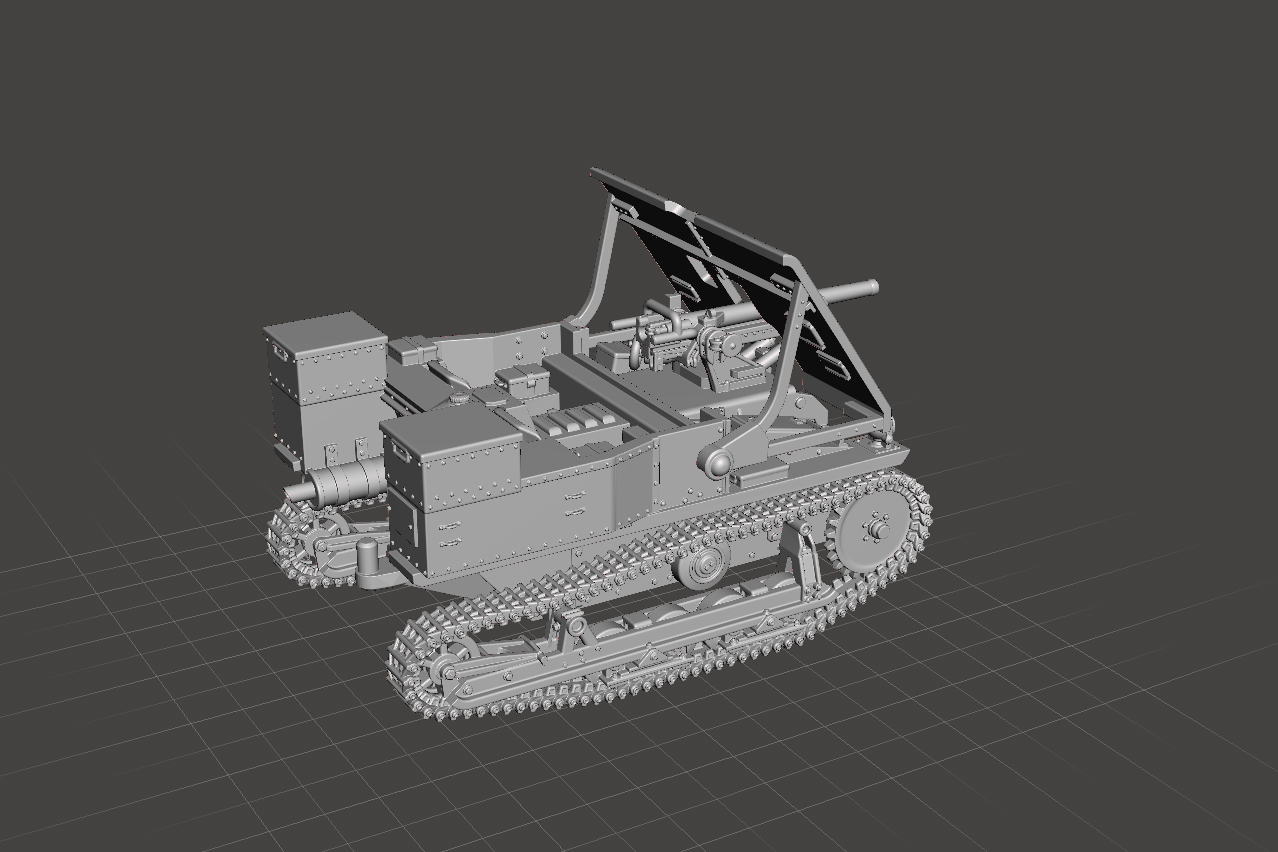
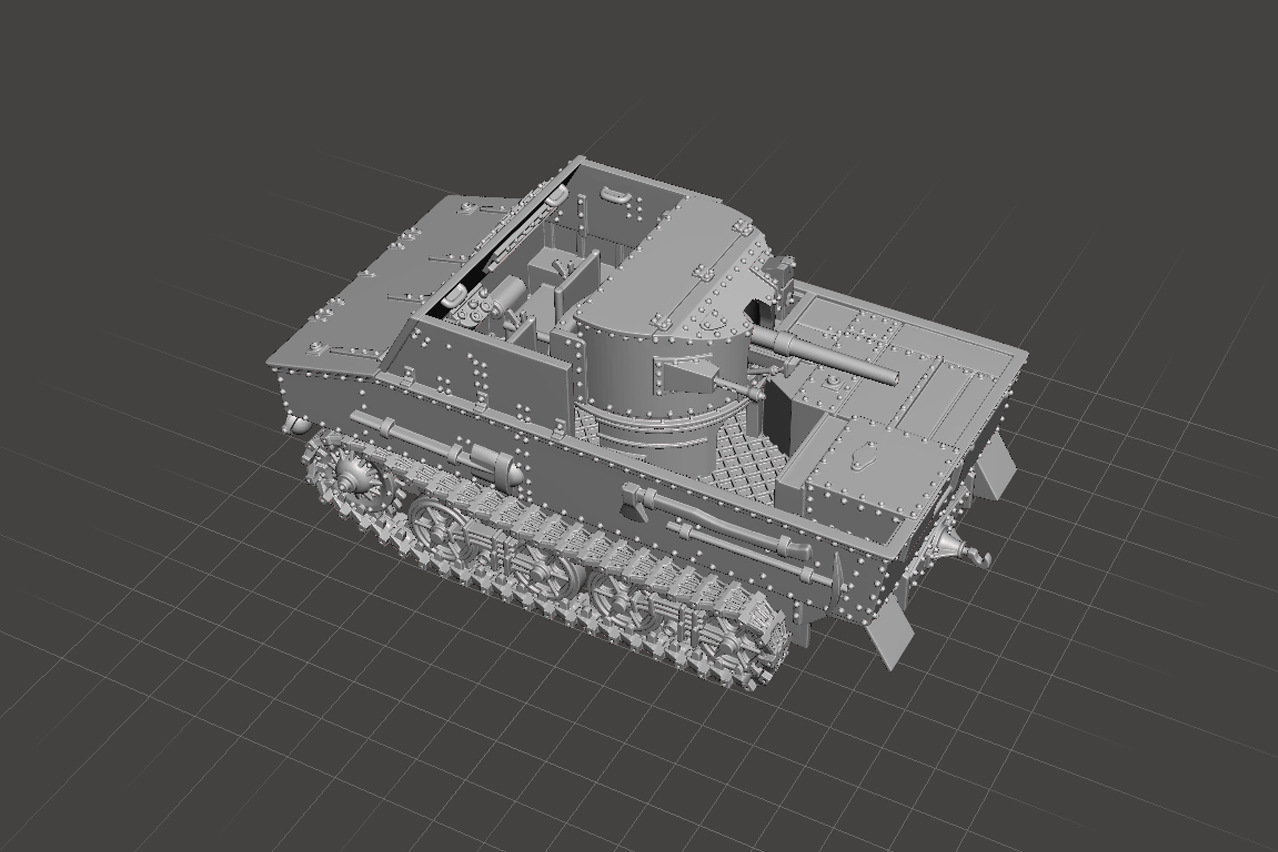
Carden-Lloyd Mk.VI w. F.R.C. 47 mm L30 Modèle 1931
Self Propelled Anti Tank gun - Deployed
1/200
1/100
1/72
1/56
£2.20
£3.50
£6.50
£11.00
WWII-BE-TD01
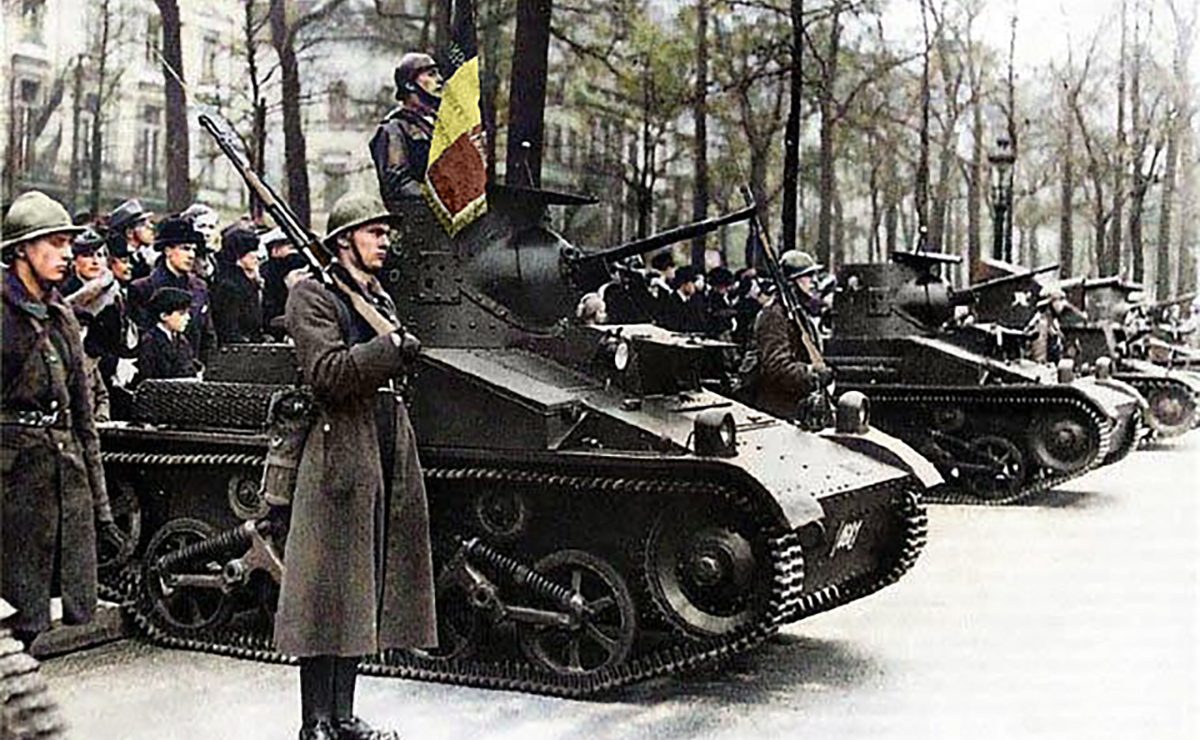
Belgium adapted the British Carden-Lloyd Mk.VI tankette by fitting it with the locally developed FRC 47mm L30 Modèle 1931 anti-tank gun. Designed in the early 1930s, this unique combination aimed to counter emerging armored threats with a compact, mobile platform suited for Belgium’s defensive needs.
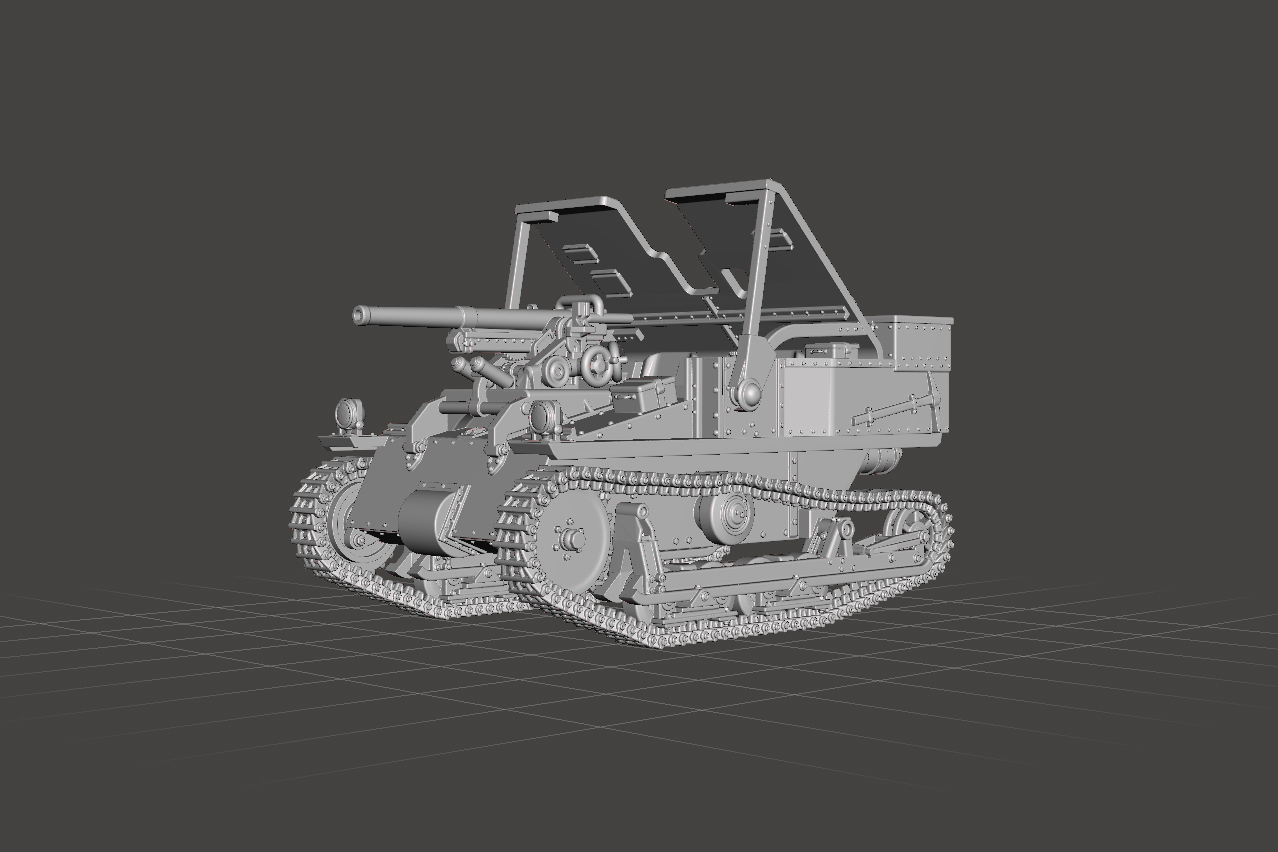
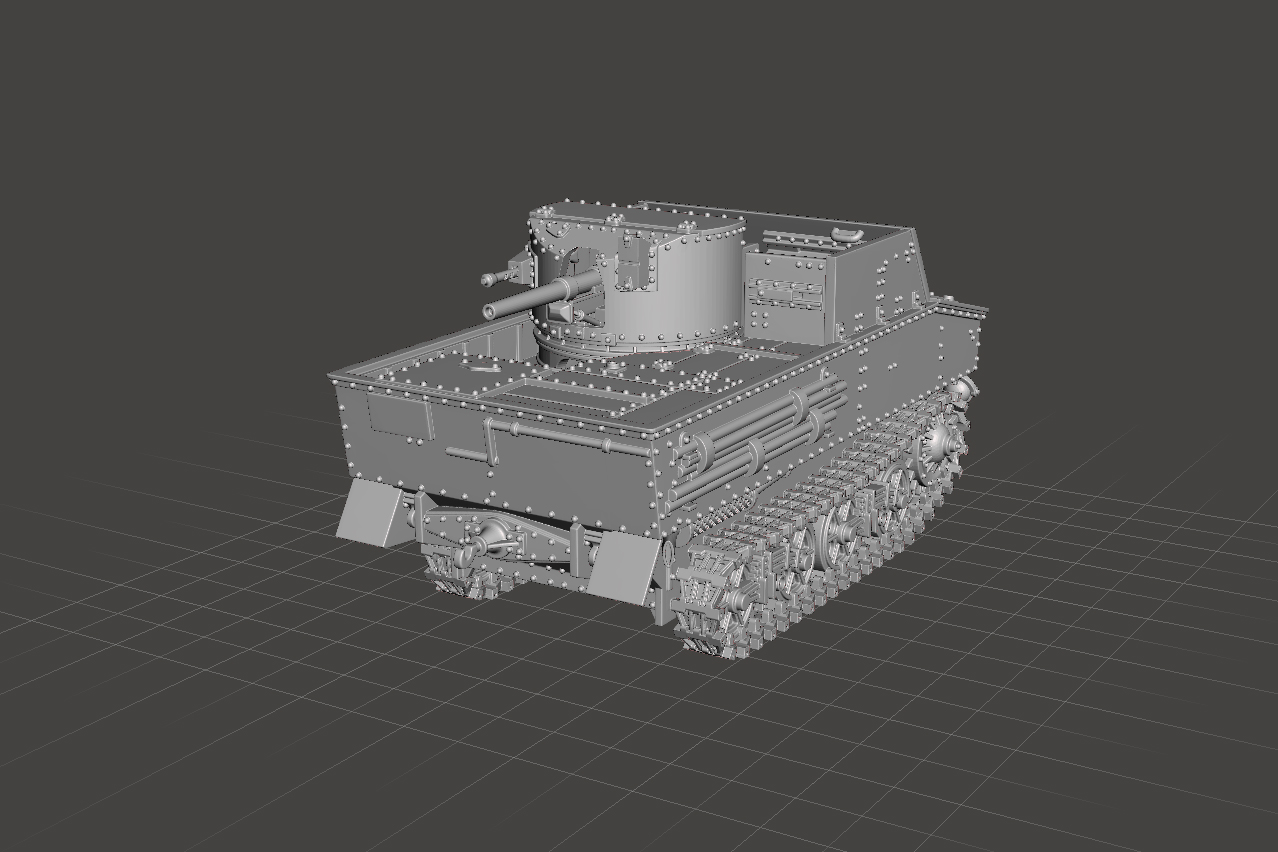
Carden-Lloyd Mk.VI w. F.R.C. 47 mm L30 Modèle 1931
Self Propelled Anti Tank Gun - Stowed
1/200
1/100
1/72
1/56
£2.20
£3.50
£6.50
£11.00
WWII-BE-TD02
Despite the powerful gun, it’s light armour, limited speed, and cramped layout hampered performance. Only a small number were produced, and they played a minor role during the invasion. Still, they reflected Belgium’s innovative approach to mechanised anti-tank warfare in the interwar period.
Renault ACG-1
Medium Cavalry Tank
1/200
1/100
1/72
1/56
£2.50
£4.50
£8.00
£14.00
WWII-BE-LT01
Belgium acquired the Renault ACG-1, a modernised French light tank, in the late 1930s to strengthen its armored forces. Armed with a 47mm gun and featuring improved armour, it offered better combat capabilities than earlier models and represented a step toward mechanised modernisation.
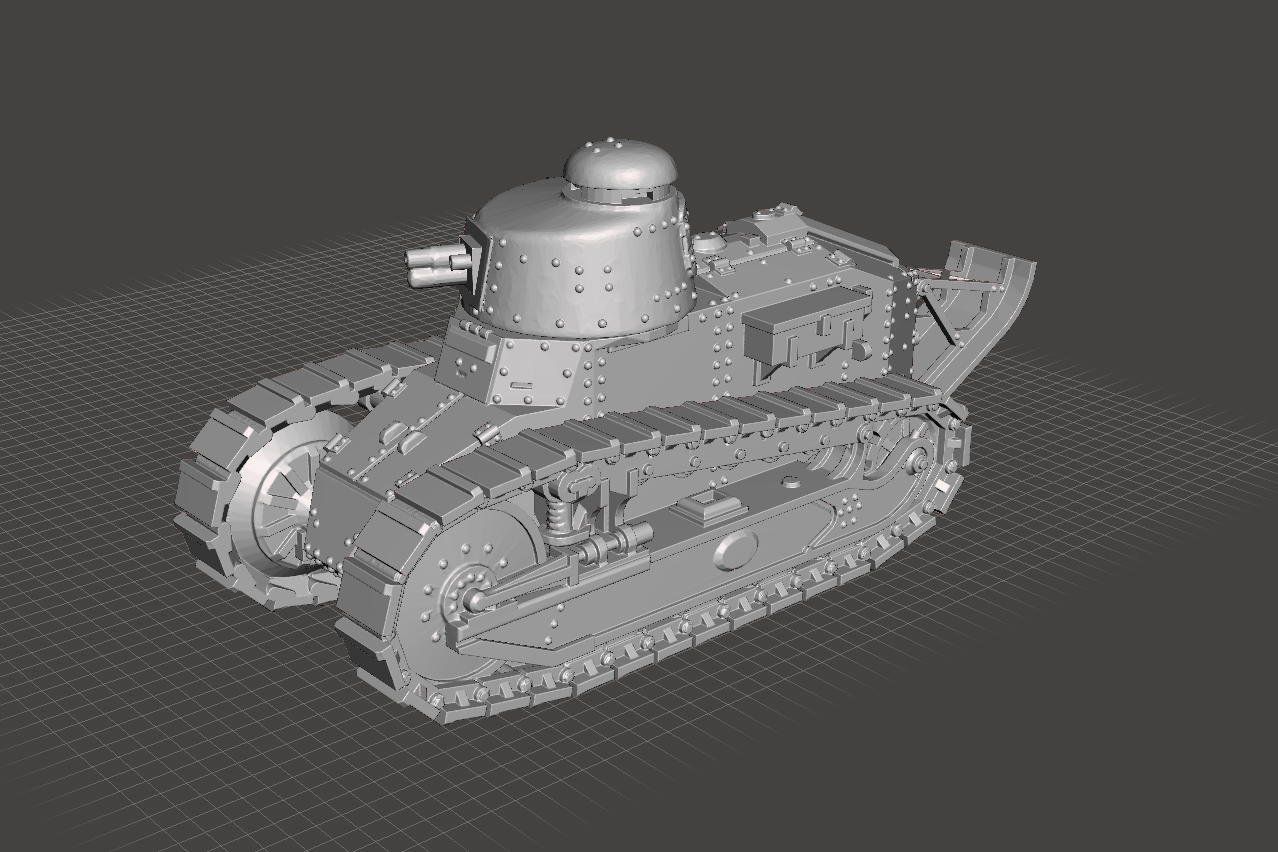
Renault FT-17
Light Tank w. Puteaux 37mm SA18
1/200
1/100
1/72
1/56
£2.50
£4.50
£8.00
£14.00
WWII-BE-LT02
Belgium acquired Renault FT-17 tanks after World War I, using them to form its first armoured units. These light tanks featured a rotating turret and served mainly in training and ceremonial roles during the interwar period, with limited modernisation or upgrades to their original configuration.
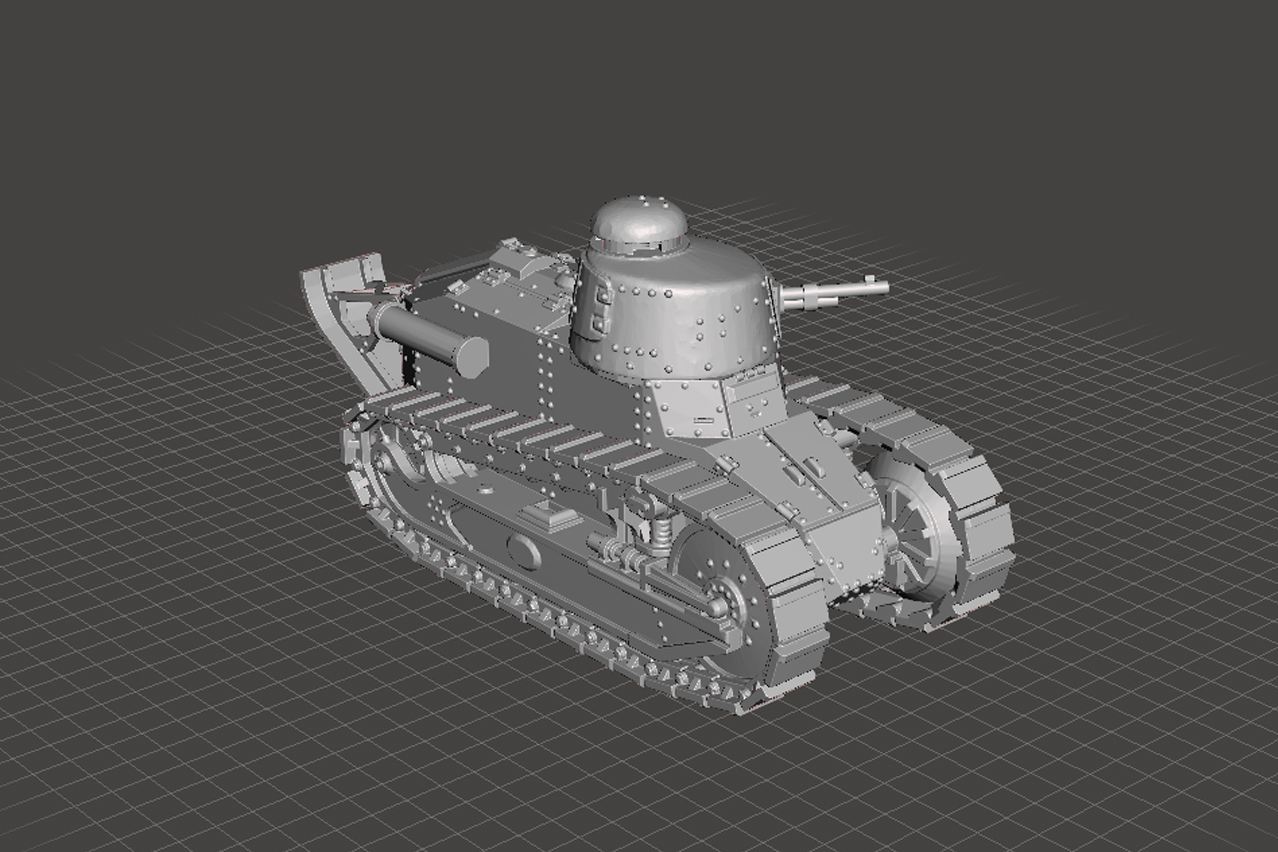
Renault FT-17
Light Tank w. Browning HMG
1/200
1/100
1/72
1/56
£2.50
£4.50
£8.00
£14.00
WWII-BE-LT03
By 1940, the FT-17s were only deployed for secondary defence roles during the German invasion. Their outdated design and limited firepower proved ineffective against modern armour, yet they symbolised Belgium’s early steps into armoured warfare and laid the foundation for future mechanised forces.
Vickers Carden-Lloyd T-13 B1
Tank Hunter
1/200
1/100
1/72
1/56
£2.50
£4.50
£8.00
£14.00
WWII-BE-TD03
The T-13 B1 was Belgium’s first version of the Vickers Carden-Lloyd-based tank hunter, featuring a fixed rear-facing 47mm FRC anti-tank gun. Built on a modified Carden-Lloyd chassis, it offered limited mobility and crew protection but introduced mobile AT capability during Belgium’s 1930s rearmament efforts.
Vickers Carden-Lloyd T-13 B2
Tank Hunter
1/200
1/100
1/72
1/56
£2.50
£4.50
£8.00
£14.00
WWII-BE-TD04
The B2 improved upon the B1 by enabling the gun’s orientation to forward-facing, enhancing combat usability. Built on a locally modified chassis with better suspension, it retained the 47mm FRC gun. Despite light armor, it proved more effective and was deployed with infantry units for mobile anti-tank support.
Vickers Carden-Lloyd T-13 B3
Tank Hunter
1/200
1/100
1/72
1/56
£2.50
£4.50
£8.00
£14.00
WWII-BE-TD05
The B3 was the most advanced variant, featuring a fully rotating turret mounting the 47mm gun on a newly designed chassis. With better armour and ergonomics, it was Belgium’s most capable tank destroyer. B3s saw significant action during the German invasion, often in desperate defensive engagements.
Vickers T-15
Light Tank w. Hatch Closed
1/200
1/100
1/72
1/56
£2.50
£4.50
£8.00
£14.00
WWII-BE-LT04
The Vickers T-15, a British light tank, was used by Belgium in the late 1930s primarily for reconnaissance and infantry support. Armed with a 13.2mm machine gun and offering good mobility, it played a role in Belgium’s mechanised units despite its limited armour and firepower.
Vickers T-15
Light Tank w. Hatch Open
1/200
1/100
1/72
1/56
£2.50
£4.50
£8.00
£14.00
WWII-BE-LT05
During the 1940 German invasion, the T-15 saw action as part of Belgium’s defensive efforts, often in reconnaissance and skirmishing roles. Though outdated and outmatched by enemy tanks, its speed and maneuverability allowed it to conduct vital delay operations.