
Doctrine, Campaigns, Industry, and the Paradox of Mobility
Introduction: An Army Built Before the War Began
The story of the Regio Esercito cannot be understood if it is approached as though it began in September 1939. By the time Italy entered the Second World War, its army was already the product of nearly two decades of almost continuous military activity, shaped far more by inter-war conflicts, colonial campaigns, and political expeditions than by abstract theorising about future industrial war. The Royal Italian Army that marched into Greece, North Africa, and the Balkans was not unprepared in the sense of inexperience; it was, instead, prepared for a different kind of war.
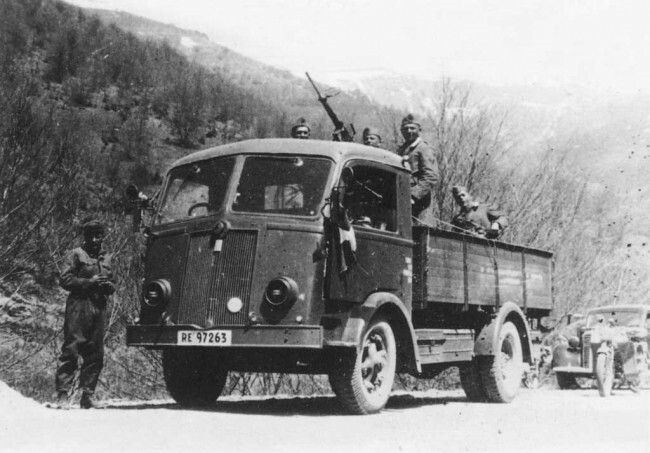
Between 1919 and 1939, Italy fought repeatedly. In Libya, Italian forces conducted prolonged counter-insurgency operations across vast, hostile terrain where mobility, artillery firepower, and air support mattered far more than heavy armour. In Ethiopia, the army deployed massed artillery, motorised columns, and overwhelming air power to defeat a numerically superior opponent in a short, decisive campaign. In Spain, Italian units gained further experience of modern firepower, air-ground cooperation, and the limits of their armoured vehicles. Albania, finally, reinforced the belief that Italy could project force rapidly across the Mediterranean with limited means. Each of these conflicts left a mark on doctrine, procurement, and institutional culture.
The cumulative effect of these experiences was an army that placed extraordinary faith in firepower and movement, rather than in heavy mechanisation. Italian planners emerged from the inter-war period convinced that artillery was the decisive arm, that trucks could provide operational mobility without the industrial burden of full mechanisation, and that air power could compensate for weaknesses in depth and sustainment. These conclusions were not irrational. They were grounded in real combat experience and constrained by industrial reality. Italy simply did not possess the heavy industrial base, fuel reserves, or manufacturing capacity required to field large numbers of modern tanks on the scale of Germany, the Soviet Union, or the United States.
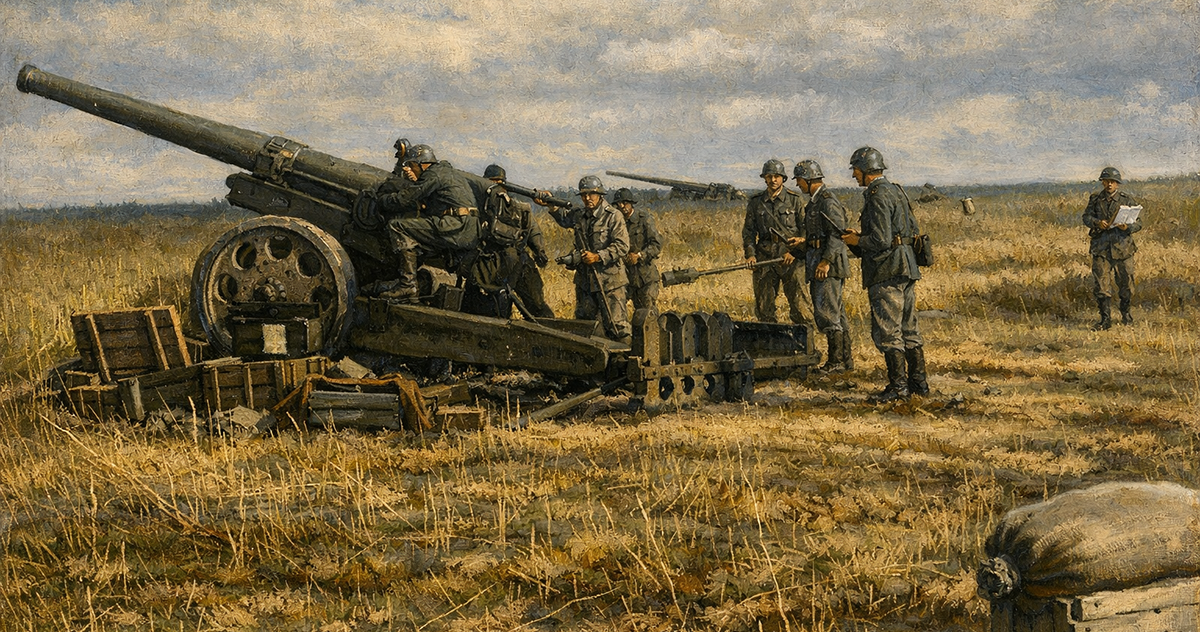
Instead, Italy pursued a distinctive path: an army rich in guns, unusually dependent on motor transport, and closely integrated with its air force. Vehicles were expected to move firepower rather than replace it. Trucks and artillery tractors became as important to Italian operations as tanks were to other armies. This approach produced a force that looked modern on paper, but which concealed a dangerous structural weakness — a reliance on trucks that outpaced Italy’s ability to provide them in sufficient numbers where they were most needed.
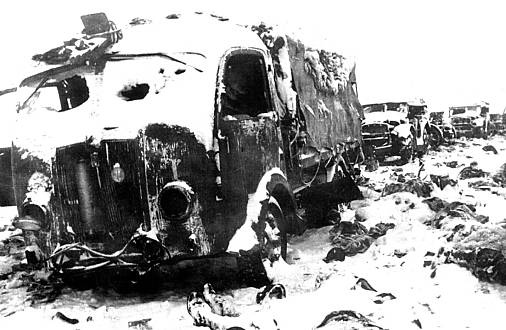
This contradiction lay at the heart of the Italian war effort. Italy relied on trucks more than many contemporary armies, yet habitually lacked enough transport at the front line. Motor vehicles were often pooled at higher command levels, leaving divisions only partially mobile in practice. In favourable conditions — colonial warfare, short campaigns, or theatres with manageable distances — this system functioned. In the mountains of the Balkans, the deserts of North Africa, and the vast spaces of the Eastern Front, it began to break down catastrophically.
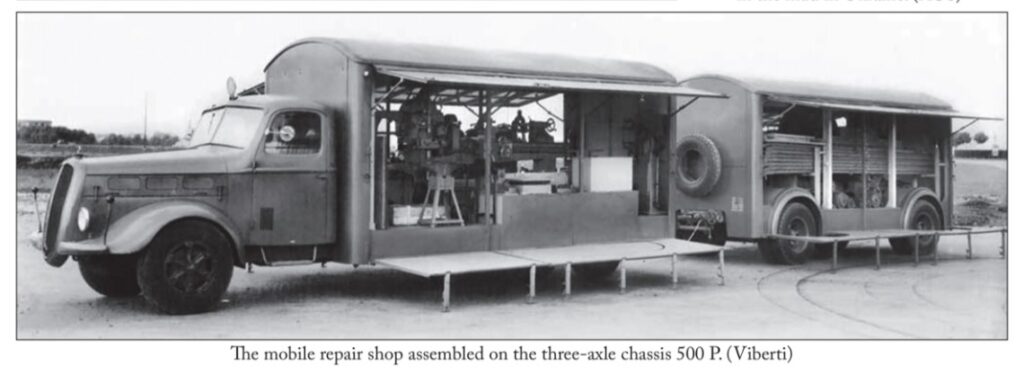
Crucially, none of this was accidental. The Royal Italian Army was not built badly; it was built deliberately, according to lessons learned in earlier wars. Those lessons emphasised speed of advance over depth of sustainment, artillery over armour, and improvisation over mass production. When Italian units mounted guns on trucks, relied on towed artillery instead of self-contained armoured formations, or leaned heavily on air support, they were not revealing weakness — they were expressing doctrine.
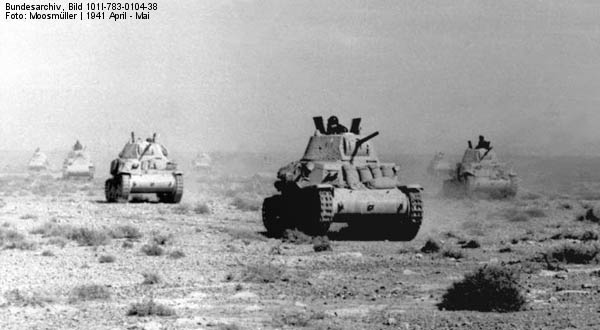
This introduction sets the foundation for understanding everything that follows. Italian vehicles, artillery, and aircraft were not poor imitations of foreign designs, nor symptoms of institutional failure. They were coherent responses to Italy’s strategic position, industrial limits, and inter-war experience. The tragedy of the Royal Italian Army in the Second World War was not that it lacked ideas, ingenuity, or courage, but that an army built for small wars and rapid campaigns was ultimately forced to fight a global, industrial conflict for which no amount of adaptation could fully compensate.
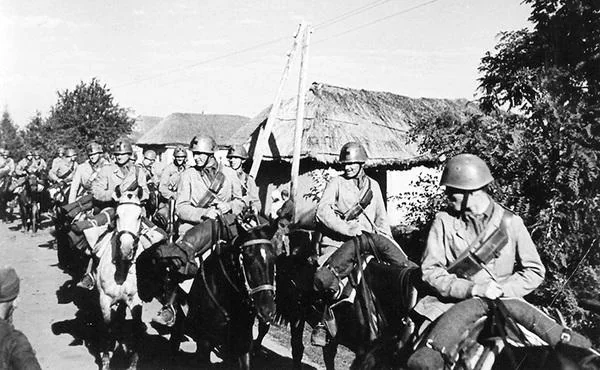
The Inter-War Conflicts: Victory Without Renewal
Italy emerged from the First World War on the winning side, yet it did so without the profound military and industrial renewal that reshaped other European powers. The war had delivered territorial gains and international recognition, but it also exposed structural weaknesses that Italy neither fully resolved nor openly confronted in the years that followed. This contradiction—victory without transformation—set the conditions under which the Regio Esercito would evolve during the inter-war period.
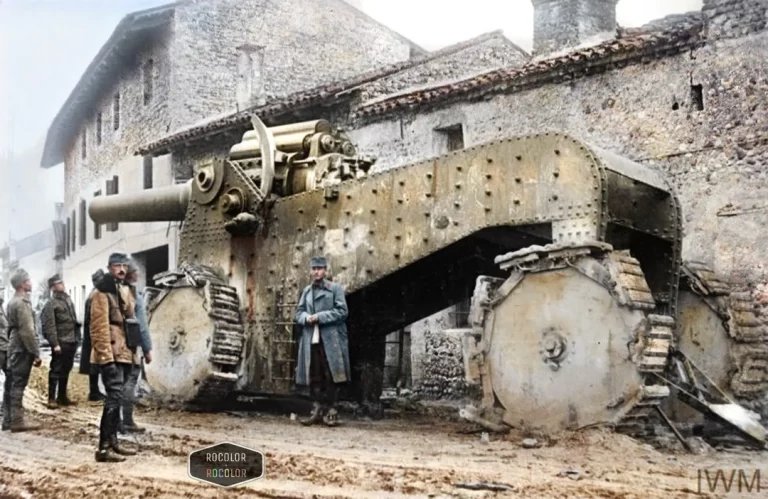
The Italian war effort between 1915 and 1918 had been brutal and costly. Fighting largely in mountainous terrain against a well-prepared Austro-Hungarian enemy, Italy relied heavily on mass infantry assaults supported by artillery. The human cost was staggering, and while the final victory at Vittorio Veneto redeemed years of attritional struggle, it did not produce a clear, forward-looking doctrine for future war. Instead, the dominant lesson absorbed by the Italian military establishment was a narrow one: artillery had been decisive, and manpower alone could not substitute for firepower.
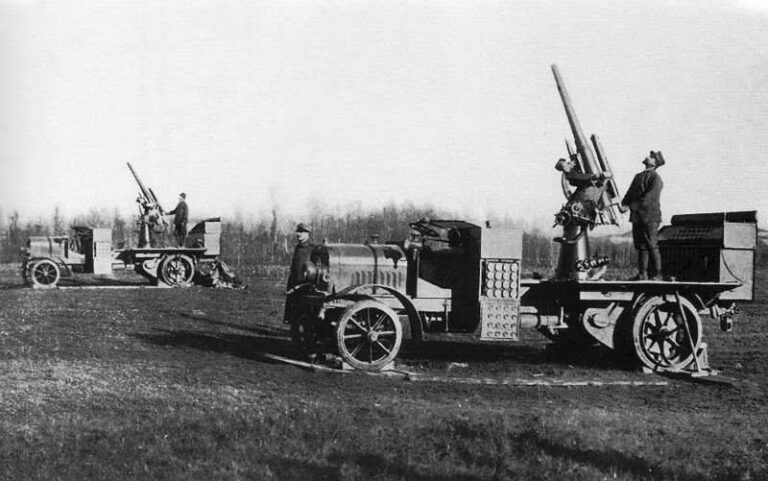
What Italy lacked after 1918 was the industrial momentum to convert that lesson into a fully modernised force. Unlike Germany, which rebuilt its army around radical doctrinal reform, or Britain and France, which refined industrial mobilisation and mechanisation, Italy remained constrained by a limited heavy industrial base. Steel production was modest, engine manufacturing was uneven, and the country remained dependent on imported coal and oil. These constraints were not temporary setbacks; they were enduring realities that shaped every serious military decision made in the 1920s and 1930s.
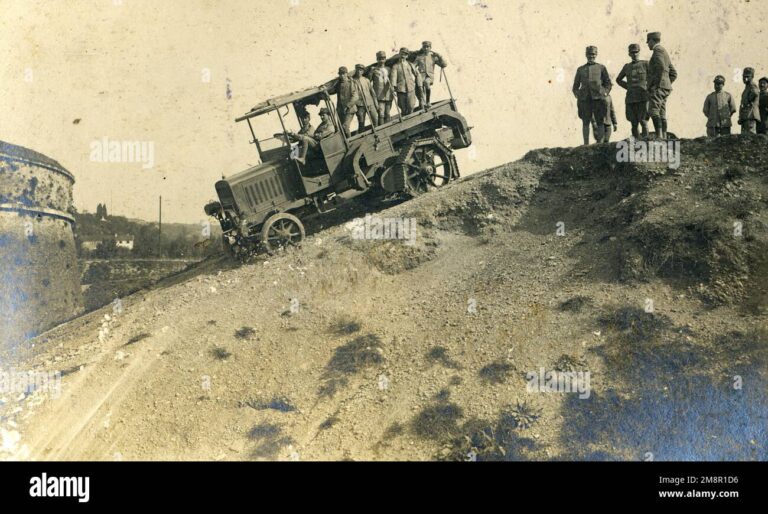
The post-war Italian Army therefore faced a fundamental choice. It could attempt to emulate the emerging models of heavy mechanisation being explored elsewhere, at enormous financial and industrial cost, or it could seek a more economical path that aligned with what Italy could realistically produce. The choice was effectively made by circumstance. Italy would prioritise guns, trucks, and aircraft—systems that could be manufactured domestically—over large fleets of heavy tanks and fully mechanised formations.
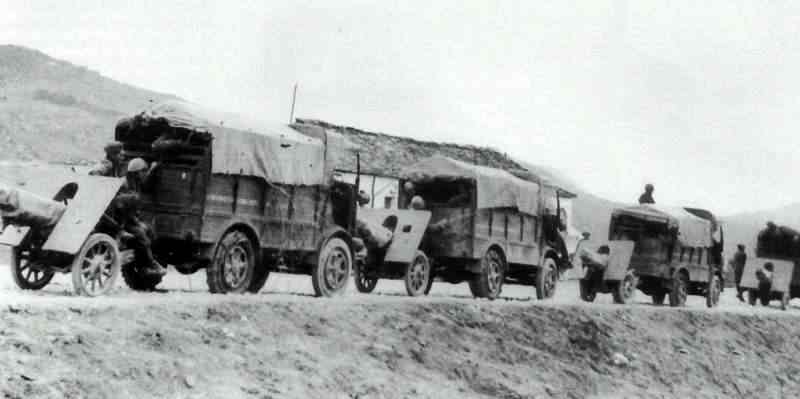
This decision was reinforced by Italy’s strategic geography. The country’s long coastline, mountainous interior, and overseas colonial commitments encouraged a focus on mobility rather than mass. Italian planners expected future conflicts to resemble the wars they had already fought or anticipated: limited in scope, fought on difficult terrain, and resolved through rapid movement and concentrated firepower rather than prolonged industrial attrition. Within this framework, trucks appeared to offer a practical solution. They promised operational mobility without the enormous industrial burden of building and maintaining a fully mechanised army.
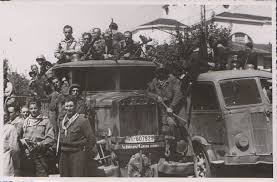
Yet this apparent solution concealed a deeper problem. While trucks were cheaper and easier to produce than tanks, they still required fuel, spare parts, trained drivers, and organised transport units. Italy’s post-war economy struggled to provide these consistently. The army acquired vehicles, but it did not acquire them in the numbers—or with the organisational depth—required to sustain large-scale operations. Transport assets were often centralised at higher command levels, leaving front-line units dependent on partial or improvised mobility.
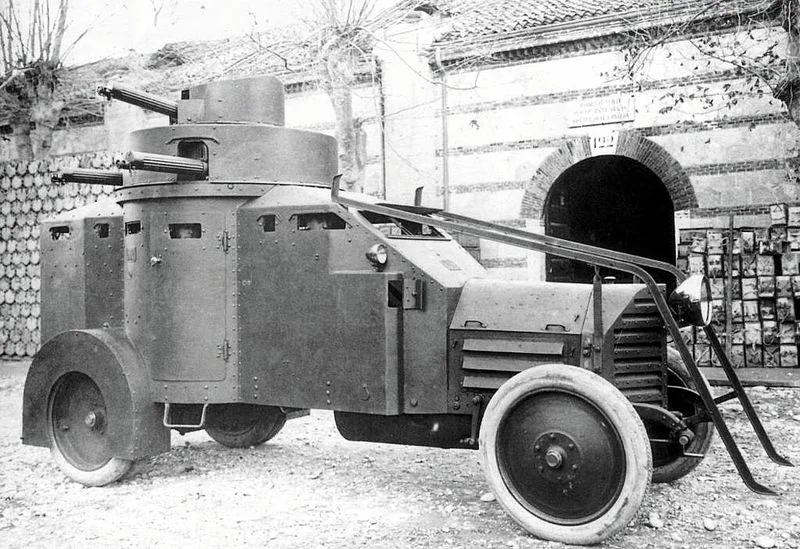
Politically, the inter-war period further complicated reform. The rise of Fascism brought an emphasis on prestige, expansion, and rapid demonstrations of power. Military modernisation became entangled with propaganda. Parades and paper strength mattered more than the slow, expensive work of logistical reform. The army expanded in size, but this expansion diluted training standards and stretched resources even further. Structural weaknesses were obscured by the appearance of strength.
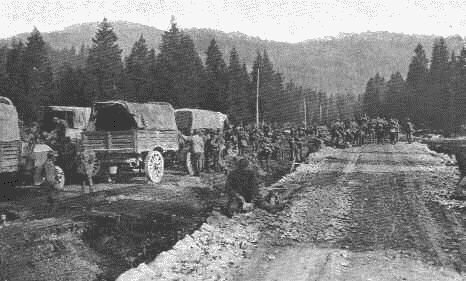
Crucially, there was no single moment of reckoning in the 1920s that forced Italy to confront these issues. Instead, incremental successes in colonial policing and limited interventions seemed to validate existing assumptions. Each small victory postponed the need for fundamental renewal. The Italian Army became competent at fighting the kinds of wars it expected to fight—and increasingly ill-suited for the kind of war that was coming.
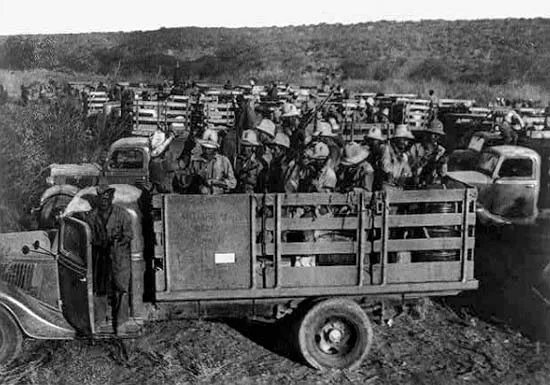
By the end of the 1920s, Italy possessed an army that was experienced, confident, and doctrinally coherent within its own assumptions. It was also an army whose foundations rested on fragile economic and logistical ground. Victory in the First World War had delivered legitimacy, but not transformation. The structures, habits, and compromises established in its aftermath would define Italian military performance for the next two decades—and ultimately shape how the Royal Italian Army entered the Second World War: ambitious, inventive, and fatally constrained.
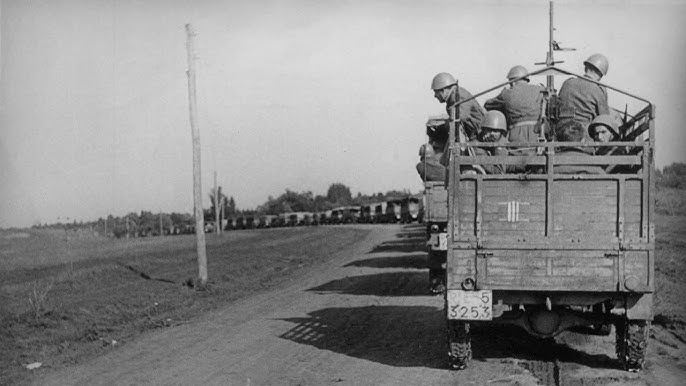
The Inter-War Conflicts: Learning the Wrong Lessons Well
Libya: Mobility as Control (1920–1932)
Among all Italy’s inter-war military experiences, none shaped the institutional mindset of the Regio Esercito more deeply than the long and brutal campaign to “pacify” Libya. Fought intermittently from the end of the First World War until the early 1930s, the Libyan conflict was not a conventional war in the European sense. It was a protracted campaign of colonial control, counter-insurgency, and territorial domination conducted across vast distances, hostile terrain, and minimal infrastructure. The lessons Italy learned there were real, hard-earned, and internally coherent — but they were also dangerously specific.
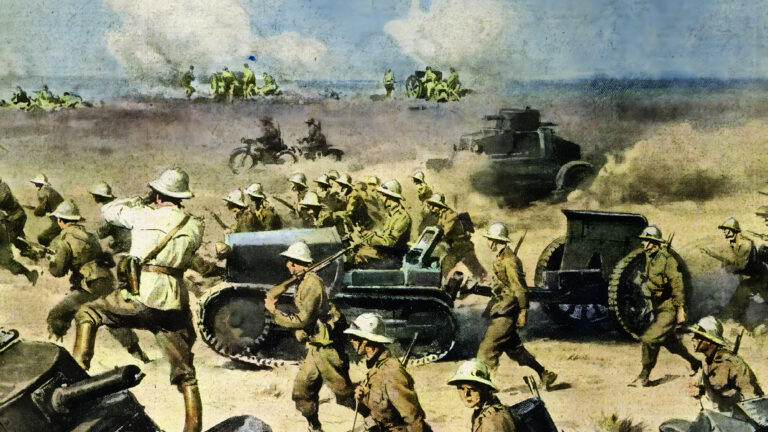
Libya presented Italian forces with a strategic environment unlike anything they had faced in 1915–18. The enemy was irregular, highly mobile, and intimately familiar with the terrain. There were no fixed front lines, no decisive battles of annihilation, and no opportunity for the kind of massed artillery preparation that had characterised the First World War. Instead, success depended on the ability to locate, pursue, and isolate opponents across deserts, scrubland, and mountain regions where roads were poor or non-existent.
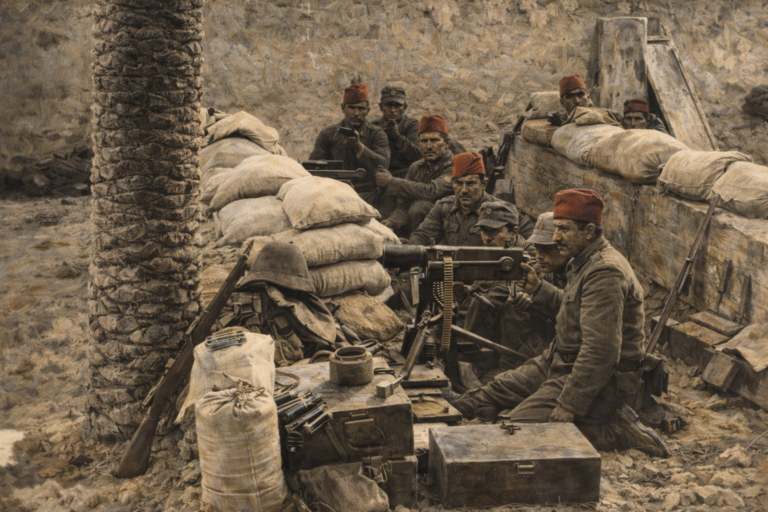
In this environment, mobility became synonymous with control. Infantry marching on foot could not dominate space. Cavalry alone was insufficient. What transformed Italian operations was the increasing use of trucks to move troops rapidly between garrisons, patrol routes, and areas of resistance. Motorised columns allowed Italian commanders to project force far beyond the limits of traditional marching formations. Speed denied insurgents sanctuary; reach made resistance unsustainable.
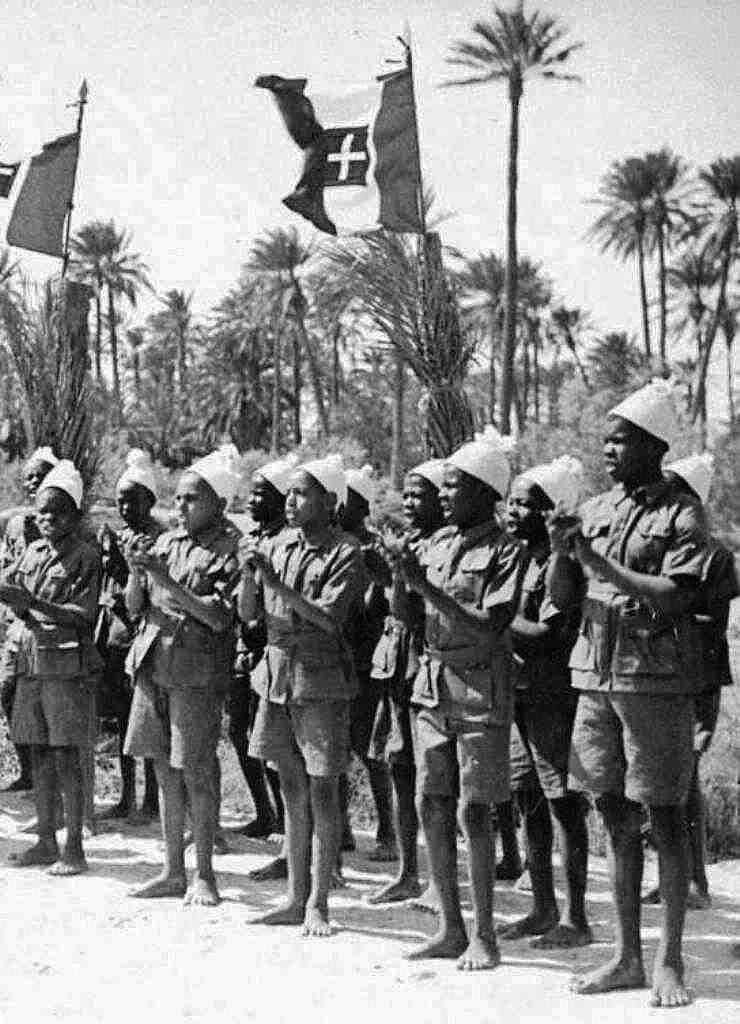
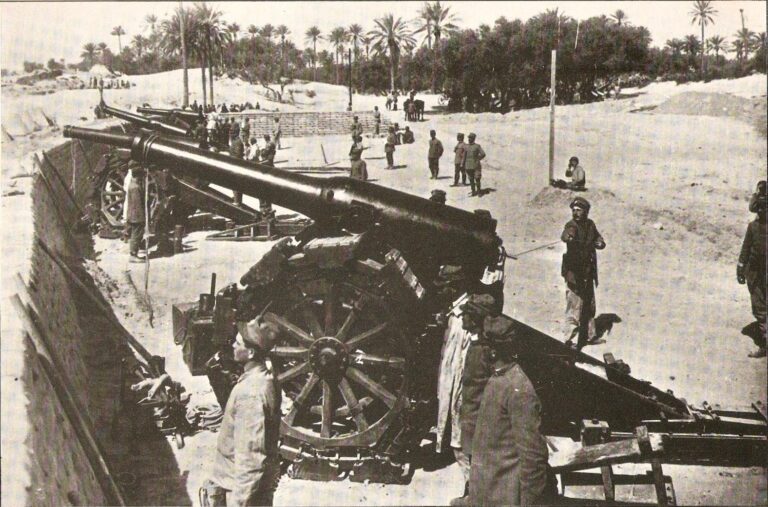
Artillery, too, adapted to this style of warfare. Guns were no longer employed primarily for preparatory bombardment, but as mobile instruments of coercion. Light and medium artillery pieces were deployed in direct fire against fortified positions, villages, and strongpoints. Their presence within mobile columns provided immediate, overwhelming firepower that irregular forces could not match. The psychological effect was often as important as the physical destruction.
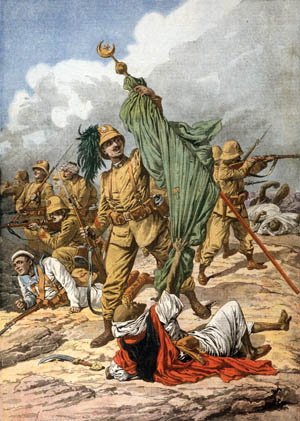
Crucially, armour played little role in Libya. Tanks were ill-suited to the terrain, mechanically fragile, and unnecessary against opponents lacking heavy weapons. This absence reinforced a growing institutional belief: tanks were optional, trucks and guns were essential. Mobility did not require armour; it required reliable vehicles, flexible artillery, and disciplined troops capable of operating far from traditional support structures.
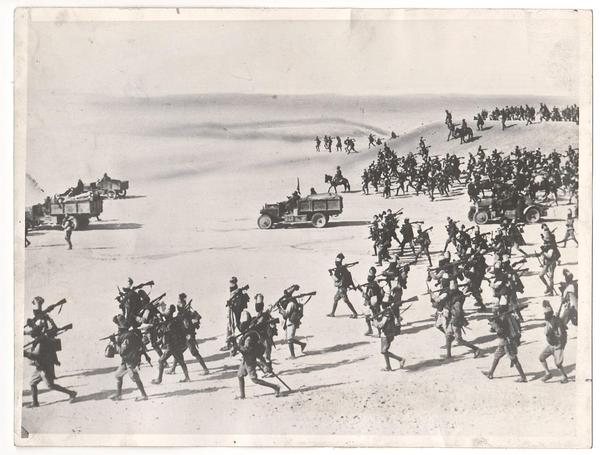
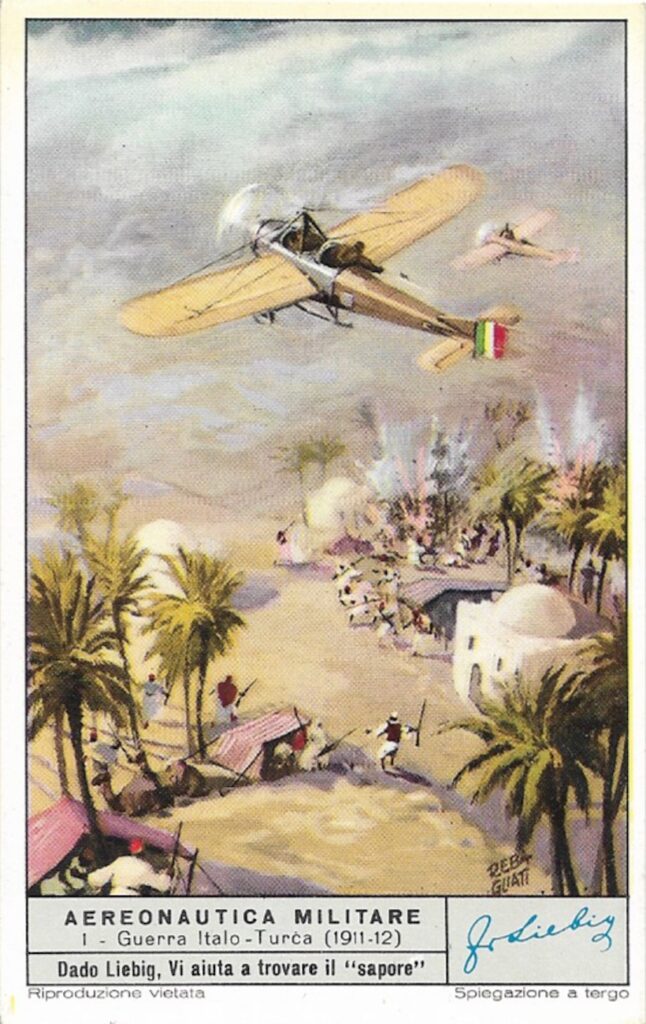
Air power completed the system. Aircraft provided reconnaissance across enormous areas, tracked enemy movement, and delivered punitive strikes with minimal warning. The integration of air reconnaissance with ground columns gave Italian forces a decisive informational advantage. For Italian planners, Libya appeared to demonstrate a modern, integrated model of warfare: trucks for movement, artillery for decision, aircraft for reach.
Yet this apparent success concealed several critical distortions. First, Italian logistics in Libya were heavily centralised and deliberately prioritised. Supplies, fuel, and transport were concentrated to support relatively small forces operating under controlled conditions. There was no enemy capable of disrupting supply lines at scale, no opposing air force, and no requirement to sustain multiple large formations simultaneously. Mobility was achieved not because the system was robust, but because it was protected.
Second, the campaign encouraged a belief that logistics could be improvised locally. Italian columns often lived off pre-positioned depots or requisitioned resources. This fostered a dangerous assumption that mobility could always be generated on demand, without the need for deep, redundant transport structures. The fact that this worked in Libya owed more to the asymmetry of the conflict than to the soundness of the system.
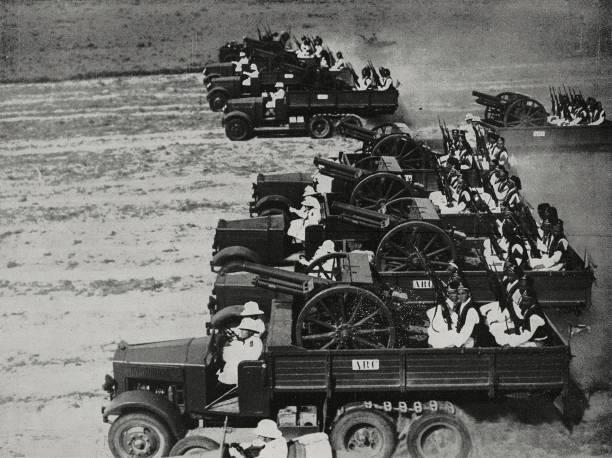
Third, Libya blurred the distinction between operational mobility and strategic mobility. Italian forces became very good at moving within a theatre, but this did not translate into the ability to deploy, sustain, and redeploy large formations across long distances under hostile conditions. The army internalised the idea that movement equalled effectiveness, without fully appreciating the scale at which that movement might later be required.
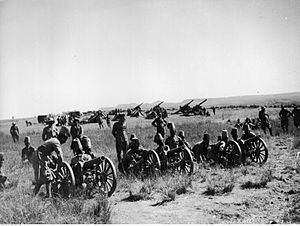
Institutionally, Libya elevated certain arms and marginalised others. Artillery and transport services gained prestige; armour remained peripheral. Officers who succeeded in Libya carried their assumptions forward into senior positions during the 1930s. Their experience was not theoretical — it was practical, proven, and rewarded. As a result, the army did not see itself as avoiding mechanisation; it saw itself as having discovered a more economical alternative.
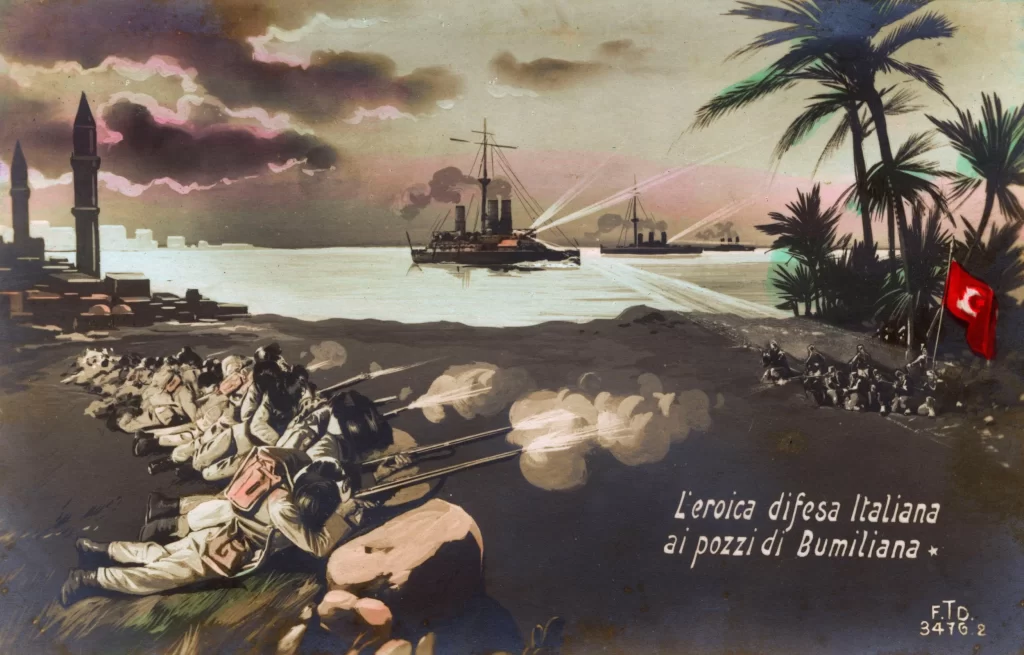
This is where the phrase “learning the wrong lessons well” becomes essential. The Italian Army did not misunderstand Libya. It understood it perfectly — and then generalised those lessons far beyond their valid context. The belief that trucks could substitute for mechanisation, that artillery could dominate without heavy protection, and that air power could compensate for limited depth all had roots in Libyan experience. None of these conclusions were inherently false. They were simply conditional.
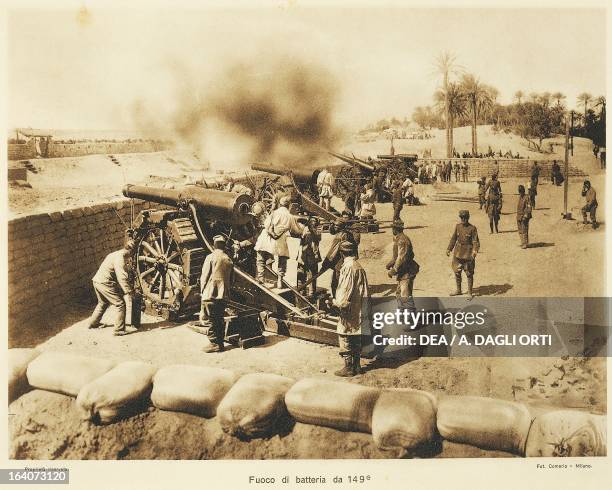
By the early 1930s, Libya had become a foundational myth within the Italian military imagination. It was cited, implicitly and explicitly, as evidence that Italy had solved the problem of modern warfare within its means. What it actually demonstrated was that Italy had mastered a particular form of colonial conflict — one that rewarded speed, firepower, and intimidation, but did not test the limits of logistics, industry, or sustainment.
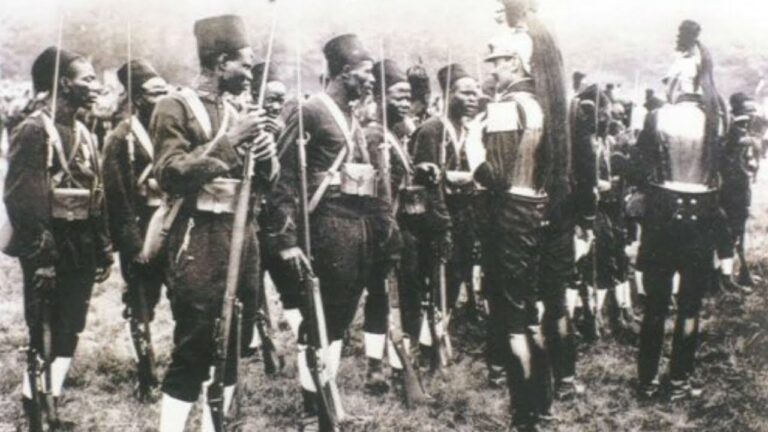
When Italy later attempted to apply these lessons in the Balkans, North Africa, and beyond, the underlying assumptions would be exposed. Libya had taught the Italian Army how to control space. It had not taught it how to sustain mass warfare. That distinction, overlooked in the glow of inter-war success, would prove decisive in the conflicts to come.
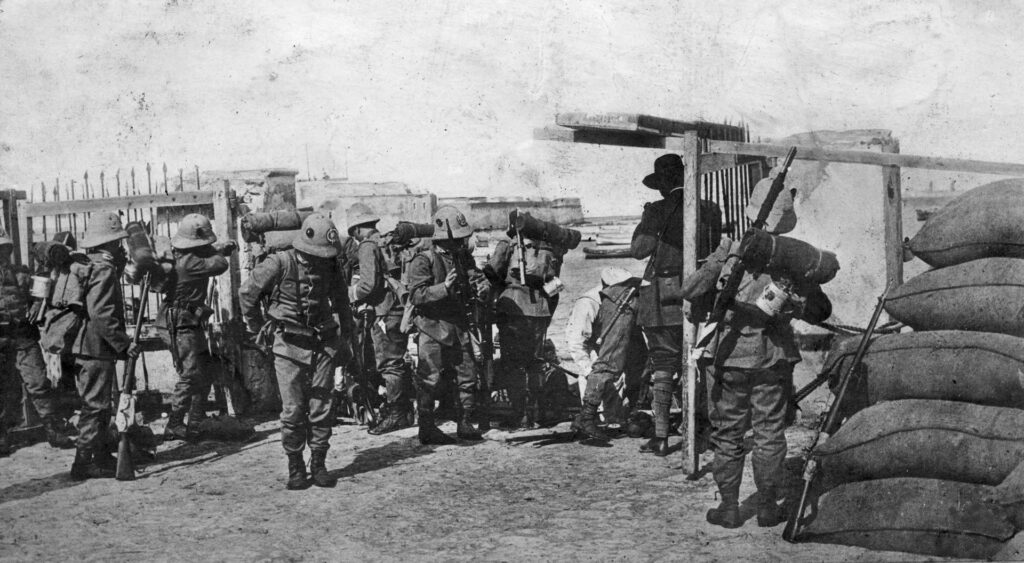
Ethiopia: Artillery Triumphant, Logistics Invisible (1935–1936)
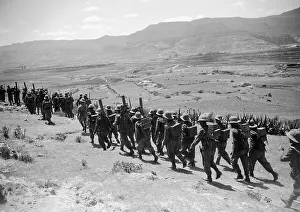
The Ethiopian campaign of 1935–1936 occupies a central place in the institutional memory of the Regio Esercito. More than Libya or Spain, it appeared to offer definitive proof that Italy had found a workable model of modern warfare within its means. The rapid defeat of a numerically large opponent, achieved through the coordinated use of artillery, motorised columns, and air power, seemed to vindicate two decades of doctrinal evolution. Yet Ethiopia also became the most dangerous of teachers. It confirmed Italian assumptions while concealing the structural weaknesses that would later cripple operations against peer opponents.
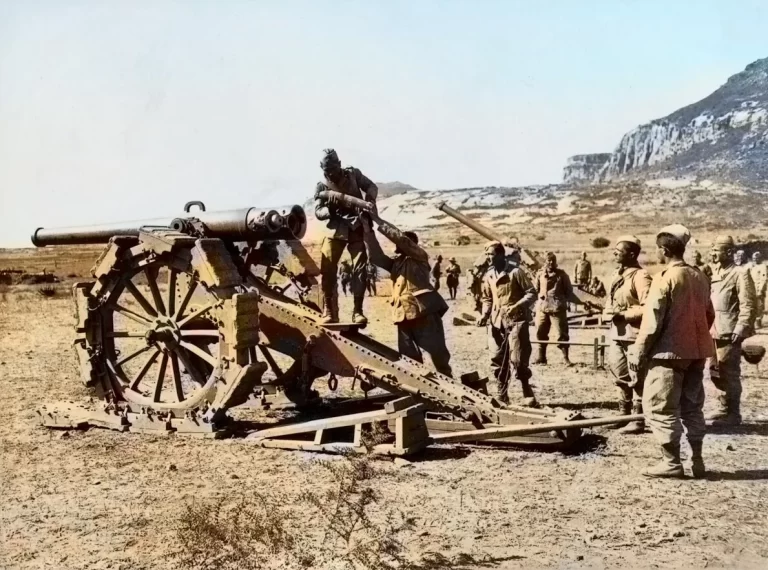
From the outset, Ethiopia was fought as a war of material dominance. Italian planners understood that terrain and distance would complicate operations, but they also recognised that the Ethiopian Army lacked modern artillery, effective logistics, and any meaningful air defence. The solution was straightforward: concentrate firepower, ensure mobility along chosen axes, and use air power to paralyse resistance. In this environment, Italian artillery emerged as the decisive arm.
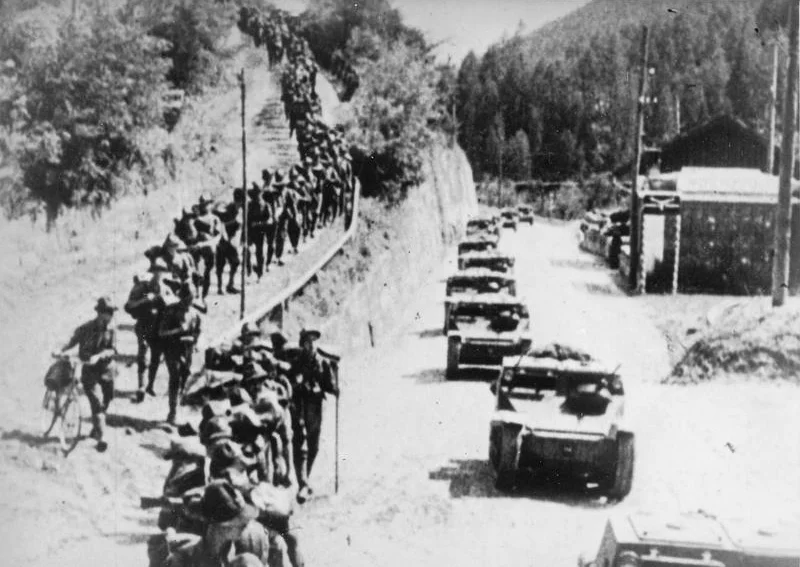
Field guns, heavy howitzers, and mountain artillery were deployed in unprecedented numbers for a colonial war. Artillery preparation preceded advances, shattered defensive positions, and broke up concentrations before they could engage Italian forces. Guns were not merely supporting infantry; they were shaping the battlefield in advance of contact. For Italian gunners and planners alike, Ethiopia confirmed what the First World War had already suggested: artillery won battles.
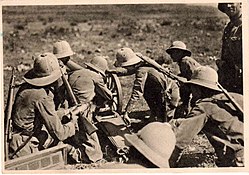
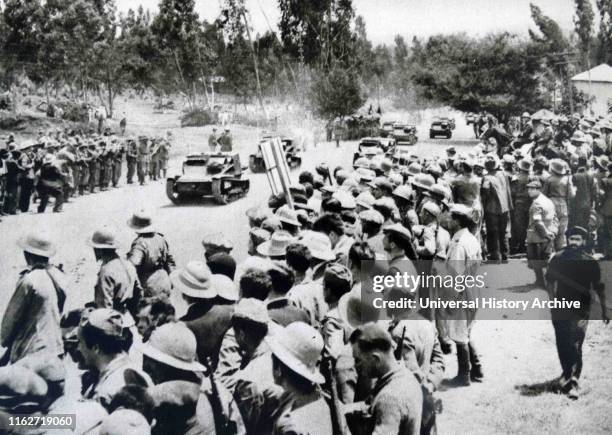
Motor transport played a complementary role. Italian columns advanced along carefully prepared routes, supported by extensive road construction and supply depots established well before the fighting began. Trucks moved troops, ammunition, and guns forward at a pace that would have been impossible in earlier colonial campaigns. To Italian observers, this appeared to demonstrate that trucks could provide operational mobility without the need for heavy mechanisation. Once again, armour played only a marginal role, reinforcing the belief that tanks were secondary to guns and movement.
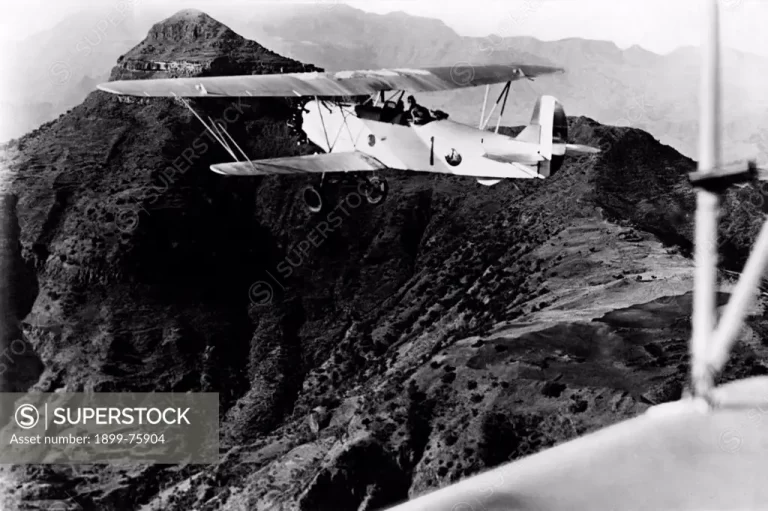
Air power completed the system. Aircraft provided reconnaissance across terrain that would otherwise have been opaque, directed artillery fire, and struck targets beyond the reach of ground forces. With no opposing air force to contest the skies, Italian aircraft operated freely, amplifying the effect of ground firepower and further compressing the Ethiopian ability to respond. The integration of air and artillery seemed seamless, modern, and decisive.
What Ethiopia did not reveal was the true cost of making this system work. Italian success depended on an enormous, carefully controlled logistical effort that was largely invisible to those drawing doctrinal conclusions. Supplies were stockpiled in advance. Transport was prioritised for a single theatre. Routes were secured and protected. There was no enemy capable of disrupting supply lines or interdicting transport. The campaign functioned not because Italian logistics were inherently flexible or resilient, but because they were uncontested and concentrated.
This distinction mattered profoundly. Italian planners took the visible lessons of Ethiopia—firepower dominance, motorised movement, air-ground cooperation—and treated them as universally applicable. The invisible lesson—that such success required overwhelming logistical preparation and favourable strategic conditions—went largely unexamined. Ethiopia became proof of concept without a proper accounting of cost.
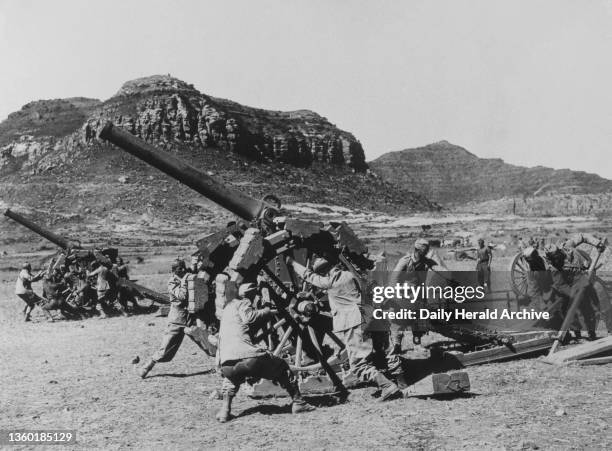
The campaign also reinforced institutional bias against mechanisation. Tanks were present in limited numbers, but they were unnecessary to success. Against an enemy lacking anti-tank weapons, artillery could be used aggressively and trucks could operate with relative impunity. This further entrenched the belief that armour was a luxury rather than a necessity, and that self-propelled or towed guns offered a more economical path to battlefield dominance.
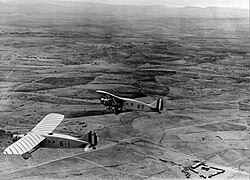
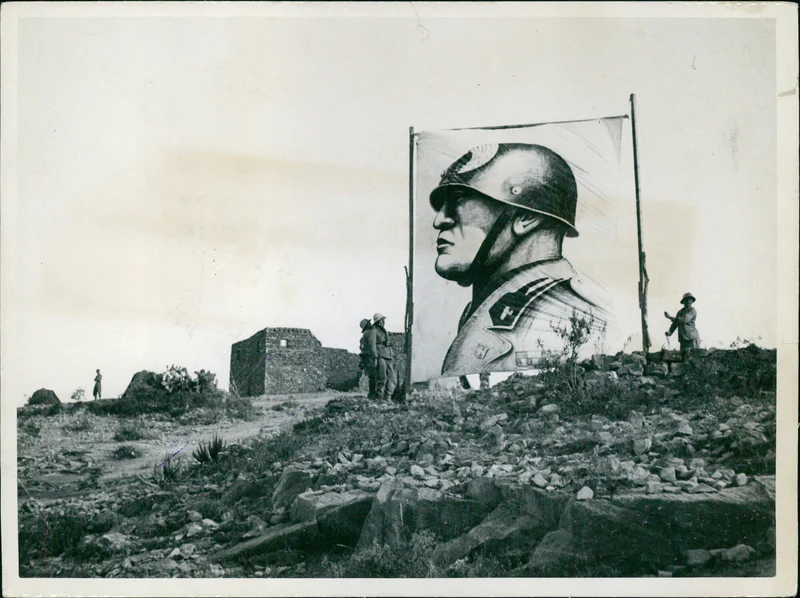
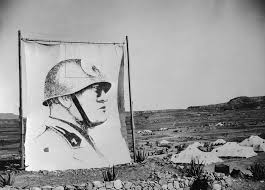
Equally important was the psychological impact of victory. Ethiopia was a politically charged war, intended as a demonstration of Italian strength and modernity. Military success became entwined with national prestige. Questioning the lessons of the campaign risked questioning its symbolic value. As a result, the Italian Army emerged from Ethiopia more confident in its methods and less inclined to scrutinise their limitations.
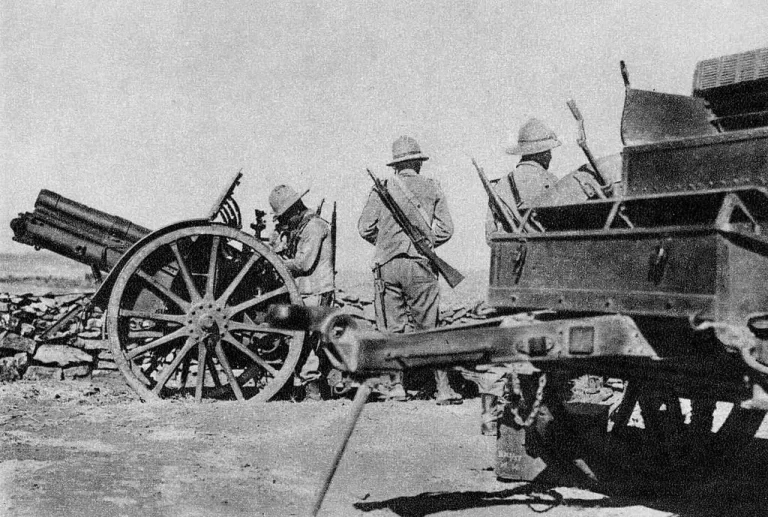
There was also a subtle shift in how Italian officers understood logistics. Because supply in Ethiopia functioned effectively, it was perceived as a solved problem rather than a conditional one. The fact that logistics had been simplified by overwhelming preparation and enemy weakness was obscured by success. Mobility appeared easy; sustainment appeared automatic. This illusion would persist into the late 1930s.
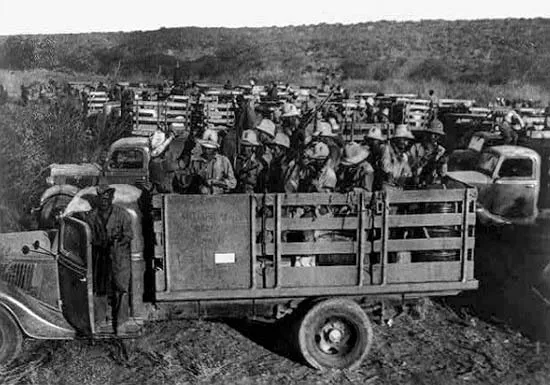
In retrospect, Ethiopia did not teach the Italian Army how to fight a modern industrial war. It taught it how to win decisively under ideal conditions. Artillery had indeed triumphed, but it had done so within a carefully constructed logistical bubble. When Italian forces later attempted to apply the same model in the Balkans or North Africa—without total air superiority, without secure supply lines, and without the ability to concentrate transport—the results were starkly different.
Ethiopia thus stands as a paradox. It was a genuine military success that validated Italian doctrine within its narrow context. At the same time, it entrenched assumptions that would prove fatal when those conditions disappeared. Artillery emerged from the campaign with enhanced prestige; trucks with renewed doctrinal importance. Logistics, meanwhile, remained invisible—taken for granted precisely because it had worked so well. In the years that followed, that invisibility would exact a heavy price.
Spain: Firepower Without Reform (1936–1939)
Italian involvement in the Spanish Civil War between 1936 and 1939 provided the Regio Esercito with its most direct exposure to a modern European battlefield before the outbreak of the Second World War. Unlike Libya or Ethiopia, Spain presented an enemy equipped with artillery, aircraft, and increasingly sophisticated defensive tactics. In theory, this should have forced a critical reassessment of Italian doctrine and equipment. In practice, Spain reinforced existing assumptions while postponing meaningful reform.
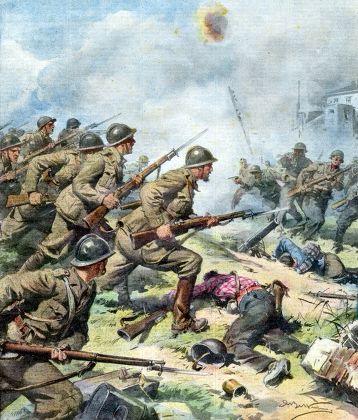
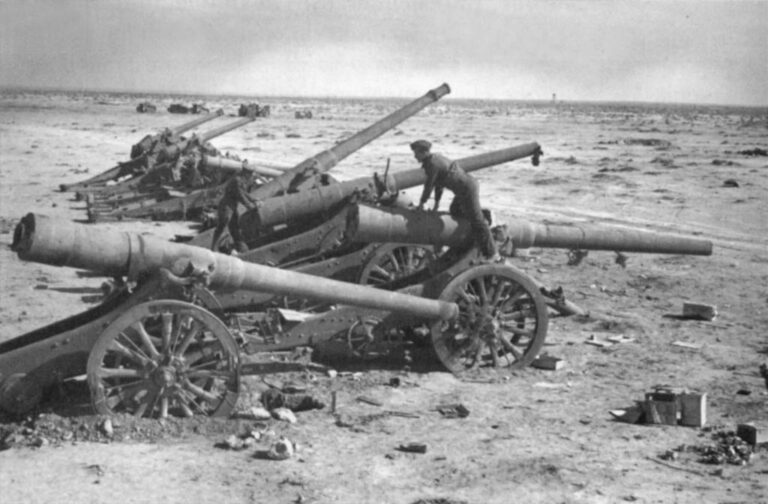
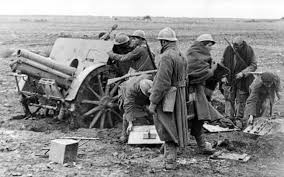
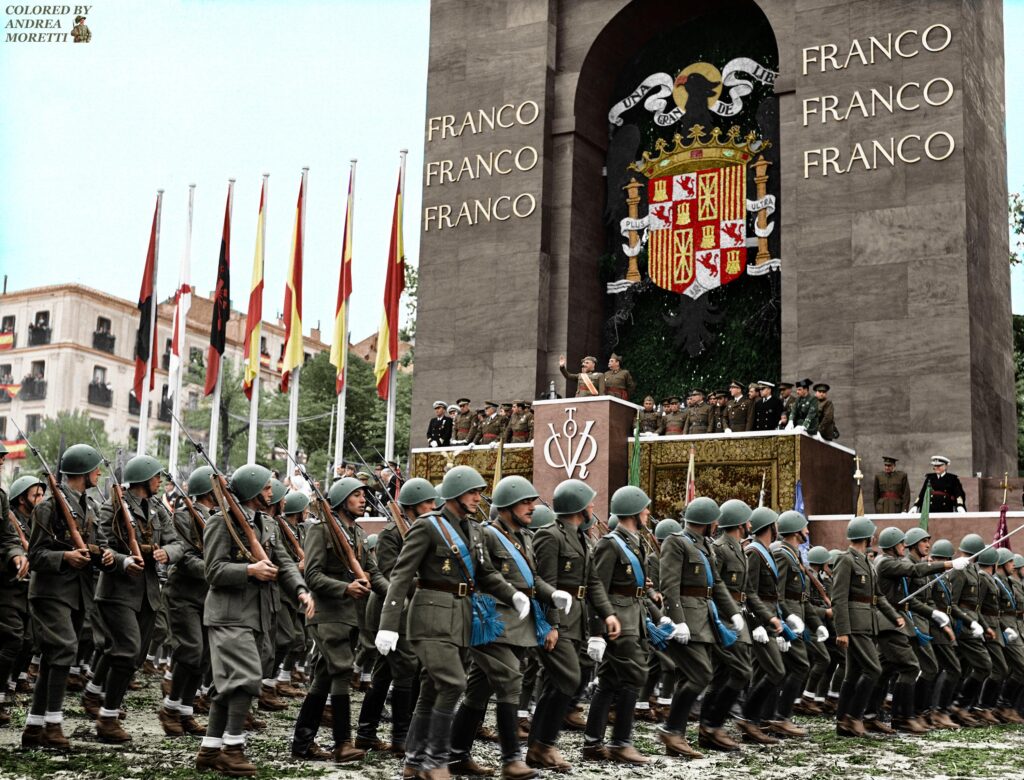
Italy’s expeditionary commitment, primarily through the Corpo Truppe Volontarie, was substantial. Italian forces fought in a variety of operational contexts, from rapid advances to grinding positional battles. Throughout the conflict, Italian artillery proved competent and often effective. Italian gunners were well trained, adaptable, and capable of sustained fire in support of infantry operations. Once again, artillery emerged as the arm in which Italian forces could compete credibly with their contemporaries.
Air power also performed well. Italian aircraft conducted ground-attack, reconnaissance, and interdiction missions that reinforced the army’s belief in close air-ground cooperation. While Italian aircraft were not technologically superior, their operational employment aligned with existing doctrine: air power as a force multiplier rather than an independent strategic arm. To Italian planners, Spain appeared to validate the integration of artillery and aviation developed during the inter-war period.
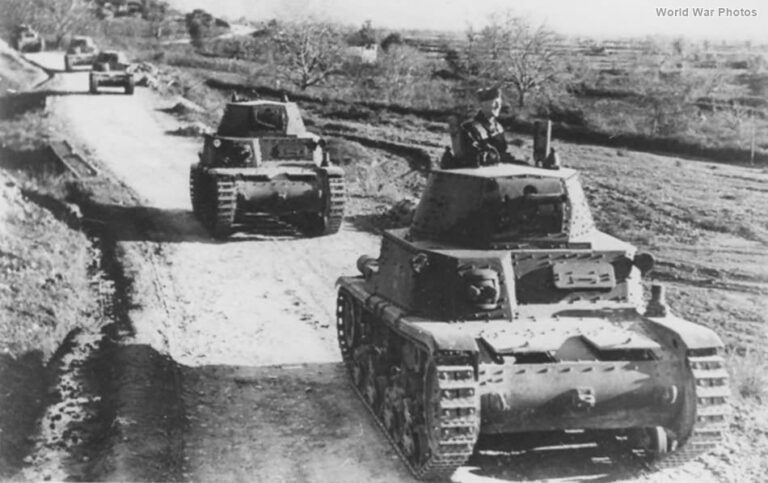
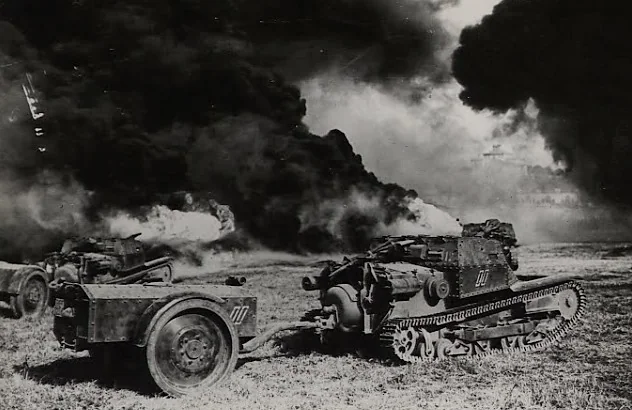
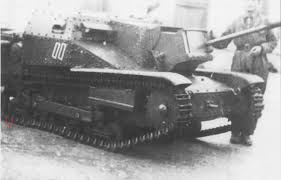
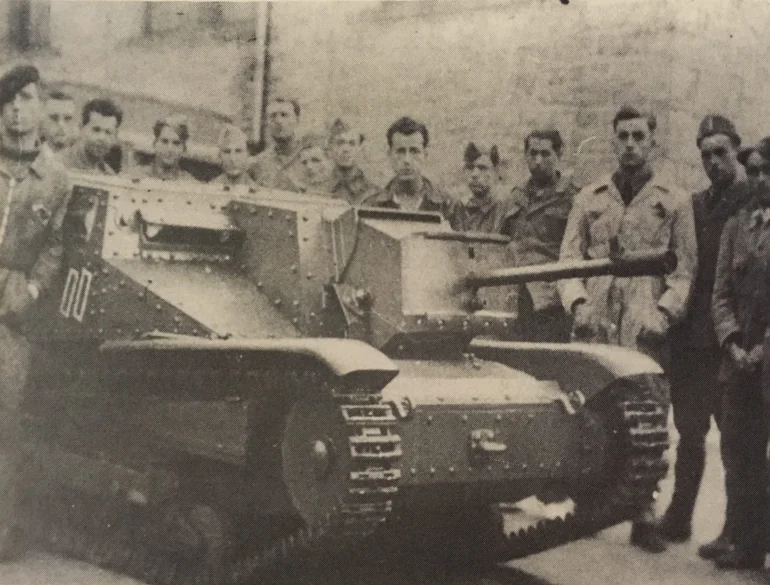
Armour, however, told a different story. Italian tankettes performed poorly when confronted with determined opposition and effective anti-tank measures. Lightly armoured, undergunned, and mechanically fragile, they struggled in roles that required breakthrough or sustained engagement. Italian armoured units suffered losses that highlighted both technical shortcomings and doctrinal confusion regarding the employment of tanks.
This disparity between the relative success of artillery and air power and the shortcomings of armour presented Italy with a critical opportunity for reform. Other powers drew hard conclusions from Spain, reassessing armoured doctrine and accelerating development. Italy did not. Instead, the Italian military establishment largely interpreted armoured failures as confirmation of pre-existing bias: tanks were unreliable, expensive, and of limited value compared to guns.
The result was firepower without reform. Italian planners doubled down on what appeared to work. Artillery remained central; air support remained essential; armour remained secondary. The possibility that armoured forces required different doctrine, better integration, and greater industrial investment was largely dismissed as impractical or unnecessary.
Logistics, once again, escaped serious scrutiny. Italian operations in Spain were limited in scale and heavily supported. Supply lines were short, secure, and largely uncontested. Transport requirements were manageable. As in Ethiopia, the system functioned well enough to obscure its fragility. There was little incentive to interrogate how the army might sustain larger formations over longer distances against a capable opponent.
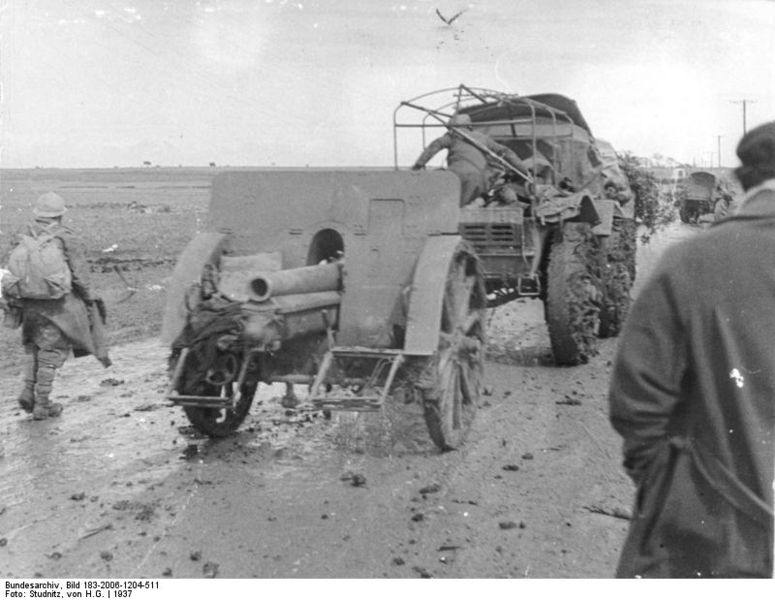
Institutionally, Spain reinforced conservative tendencies within the Italian officer corps. Officers who performed well using artillery-centric methods advanced; those advocating radical change found little support. The conflict became another data point confirming that Italy’s existing approach was adequate — at least under controlled conditions.
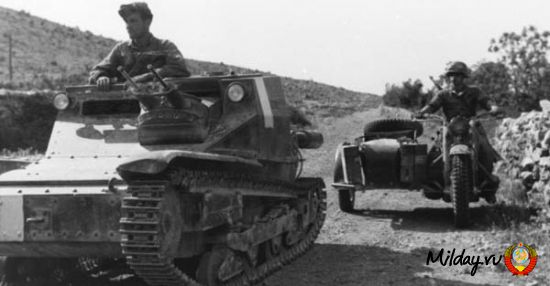
Spain also fostered dangerous complacency regarding combined arms. While Italian forces operated alongside allies, notably German units, the Italian Army did not fully absorb the implications of German armoured doctrine. Differences in equipment and approach were observed, but not systematically analysed. The Italian experience remained self-referential, filtered through existing assumptions rather than used to challenge them.
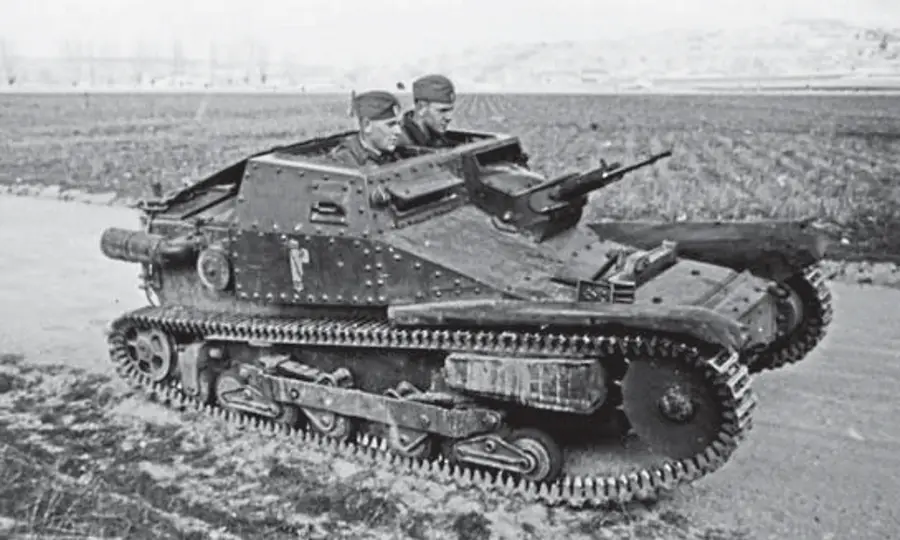
By 1939, the lessons of Spain had been selectively absorbed. Italian planners emerged convinced that they had demonstrated modern competence, while quietly accepting that tanks were not worth pursuing aggressively. This conclusion ignored the fact that Italy’s armoured failures were as much organisational and doctrinal as technical.
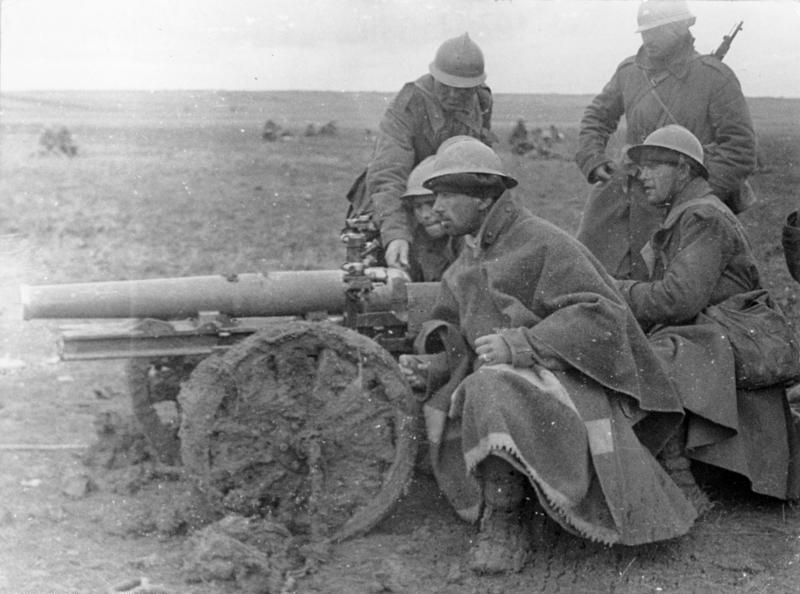
Spain thus stands as a missed opportunity. It exposed weaknesses that could have prompted reform, but instead reinforced the belief that Italy’s strength lay in artillery and air power, not mechanised manoeuvre. When Italy entered the Second World War, it did so with confidence in its firepower — and with its structural weaknesses uncorrected.
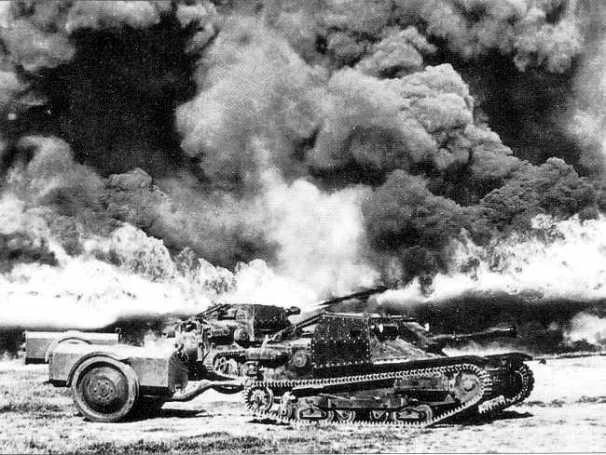
In retrospect, Spain did not show that Italian doctrine was wrong. It showed that it was incomplete. Firepower could achieve local success, but without reform in armour, logistics, and operational depth, it could not deliver decisive results against a modern, industrial opponent. The Italian Army learned this lesson too late, on battlefields where adaptation was no longer optional.
The Second World War: When Assumptions Met Industrial Reality
Doctrine on the Eve of War: The Truck Illusion
By the late 1930s, the Regio Esercito had settled into a doctrinal posture that appeared modern, flexible, and economically rational. On paper, Italian divisions were increasingly motorised. Artillery was plentiful. Vehicles were expected to provide operational reach. Yet beneath this apparent modernity lay a fundamental misconception — what might be called the truck illusion: the belief that possession of trucks, even in limited numbers, could substitute for full mechanisation and deep logistical capacity.
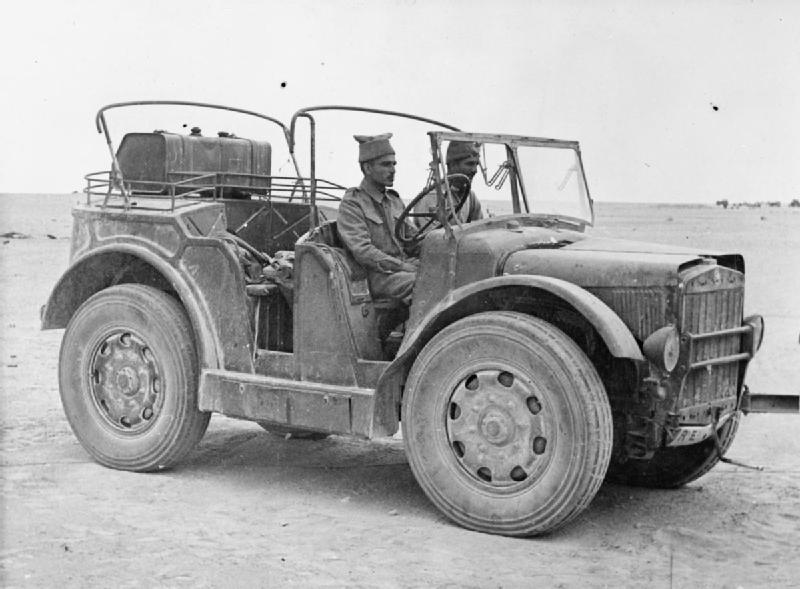
Italian doctrine assumed that future wars would be short, politically constrained, and fought on terrain favourable to rapid movement. This assumption was not abstract optimism; it was rooted in recent experience. Libya, Ethiopia, Spain, and Albania had all reinforced the idea that speed of advance and concentration of firepower could deliver decision before logistical weaknesses became critical. Trucks, in this framework, were the enablers of tempo rather than the backbone of sustainment.
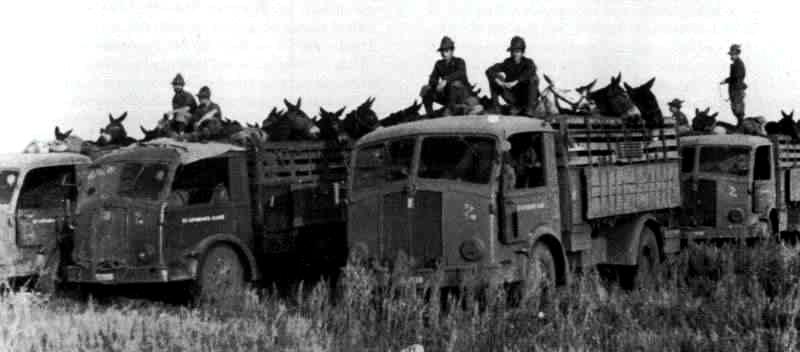
The distinction mattered enormously. Italian planners tended to view motor transport primarily as a means of movement, not as a system requiring scale, redundancy, and protection. Trucks were expected to move troops and guns forward; once contact was made, the battle would be resolved quickly through artillery and air power. The requirement to sustain high-intensity operations over weeks or months was rarely central to planning assumptions.
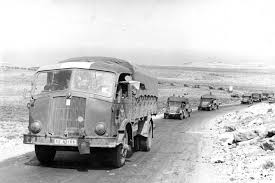
This mindset produced an army that was paradoxically vehicle-dependent yet structurally under-transported. Italy did not lack trucks in an absolute sense. It lacked transport density — the ability to move entire formations, their artillery, ammunition, fuel, and supplies simultaneously. Motor vehicles were frequently concentrated at army or corps level, held as pooled assets to be allocated as needed. Divisions, meanwhile, remained only partially motorised in practice, with front-line units often advancing beyond the reach of their logistical support.
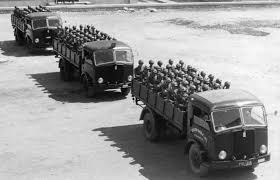
On staff maps and organisational tables, this arrangement appeared efficient. In reality, it created fragility. Movement depended on timing, prioritisation, and favourable conditions. Any disruption — poor weather, enemy interference, infrastructure failure — risked cascading paralysis. The system worked when everything went right. Modern war ensured that it rarely did.
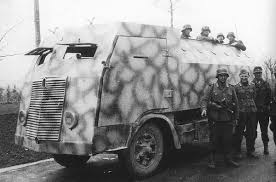
Italian doctrine also underestimated the cumulative demands placed on motor transport. Trucks were expected to perform multiple roles: troop movement, artillery towing, ammunition delivery, and general supply. Maintenance, spare parts, and driver training were persistent bottlenecks. Italy’s limited fuel reserves compounded the problem. Motorisation increased consumption faster than supply could expand, creating a chronic tension between operational ambition and logistical reality.
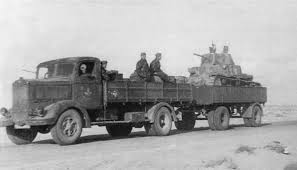
This illusion of mobility was reinforced institutionally. Exercises and manoeuvres were often conducted under idealised conditions, with transport temporarily concentrated and supply problems abstracted away. Success in these controlled environments appeared to validate doctrine. Failures were attributed to execution rather than structure. The deeper question — whether the system itself was scalable — went largely unasked.
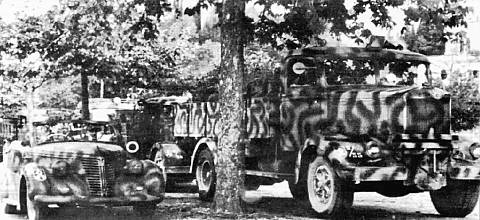
Crucially, Italian doctrine conflated operational speed with strategic mobility. The army became adept at moving columns quickly along prepared routes, but far less capable of sustaining movement across extended distances, multiple axes, or contested terrain. This weakness would prove decisive in precisely the kinds of campaigns Italy undertook in the early years of the war.
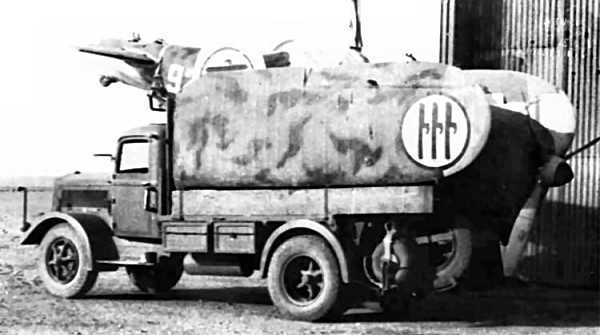
The Balkan campaigns provided the first brutal test. Mountain roads, winter conditions, and inadequate infrastructure exposed the limits of Italian motorisation. Units advanced faster than artillery and supplies could follow. Trucks broke down or were immobilised by terrain. Ammunition shortages constrained firepower. What doctrine had treated as a solved problem — movement — reasserted itself as a primary obstacle.
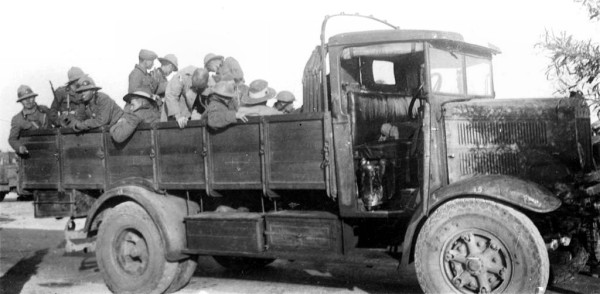
Yet the illusion persisted even as evidence mounted. Rather than prompt a fundamental reassessment, failures were often explained as the result of terrain, weather, or insufficient preparation. The underlying assumption that trucks could replace deeper mechanisation and logistical mass remained intact.
This persistence was not stupidity; it was structural inertia. Italy lacked the industrial capacity to pursue alternative solutions quickly. Acknowledging the inadequacy of the truck-based model would have implied requirements that Italy could not meet — more vehicles, more fuel, more infrastructure, more time. In the face of political pressure and strategic urgency, the army chose to believe that adaptation and improvisation would suffice.
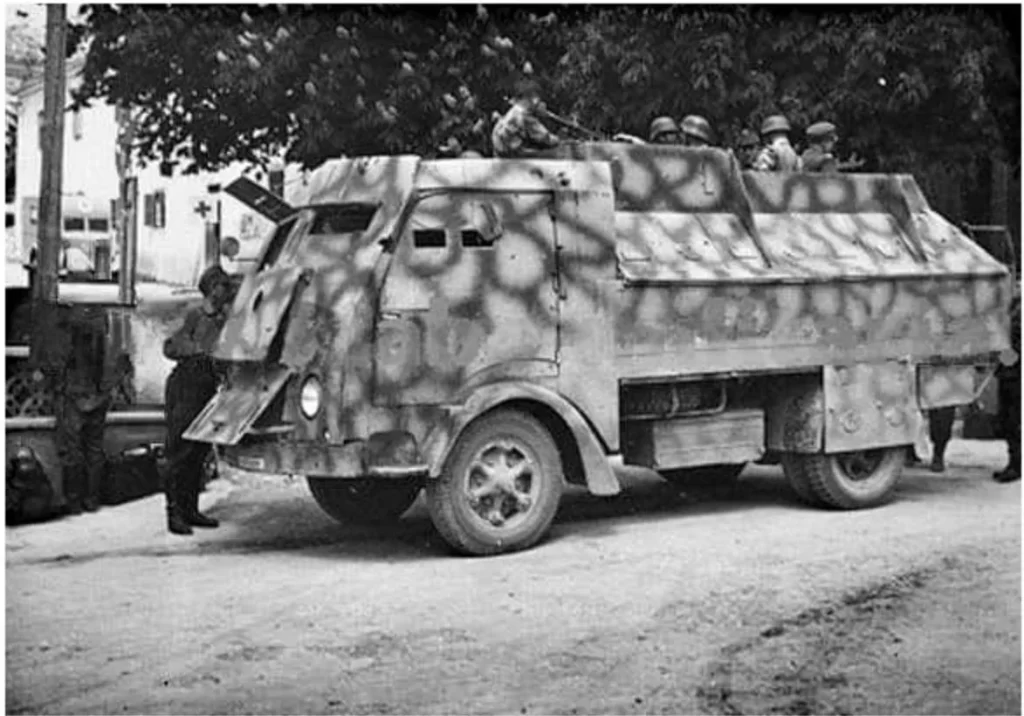
Ironically, this belief was not entirely wrong at the tactical level. Italian units frequently demonstrated remarkable ingenuity, mounting guns on trucks, redistributing transport, and adapting to local conditions. These improvisations, however, masked rather than solved the underlying problem. They extended the life of a flawed system without transforming it.
On the eve of war, the Royal Italian Army thus stood poised between confidence and vulnerability. Its doctrine was coherent, internally consistent, and grounded in experience. It had learned to fight efficiently within constraints. But it had also mistaken conditional success for universal validity. The truck illusion — the belief that limited motor transport could deliver sustained mobility — would shape every major Italian campaign of the Second World War.
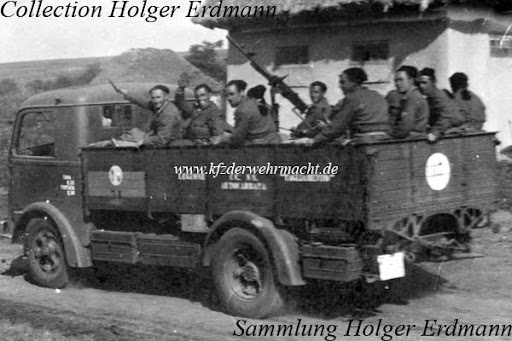
When the illusion collided with the realities of global, industrial conflict, it did not collapse all at once. It eroded gradually, campaign by campaign, road by road, as distance, resistance, and attrition exposed the difference between movement and sustainment. By then, the war Italy was fighting was no longer the war its army had been built to win
The Balkan Campaigns: When Roads Become the Enemy
The Balkan campaigns of 1940–1941 marked the first sustained confrontation between the Regio Esercito and the full consequences of its inter-war assumptions. Nowhere were the limits of Italian doctrine, logistics, and motorisation exposed more starkly than in Greece and Yugoslavia. These campaigns were not pyhrric through a lack of bravery or tactical competence, but through the simple fact that terrain, infrastructure, and distance combined to turn movement itself into the primary adversary. In the Balkans, roads became the enemy.
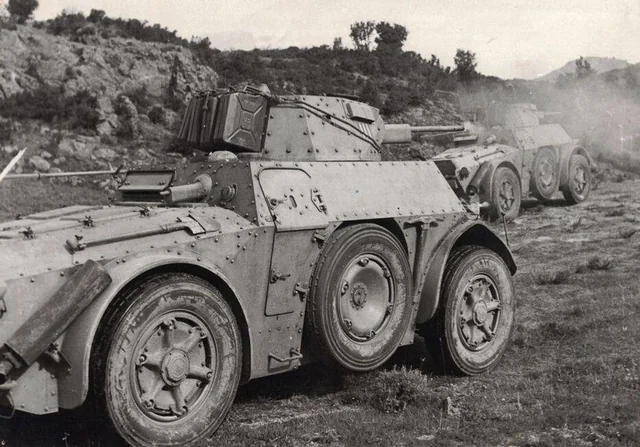
Italian planning for operations in the region rested on familiar assumptions. Advances would be rapid, resistance would collapse under pressure, and artillery-supported infantry could seize objectives before logistical weaknesses became decisive. This logic had held in earlier conflicts. In the Balkans, it failed almost immediately. The terrain was mountainous, the climate unforgiving, and the road network rudimentary, not to mention the phenomenal resistance offered by the Greek army. What appeared on maps as viable axes of advance proved, on the ground, to be narrow tracks barely capable of supporting sustained motor traffic.
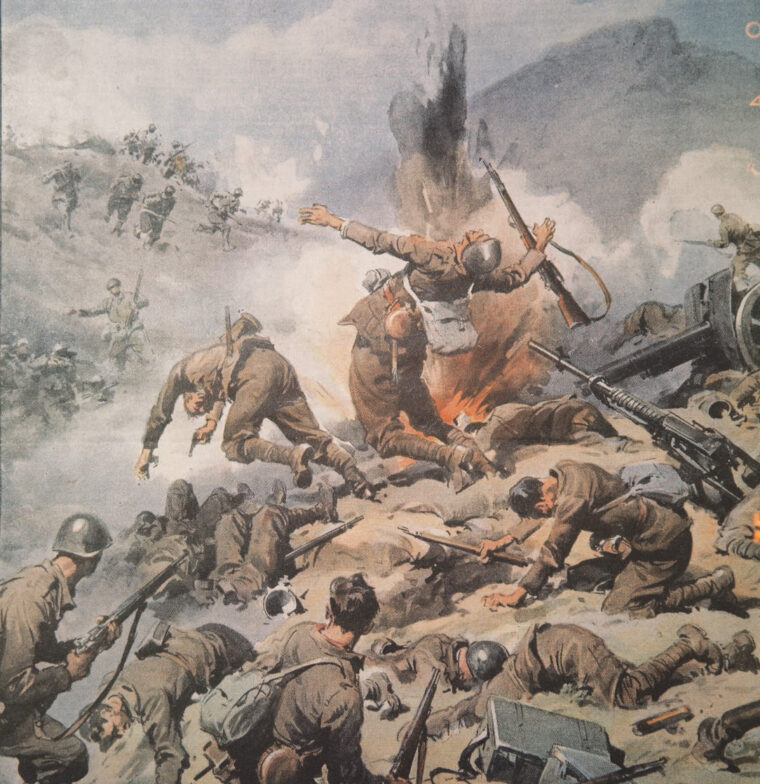
The Greek campaign exposed the problem most brutally. Italian divisions advancing from Albania found themselves constrained by a handful of mountain roads vulnerable to weather and congestion. Rain and snow turned routes into mud or ice. Trucks broke down under strain. Artillery tractors struggled to haul guns up steep gradients. Supplies accumulated at choke points while forward units waited for ammunition, food, and winter clothing. The theoretical mobility of Italian forces dissolved in the face of physical reality.
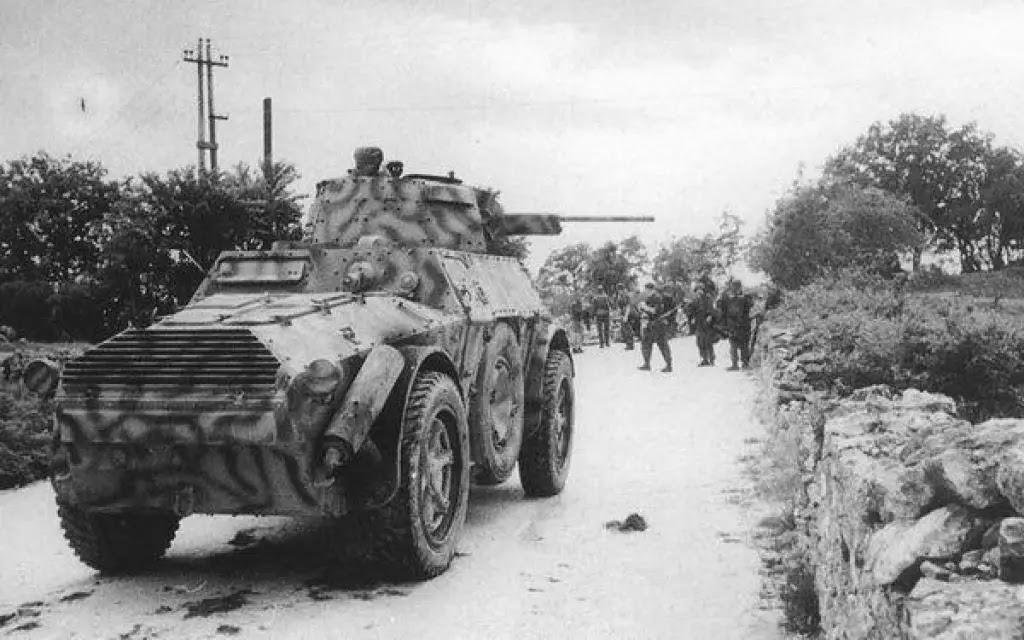
Crucially, the Italian Army’s reliance on trucks magnified the problem. Foot infantry can disperse across terrain; motorised formations cannot. Vehicles require roads, bridges, and maintenance. In the Balkans, each of these became points of failure. The more Italian units depended on transport, the more vulnerable they became to its absence. Movement slowed not because of enemy action alone, but because the infrastructure could not sustain the weight of doctrine.
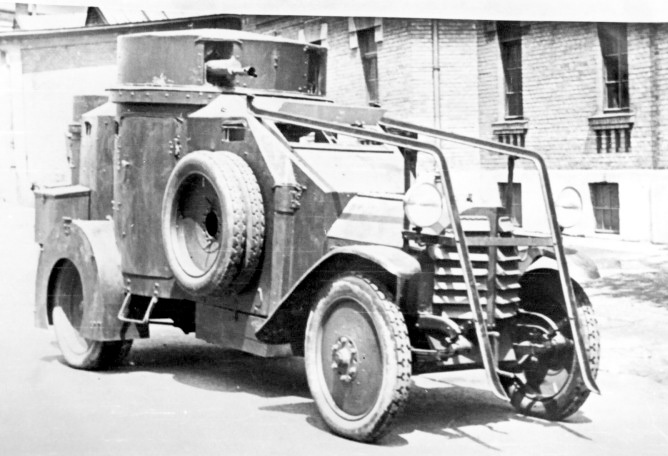
Artillery suffered disproportionately. Italian doctrine depended on guns to shape the battlefield, yet those guns often lagged far behind advancing infantry. Towed pieces required reliable roads and sufficient traction; without them, artillery arrived late or not at all. Ammunition shortages further reduced effectiveness. Infantry units found themselves engaged without the firepower they had been trained to expect, undermining morale and operational coherence.
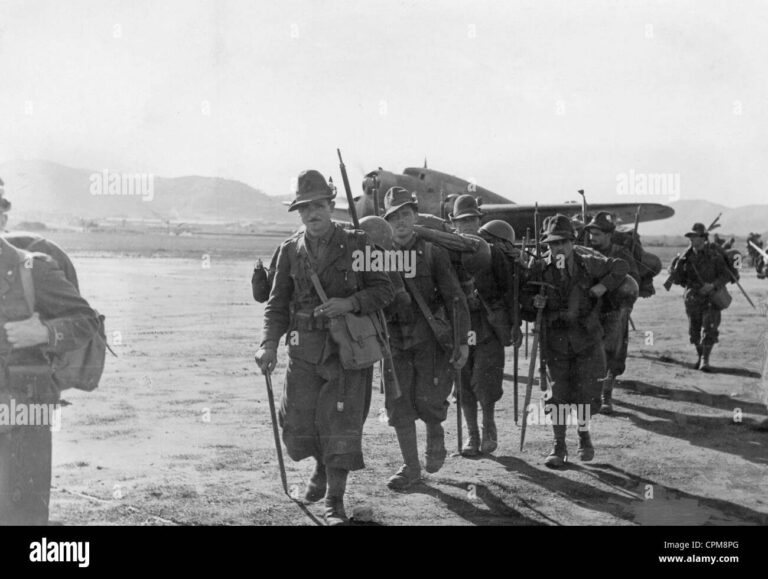
The Yugoslav campaign, though shorter and ultimately successful, reinforced these lessons rather than dispelling them. Rapid political collapse masked logistical difficulties that had been severe but temporary. Italian units again struggled with movement and supply, but the campaign ended before these problems could become decisive. This outcome risked reinforcing dangerous illusions: that logistical failure could be outrun by operational speed.
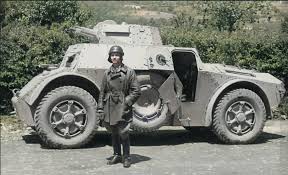
What the Balkans revealed was not simply a shortage of trucks, but a structural mismatch between doctrine and geography. Italian planning had assumed favourable terrain and manageable distances. The Balkans offered neither. Roads were not merely conduits for movement; they were constraints that shaped every aspect of operations. Control of a road meant control of movement. Loss of a road meant paralysis.
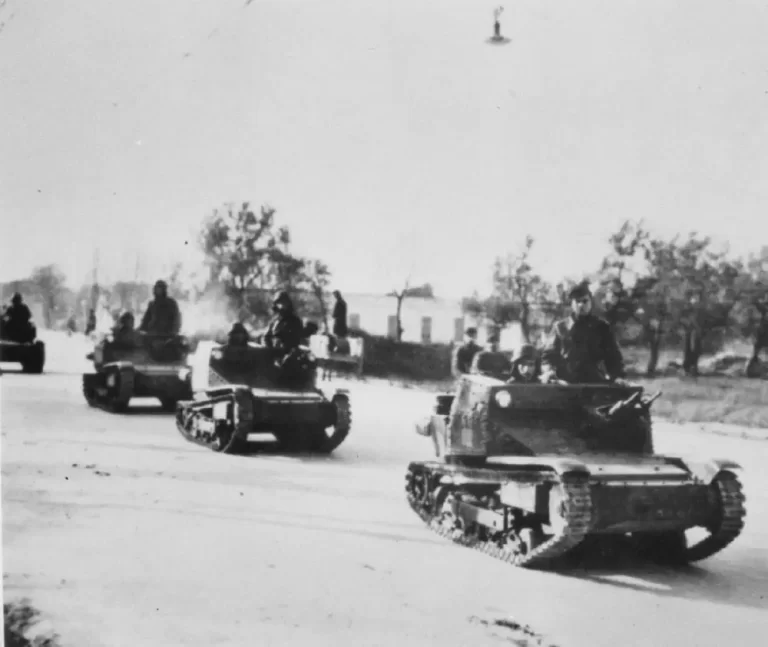
Italian improvisation mitigated but did not solve the problem. Units redistributed transport, prioritised key routes, and adapted artillery deployment. Yet these measures could not overcome the fundamental limitation: there were too few vehicles, operating on infrastructure never designed to support sustained mechanised traffic. Every kilometre advanced increased strain on the system.
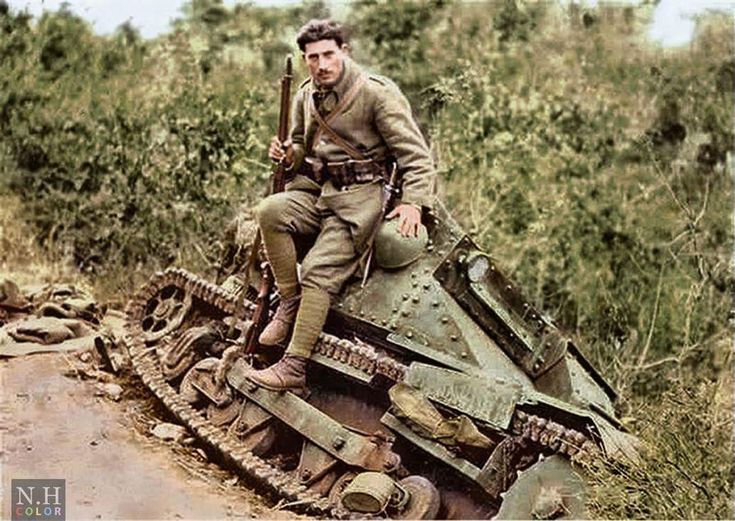
The Balkan campaigns also exposed weaknesses in command and coordination. Centralised control of transport assets meant that front-line commanders often lacked the autonomy to adapt rapidly to changing conditions. Requests for vehicles, fuel, or ammunition moved slowly through bureaucratic channels already under strain. Delays compounded delays, creating feedback loops of inefficiency.
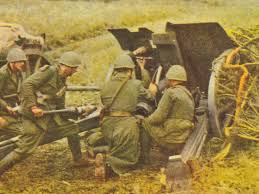
Perhaps most damaging was the psychological effect. Italian units entered the Balkans expecting mobility and found immobility. The gap between doctrine and experience eroded confidence. Soldiers trained to rely on artillery and resupply found themselves isolated, cold, and undersupported. The enemy, terrain, and weather combined to produce a sense of helplessness that no amount of tactical skill could fully counter.
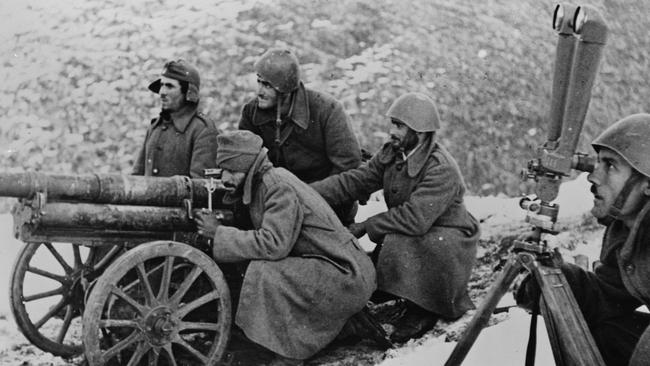
In retrospect, the Balkan campaigns represented the first undeniable warning that the Italian way of war had reached its limits. They demonstrated that trucks could not conjure mobility where roads did not exist, and that artillery could not dominate if it could not arrive. They showed that improvisation, while admirable, could not substitute for structural capacity.
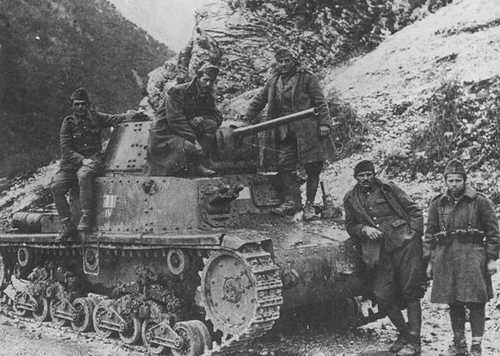
Yet even here, the lessons were not fully absorbed. The Balkans were treated as an unfortunate exception rather than a systemic indictment. Attention shifted to North Africa, where open terrain seemed more forgiving. There, Italian doctrine would find new expression — and new challenges — in a different environment.
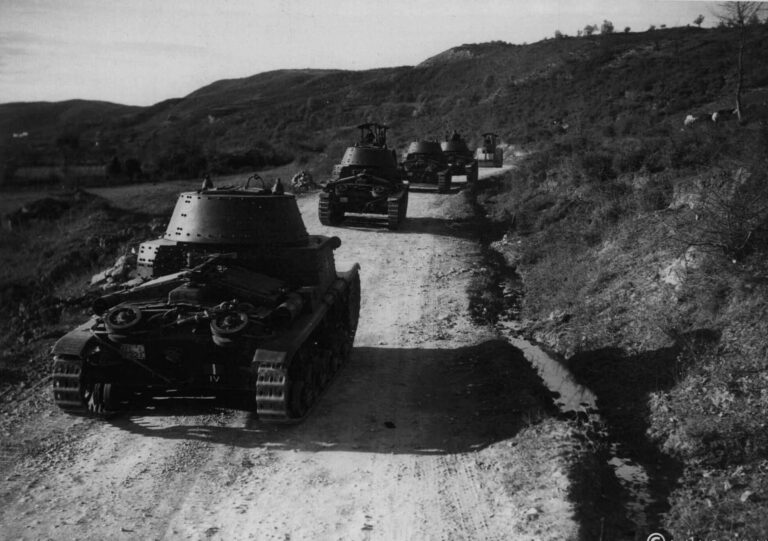
The Balkans thus stand as a turning point. They revealed the fatal vulnerability of an army built on movement without sustainment. When roads became the enemy, the Italian Army discovered that modern war was not only about how fast one could advance, but about how reliably one could follow.
North Africa: Improvisation as Doctrine Fulfilled
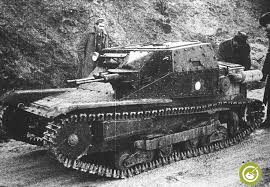
If the Balkan campaigns exposed the limits of Italian doctrine, North Africa revealed its inner logic. In the deserts of Libya and Egypt, the Regio Esercito fought on terrain that both punished weakness and rewarded adaptation. Vast distances, sparse infrastructure, and extreme conditions stripped warfare down to essentials. Here, the Italian Army’s long-standing emphasis on mobility, firepower, and improvisation was not an abstract theory but a daily necessity. North Africa did not invalidate Italian doctrine; it forced it into its most explicit and revealing form.
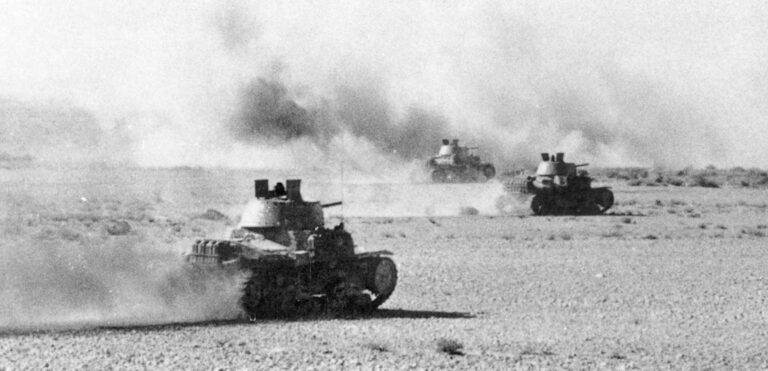
The desert environment imposed brutal constraints. Roads were few and fragile. Railheads were distant. Every litre of fuel, every artillery shell, every spare part had to be transported hundreds of kilometres across hostile terrain. In this context, the Italian Army’s chronic shortage of transport capacity became inescapable. Divisions could not be fully motorised, supply lines were stretched to breaking point, and the margin for error was minimal. Yet it was precisely under these conditions that Italian forces demonstrated their greatest ingenuity.
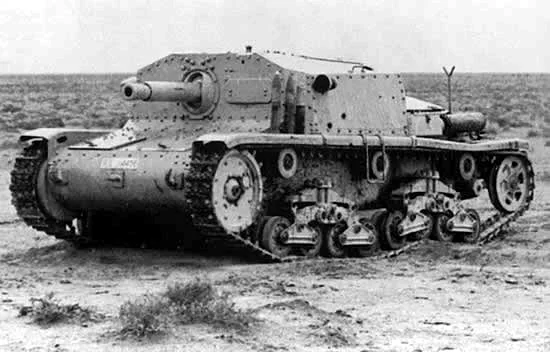
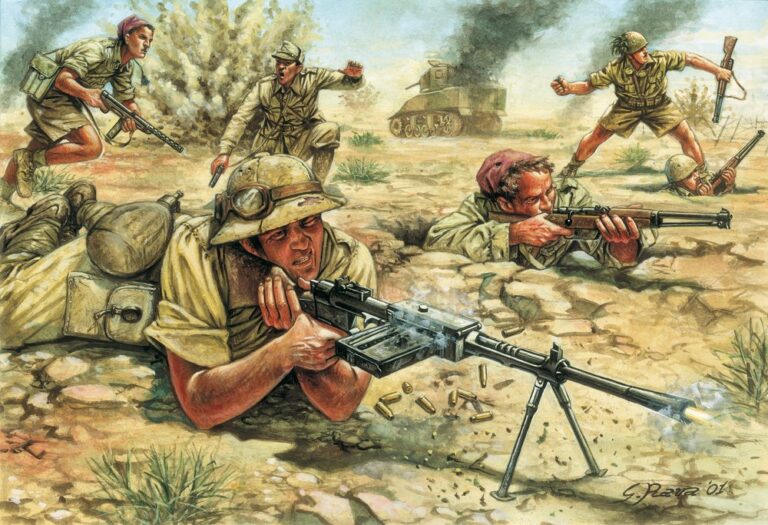
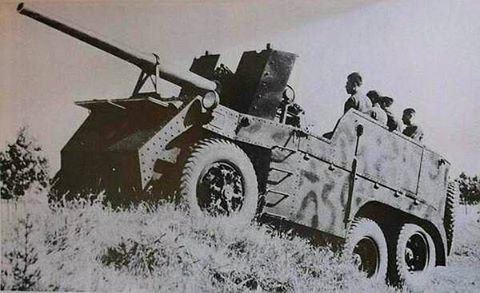
Improvisation became not a sign of desperation, but a doctrinal reflex. Italian units adapted vehicles to roles they had not been formally designed to fill. Artillery pieces were mounted directly onto truck beds to create mobile firepower that could keep pace with advancing or retreating forces. These guntrucks reduced the need for towing, simplified deployment, and allowed guns to be brought into action rapidly. In an environment where time and distance were lethal, this mattered enormously.
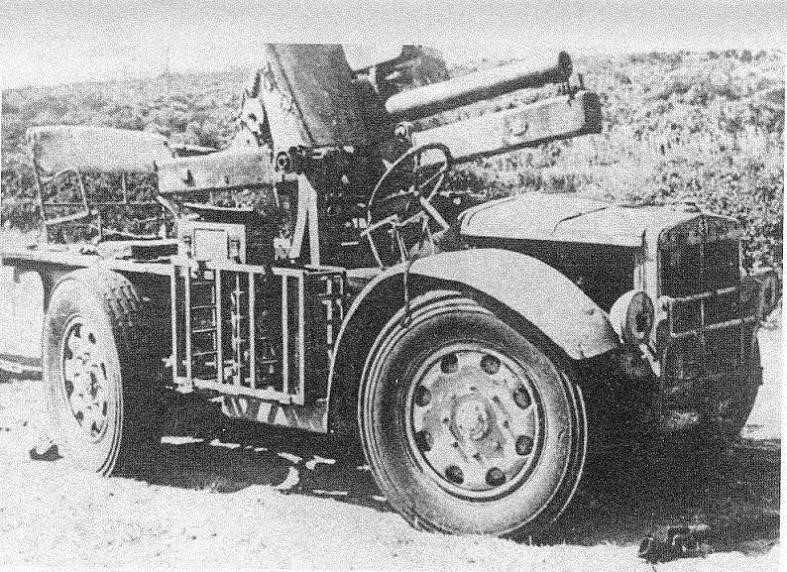
Such adaptations were consistent with Italian thinking. Firepower remained central. Protection was secondary. A gun that could be moved, deployed, and redeployed quickly was more valuable than one encumbered by weight and complexity. These mobile artillery platforms reflected the Italian belief that decisive effect came from concentrated fire at the right moment, not from prolonged armoured engagement.
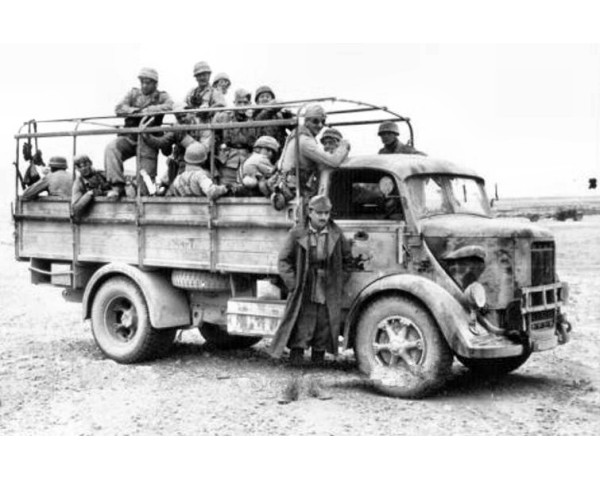
Artillery itself retained its primacy. Italian gunners, often operating under severe supply constraints, continued to play a critical role in shaping engagements. Field guns, anti-tank pieces, and anti-aircraft weapons were employed flexibly, sometimes in roles for which they had not been originally intended. This adaptability was not accidental; it was the product of an institutional culture that had long privileged the gunner’s art.
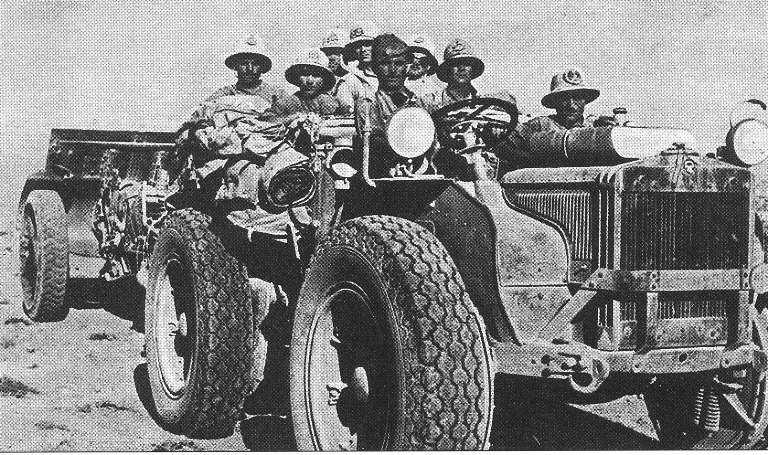
Logistics, however, remained the limiting factor. Every improvisation was a response to scarcity. Fuel shortages dictated tempo. Ammunition availability shaped tactics. Vehicles were driven hard, often beyond their designed limits, because there was no alternative. Maintenance was improvised in the field, with crews cannibalising damaged vehicles to keep others running. The desert magnified the consequences of wear and neglect, but it also rewarded mechanical simplicity — an area where many Italian vehicles performed better than their reputation suggests.
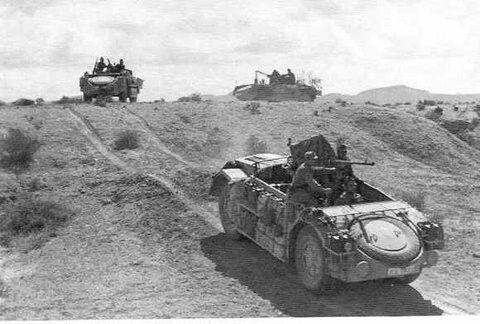
North Africa also highlighted the integration of air and ground forces. The open desert provided ideal conditions for reconnaissance and close air support. Italian aircraft worked closely with ground units, identifying enemy movements and supporting attacks. While Allied air superiority would later erode this advantage, in the early phases Italian air-ground cooperation aligned closely with doctrine developed during the inter-war period.
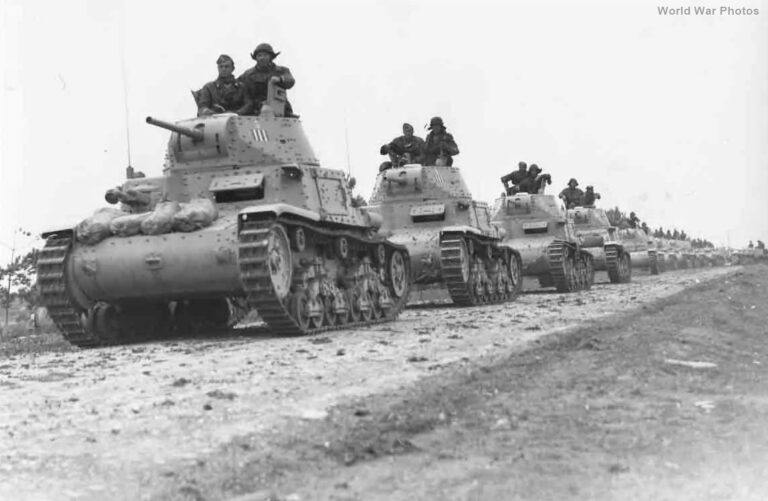
Yet improvisation could not compensate indefinitely for structural deficiencies. Italian formations remained vulnerable to disruption of supply lines. The reliance on limited transport meant that losses or breakdowns had outsized effects. When Allied forces achieved operational mobility supported by superior logistics, Italian units struggled to respond. The desert punished not only mistakes, but insufficiency.
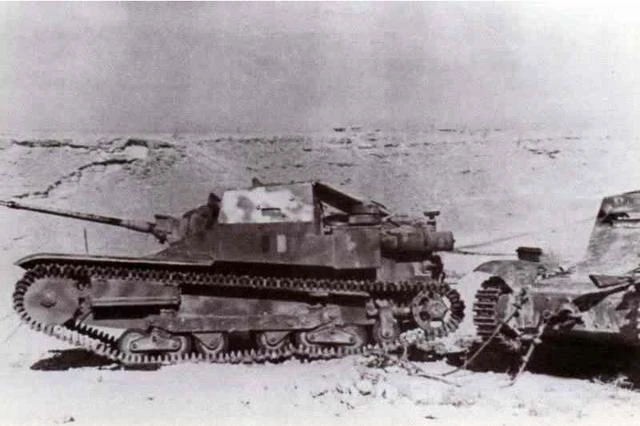
Still, it is important to recognise what North Africa demonstrates about Italian doctrine. The Italian Army did not fail because it lacked ideas. It failed because it attempted to execute a coherent but fragile system under conditions of escalating intensity and against opponents with greater industrial depth. Improvisation extended the life of that system. It did not transform it.
In many ways, North Africa represents Italian doctrine fulfilled rather than abandoned. Trucks, guns, and aircraft worked together as intended. Mobility was pursued relentlessly. Firepower remained the decisive tool. What changed was the scale of the challenge. The distances were greater, the enemy stronger, and the margin for error vanishingly small.
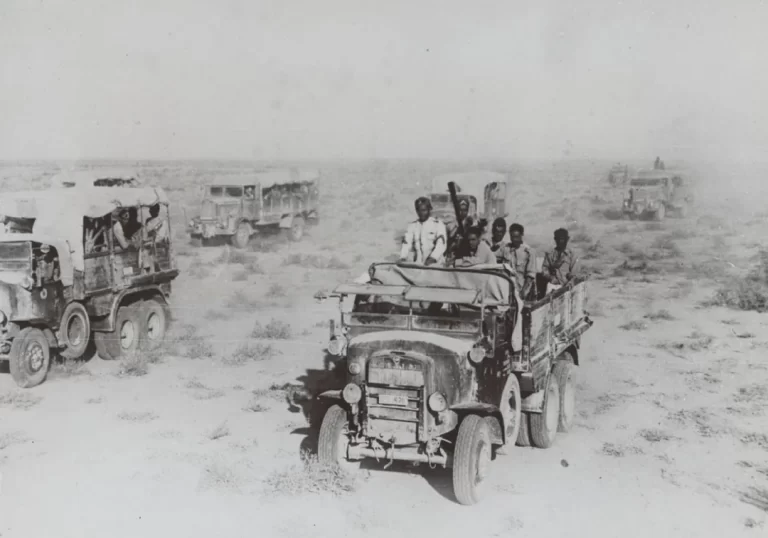
For historians, modellers, and wargamers, North Africa is where Italian forces come into their own conceptually. It is the theatre where Italian vehicles and artillery are most distinctive, where improvisation becomes visible and meaningful, and where doctrine is expressed in steel and dust. Guntrucks, towed artillery, and mixed columns are not anomalies here; they are the natural expression of an army fighting as it was built to fight.
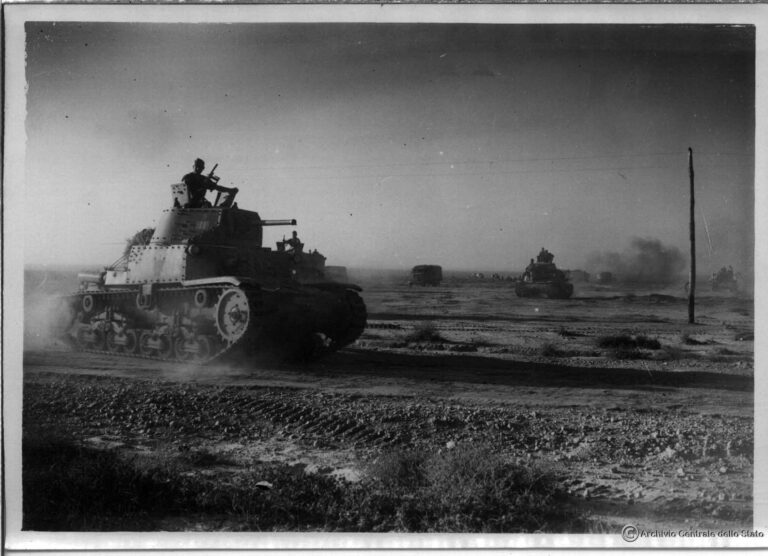
Ultimately, North Africa shows both the strengths and limits of the Italian way of war. It reveals an army capable of remarkable adaptation under pressure, yet constrained by decisions made long before the first shot was fired. Improvisation carried Italian forces further than theory alone ever could. But against an enemy able to sustain pressure indefinitely, even the most ingenious adaptations could only delay the inevitable.
The Eastern Front: Distance Breaks the System
The deployment of Italian forces to the Eastern Front represented the ultimate stress test for the Regio Esercito. Unlike Libya, Ethiopia, Spain, or even the Balkans, the war against the Soviet Union confronted Italy with a scale of distance, climate, and industrial intensity that no amount of improvisation could fully overcome. If North Africa had stretched the Italian system to its limits, the Eastern Front broke it outright. Here, the contradictions embedded in Italian doctrine since the inter-war period were no longer manageable. They became fatal.
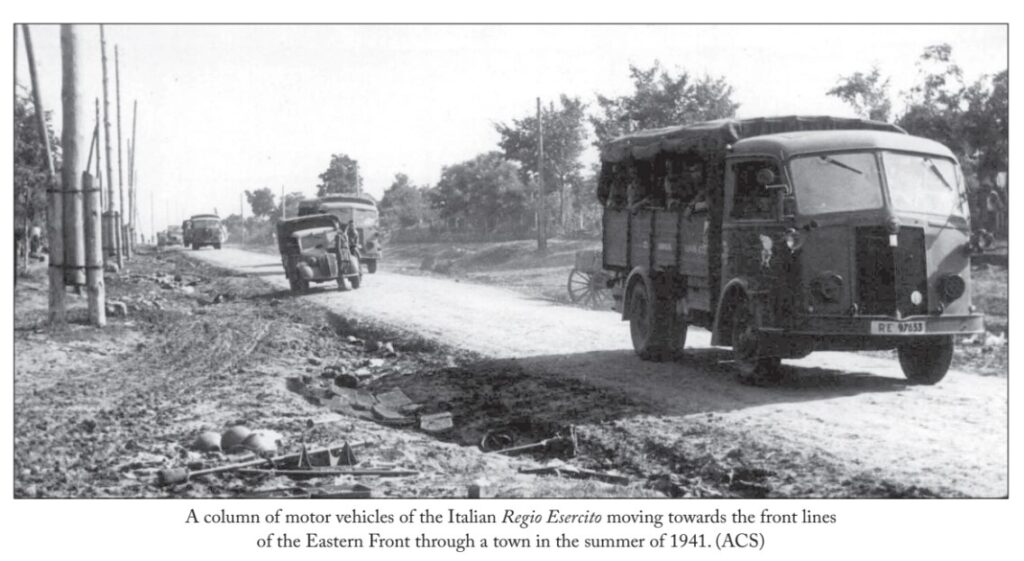
Italy entered the eastern campaign not as a primary belligerent, but as a committed ally seeking political legitimacy and strategic relevance. The initial Italian expeditionary force (CSIR), and later the expanded Italian Army (ARMIR) in Russia, was deployed over immense distances that dwarfed anything Italian planners had previously faced. Roads were poor or non-existent, rail infrastructure was overstretched, and the sheer scale of the theatre imposed demands that Italy’s truck-based model of mobility was never designed to meet.
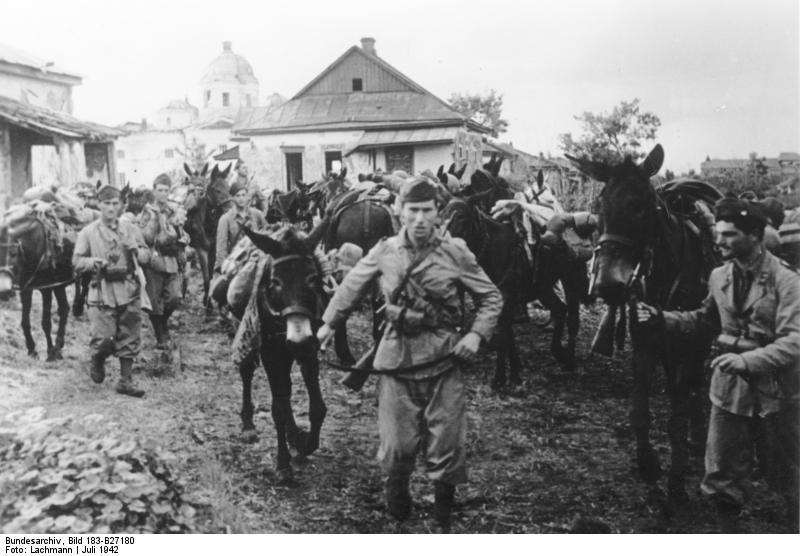
From the outset, distance dictated everything. Italian formations were expected to advance, hold ground, and redeploy across hundreds of miles of open terrain. Supply lines lengthened rapidly, often faster than organisational structures could adapt. Trucks that had functioned adequately in the Mediterranean now faced brutal operating conditions: primitive roads, dust in summer, mud in autumn, and catastrophic cold in winter. Mechanical wear accelerated. Breakdowns multiplied. Recovery and repair facilities were inadequate for the volume of failures.
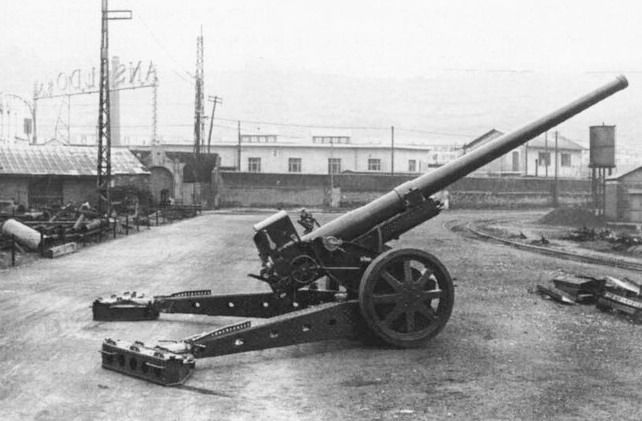
Artillery, once again the backbone of Italian doctrine, suffered disproportionately. Guns could dominate tactically, but only if they could be supplied and repositioned. On the Eastern Front, towing artillery over long distances consumed vehicles, fuel, and time at an unsustainable rate. Ammunition shortages became chronic. Italian gunners often found themselves rationing fire, a crippling constraint for an army whose entire tactical philosophy depended on concentrated artillery support.
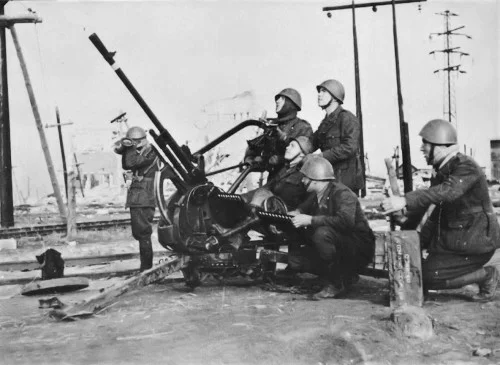
The logistical model that had underpinned Italian operations elsewhere proved utterly insufficient. Transport assets were too few, too lightly protected, and too fragile for the demands placed upon them. Unlike earlier campaigns, logistics could not be centralised and protected. Supply lines were exposed, vulnerable to enemy action, and stretched across terrain that offered no natural advantages. The assumption that trucks could generate mobility without deep reserves of fuel, spares, and replacement vehicles collapsed under the weight of reality.
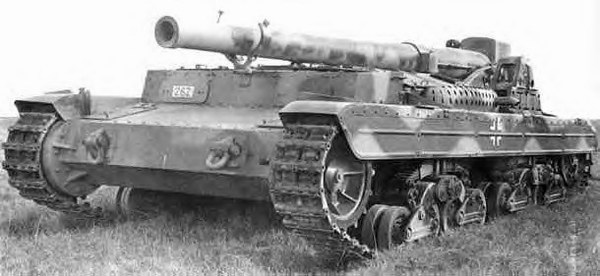
Climate turned structural weakness into catastrophe. Italian equipment was not designed for extreme cold. Vehicles froze. Lubricants failed. Engines seized. Trucks that had survived desert heat succumbed to winter temperatures far beyond their tolerances. Infantry suffered terribly, but so did the logistical system that sustained them. Transport units became casualties of climate as much as combat, and the loss of vehicles further reduced the army’s ability to respond.
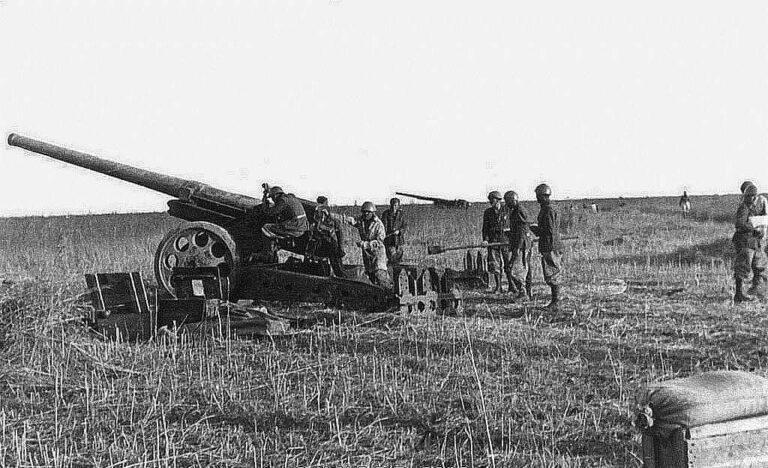
Operationally, Italian forces were often deployed in extended defensive positions, holding long sectors of front with insufficient depth. This arrangement magnified logistical strain. Supplying static forces over vast distances consumed transport capacity without producing operational mobility in return. The Italian Army’s traditional preference for movement and manoeuvre was rendered irrelevant by a situation that demanded endurance, reserves, and industrial-scale sustainment.
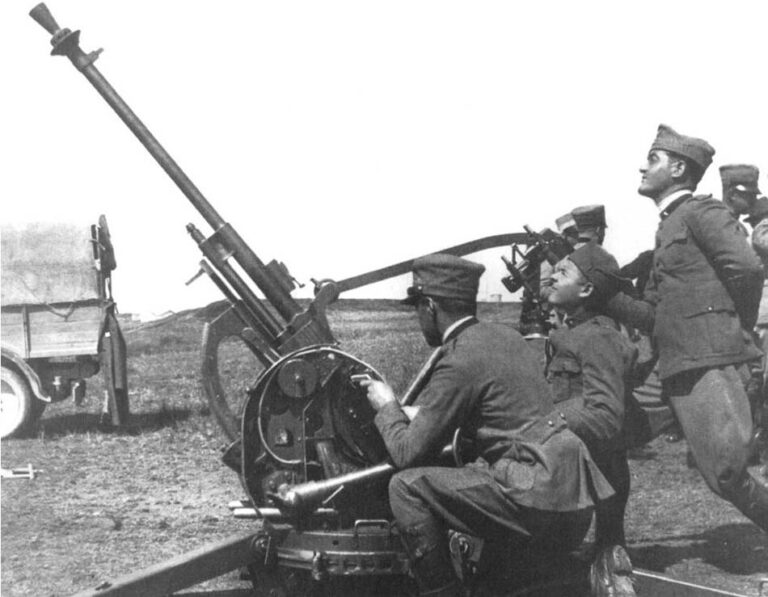
Air power, which had compensated for Italian weaknesses in earlier campaigns, offered limited relief. The vastness of the Eastern Front reduced the effectiveness of reconnaissance and close support. Weather frequently grounded aircraft. Enemy air power contested the skies. The integration between ground and air forces that Italian doctrine relied upon became sporadic and unreliable.
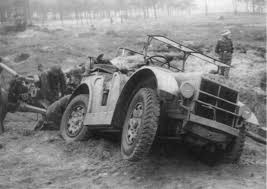
Perhaps most revealing was the way improvisation failed. Italian units attempted to adapt as they always had — redistributing transport, cannibalising vehicles, modifying equipment. These measures slowed the collapse, but they could not reverse it. Improvisation depends on margins. On the Eastern Front, there were none. Every solution created new problems elsewhere in the system.
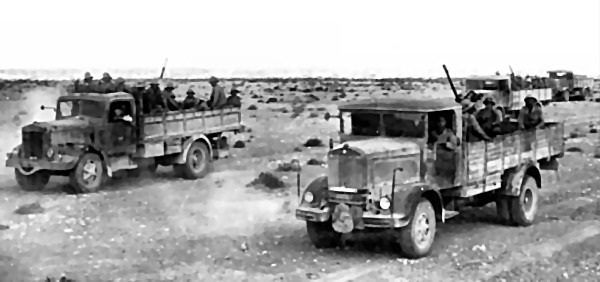
The psychological impact of this breakdown was profound. Italian soldiers were not merely fighting the enemy; they were fighting distance, climate, and scarcity simultaneously. Confidence in doctrine eroded as familiar solutions no longer worked. The gap between what the army had been built to do and what it was being asked to endure became impossible to ignore.
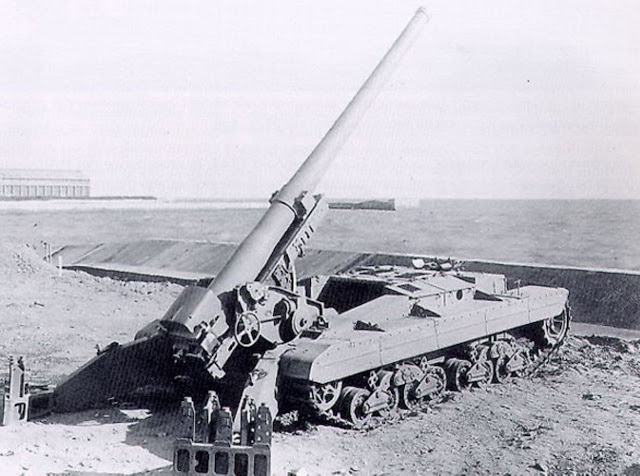
The Eastern Front demonstrated with brutal clarity that the Italian way of war was context-dependent. It could function — even perform well — under certain conditions. It could not survive sustained exposure to industrial-scale conflict across extreme distances. What had been a manageable weakness in the Mediterranean became a fatal flaw in Russia.
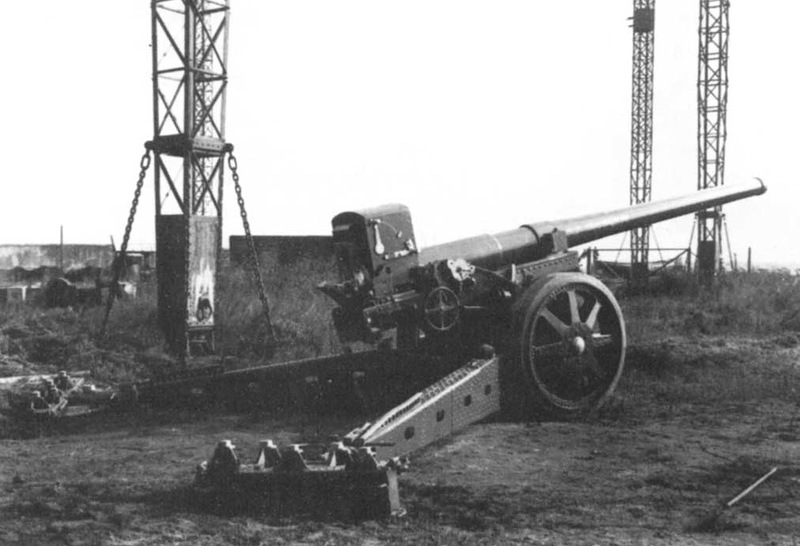
In retrospect, the eastern campaign was not a failure of courage or professionalism. Italian units fought with determination under appalling conditions. It was a failure of structure. An army built around trucks, artillery, and improvisation could not substitute ingenuity for industrial mass indefinitely. Distance stripped away the illusions created by earlier successes. Without sufficient transport depth, fuel, spare parts, and winterised equipment, mobility ceased to exist.
The Eastern Front thus represents the final reckoning for Italian doctrine. It exposed the absolute limits of a system designed for small wars and regional campaigns when confronted with the demands of continental, industrial warfare. By the time Italian forces were shattered in the winter of 1942–43, the lesson was unmistakable: mobility without sustainment is not mobility at all.
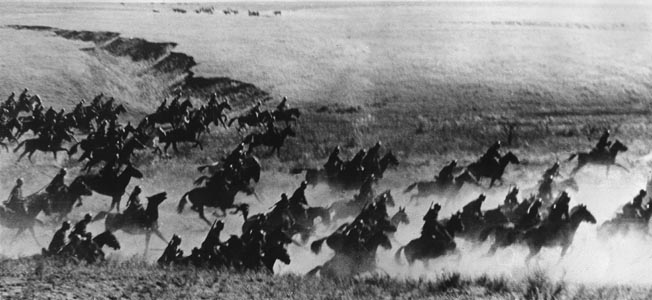
For historians, the Eastern Front provides the clearest lens through which to judge the Italian Army’s inter-war evolution. It shows not that Italy failed to learn from experience, but that it learned lessons that could not survive contact with a war of unprecedented scale. Distance did not merely strain the system — it broke it, revealing with unforgiving clarity the consequences of victory without renewal, doctrine without depth, and mobility built on illusion rather than mass.
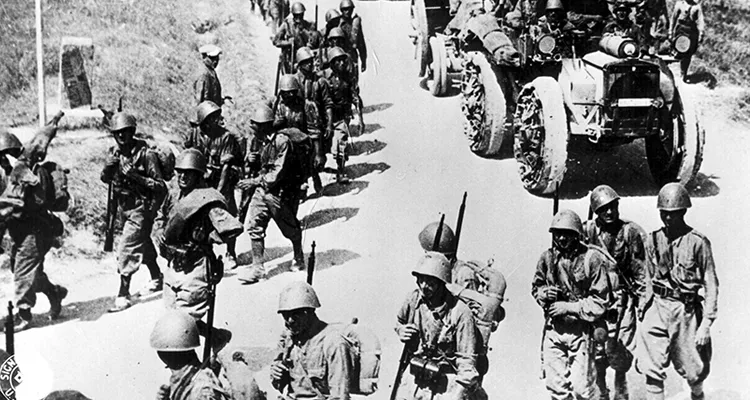
The structural weaknesses of the Italian system on the Eastern Front were not abstract problems; they were revealed, decisively and tragically, in specific battles fought along the vast southern sector of the Soviet front. Italian forces, initially deployed as the Italian Expeditionary Corps in Russia and later expanded into a full army, were tasked with holding extended stretches of territory along the Don River in support of German operations. This assignment would place uniquely Italian vulnerabilities under the harshest possible conditions.
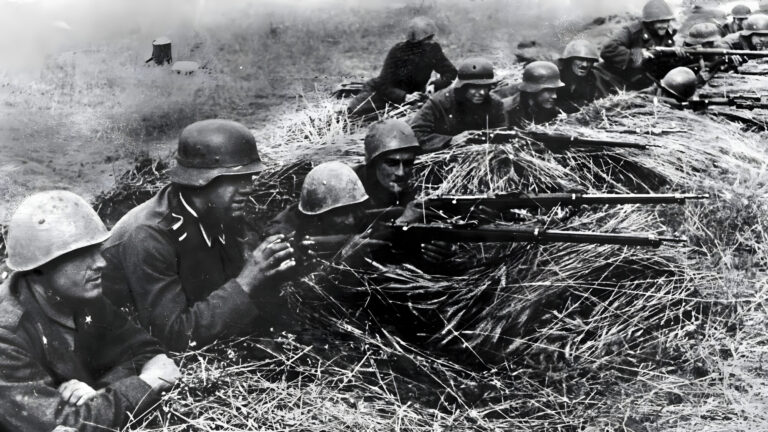
During the advance phase of 1941 and early 1942, Italian units participated in a series of mobile operations across Ukraine and southern Russia. In these early engagements, Italian artillery and tactical competence often compared favourably with allied formations. However, even during periods of advance, the warning signs were evident. Columns stretched thin, supply convoys lagged behind combat units, and artillery ammunition had to be carefully rationed to keep guns operational. Success depended less on systemic robustness than on the temporary absence of sustained Soviet pressure.
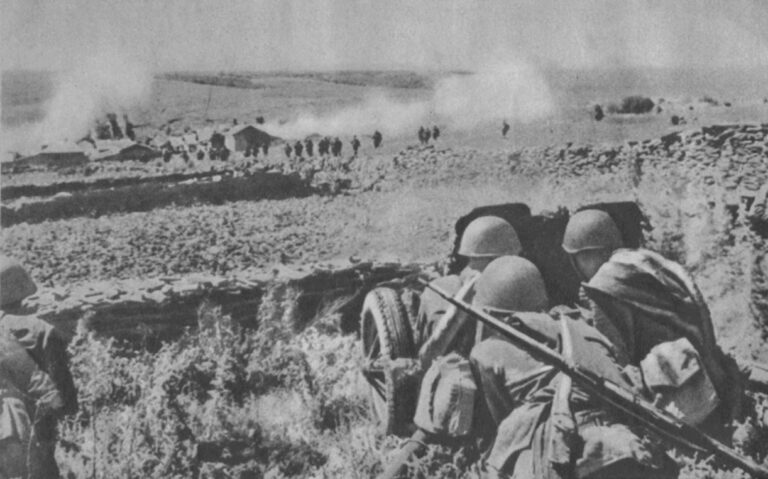
The decisive test came during the winter of 1942–1943, when Italian forces were holding long defensive positions along the Don as part of the Axis southern flank. Italian divisions were spread over wide frontages, often far beyond what their transport and supply systems could realistically support. When the Soviet Red Army launched Operation Little Saturn in December 1942, these weaknesses were immediately exploited. Soviet armoured and mechanised units penetrated Italian positions with speed and depth that Italian formations could neither match nor counter.
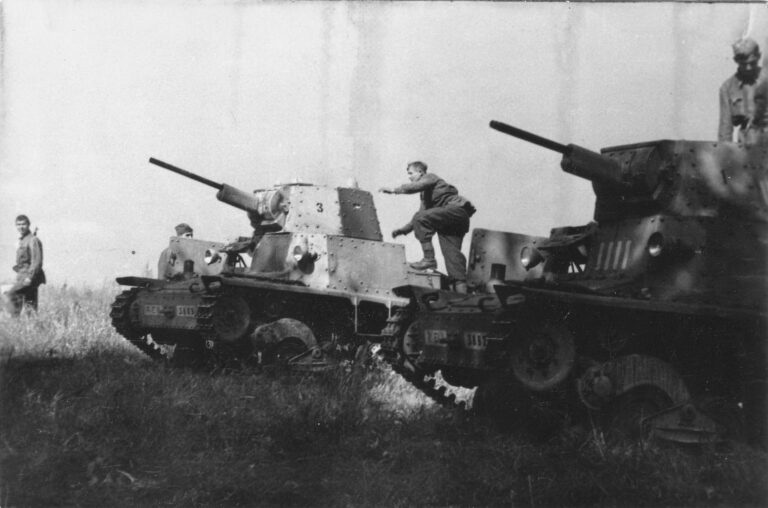
Battles along the Don were characterised by isolation and collapse rather than decisive engagements. Italian artillery units fought stubbornly, often firing until ammunition was exhausted or guns had to be abandoned for lack of transport. Anti-tank guns were pressed into desperate defensive roles against Soviet armour, but without sufficient mobility or reserves, these efforts could only delay the inevitable. Once breakthroughs occurred, Italian units lacked the transport capacity to conduct organised withdrawals, turning retreats into chaotic marches across snowbound terrain.
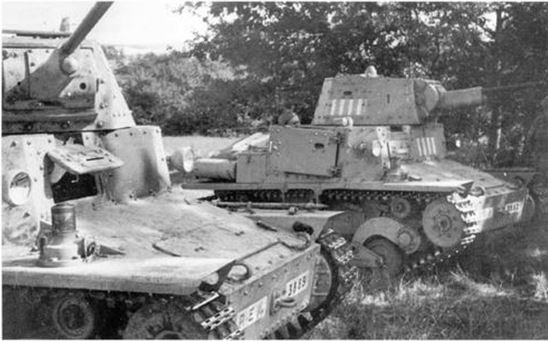
The most iconic and revealing engagement was the Battle of Nikolayevka in January 1943. Here, elements of the Italian Alpine Corps attempted to break out of encirclement during the catastrophic retreat. The battle was not a conventional set-piece engagement but a desperate effort to force passage through Soviet blocking positions. Italian troops, exhausted, under-supplied, and exposed to extreme cold, relied on concentrated infantry assaults supported by whatever artillery could still be brought into action. The fact that any Italian forces escaped at all was a testament to discipline and courage rather than doctrinal success.
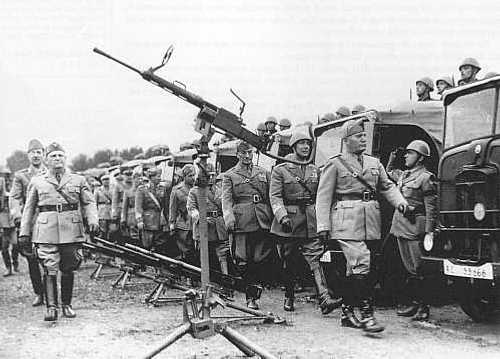
What Nikolayevka and the wider retreat demonstrated was the complete breakdown of the Italian logistical model under combat conditions. Trucks had been lost to mechanical failure, enemy action, or fuel shortages. Artillery pieces were abandoned not because they were defeated tactically, but because they could not be moved. Units fought effectively at the tactical level, but the operational system that sustained them had ceased to function.
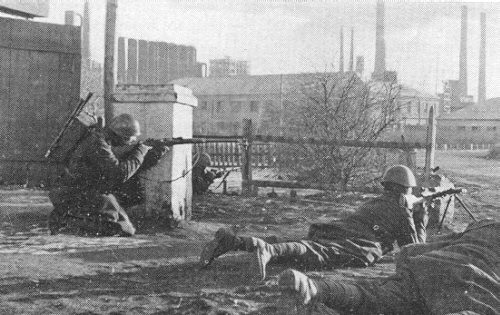
In these battles, the Italian Army confronted the final consequence of its inter-war evolution. The reliance on trucks without sufficient depth, the prioritisation of artillery without guaranteed supply, and the expectation that improvisation could bridge structural gaps all collapsed under sustained enemy pressure. The Eastern Front did not expose Italian weakness in battle; it exposed weakness in endurance. Against an opponent capable of absorbing losses and maintaining pressure across vast distances, the Italian system had no margin left.
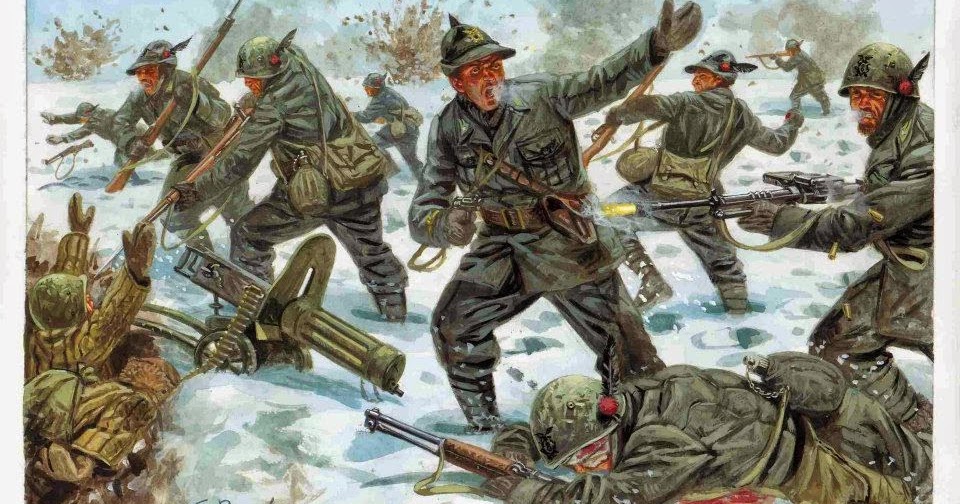
These battles in Russia thus represent more than military defeats. They are the point at which the accumulated assumptions of two decades were tested in the harshest arena imaginable — and found wanting. The courage displayed along the Don and at Nikolayevka stands in stark contrast to the fragility of the system that placed those soldiers there, illuminating with painful clarity where doctrine ended and reality began.
The Air Force as Force Multiplier
From the inter-war period through the Second World War, Italian military doctrine assumed an unusually close relationship between ground forces and air power. The Regia Aeronautica, established as an independent service in 1923, was not conceived primarily as a strategic bombing force in the Anglo-American sense. Instead, it was designed to act as a force multiplier for the army: extending reconnaissance, accelerating decision-making, and compensating for limitations in mechanisation and logistics. In theory, air power would provide the reach and flexibility that Italy’s ground forces could not always sustain on their own.
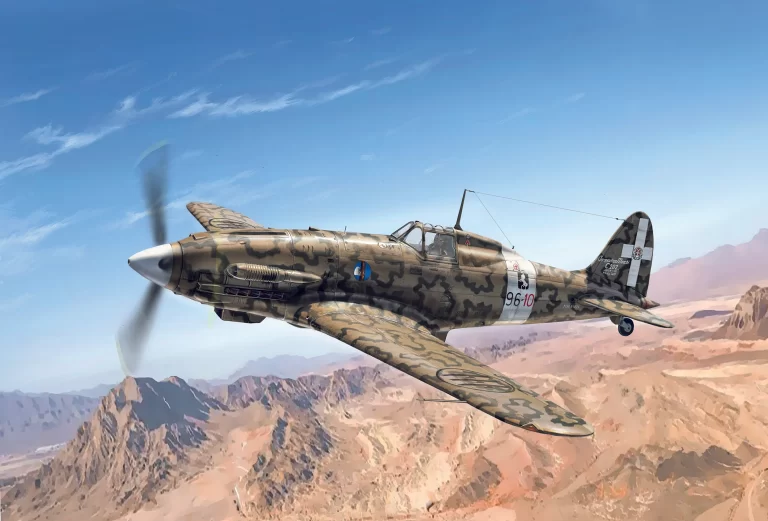
This conception of air power aligned closely with Italian experience. In Libya and Ethiopia, aircraft had demonstrated their ability to dominate space, identify enemy movement, and strike targets far beyond the reach of ground columns. These campaigns fostered a belief that air power could compress geography, reducing the logistical burden on the army by allowing commanders to see further, react faster, and apply violence at distance. Aircraft were not meant to replace artillery or manoeuvre forces, but to make them more effective.
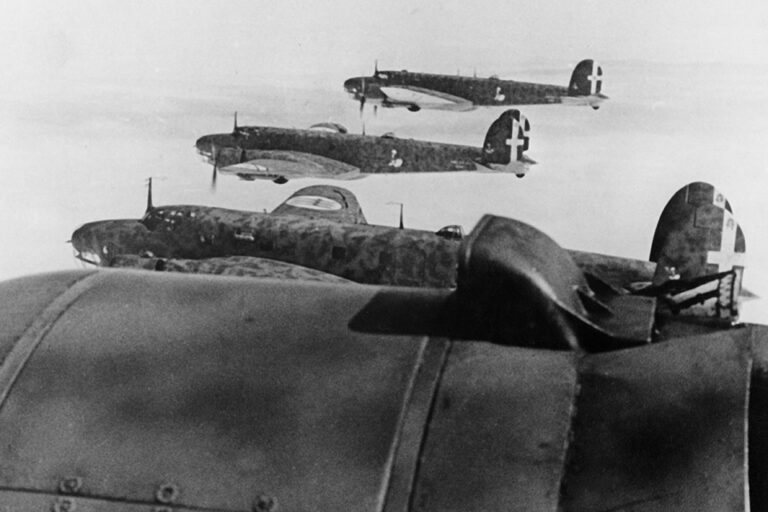
By the late 1930s, Italian doctrine treated air reconnaissance as essential rather than optional. Aircraft were expected to identify enemy concentrations, track movement, and provide early warning, particularly in theatres where terrain and infrastructure limited ground observation. This emphasis on reconnaissance was one of the Regia Aeronautica’s genuine strengths. In favourable conditions, Italian aircraft gave ground commanders situational awareness that partially offset weaknesses in mobility and communications.
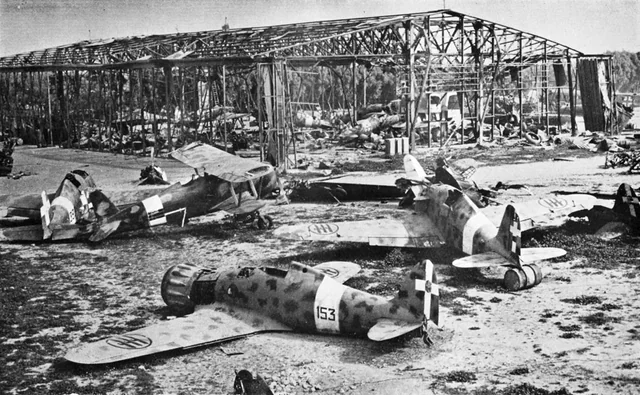
Close air support occupied a similarly important role. Italian planners did not envisage prolonged strategic bombing campaigns, but rather tactical strikes closely coordinated with ground operations. Aircraft were used to disrupt enemy movement, suppress defensive positions, and exploit breakthroughs created by artillery. In North Africa, where visibility was high and terrain open, this approach could be highly effective. Air power enhanced the striking power of Italian formations without imposing additional strain on already limited ground logistics.
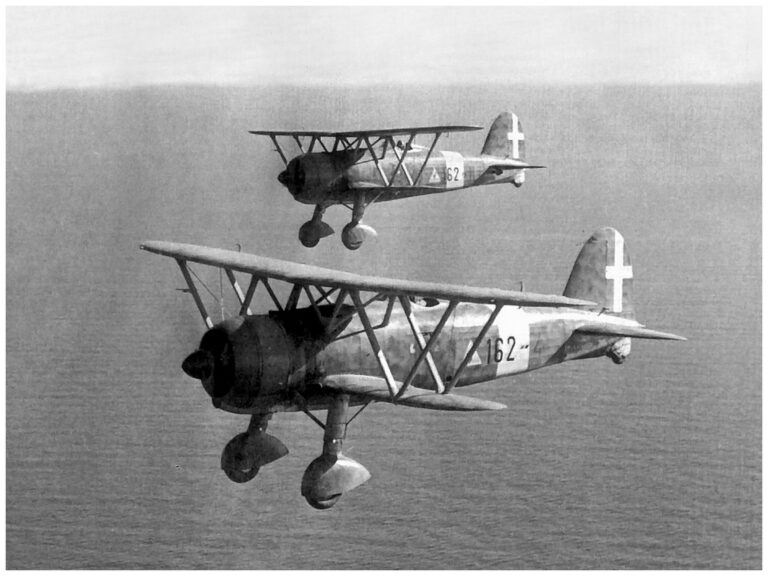
Air power also played a crucial psychological role. The presence of aircraft overhead — particularly in colonial and early Mediterranean campaigns — reinforced Italian dominance and undermined enemy morale. This effect was magnified by the relative absence of enemy air opposition in the early phases of several campaigns. Under such conditions, Italian air-ground cooperation appeared to work exactly as doctrine intended.
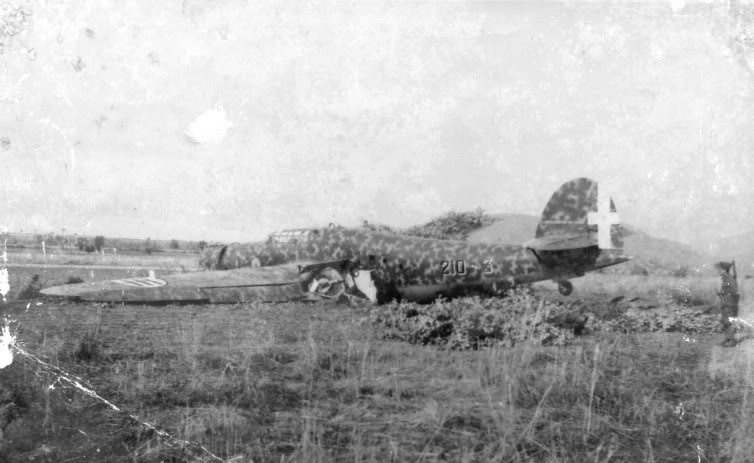
However, this model of air power carried implicit assumptions that would later prove fragile. It depended on air superiority or at least air parity. It assumed predictable weather and manageable distances. Most importantly, it assumed that air power could compensate for structural weaknesses in ground logistics without being burdened by those same weaknesses itself.
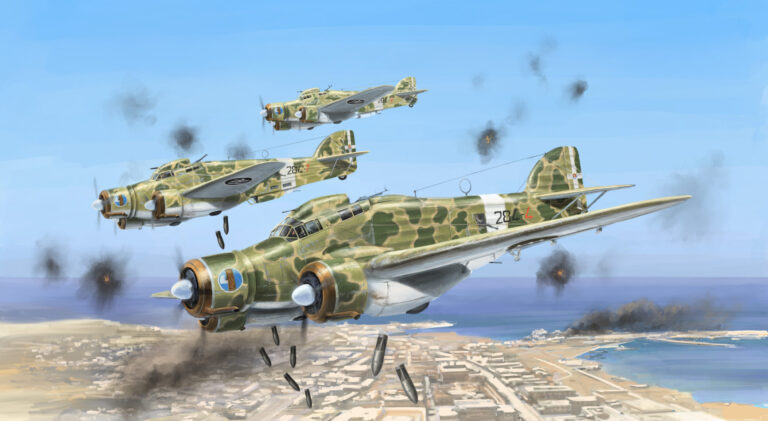
The Spanish Civil War reinforced these assumptions without fully testing them. Italian aircraft operated alongside allied forces, supporting ground operations and gaining experience in tactical employment. While losses occurred, the air force was not forced to operate under sustained enemy air dominance or against a fully mobilised industrial opponent. As with the army’s experience on the ground, Spain validated existing beliefs without compelling reform.
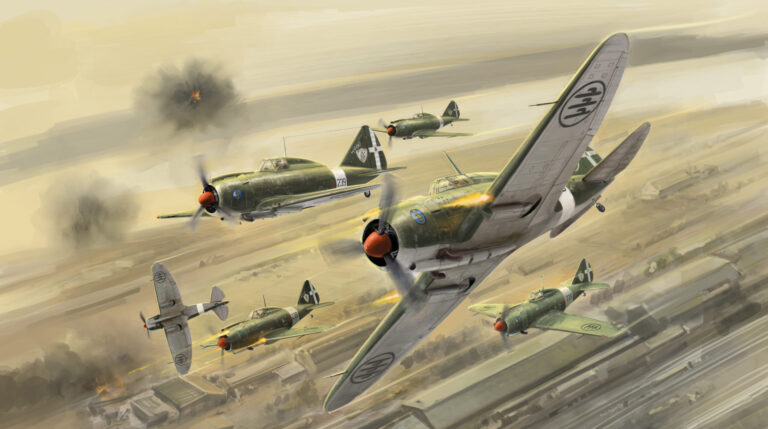
During the early years of the Second World War, Italian air power continued to function as a genuine force multiplier — particularly in the Mediterranean and North Africa. Aircraft provided reconnaissance across vast desert spaces, guided artillery fire, and harassed enemy columns. In these environments, the Regia Aeronautica’s emphasis on range and operational flexibility aligned well with ground requirements.
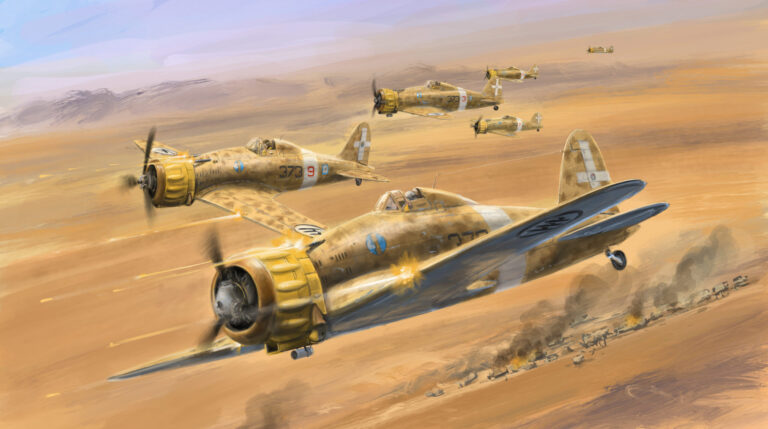
Yet as the war progressed, the limits of this approach became increasingly apparent. Aircraft themselves depended on fuel, spare parts, trained ground crews, and secure airfields — all of which competed with the army for scarce resources. As Allied air power grew in strength and sophistication, Italian aircraft found it increasingly difficult to operate freely. Air superiority, once assumed, became contested and then lost.
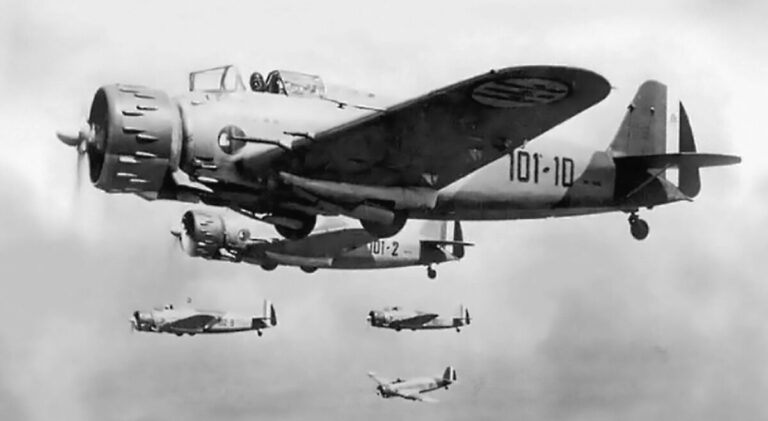
When that happened, the consequences for Italian ground forces were severe. Without reliable air reconnaissance, situational awareness collapsed. Without close air support, artillery and infantry were forced to operate without the suppressive and disruptive effects they had come to rely on. The air force could no longer compress distance or compensate for logistical fragility. Instead, it became another system under strain.
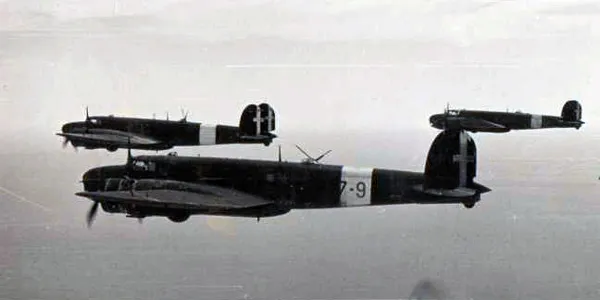
The Eastern Front illustrated this collapse starkly. Vast distances, extreme weather, and enemy air opposition reduced the effectiveness of Italian air operations. Aircraft were grounded by weather, outmatched technologically, or unable to sustain tempo due to supply constraints. The force multiplier disappeared at precisely the moment Italian ground forces needed it most.
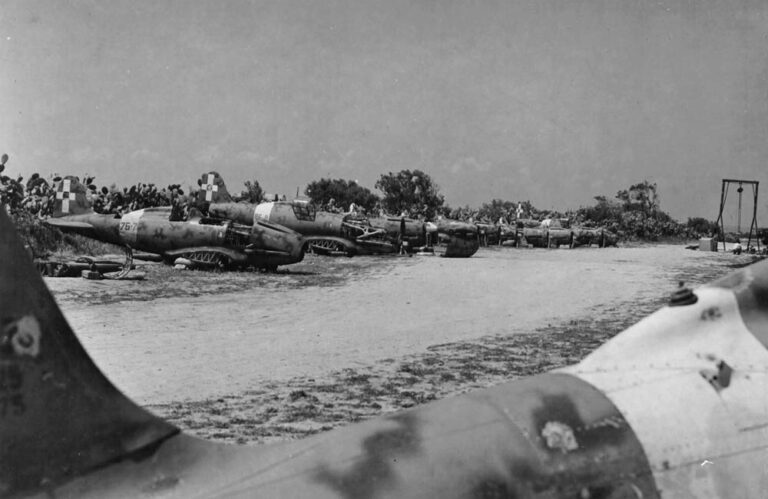
In retrospect, the Italian conception of air power was neither naïve nor unsophisticated. It was coherent, experience-driven, and closely integrated with ground doctrine. Its failure lay not in design, but in dependency. Air power was asked to compensate for limitations that were ultimately structural. When air superiority vanished, those limitations were exposed in full.
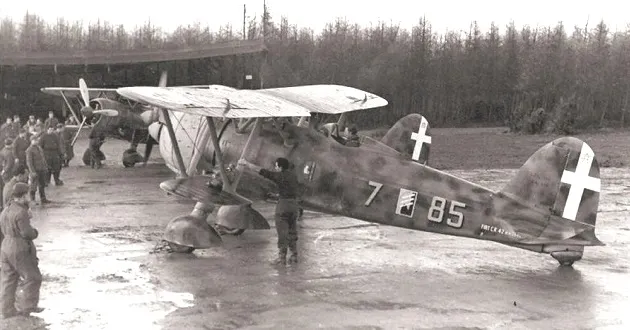
The Regia Aeronautica thus mirrors the broader story of Italian military doctrine. It worked well under certain conditions and failed catastrophically when those conditions changed. As a force multiplier, Italian air power enhanced mobility, firepower, and command effectiveness. But it could not create sustainment where none existed. Like trucks and artillery, aircraft extended the reach of Italian forces — and like them, they could not overcome the absence of industrial depth and logistical mass.
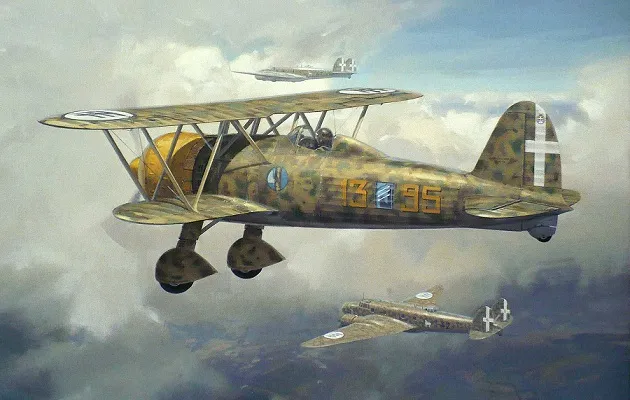
Understanding the Italian air force in this context is essential. It was not an isolated service pursuing its own priorities, but an integral part of a system designed to fight fast, flexible wars on limited means. When that system encountered a war of scale, endurance, and attrition, even the multiplier could no longer multiply enough
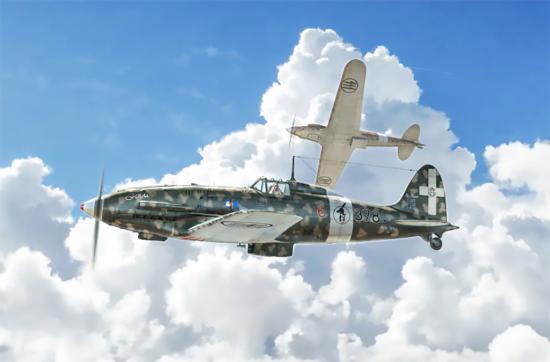
Vehicles as Doctrine Made Steel
Italian military vehicles of the Second World War are best understood not as isolated technical artefacts, but as doctrine made steel. Every truck, tractor, armoured car, and self-propelled gun fielded by the Regio Esercito embodied assumptions forged in the inter-war period: that wars would be short, that terrain would be difficult, that industry would be limited, and that firepower and movement—rather than armour mass—would decide outcomes. When viewed through this lens, Italian vehicles cease to look like compromises and instead appear as coherent, if fragile, solutions to specific problems.
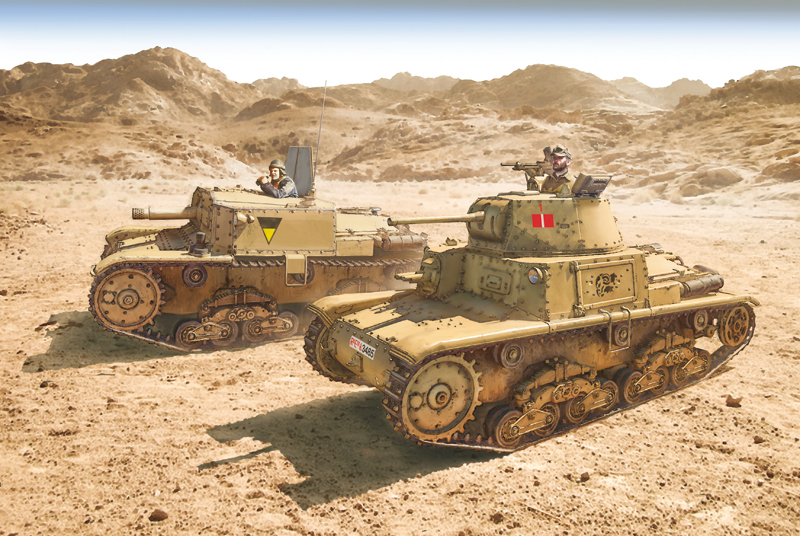
At the heart of this vehicle ecosystem lay the truck. Italian planners treated trucks not as auxiliary logistics assets but as operational enablers. Trucks were expected to move infantry, tow artillery, deliver ammunition, and extend reach across deserts, mountains, and colonial road networks. This reliance was rational given Italy’s industrial constraints: trucks were cheaper and faster to produce than tanks, easier to maintain than complex tracked vehicles, and adaptable to multiple roles. The result was an army whose mobility rested disproportionately on rubber tyres rather than steel tracks.
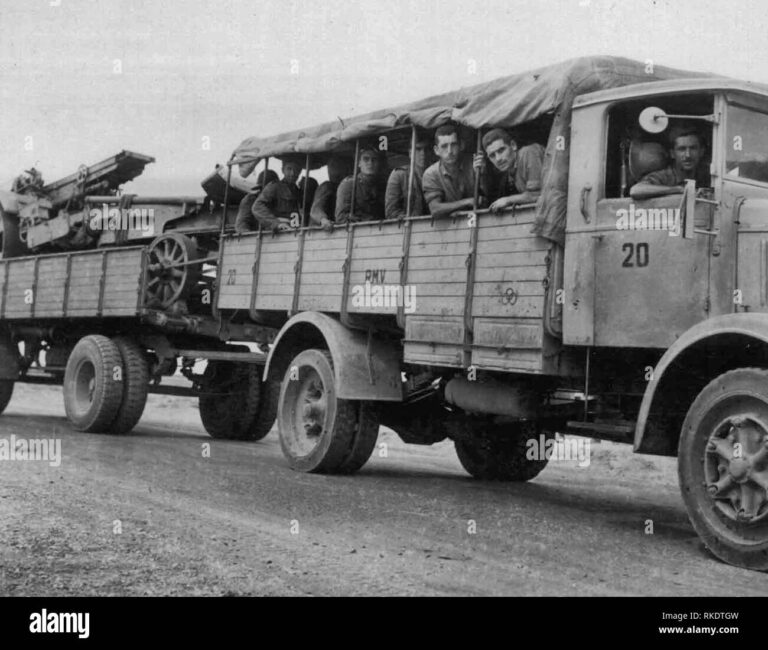
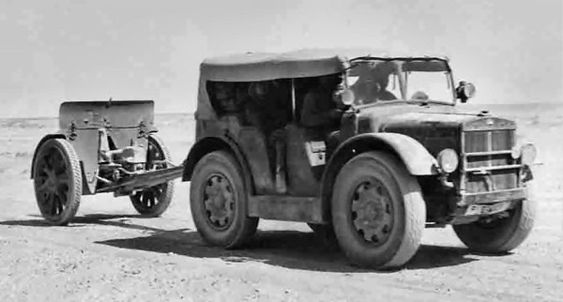
Artillery tractors occupied a similarly central role. Italian doctrine placed guns at the centre of battlefield decision, and tractors were the means by which those guns could remain relevant in mobile operations. Vehicles such as heavy and medium artillery tractors were not glamorous, but they were essential. Their design emphasised torque, simplicity, and reliability over speed or protection—qualities that aligned with Italy’s terrain and doctrinal priorities. When these tractors functioned, Italian artillery could dominate engagements. When they failed, doctrine itself stalled.
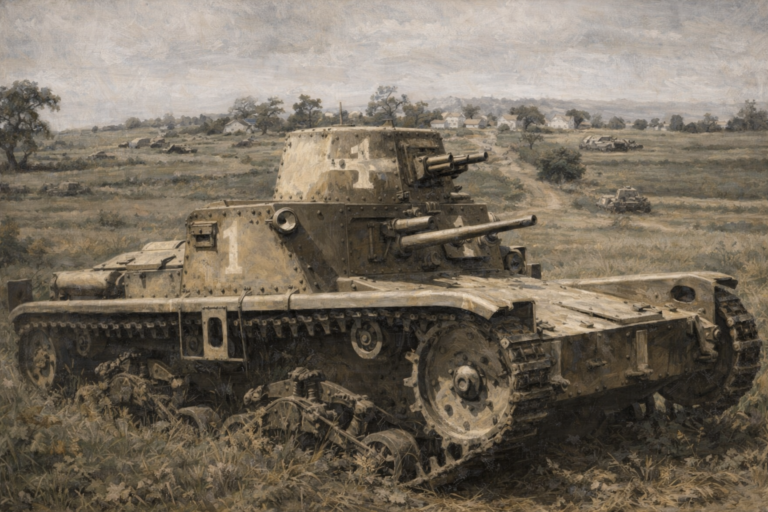
Armoured vehicles further illustrate this logic. Italian tanks were rarely intended to serve as independent breakthrough instruments. Instead, they were conceived as supporting elements—protecting infantry, exploiting gaps created by artillery, or performing reconnaissance. The relative lightness of Italian tanks reflected this role. Protection was sacrificed to maintain mobility and reduce industrial burden. This was not ignorance of armoured warfare, but a deliberate acceptance of trade-offs.
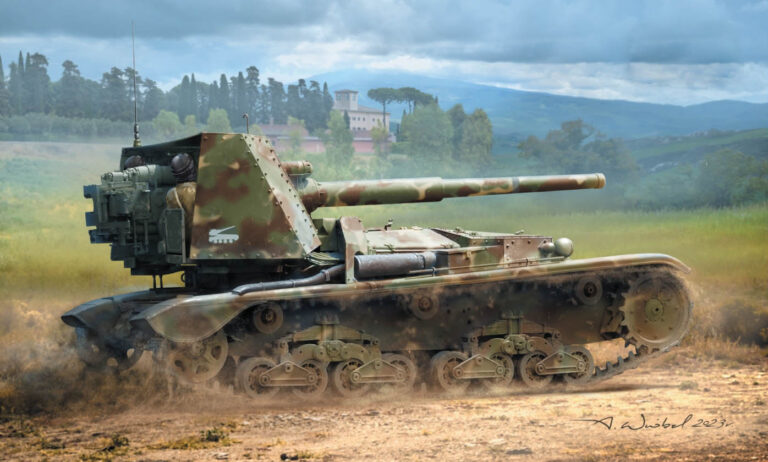
The most revealing expression of Italian vehicle doctrine was the development of self-propelled guns. Rather than pursue heavier tanks, Italian engineers mounted artillery pieces on existing chassis, producing mobile firepower that aligned perfectly with doctrinal emphasis. These vehicles were cheaper, faster to build, and tactically flexible. They allowed guns to keep pace with operations without the logistical overhead of towed artillery. In effect, they fused Italy’s two preferred instruments—vehicles and artillery—into a single system.
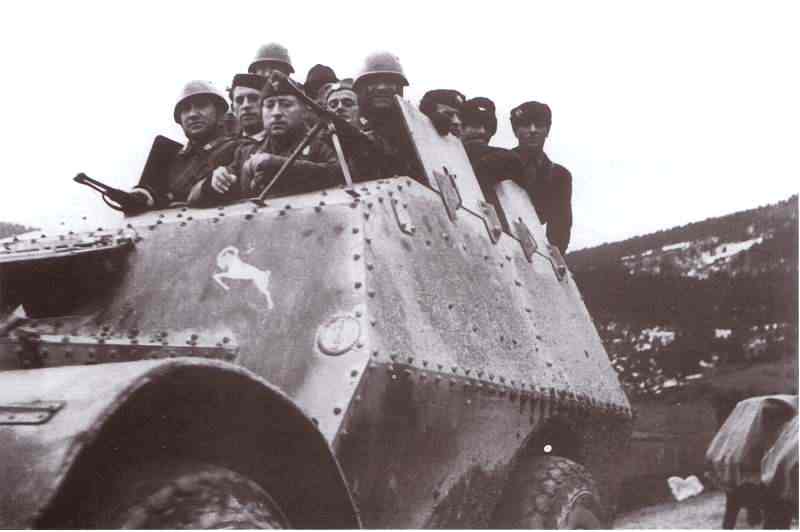
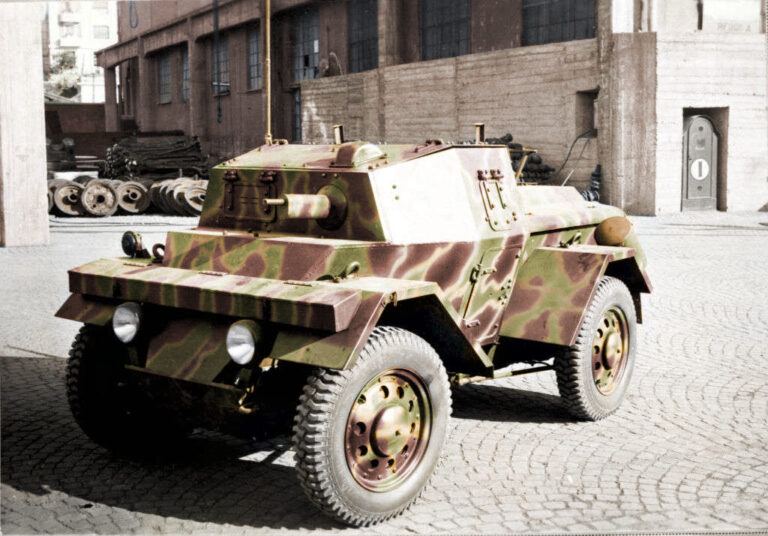
Armoured cars likewise reflected doctrinal priorities. Designed for reconnaissance and security rather than shock action, they prioritised range, speed, and reliability. In theatres such as North Africa and the Balkans, these vehicles performed the tasks Italian doctrine valued most: information gathering, rapid response, and area control. Their effectiveness lay not in armour thickness but in operational utility.
Even Italian improvisation fits within this framework. The mounting of guns on trucks—so often described as desperate expedients—was in fact a logical extension of existing thinking. If the decisive element was the gun, and if movement was essential, then combining the two directly reduced logistical friction. These guntrucks were not aberrations; they were doctrine expressed under pressure. They sacrificed protection to gain speed and flexibility, a trade-off Italian planners had long been willing to make.
Yet the coherence of this system should not obscure its fragility. Italian vehicles worked best when distances were manageable, infrastructure tolerable, and supply uninterrupted. The very qualities that made them economical and adaptable also limited their resilience. Trucks broke down. Tractors struggled on inadequate roads. Light armour could not withstand sustained enemy fire. The system had little redundancy. Losses or breakdowns cascaded rapidly into operational paralysis.
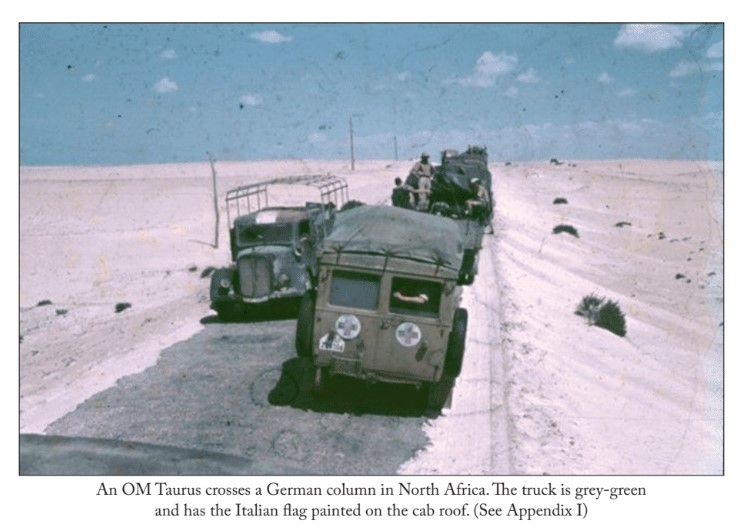
This fragility was not primarily technical; it was structural. Italian vehicles were designed to operate within a narrow envelope of conditions. When campaigns exceeded those conditions—as in the Balkans or on the Eastern Front—the system collapsed not because the vehicles were poorly built, but because the assumptions underpinning their use no longer held. Vehicles designed to enable movement could not create movement where roads, fuel, and maintenance capacity were absent.
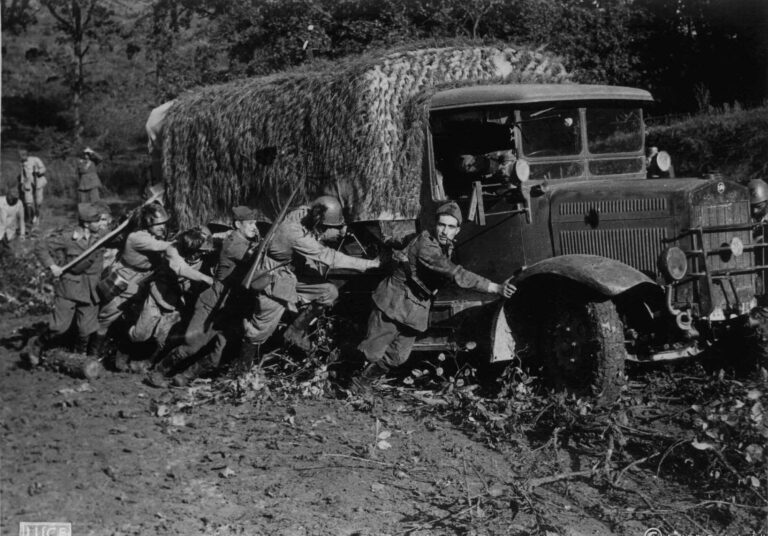
What distinguishes Italian vehicles from those of other powers is not inferiority, but intent. German and Soviet vehicles increasingly embodied doctrines of mass and attrition. Anglo-American vehicles reflected industrial abundance and logistical depth. Italian vehicles reflected scarcity managed through ingenuity. They were lighter, simpler, and more adaptable because they had to be. In favourable contexts, this made them effective. In unfavourable ones, it exposed their limits mercilessly.
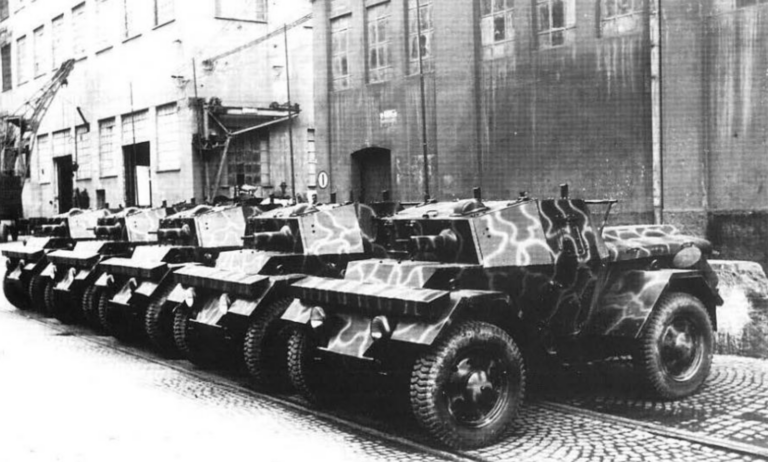
For historians, this perspective reframes Italian equipment as a coherent system rather than a collection of shortcomings. For modellers and wargamers, it explains why Italian forces are vehicle-rich yet armour-light, why artillery and transport dominate force structure, and why improvisation feels authentic rather than contrived. Italian vehicles tell a story—not of failure, but of choices made under constraint.
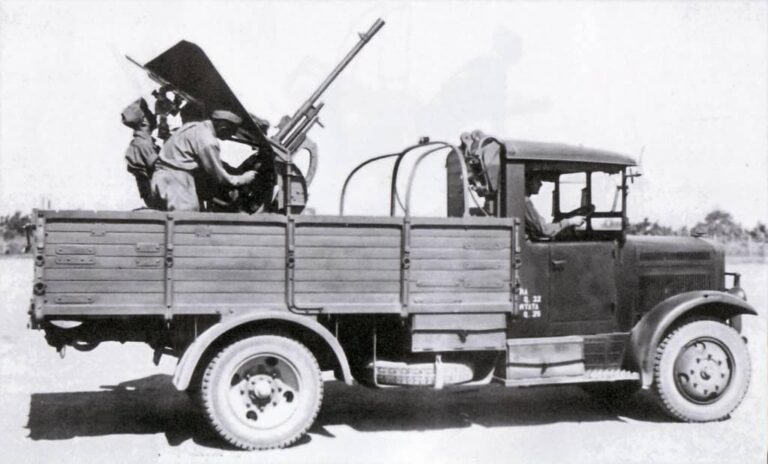
Ultimately, vehicles were how Italian doctrine became tangible. They carried forward the lessons of Libya, Ethiopia, Spain, and the Balkans into steel, rubber, and rivets. They expressed belief in mobility, firepower, and adaptability. They also carried the burden of those beliefs into wars that demanded more than the system could give. In that tension between coherence and collapse lies the true fascination of Italian military vehicles: they are the clearest, most honest expression of an army built for a world that no longer existed.
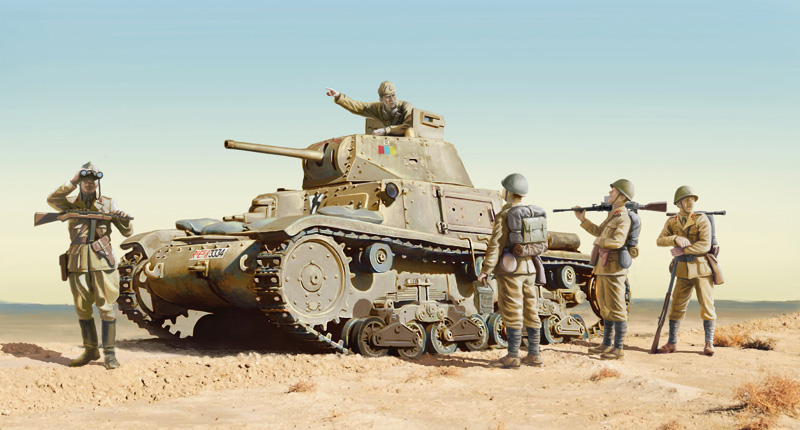
Conclusion: Mobility Without Mass
The history of the Regio Esercito in the Second World War is not a story of incompetence or irrelevance, but of coherence strained beyond its limits. Across two decades of inter-war conflict, Italy built an army shaped by experience, geography, and necessity. It learned to fight with economy, to privilege firepower over armour, and to substitute ingenuity for industrial mass. Those choices produced a distinctive way of war—one that functioned effectively under specific conditions, yet proved fatally fragile when confronted with the demands of global, industrial conflict. At its core lay a single, defining contradiction: mobility without mass.
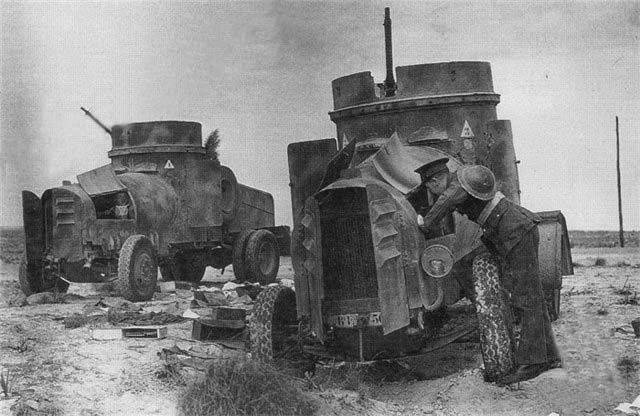
Italian doctrine was internally consistent. It assumed wars would be short, movement decisive, and artillery the principal arbiter of battle. Trucks, tractors, and aircraft were intended to compress space and time, allowing Italian forces to operate across difficult terrain without the burden of heavy mechanisation. These assumptions were not born of ignorance. They were grounded in the realities of Italy’s industrial limits and validated by colonial warfare, limited interventions, and early campaigns where logistics could be controlled and opposition was uneven.
What Italy lacked was not ideas, but depth. Mobility was pursued as a function of movement rather than sustainment. Trucks could move units forward, but not always support them once they arrived. Artillery could dominate tactically, but only so long as ammunition and towing capacity held. Air power could extend reach, but only while air superiority and supply endured. Each element worked in isolation and even in combination—until the system was asked to endure pressure over time and distance.
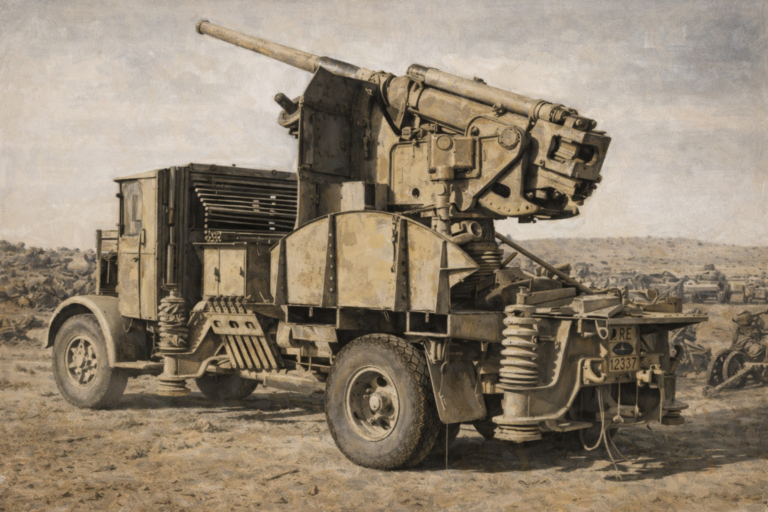
The campaigns of the Second World War exposed this limitation sequentially. In the Balkans, poor roads and harsh terrain turned movement into friction. In North Africa, vast distances and supply constraints forced improvisation to the forefront. On the Eastern Front, scale and climate shattered the system entirely. Each theatre stripped away assumptions, revealing that Italian mobility relied on favourable conditions rather than structural resilience.
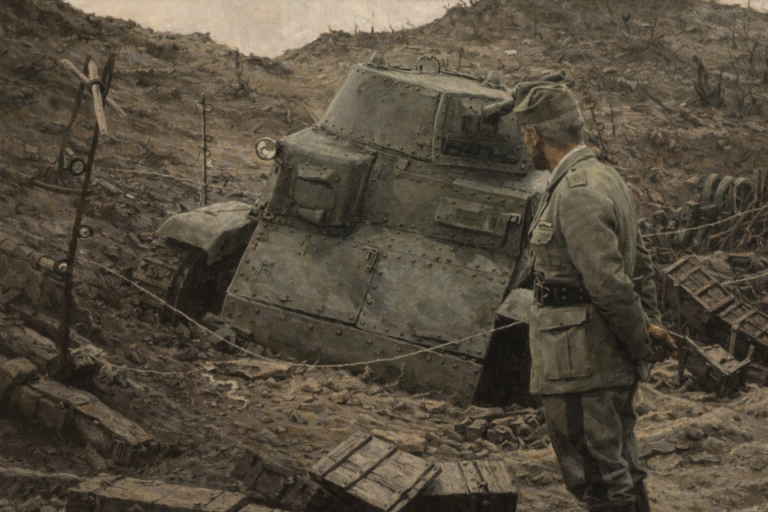
Yet it is important to recognise what this does—and does not—mean. Italian forces were often tactically effective. Artillery units fought with skill and determination. Vehicle crews kept machines running under appalling conditions. Soldiers adapted repeatedly to circumstances their doctrine had not anticipated. The failures that followed were not failures of courage or professionalism, but of endurance. An army built for manoeuvre could not survive attrition indefinitely.
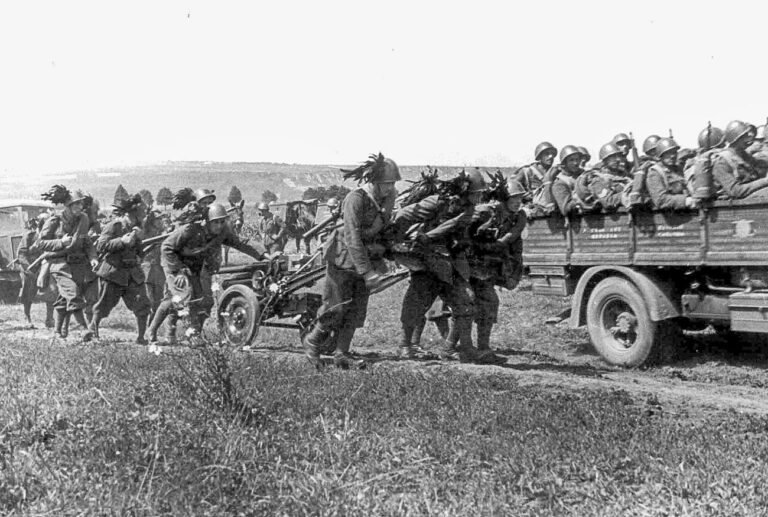
In this sense, the Italian experience is instructive rather than exceptional. It demonstrates that doctrine is always conditional. Systems optimised for one form of warfare may perform poorly when context shifts. Italy’s mistake was not choosing mobility, but mistaking conditional success for universal validity. The lessons of Libya, Ethiopia, and Spain were applied beyond their proper limits, and the price was paid when those limits were exceeded.
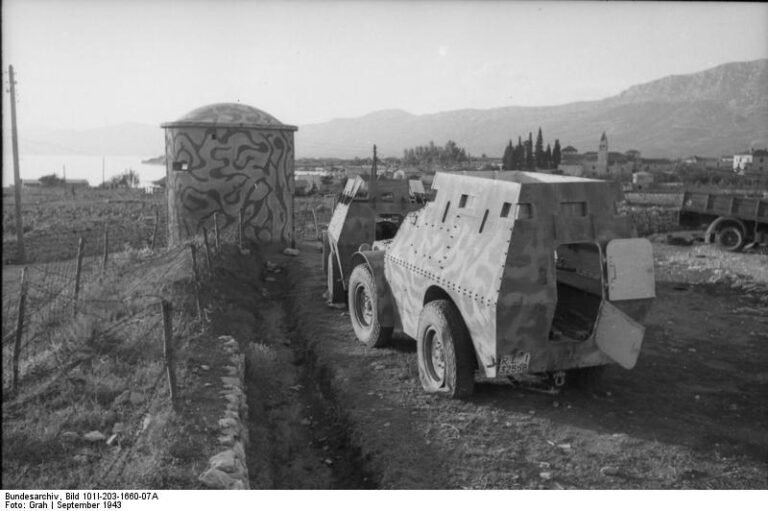
For historians, this reframing matters. It moves the discussion beyond caricature and toward understanding. For modellers and wargamers, it explains why Italian forces look the way they do: vehicle-heavy, artillery-centred, and rich in improvisation. These are not aesthetic quirks, but expressions of doctrine shaped by constraint.
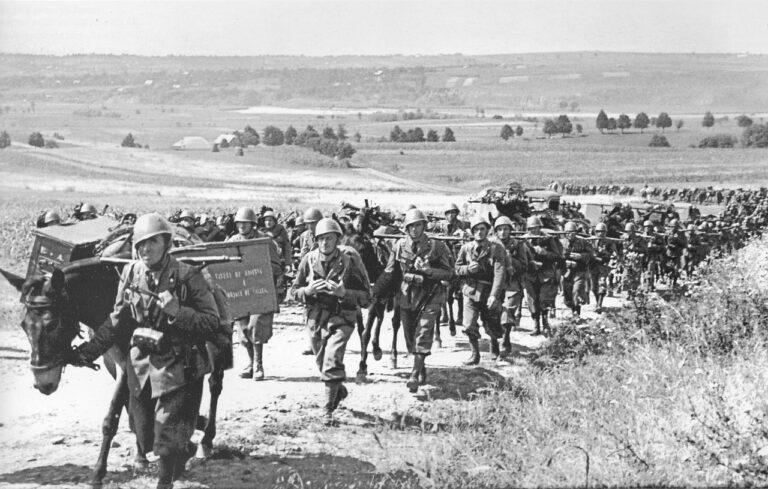
Ultimately, the Royal Italian Army entered the Second World War as it had been built: confident in movement, reliant on firepower, and vulnerable in depth. Mobility carried it far—but without mass, it could not carry it far enough.
…and just in case you missed it at the top, come and check out the Italian range here: https://bayonetsandbrushes.co.uk/home/store/world-war-ii-on-land/esercito-italiano-the-royal-italian-army