
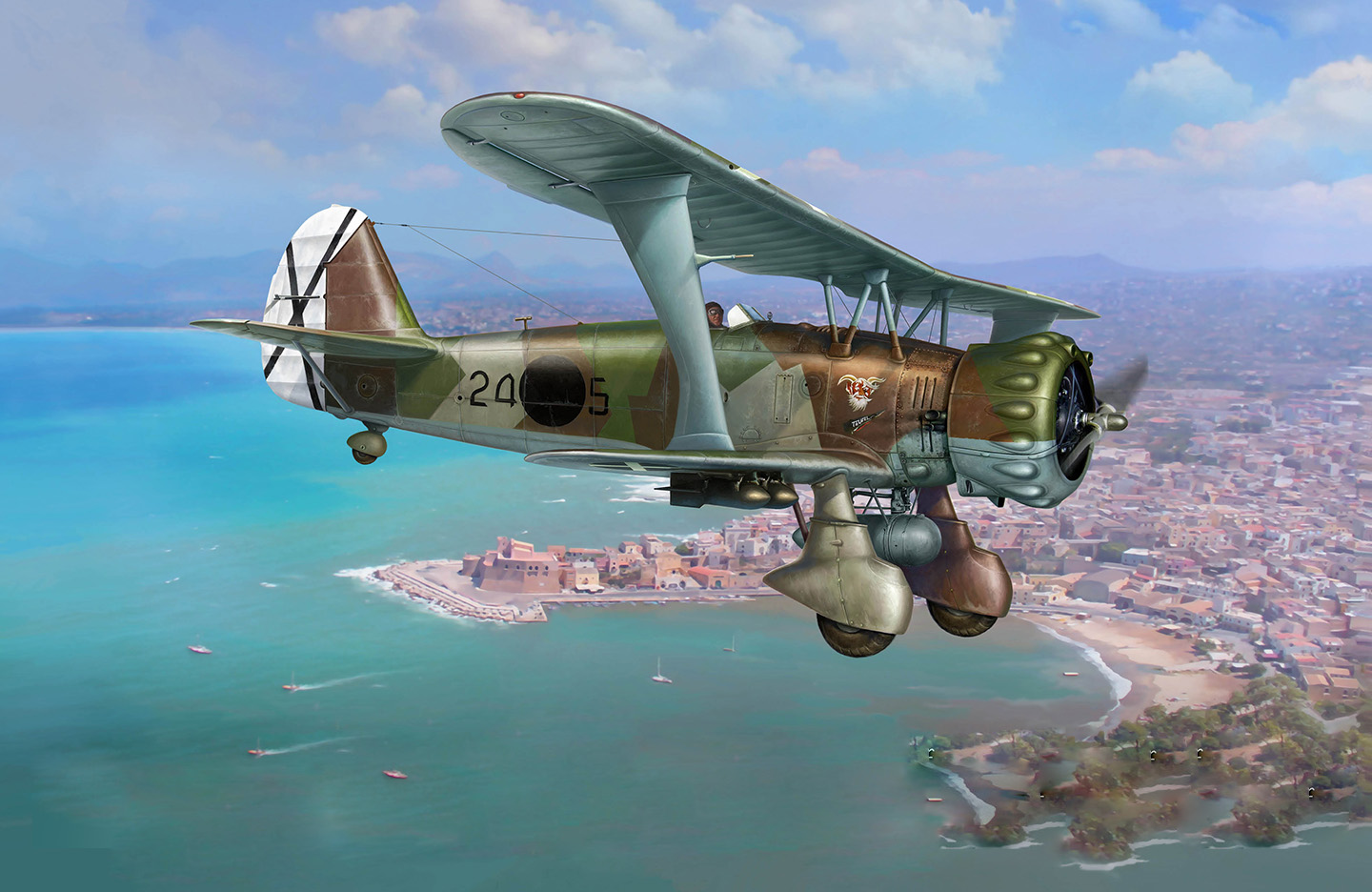
From harbour-bound flying boats to razor-edged monoplanes
The Spanish Civil War was not merely a struggle for territory; it was a proving ground for modern air power. Between 1936 and 1939, aircraft of vastly different generations shared the same skies, compressing two decades of aeronautical development into three intense years. At Bayonets & Brushes, our latest aircraft releases are designed to capture that transitional moment faithfully and at scale.
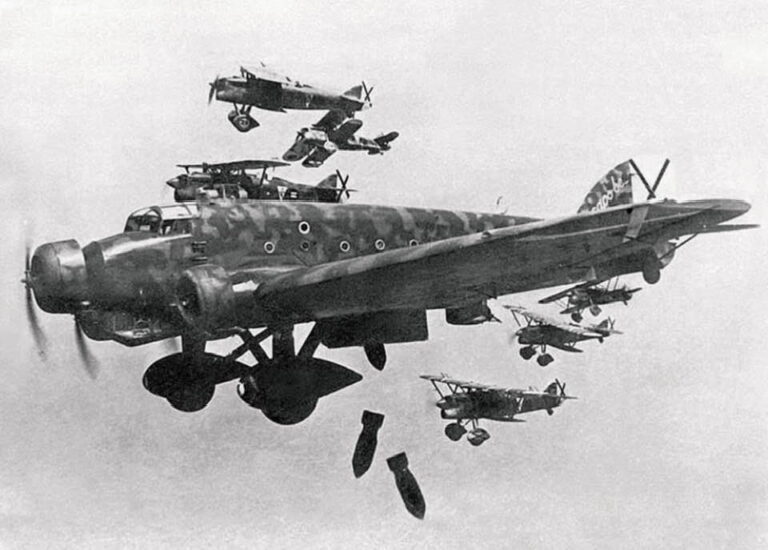
Spain’s air war began with inherited inventories: flying boats from the 1920s, colonial biplanes, civil transports pressed into military service. Within months, those same skies hosted modern monoplanes, stressed-skin bombers, and aircraft that would soon dominate a wider European conflict. The pace of technological acceleration was extraordinary, and Spain became the laboratory in which it was tested.
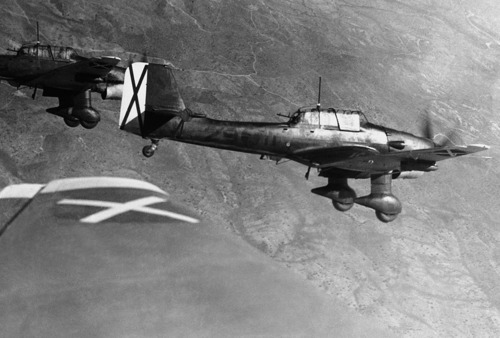
Foreign intervention amplified this transformation. Germany, Italy, and the Soviet Union supplied aircraft not only to support their chosen factions but to observe, evaluate, and refine emerging doctrine. Bombing accuracy, fighter tactics, reconnaissance coordination and logistical airlift were all exercised under operational pressure. Spain offered experience without total war — but experience nonetheless.
poured matériel, doctrine and men into a conflict that foreshadowed the wider conflagration soon to engulf the globe.
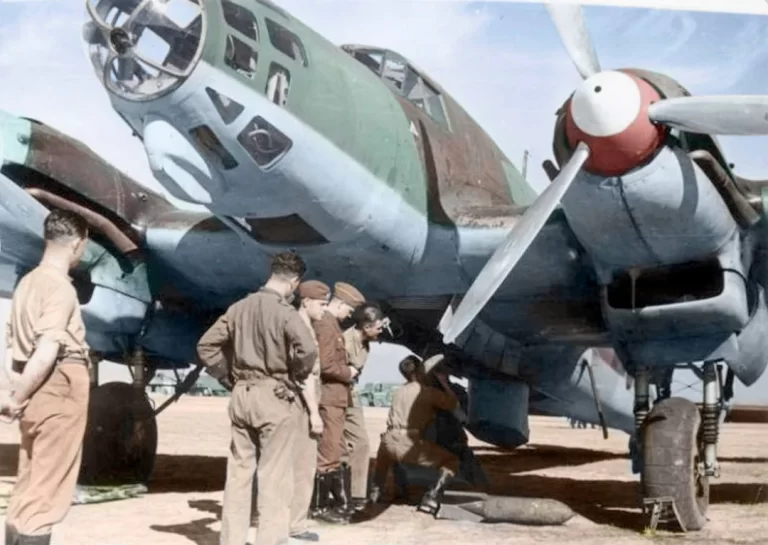
What makes the Spanish Civil War uniquely compelling for collectors and wargamers is this convergence of old and new. Fabric-covered biplanes flew alongside retractable-gear monoplanes. Maritime flying boats operated from harbours while modern bombers launched from hardened airfields. It is a conflict where technological eras overlap visibly.
All the new aircraft for our range reflects that exact spectrum. Each model represents documented development, service entry, and operational employment within Spain before March 1939. No retrospective embellishment, no anachronistic drift — simply aviation as it existed in that turbulent moment, rendered precisely for the tabletop… and all with landing gear deployed or sitting at the waterline.
Now… Let us begin!
In the late 1920’s and early 1930s, the aircraft serving within Monarchist Spanish formations reflected the measured, maritime-focused priorities of an interwar state rather than preparation for imminent internal conflict. Naval aviation emphasised coastal reconnaissance, harbour oversight, and colonial communication, relying on established flying boat types and dependable observation platforms. These machines were maintained as instruments of routine sovereignty and maritime vigilance, intended to police sea approaches and safeguard infrastructure, not to prosecute a sudden and transformative civil war.
Dornier J Wal – Waterline
The Dornier J Wal was developed in the early 1920s as an all-metal twin-engine flying boat designed for maritime reconnaissance and transport. Its parasol wing and robust hull construction provided seaworthiness and long-range endurance, making it attractive to nations requiring dependable coastal and colonial patrol capability.
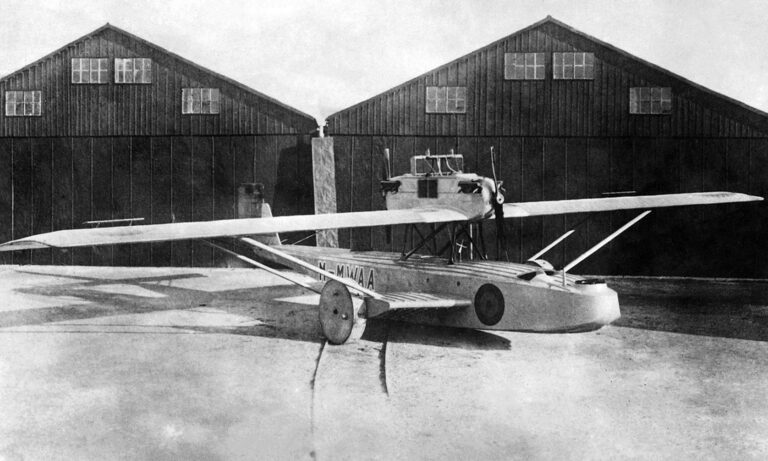
Spain acquired the Wal during the interwar period for naval aviation service. It was entered into Spanish naval registers as a maritime reconnaissance platform, operating from coastal bases and serving primarily in patrol and transport roles rather than offensive aerial missions.
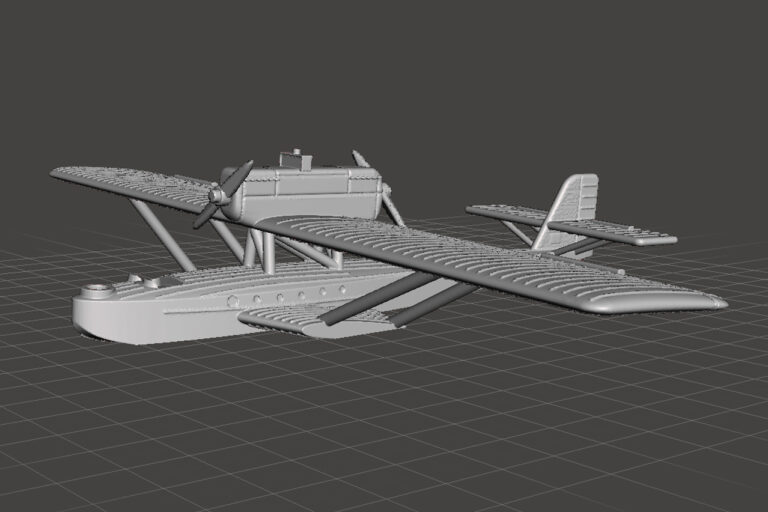
By July 1936, surviving Wals remained operational, though technologically dated. At the outbreak of the Civil War, they continued to perform coastal reconnaissance and logistical duties, reflecting Spain’s reliance on established flying boat designs within its pre-war Monarchist naval aviation structure.
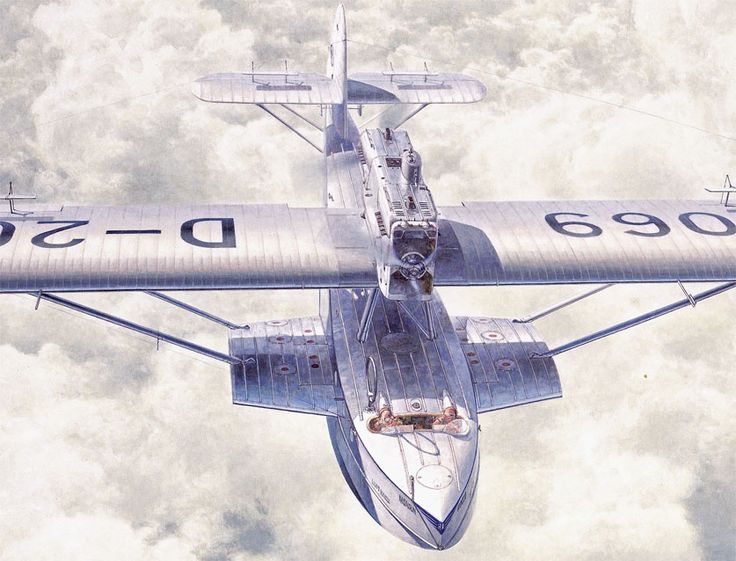
De Havilland DH-89 Dragon Rapide
The DH-89 Dragon Rapide first flew in 1934 as a light twin-engine civil airliner constructed largely of wood and fabric. Designed for economical short-haul transport, it prioritised reliability and ease of maintenance rather than military performance or defensive capability.
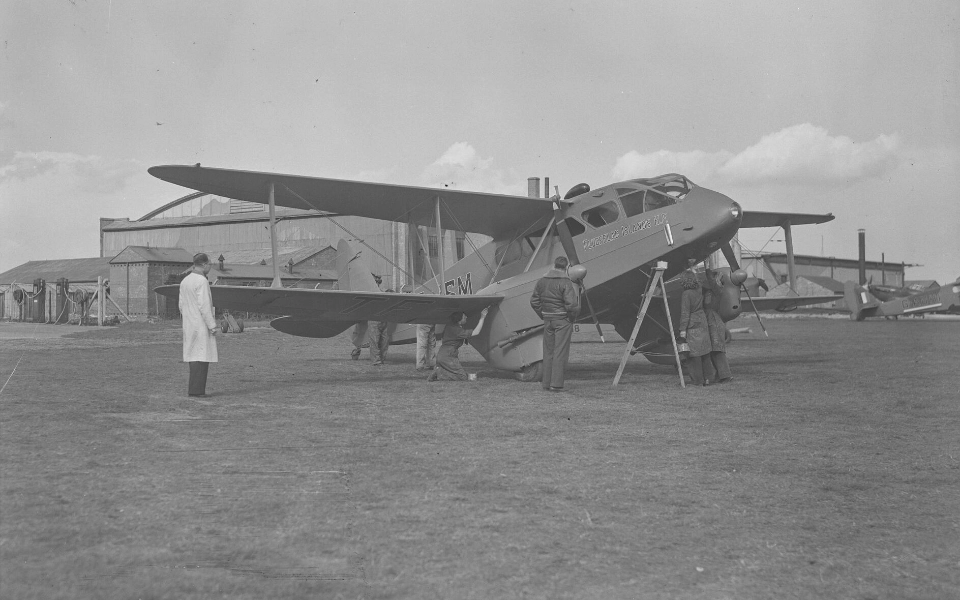
In Spain, Dragon Rapides operated within civil aviation registers prior to 1936. Though not formally part of military establishments, their availability and dependable performance made them practical assets during the political crisis preceding the Civil War.
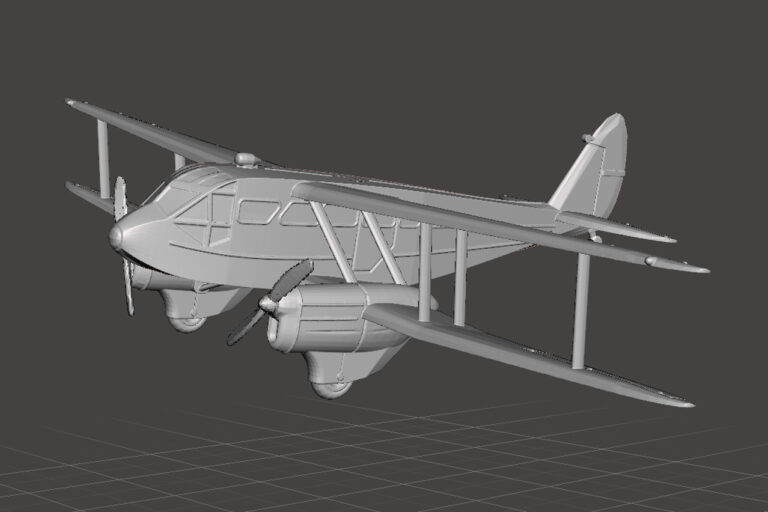
In July 1936, a Dragon Rapide was chartered to transport Francisco Franco from the Canary Islands to Morocco. Its historical importance rests in facilitating rapid command consolidation rather than combat action, underscoring how civil aircraft could influence strategic outcomes.
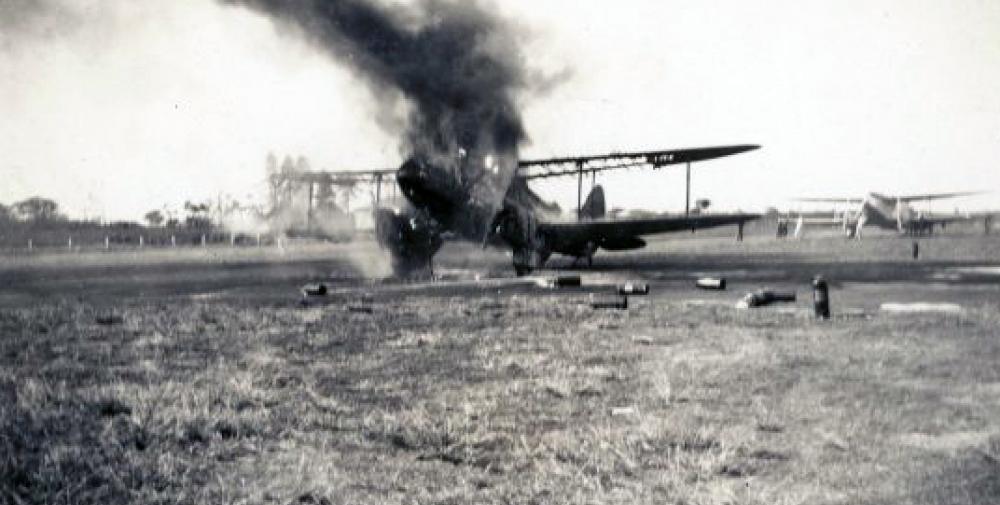
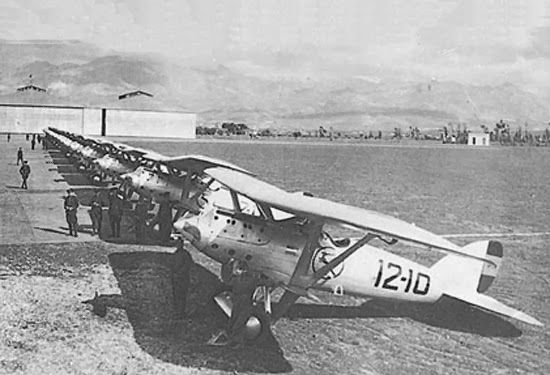
Nieuport-Delage NiD-52
The Nieuport-Delage NiD-52 was developed in the late 1920s and a licence to produce was purchased by Spain to produce a Spanish variant of this French fighter design. Featuring a sesquiplane configuration and fixed undercarriage, it represented Spain’s attempt to modernise its fighter capability domestically.
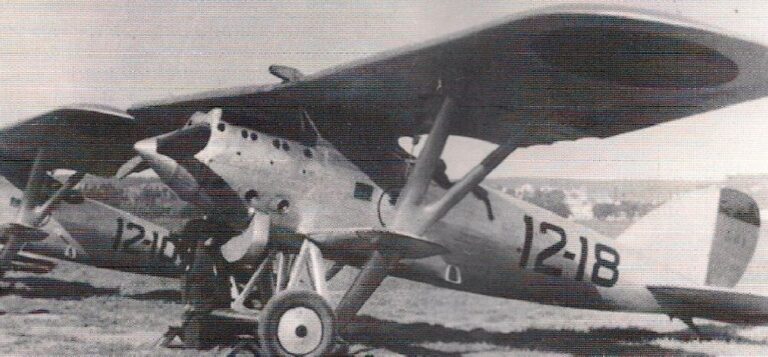
Entered into Spanish military registers in 1929, the NiD-52 became the principal fighter type within the pre-war air arm. However, rapid advancements in international fighter design soon exposed its performance limitations.
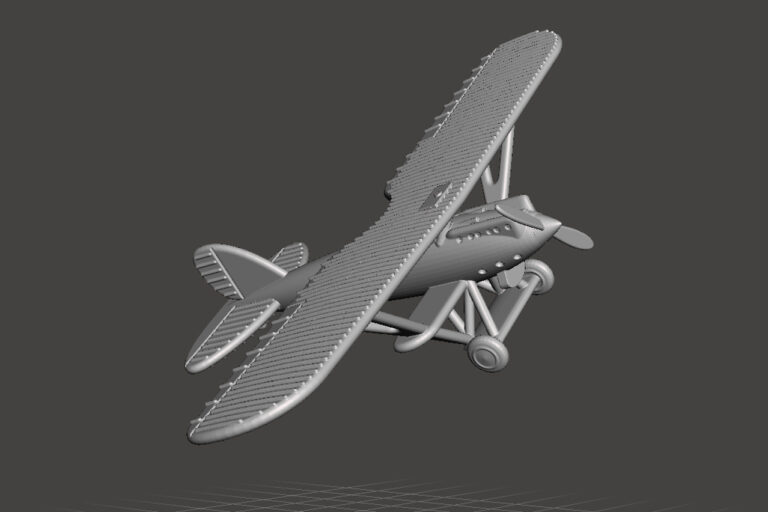
At the outbreak of the Civil War, the NiD-52 remained in frontline service in limited numbers. Though already obsolete compared to newer monoplanes emerging elsewhere, it formed part of the inherited Monarchist-era fighter inventory.
Macchi M.18
The Macchi M.18 was developed in the mid-1920s as a reconnaissance flying boat constructed primarily of wood with fabric covering. Designed for maritime patrol duties, it emphasised endurance and seaworthiness rather than speed or significant offensive armament.
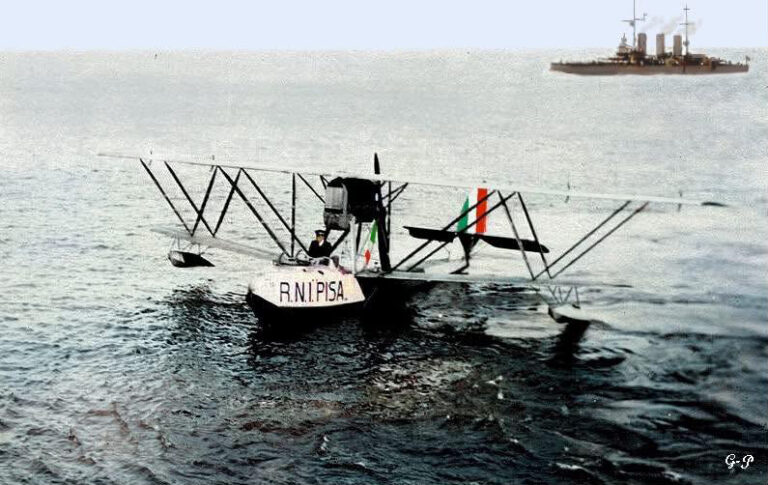
Spain incorporated the M.18 into its naval aviation registers during the interwar period. It operated from coastal installations, fulfilling reconnaissance and patrol roles within Spain’s maritime defence framework prior to the Civil War.
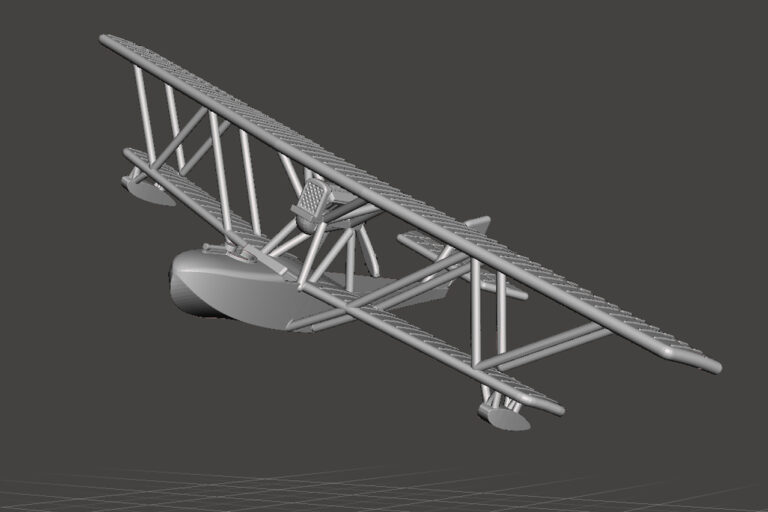
By July 1936, remaining examples were technically outdated but still serviceable. At the outbreak of hostilities, the M.18 continued limited coastal reconnaissance duties, reflecting the conservative pace of Spanish naval aviation modernisation before the conflict.
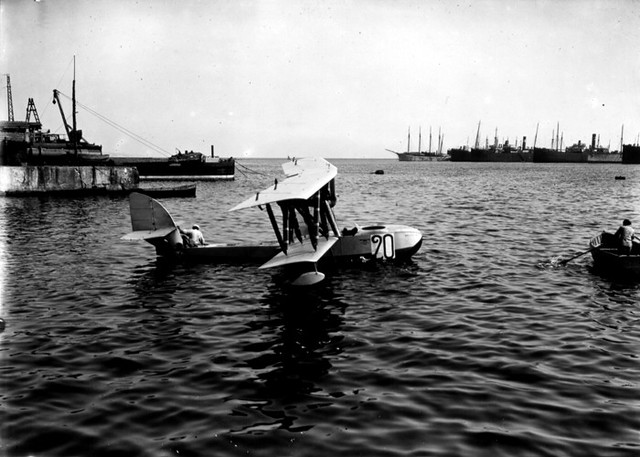
Macchi M.18 - Waterline
The Macchi M.18’s hull-and-float arrangement made it a true harbour aircraft, dependent on sheltered water, slipways, and tenders rather than runways. That design choice traded speed and altitude performance for dependable maritime basing, ideal for coastal observation in an era when naval aviation still assumed the sea was the natural airfield.
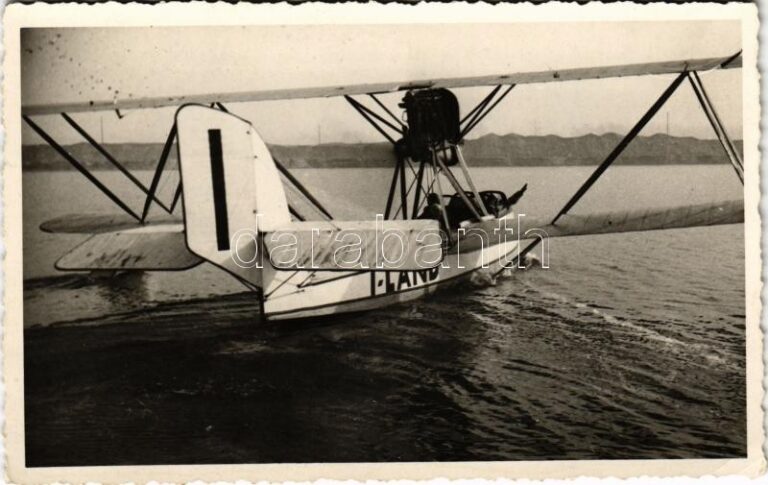
Following the July 1936 split, M.18 aircraft in Monarchist-held naval facilities were retained because they could still fly useful sorties immediately. Their operational value was practical: coastal reconnaissance, port-area surveillance, and liaison tasks that supported maritime awareness while faster, land-based aircraft took priority elsewhere.
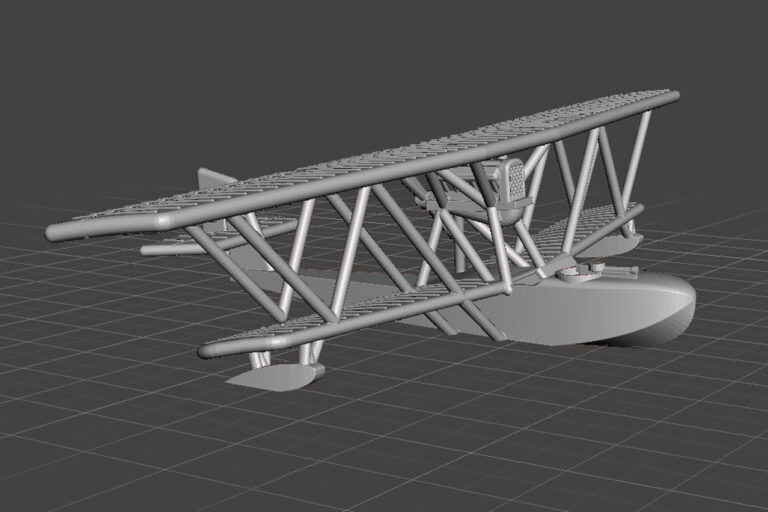
In Monarchist employment, the M.18’s missions were typically conservative—short-to-medium patrol legs over coastal approaches and harbour zones, reporting activity rather than seeking engagement. The waterline depiction is therefore historically honest: it reflects the aircraft’s war posture as a seaplane tied to ports and protected water, not frontline airfields.
Savoia-Marchetti Sm.62
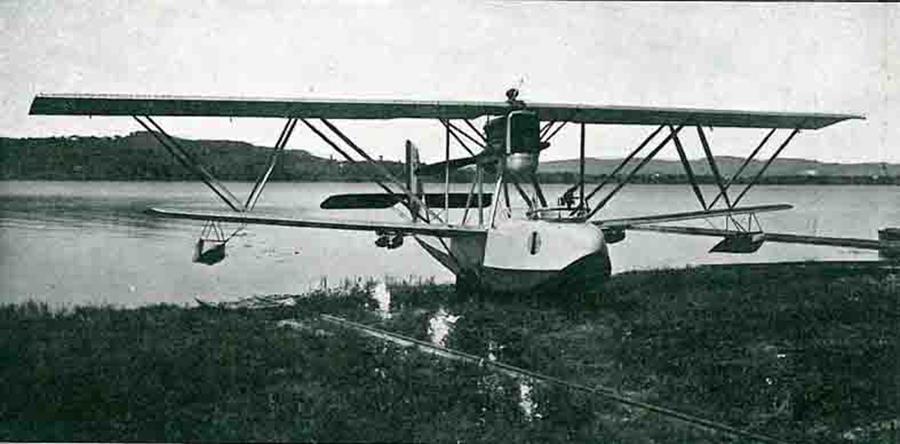
The Savoia-Marchetti SM.62 first flew in 1925 as a twin-float reconnaissance flying boat designed for maritime observation. Its radial engines and stable hull configuration made it well suited to coastal patrol and colonial service requirements.
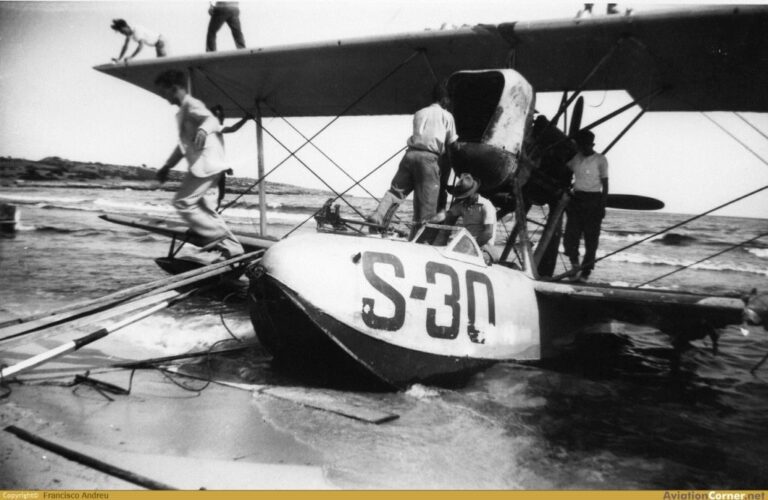
Spain adopted the SM.62 into naval aviation service during the late 1920s. Entered into official registers, it became a standard reconnaissance platform within coastal units during the interwar years.
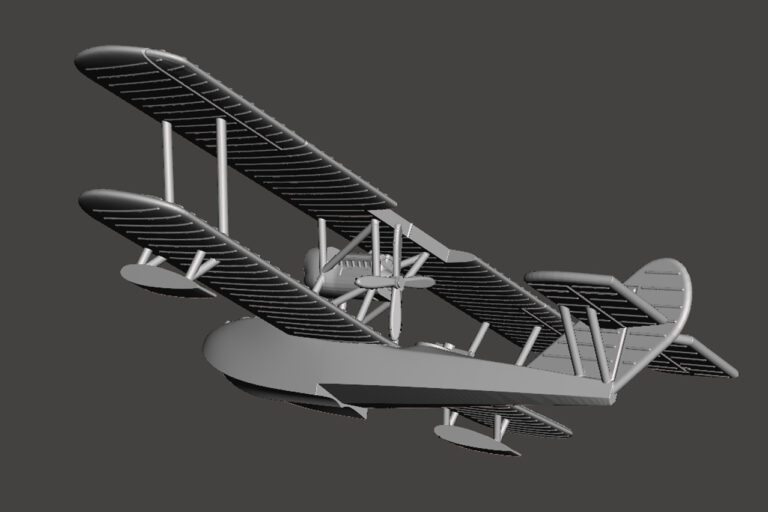
At the outbreak of the Civil War in 1936, surviving SM.62 aircraft remained operational. Although technologically surpassed by newer designs, they continued to perform reconnaissance and patrol missions during the early stages of the conflict.
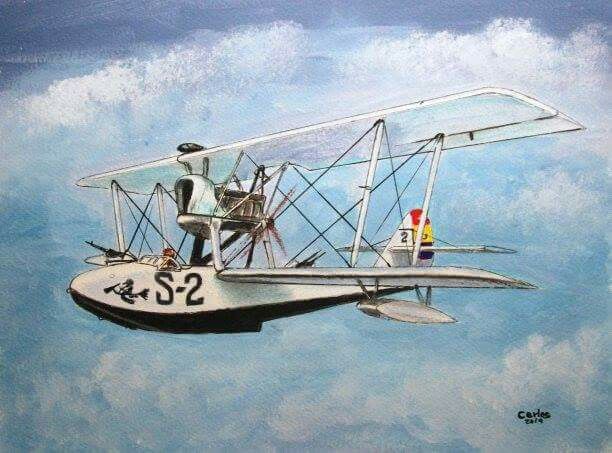
Savoia-Marchetti Sm.62 - Waterline
The SM.62’s twin-float configuration required calm water for take-off and recovery, anchoring its operations to established naval bases rather than improvised airstrips. Its structural layout favoured stability during observation runs over speed, making it suited to maritime reconnaissance rather than contested aerial engagements.
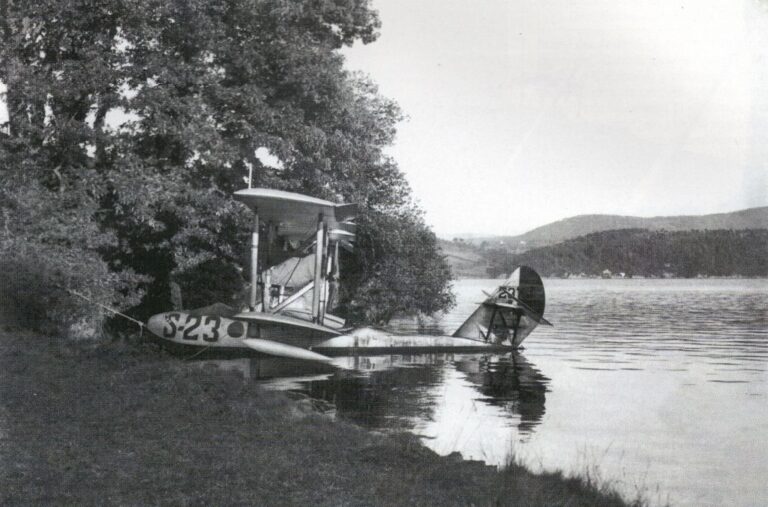
When naval facilities fell under Monarchist control in July 1936, SM.62 aircraft present in those installations were retained within maritime aviation detachments. Their continued service reflected immediate utility in maintaining coastal awareness during the conflict’s uncertain opening phase.
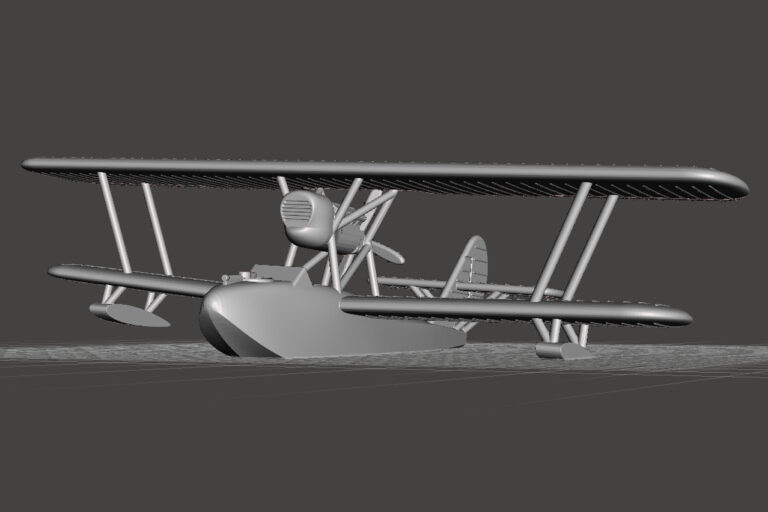
In Monarchist employment, the SM.62 conducted reconnaissance flights over controlled coastal sectors, monitoring shipping movements and harbour approaches. The waterline representation accurately reflects its operational reality—moored, launched, and recovered from port environments integral to Monarchist maritime logistics.
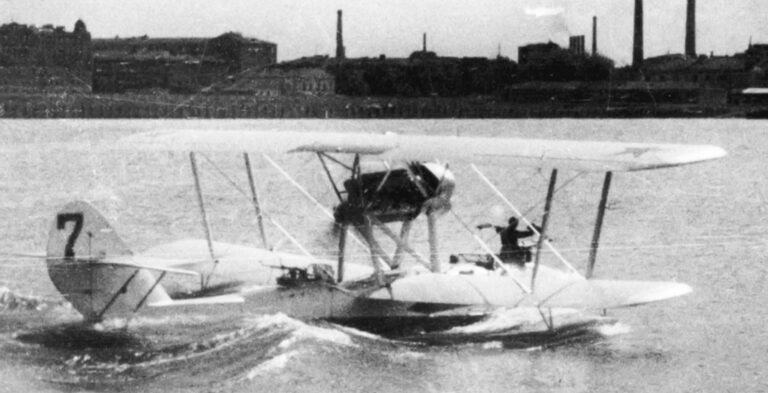
By the time the Spanish Civil War was underway, the aircraft operating under Republican control represented a rapid transition from inherited interwar stock to an increasingly modernised air arm. Initial reliance on pre-existing naval and reconnaissance types gave way to the introduction of contemporary fighters and bombers supplied from abroad. The result was a heterogeneous but evolving force, tasked simultaneously with defending urban centres, supporting ground operations, and contesting control of Spanish airspace under sustained pressure.
Dornier J Wal - Waterline
The Dornier J Wal’s twin-engine push-pull configuration, mounted above the parasol wing, reduced drag from engine nacelles while protecting propellers from spray. Its all-metal hull gave it structural resilience during prolonged maritime operations, an advantage for coastal patrol work despite its increasingly modest speed and limited defensive armament by 1936 standards.
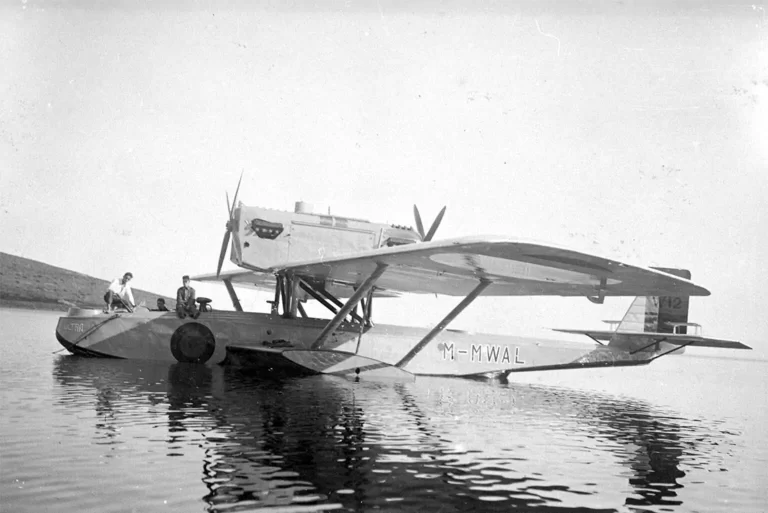
When Spain fractured in July 1936, Wals based at Republican-held naval facilities — including those along the Mediterranean littoral and the northern Cantabrian coast — were incorporated into Republican maritime aviation units. Their continued service reflected the Republic’s urgent need to monitor sea approaches and safeguard coastal supply routes.
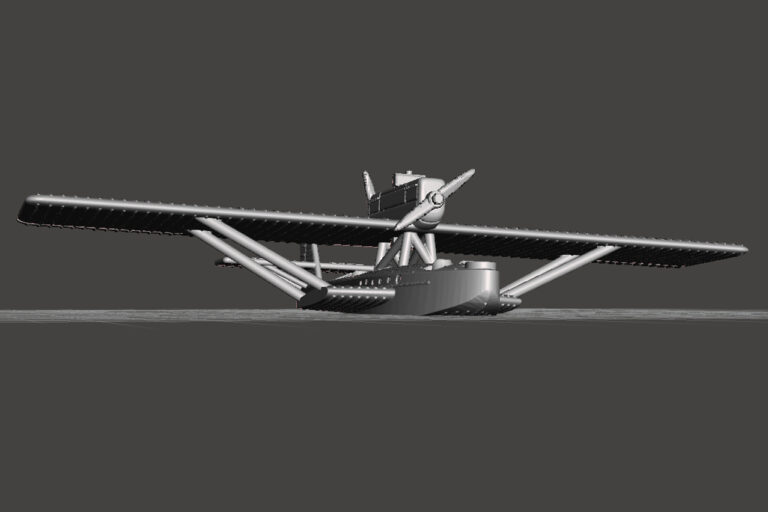
Throughout the conflict, Republican Wals conducted reconnaissance sorties over Mediterranean shipping lanes and along the Bay of Biscay. They observed harbour traffic, reported on naval movements, and maintained aerial presence over contested coastal sectors, particularly during periods when control of maritime access was strategically sensitive.
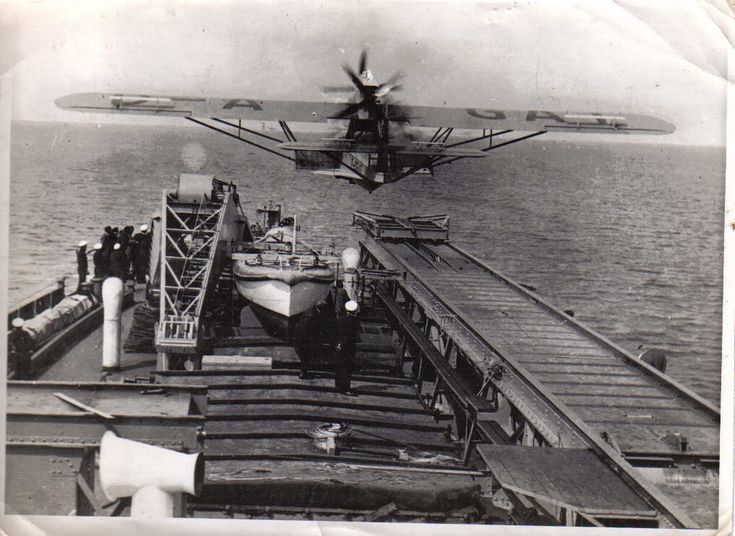
Macchi M.18
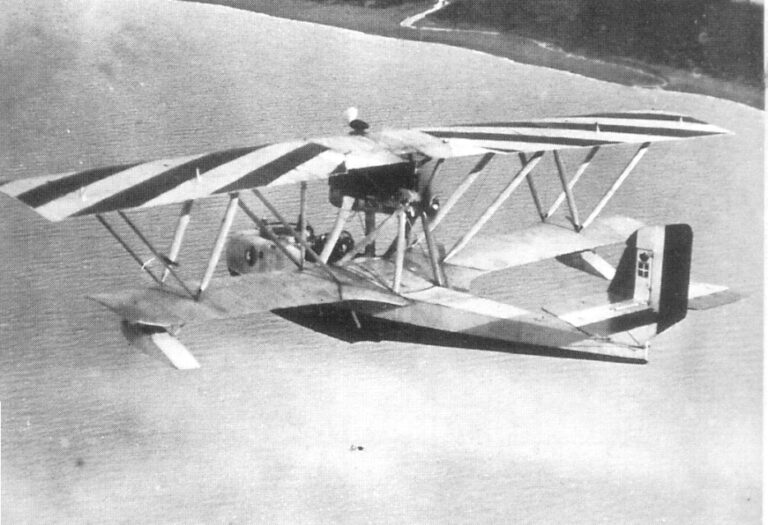
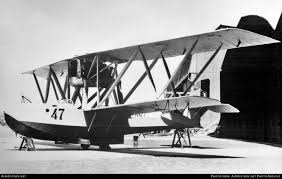
The Macchi M.18 was a single-engine flying boat developed in the mid-1920s for maritime reconnaissance. Of mixed wooden and fabric construction, it featured a parasol wing and stabilising floats, prioritising endurance and seaworthiness over speed. By 1936 its performance was modest, but its structural reliability remained serviceable for coastal duties.
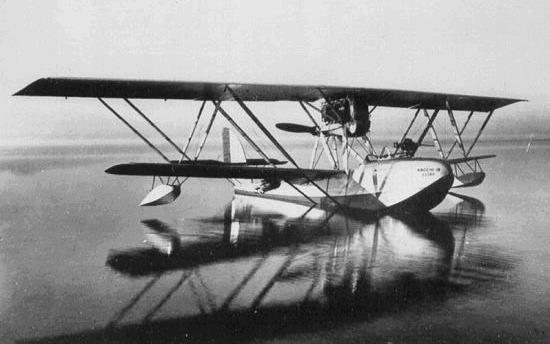
Spain had acquired the M.18 for naval aviation prior to the Civil War, and examples stationed at Republican-controlled bases were absorbed into Republican maritime units after July 1936. Their retention reflected immediate operational practicality rather than confidence in their modernity.
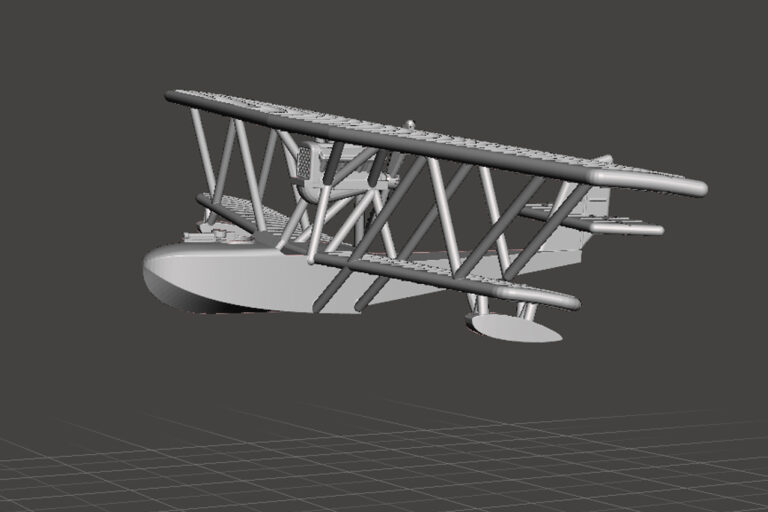
In the conflict’s opening months, Republican M.18s conducted reconnaissance over Mediterranean approaches and coastal sectors where naval activity required monitoring. Their missions centred on observation and reporting rather than engagement, serving as airborne extensions of coastal defence and maritime situational awareness.
Macchi M.18 - Waterline
Operationally, the aircraft’s hull configuration dictated basing from sheltered waters such as Cartagena and other Mediterranean naval facilities. Without reliance on prepared runways, the M.18 operated directly from harbour environments, an advantage in regions where land-based infrastructure faced disruption or contestation.
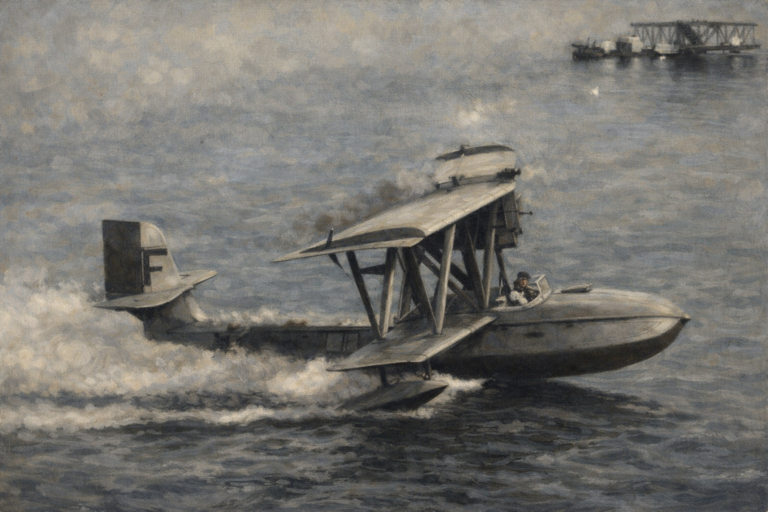
Throughout 1936 and into 1937, the type remained in limited but practical use along Republican-held coastlines. Its comparatively slow speed reduced survivability in contested airspace, confining operations largely to areas where aerial opposition was limited or manageable.
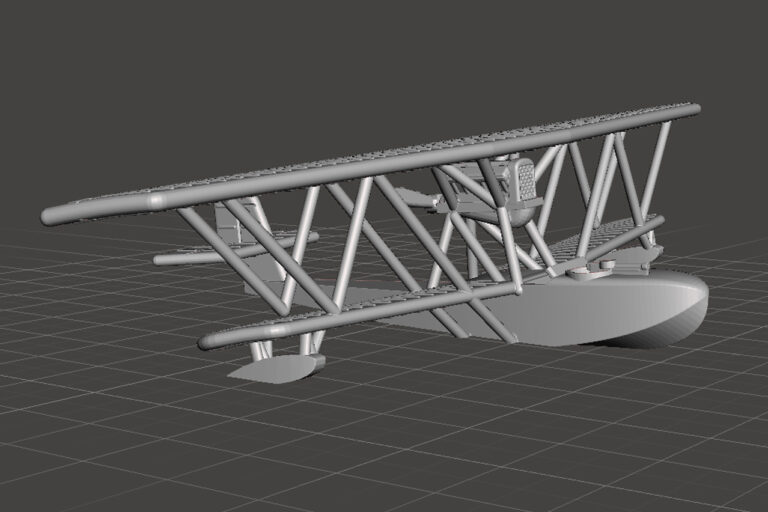
In modelling terms, the waterline representation accurately reflects the M.18’s Civil War employment. It was not a frontline interceptor but a harbour-based reconnaissance platform, operating from slipways and moorings rather than dispersal strips, embodying the Republic’s reliance on available maritime aviation assets.
Savoia-Marchetti SM.62
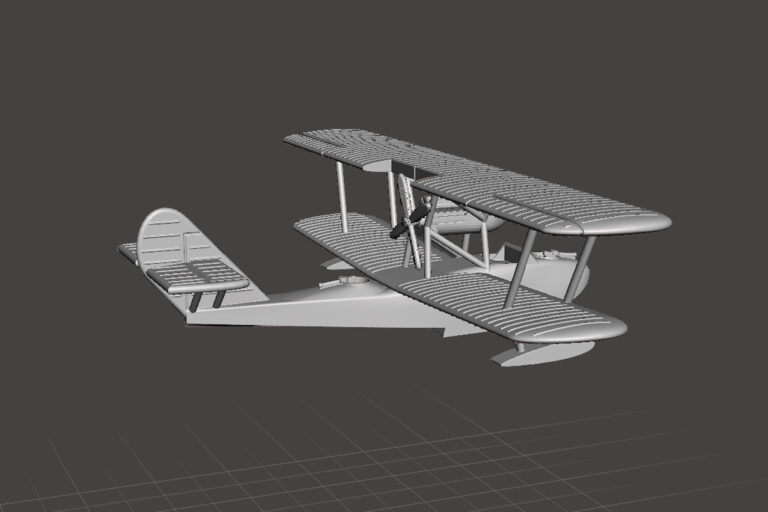
The Savoia-Marchetti SM.62 was a twin-float reconnaissance flying boat first introduced in the mid-1920s. Powered by a radial engine mounted above the fuselage, it provided stable low-speed handling characteristics suited to observation roles. By 1936 its performance was modest, yet its endurance and reliability remained adequate for maritime patrol.
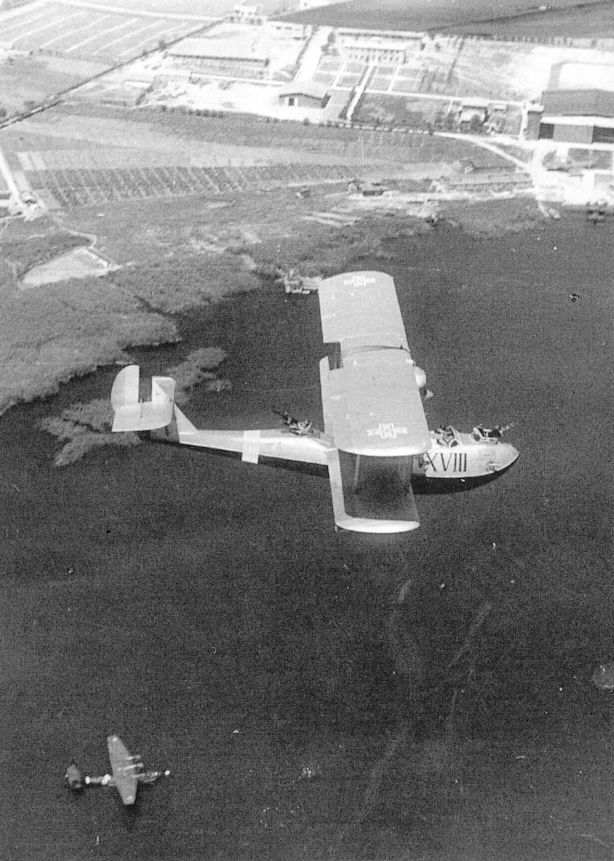
Spain had operated the SM.62 within naval aviation units prior to the Civil War, and aircraft stationed at Republican-held coastal bases were incorporated into Republican maritime detachments in July 1936. Their inclusion reflected immediate operational necessity rather than technological competitiveness.
In the opening phase of the conflict, Republican SM.62 aircraft conducted reconnaissance patrols along the Mediterranean littoral and northern coastal sectors. Missions focused on observing naval traffic, reporting ship movements, and maintaining aerial presence over strategically sensitive maritime approaches.
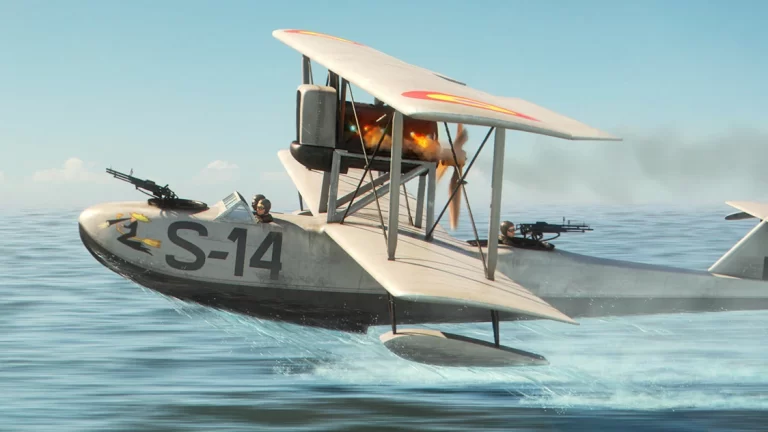
Savoia-Marchetti SM.62 - Waterline
The floatplane configuration required sheltered water for operations, leading to continued basing at established naval facilities such as Cartagena and other Republican-controlled ports. This maritime basing insulated the aircraft from some early ground offensives that disrupted land-based aviation infrastructure.
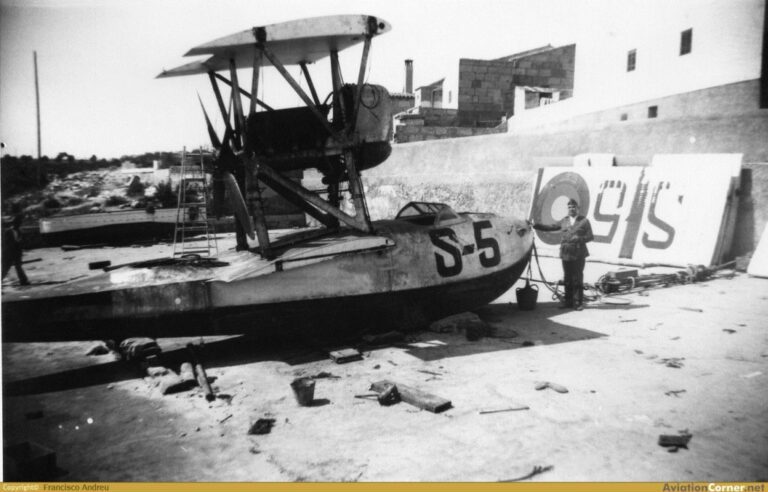
As the air war intensified and modern fighters appeared in theatre, the SM.62’s operational envelope narrowed. Its limited speed and defensive armament restricted employment largely to sectors where aerial opposition was minimal, reinforcing its role as a coastal observation platform rather than combat aircraft.
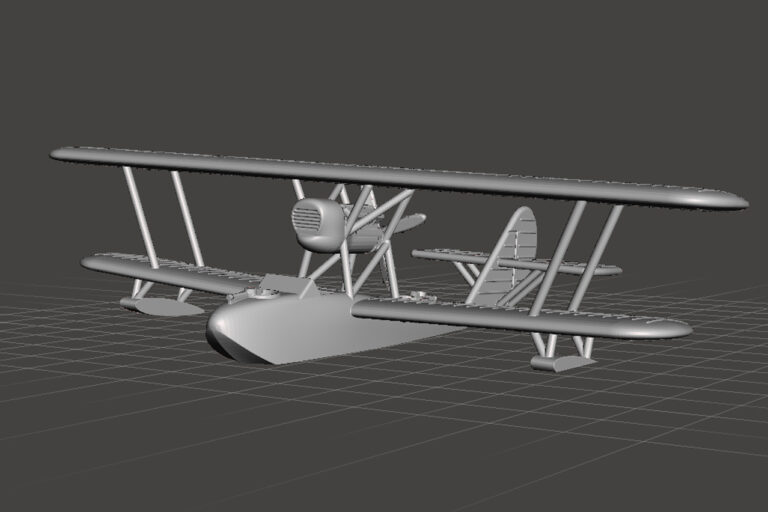
In modelling terms, the waterline configuration accurately represents the SM.62’s wartime posture. Operating from harbour environments, slipways, and moorings, it symbolises the Republic’s pragmatic use of inherited naval aviation assets during a period of rapid aerial modernisation.
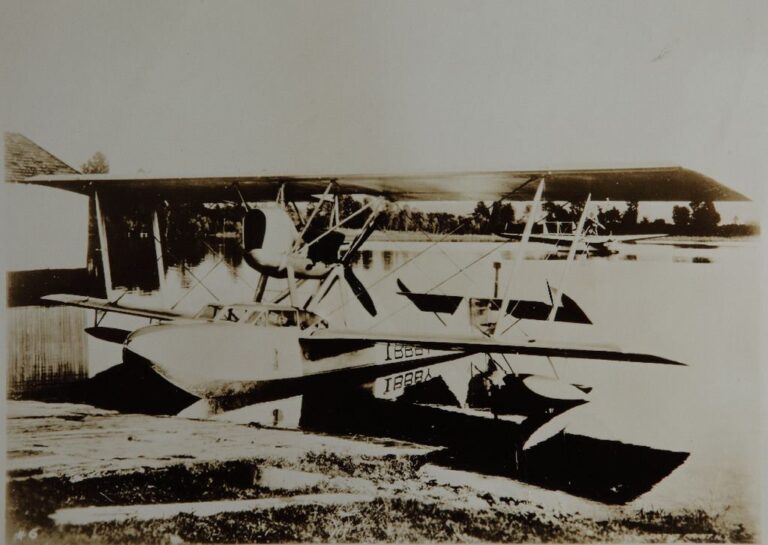
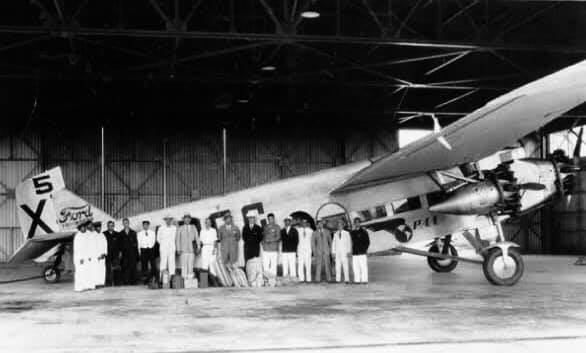
Ford Trimotor
The Ford Trimotor, first flown in 1926, was an all-metal transport aircraft employing corrugated duralumin skin inspired by contemporary Junkers designs. Powered by three radial engines mounted on a high wing, it prioritised structural durability and payload capacity over speed, making it particularly suited to rugged operating conditions.
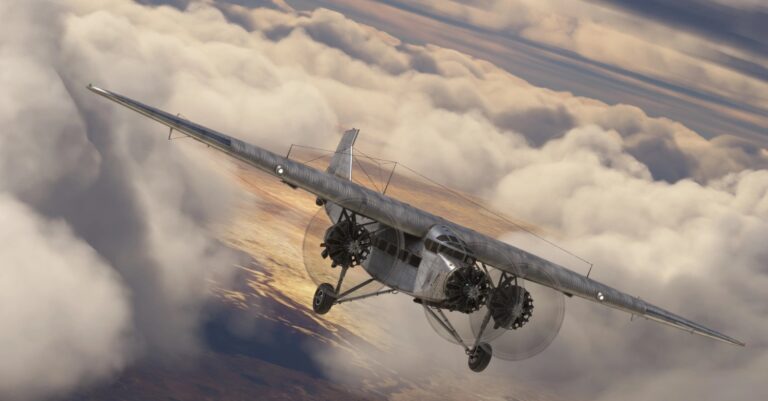
Though conceived as a civil airliner, Trimotors operating within Spanish territory were drawn into Republican service as the Civil War intensified. Their reliability and lift capability made them valuable assets for moving personnel, equipment, and administrative staff between Republican-controlled airfields.
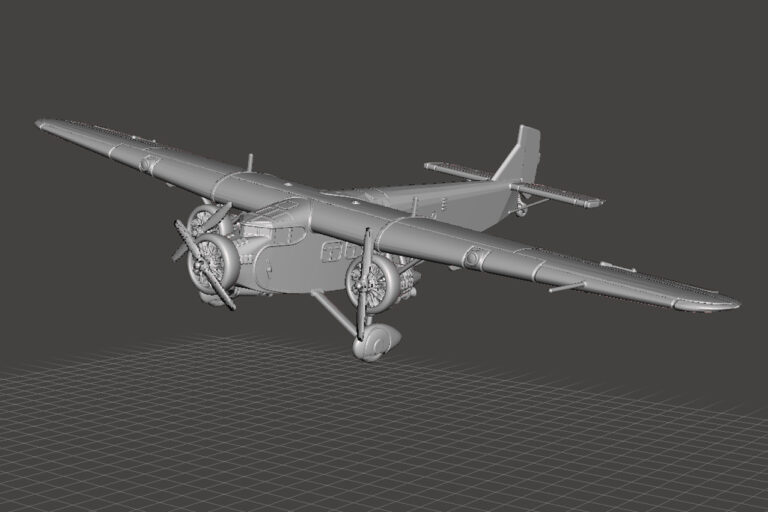
During the conflict, Republican-operated Trimotors undertook logistical transport missions rather than combat roles. They facilitated the movement of reinforcements, supplies, and command personnel between key centres, contributing to operational continuity at a time when secure ground communication routes were frequently contested or disrupted.
During the Spanish Civil War, Nationalist air power developed from a fragmented inheritance of pre-war aircraft into a progressively reinforced force shaped by foreign intervention. Early reliance on available reconnaissance and utility types was soon supplemented by modern fighters and bombers supplied by Germany and Italy. This combination of legacy airframes and contemporary imports enabled the Nationalists to establish coordinated air-ground operations, progressively strengthening their capacity to control airspace and support sustained offensives across multiple theatres.
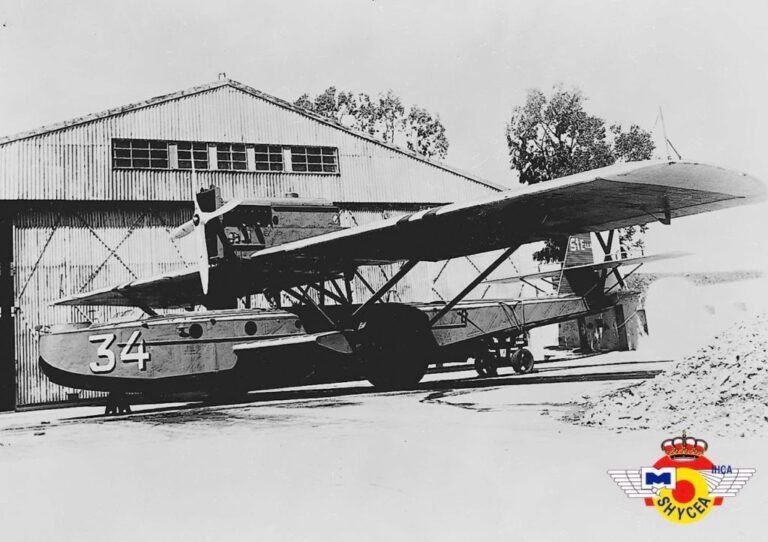
Dornier J Wal - Waterline
The Dornier J Wal featured a broad-span wing supported by struts and mounted above a deep hull, giving it steady low-altitude handling over water. Its fuel capacity enabled extended patrol durations, and its open defensive positions reflected early interwar design priorities rather than the enclosed turrets emerging elsewhere by 1936.
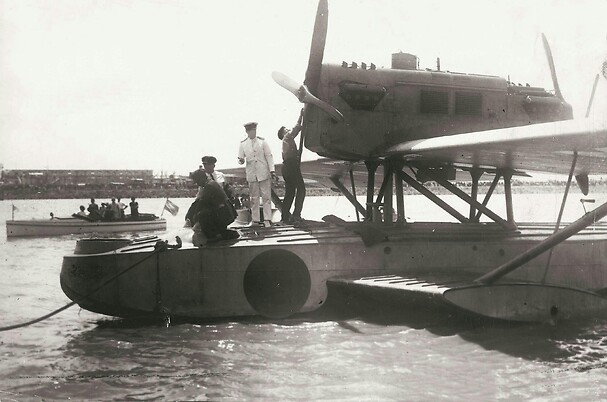
When Nationalist forces secured key naval installations during the uprising, Wals based in those facilities were absorbed into Nationalist maritime aviation elements. With limited immediate alternatives, these aircraft provided a ready-made capability for sustained coastal observation while foreign support was still consolidating.
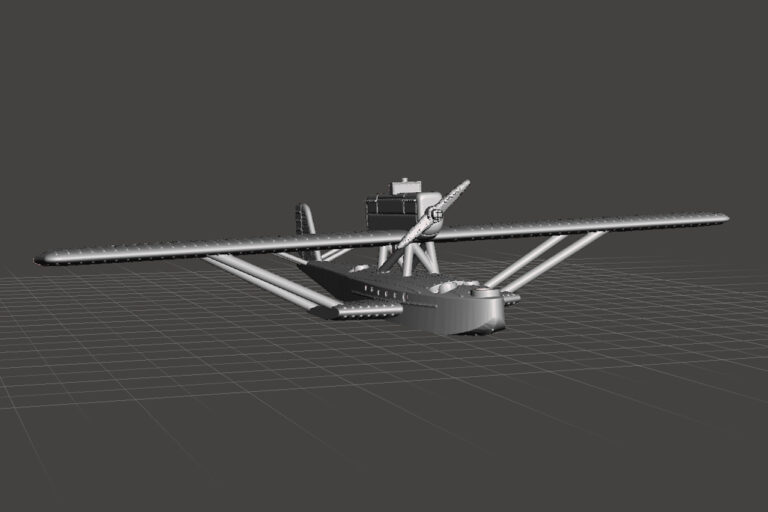
In Nationalist service, the Wal operated primarily along Mediterranean-controlled coastlines, conducting surveillance over shipping routes and harbour approaches. Its endurance made it suitable for extended patrols supporting Nationalist naval coordination, particularly during periods when control of maritime access remained strategically contested.
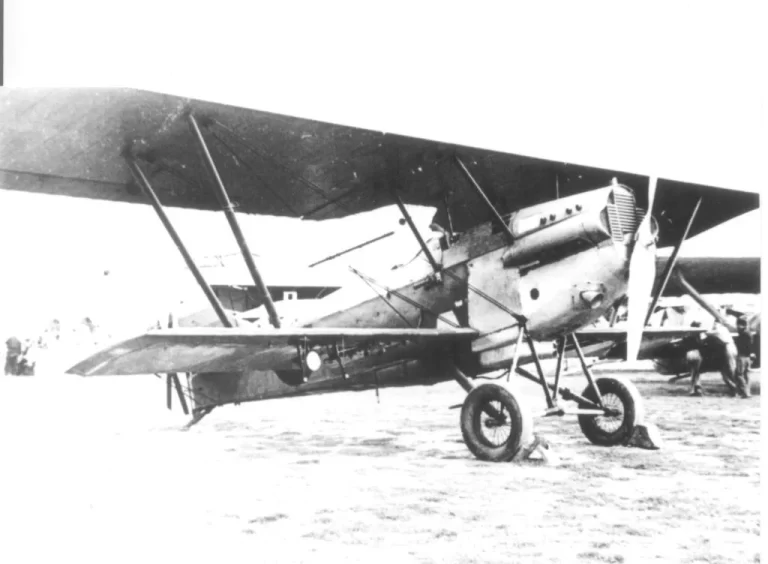
Potez 25 TOE
The Potez 25 TOE was a two-seat reconnaissance and light bombing biplane powered by a radial engine optimised for endurance in austere conditions. Its steel-tube fuselage structure and fabric covering provided durability and ease of field repair, characteristics valued in colonial and expeditionary operations.
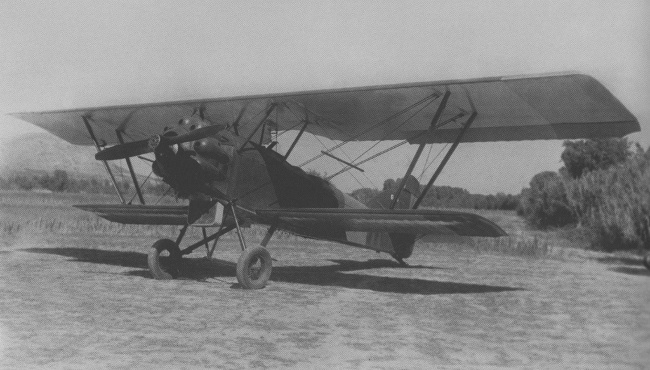
At the outbreak of the Civil War, Potez 25 aircraft located in territories seized by Nationalist forces were incorporated into Nationalist air units. Their mechanical simplicity and operational familiarity allowed immediate deployment during the conflict’s unstable opening phase.
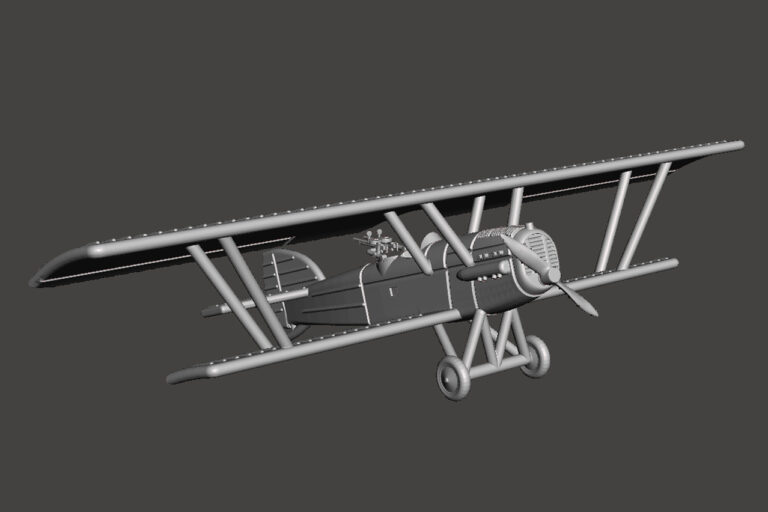
In Nationalist service, the Potez 25 conducted reconnaissance, liaison, and light bombing missions, particularly in secondary sectors where opposition was limited. Though progressively overshadowed by more modern imports, it remained useful for ground-support and observation duties during sustained Nationalist offensives.
Savoia-Marchetti SM.62
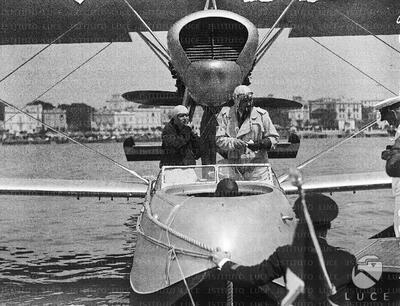
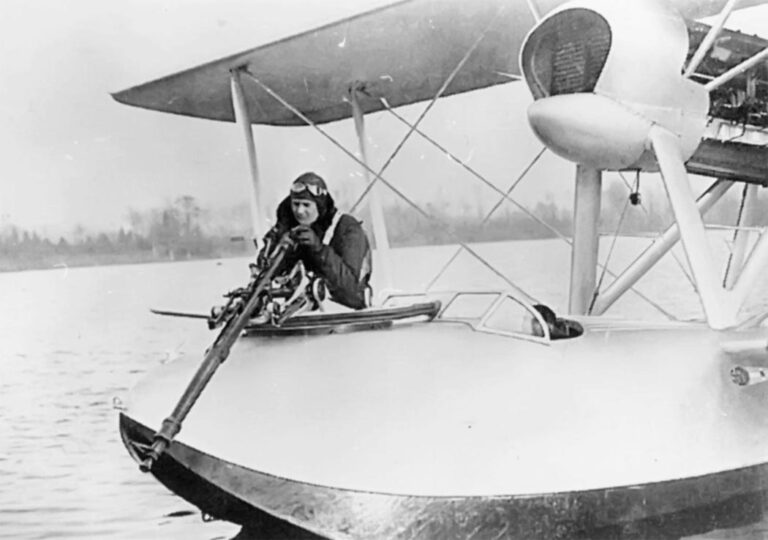
The Savoia-Marchetti SM.62 was a single-engine floatplane reconnaissance aircraft featuring a central fuselage supported by twin stabilising floats. Its braced wing structure provided steady handling at low speeds, making it suitable for maritime observation tasks rather than aggressive manoeuvre or air combat performance.
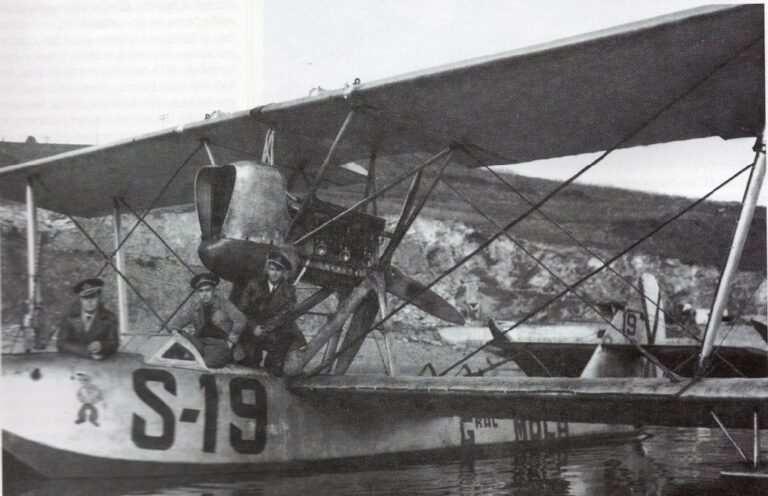
Powered by a radial engine mounted above the fuselage, the aircraft benefited from reduced spray ingestion during take-off and landing. Its operational range allowed extended observation flights over coastal waters, though payload limitations constrained its offensive capability by 1936 standards.
When the Nationalist uprising secured key naval facilities, SM.62 aircraft present in those installations were incorporated into Nationalist maritime aviation units. Their availability ensured continuity of coastal reconnaissance while modern aircraft from foreign allies were still being assembled and deployed.
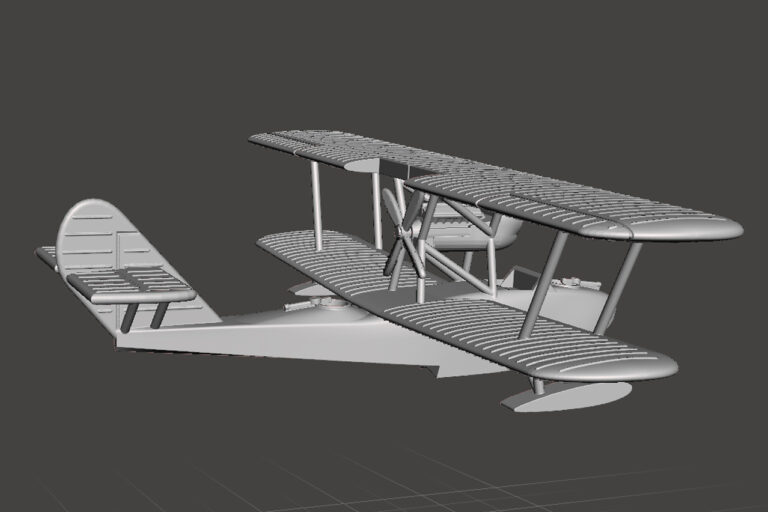
Savoia-Marchetti SM.62 - Waterline
Nationalist-controlled SM.62s operated primarily from established naval bases, maintaining aerial oversight of Mediterranean shipping approaches. Their missions focused on reconnaissance, reporting vessel movements and monitoring harbour traffic to support Nationalist naval coordination efforts.
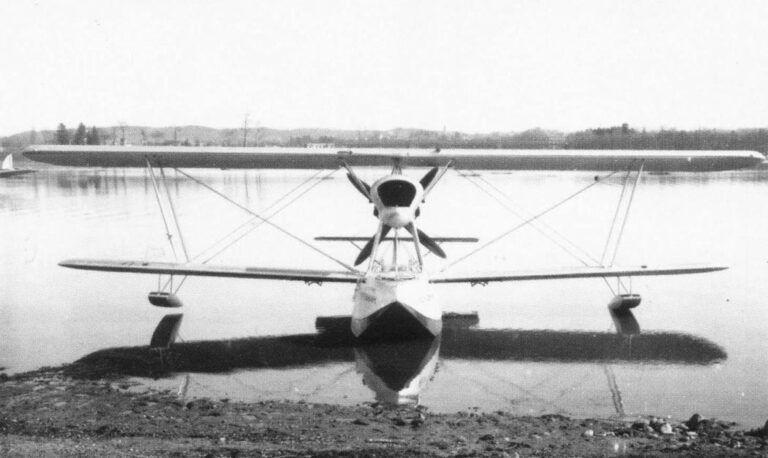
As the air war intensified and faster land-based aircraft entered service, the SM.62’s operational profile narrowed. It was generally restricted to sectors where aerial opposition was limited, preserving its utility as a maritime observation platform rather than exposing it to contested airspace.
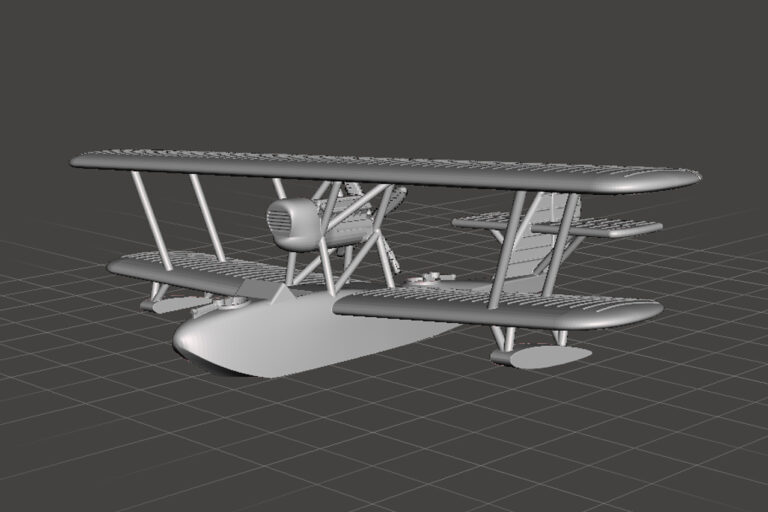
In modelling terms, the waterline configuration reflects the aircraft’s operational posture during the Civil War. The SM.62 was a harbour-based reconnaissance asset, associated with slipways and moorings, embodying Nationalist reliance on inherited maritime aviation resources during the conflict’s early and middle phases.
The Aviazione Legionaria represented Italy’s formal aerial intervention in the Spanish Civil War, deployed not merely as auxiliary support but as an operational extension of the Regia Aeronautica. Its formations introduced modern monoplane fighters, dedicated ground-attack aircraft, and contemporary medium bombers into the Iberian theatre. Beyond supporting Nationalist campaigns, Italian air units used Spain as a proving ground, refining bombing coordination, close-support doctrine, and formation discipline under sustained combat conditions prior to 1939.
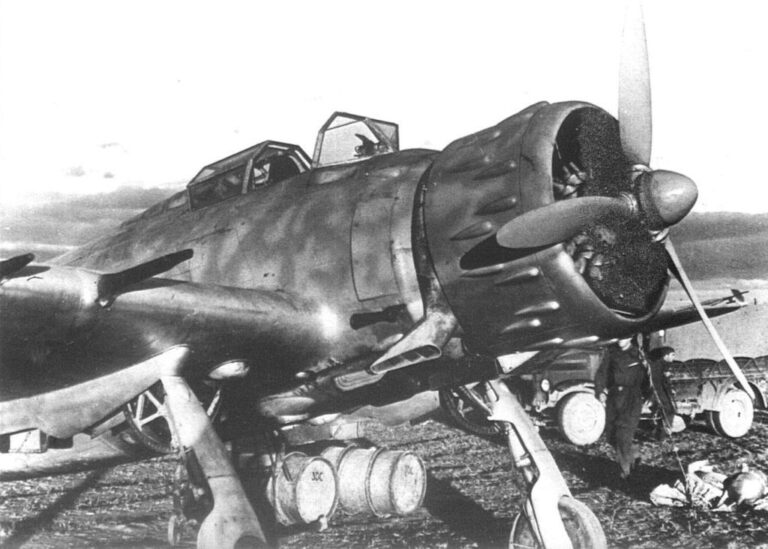
Breda Ba-65 w. Lowered Undercarriage
The Breda Ba.65 was conceived as a purpose-built ground-attack monoplane, featuring all-metal stressed-skin construction, a low cantilever wing, and retractable landing gear. Designed around a radial engine installation, it incorporated forward-firing machine guns and the capacity to carry light bombs beneath the wings or fuselage. Its configuration reflected Italy’s mid-1930s emphasis on dedicated assault aviation rather than multi-role compromise.
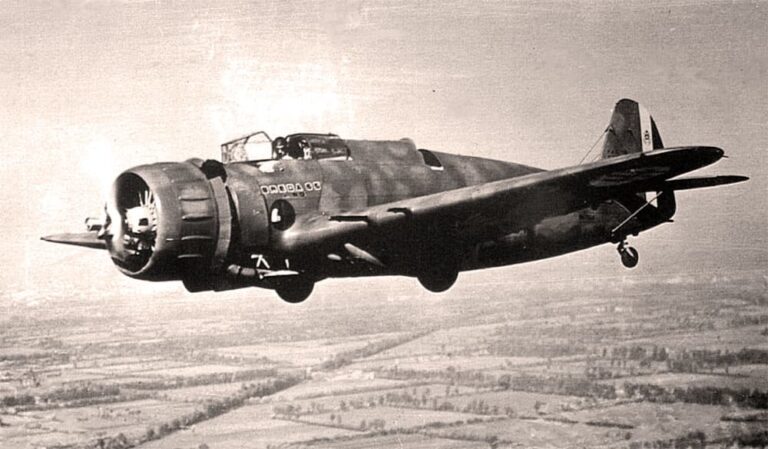
The aircraft entered Regia Aeronautica service in 1936 and was selected for deployment to Spain under the Aviazione Legionaria as Italy expanded its direct military involvement. Its introduction into the theatre represented a deliberate effort to test modern monoplane assault doctrine under combat conditions.
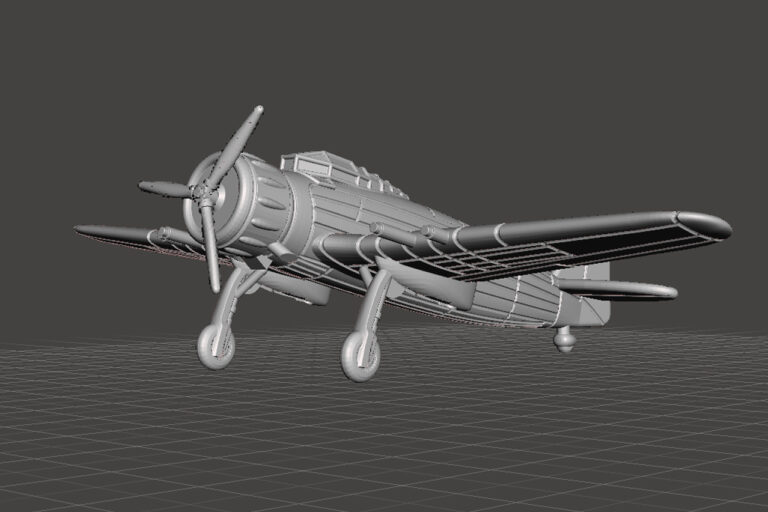
In the Spanish Civil War, the Ba.65 was employed in close-support and interdiction roles, striking Republican troop positions, supply routes, and defensive concentrations. Its operations during campaigns in northern Spain and later in Aragón provided Italy with practical insight into low-level attack tactics, aircraft survivability, and coordination with advancing Nationalist ground formations.
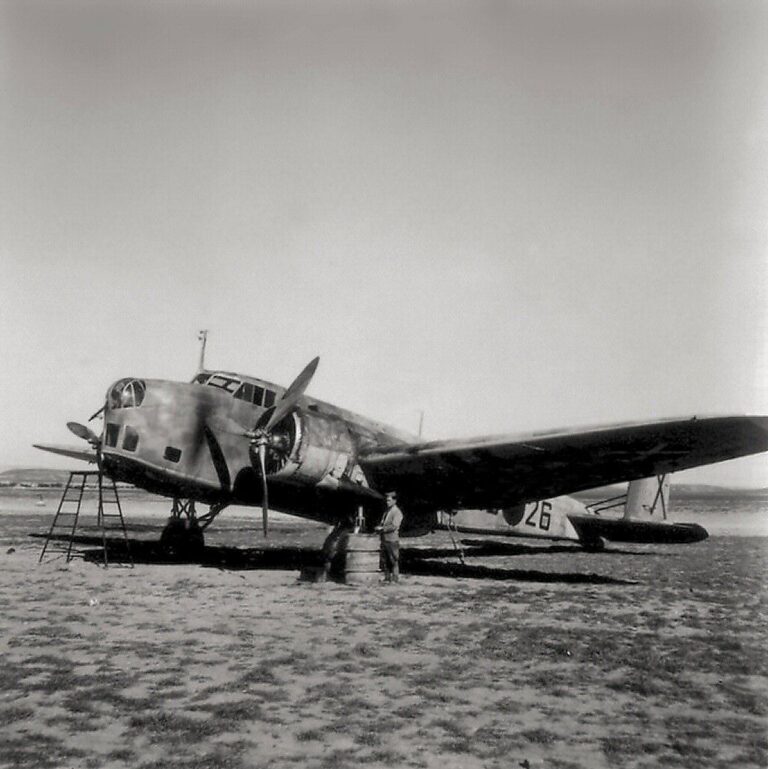
Fiat Br-20M 'Cicogna' w. Lowered Undercarriaged
The Fiat BR.20 was developed in the mid-1930s as a twin-engine medium bomber with stressed-skin metal construction and a twin-fin tail configuration. Powered by radial engines mounted in streamlined nacelles, it featured internal bomb stowage and defensive gun positions, reflecting contemporary European bomber design thinking focused on speed, structural strength, and medium-range strike capability.
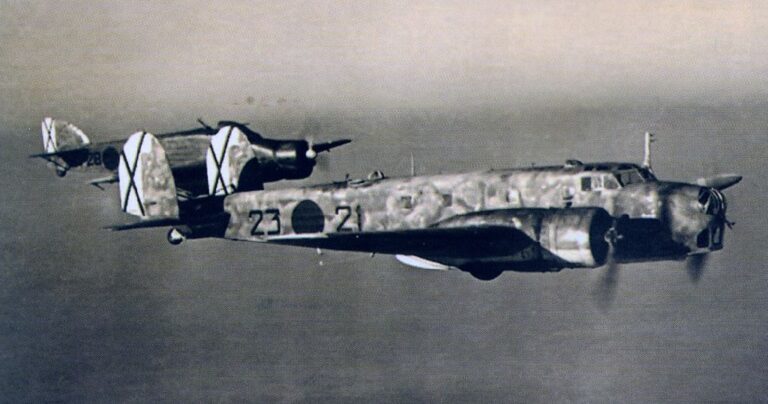
The BR.20 entered Regia Aeronautica service in 1936 and was deployed to Spain shortly thereafter as part of Italy’s Aviazione Legionaria commitment. Its dispatch to the Iberian theatre formed part of a broader Italian effort to evaluate modern bomber doctrine in sustained operational conditions.
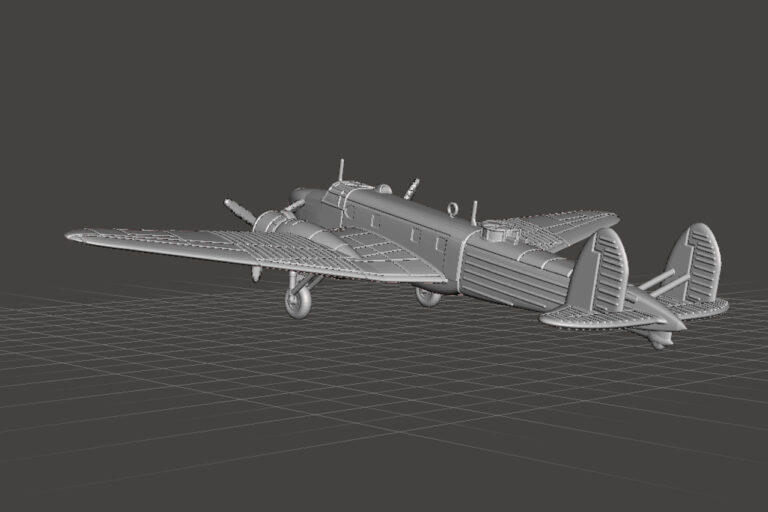
In the Spanish Civil War, the BR.20 conducted medium-altitude bombing missions against infrastructure, troop concentrations, and logistical targets. Operating from established Nationalist airfields, it contributed to coordinated aerial campaigns, providing Italy with valuable operational experience in navigation, formation bombing, and defensive tactics under combat pressure.
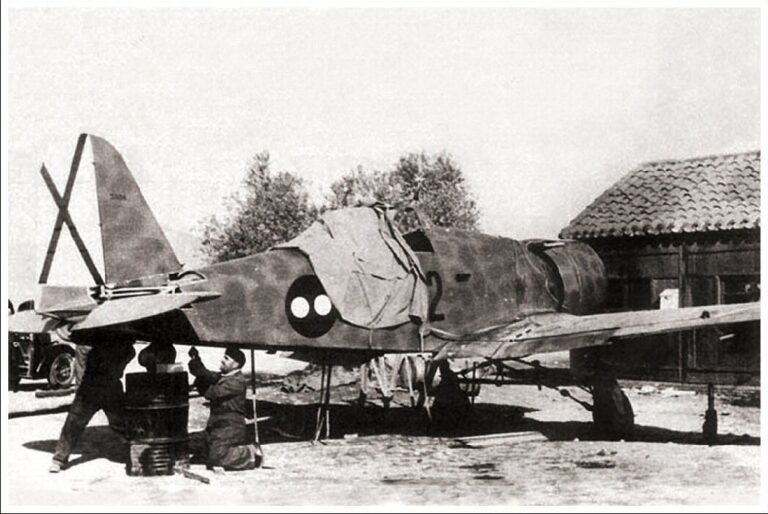
Fiat G.50 Freccia w. Lowered Undercarriage
The Fiat G.50 Freccia was developed in 1937 as a single-seat, all-metal monoplane fighter intended to replace earlier Italian biplane types. It featured retractable landing gear, an enclosed cockpit in early configuration, and armament concentrated in fuselage-mounted machine guns. Its radial engine installation reflected Italian design preferences of the period.
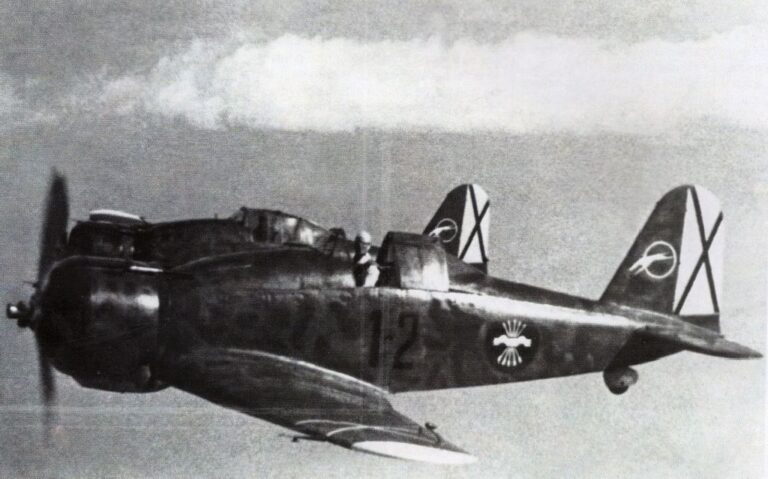
The aircraft entered Regia Aeronautica service in 1938 and, as Italian involvement in Spain continued, selected examples were dispatched to the Iberian theatre in early 1939. Their deployment formed part of Italy’s effort to introduce and familiarise operational units with modern monoplane fighter doctrine under real campaign conditions, even as the conflict approached its final phase.
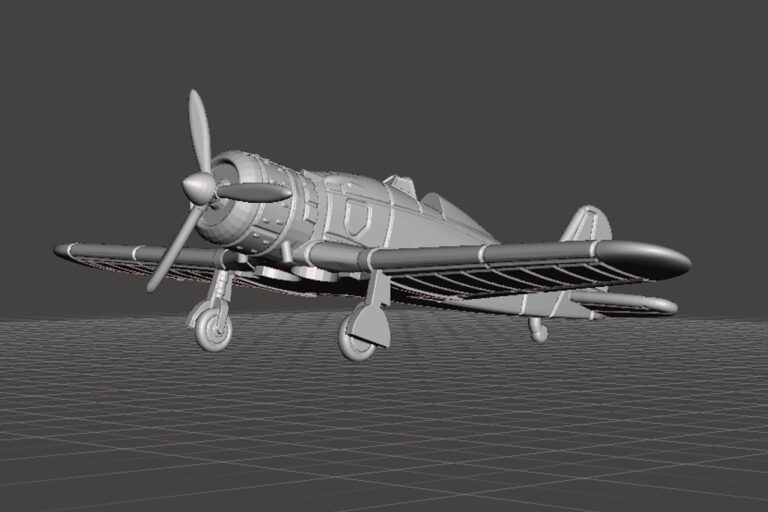
Operational activity in Spain before March 1939 was limited by timing rather than intent. The G.50’s presence was therefore more symbolic of technological progression within Italian fighter forces than demonstrative of extensive combat record. Nevertheless, its arrival illustrated the rapid pace of fighter evolution occurring during the closing months of the Spanish Civil War.
Savoia-Marchetti Sm-79 Sparviero w. Lowered Undercarriage
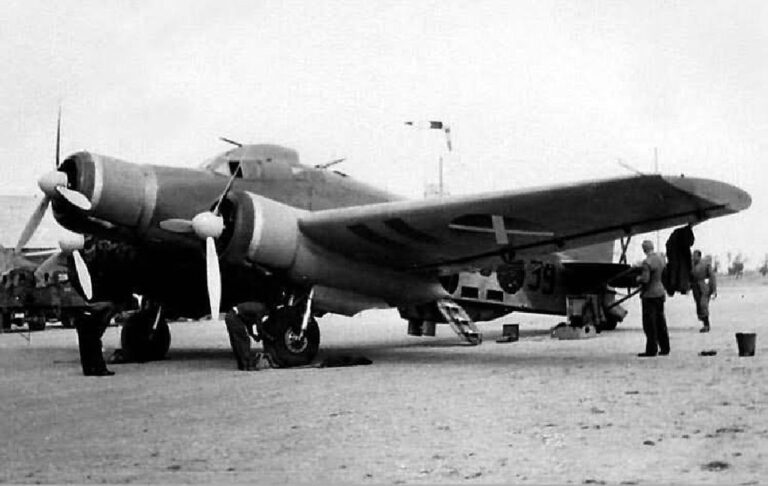
The Savoia-Marchetti SM.79 was developed in the mid-1930s as a fast trimotor bomber built around a mixed construction of metal framework and wooden components. Its distinctive dorsal “hump” housed defensive armament, while its three radial engines provided reliable lift and range. Originally conceived with civil racing potential, it evolved rapidly into a capable medium bomber platform.
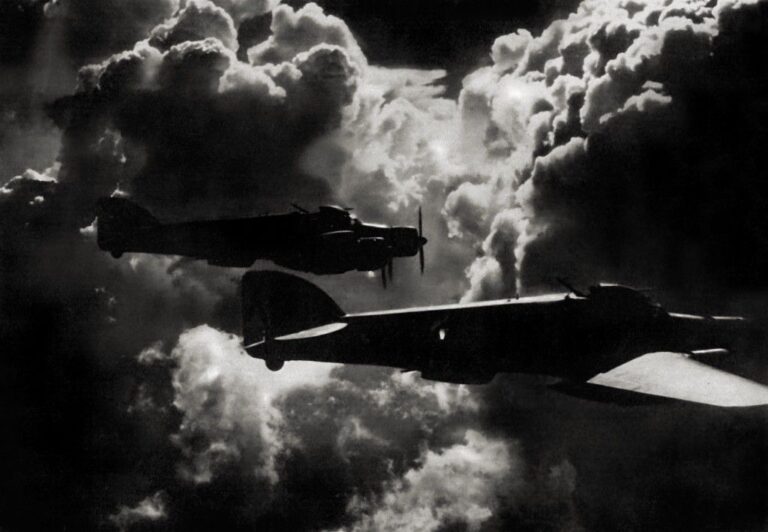
The SM.79 entered Regia Aeronautica service in 1936 and was deployed to Spain soon thereafter under the Aviazione Legionaria. Its dispatch marked Italy’s commitment to fielding modern medium bomber capability in support of Nationalist operations, complementing earlier bomber types already in theatre.
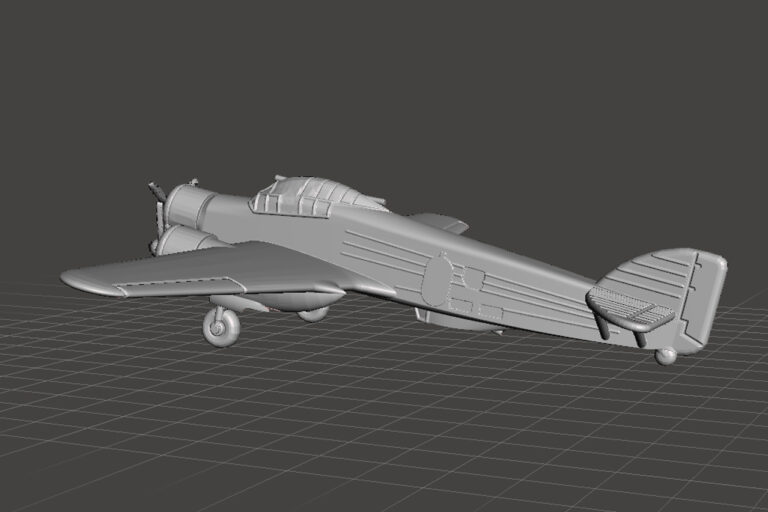
In the Spanish Civil War, SM.79 aircraft conducted bombing operations from mainland and Balearic bases against ports, infrastructure, and troop concentrations. Its speed offered a degree of survivability against interception, and its sustained employment in coordinated bombing missions provided Italy with valuable operational experience in medium bomber doctrine prior to 1939.
The Condor Legion was Germany’s expeditionary air contingent in the Spanish Civil War, fielded as a fully integrated operational force rather than a symbolic detachment. It introduced modern fighters, medium bombers, and fast reconnaissance aircraft, supporting Nationalist offensives while systematically testing tactics, coordination, and equipment under combat conditions. In Spain, German air units refined formation bombing, fighter interception methods, and reconnaissance-led targeting, shaping an increasingly modern air doctrine within the conflict’s tight 1936–1939 window.
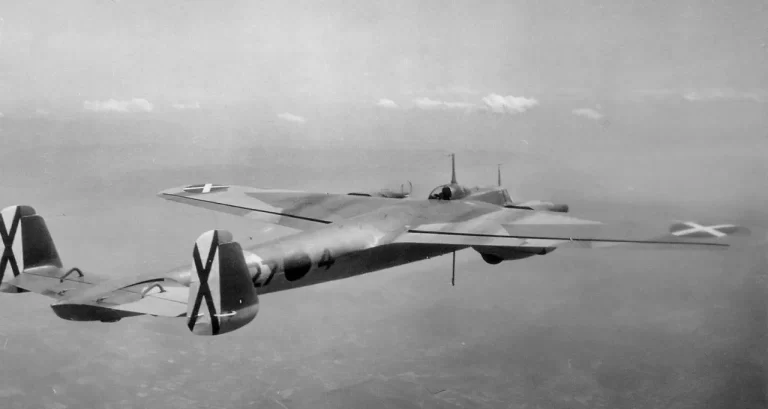
Dornier Do-17E
The Dornier Do 17 originated in the early 1930s as a fast mail aircraft concept before evolving into a light bomber. Its defining feature was a slender fuselage, earning it the nickname “Fliegender Bleistift” or “Flying Pencil.” The E-series represented an early bomber configuration with internal bomb stowage and defensive gun positions suited to emerging Luftwaffe doctrine.
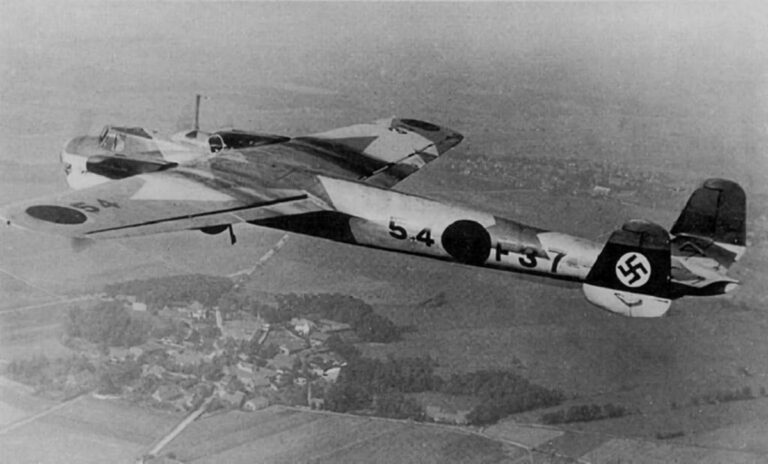
The Do 17E entered Luftwaffe service in the mid-1930s as Germany expanded its bomber force. Designed for speed over heavy payload, it reflected contemporary thinking that survivability could be achieved through performance rather than armour. Selected aircraft were assigned to Condor Legion units for operational evaluation in Spain.
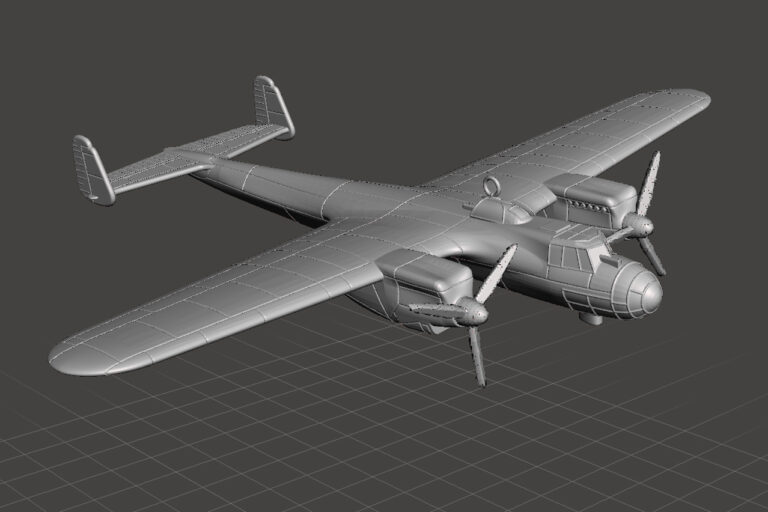
Deployment to Spain placed the Do 17E within Kampfgruppe 88 formations supporting Nationalist operations. Its arrival complemented other German bomber types already active in theatre, allowing comparative operational assessment under sustained combat conditions.
Dornier Do-17E w. Lowered Undercarriage
In the Spanish Civil War, the Do 17E conducted bombing missions against infrastructure, supply depots, and troop concentrations. Its relatively high speed for the period provided a measure of protection against interception, particularly in the earlier stages before opposing fighter capability matured.
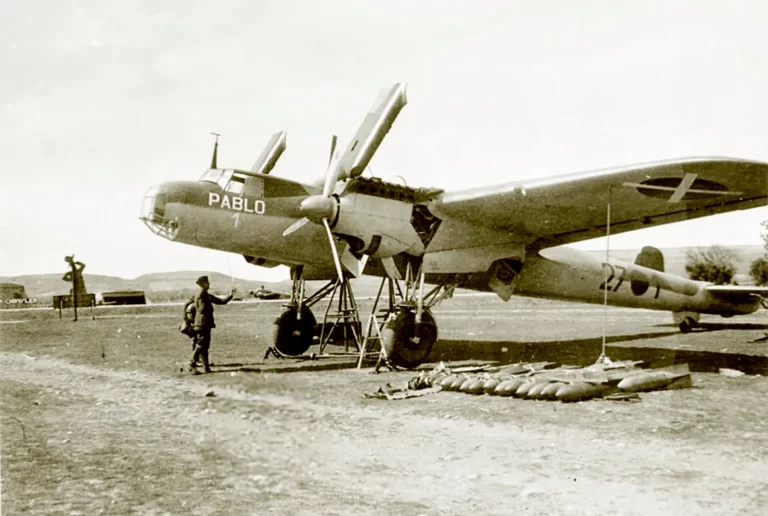
Operational use in Spain demonstrated both strengths and limitations. While speed improved survivability, payload constraints limited the scale of destruction achievable per sortie. The aircraft was therefore most effective in coordinated formation attacks rather than isolated missions.
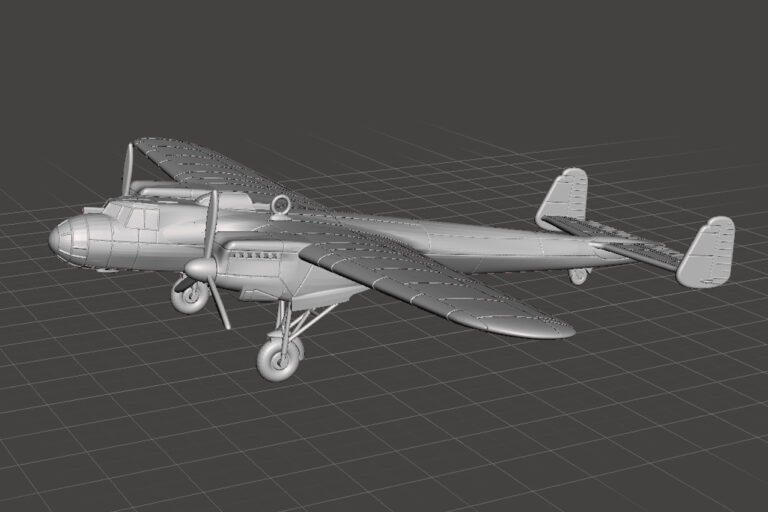
By the closing stages of the conflict, the Do 17E had contributed to the Condor Legion’s broader objective of refining medium bomber tactics. Experience gained in navigation, formation discipline, and target coordination under Spanish conditions informed Luftwaffe bomber doctrine prior to 1939 without extending into later wartime developments.
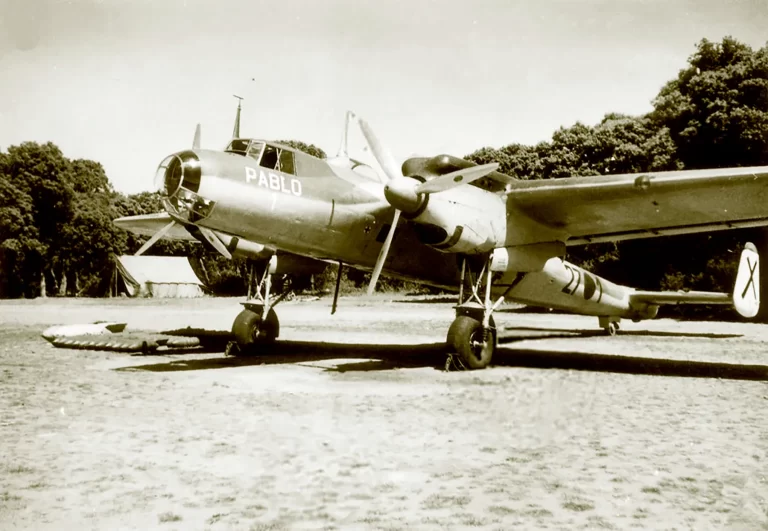
Heinkel He-70 'Rayo' w. Lowered Undercarriage
The Heinkel He-70 was developed in the early 1930s as a high-speed mail and light reconnaissance aircraft, notable for its elliptical wing planform and smooth, flush-riveted skin. Powered by a BMW inline engine, it was engineered for speed and aerodynamic efficiency rather than defensive resilience or heavy payload capacity.
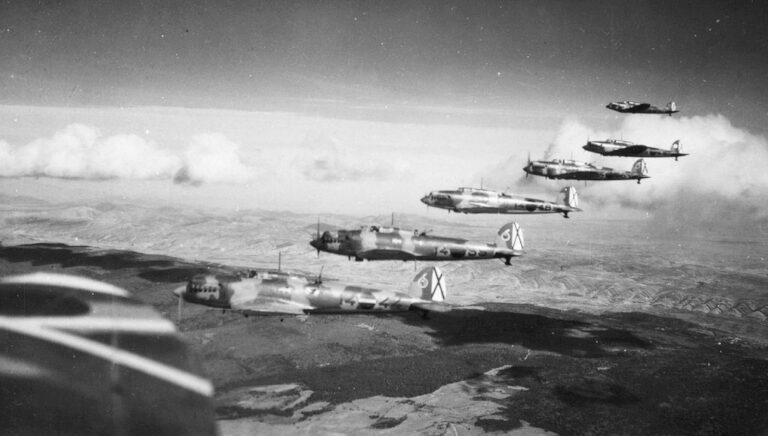
The aircraft entered Luftwaffe service as a reconnaissance and liaison platform prior to Germany’s intervention in Spain. Selected examples were deployed with the Condor Legion to provide fast reconnaissance capability in support of Nationalist operations.
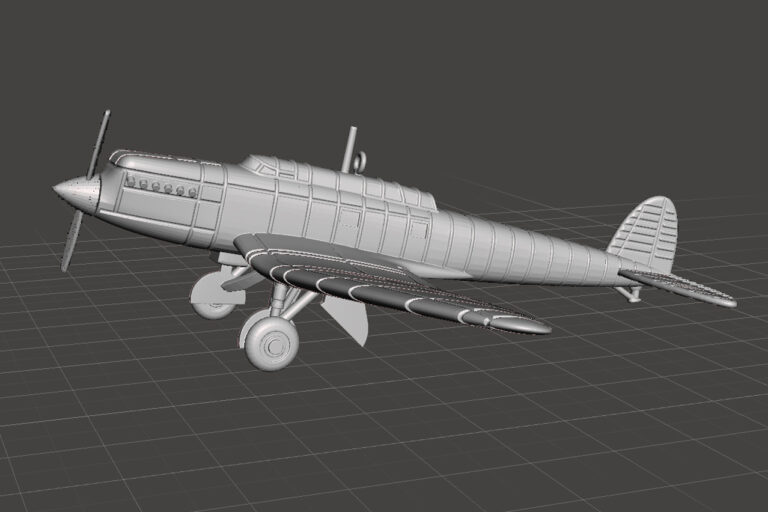
In Spain, the He-70 conducted photographic and visual reconnaissance missions, earning the nickname “Rayo” for its speed. Its operational value lay in gathering intelligence ahead of ground offensives and assisting targeting for artillery and bombing missions, rather than participating in sustained aerial combat.
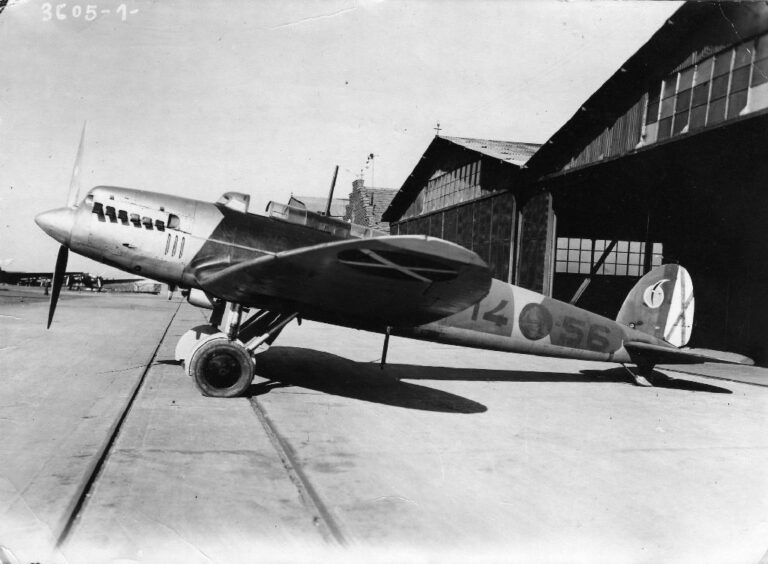
Heinkel He-111B w. Lowered Undercarriage
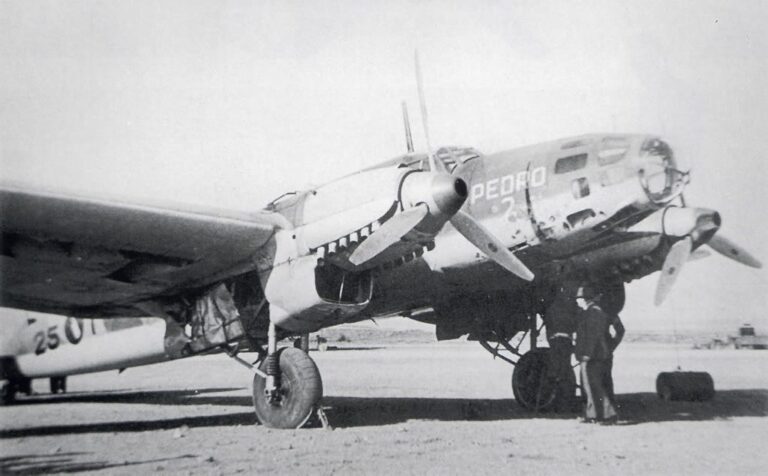
The Heinkel He-111 was developed in the mid-1930s as a twin-engine medium bomber featuring all-metal stressed-skin construction and a streamlined fuselage optimised for internal bomb carriage. Early B-series aircraft were powered by BMW engines and incorporated multiple defensive gun stations, reflecting emerging German doctrine favouring speed combined with concentrated bombing capability.
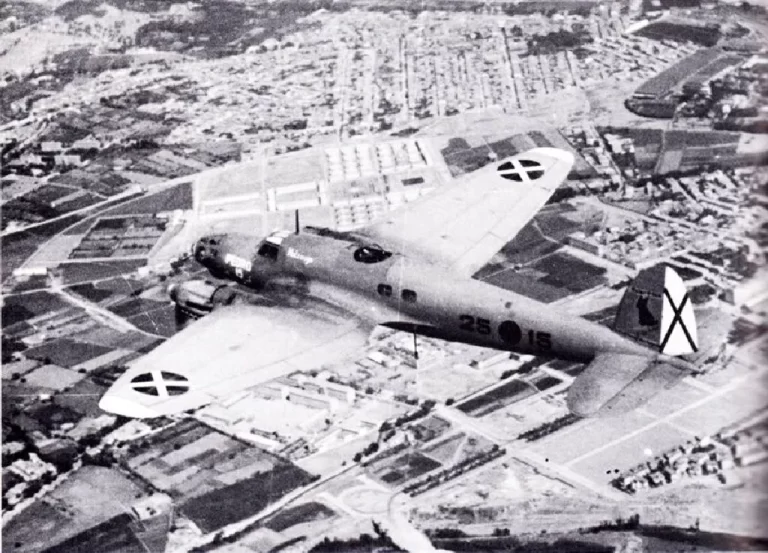
The He-111 entered Luftwaffe service in 1936 and was dispatched to Spain with Kampfgruppe 88 of the Condor Legion shortly thereafter. Its deployment represented Germany’s commitment to evaluating modern bomber tactics under live operational conditions.
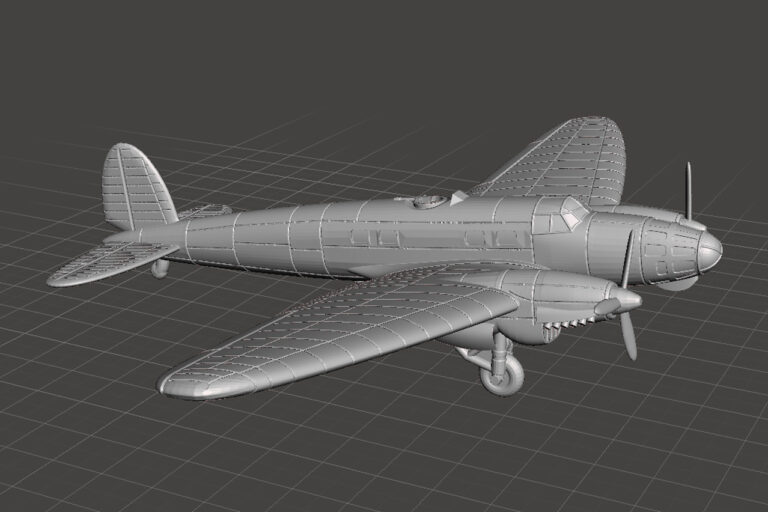
In the Spanish Civil War, the He-111B participated in sustained bombing operations against infrastructure, industrial targets, and troop concentrations. Operating in formation from established Nationalist airfields, it contributed to the development of coordinated medium-bomber doctrine and provided the Luftwaffe with practical experience in navigation, bombing accuracy, and defensive formation flying prior to 1939.
Heinkel He-112B w. Lowered Undercarriage
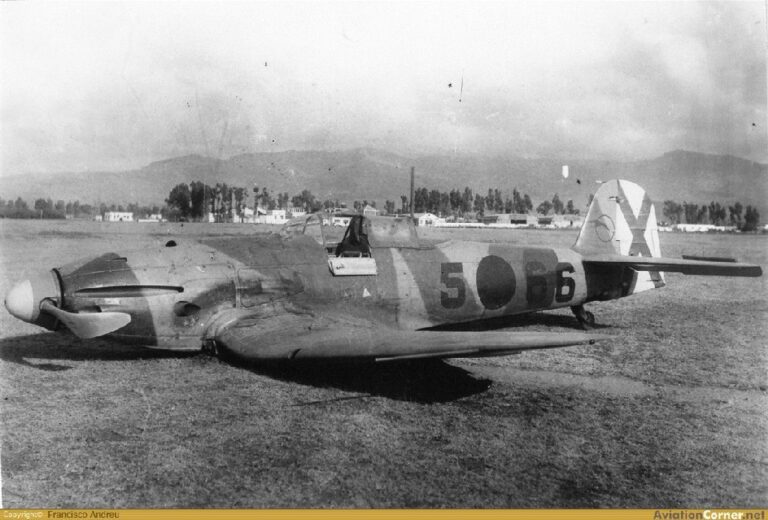
The Heinkel He-112 was developed as a modern monoplane fighter during Germany’s mid-1930s procurement competition, combining a low-wing layout with retractable landing gear and a fully enclosed cockpit. Its design favoured stability and controllability, with a relatively broad wing and refined aerodynamics, but it did not achieve the decisive performance advantage needed to displace its principal rival.
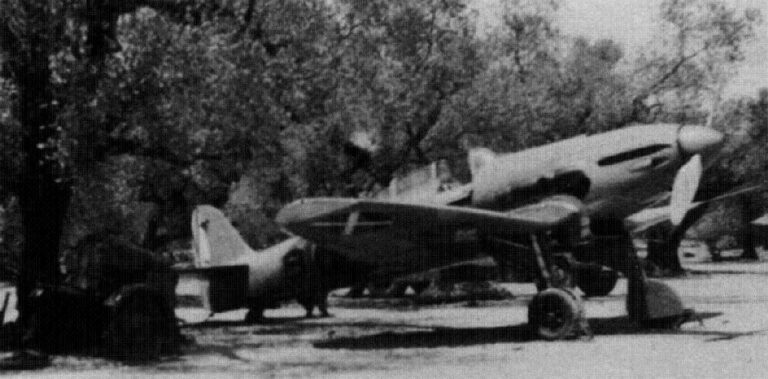
Although never adopted in large numbers, limited He-112 variants entered Luftwaffe service for evaluation. Selected aircraft were sent to Spain under Condor Legion auspices to assess handling, maintenance demands, and operational suitability in a live theatre alongside frontline fighter units.
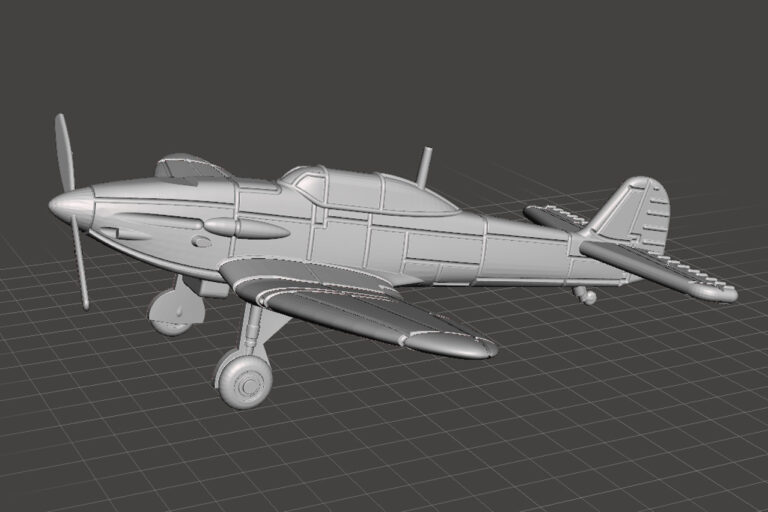
In Spanish Civil War use, the He-112’s role was predominantly experimental, with restricted operational sorties rather than sustained squadron-level campaigning. Its presence contributed to comparative fighter assessment, helping German planners refine requirements for armament, performance, and operational practicality under wartime conditions before 1939.
Junkers Ju-86D w. Lowered Undercarriage
The Junkers Ju-86 was developed in the mid-1930s as a twin-engine aircraft intended to serve as a bomber and transport, featuring all-metal construction and a comparatively clean aerodynamic profile. Early variants experimented with different engine solutions and emphasised range and payload, but the design’s performance ceiling proved less convincing as bomber requirements evolved rapidly across Europe.
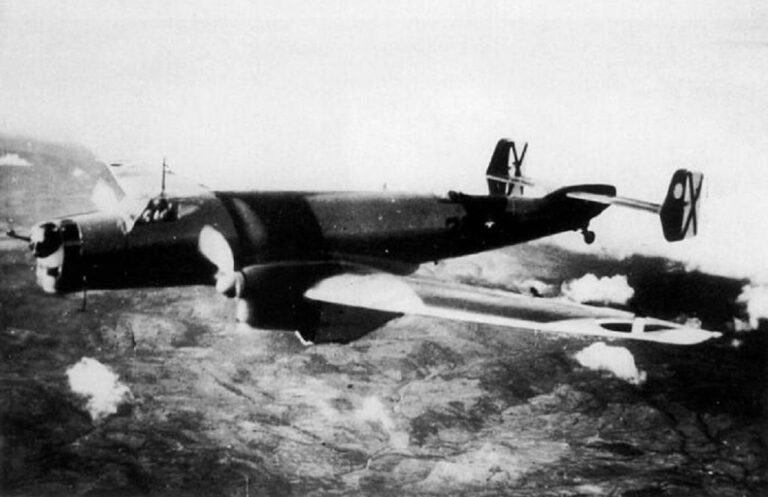
The Ju-86 entered Luftwaffe service before being deployed to Spain in limited numbers with Condor Legion bomber elements. Its dispatch reflected Germany’s intention to evaluate multiple medium bomber candidates in operational conditions rather than committing exclusively to a single type from the outset.
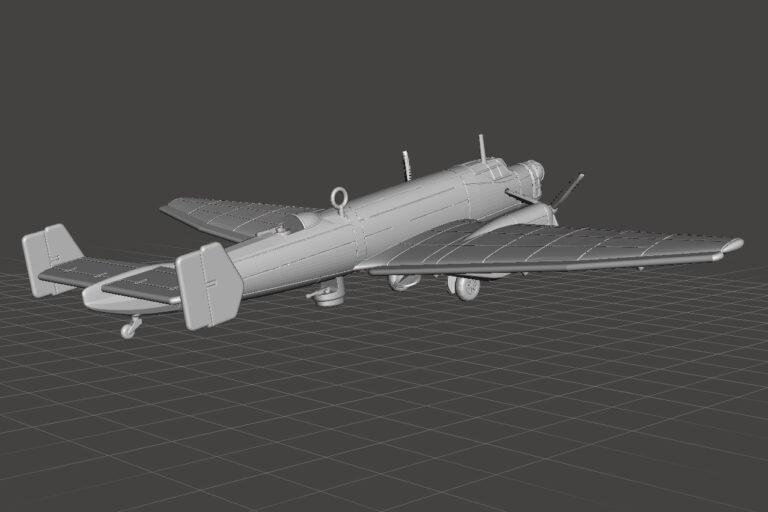
In Spanish Civil War employment, the Ju-86 carried out bombing sorties but struggled to match the effectiveness and operational suitability of contemporary alternatives. Combat experience in Spain exposed limitations in speed, survivability, and overall utility, leading to a reduced operational profile in-theatre as other bombers assumed the primary workload.
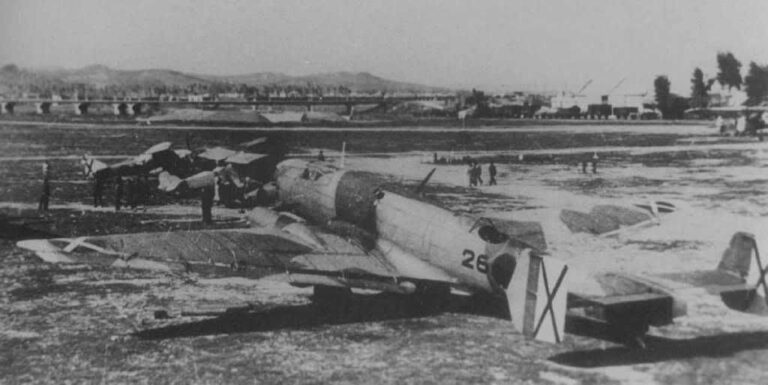
Messerschmitt Bf-109b2 w. Lowered Undercarriage
The Messerschmitt Bf-109 was developed in the mid-1930s as a high-performance monoplane fighter centred on a liquid-cooled inline engine, low-wing cantilever layout, and retractable landing gear. Compared with biplane predecessors, it offered substantially higher speed and climb, and its aerodynamic cleanliness reflected Germany’s emphasis on energy fighting rather than turning contests. Early B-series aircraft established the core airframe concept in operational form.
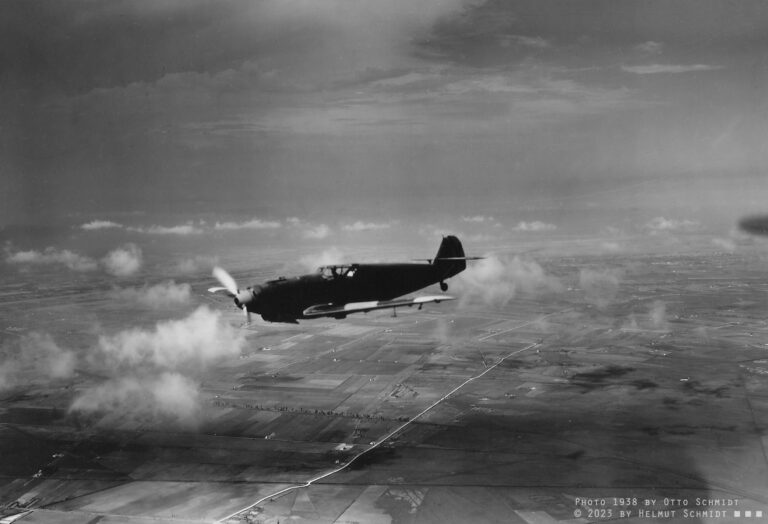
The Bf-109 entered Luftwaffe service and was dispatched to Spain as part of the Condor Legion’s Jagdgruppe 88, where it could be assessed under sustained combat conditions. Its arrival represented a deliberate step toward modern fighter dominance, deployed not as a curiosity but as a frontline capability supporting Nationalist air operations.
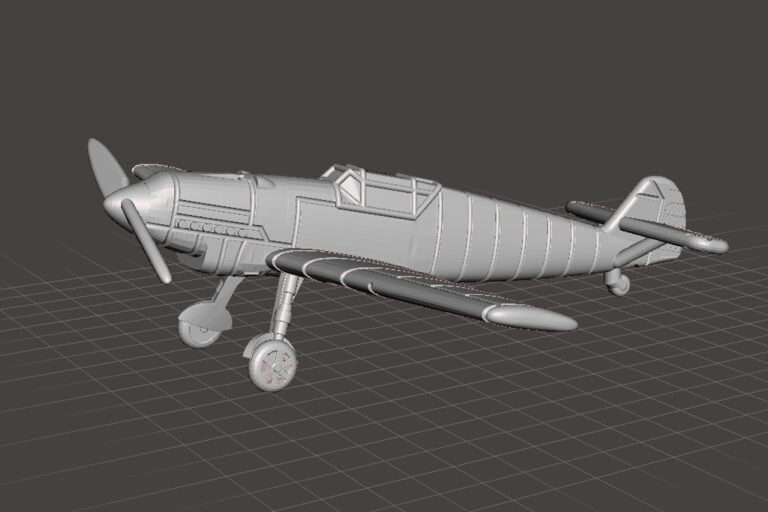
In the Spanish Civil War, the Bf-109B-2 engaged Republican fighter and bomber formations, shaping escort, interception, and air-superiority tactics. Combat experience encouraged refinement of formations, gunnery, and energy-based manoeuvre, contributing to the Condor Legion’s growing effectiveness. Its operational service in Spain helped validate the modern monoplane fighter as the decisive instrument of air control before 1939.
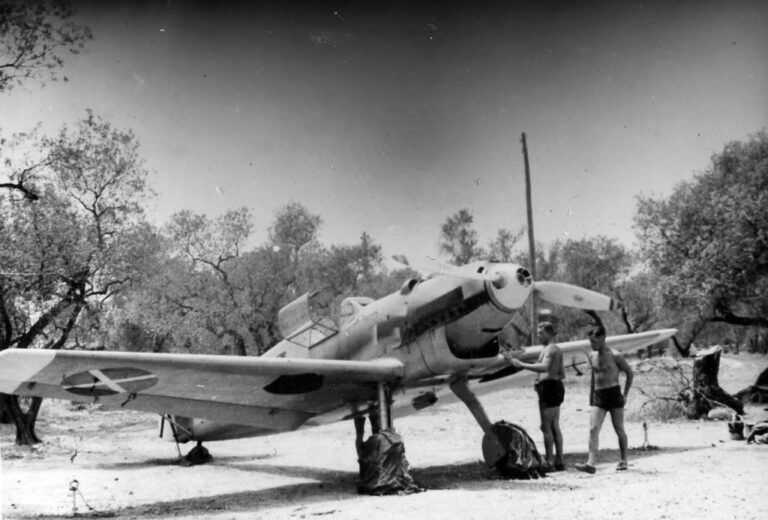
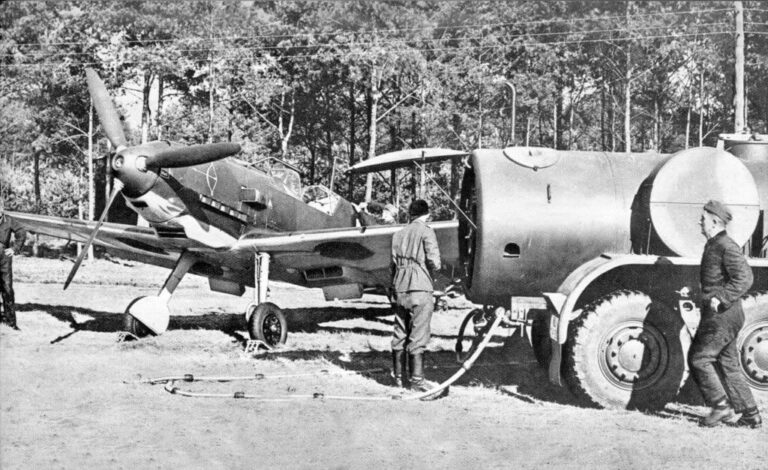
Messerschmitt Bf-109e3 w. Lowered Undercarriage
The Bf-109E represented a significant refinement of the Bf-109 line, incorporating a more powerful Daimler-Benz engine installation and structural changes to support increased armament and operational robustness. Developed in the late 1930s, the E-series reflected Germany’s rapid iterative approach: take the proven airframe concept, then harden it for sustained frontline service and heavier combat loads.
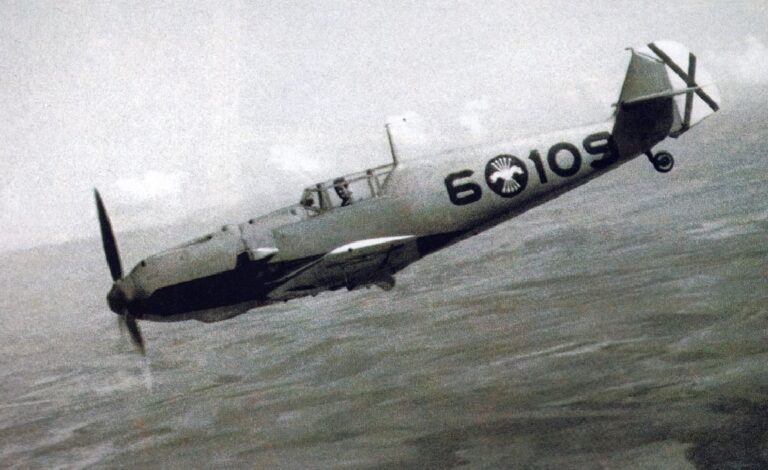
The E-series entered Luftwaffe service shortly before the Spanish Civil War’s conclusion. Elements reached the theatre in early 1939 as Condor Legion fighter units began transitioning to newer variants, reflecting the Luftwaffe’s desire to familiarise operational units with updated equipment even during the closing phase of the conflict.
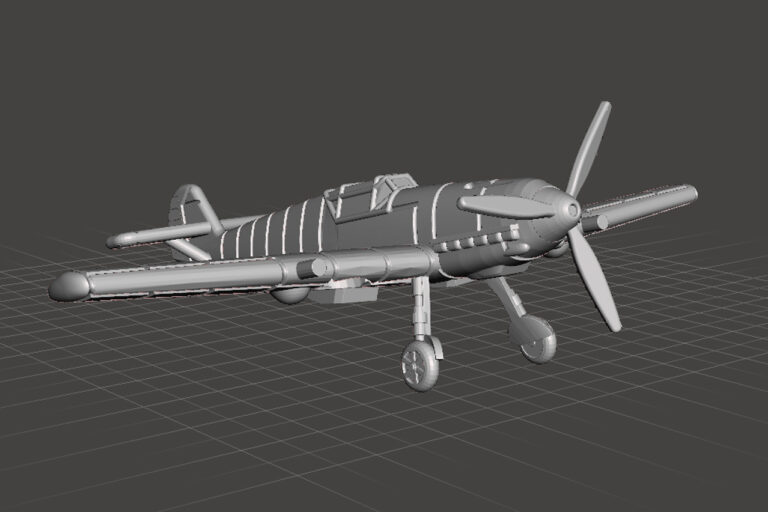
Pre-March 1939, Spanish exposure of the Bf-109E-3 was limited, and it should be treated as a late-arrival developmental marker rather than a deeply documented combat workhorse in Spain. Its relevance lies in illustrating just how quickly German fighter capability was progressing while the war was still technically underway.
The VVS presence in the Spanish Civil War, expressed through Soviet-supplied aircraft and supporting personnel, provided the Spanish Republic with a rapid injection of modern air power. Contemporary fighters and fast medium bombers arrived into a contested battlespace that demanded immediate operational impact rather than gradual integration. In Spanish service, these aircraft helped shape Republican air defence, interception, and strike capability, while the experience of sustained combat operations under Spanish conditions informed Soviet thinking on air tactics, training, and employment before 1939.
Polikarpov I-16 Type 5 w. Lowered Undercarriage
The Polikarpov I-16 was a sharp break from biplane thinking: a compact low-wing monoplane with retractable landing gear, an enclosed cockpit in early concept, and a short, muscular fuselage built for speed and climb. The Type 5 variant represented the first widely fielded production form, marrying the basic airframe with practical frontline equipment and armament suited to mid-1930s fighter requirements.
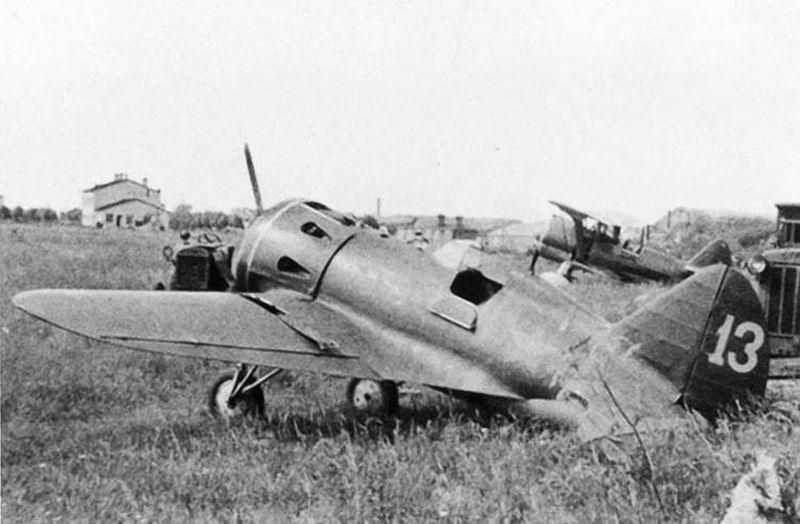
The Type 5 entered Soviet service during the mid-1930s and was selected for dispatch to Spain after the conflict escalated in 1936. Delivered in quantity as part of Soviet support, it arrived as a complete package—airframes, spares, and advisory expertise—allowing the Republic to field a modern fighter capability rapidly rather than piecemeal.
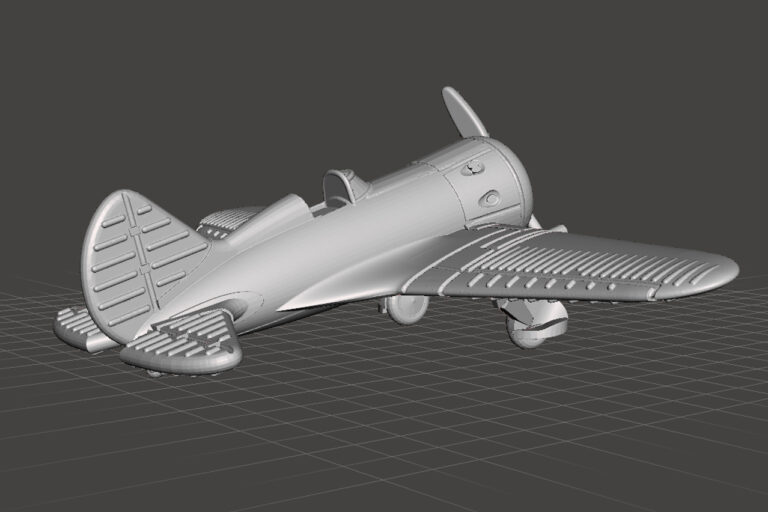
In Spanish service, the I-16 Type 5 became a core Republican fighter used for interception and air superiority work over key operational zones. Its speed advantage in the early period forced Nationalist and allied pilots to adjust tactics, while its agility at combat speeds made it effective in aggressive point-defence roles. It was a frontline tool, not a token presence, through the war’s critical middle phase.
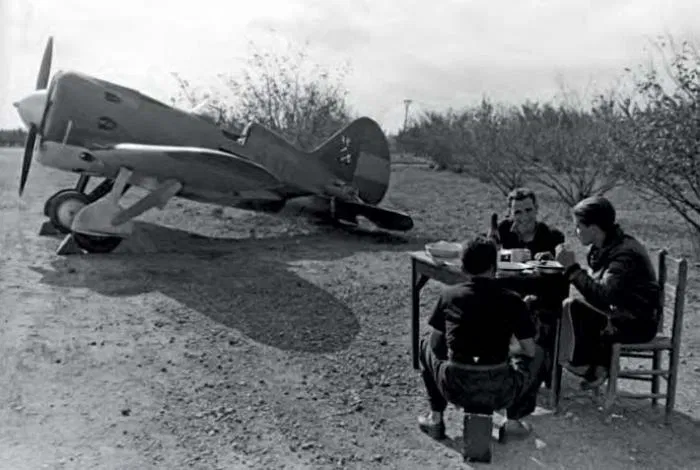
Polikarpov I-16 Type 10 w. Lowered Undercarriage
The I-16 Type 10 was an evolutionary step within the same compact design philosophy, reflecting wartime feedback and the Soviet habit of incremental improvement. It incorporated refinements to systems and, crucially, heavier armament compared with earlier variants, increasing lethality against both bombers and fighters. The airframe remained small and demanding, but the intent was clear: more firepower without abandoning speed.
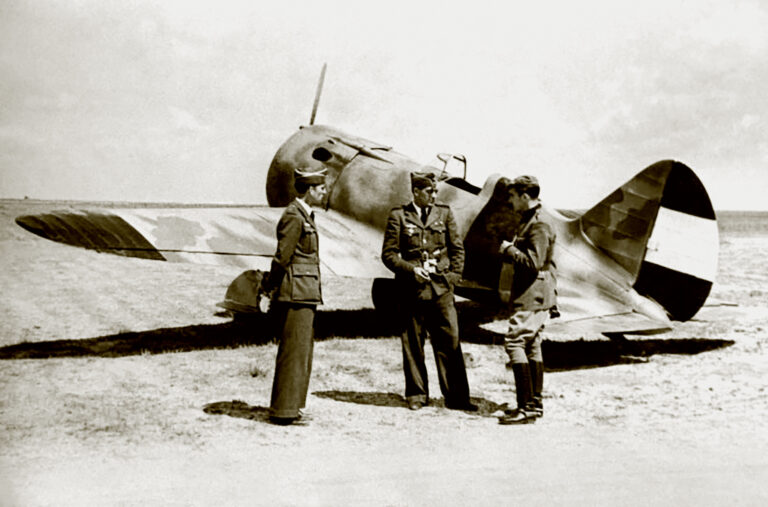
The Type 10 entered Soviet service in the later 1930s and was supplied to the Republic as Soviet assistance continued beyond the first emergency deliveries. It arrived into an air war that was already adapting—opposition fighters improving, tactics hardening, and the window for “outrun everything” steadily narrowing.
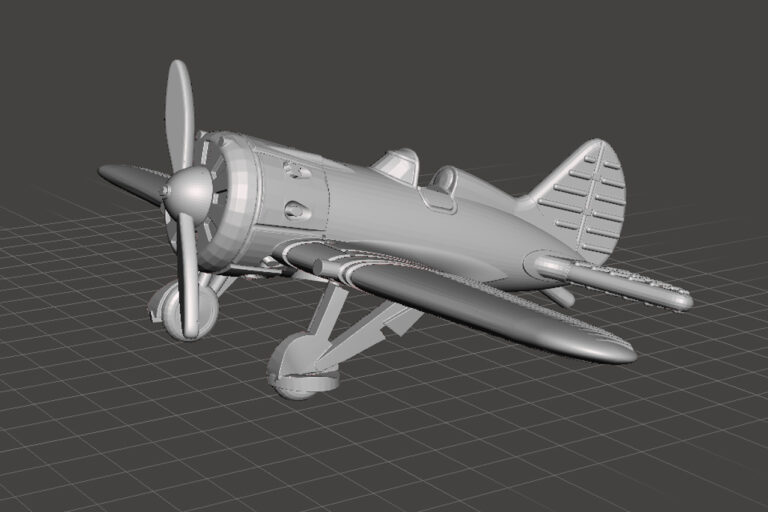
In the Spanish Civil War, Type 10 aircraft strengthened Republican fighter units by improving striking power in engagements where fleeting firing opportunities mattered. They supported both defensive missions over cities and tactical coverage of Republican ground operations, contributing to sustained fighter resistance. By this stage, combat outcomes hinged as much on training, numbers, and coordination as on raw aircraft performance.
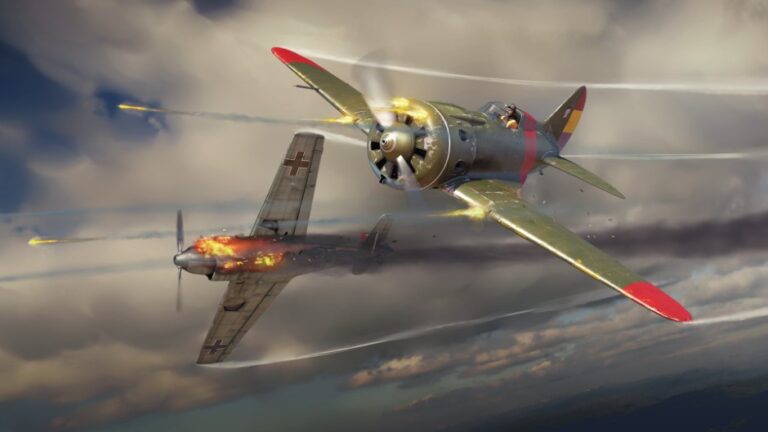
Tupolev SB2M 100 'Katiuska' w. Lowered Undercarriage
The Tupolev SB was designed as a fast medium bomber built around stressed-skin construction, clean aerodynamics, and twin-engine power—an aircraft intended to survive by speed rather than armour. The SB2M-100 variant represented a mature production form with engines and systems suited to operational deployment, enabling higher cruising speeds than many contemporary interceptors when introduced. It embodied modern bomber thinking: strike quickly, arrive intact, and repeat.
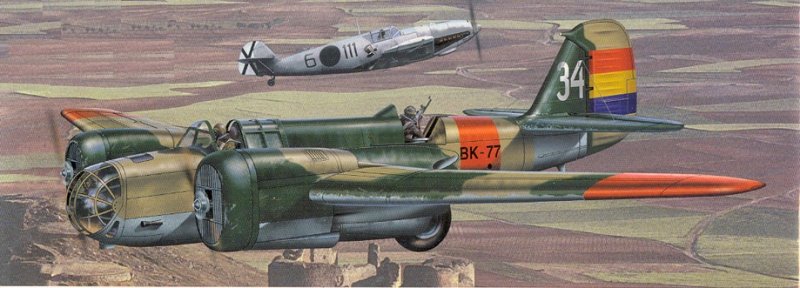
The SB entered Soviet service before the Spanish Civil War and was delivered to the Republic from late 1936 onward. In Republican hands it was fielded as a modern medium bomber capability with the range and speed to hit operational targets beyond the immediate frontline. The nickname “Katiuska” became associated with its presence in the theatre and its distinct profile in Republican bomber formations.
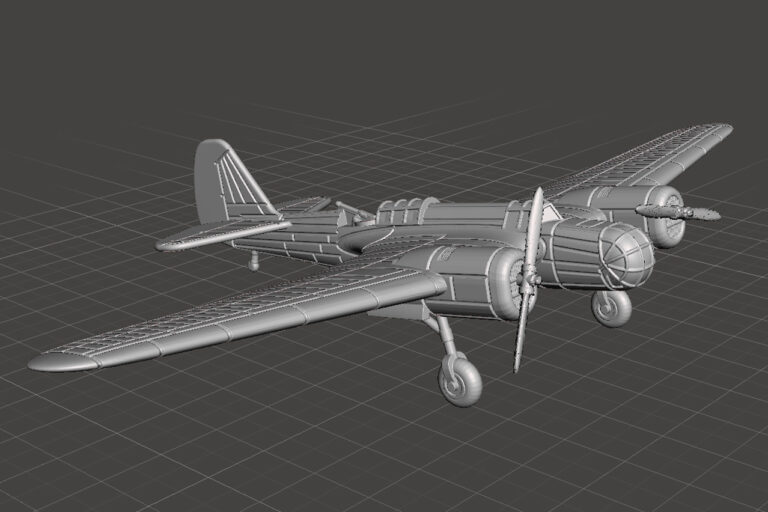
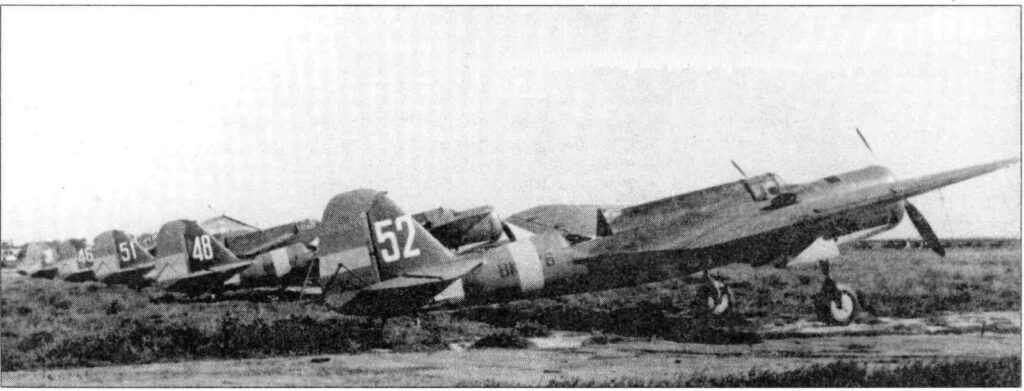
In Spain, the SB2M conducted bombing missions against troop concentrations, supply nodes, rail links, and infrastructure targets, often relying on formation discipline and speed to reduce losses. Early on, its performance allowed it to operate with relative confidence; later, improving opposition fighters and defences increased risk and demanded stronger escort and planning. Even so, it remained a principal Republican bomber type through the conflict’s decisive campaigns.
Final Thoughts from Bayonets & Brushes
These aircraft complete the Spanish Civil War battlefield in three dimensions. At Bayonets & Brushes, every release has been scaled and proportioned to integrate precisely with our existing infantry, artillery, and vehicle ranges. The result is coherence across the tabletop: aircraft that do not dwarf their ground counterparts, nor shrink into insignificance. They belong in the same visual language as your batteries, trenches, and armoured columns.
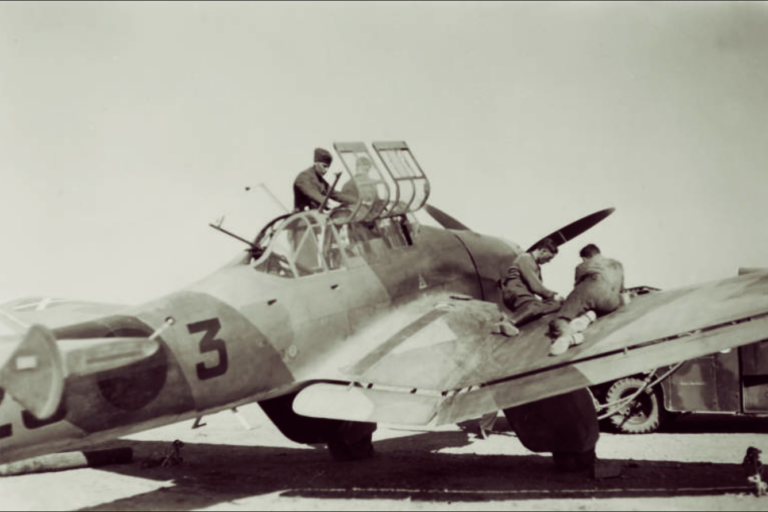
Introducing aviation into a Spanish Civil War campaign expands the operational scope dramatically. Reconnaissance flights can influence artillery accuracy. Bombing missions can disrupt supply nodes. Fighter patrols can contest air superiority before an offensive begins. These aircraft are not decorative tokens; they are instruments that add depth, uncertainty, and strategic consequence to your scenarios.
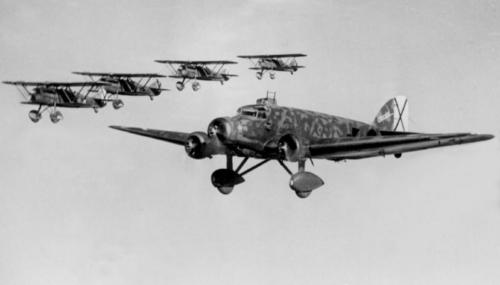
For the modeller, the range provides genuine technical variety. Early stressed-skin bombers sit alongside fabric-covered fighters and maritime flying boats weathered by salt and sun. Camouflage schemes shift from pre-war finishes to improvised wartime markings. Each airframe offers distinct construction detail, encouraging careful assembly and historically grounded finishing.
The inclusion of waterline flying boats opens terrain possibilities rarely explored in conventional wargaming. Harbours, piers, tenders, slipways, and coastal fortifications become meaningful terrain features. Aviation ceases to be abstract and instead occupies physical space within your campaign world, interacting with sea lanes and coastal batteries as history intended.
Ultimately, these releases reinforce what makes the Spanish Civil War so compelling to collectors and gamers alike: transition. Biplanes share airspace with monoplanes; flying boats operate beside modern bombers. It is aviation in evolution. With this range, Bayonets & Brushes places that evolution directly onto your tabletop, historically grounded and ready for deployment. If you dig this come take a look at https://bayonetsandbrushes.co.uk/home/store/the-spanish-civil-war-air/
At Bayonets & Brushes, we do not merely produce miniatures. We curate ordnance history — in resin and discipline.
And as ever, we remain at your service.