
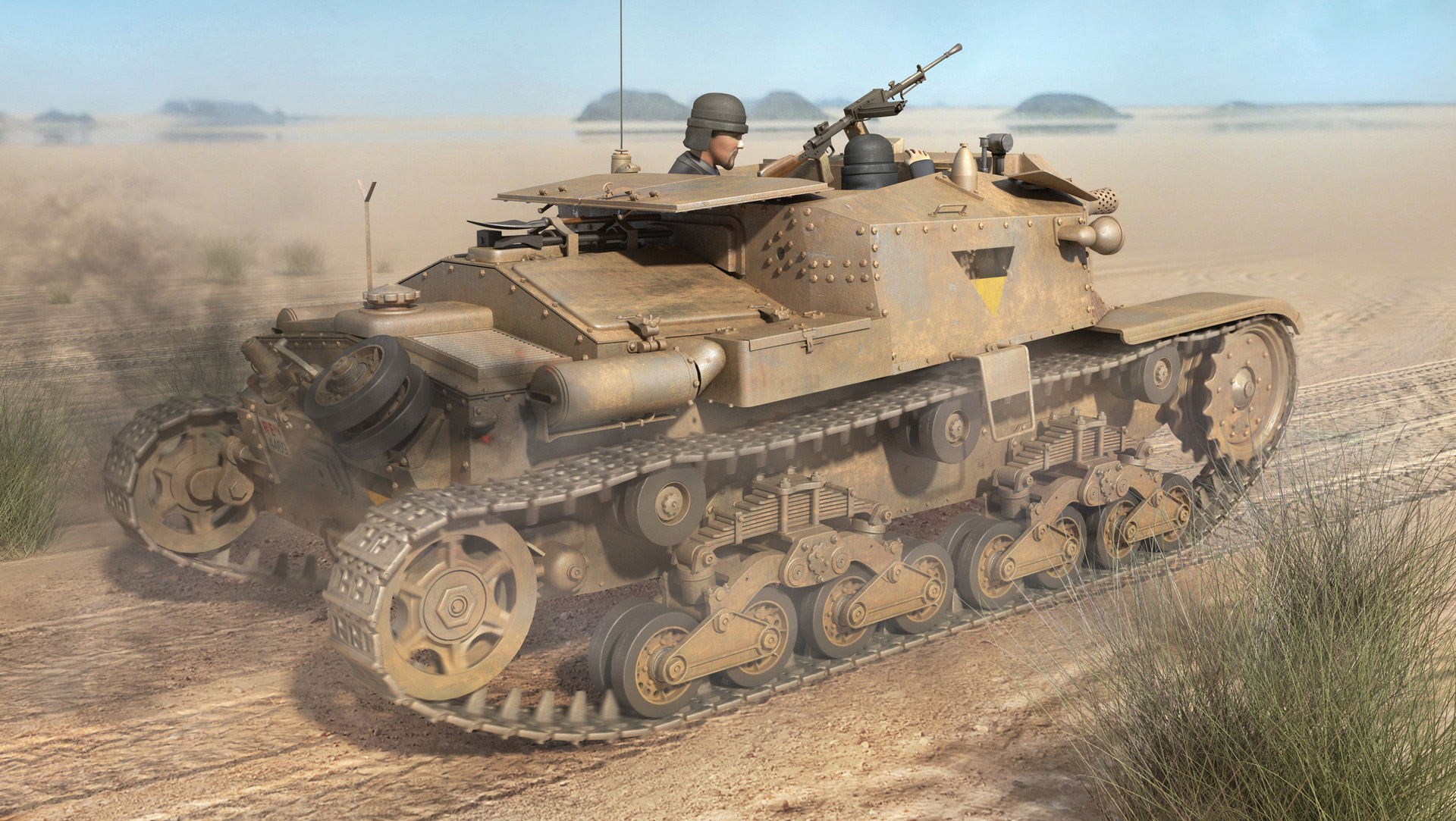
Only if you judge Alpine warhorses by desert yardsticks
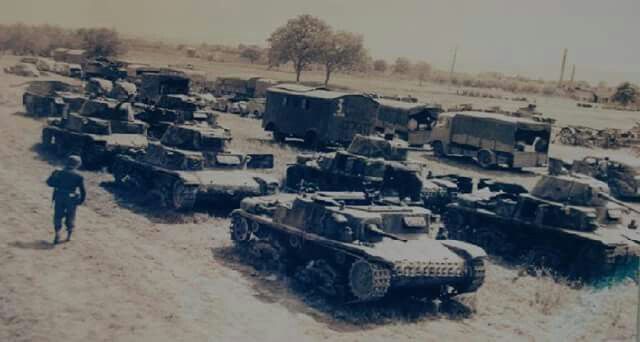
Italian armour has long suffered from a reputation problem. In popular imagination it is too often reduced to thin plates, under-gunned machines and crews supposedly outmatched from the outset. Yet such shorthand tells only a fraction of the story. Italian armoured development was shaped not by the sweeping plains of Poland or the vast expanses of the Soviet steppe, but by the brutal, vertical battlefields of the Alps. Doctrine, industry and design philosophy all reflected a nation preparing to fight in mountainous terrain, where mobility, compact dimensions and logistical simplicity mattered far more than sheer weight of armour.
Italy’s First World War experience was formative. Fighting along the Isonzo and in the Dolomites, the Regio Esercito learned hard lessons about movement under artillery observation and the difficulty of deploying heavy equipment across fractured terrain. Early armoured experimentation followed this logic. Rather than pursuing breakthrough behemoths, Italian planners focused on lighter, more manoeuvrable vehicles that could operate on poor infrastructure and narrow roads. The Lancia armoured cars and subsequent Ansaldo projects reflected a pragmatic understanding of Italy’s industrial limits and geographic reality.
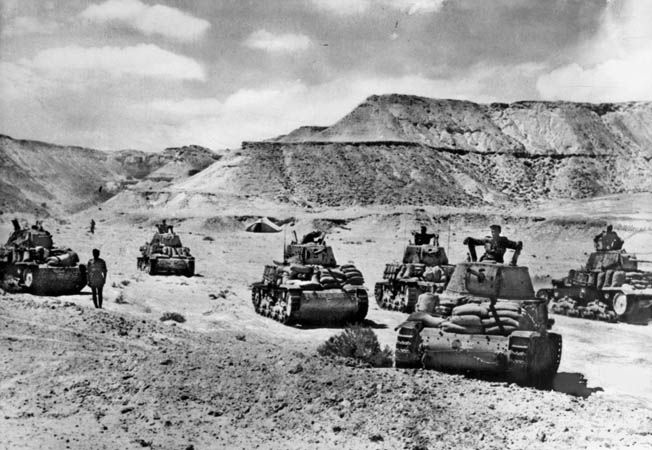
The interwar years saw this thinking refined. Economic constraints and competing naval and air priorities restricted large-scale tank development, but experimentation continued. The L3 tankette family, for example, was not conceived as a main battle tank in the modern sense, but as a mobile infantry support and reconnaissance vehicle suited to colonial policing and mountainous warfare. In East Africa during the conquest of Ethiopia, Italian armour operated in harsh, road-poor environments where its light weight and mechanical simplicity proved assets rather than liabilities.
The Spanish Civil War offered a sterner test. Italian armour deployed with the Corpo Truppe Volontarie encountered Soviet-supplied Republican tanks, exposing deficiencies in armament and protection. Yet it also forced adaptation. Tactical lessons were absorbed, and development accelerated toward more capable medium designs such as the M11/39 and later the M13/40 series. The experience demonstrated that Italian crews were neither timid nor incompetent; they fought aggressively, often in difficult combined-arms circumstances, and their performance frequently reflected doctrinal and matériel constraints rather than any lack of resolve.
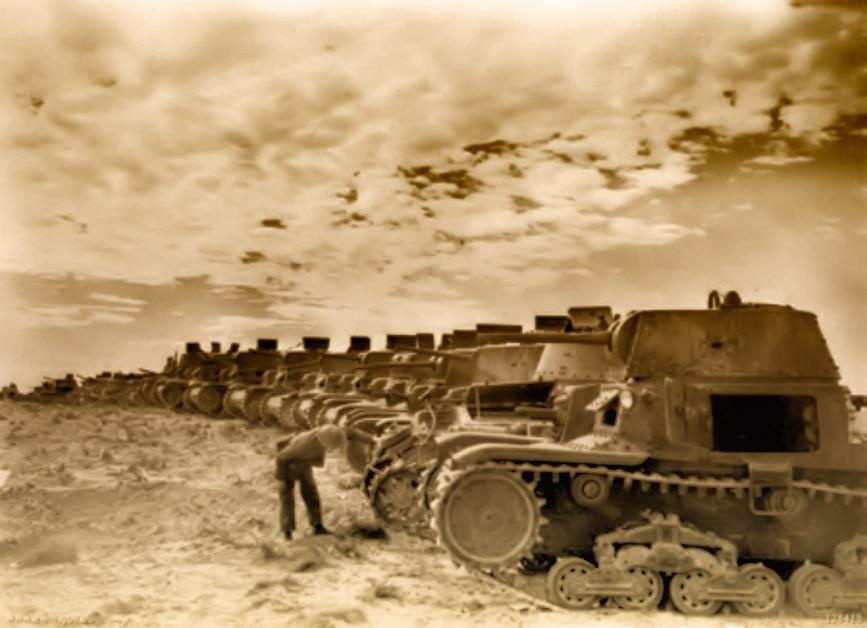
When the Second World War erupted, Italian armour found itself operating far beyond its doctrinal comfort zone. In North Africa, light tanks and early mediums faced British cruisers and later American-supplied armour across vast desert expanses never envisaged by pre-war planners. Mechanical reliability and armour thickness were tested to destruction. Yet Italian formations repeatedly demonstrated tactical ingenuity, particularly when employing self-propelled guns like the Semovente series in defensive roles. In East Africa they fought isolated campaigns with limited resupply; in the Balkans they operated in terrain much closer to their doctrinal origins; and on the Eastern Front Italian armoured and motorised units endured extreme climatic conditions with remarkable endurance.
By 1943–45, vehicles such as the P.40 and improved Semovente designs showed that Italian industry could produce competitive machines when given time and resources. But time was precisely what Italy lacked. The armistice fractured production, split loyalties and scattered units across competing commands. What remains, however, is not a story of failure, but of adaptation under constraint. Italian armour was the product of geography, economics and strategic reality — and crewed by soldiers who fought with determination in some of the most demanding theatres of the war. It is this broader, more nuanced story that makes the Italian armoured arm such a compelling subject for historians, modellers and wargamers alike.
Now… let me introduce you to our range…
Autoblinda AB-40 Armoured Car Series
The Autoblinda AB-40 marked a significant step forward in Italian reconnaissance doctrine. Developed by Fiat and Ansaldo in the late 1930s, it was designed for speed, range and cross-country mobility rather than brute survivability. Its 4×4 drive and distinctive dual-driver configuration — with a fully functional rear driving position — allowed it to disengage rapidly without turning, a feature ideally suited to fluid reconnaissance operations in difficult terrain.
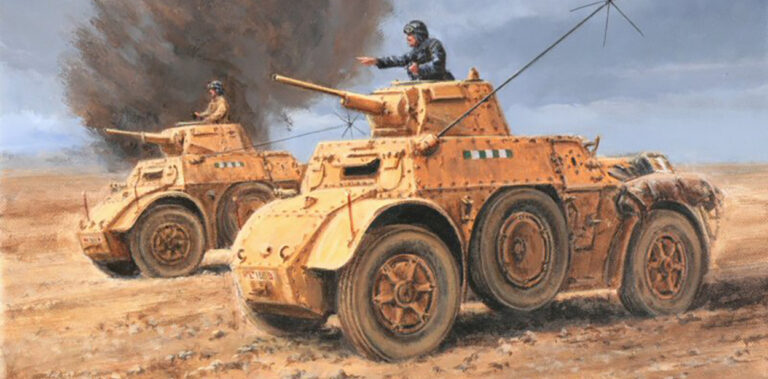
Initially armed with twin Breda 8mm machine guns in a compact turret, the AB-40 prioritised scouting and security roles over direct combat. Its lightly armoured hull reflected Italian doctrine that valued mobility and intelligence gathering above slugging matches. In North Africa and the Balkans, these vehicles proved agile and reliable, particularly on poor roads and rough ground where heavier vehicles struggled.
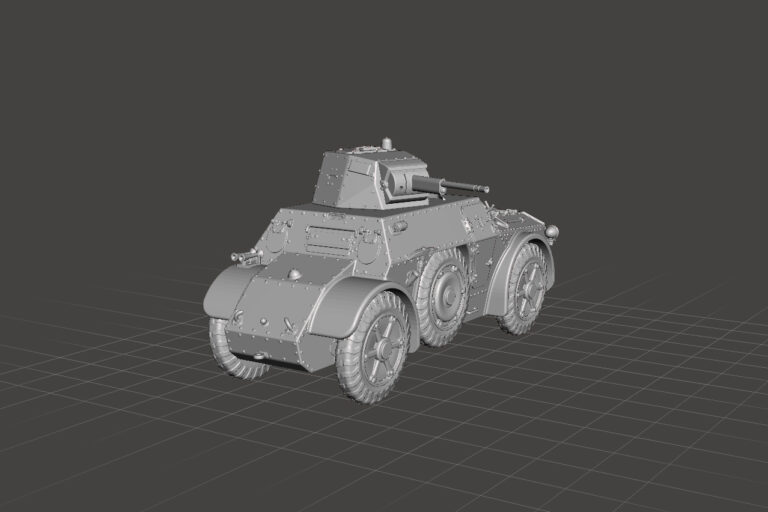
The AB-40 soon evolved into the more heavily armed AB-41, but the early series retained a distinctive presence in the opening campaigns of the war. Reconnaissance units equipped with Autoblinde frequently operated far ahead of main formations, screening advances and conducting aggressive patrols. Their speed, low silhouette and mechanical endurance made them respected opponents, even when outgunned.
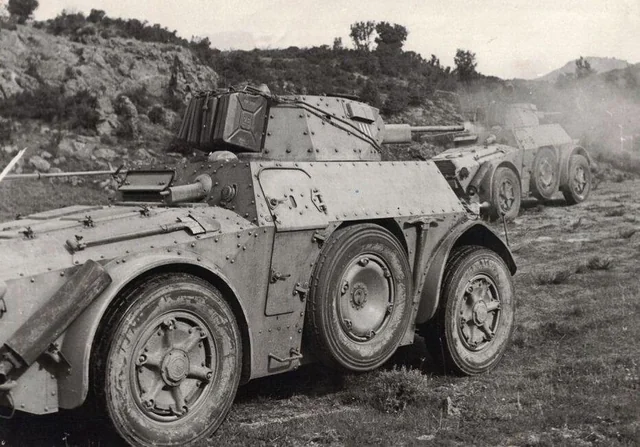
For modellers and wargamers, the AB-40 series offers enormous versatility. Suitable for early North Africa, East Africa, Balkan security operations and even Italian forces on the Eastern Front, it embodies the mobility-first philosophy of Italian armour. Its clean lines, riveted hull and open desert stowage possibilities make it an ideal centrepiece for reconnaissance detachments and fast-moving tabletop scenarios.
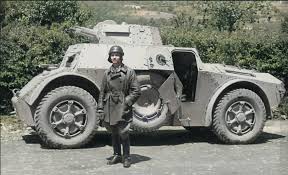
Autoblinda AB-611 Armoured Car
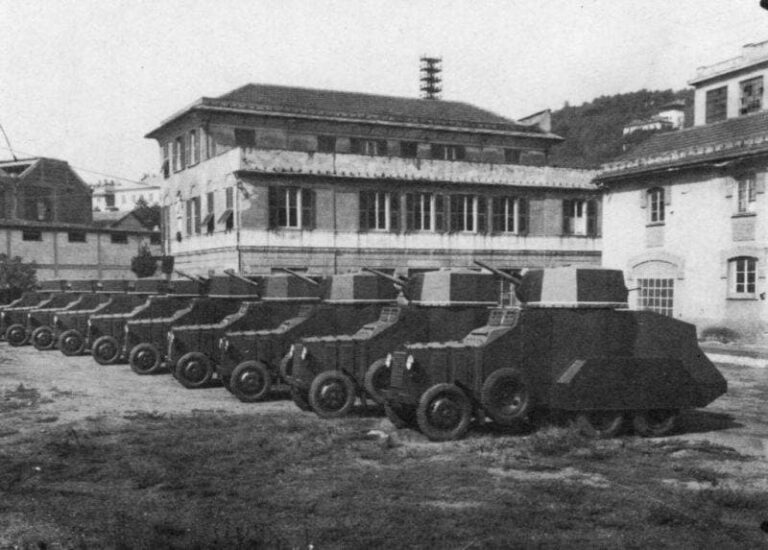
The Autoblinda AB-611 represents an earlier generation of Italian armoured car design, developed in the mid-1930s for colonial service. Built on a 6×4 chassis, it reflected the Regio Esercito’s need for long-range patrol vehicles capable of operating across vast, infrastructure-poor territories. With a fully enclosed turret mounting twin machine guns and respectable road speed, the AB-611 was conceived as a mobile security and reconnaissance platform rather than a front-line fighting vehicle.
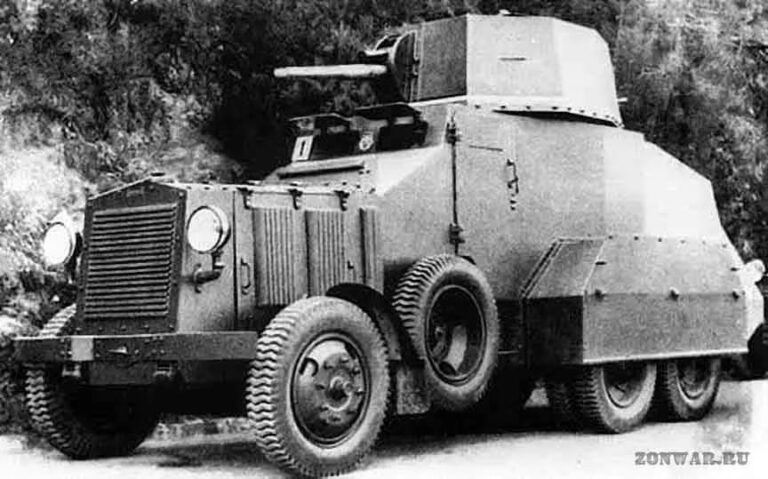
Its service in East Africa during the Ethiopian campaign demonstrated both its strengths and limitations. On open ground and desert tracks it performed well, offering sustained mobility and a stable firing platform. However, its relatively light armour and limited cross-country capability compared to later 4×4 designs restricted its usefulness in more demanding combat environments. Even so, it proved entirely adequate for the colonial policing and expeditionary warfare it was originally designed to support.
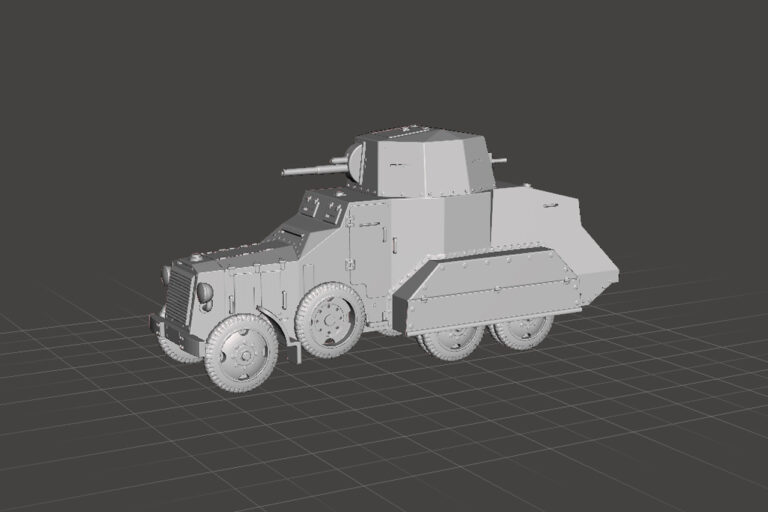
When war expanded beyond colonial campaigns, the AB-611 found itself increasingly outclassed. Nevertheless, it continued to serve in secondary theatres and rear-area security roles. In these contexts it remained effective, particularly in convoy escort and anti-partisan operations, where speed and presence often mattered more than armour thickness.
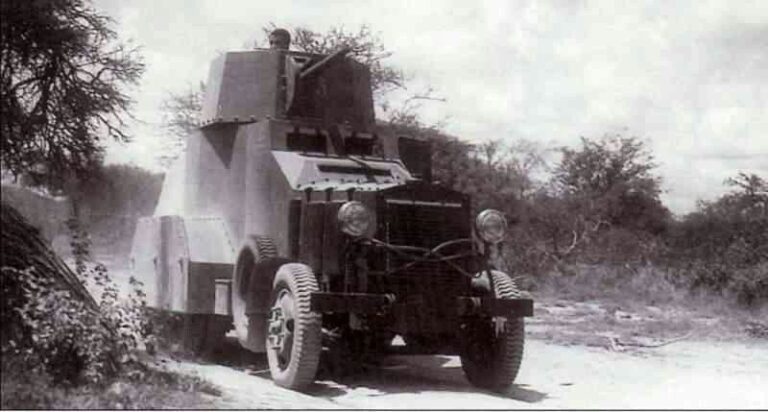
For modellers and wargamers, the AB-611 is a superb addition to early-war and colonial forces. It adds depth to East African scenarios and opens up lesser-represented theatres on the tabletop. Its distinctive six-wheel configuration and interwar styling also provide a visual contrast to later Autoblinda variants, helping to tell the full evolutionary story of Italian armoured reconnaissance.
Carro Armato L.5-21 Light Tank
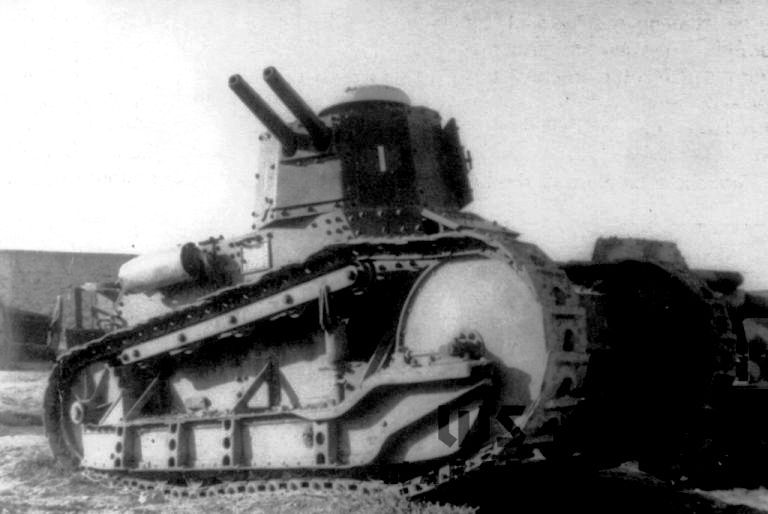
The Carro Armato L.5-21 represents one of Italy’s earliest attempts to field a domestically produced light tank in the immediate aftermath of the First World War. Emerging during a period of experimentation and limited industrial capacity, it reflected both ambition and constraint. Compact, lightly armoured and modestly armed, the design was heavily influenced by contemporary European developments, yet adapted to Italian infrastructure and terrain considerations.
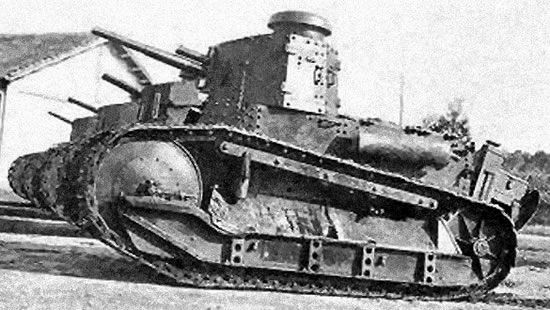
Technically, the L.5-21 was a small, two-man vehicle with riveted construction and light armament suited primarily to infantry support bearing a close similarity to the French Renault FT-17. Protection was minimal by later standards, but in the early 1920s this was consistent with prevailing armoured thinking. Italy’s armoured doctrine was still embryonic, and the emphasis remained on mobility and support rather than independent armoured manoeuvre warfare.
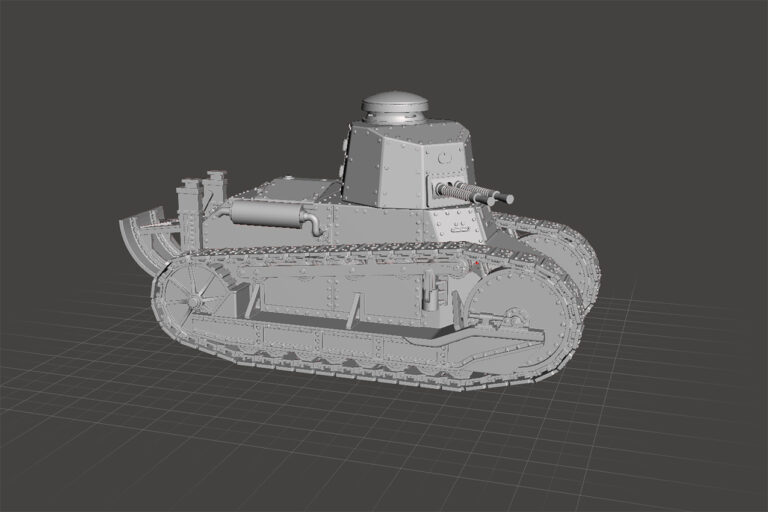
Although produced only in limited numbers and never fielded in major wartime operations, the L.5-21 occupies an important place in the lineage of Italian armour. It formed part of the developmental bridge between imported concepts and fully indigenous designs. Lessons learned in mechanical reliability, crew ergonomics and suspension would inform later vehicles, including the prolific tankette family that followed
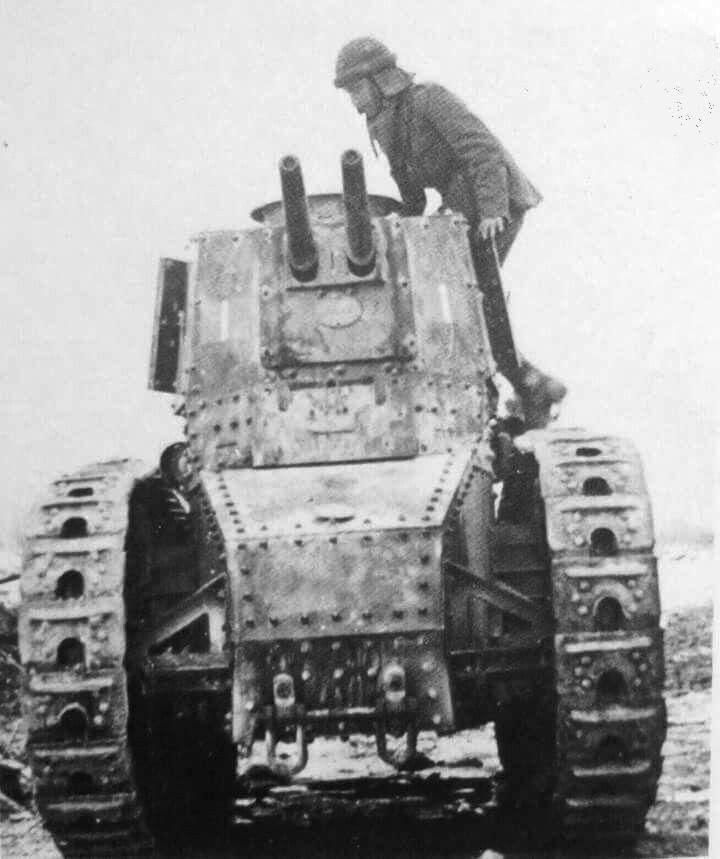
For modellers and wargamers, the L.5-21 offers a fascinating glimpse into interwar experimentation. It is ideal for early 1920s “what-if” scenarios, internal security settings, or as a developmental precursor within a broader Italian armoured collection. Its compact size and distinctive early-war aesthetic make it a unique addition to any display focused on the evolution of armoured warfare.
Carro Armato L.6-40 Light Tank
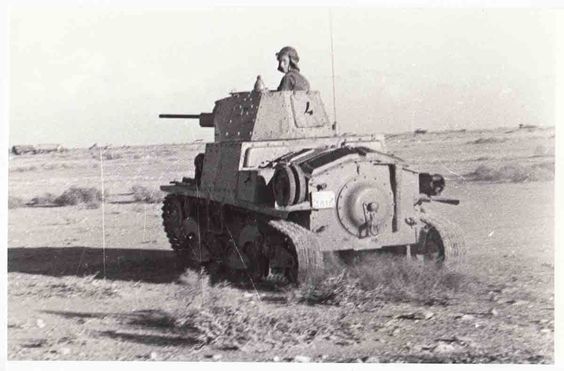
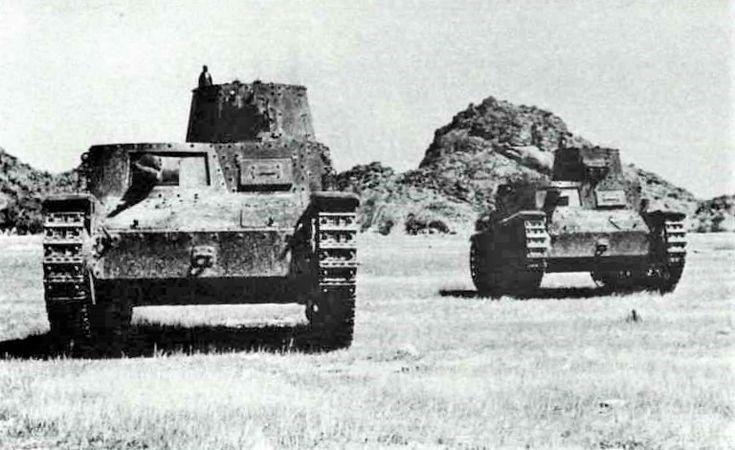
The Carro Armato L.6/40 was Italy’s most capable light tank to see substantial wartime service. Developed from earlier tankette concepts but fully turreted and armed with a 20mm Breda cannon, it marked a genuine step forward in firepower and battlefield flexibility. Compact and mechanically straightforward, the L.6/40 retained the Italian emphasis on mobility while finally delivering an armament capable of threatening light armour and fortified positions.
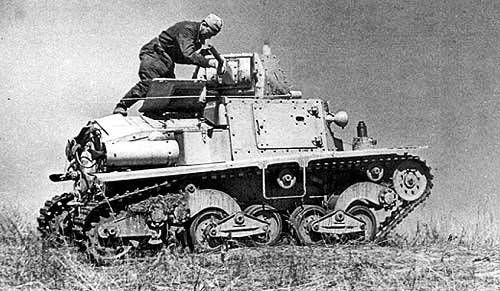
Entering service in 1941, the L.6/40 operated in North Africa, the Balkans and on the Eastern Front. Against Allied medium tanks it was outmatched, but in reconnaissance, infantry support and anti-partisan roles it proved effective. Its 20mm gun was particularly useful against soft-skinned vehicles and early-war light armour, and in close terrain it could still deliver sharp tactical impact.
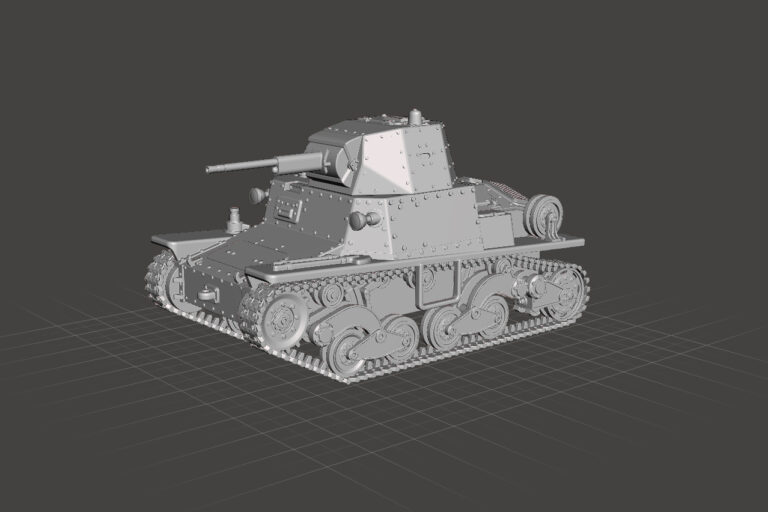
On the Eastern Front, L.6/40 units endured brutal winter conditions, often performing screening and security duties for Italian expeditionary forces. In the Balkans, the tank’s light weight and agility made it well suited to mountainous terrain — precisely the environment Italian doctrine had originally envisioned. It was not a breakthrough tank, but it was a practical and versatile battlefield tool when used within its limits.
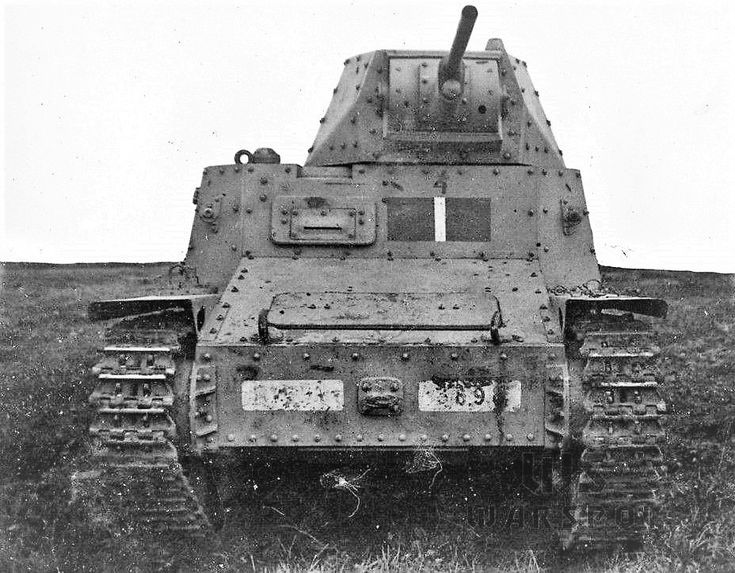
For modellers and wargamers, the L.6/40 offers exceptional flexibility. It fits seamlessly into North African desert forces, Balkan anti-partisan campaigns and Eastern Front contingents. Its small profile makes it ideal for reconnaissance detachments, and its varied theatre markings provide excellent painting opportunities. As a bridge between tankette and medium tank development, it is a key piece in any Italian armoured collection.
Carro Armato M.11-39 Medium Tank
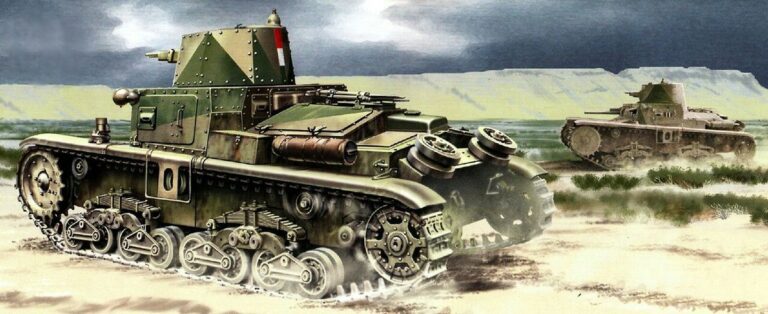
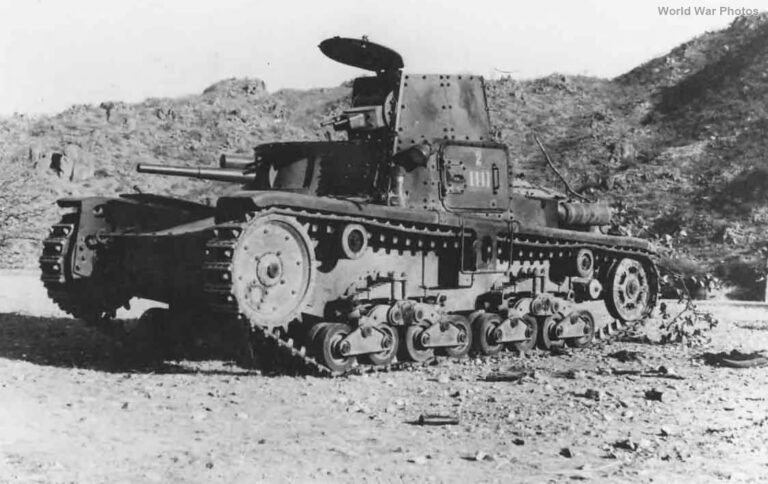
The Carro Armato M.11/39 marked Italy’s first serious attempt at a modern medium tank. Developed at the close of the 1930s, it was an interim design that blended emerging armoured doctrine with industrial compromise. Its most distinctive feature was the hull-mounted 37mm main gun, offset to one side, while the turret carried twin machine guns. This unusual configuration reflected transitional thinking between infantry support and independent tank action.
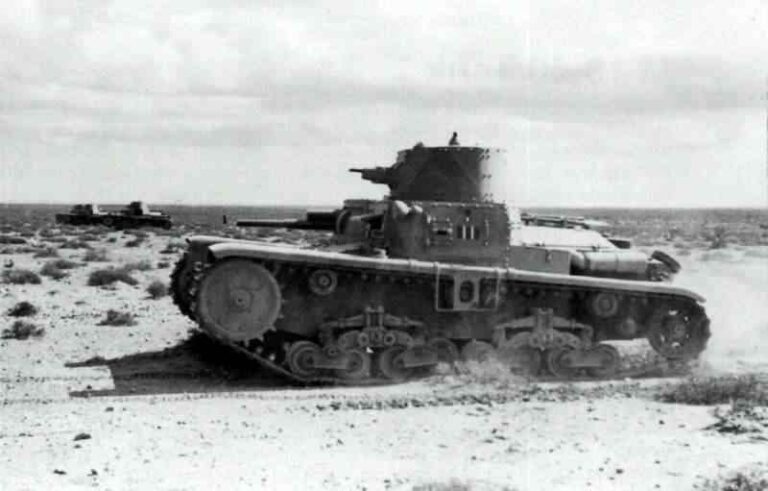
Mechanically, the M.11/39 was reliable and reasonably mobile for its class, with riveted armour offering modest protection by early-war standards. However, the hull-mounted main gun limited tactical flexibility, particularly in fluid engagements. Despite this, the vehicle represented a genuine effort to field a gun capable of countering contemporary armour — a recognition that the lightly armed tankette era was drawing to a close.
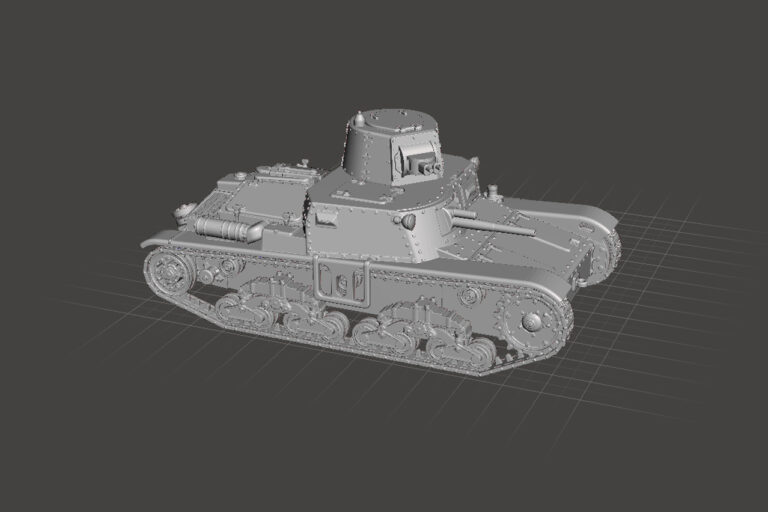
The M.11/39 saw combat in the opening stages of the North African campaign in 1940. Against British cruiser tanks it struggled, not purely due to armour thickness, but because its design limited effective engagement while manoeuvring. Many were lost in early clashes, yet their crews fought determined actions under difficult circumstances, often in hastily organised formations during Italy’s rapid entry into the desert war.
For modellers and wargamers, the M.11/39 is an evocative early-war vehicle. It captures the transitional nature of Italian armoured development and is ideal for 1940 Western Desert scenarios. Its asymmetric hull gun layout provides visual interest on the tabletop, and it serves as a compelling counterpoint to later M-series tanks in any historically grounded Italian force.
Carro Armato M.13-40 Medium Tank Series
The Carro Armato M.13/40 was the definitive Italian medium tank of the early desert war. Designed to correct the shortcomings of the M.11/39, it relocated the 47mm main gun to a fully rotating turret, dramatically improving tactical flexibility. With thicker armour and a more conventional layout, the M.13/40 represented Italy’s most serious armoured fighting vehicle at the outbreak of sustained operations in North Africa.
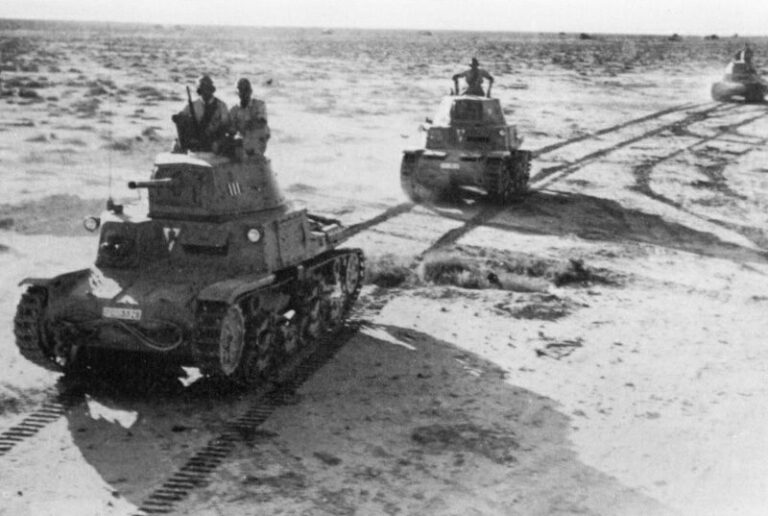
Armed with the 47/32 gun, the M.13/40 was capable of penetrating early British cruiser tanks at typical engagement ranges. Its riveted armour offered reasonable protection for 1940–41 standards, though mechanical reliability and engine power remained ongoing concerns in the harsh desert environment. Despite this, when properly supported, M.13/40 units could and did deliver effective battlefield performance.
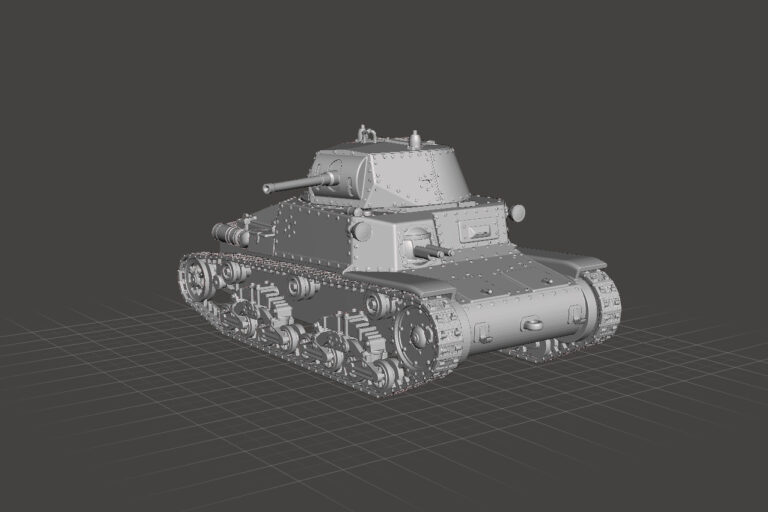
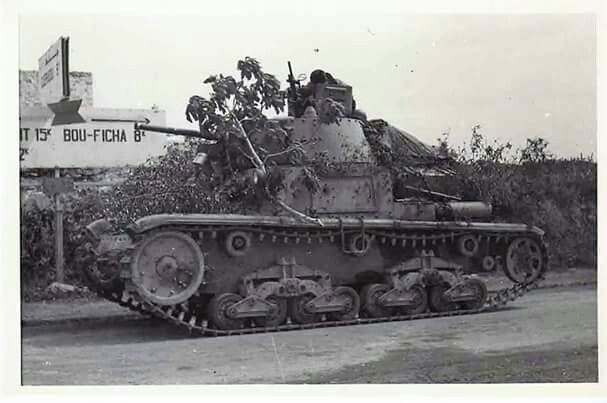
The M.13/40 and its M.14/41 successors formed the backbone of Italian armoured divisions during Operations Compass and subsequent Axis offensives. In defensive actions, particularly when combined with anti-tank guns and Semovente self-propelled artillery, they proved far from ineffective. Their reputation often suffers from comparison with later Allied designs, rather than assessment within their original timeframe.
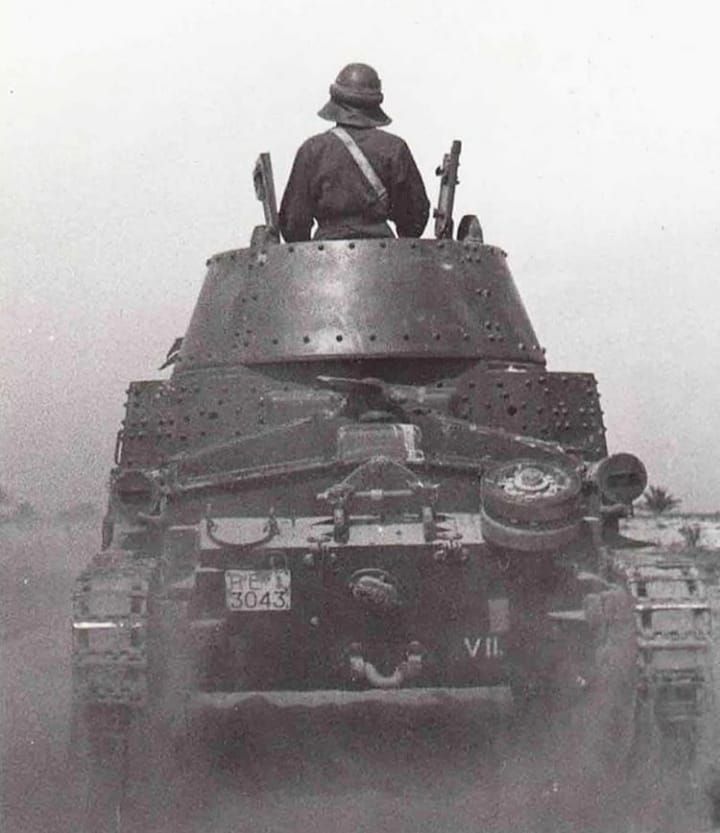
For modellers and wargamers, the M.13/40 series is essential. It defines the classic image of Italian armour in the Western Desert, complete with sand shields, external stowage and distinctive camouflage schemes. Whether fielded in early 1940 actions or alongside German Afrika Korps units, it provides both historical authenticity and strong tabletop presence as the core of any Italian armoured formation.
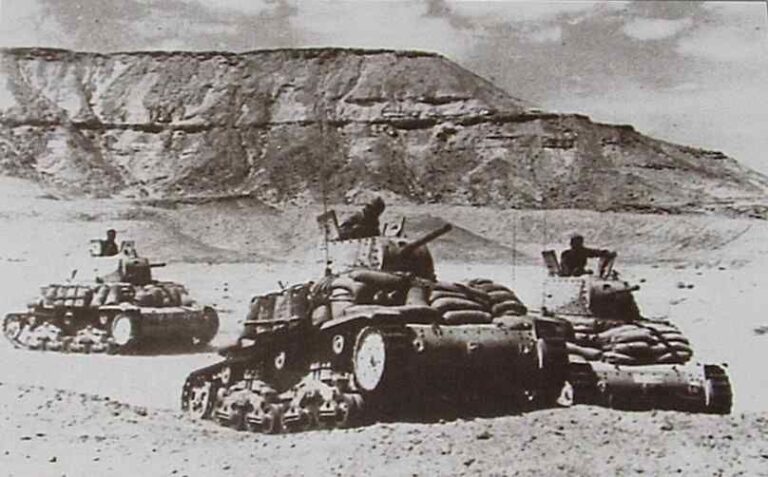
Carro Armato M.15-42 Medium Tank
The Carro Armato M.15/42 represented the final evolution of the M-series medium tanks. Introduced in 1943, it retained the familiar silhouette of the M.13/40 family but incorporated a more powerful petrol engine and an improved 47mm gun (the 47/40), offering better armour penetration than its predecessors. By this stage of the war, Italian designers were working within severe industrial and strategic constraints, yet still pushing incremental improvements into production.
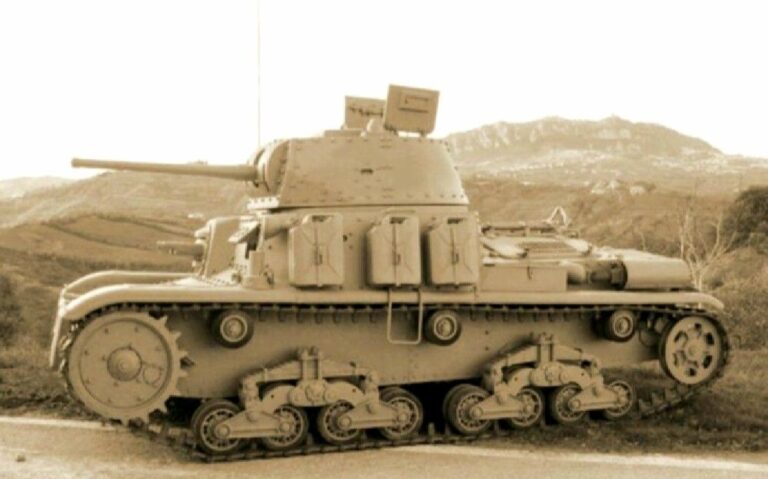
The upgraded engine improved mobility, particularly on roads, and addressed some of the power limitations that had plagued earlier variants. Armour protection remained comparable to the M.14/41, which by 1943 was no longer competitive against modern Allied tanks. However, in infantry support, anti-partisan and defensive roles, the M.15/42 remained a functional battlefield asset.
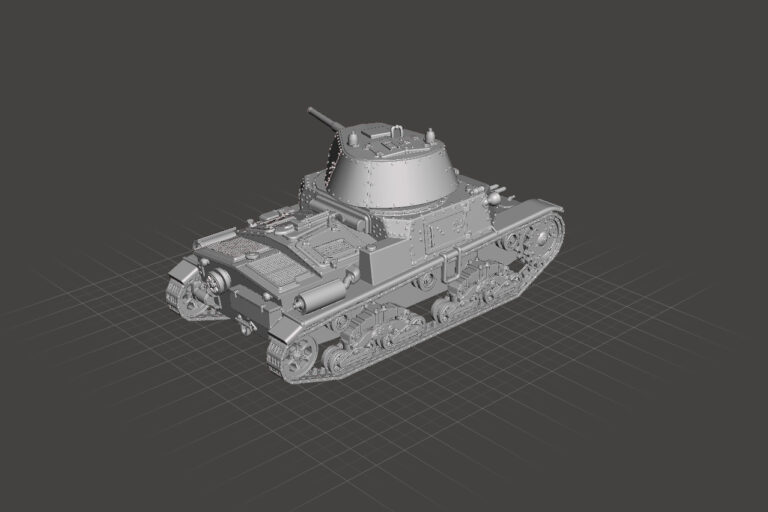
Operationally, the M.15/42 saw service during the turbulent period surrounding the 1943 Armistice. Some were used in the defence of Italy against Allied landings, while others were taken over by German forces or served with the Italian Social Republic. Its fragmented deployment reflects the fractured state of Italy’s war effort in its final phases.
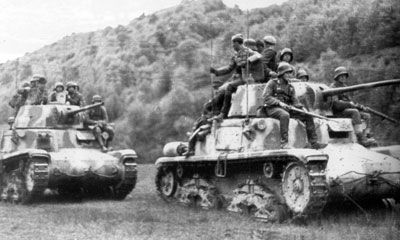
For modellers and wargamers, the M.15/42 opens up late-war Italian and RSI scenarios rarely represented on the tabletop. It bridges the gap between early desert warfare and the complex Italian Campaign. Subtle visual differences from earlier M-series tanks provide modelling interest, while its historical context offers rich narrative opportunities in 1943–45 engagements.
Carro Armato P-40 Medium Tank
The Carro Armato P.40 was Italy’s long-awaited answer to the heavily armoured battlefield that had emerged by 1942. Conceived as a true medium — bordering on heavy by Italian standards — it mounted a powerful 75mm gun in a fully rotating turret and carried significantly thicker armour than the M-series tanks. The P.40 represented a clear doctrinal shift toward engaging enemy armour on more equal terms.
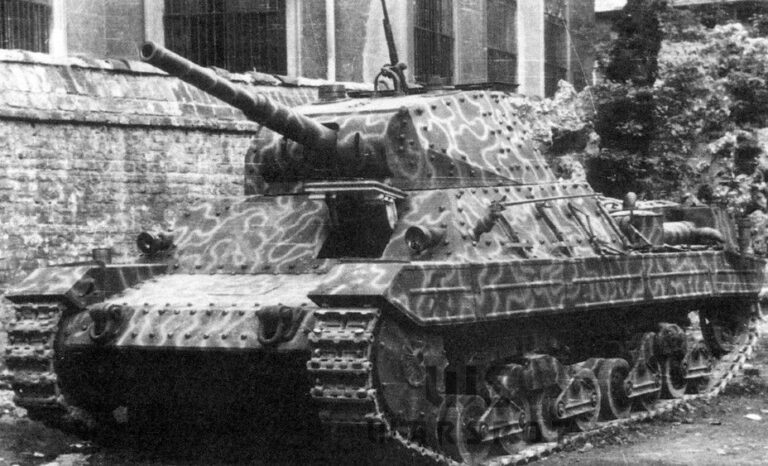
Design delays and industrial disruption meant that the P.40 entered production only in 1943, far too late to influence the wider course of the war. Many completed hulls were taken over by German forces after the Armistice, some even lacking engines due to supply shortages. Nevertheless, on paper and in limited service, the P.40 was a capable vehicle, with firepower comparable to contemporary Allied medium tanks.
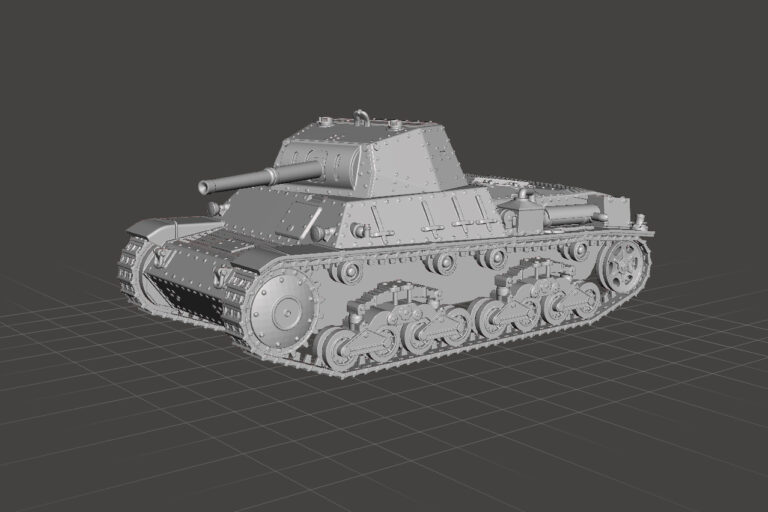
Its armour profile and gun performance made it a credible battlefield contender, particularly in defensive roles within the Italian theatre. While numbers were limited, its presence signalled that Italian industry had closed much of the developmental gap that had plagued earlier designs — it was timing, not potential, that ultimately betrayed it.
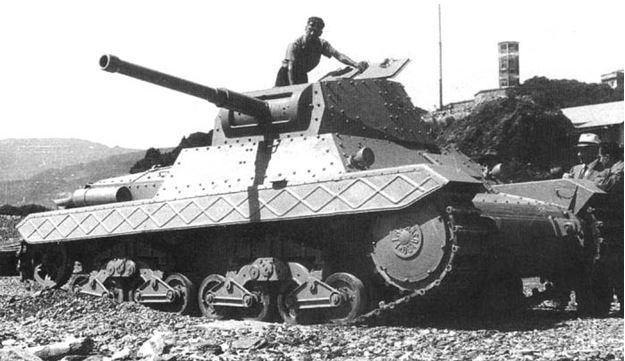
For modellers and wargamers, the P.40 is a centrepiece vehicle. Its broader stance, heavier turret and late-war character make it visually distinct within any Italian collection. Ideal for 1944–45 scenarios, RSI formations or German-commandeered units, it provides both historical intrigue and a satisfying “what might have been” dimension on the tabletop.
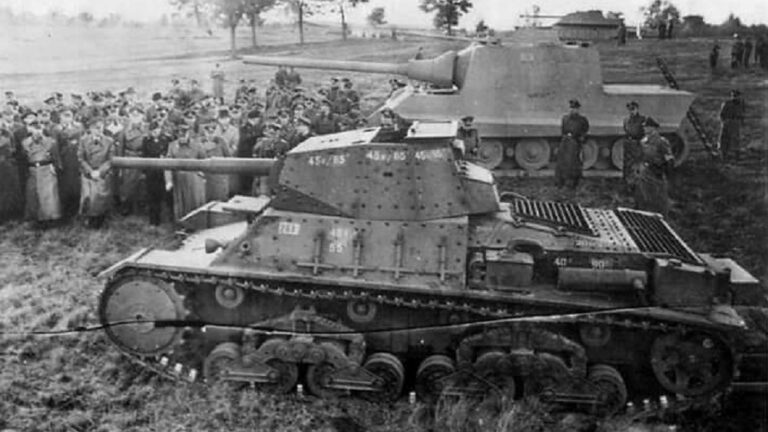
Carro Commando M.40
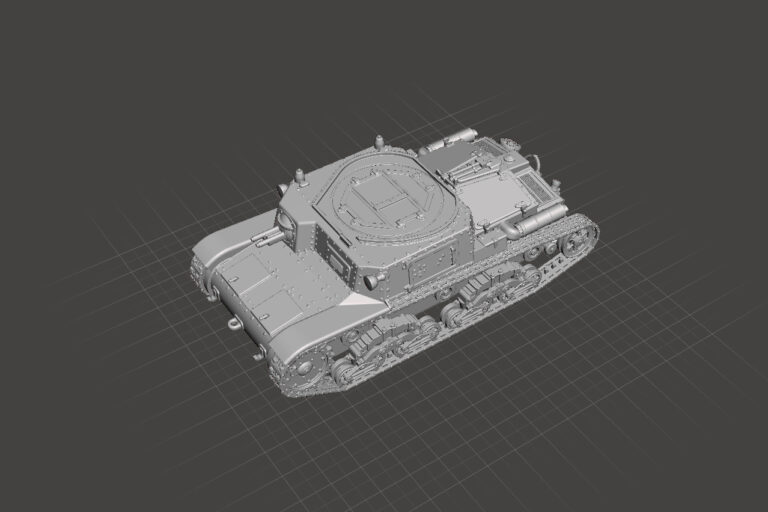
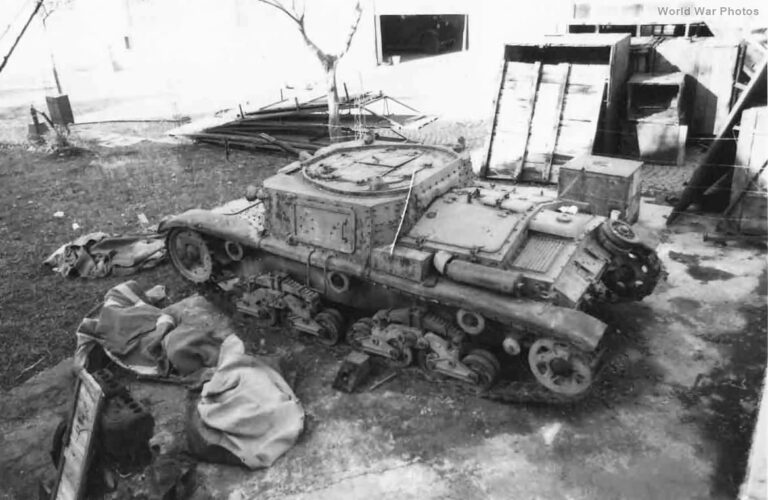
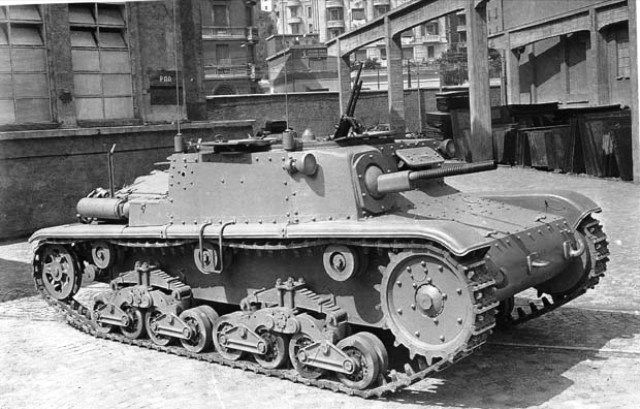
The Carro Commando M.40 was the command variant of the early M-series medium tanks, purpose-built to coordinate armoured formations in the field. Externally similar to the standard M.13/40, it sacrificed the turret-mounted main gun to accommodate additional radio equipment and command fittings. This reflected an increasing appreciation within Italian armoured doctrine of the importance of battlefield communication and centralised control.
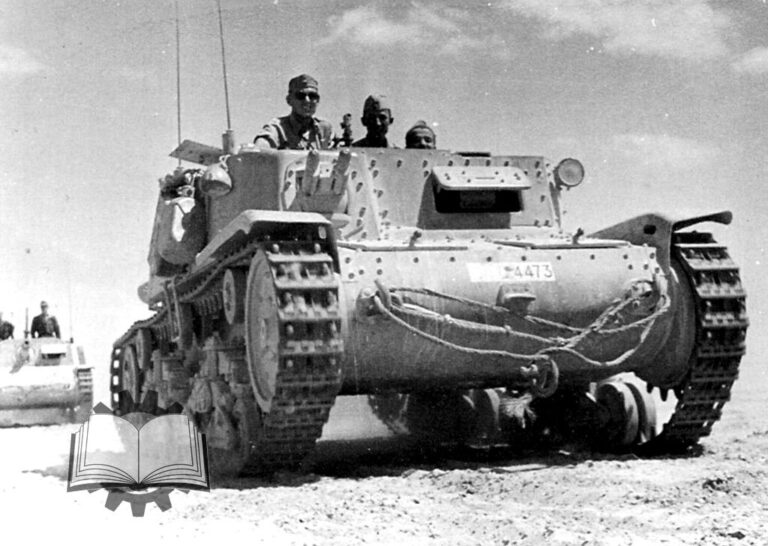
By removing the 47mm gun and replacing it with a fixed superstructure or dummy armament, internal space was freed for radios and map tables — a critical enhancement in the vast expanses of North Africa where coordination often determined survival. Italian armoured units had initially suffered from limited radio distribution, and the Carro Commando represented a practical solution to improving command efficiency.
Operationally, these vehicles served within headquarters elements of armoured regiments and battalions, directing manoeuvre and artillery support. Though not front-line fighting tanks, they were frequently positioned close enough to combat to share the same risks. Their understated role makes them easy to overlook, yet they were essential to maintaining cohesion in complex engagements.
For modellers and wargamers, the Carro Commando M.40 adds organisational authenticity to Italian armoured forces. It is perfect for representing battalion or regimental command elements and enriches historically structured formations. Subtle external differences and aerial arrays offer modelling detail, while its presence on the tabletop reinforces the narrative of coordinated desert warfare rather than isolated tank duels.
Fiat-Ansaldo L3 CV33-35 Tankette and variants
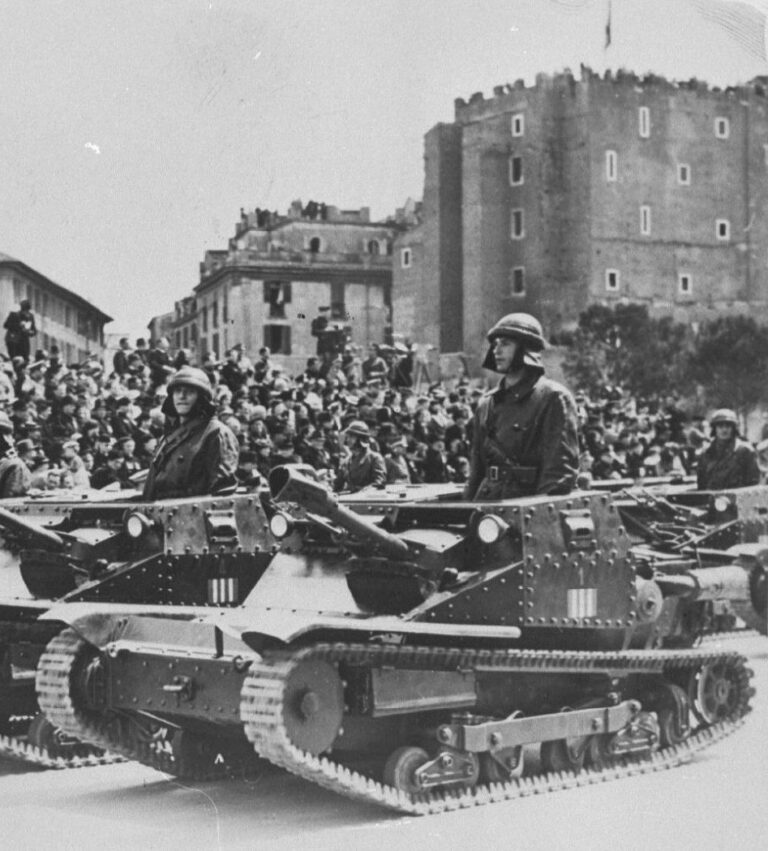
The Fiat-Ansaldo L3 series — including the CV33 and CV35 — became the backbone of Italian armoured forces during the interwar years. Small, fast and mechanically uncomplicated, these two-man tankettes were designed for mobility and economy rather than battlefield dominance. In an army balancing limited industrial capacity with expansive strategic commitments, the L3 provided numbers, logistical simplicity and operational reach.
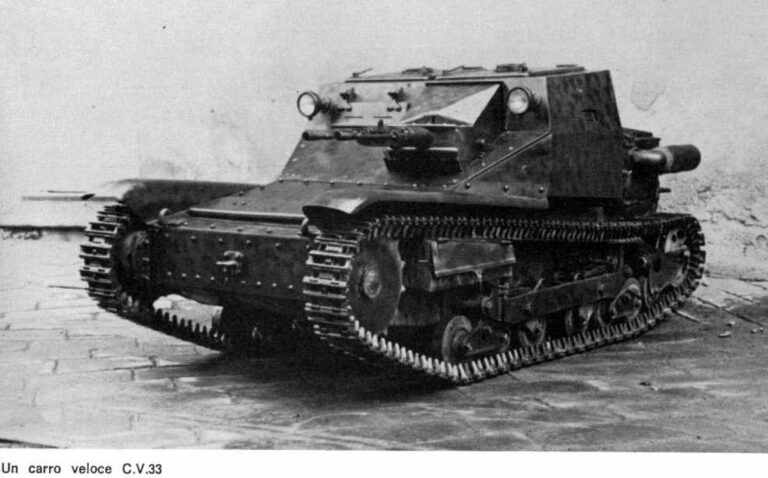
Armed initially with twin 8mm machine guns, the L3 was intended for infantry support, reconnaissance and colonial policing. In Ethiopia it operated effectively against irregular forces, where speed and intimidation mattered more than armour thickness. During the Spanish Civil War, however, encounters with Soviet-supplied Republican armour exposed its vulnerability, forcing a doctrinal reassessment of light armour employment.
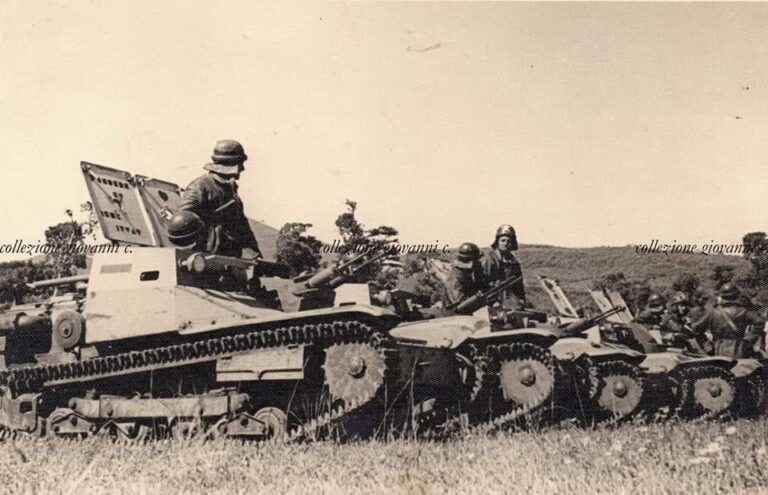
Despite its limitations, the L3’s light weight allowed it to traverse poor infrastructure and restrictive terrain that would challenge heavier vehicles. It could be transported relatively easily and maintained in austere conditions — advantages that aligned with Italy’s focus on mountainous and expeditionary warfare. In North Africa it was outmatched in tank-versus-tank engagements but still found use in security, screening and support roles.
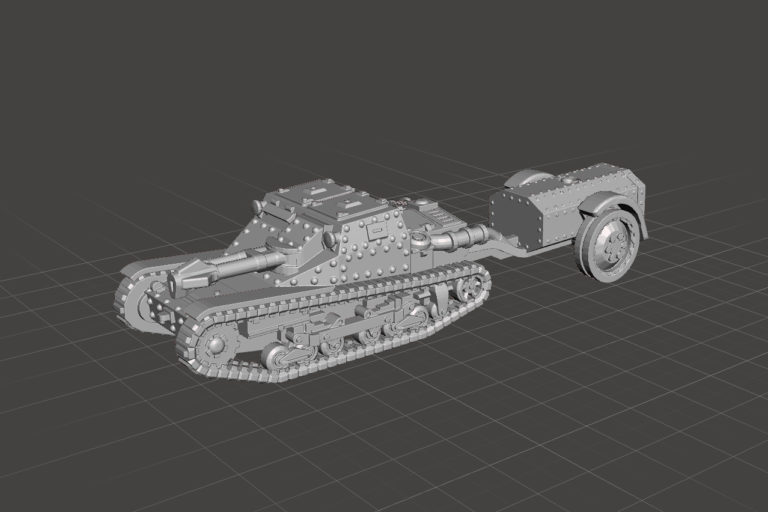
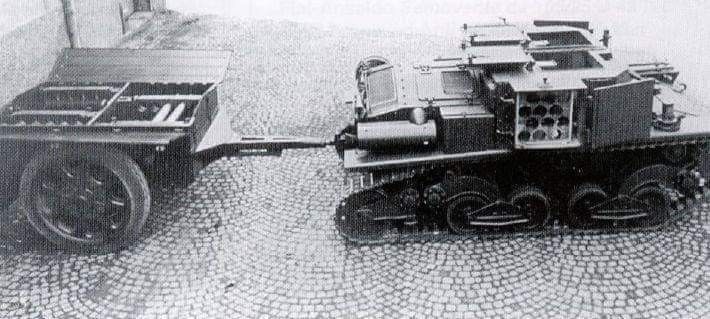
One of the most striking adaptations was the L3 Lanciafiamme flamethrower variant. Replacing the standard machine guns with a hull-mounted flamethrower system fed by an armoured fuel trailer or internal tank, it transformed the diminutive tankette into a close-assault weapon. In both Ethiopia and later in North Africa, these versions were used against fortified positions and entrenched infantry, where their psychological impact could outweigh their physical protection.
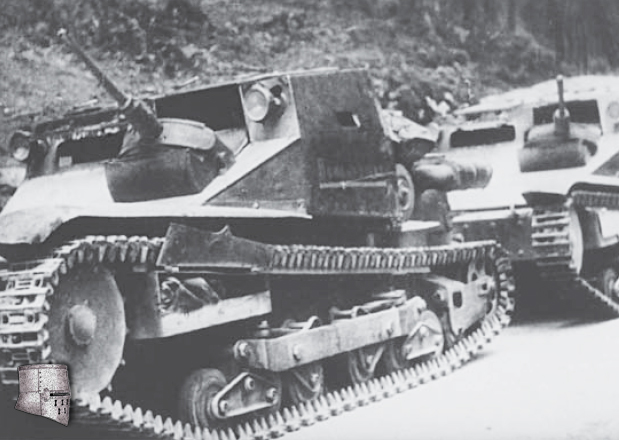
Another notable conversion mounted the Swiss-designed Solothurn 20mm anti-tank rifle (often designated L3/cc). This adaptation sought to provide the L3 with limited anti-armour capability, reflecting battlefield lessons from Spain. While recoil and space constraints limited its effectiveness, the Solothurn-armed variant demonstrated Italian willingness to experiment and improve firepower within existing chassis limitations.
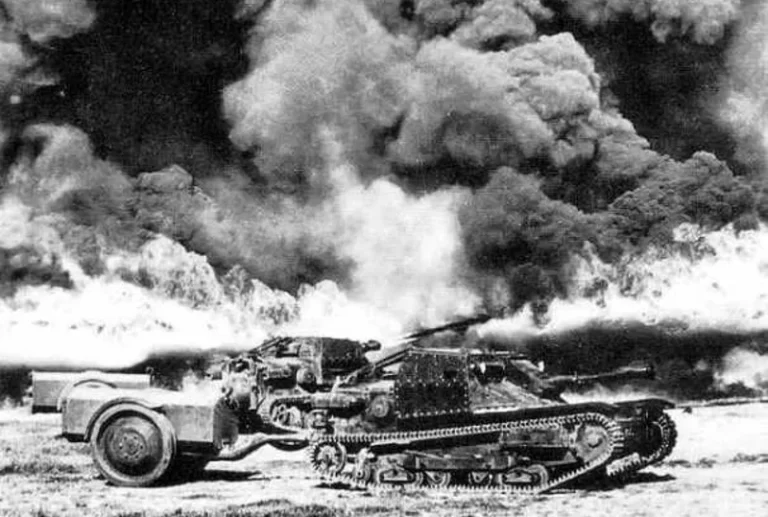
For modellers and wargamers, the L3 family offers immense variety and narrative depth. Standard machine-gun tankettes suit early-war and colonial scenarios, while the Lanciafiamme and Solothurn variants add tactical flavour and visual distinction. Their small footprint creates dynamic battlefield compositions, particularly when fielded in groups, and they provide a compelling representation of Italy’s interwar armoured philosophy in miniature form.
Lancia-Ansaldo 1Z & 1Zm Armoured Cars
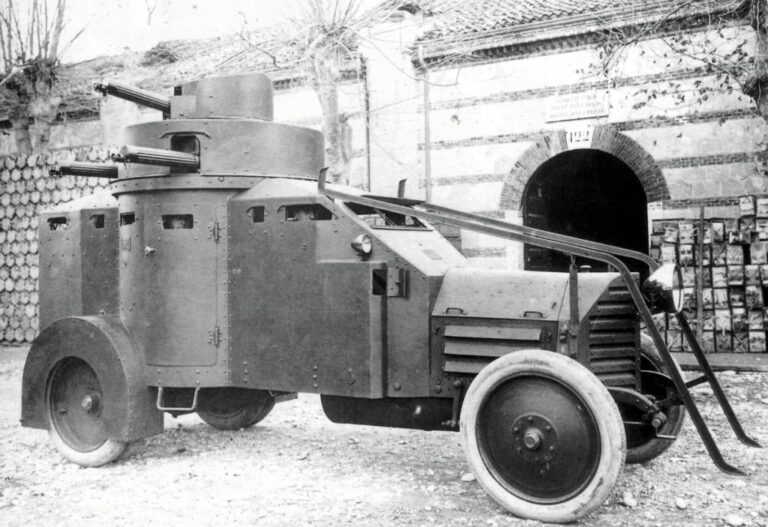
The Lancia-Ansaldo 1Z was Italy’s principal armoured car of the First World War and a direct ancestor of later interwar designs. Built on a robust commercial truck chassis, it featured a distinctive twin-turret arrangement mounting machine guns, later simplified in the 1ZM variant. Its tall profile and angular armour gave it a commanding presence, suited to road-bound operations and internal security duties.
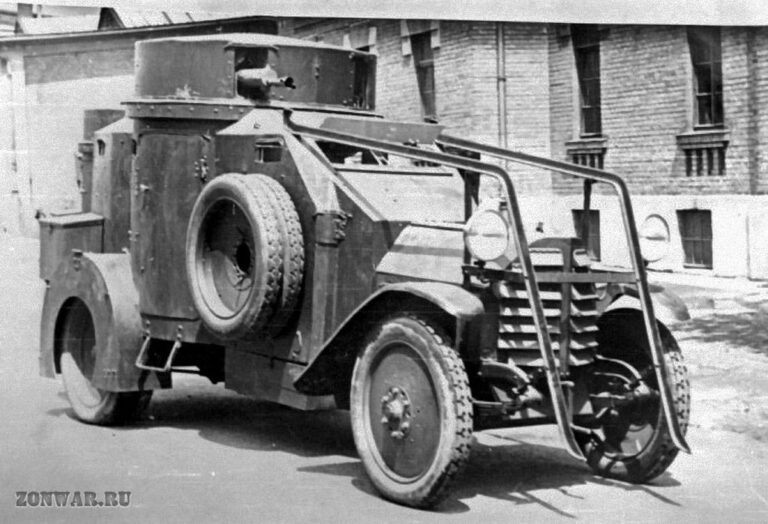
During the later stages of the First World War, the 1Z operated primarily in reconnaissance and infantry support roles along the Italian Front. Its mobility on roads and relatively strong machine-gun armament made it effective in exploiting breakthroughs or reinforcing threatened sectors. While not suited to extreme terrain, it represented a significant step in mechanised warfare for the Regio Esercito.
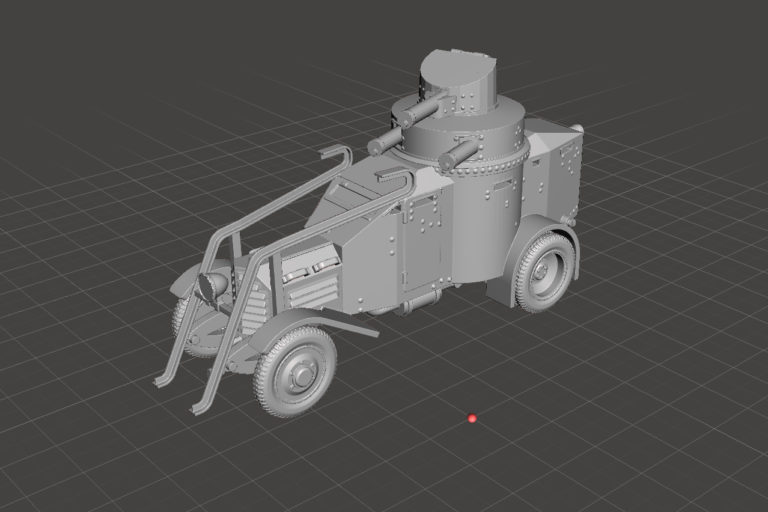
In the interwar period, the 1Z continued to serve in colonial theatres, including Libya and East Africa. There it performed convoy escort, patrol and security operations, often in challenging climates. Though increasingly outdated by the late 1930s, it remained mechanically reliable and symbolised Italy’s early embrace of armoured mobility.
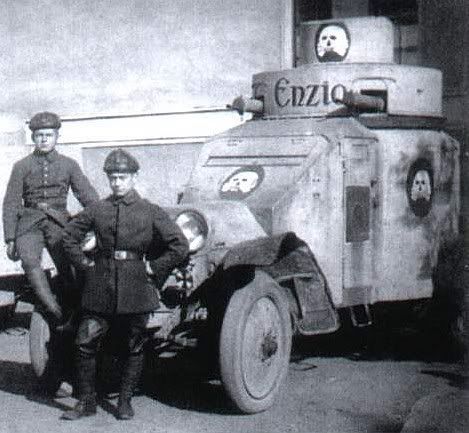
For modellers and wargamers, the Lancia 1Z opens up First World War and colonial-era scenarios rarely explored on the tabletop. Its multi-turret configuration and riveted construction provide rich modelling detail, while its long service life allows it to appear in a wide range of settings. As the starting point of Italy’s armoured car lineage, it offers both historical significance and strong visual character.
Semovente 47-32 Tank Destroyer
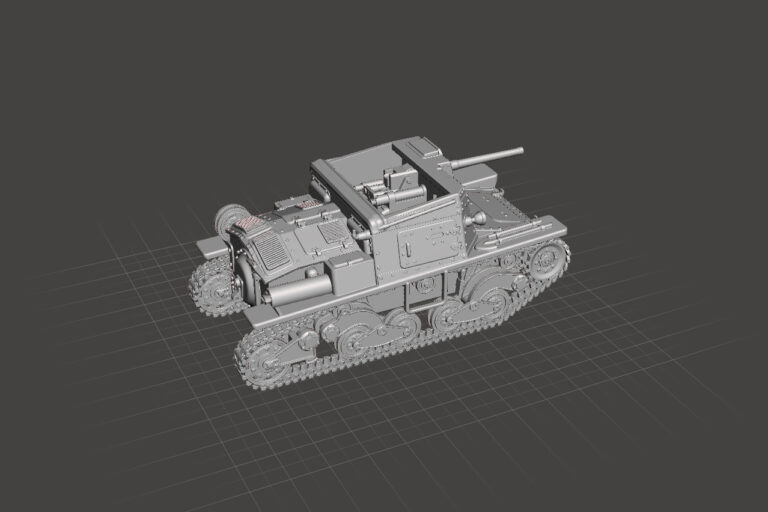
The Semovente 47/32 was Italy’s pragmatic response to the growing need for mobile anti-tank capability. Mounted on the chassis of the L6/40 light tank, it replaced the turret with a low, fixed superstructure housing the 47mm anti-tank gun. The result was a compact, low-profile vehicle designed for ambush and defensive fire rather than manoeuvre warfare.
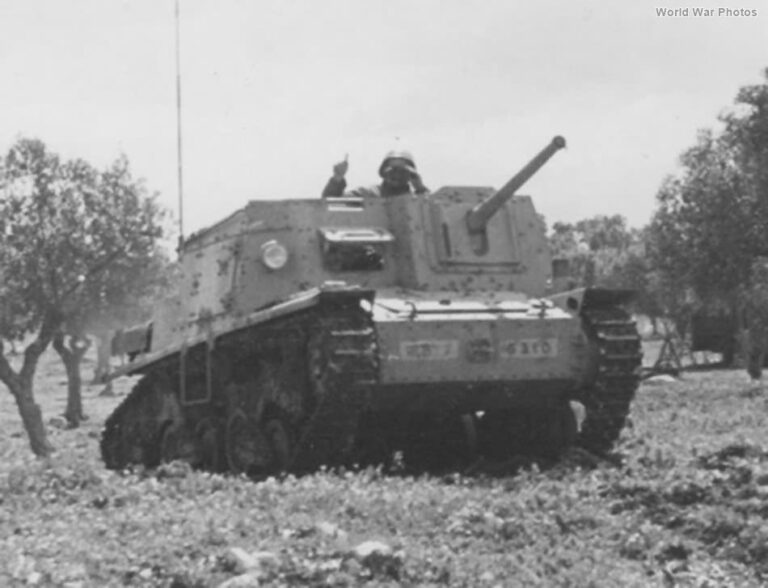
Armed with the 47/32 gun — the same weapon used in towed anti-tank roles — the Semovente offered respectable penetration against early-war Allied armour. Its small silhouette made it well suited to hull-down positions and concealed firing points, particularly in broken or mountainous terrain. Protection remained light, but its design emphasised concealment and first-shot lethality.
Operationally, the Semovente 47/32 saw service in North Africa, the Balkans and on the Eastern Front. In desert conditions it was vulnerable if caught in the open, but when used defensively it could deliver sharp tactical surprises. In the Balkans especially, its light weight and compact form aligned well with the terrain Italian doctrine had long anticipated.
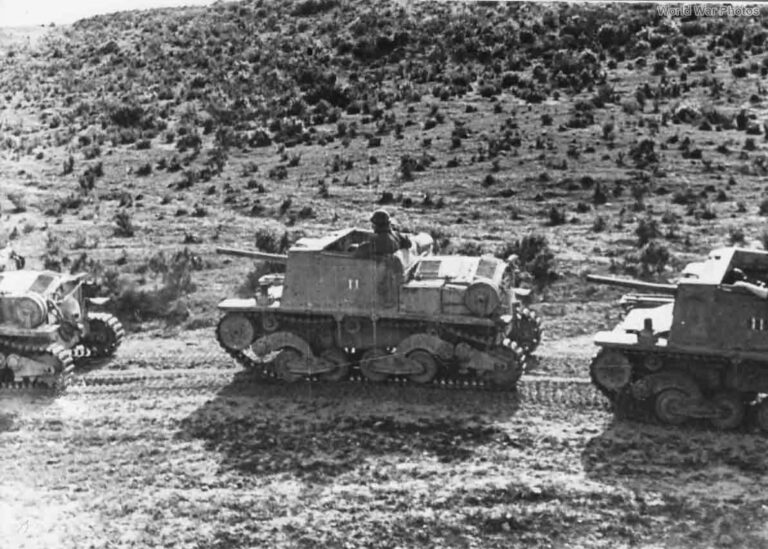
For modellers and wargamers, the 47/32 adds important tactical nuance to Italian forces. It provides organic anti-tank capability to light formations and works perfectly in defensive or ambush scenarios. Its low, purposeful profile contrasts neatly with turreted tanks, and it offers excellent opportunities for terrain-integrated basing and diorama work.
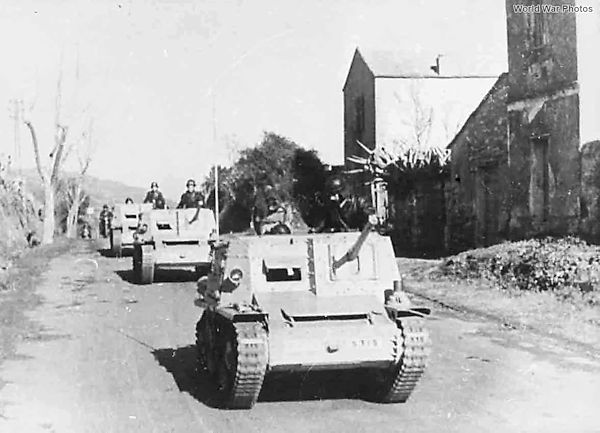
Semovente 75-18 M40 Self Propelled Gun Series
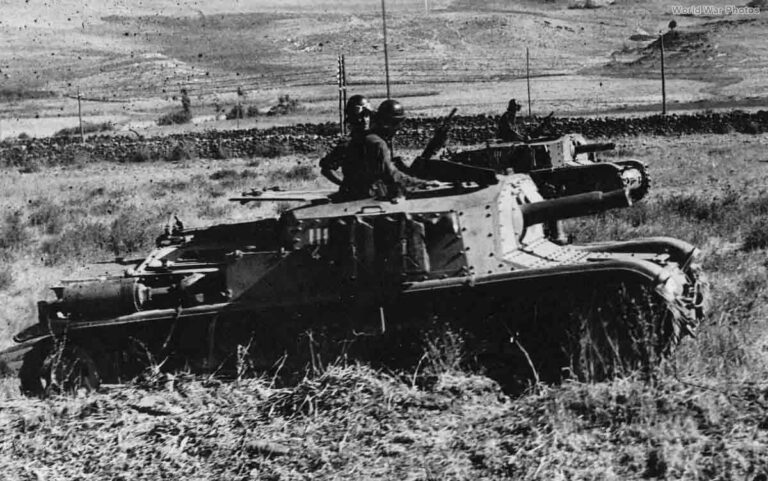
The Semovente 75/18 M40 was arguably the most effective Italian armoured fighting vehicle of the desert war. Built on the M13/40 chassis, it replaced the turret with a low, armoured casemate mounting the 75mm 75/18 howitzer. Originally intended for infantry support, it quickly proved capable of engaging enemy armour using HEAT ammunition, transforming it into a highly versatile battlefield asset.
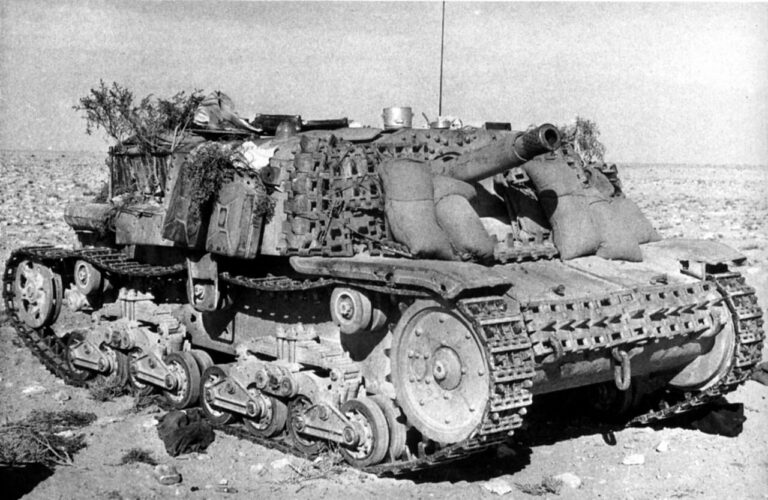
Its low silhouette and compact profile made it far less conspicuous than the taller M-series tanks. In defensive positions, particularly during North African engagements, the 75/18 demonstrated impressive effectiveness against British armour. When employed in hull-down ambush roles, it compensated for modest armour protection with concealment and firepower.
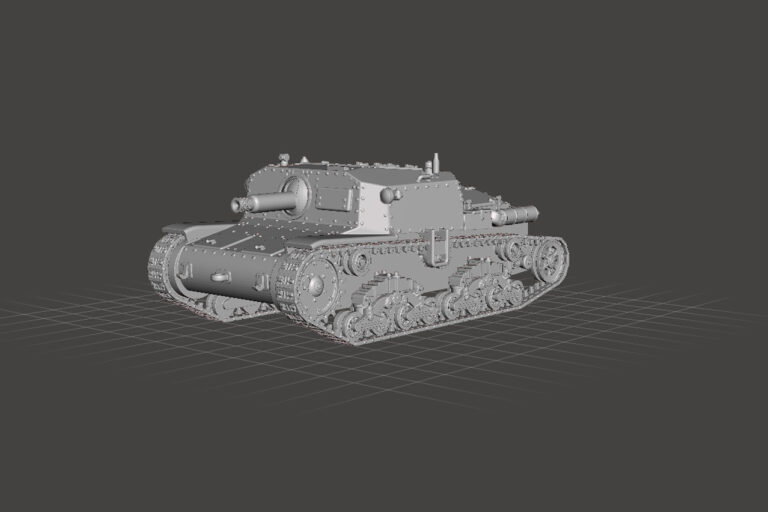
The Semovente 75/18 served extensively in North Africa, later in Sicily and mainland Italy, and even on the Eastern Front. Crews valued its reliability and hitting power, and German forces themselves adopted captured examples, designating them as Sturmgeschütz equivalents. In many respects, it fulfilled the role that Italian armoured doctrine had struggled to achieve with turreted mediums.
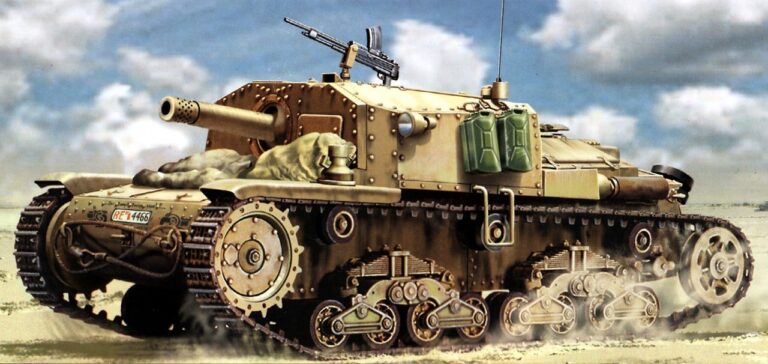
For modellers and wargamers, the 75/18 is a centrepiece vehicle. It suits desert, Eastern Front and Italian Campaign settings, offering both offensive and defensive tactical options on the tabletop. Its squat, purposeful appearance and reputation for effectiveness make it an essential inclusion in any serious Italian armoured force, particularly for mid-war scenarios.
Semovente 90-53 Self Propelled Gun
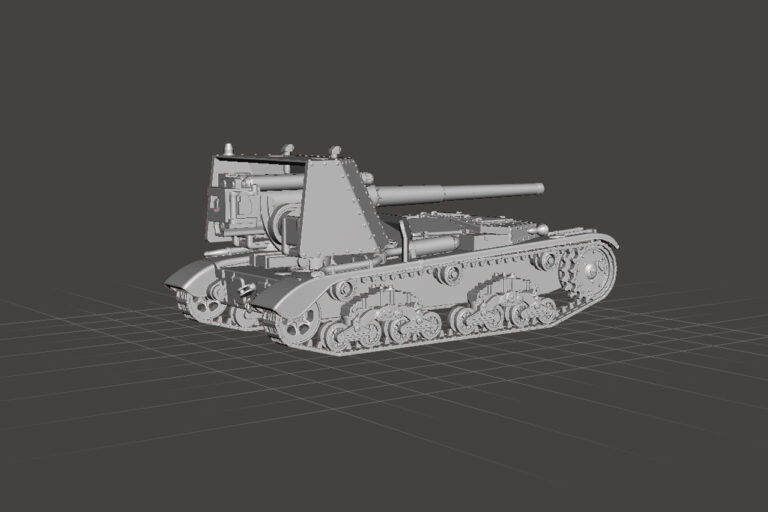
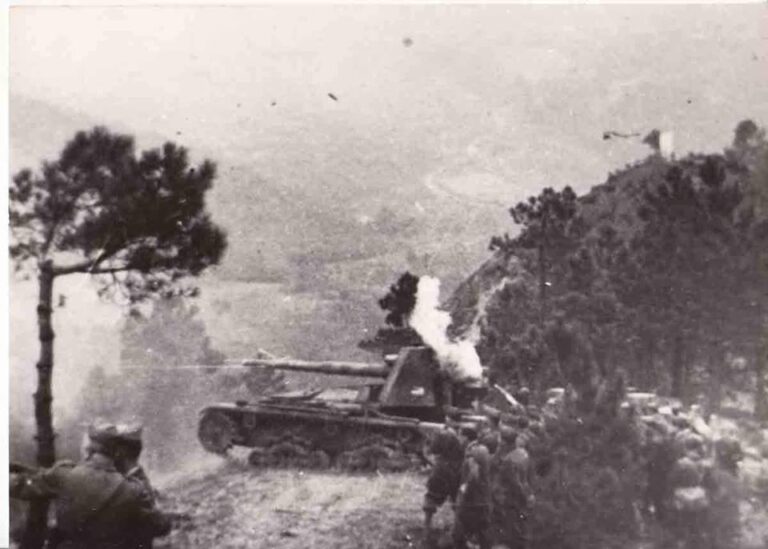
The Semovente 90/53 was Italy’s most formidable anti-tank vehicle of the war. Mounting the powerful 90mm Ansaldo anti-aircraft gun on a modified M14/41 chassis, it delivered firepower capable of defeating even heavily armoured Allied tanks at significant range. Conceived as a mobile anti-tank platform, it reflected a clear recognition that battlefield survivability increasingly depended on striking first — and striking hard.
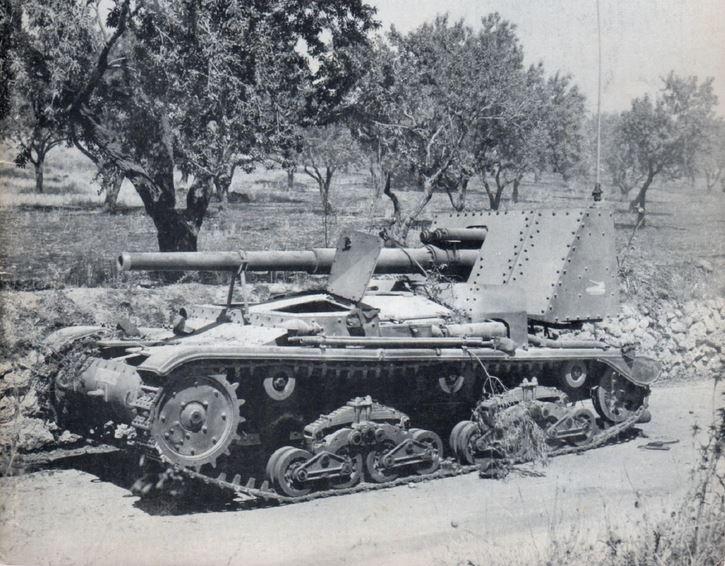
The vehicle featured an open-topped fighting compartment, with limited onboard ammunition storage; additional rounds were carried in accompanying support vehicles. This exposed layout left the crew vulnerable to artillery and infantry attack, but the trade-off was exceptional ballistic performance. In capable hands, the 90/53 could dominate long-range engagements.
Produced in very limited numbers, the Semovente 90/53 saw service primarily in North Africa and later in the defence of Sicily and mainland Italy. Though rare, its presence was significant wherever deployed. It represented perhaps the clearest demonstration that Italian industry could field world-class anti-tank firepower when resources were concentrated.
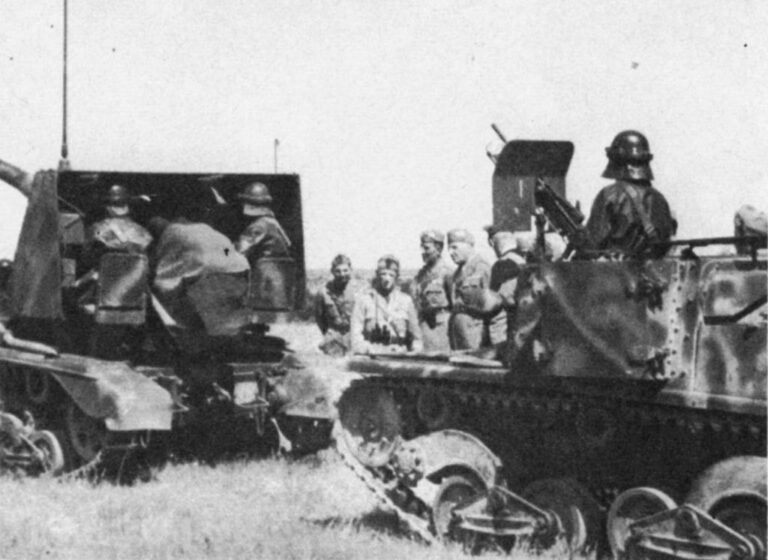
For modellers and wargamers, the 90/53 offers dramatic tabletop impact. Its long barrel and open fighting compartment create a striking silhouette, ideal for defensive scenarios or long-range duels. It works particularly well in narrative games where limited ammunition and vulnerability balance its formidable firepower, adding tactical depth and visual distinction to late-war Italian forces.
Semovente 105-25 M43 Self Propelled Gun
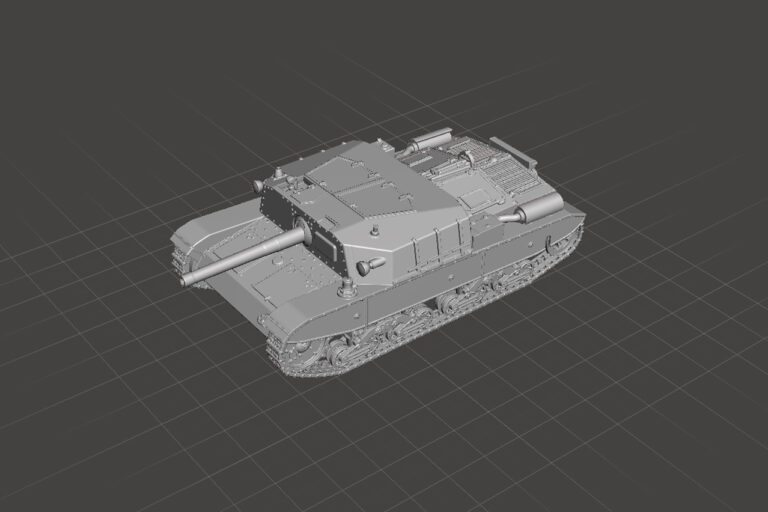
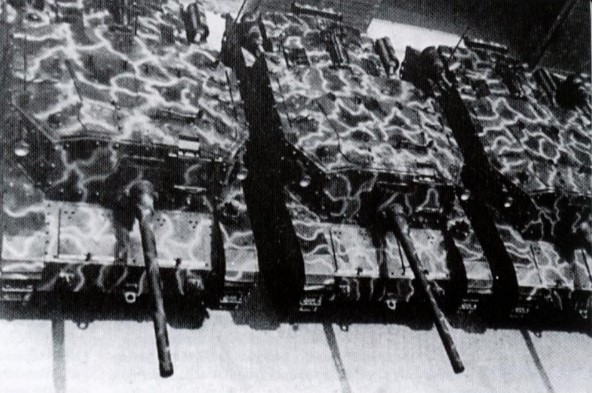
The Semovente 105/25 M43 was the culmination of Italy’s self-propelled gun development. Built on the widened and improved M43 chassis, it mounted a 105mm howitzer within a well-sloped, fully enclosed casemate. Compared to earlier Semovente designs, it offered significantly improved armour protection and a more modern silhouette, reflecting hard-earned battlefield lessons from North Africa and the Eastern Front.
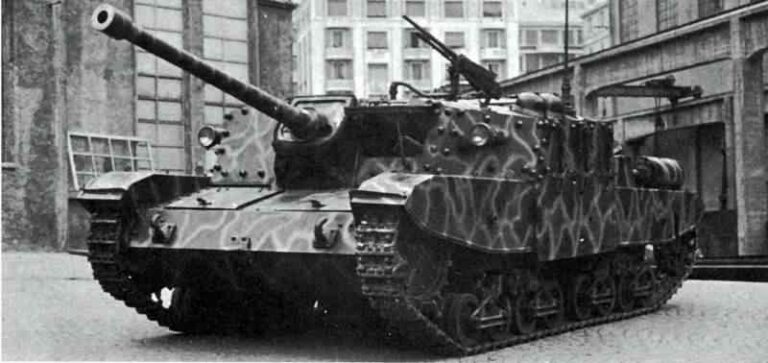
Armed with the 105/25 gun, it delivered powerful high-explosive fire for infantry support while retaining respectable anti-armour capability with shaped-charge ammunition. Its lower profile and thicker frontal armour made it far more survivable than earlier M-series tanks. In defensive fighting during 1943–45, it proved to be one of Italy’s most capable armoured vehicles.
Following the Armistice, many 105/25s were taken over by German forces, who designated them as Sturmgeschütz M43 mit 105/25 and employed them in Italy and the Balkans. Others served with the Italian Social Republic. Despite limited production, those that reached operational units earned a strong reputation among their crews.
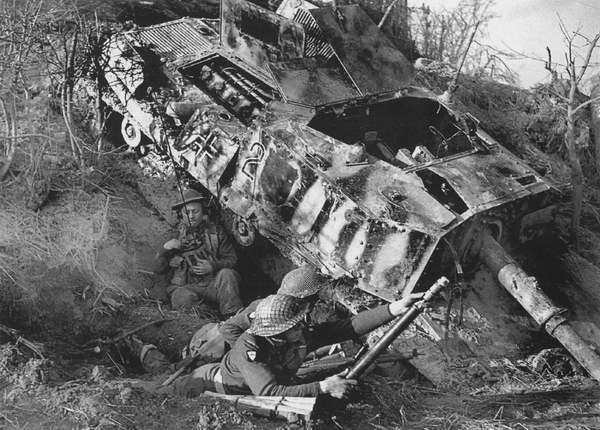
For modellers and wargamers, the 105/25 is an outstanding late-war addition. Its heavier casemate, broader stance and substantial gun give it real presence on the tabletop. Perfect for Italian Campaign scenarios, RSI formations or German-allied forces, it offers a compelling blend of historical authenticity and tactical potency to round out the Italian armoured story.
Final Thoughts from Bayonets & Brushes
This release marks a major milestone for Bayonets & Brushes: our very first dedicated Italian World War Two range. And we have not done it by halves. With more than 250 models across the entire release — covering vehicles, artillery and supporting elements — this is a comprehensive entry into one of the most misunderstood and underrepresented forces of the war.
Italian armour does not exist in isolation, and neither does this range. The vehicles sit within a broader ecosystem of guns, crews and support units that allow you to build cohesive, historically grounded forces straight out of the box. From reconnaissance detachments built around Autoblinde to Semovente-supported defensive lines, the range is designed to let you construct formations that feel operational rather than token.
Theatre variety is where Italian forces truly come alive. North Africa is the obvious draw — sun-faded M13/40s and 75/18s dug into desert positions — but this range invites you to go further. East Africa, the Balkans, Sicily, mainland Italy, even the Eastern Front: Italian armour fought in dramatically different environments, and each offers its own modelling and scenario potential.
For painters, this is a gift. Early-war greys, sand and ochre desert finishes, disruptive continental camouflage and late-war variations provide striking visual contrast. Add theatre-appropriate weathering — dust, mud, chipped paint, makeshift stowage — and every vehicle can tell its own story. Italian armour has character in spades, and that character rewards careful brushwork.
On the tabletop, Italian forces encourage creative play. They thrive on positioning, combined arms and clever use of terrain. Semovente ambushes, fast-moving armoured car screens and determined defensive stands create games that feel different from the standard heavy-armour slugfest. There is tension, narrative and tactical nuance baked into the force structure.
Most importantly, this range allows Italian armour to step out of the stereotype and onto the table properly represented. Not as an afterthought or curiosity, but as a force with its own doctrine, evolution and battlefield identity. This is the beginning of our Italian World War Two journey — and we think it is one hobbyists are going to enjoy exploring in full.
You can find the full range of Italian armoured vehicles here: https://bayonetsandbrushes.co.uk/home/store/world-war-ii-on-land/esercito-italiano-the-royal-italian-army/regio-esercito-armoured-vehicles/
At Bayonets & Brushes, we do not merely produce miniatures. We curate ordnance history — in resin and discipline.
And as ever, we remain at your service.