
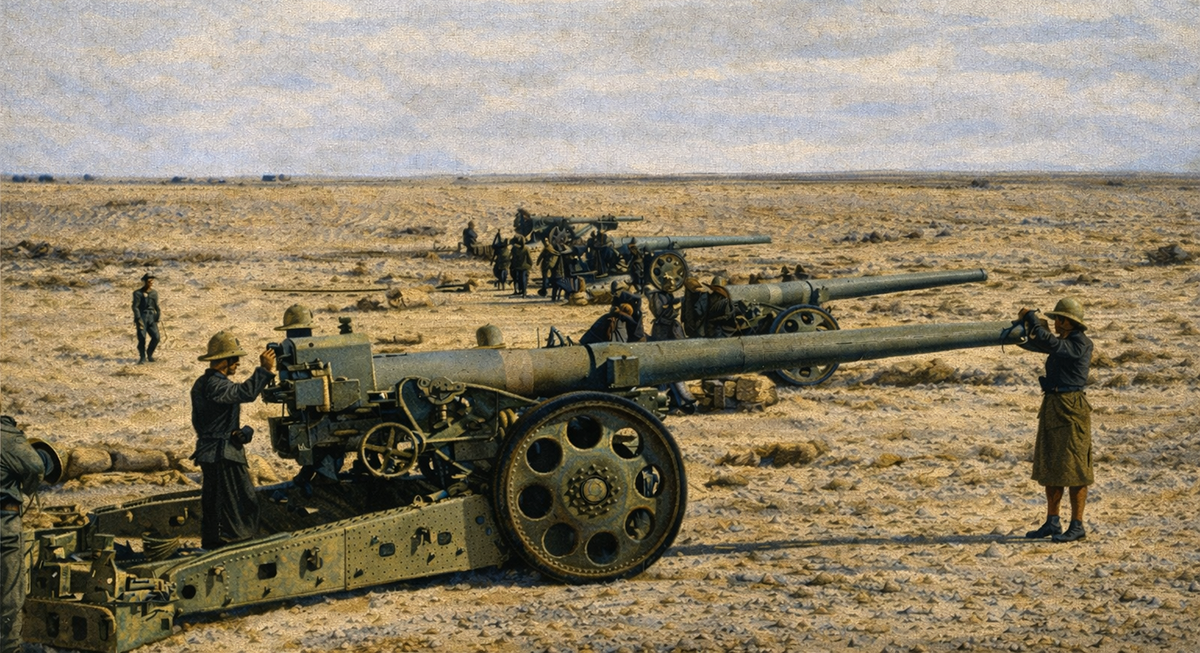
Only if you forget where they were meant to fire
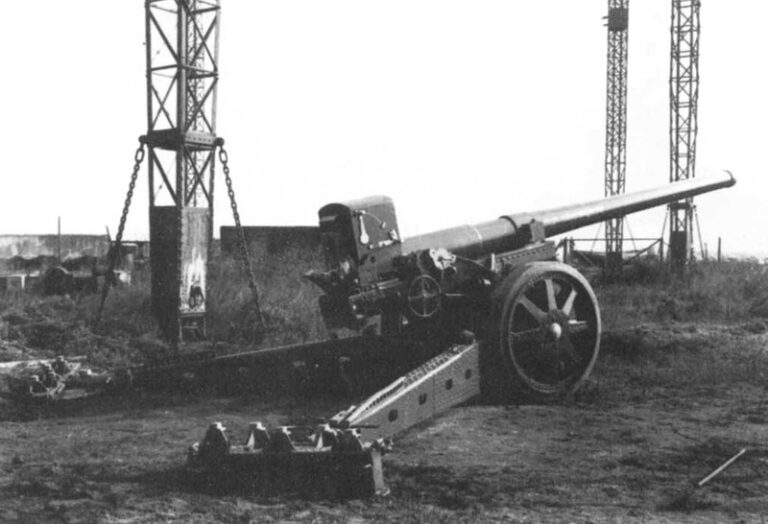
Italian artillery has often been dismissed as outdated — relics of the First World War dragged reluctantly into a modern conflict. Yet this reputation obscures a far more nuanced reality. Italian gunnery doctrine was forged not in flat expanses but in the mountains. Along the Isonzo and across the Dolomites during the First World War, artillery was the decisive arm. Guns were hauled to impossible elevations, broken down into mule loads and emplaced in positions that defied gravity as much as enemy fire.
The Regio Esercito emerged from the Great War with a deep institutional respect for artillery. Mountain guns, pack howitzers and medium pieces capable of operating in restrictive terrain formed the backbone of Italian doctrine. Mobility — not just strategic but tactical mobility — was paramount. A gun that could be disassembled and carried into the high Alps was often more valuable than one with marginally greater range but immobile bulk.
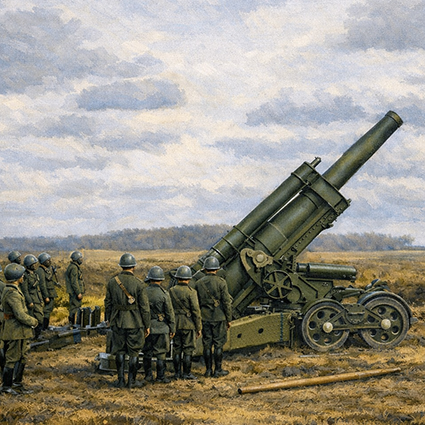
During the interwar period, economic constraints limited wholesale replacement of First World War stocks. Instead, Italy modernised selectively. Proven designs were upgraded, barrels lengthened, carriages improved and ammunition refined. It was a pragmatic approach: evolutionary rather than revolutionary. In Spain and Ethiopia, Italian artillery performed reliably, particularly when deployed in combined-arms formations. These conflicts reinforced lessons about mobility, adaptability and support rather than brute firepower alone.
By the outbreak of the Second World War, many Italian guns did indeed trace their origins to earlier decades — but age does not equate to ineffectiveness. The 75mm field guns and mountain howitzers were robust, accurate and familiar to their crews. In North Africa, artillery duels were often determined as much by positioning and observation as by raw ballistic performance. In the Balkans and on the Eastern Front, lighter pieces proved ideally suited to broken terrain.
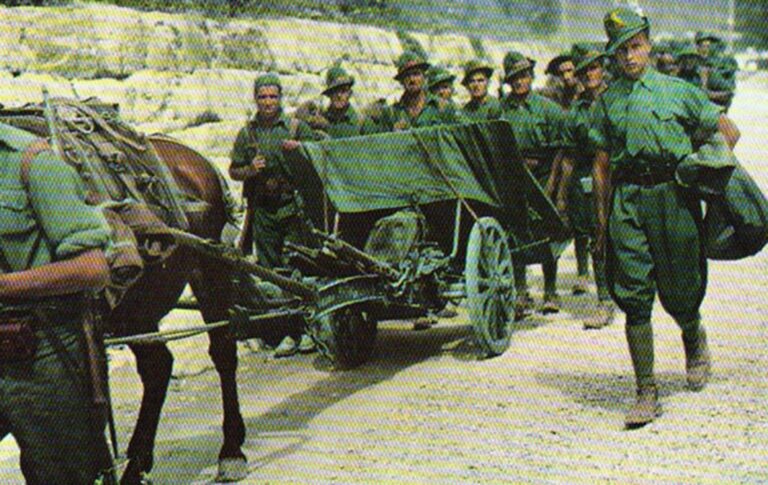
Italy also fielded genuinely formidable weapons. The 90/53 anti-aircraft and anti-tank gun, for example, was capable of engaging heavy armour at significant ranges. Heavy howitzers such as the 149mm and 210mm pieces provided substantial siege and counter-battery capability. Where industrial capacity allowed, Italian artillery could match its contemporaries in performance.
Ultimately, Italian artillery was shaped by geography, logistics and doctrine rather than by any lack of technical competence. It was an arm built to fight in mountains, across colonial expanses and in defensive depth. When judged within that context, it reveals itself not as obsolete iron, but as a flexible and often highly effective battlefield instrument — one that deserves far closer attention from historians and hobbyists alike.
Now… Let us begin!
An introduction to some of the Artillery pieces
Breda 20-65 Modello 1935
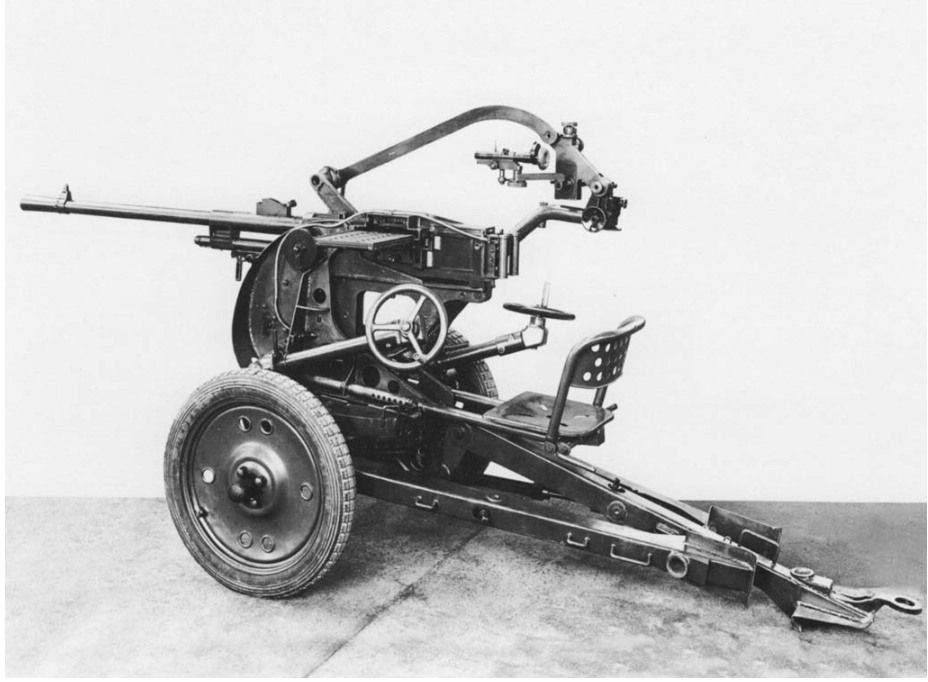
The Breda 20/65 Modello 1935 was one of the most widely used Italian light anti-aircraft weapons of the war. A 20mm autocannon capable of both anti-aircraft and ground fire, it was reliable, relatively simple to operate and widely deployed across all theatres. Mounted on a lightweight carriage with folding outriggers, it could be brought into action quickly — a critical feature in fluid environments such as North Africa.
Firing a high-velocity 20mm round, the Breda was effective against low-flying aircraft, light vehicles and infantry positions. While its magazine-fed system limited sustained fire compared to belt-fed designs, its accuracy and ease of transport made it extremely popular with crews. In desert conditions, it frequently doubled as an anti-infantry and anti-vehicle weapon, providing flexible fire support.
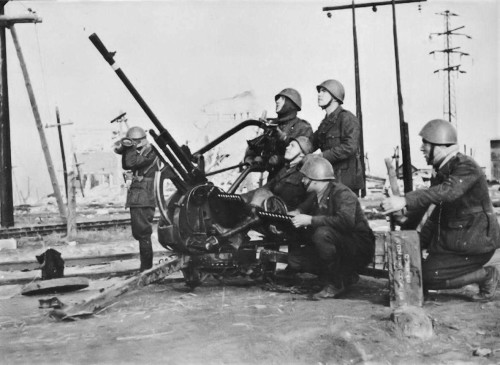
The Breda 20/65 served everywhere Italian forces fought: on truck mounts in North Africa, in static air defence roles in Italy, and in improvised anti-tank ambush positions in the Balkans and Eastern Front. Its versatility made it indispensable, and it remained in service even after the Armistice with both German and RSI units.
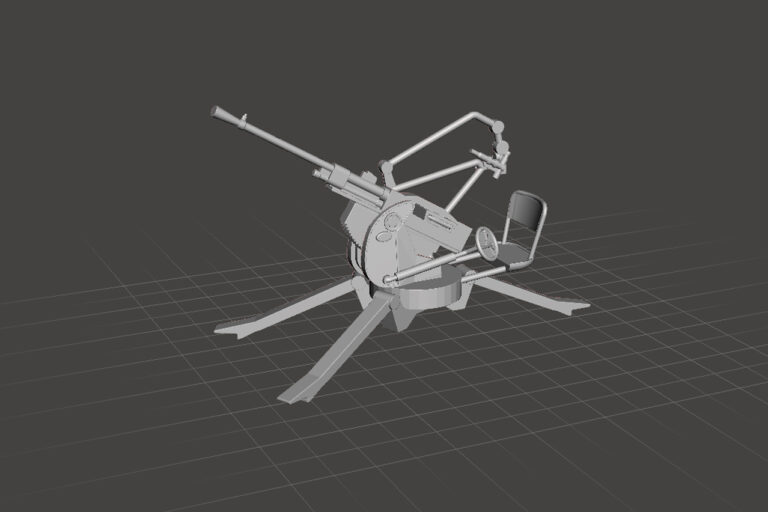
For modellers and wargamers, the Breda 20/65 offers exceptional flexibility. It works as light air defence, anti-infantry support or even emergency anti-armour at close range. Deployed on its carriage, truck-mounted or integrated into defensive lines, it adds dynamism and visual interest to Italian forces. Compact but purposeful, it is a staple piece for any serious Italian artillery collection.
Cannone Antiaereo da 90-53 Mod.41C
The Cannone da 90/53 was Italy’s heavyweight answer to the high-performance anti-aircraft and anti-tank problem — and it was genuinely world-class. Comparable in role to the German 8.8cm, the 90/53 combined excellent muzzle velocity with long range and flat trajectory, making it lethal against aircraft and armour alike. The Mod.41C variant reflects the wartime fielding of this weapon as Italy sought high-end capability even under severe industrial constraint.
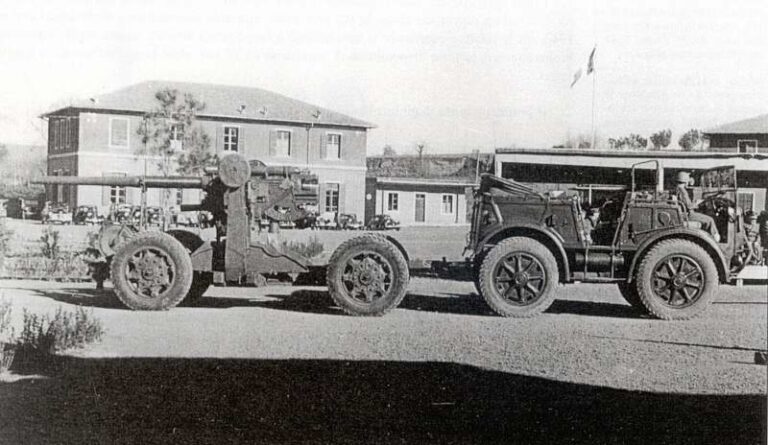
In the anti-aircraft role, the 90/53 offered altitude reach and punch that lighter weapons simply could not match. But it was in the ground role where its legend was forged. When used as an anti-tank gun, it could engage Allied armour at ranges that made return fire difficult, particularly in open desert terrain. The problem was rarely effectiveness — it was mobility, numbers, and the ability to keep such a large gun supplied and protected in fast-moving campaigns.
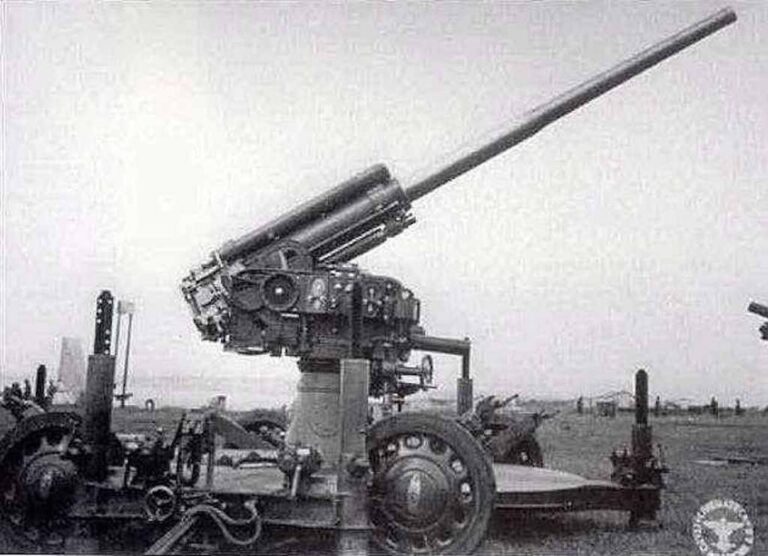
Operationally, the 90/53 saw service in North Africa, Sicily and the defence of Italy. It was prized where it appeared, but limited production and the logistical burden of moving it prevented it from being fielded at the scale Italy needed. Its fame is also tied to the Semovente 90/53, which attempted to give this superb gun a mobile platform — a testament to how highly the weapon was regarded.
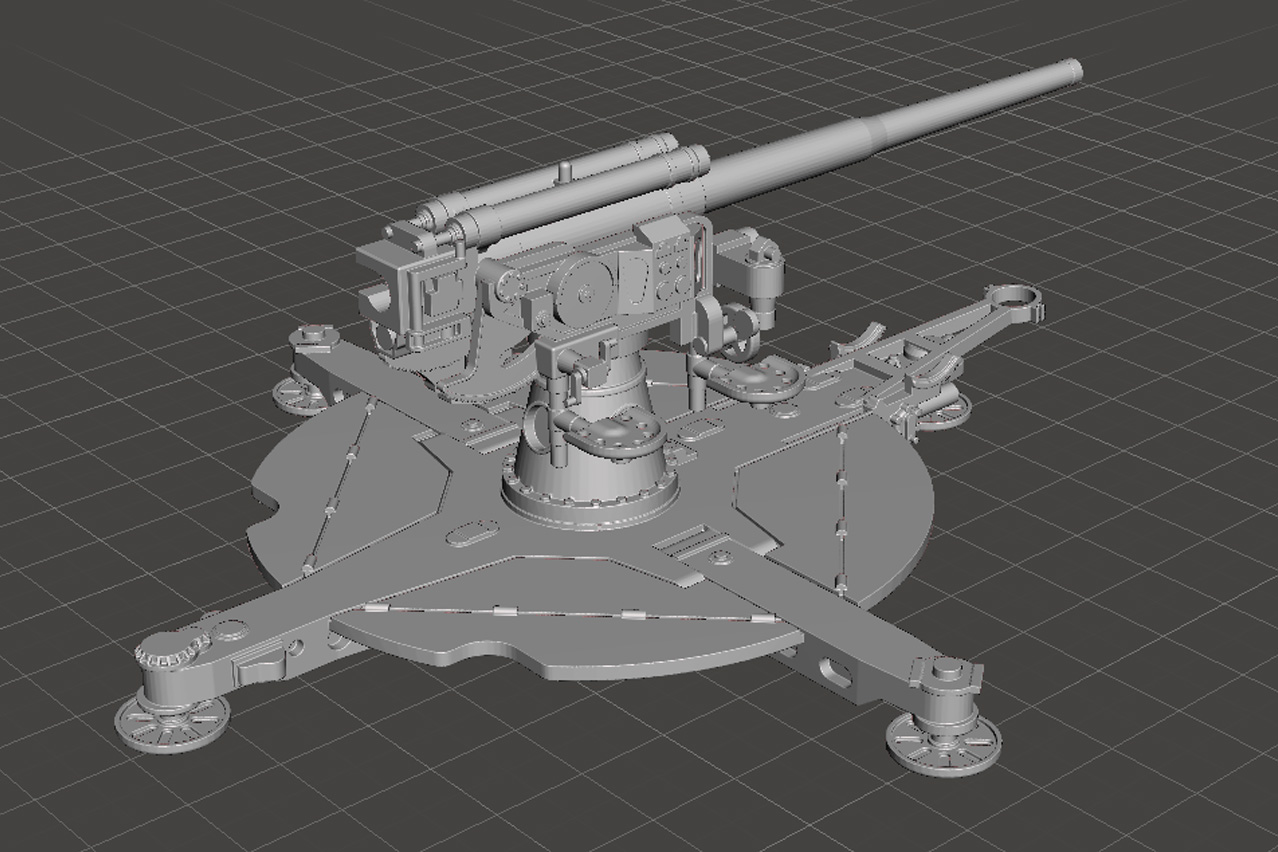
For modellers and wargamers, the 90/53 is a showstopper. It dominates a gun line visually and tactically, perfect for defensive scenarios, long-range anti-tank ambushes or “hold the line” missions. Add a spotter/observer theme, ammunition limitations or a need to protect the gun from infantry assault, and it becomes a cinematic centrepiece that plays as dramatically as it looks.
Bohler 47-32 M.1932 Anti-Tank Gun
The Böhler 47/32 was one of those “small gun, big career” weapons that ends up everywhere. Originally an Austrian design, it was adopted by Italy as a light anti-tank gun that could be moved quickly, manhandled into position and deployed in terrain where heavier pieces simply couldn’t go. In a doctrine shaped by mountains, narrow roads and rough infrastructure, portability was not a luxury — it was the whole point.
Technically, the 47/32 offered a useful balance of weight and punch. Early in the war it was fully capable of dealing with light tanks and armoured cars, and even against heavier opponents it could remain dangerous through smart positioning, flank shots and short-range ambush tactics. Its low profile and ease of concealment made it particularly effective in broken ground, villages, and defensive belts where surprise mattered more than calibre.
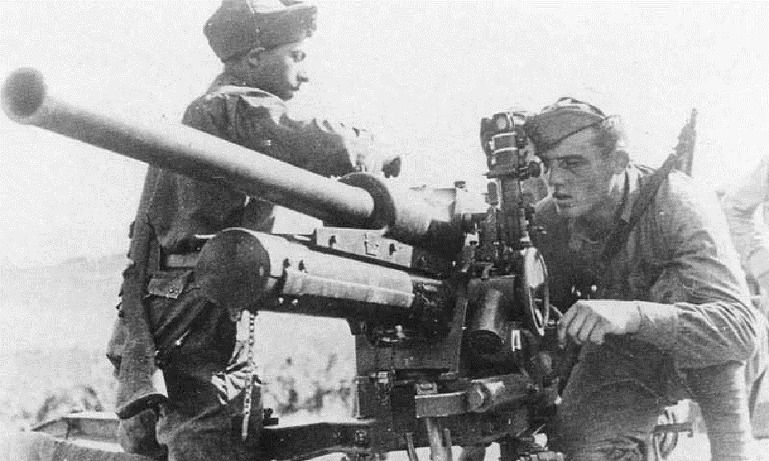
The gun served widely across Italian theatres — North Africa, the Balkans, and the Eastern Front — and its influence extended beyond the towed role. The same weapon was mounted on vehicles such as the Semovente 47/32, demonstrating how central it became to Italy’s anti-armour approach. Like many Italian systems, it wasn’t designed for heroic duels at 1,500 metres — it was designed to be where it needed to be, quickly.
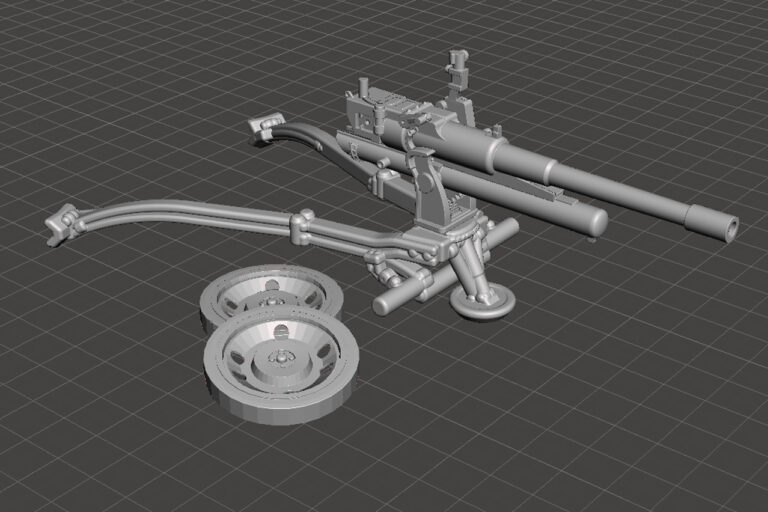
For modellers and wargamers, the Böhler is pure utility and character. It’s light enough to represent as an organic battalion asset, perfect for ambush scenarios, roadblocks, and last-ditch defensive positions. Place it in a stone wall gap, on a reverse slope, or covering a chokepoint and it instantly tells a story — the kind of quiet, lethal battlefield geometry that makes games feel authentic.
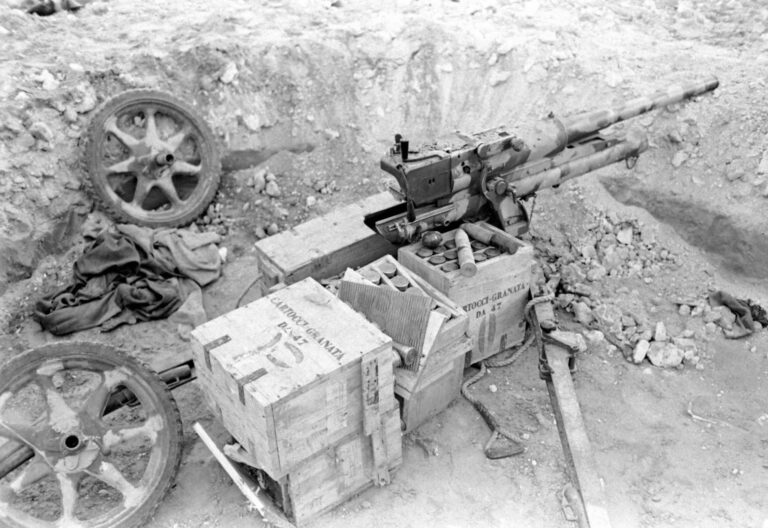
Cannone da 75-27 Modello 1906
The Cannone da 75/27 Mod.1906 is a perfect example of the “obsolete” trope not surviving contact with reality. Yes, its roots sit firmly in early 20th-century artillery design — but it remained in service because it was dependable, accurate, and familiar to generations of Italian gunners. In an army shaped by the First World War and constrained interwar budgets, proven guns that could be maintained and deployed reliably were worth their weight in brass.
As a field gun, the 75/27 offered a solid balance of range, shell weight and mobility. It was not a cutting-edge, split-trail showpiece, but it could deliver consistent fire support, conduct harassing fire and support infantry attacks with the steady discipline artillery is actually built around. In mountainous and rough terrain, its manageable size and established drill routines mattered as much as any technical specification.
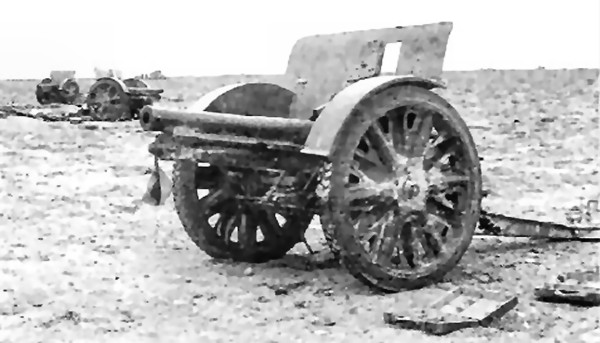
In the Second World War, the Mod.1906 saw service across multiple theatres, particularly where Italy’s artillery park leaned heavily on established stocks — the Balkans, North Africa and defensive deployments in Italy itself. It was often employed in the classic field-gun role: supporting infantry, breaking up attacks, and reinforcing fixed positions. Where observation and fire control were good, it could be very effective regardless of its age.
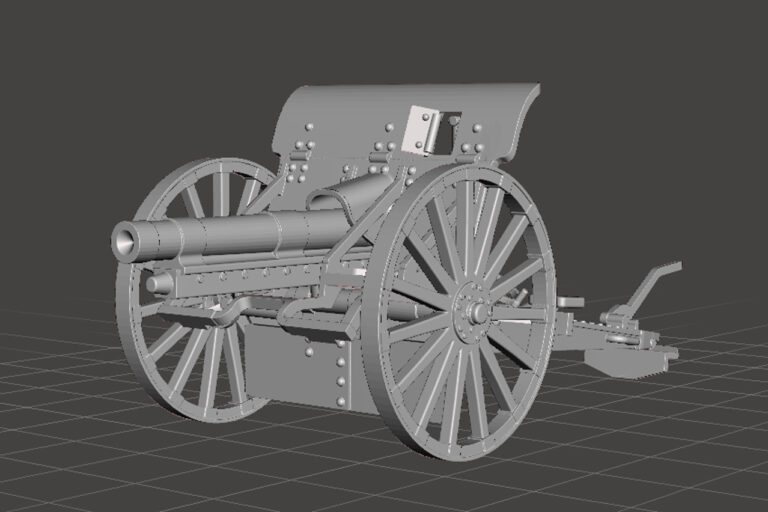
For modellers and wargamers, the 75/27 Mod.1906 is a superb “workhorse battery” piece. It immediately grounds an Italian force in reality — not every gun line is shiny and new, but every gun line needs reliable tubes. It fits early-war desert, Balkan hill fighting and homeland defence equally well, and it’s ideal for scenarios built around defensive belts, infantry assaults and counter-attacks under artillery cover.
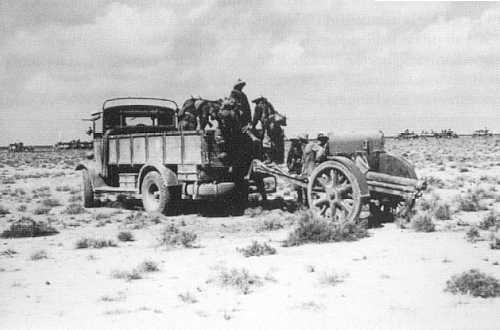
Cannone da 75-27 Modello 1911
The Cannone da 75/27 Mod.1911 sits in that crucial space between Great War legacy and Second World War necessity. Often confused with earlier 75/27 patterns, the Mod.1911 reflects Italy’s continued refinement of a proven field-gun concept: a manageable calibre, reliable carriage, and ballistic performance that could support infantry across varied terrain. It wasn’t glamorous, but it was the kind of weapon an army can actually build a doctrine around.
In practical terms, the 75/27 was a classic field gun: direct fire when required, but primarily used for indirect support, interdiction and suppression. In mountain and broken country, the ability to emplace quickly and shift positions mattered enormously, and the 75mm shell offered useful versatility — fragmentation against infantry, smoke, and counter-battery harassment when fire control allowed.
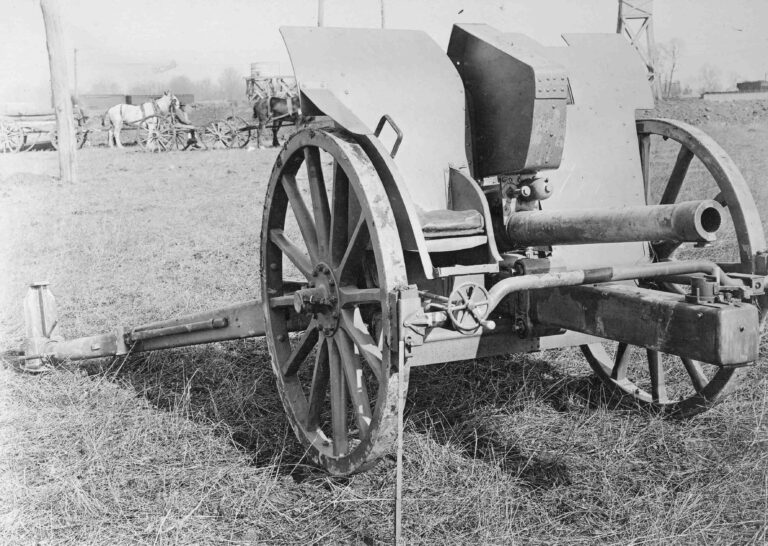
During the Second World War, the Mod.1911 served in multiple theatres where Italian formations needed steady artillery more than specialised brilliance. In the Balkans it supported difficult operations in hilly terrain; in North Africa it contributed to defensive lines and set-piece engagements; and in Italy it was part of the layered gun parks used to delay and disrupt advancing Allied forces. Its effectiveness often depended less on the gun and more on observation, ammunition supply and tactical positioning.
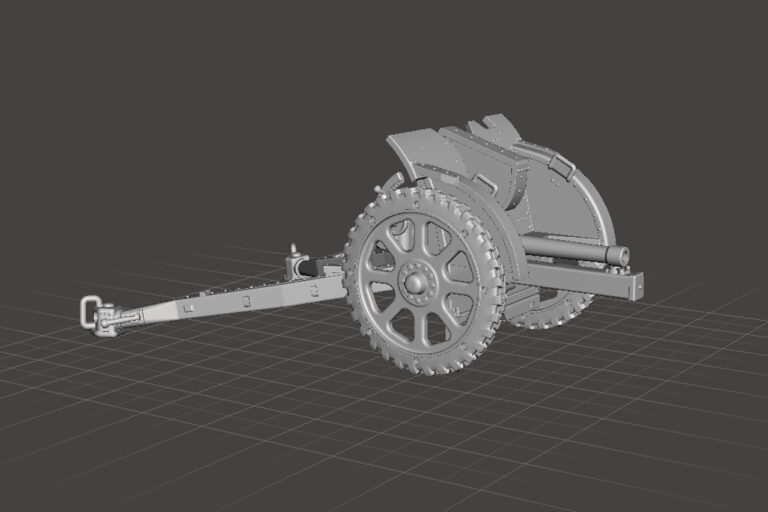
For modellers and wargamers, the 75/27 Mod.1911 is ideal for building believable Italian batteries and divisional gun groups. It shines in scenarios where artillery shapes the flow of battle: preparing an assault, breaking up an advance, or anchoring a defensive position. Add a spotter, a dug-in emplacement, or mule/tractor transport elements, and it becomes a highly evocative piece that captures the “everyday” reality of Italian fire support.
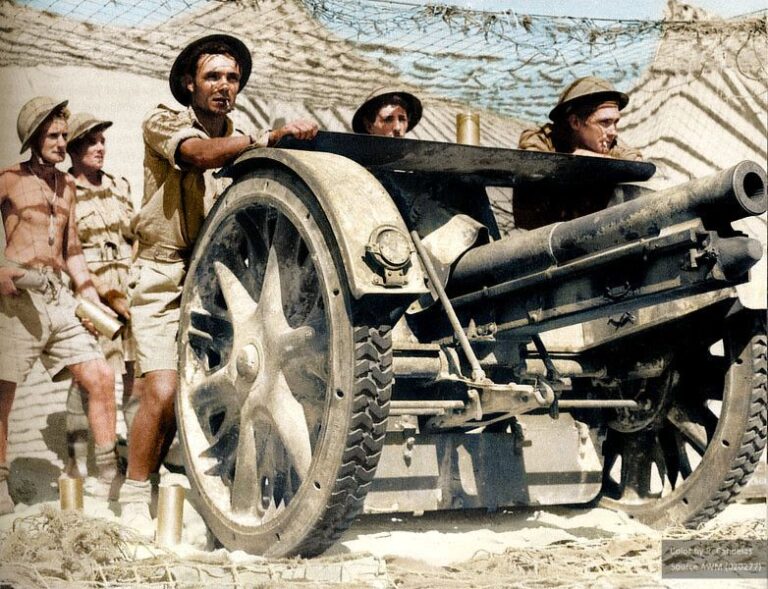
Cannone da 75-32 Modello 37
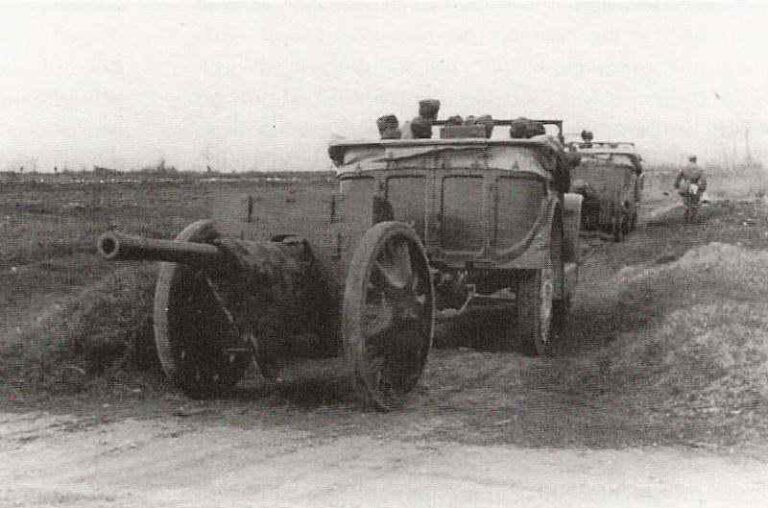
The Cannone da 75/32 Mod.37 represents Italy’s attempt to modernise the familiar 75mm calibre into a more versatile, higher-velocity battlefield tool. While still firmly a field gun in employment, the longer barrel and improved performance gave it better reach and a flatter trajectory than older 75/27 patterns. It was a pragmatic “upgrade path” — improving what Italy could field in quantity, rather than betting everything on an entirely new artillery family.
In action, the 75/32 could be used in classic indirect fire roles — suppression, interdiction and preparatory bombardment — but it also offered credible direct-fire utility against field positions, strongpoints and light vehicles. Like many Italian designs, it sits at the junction of doctrine and necessity: light enough to move and emplace in restrictive terrain, but capable enough to support more demanding battlefield conditions than earlier models.
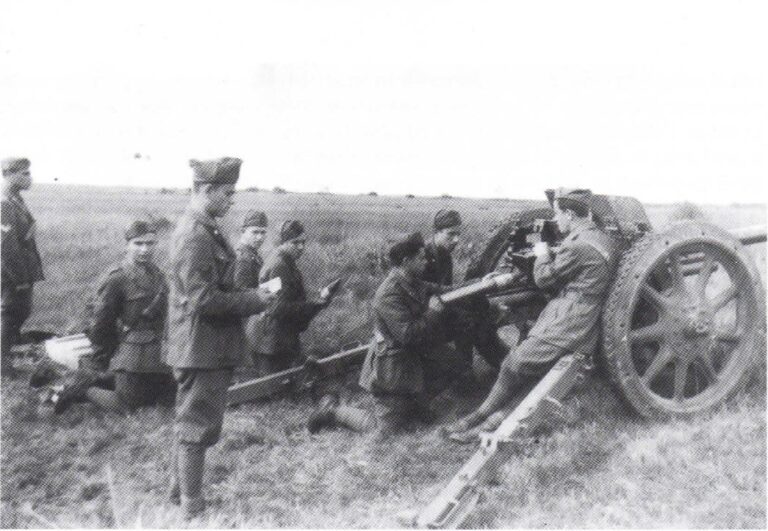
The Mod.37 served across the Second World War theatres where Italy required dependable artillery with a little more punch. In North Africa it helped reinforce defensive lines and support infantry attacks across open ground. In Italy and the Balkans it suited the mixed demands of mountainous fighting, where guns often had to be brought forward over difficult tracks and fired from constrained positions.
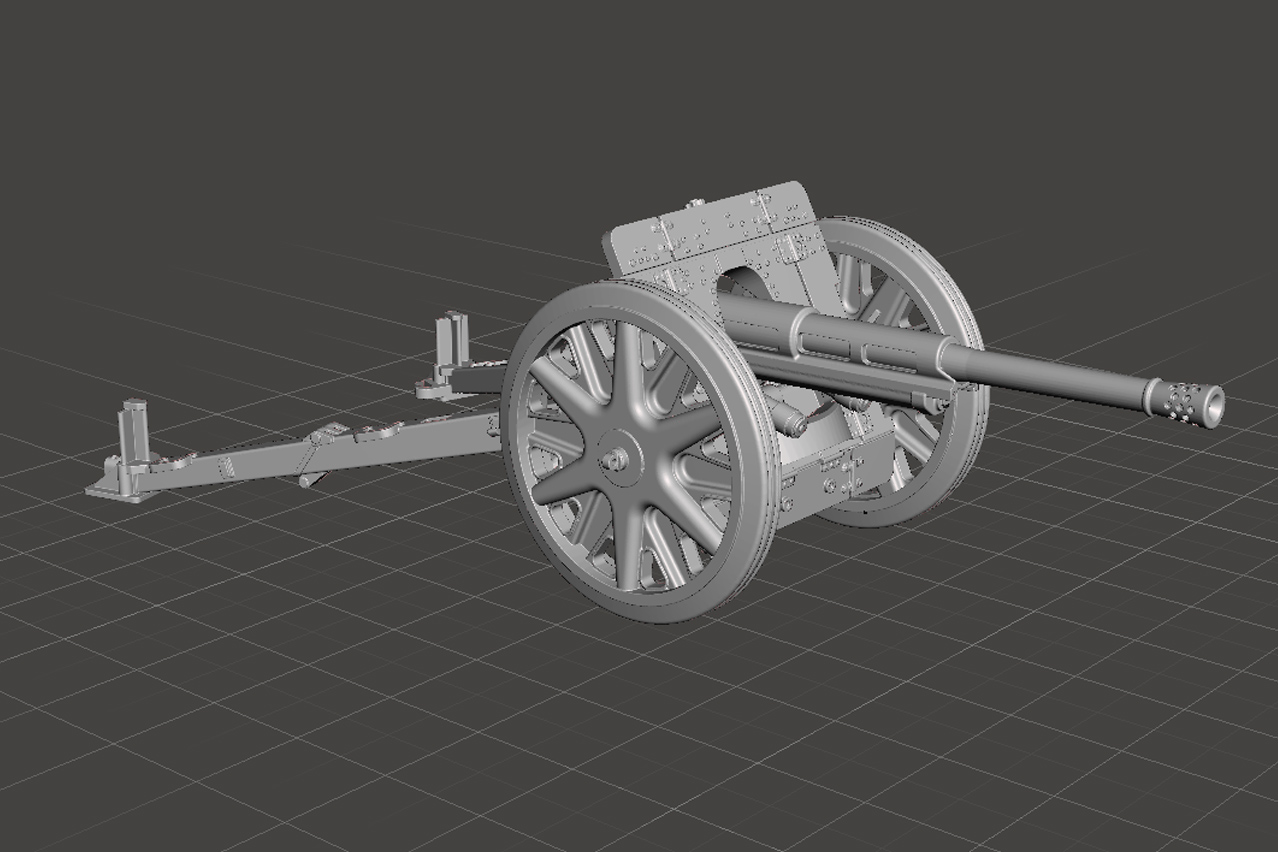
For modellers and wargamers, the 75/32 Mod.37 is an excellent “mid-war” gun choice that bridges old and new. It looks at home in desert batteries, hillside emplacements or urban outskirts, and it supports a wide range of scenario types — from set-piece assaults to delaying actions. If you want an Italian artillery line that feels capable without pretending Italy had unlimited modern kit, this is a perfect fit.
Obice da 75-13 mod.15 Mountain Gun
The Obice da 75/13 mod.15 is pure Italian doctrine in steel: a mountain howitzer designed to go where artillery “shouldn’t” be able to go. Born from First World War necessity, it was built to be broken down into pack loads and hauled by mules up steep tracks, across scree slopes and into firing positions that would make any logistics officer wince. If you want to understand why Italian firepower often looks “light” on paper, start here — it was engineered for vertical battlefields.
Its short barrel and relatively modest range were the trade-offs for portability. But what it offered was responsiveness. In mountain fighting, the ability to emplace quickly, fire, and shift — or simply to get a gun into position at all — can outweigh raw ballistic numbers. The 75/13 delivered effective high-explosive support against infantry, strongpoints and dug-in positions, exactly the kind of targets that dominated much of Italy’s expected wartime environment.
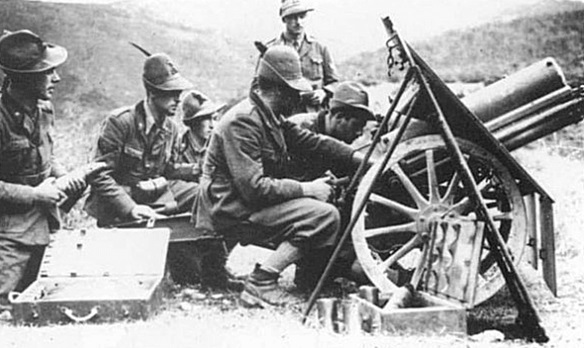
In the Second World War, the 75/13 served in the Balkans, Greece, North Africa and, crucially, in mountainous and rough terrain where heavier guns struggled. It was also used in colonial theatres where roads were scarce and transport depended on animal power. Like many Italian weapons, it wasn’t “obsolete” so much as appropriately specialised — and it remained useful precisely because it could be brought forward when other guns could not.
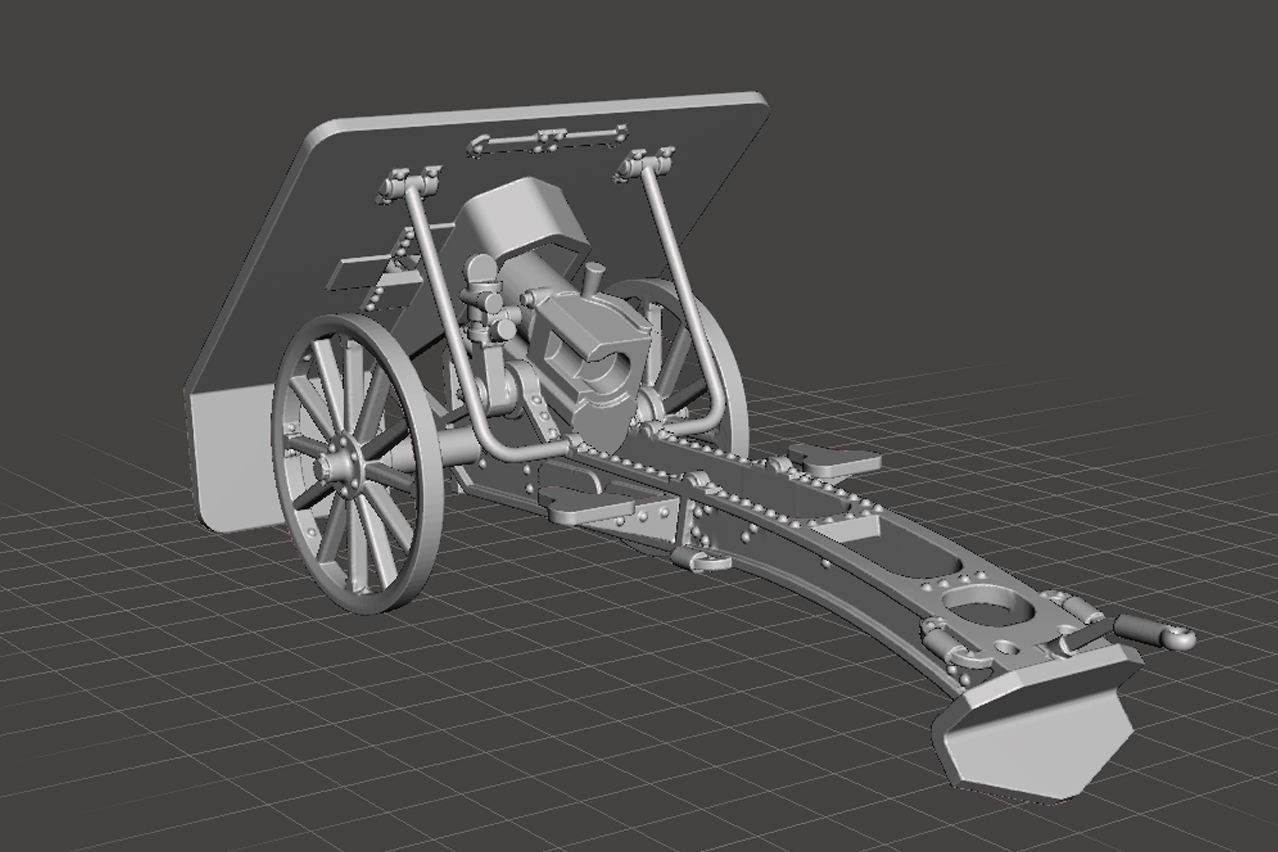
For modellers and wargamers, the 75/13 is a brilliant storytelling piece. It instantly anchors a force in mountain or expeditionary warfare and pairs perfectly with Alpini, colonial troops or Balkan security formations. It’s ideal for scenarios involving hill positions, narrow passes, village approaches and mule-train logistics. Put one of these on a rocky base with crew and pack animals and you’ve got a tabletop vignette that screams Italian doctrine.
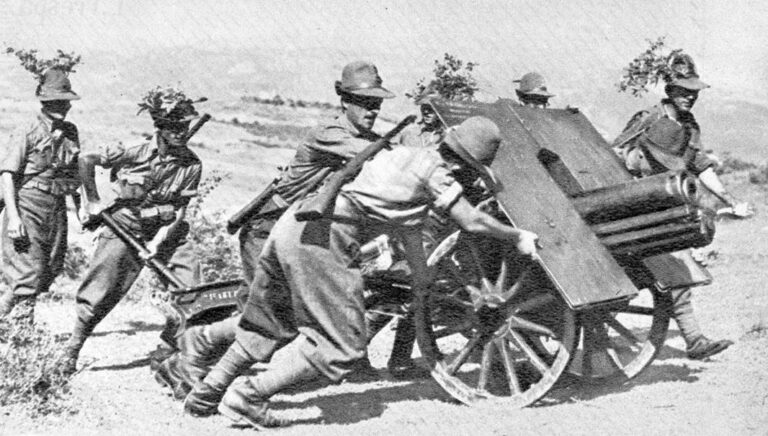
Obice da 75-18 mod.34 Mountain Gun
The Obice da 75/18 mod.34 was a more modern mountain howitzer that carried forward Italy’s pack-artillery philosophy while delivering improved fire support over older pieces. Designed to be broken down for transport in difficult terrain, it was intended for Alpini and mountain formations where the gun had to follow the infantry into places wheeled artillery could never reliably reach. It’s a weapon built for the map, not the parade ground.
With a longer barrel than the 75/13, the 75/18 offered better range and shell performance while still retaining the portability that defined Italian mountain doctrine. It could deliver accurate, responsive fire into valleys, onto reverse slopes and against strongpoints — exactly the sort of tactical problems mountain troops face every day. In short: it’s not “light” artillery, it’s accessible artillery.
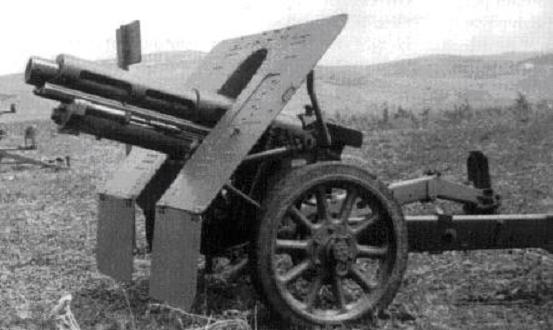
Operationally, the 75/18 mod.34 appeared in theatres that rewarded this design logic: the Balkans, Greece, and later defensive fighting in Italy itself. It was also relevant in more open environments when logistics became the governing factor — because a gun you can move and supply remains more valuable than one stuck behind the battlefield. Italian units could deploy it rapidly, reposition it, and keep it firing with relatively modest transport resources.
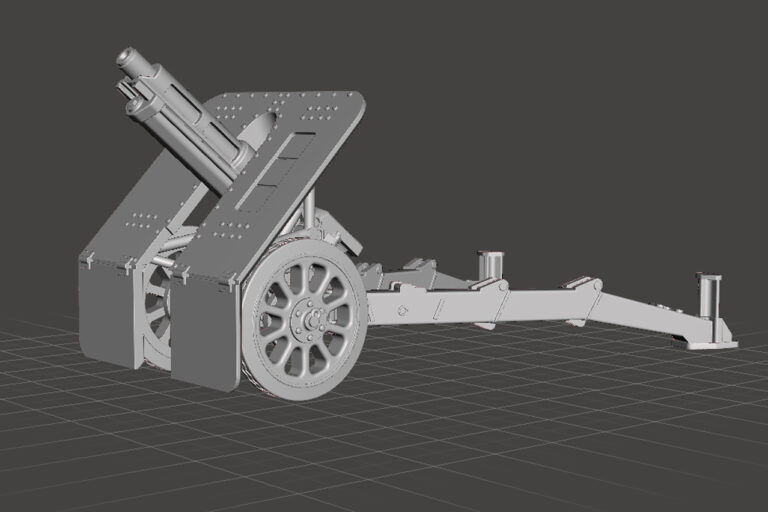
For modellers and wargamers, the 75/18 mod.34 is perfect for building an Alpini or mountain artillery identity. It suits rocky ridgelines, hillside villages, winter bases and narrow passes, and it also works as a flexible support piece in mixed terrain tables. Add pack transport, spotters, and rugged basing and it becomes a standout unit that’s as evocative as it is tactically useful in scenario play.
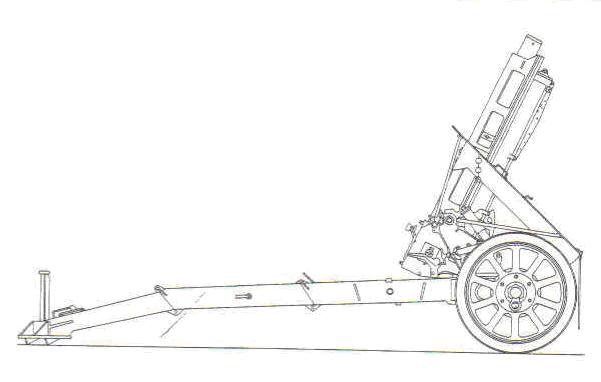
Obice da 75-18 mod.35 Mountain Gun
The Obice da 75/18 mod.35 is closely related to the mod.34, but it represents the continued refinement of Italy’s mountain-artillery approach — a weapon designed to provide dependable, portable fire support to troops operating in restrictive terrain. Where other armies could rely on heavy tractors and broad road networks, Italian planners expected fighting in mountains, on narrow tracks and in regions where the gun crew’s legs — and their mules — were the true prime movers.
Like the mod.34, the mod.35 balanced portability with useful firepower. It delivered a solid 75mm HE shell in a package that could be broken down and moved forward with the infantry. In mountain operations, that matters more than any single technical statistic: the gun is present, emplaced, and firing when the moment arrives. It could support assaults on hill positions, suppress enemy strongpoints, and provide immediate responsive fire in rapidly changing terrain.
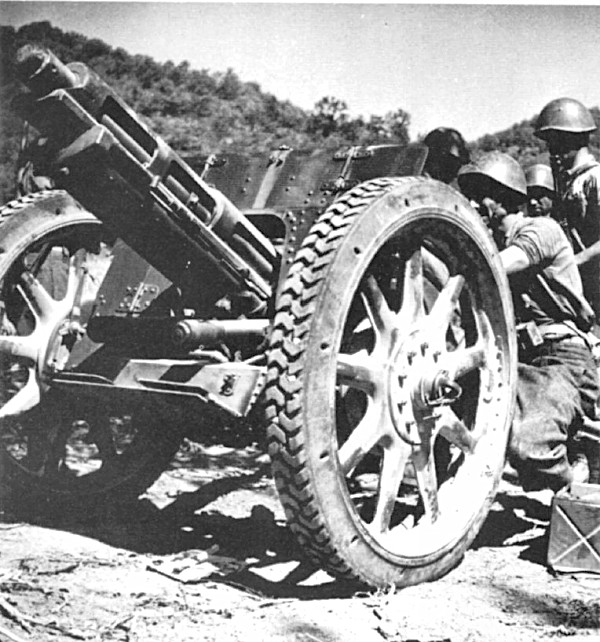
In wartime service, 75/18 mountain howitzers were at home in the Balkans, Greece, and later in the defensive battles across Italy’s rugged spine. These were environments where indirect fire often needed to be delivered from awkward, constrained positions — reverse slopes, terraces, olive groves and hillside clearings — and where relocation had to be fast and practical rather than mechanically elegant.

For modellers and wargamers, the mod.35 is a gift for anyone wanting to lean into Italian character on the tabletop. It fits Alpini, coastal divisions, Balkan security forces and Italian Campaign defenders. It also offers brilliant basing and diorama potential: pack loads, mule teams, ammo carriers, rugged gun pits and improvised stone cover. Few artillery pieces look as doctrinally Italian as a mountain howitzer — and this one plays that role perfectly.
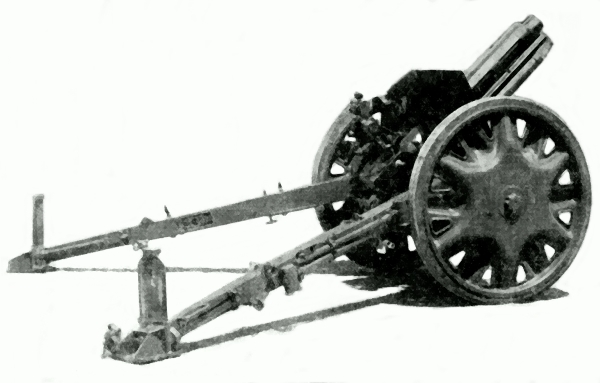
Cannone da 77-28 Modello 05
The Cannone da 77/28 Mod.05 was a legacy field gun that traced its lineage back to early 20th-century European artillery design. Originally of German Krupp origin and adopted into Italian service, it became part of the inherited artillery park that bridged the First World War and the Second. On paper it looked dated, but in practice it remained a serviceable and dependable field piece in formations where modern replacements were unavailable.
As a field gun, the 77/28 delivered a lighter shell than the 75mm pieces that eventually standardised Italian batteries, but it retained respectable range and stability. It was primarily used in second-line units, training formations and static defensive roles. In such positions, consistency and reliability often mattered more than cutting-edge performance, particularly in theatres where artillery was used to reinforce fixed positions.
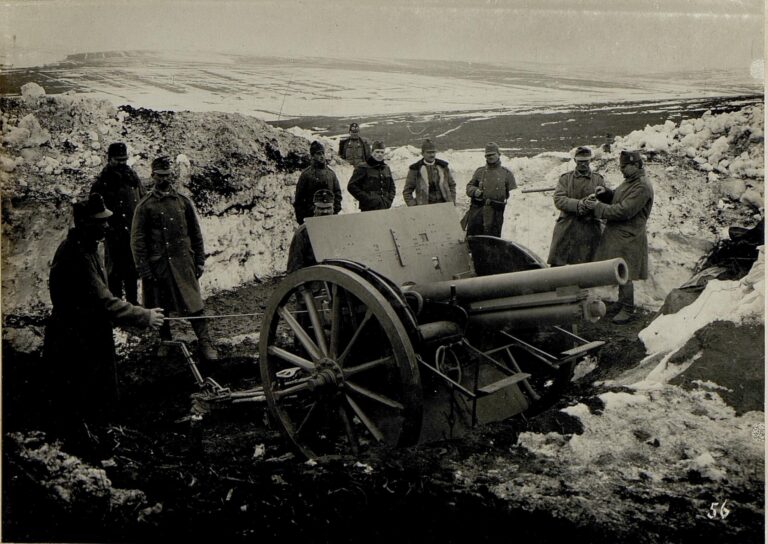
During the Second World War, the Mod.05 appeared in secondary fronts and garrison duties, including the Balkans and homeland defence. It was not the spearhead of Italian firepower, but it contributed to layered defensive belts and coastal protection schemes. Its continued service reflects both Italy’s logistical constraints and the practical value of retaining functional artillery in wartime.
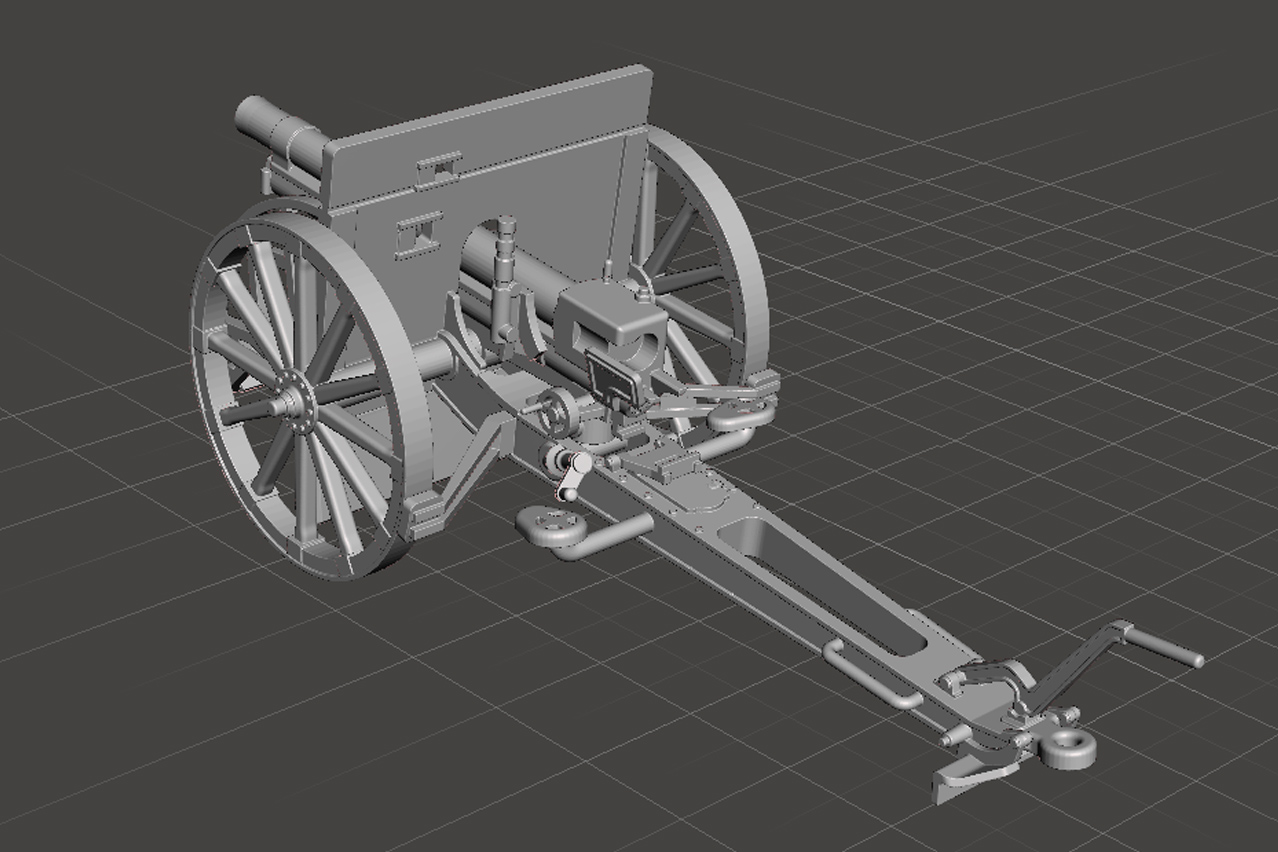
For modellers and wargamers, the 77/28 Mod.05 adds historical depth to Italian forces. It’s perfect for coastal batteries, rear-area security units or static defensive scenarios. If you’re building a layered defence with a mix of modern and legacy equipment, this gun helps tell that story visually — a reminder that wartime armies are rarely uniform in their technology.
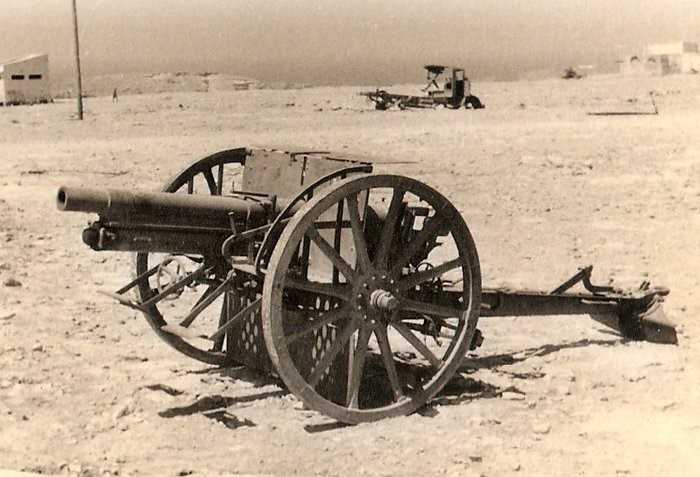
Cannone da 105-28 Modello 13
The Cannone da 105/28 Mod.13 was one of Italy’s principal medium field guns, and another veteran of the First World War that carried its experience into the next conflict. Essentially a French Schnieder design that was purchased by Italy it was designed as a corps-level support weapon, it delivered a heavier shell with greater destructive effect than the 75mm batteries, making it well suited to counter-battery fire, interdiction and the systematic breaking of fortified positions. It was not glamorous — but it was serious artillery.
Technically, the 105/28 offered a solid balance of range and hitting power. While lacking some of the modern carriage refinements seen elsewhere by 1940, it remained accurate and dependable in sustained fire roles. In mountain or broken terrain, its slightly heavier footprint compared to 75mm guns required more planning — but when emplaced, it could deliver meaningful weight of fire in support of divisional operations.
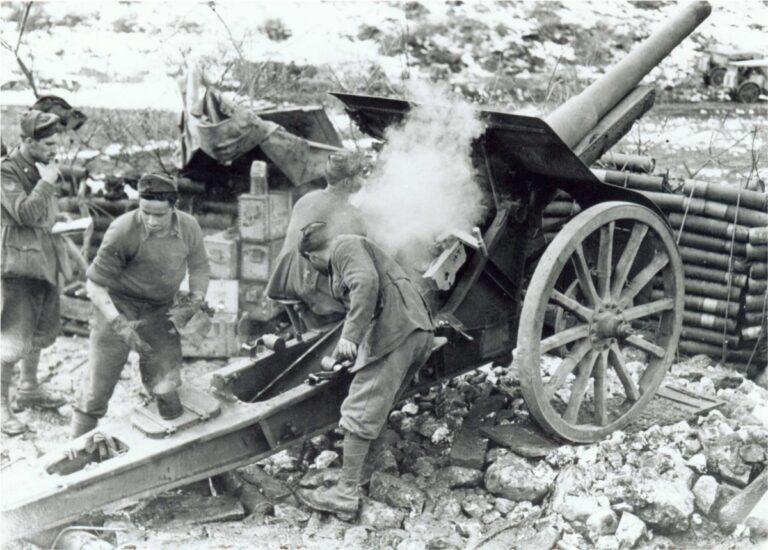
In the Second World War, the Mod.13 served across multiple theatres, particularly in defensive roles and structured artillery groupings. In North Africa it reinforced prepared positions and participated in longer-range exchanges. In Italy and the Balkans, it provided depth to artillery parks, contributing to layered fire plans rather than direct frontline visibility.
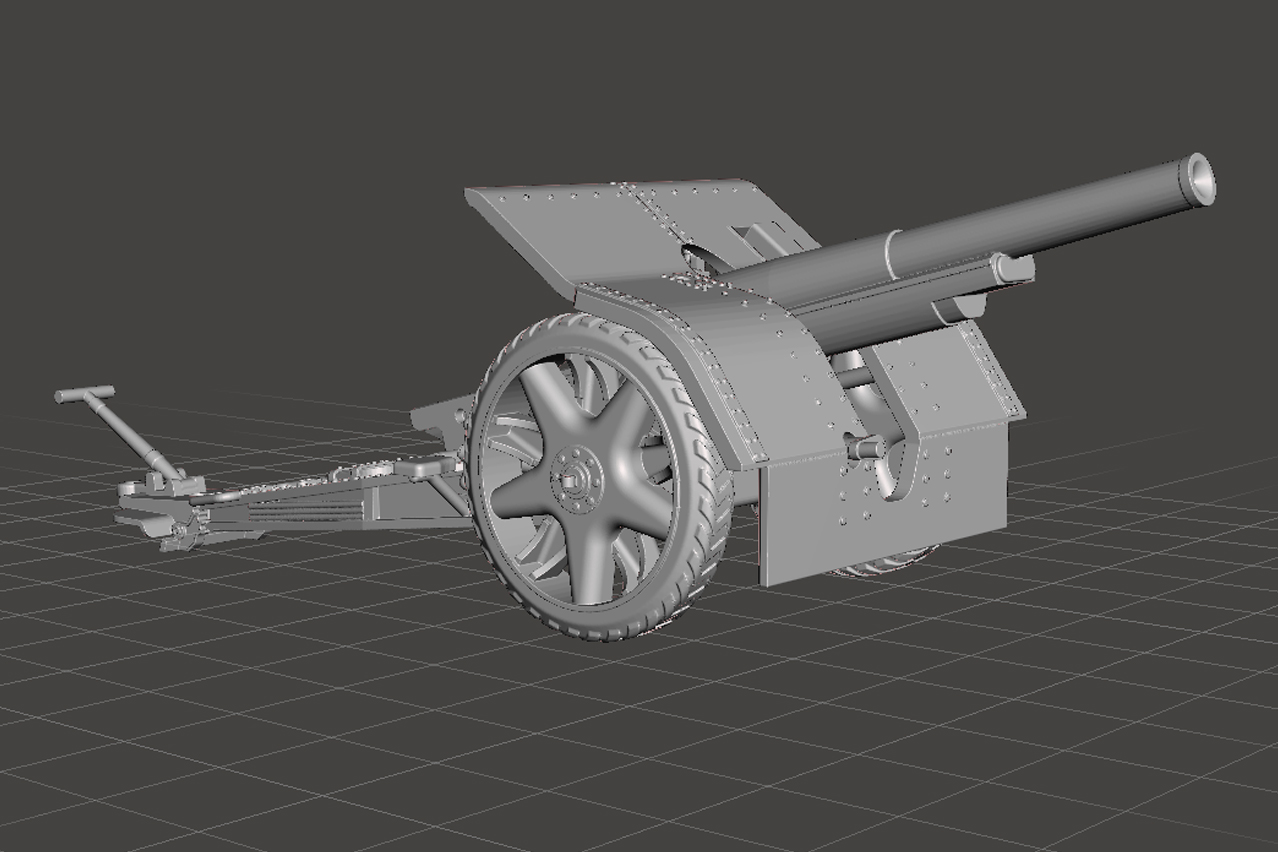
For modellers and wargamers, the 105/28 Mod.13 is ideal for representing divisional artillery support. It works beautifully in prepared gun pits, reverse-slope batteries and defensive strongpoints. On the tabletop, it brings heavier punch to Italian forces and encourages scenarios involving counter-battery duels, pre-registered fire missions and deliberate assaults supported by sustained bombardment.
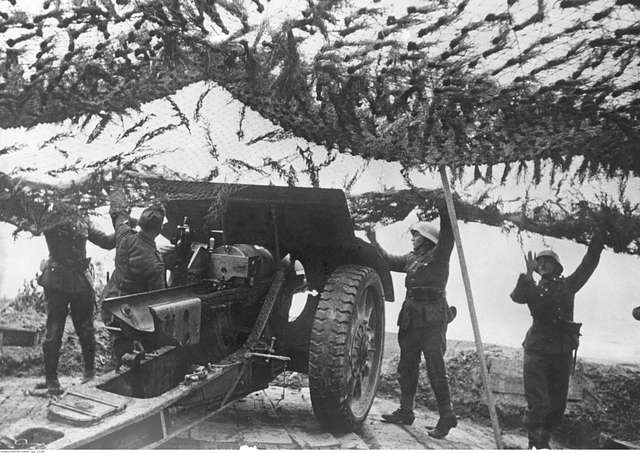
Cannone da 105-32 Mod.15
The Cannone da 105/32 represents a more modern expression of Italy’s medium artillery needs: a gun intended to provide longer reach, stronger counter-battery capability and more effective interdiction than older Great War designs. Medium artillery is where the “Italy had weak kit” trope really starts to fall apart — because in this calibre band, Italian formations could generate serious, battle-shaping firepower when ammunition, observation and logistics aligned.
With a longer barrel than earlier 105mm pieces, the 105/32 offered improved range and ballistic performance, making it well suited to corps-level fire missions: disrupting enemy assembly areas, striking roads and supply nodes, and contesting enemy gun lines. It wasn’t a weapon for flashy direct-fire heroics; it was designed for the grinding, decisive work of medium artillery — the kind that quietly wins battles through geometry and persistence.
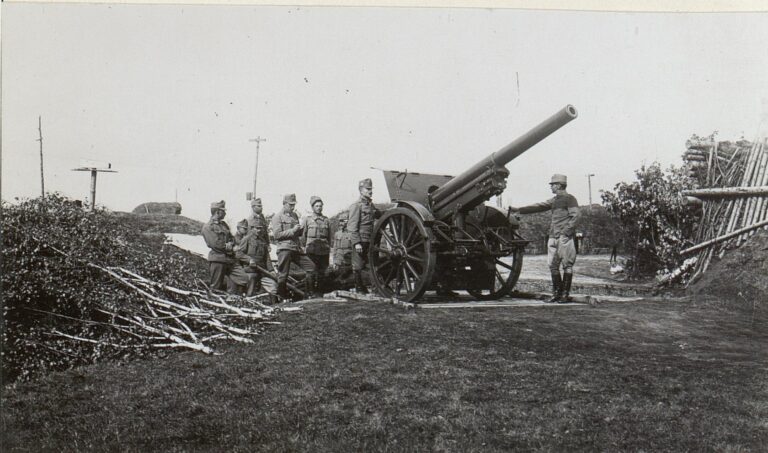
In wartime employment, guns of this type were most valuable in theatres where lines stabilised or where terrain channelled movement: parts of North Africa’s defensive phases, the Italian Campaign’s ridge-and-valley battles, and any environment where counter-battery and interdiction fire could be planned and repeated. When properly emplaced and supported, medium guns like the 105/32 could dominate key approaches and force an enemy to manoeuvre under threat.
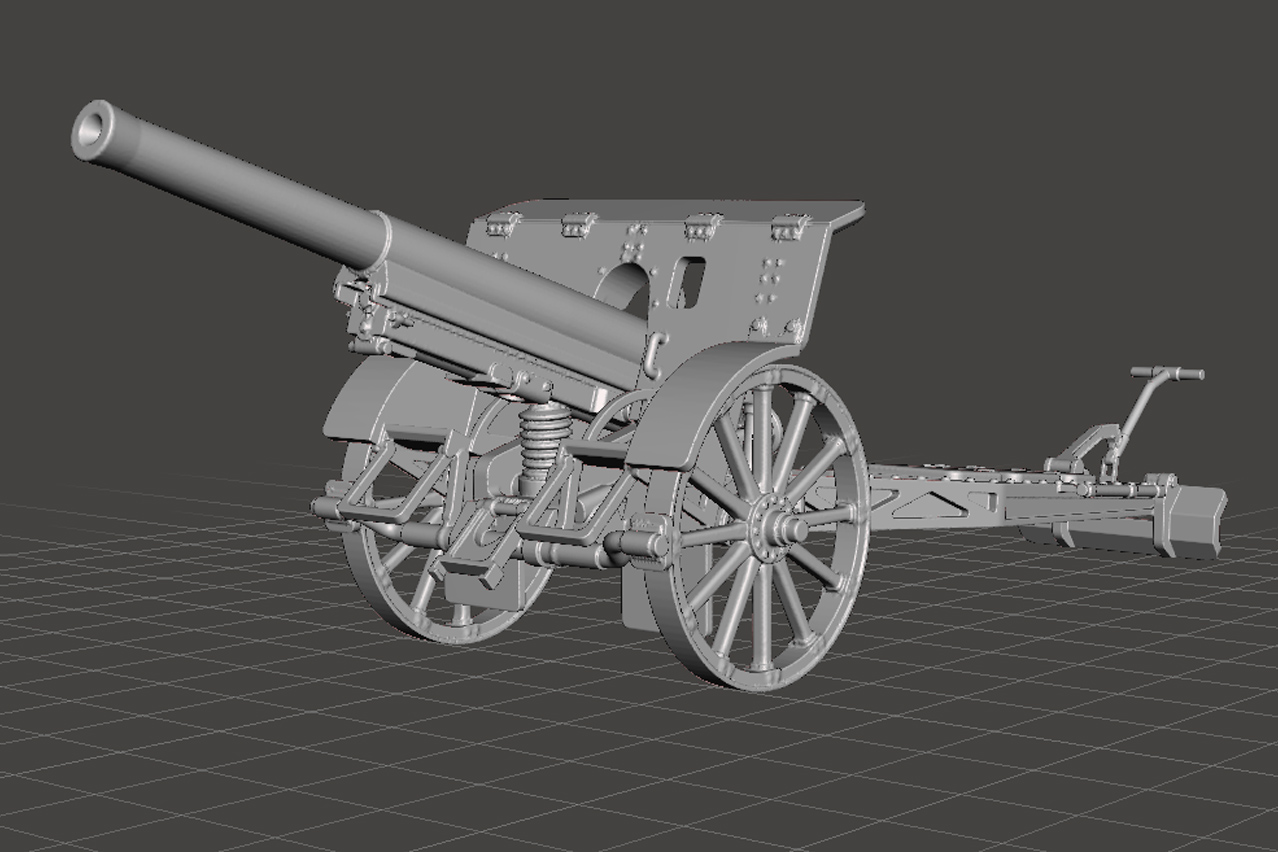
For modellers and wargamers, the 105/32 is the perfect “serious support” option for Italian forces. It rewards scenario design: pre-registered fire zones, counter-battery objectives, ammunition limits, observers on high ground and protected gun positions. It also looks fantastic as part of a proper battery line — a reminder that Italian forces weren’t just fighting with light guns and hope, but with real artillery weight when circumstances allowed.
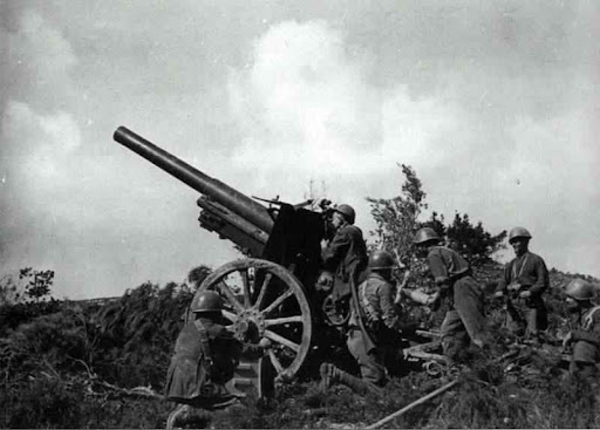
Cannone da 149-35A
The Cannone da 149/35A sits squarely in the “heavy metal” end of Italian artillery — the kind of gun you bring when you intend to smash positions, dominate road junctions, and punish anything that thinks distance equals safety. Heavy artillery is often overlooked in popular depictions of Italy’s war, but pieces like this underline a key truth: Italy could field significant firepower at corps and army level, even if mobility and ammunition supply often dictated how that power was used.
As a heavy gun, the 149/35A was built for counter-battery work, interdiction and deliberate bombardment. It wasn’t meant to bounce along in fast-moving offensives; it was an instrument of planned fire, requiring careful siting, solid logistics and time to emplace. When those conditions existed, it could deliver heavy shells accurately and repeatedly — exactly the kind of pressure that breaks defensive lines and silences enemy artillery.
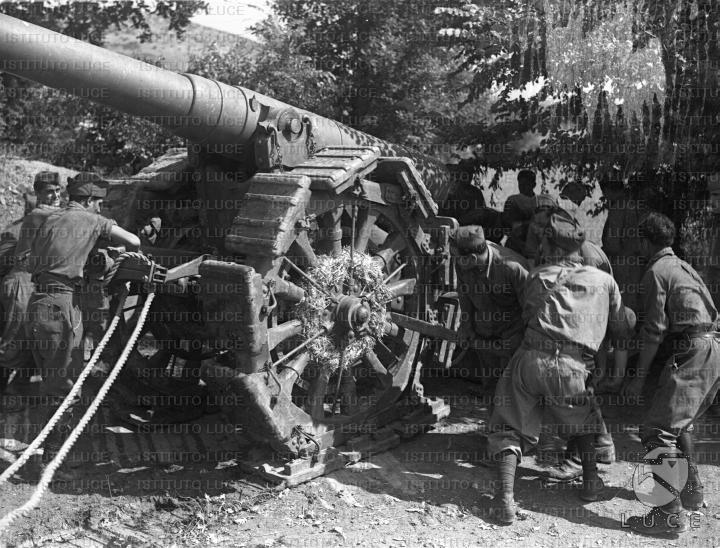
In the Second World War, guns of this class were most valuable in static or semi-static phases: defensive belts in North Africa, fortress and coastal defence roles, and later the layered artillery environments of the Italian Campaign. Terrain often shaped its employment — heavy guns might sit back on reliable roads or railheads while lighter pieces pushed forward. That wasn’t weakness; it was the reality of moving heavy artillery in contested landscapes.
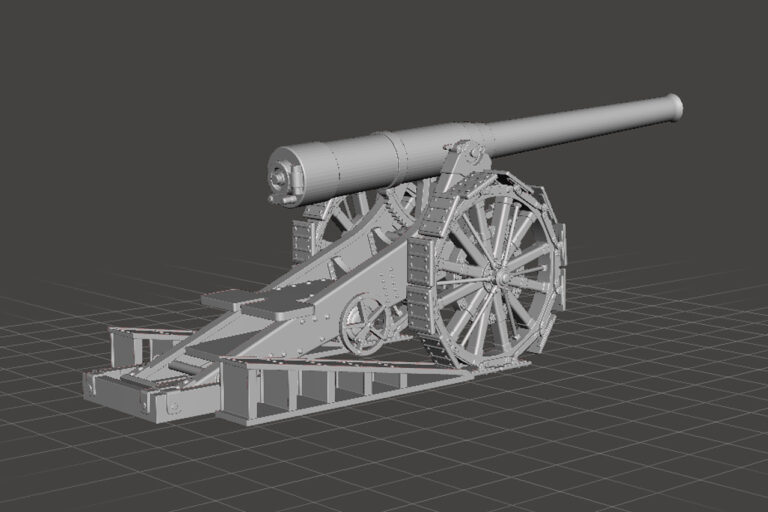
For modellers and wargamers, the 149/35A opens up a different kind of Italian game. It supports scenarios centred on prepared positions, counter-battery missions, supply constraints and the struggle to protect big guns from air attack and infiltration. Visually, it adds real gravitas to an Italian collection — a statement piece that says “this force has depth,” and that Italy’s artillery story extends far beyond the light mountain guns.
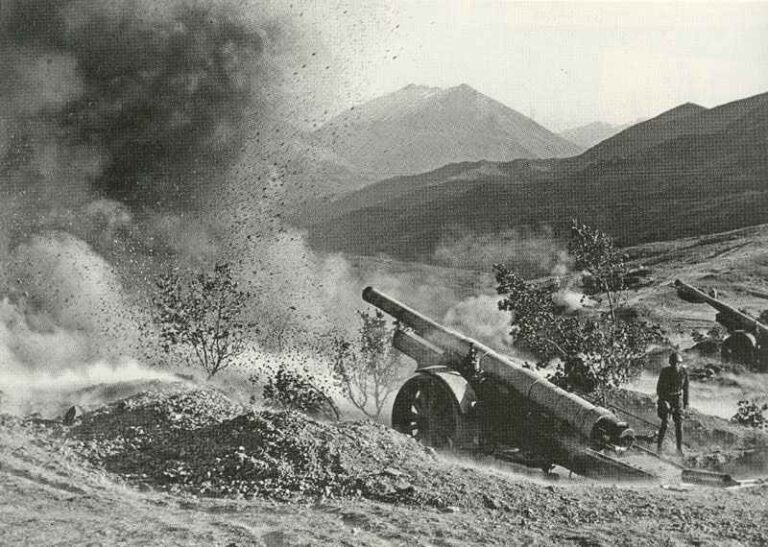
Cannone da 149-40 Modello 35
The Cannone da 149/40 Mod.35 was one of Italy’s most capable heavy guns, designed to deliver long-range, high-impact fire in the counter-battery and interdiction roles. Where lighter field guns shaped the immediate fight, pieces like the 149/40 shaped the battlefield itself — hitting roads, supply points and gun positions, and forcing an enemy to operate under constant threat. It’s the kind of artillery that doesn’t just support manoeuvre, it dictates it.
With a longer barrel and strong ballistic performance, the 149/40 offered reach that made it valuable in theatres where distance mattered: desert defensive phases, coastal approaches, and the drawn-out ridge fighting of Italy. Like all heavy artillery, its main limitations were practical — time to emplace, transport demands, and the logistical burden of supplying large-calibre ammunition. But if those boxes were ticked, it could deliver punishing, sustained fire.
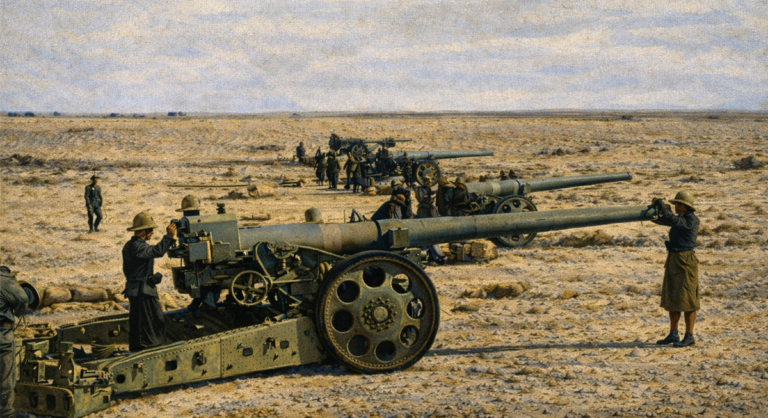
In wartime employment, heavy guns such as the 149/40 were typically concentrated in higher-echelon groupings rather than parceled out at battalion level. They appear most naturally in set-piece conditions: reinforcing prepared positions, conducting counter-battery duels, or supporting deliberate attacks where fire plans could be properly arranged. That “planned” nature doesn’t make them less dramatic — it makes them the hidden hand behind breakthroughs and stalled assaults alike.
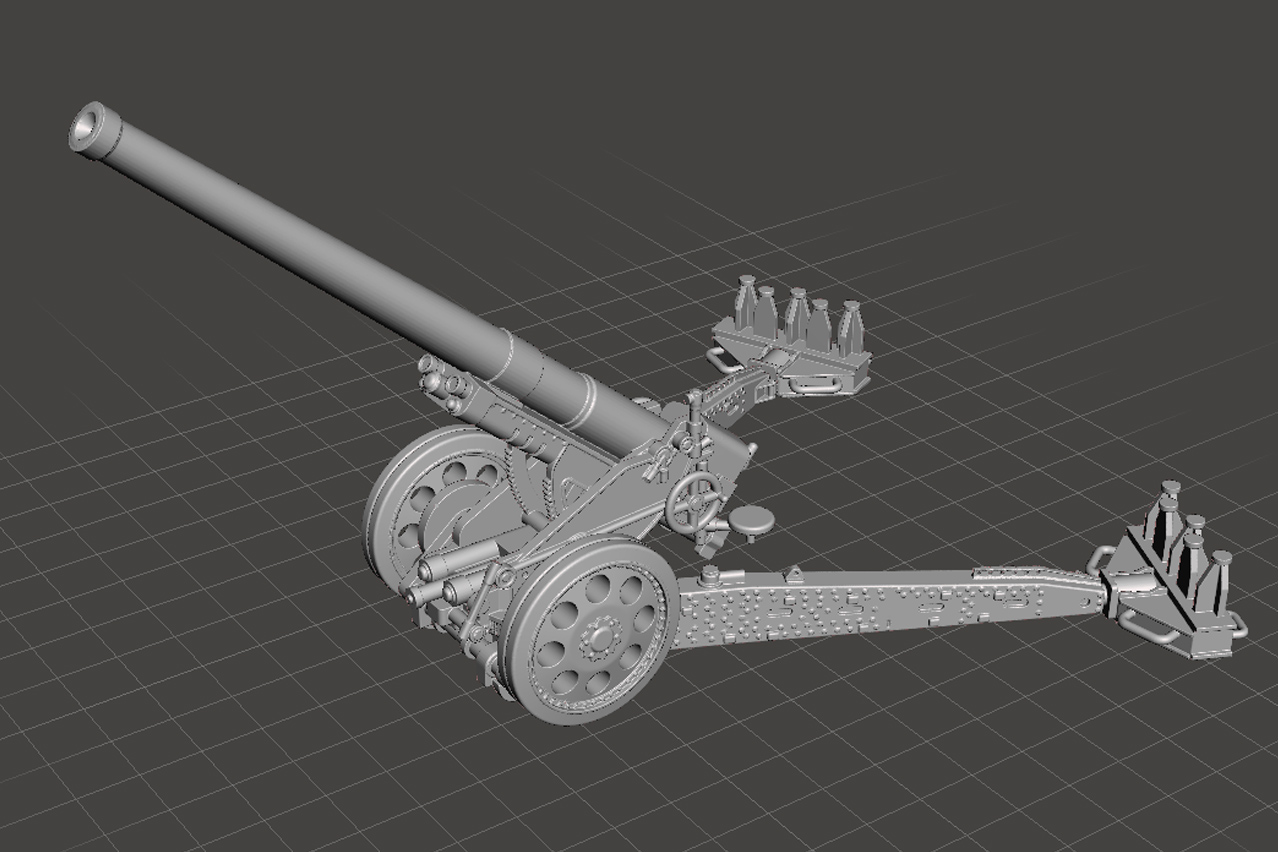
For modellers and wargamers, the 149/40 is ideal for scenario-driven play. It invites objectives that aren’t just “destroy the enemy,” but “neutralise the battery,” “capture the firing data,” or “cut the supply route.” It also looks fantastic as a battery centrepiece in a prepared emplacement, with ammunition stacks, crew activity and defensive works — a compelling reminder that Italian forces could bring heavyweight firepower when the situation demanded it.
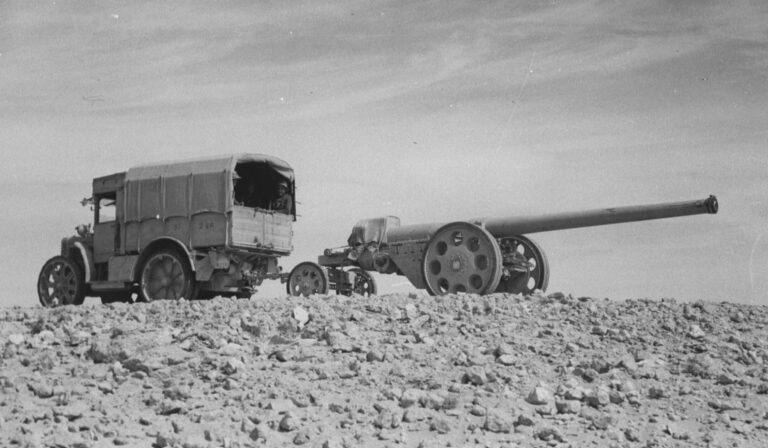
Obice da 100-22 Modello 14-19
The Obice da 100/22 Mod.14–19 is another weapon that looks “old” until you remember what it was built to do: deliver dependable medium howitzer fire in support of infantry, in terrain where mobility and simplicity were often more valuable than advanced carriage design. Originating from First World War patterns and updated in the interwar years, it remained in service because it provided a useful shell weight and reliable performance — the classic traits of a workhorse howitzer.
As a 100mm howitzer, it sat in the sweet spot between light divisional guns and the heavy 149mm class. It could deliver high-explosive fire against strongpoints, trenches and assembly areas, and it was particularly valuable for missions requiring steep-angle fire — dropping rounds into reverse slopes, gullies and defiladed positions. That made it extremely relevant in the Balkans and later in Italy, where terrain routinely denied flat-trajectory solutions.
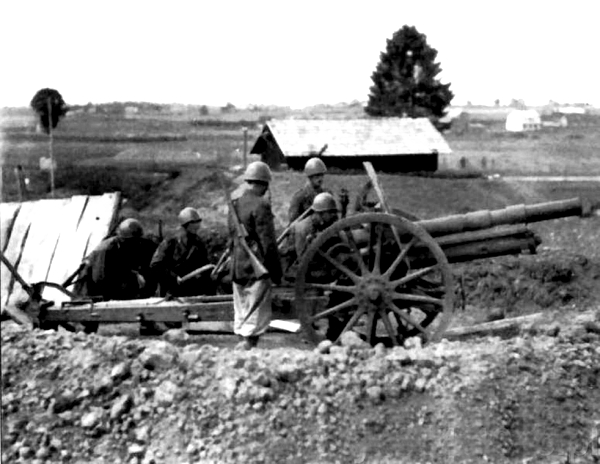
During the Second World War, the 100/22 appeared in a variety of formations and theatres, often reinforcing divisional fire support or serving in semi-static roles where a reliable medium howitzer could grind away at targets. In North Africa, it contributed to defensive and deliberate operations when supply allowed; in Italy and the Balkans, it could be positioned to exploit terrain and deliver sustained bombardment over time.
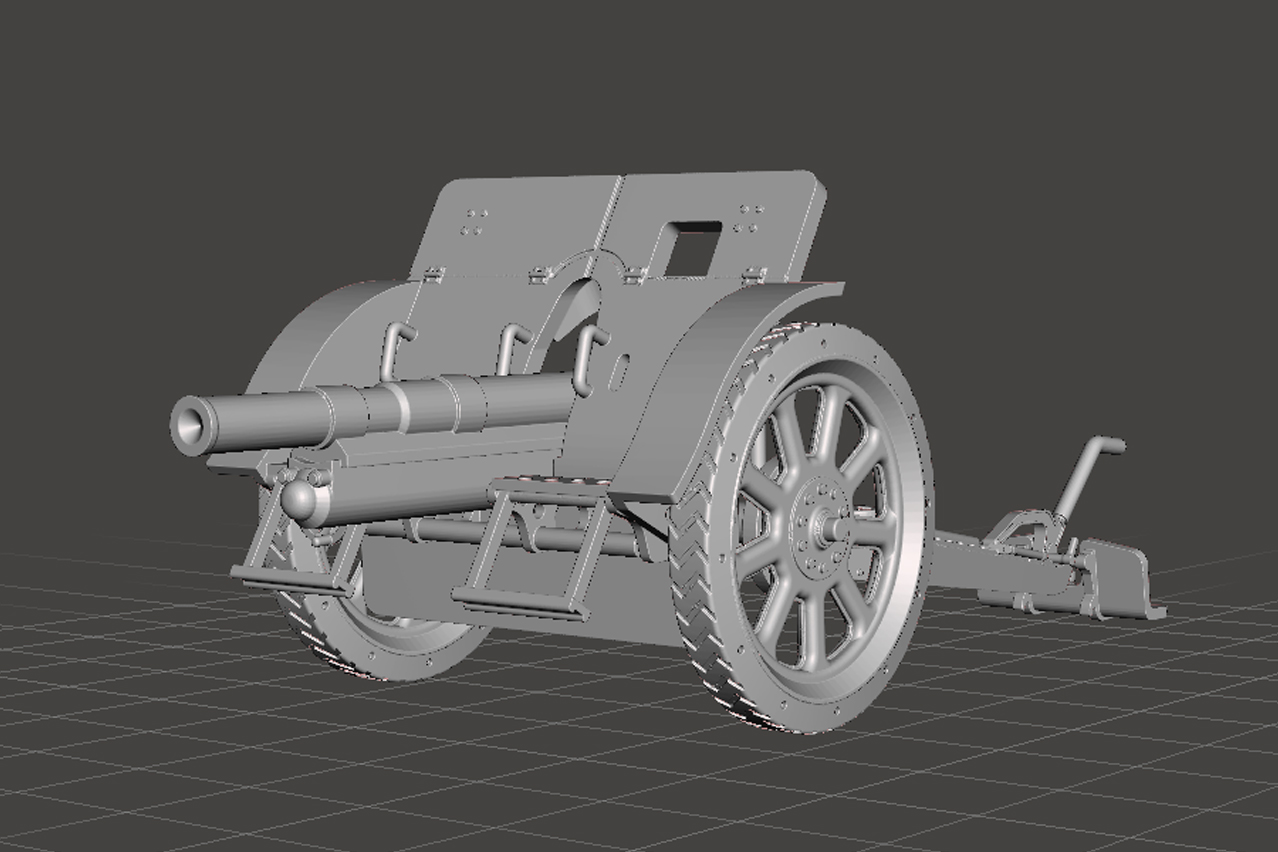
For modellers and wargamers, the 100/22 is an excellent “serious support” choice that isn’t as logistically heavy as the big 149s. It’s perfect for reverse-slope batteries, village-edge gun pits and ridge-line support positions. On the tabletop, it encourages realistic scenario design: observers on high ground, pre-registered targets, and the interplay between howitzers and infantry manoeuvre — exactly the kind of combined-arms texture that makes Italian forces feel authentic.Top of FormBottom of Form
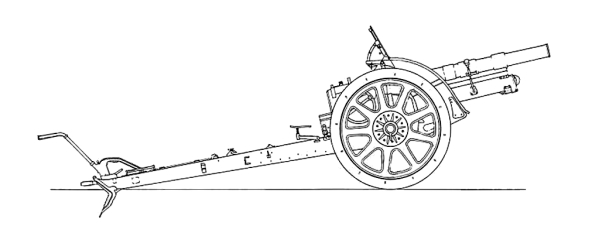
Obice da 149-12 Modello 14
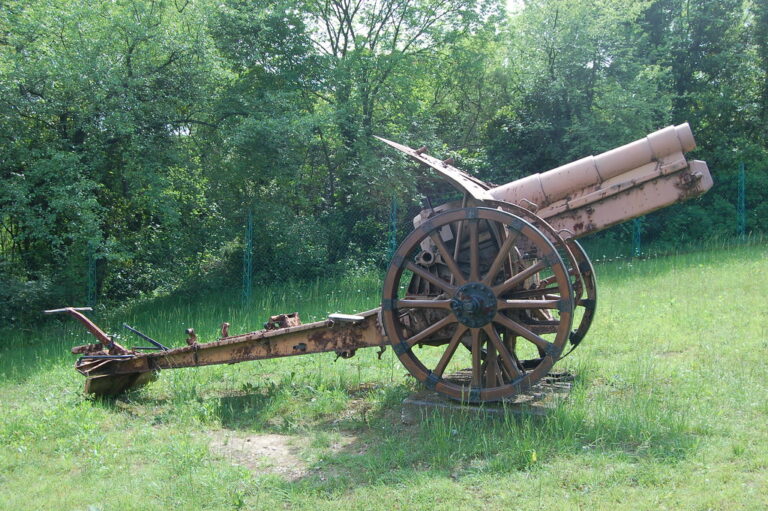
The Obice da 149/12 is a heavy howitzer that embodies the classic First World War approach to firepower: big shells, high angles, and deliberate destruction. It was designed to batter fortifications, collapse defensive positions and deliver the kind of plunging fire that field guns simply can’t replicate. In mountain and trench-dominated warfare, that steep trajectory was not a niche feature — it was a battlefield necessity.
As a short-barrel heavy howitzer, the 149/12 traded range for the ability to lob substantial shells onto targets hidden behind terrain. It excelled at smashing strongpoints, disrupting troop concentrations and firing into defilade. Like all heavy artillery, its limitations were practical: transport demands, time to emplace, and the steady requirement for ammunition supply. But once established, it could impose real psychological and physical pressure.
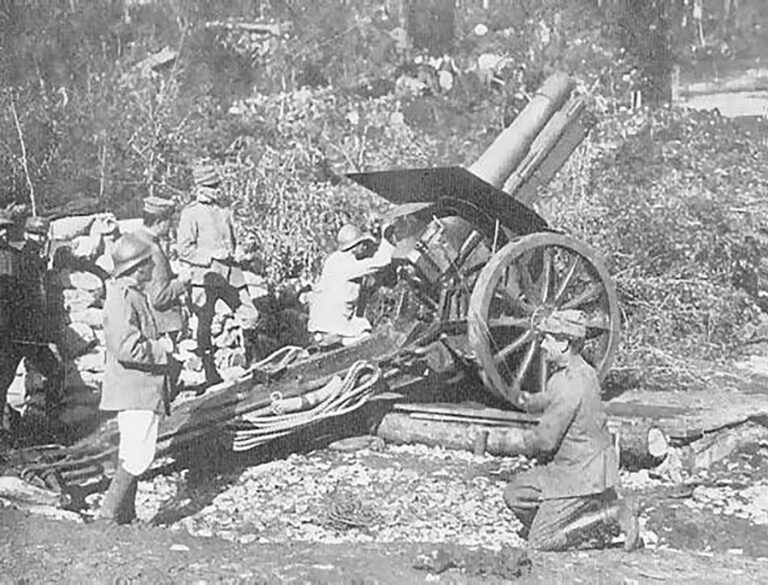
In the Second World War, weapons of this type were most valuable in static or semi-static conditions: fortified lines, coastal defence, and defensive belts in difficult terrain. They appear naturally in the Balkans and Italy, where ridgelines, valleys and built-up areas created ideal conditions for high-angle bombardment. In North Africa they were less common in mobile phases, but still relevant when battles solidified into defensive positions.

For modellers and wargamers, the 149/12 is perfect for scenarios built around prepared positions and siege-like pressure. It looks superb in a revetted gun pit with ammunition stacks and crew activity, and it naturally drives objectives: silence the battery, capture the position, cut the supply line, or survive under sustained bombardment. It’s a reminder that Italian artillery wasn’t just “light support” — it could bring heavy, deliberate punishment when the battlefield demanded it.
Obice da 149-13 Modello 14
The Obice da 149/13 represents another strand of Italy’s heavy howitzer tradition — a weapon designed to deliver substantial shell weight in support of divisional and corps-level operations. Sitting in the same broad calibre family as other 149mm pieces, it reinforced Italy’s ability to field meaningful heavy artillery, even if mobility and logistics often determined how aggressively that power could be projected.
As a heavy howitzer, the 149/13 specialised in high-angle fire. Its role was to break entrenched positions, disrupt fortified villages, and engage targets hidden behind ridgelines or urban cover. In mountainous and broken terrain, that plunging trajectory was invaluable. It allowed Italian artillery to shape the battlefield indirectly, softening objectives before infantry assaults or reinforcing defensive belts under pressure.
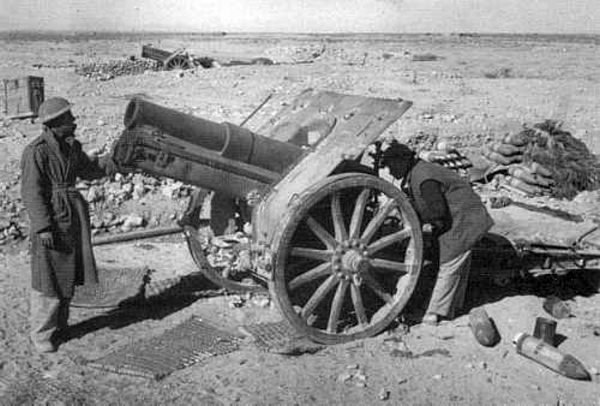
During the Second World War, guns of this type were most at home in semi-static conditions: prepared lines, coastal defence and deliberate operations in the Balkans and Italy. When terrain channelled movement and battles slowed into attritional exchanges, heavy howitzers like the 149/13 became central to the fire plan. They were not glamorous weapons — they were grinding, methodical instruments of pressure.
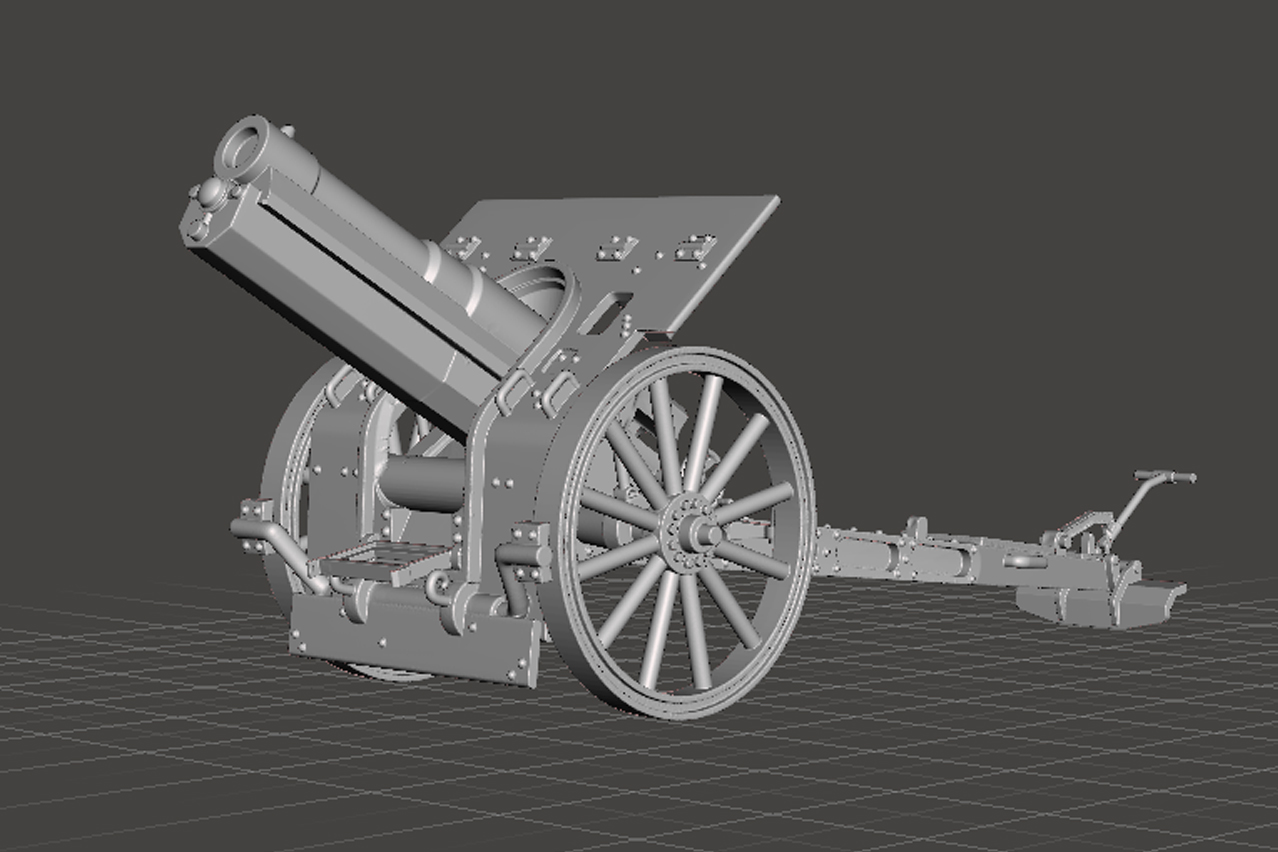
For modellers and wargamers, the 149/13 is ideal for representing serious heavy support within an Italian force. It suits dug-in batteries, fortified positions and scenario play built around sustained bombardment. On the tabletop, it encourages objectives beyond simple manoeuvre — counter-battery missions, ammunition constraints and the defence of gun parks — adding strategic depth and visual weight to your artillery line.
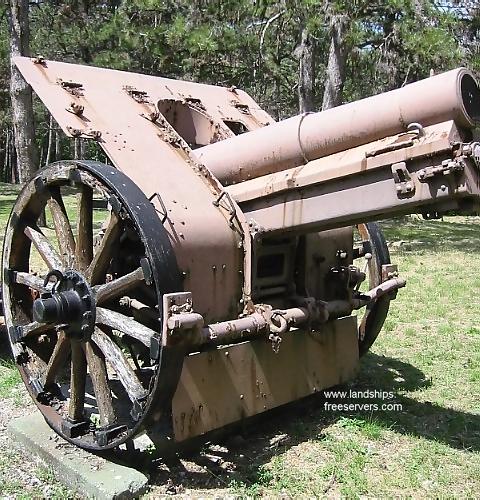
Obice da 149-19 Modello 37
The Obice da 149/19 modello 37 represents one of the more modern heavy howitzers in Italian service — a weapon that reflects interwar efforts to update and rationalise the artillery park rather than rely solely on Great War holdovers. It delivered a powerful 149mm shell with improved range and stability, offering Italian formations a more contemporary heavy support option when industrial capacity allowed.
As a heavy howitzer, the 149/19 was designed for deliberate, structured fire missions: counter-battery work, interdiction of supply routes, and the systematic reduction of fortified positions. Its ballistic performance made it more flexible than earlier short-barrel designs, while still retaining the high-angle fire that proved so useful in mountainous and urban terrain. It was the kind of gun that shaped operational tempo rather than reacting to it.
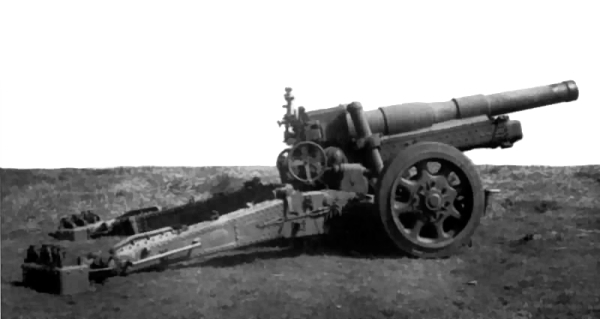
In wartime service, the modello 37 found its natural home in higher-echelon artillery groupings, particularly in theatres where defensive depth and terrain complexity mattered — the Balkans and the Italian mainland being prime examples. In these environments, a modern heavy howitzer could dominate key approaches and reinforce layered defensive plans, even if numbers were limited.
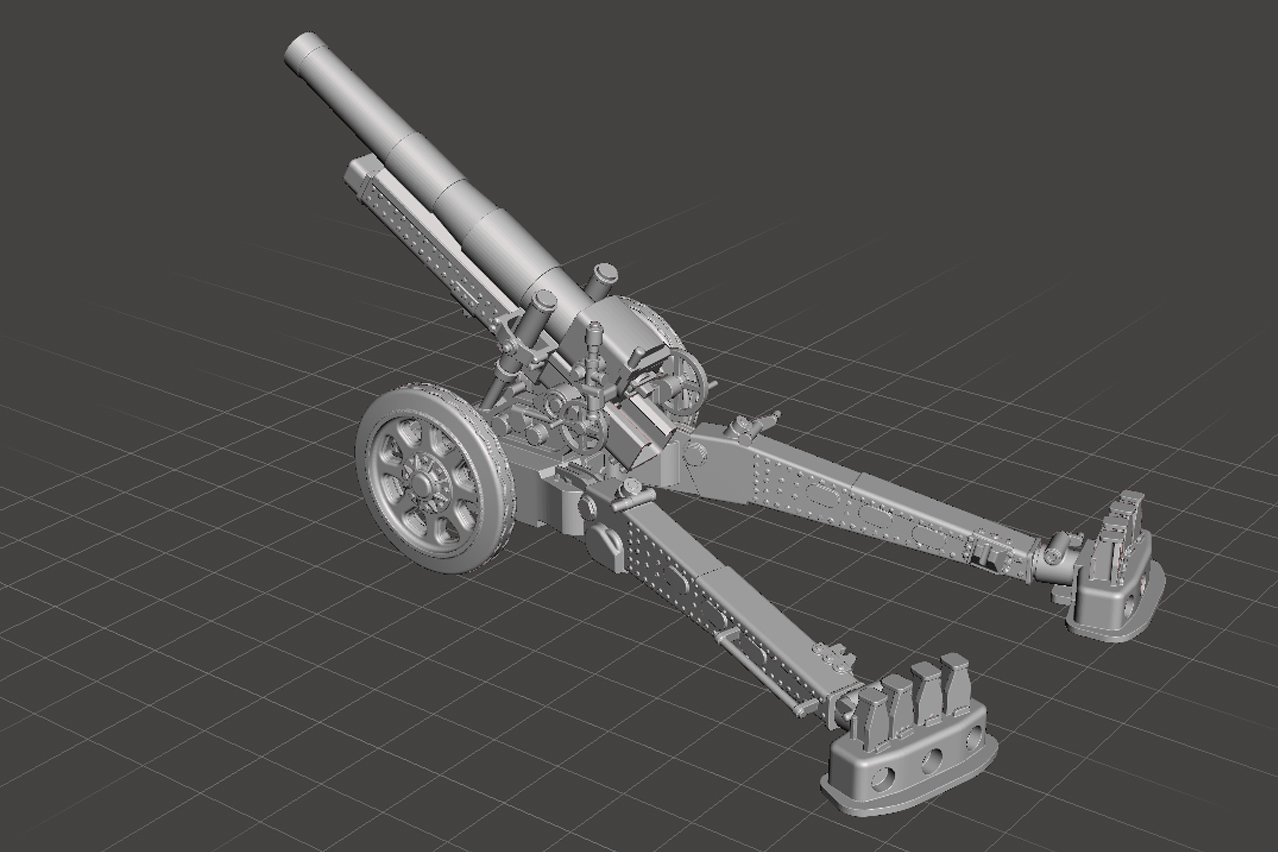
For modellers and wargamers, the 149/19 modello 37 offers the perfect “late-war heavy” aesthetic. It looks purposeful, contemporary and substantial, ideal for representing fortified gun lines and prepared batteries. On the tabletop, it lends itself to narrative-driven scenarios: break the defensive ridge, neutralise the heavy battery, or hold under sustained bombardment. It’s a clear signal that Italian artillery evolution did not stand still.
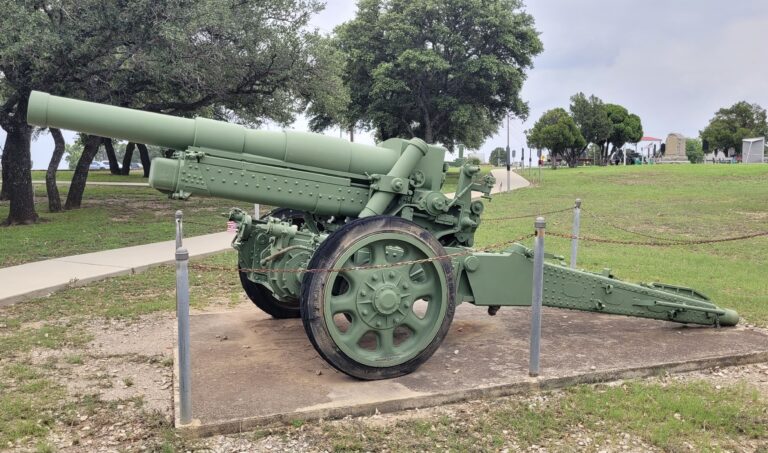
Obice da 152-13 Inglese
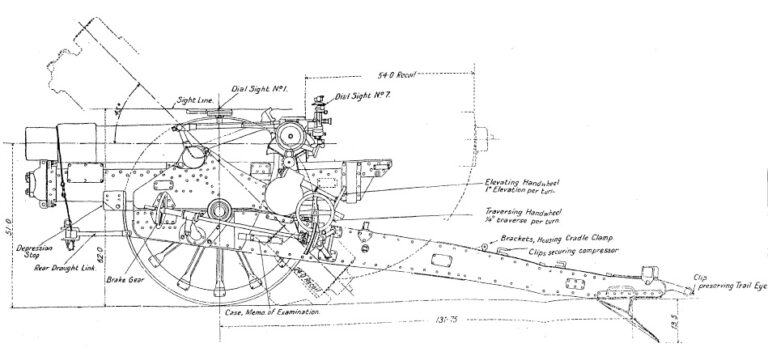
The Obice da 152/13 “Inglese” is a wonderfully revealing piece of kit, because it highlights a truth of wartime arsenals: armies fight with what they can get. The “English” designation reflects British origin — heavy howitzers that entered Italian service through capture, purchase, or legacy stock pathways depending on the exact weapon history. Whatever the route, once in Italian hands it became part of the broader heavy artillery toolbox, valued for shell weight and high-angle fire.
As a 152mm howitzer, it delivered significant destructive effect against fortifications, built-up areas and entrenched infantry. Its short barrel emphasised steep trajectory over long range, making it particularly useful for dropping shells into defiladed targets — behind ridgelines, inside valleys, or into urban pockets. This was artillery for the hard problems: strongpoints that refused to be shifted by lighter guns.
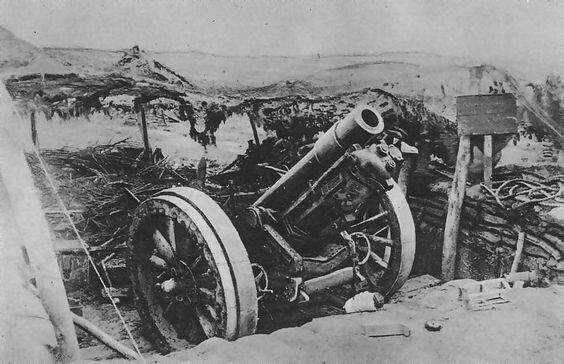
In the Second World War, heavy howitzers of this kind were most relevant in static or semi-static fighting: fortress defence, coastal positions and the attritional battles of Italy’s rugged interior. They also fit the Balkans well, where terrain frequently demanded high-angle bombardment rather than flat-trajectory solutions. Their operational value depended heavily on logistics and siting — but when established, they delivered real battlefield leverage.
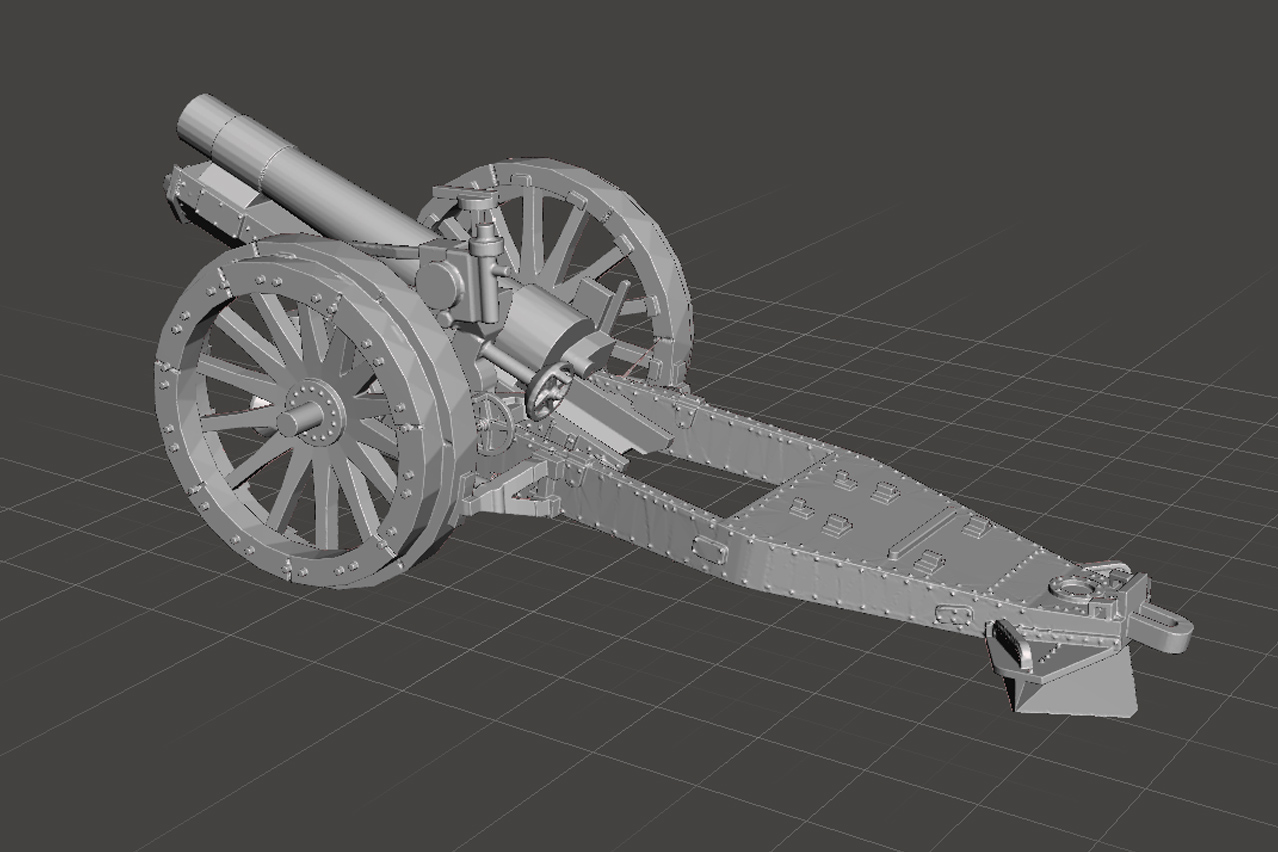
For modellers and wargamers, the 152/13 Inglese adds flavour and narrative texture. It’s perfect for representing mixed or improvised batteries, captured equipment stories, or second-line heavy support behind a defensive belt. Visually, it stands out from standard Italian patterns, and on the tabletop it encourages scenario objectives like “neutralise the heavy battery” or “survive the bombardment” — exactly the kind of cinematic pressure heavy artillery should create.
Obice da 210-22 Modello 35
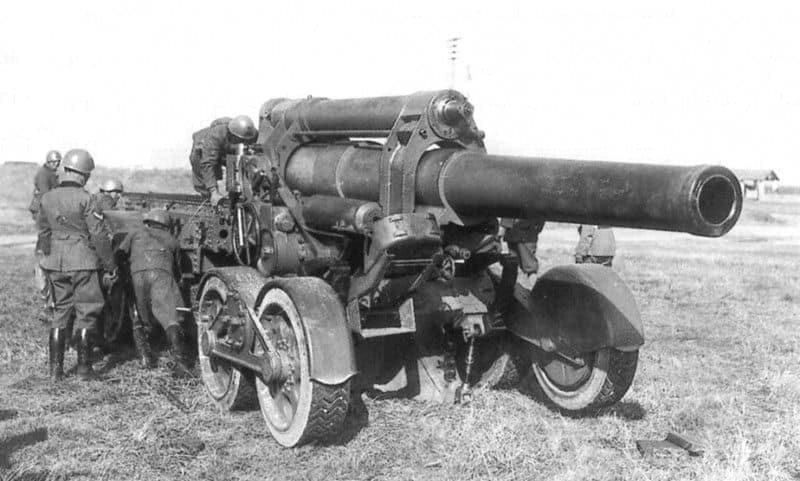
The Obice da 210/22 Modello 35 was one of the heaviest artillery pieces fielded by Italy during the Second World War — a true siege-class weapon designed to deliver massive high-explosive shells against hardened targets. This was not a gun for manoeuvre warfare; it was built for deliberate operations, fortress reduction and counter-battery dominance. Its very presence in a theatre signalled that something serious was about to be broken.
With a 210mm calibre and substantial shell weight, the 210/22 specialised in smashing fortified positions, bunkers and entrenched defensive lines. Like all artillery of this size, it required careful preparation: transport planning, solid emplacements and steady ammunition supply. But once in position, it could deliver punishing, morale-shattering bombardment capable of reshaping a battlefield before infantry even moved.
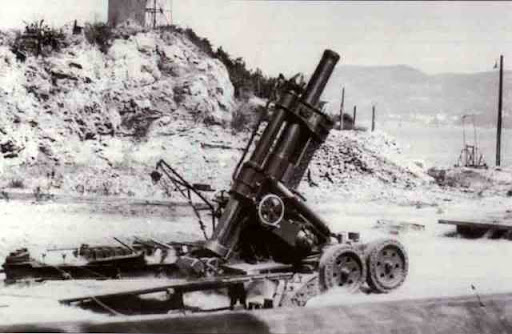
In wartime service, weapons of this class were most relevant in static fronts and prepared defensive environments — coastal fortifications, major defensive belts and key strongpoints in Italy and the Balkans. They were strategic assets rather than tactical accessories, concentrated where commanders expected prolonged fighting or where infrastructure allowed their deployment.
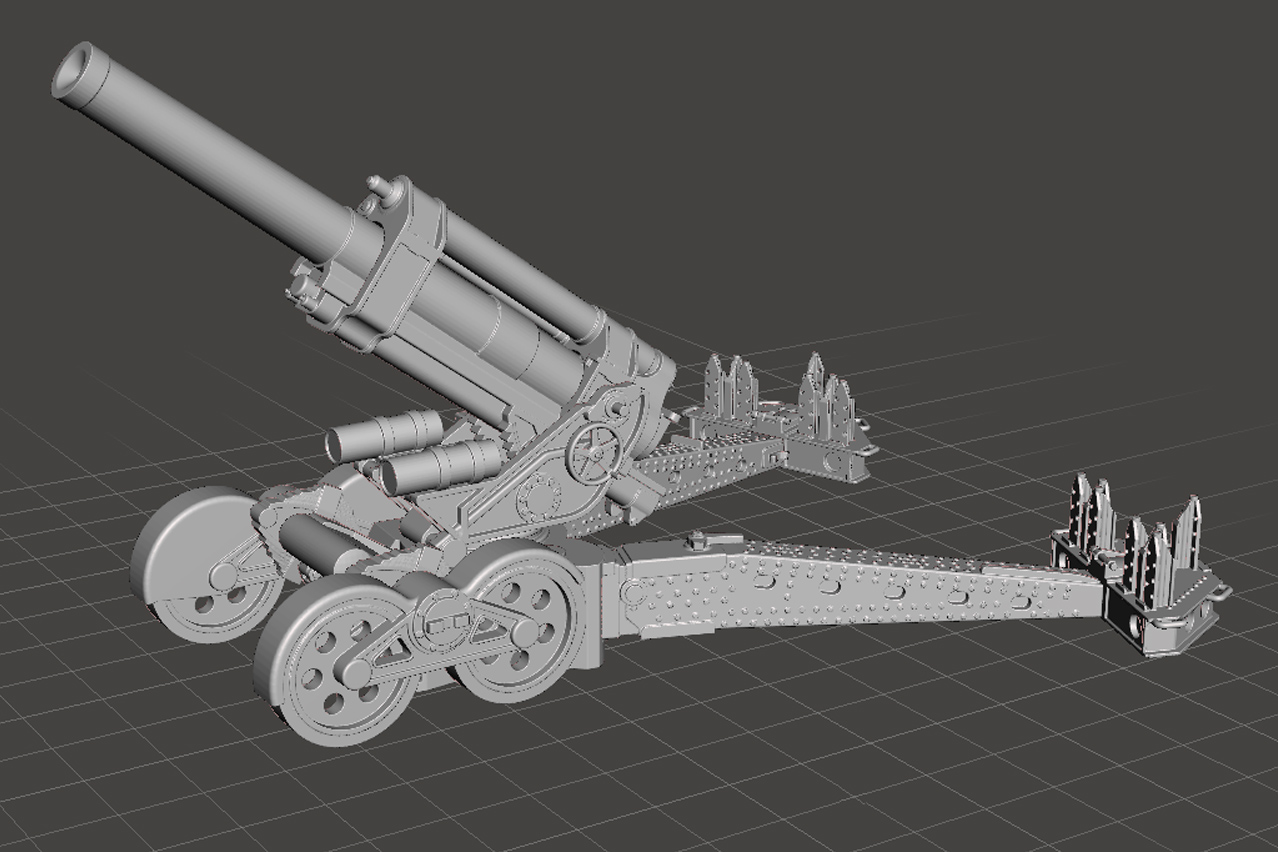
For modellers and wargamers, the 210/22 is an absolute centrepiece. It dominates a gun line visually and thematically, perfect for siege scenarios, fortress assaults or “break the line” missions. Its scale invites dramatic basing — heavy revetments, ammunition stacks, engineering works and command posts. On the tabletop, it transforms a game from a skirmish into an operation, reinforcing the reality that Italian artillery could bring truly heavyweight firepower when the situation demanded it.
Final Thoughts from Bayonets & Brushes
This Italian artillery range is not an afterthought to the armour — it is the backbone that makes those armoured forces feel complete. From light 20mm autocannon to 210mm siege howitzers, this collection allows you to represent the full spectrum of Italian firepower. It reflects the real structure of Italian formations, where mountain guns, field pieces and heavy batteries all played distinct roles within a layered doctrine shaped by geography and logistics.
One of the most exciting aspects of this release is how well it integrates with the armour range. Semovente assaults backed by 75mm field batteries, Autoblinde screened by Böhler anti-tank guns, mountain infantry supported by 75/18 pack howitzers — the combinations are historically grounded and tactically rich. Italian forces come alive when guns and armour work together, and this range finally allows that interplay to be represented properly on the tabletop.
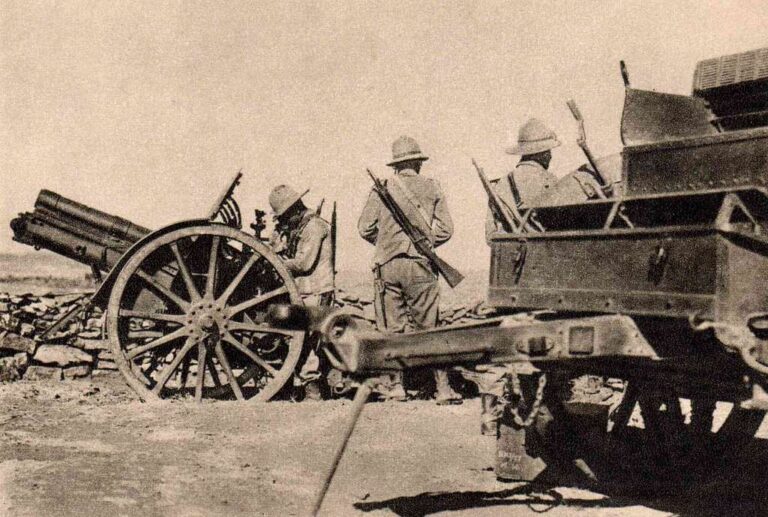
Theatre flexibility is immense. The same artillery park can appear in North Africa dug into desert gun pits, in the Balkans perched on rocky slopes, or in Italy hidden behind vineyard walls and ridge lines. Heavy 149mm and 210mm pieces suit fortress and defensive scenarios, while mountain guns and light AT pieces excel in broken terrain. This diversity invites creative table building and narrative-driven campaigns.
For painters and modellers, artillery offers outstanding opportunities for character and atmosphere. Gun crews in varied uniforms, ammunition stacks, mule teams, revetments, sandbags and camouflage nets all add depth and storytelling potential. Italian artillery positions, particularly in mountainous or improvised settings, are visually distinctive and reward detailed basing and scenic work.
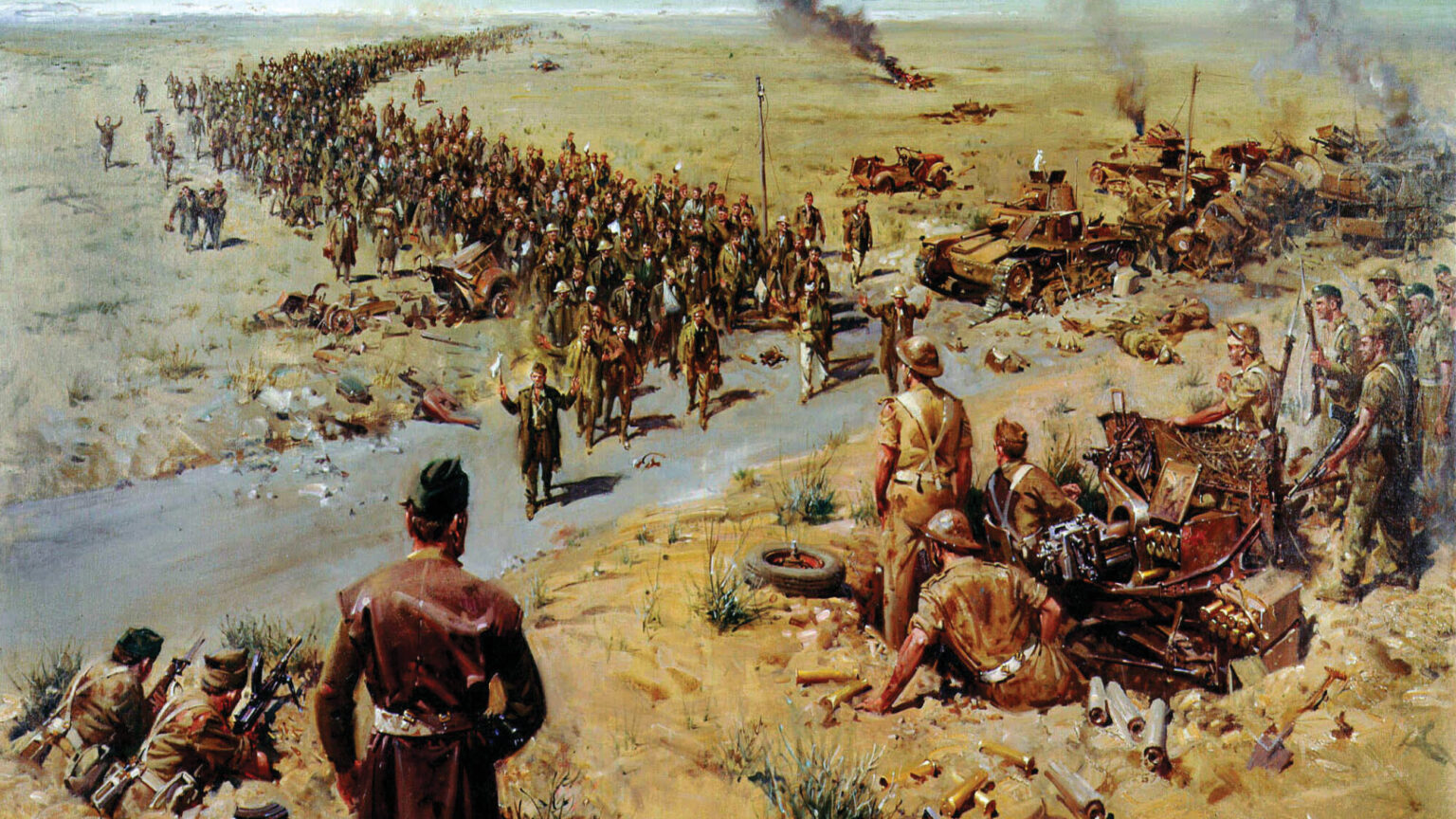
From a gaming perspective, artillery transforms the feel of Italian forces. It encourages scenario objectives beyond simple manoeuvre — protect the battery, silence the heavy guns, escort ammunition columns, hold the ridge under bombardment. It also rewards players who think in combined-arms terms, positioning observers, coordinating fire plans and shaping the battlefield before committing armour or infantry.
Ultimately, this artillery release completes the picture. Italian forces were not defined by a single tank or a single theatre — they were defined by adaptability under constraint. With this range, Bayonets & Brushes gives hobbyists the tools to explore that adaptability in full. From mountain mule columns to heavyweight siege guns, Italian artillery now stands ready to take its proper place on the tabletop.
If you play Italians the you really do need the artillery backing you up so come over and take a look at: https://bayonetsandbrushes.co.uk/home/store/world-war-ii-on-land/esercito-italiano-the-royal-italian-army/esercito-italiano-artillery/
At Bayonets & Brushes, we do not merely produce miniatures. We curate ordnance history — in resin and discipline.
And as ever, we remain at your service.