
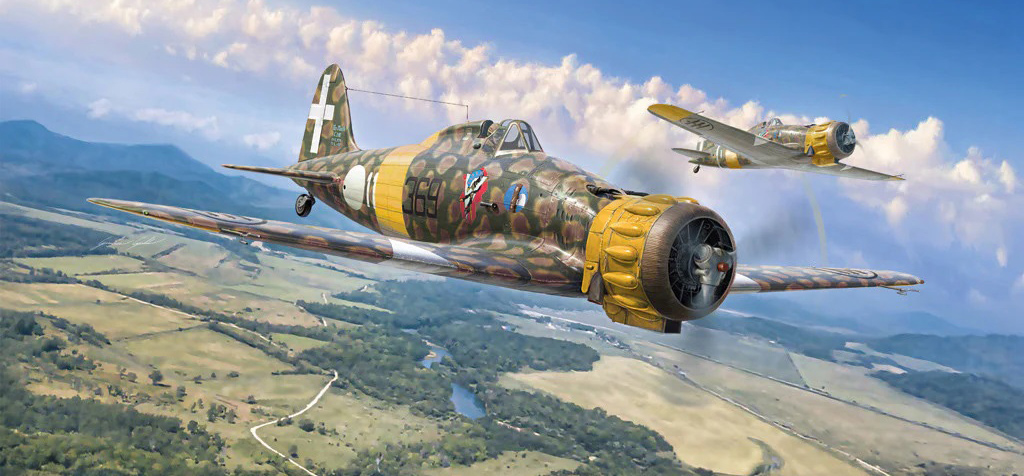
Speed, Style and Survival in the Regia Aeronautica
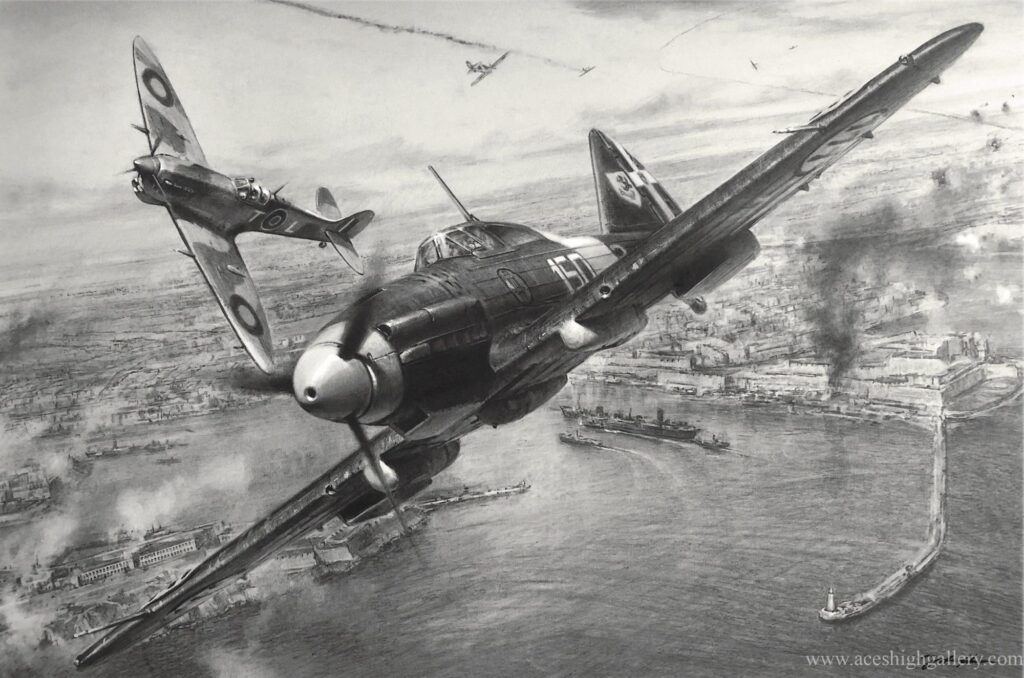
The Italian Air Force in World War Two — the Regia Aeronautica — is often dismissed as obsolete, underpowered and technologically behind its enemies. The image persists: biplanes against monoplanes, outdated bombers against modern interceptors. But like much of Italy’s wartime reputation, that story is incomplete. Italian WW2 aircraft were shaped by doctrine, industry and strategic priorities — not by ignorance.
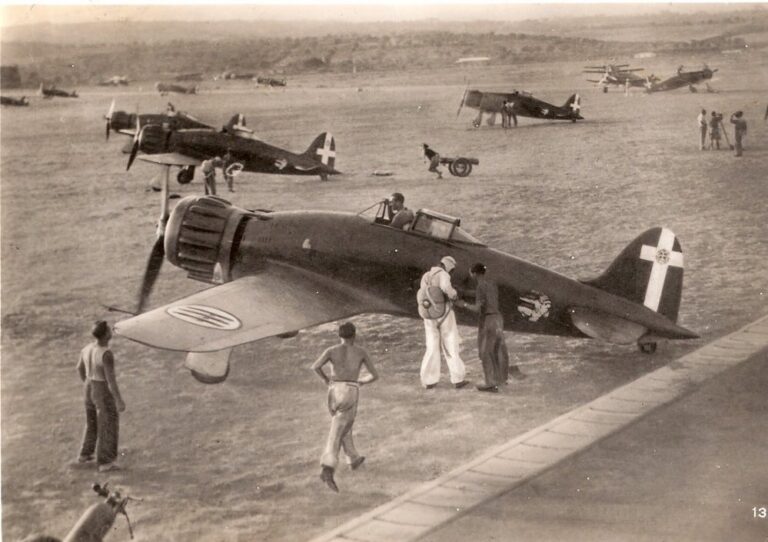
Italy entered the interwar period with one of the most respected air forces in Europe. In the 1920s and early 1930s, Italian aviation was synonymous with speed records, long-range flights and cutting-edge aeronautical engineering. The Regia Aeronautica was an independent service early on, and air power theory was taken seriously. The problem was not vision — it was industrial capacity and the pace of global escalation.
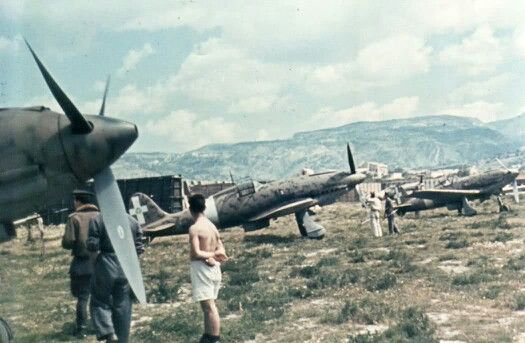
The Spanish Civil War served as both proving ground and warning. Aircraft such as the Fiat CR.32 demonstrated exceptional agility and combat success in the skies over Spain. But Spain also exposed the rapid evolution of air combat. Monoplanes were coming. Engines were becoming more powerful. Firepower was increasing. Italy understood this — but retooling industry takes time and resources.
By 1940, Italian aircraft ranged from modern designs like the Macchi C.200 and later C.202, to earlier-generation biplanes still in service. In North Africa and the Mediterranean, Italian pilots flew against British Hurricanes and later American P-40s. In the Eastern Front and over Italy itself, conditions varied dramatically. Performance differences existed — but so did pilot skill, tactical adaptation and theatre-specific realities.
It is also impossible to ignore aircraft such as the Savoia-Marchetti SM.79 Sparviero, one of the most effective torpedo bombers of the war. In the Mediterranean, Italian air-sea operations achieved real and measurable results. Italian torpedo crews earned respect from their adversaries. The air war over the Mediterranean was not one-sided — it was contested, often fiercely.
Ultimately, the Regia Aeronautica reflects the same pattern seen in Italian armour and artillery: innovation constrained by industrial limitation, brilliance in pockets, and adaptation under pressure. This new Bayonets & Brushes Italian WW2 aircraft range allows that complexity to take flight — and challenges the idea that Italian air power was merely decorative.
Now… Let us begin!
Introducing the Regia Aeronautica
Breda Ba.65 Series I
The Breda Ba.65 Series I was Italy’s early attempt at a dedicated ground-attack and light bomber aircraft, designed during the mid-1930s when close air support doctrine was still evolving worldwide. As an Italian WW2 attack aircraft, it reflected the Regia Aeronautica’s recognition that air power needed to directly support ground operations — particularly in colonial and expeditionary warfare.
The Ba.65 Series I featured a low-wing monoplane design and was armed with machine guns and light bomb loads suitable for strafing and tactical bombing missions. On paper, it appeared modern for its time. However, like many interwar aircraft designs, it was quickly overtaken by rapid advances in engine performance and air combat expectations as the war approached.
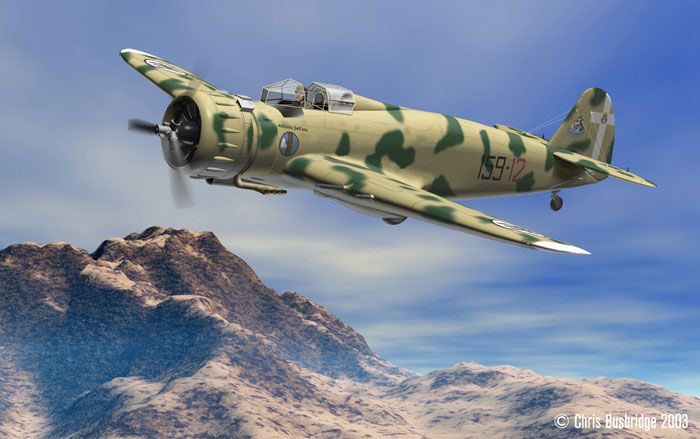
Operationally, the Breda Ba.65 saw combat in the Spanish Civil War and later in North Africa. In Spain, it demonstrated the viability of close air support tactics. In North Africa, it struggled in contested airspace where fighter opposition was more intense. Its limitations were real — but they were also symptomatic of a global arms race moving faster than industrial retooling could manage.
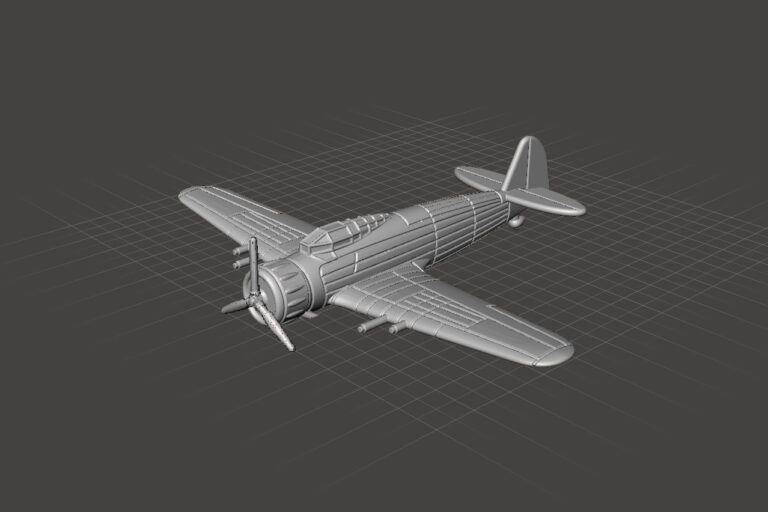
For modellers and wargamers, the Breda Ba.65 Series I is ideal for Spanish Civil War scenarios and early-war North Africa campaigns. It adds ground-attack capability to Italian air wings and supports combined-arms narrative play. On the tabletop, it works beautifully in close air support missions, convoy strikes and early-war air superiority contests, capturing the transitional moment in Italian aviation development.
Breda Ba.65 bis
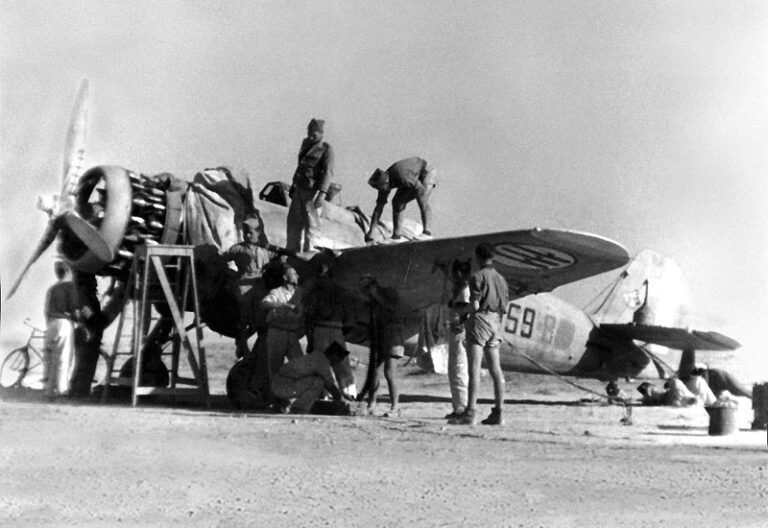
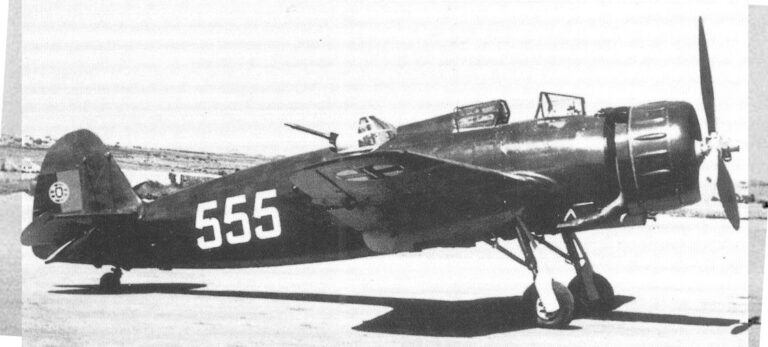
The Breda Ba.65 bis represents the improved, combat-driven evolution of Italy’s early ground-attack concept. As an Italian WW2 close air support aircraft, it was built for the brutal, practical work of war: strafing columns, attacking forward positions and delivering light bomb loads in direct support of the army. It sits right at the hinge point between interwar optimism and wartime reality.
The “bis” versions introduced refinements intended to improve combat effectiveness — typically including changes to armament, equipment and operational fit. The Ba.65’s strength was its mission focus: it was designed to hit targets on the ground, not to win elegant fighter duels. In low-level attacks against soft-skinned vehicles and exposed infantry, it could still be dangerous, particularly in theatres where air opposition was limited.
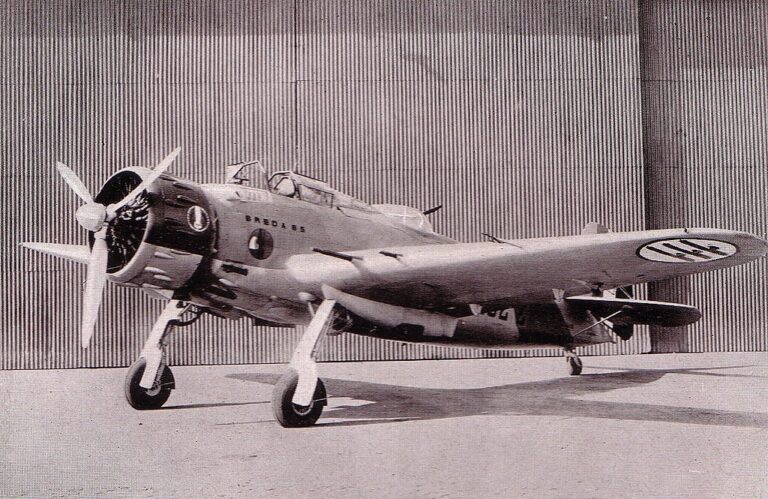
Operationally, the Ba.65 bis saw service in the opening phases of WWII, most notably in North Africa. There it operated in an environment that rewarded aggressive low-level tactics but punished aircraft that lacked speed and defensive resilience. Its vulnerability in contested airspace meant it performed best when escorted, when operating at the edges of enemy fighter coverage, or when the tactical situation allowed surprise.
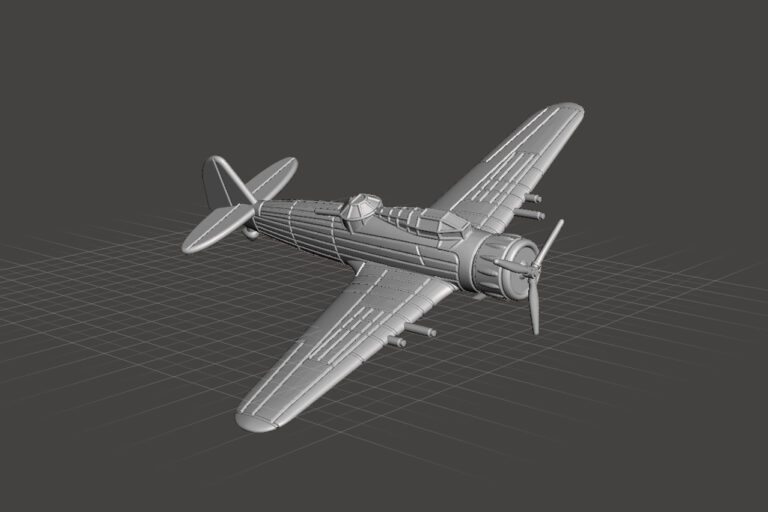
For modellers and wargamers, the Breda Ba.65 bis is excellent for early North Africa and Mediterranean scenarios. It reinforces the “trope dismantling” narrative perfectly: not everything Italy fielded was designed to duel Spitfires — much of it was designed to support ground operations in expeditionary warfare. In games, it shines in convoy strike missions, battlefield interdiction and close air support roles where tempo and target selection matter.
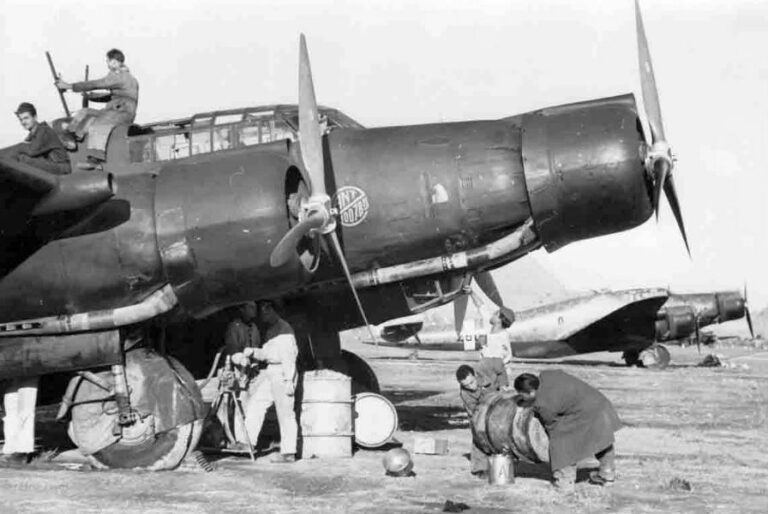
Cant Z.1007
The CANT Z.1007 Alcione is a perfect example of why the “Italian aircraft were obsolete” trope needs context. This was a capable, modern medium bomber by early-war standards — fast, well-handling, and widely used across the Mediterranean. As an Italian WW2 bomber aircraft, the Z.1007 became one of the Regia Aeronautica’s most important workhorses for maritime strike, bombing missions and long-range operations.
Technically, the Z.1007 was notable for its three-engine configuration and, in many variants, its largely wooden construction. That wooden airframe is often misunderstood as “cheap” or “inferior,” but it was a rational industrial choice in an economy where strategic materials were constrained. It also contributed to good performance in speed and range for its class, though it demanded careful maintenance in harsh climates.
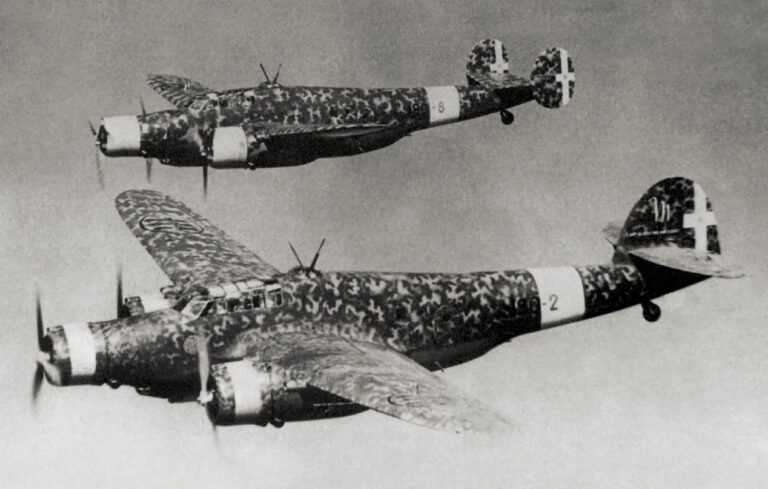
Operationally, the CANT Z.1007 served heavily in the Mediterranean, North Africa and later in defence roles over Italy. It conducted bombing raids against ports, airfields and shipping targets, where the air war was often a contest of endurance, navigation and timing as much as fighter performance. Like most medium bombers of the era, its survival depended on escort, formation discipline and mission planning — not magic armour.
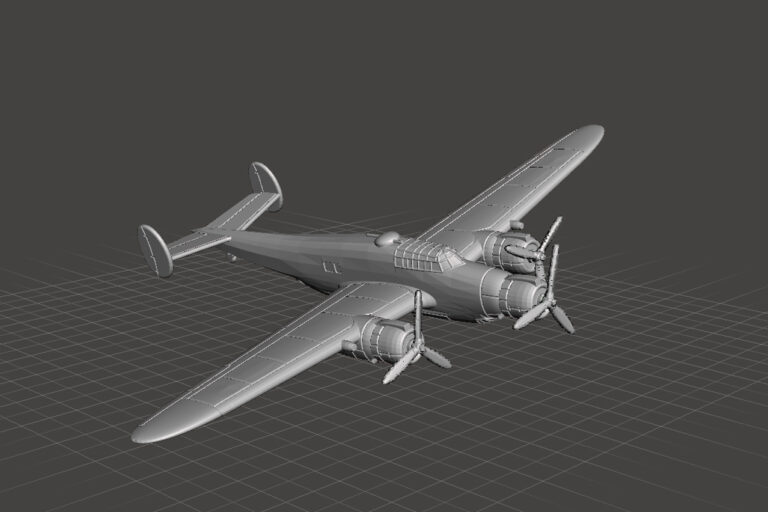
For modellers and wargamers, the Z.1007 offers outstanding scenario variety: anti-shipping strikes, port raids, desert airfield attacks and long-range interdiction missions. It’s a visually distinctive aircraft that instantly says “Mediterranean air war,” and it helps represent the Regia Aeronautica as it actually fought — not as a caricature, but as a force conducting sustained operational bombing under real constraints.
Caproni Ca.133
The Caproni Ca.133 is one of the most important aircraft for understanding Italy’s pre-war and early-war priorities. Often dismissed as slow and outdated, it was actually designed for a different problem set: long distances, poor airfields, minimal infrastructure, and the demands of colonial warfare. As an Italian WW2 transport aircraft and light bomber, the Ca.133 excelled where rugged reliability mattered more than speed.
With a tri-motor layout and a sturdy airframe, the Ca.133 could operate from rough strips and carry troops, supplies or light bomb loads. It was not a frontline bomber for contested skies — it was a utility aircraft for moving men and matériel across huge spaces. In East Africa and North Africa, that utility was operational gold, especially when road transport was vulnerable or simply too slow.
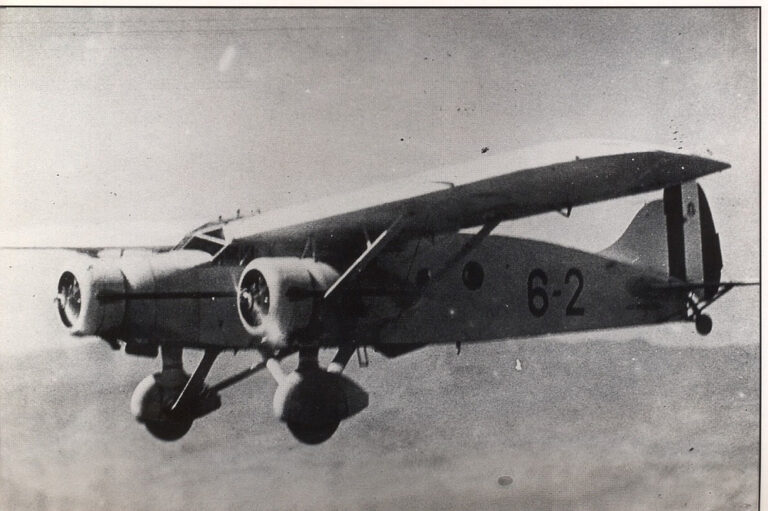
Operationally, the Ca.133 served extensively in Italian East Africa and other colonial theatres, supporting garrisons, resupply missions and troop movements. It also saw use as a light bomber in environments where air opposition was limited. Its continued service reflects the reality that war is fought as much by logistics aircraft as by fighters — and Italy, like every nation, needed dependable haulers.
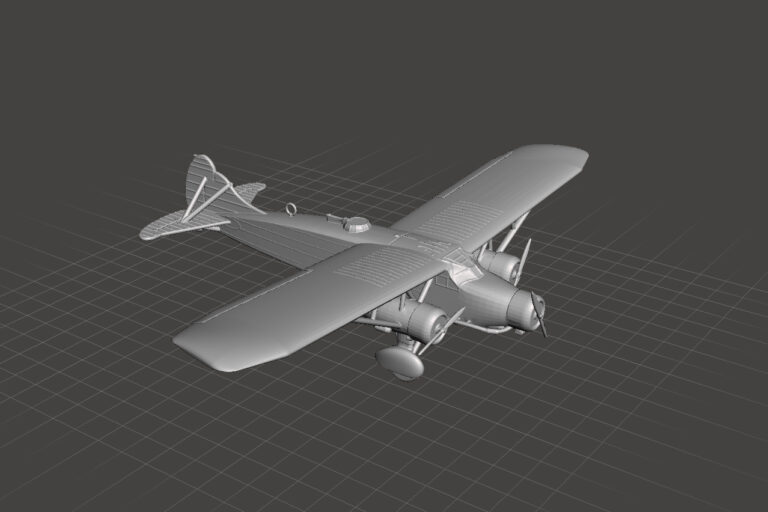
For modellers and wargamers, the Caproni Ca.133 opens up colonial and East African campaign scenarios that are rarely represented. It’s ideal for supply missions, evacuation narratives, and airlift objectives on the tabletop. As a model, it reinforces a key theme of the Regia Aeronautica story: Italy built aircraft for its strategic environment — and that environment often wasn’t “fighter versus fighter,” but distance, heat, and survival.
Caproni Ca.310 'Libeccio'
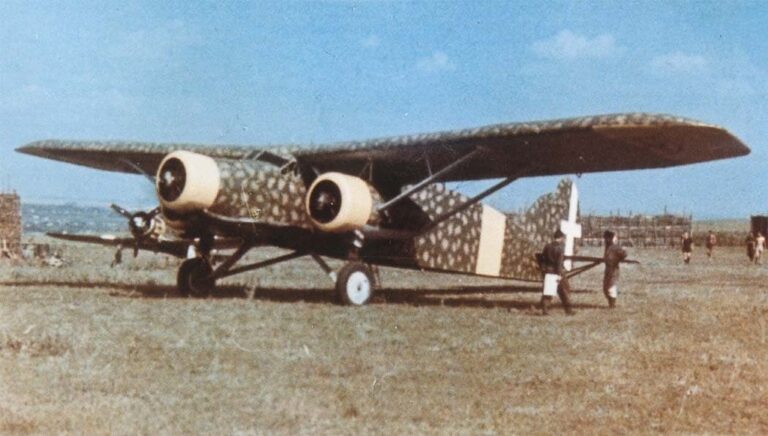
The Caproni Ca.310 “Libeccio” was designed as a fast, multi-role aircraft for reconnaissance, light bombing and liaison duties — the kind of adaptable platform that makes sense in expeditionary warfare. As an Italian WW2 reconnaissance aircraft, it reflects a key reality: most air wars are won by information, navigation and coordination just as much as by glamorous dogfights.
The Ca.310 offered good speed for its class and a useful operational radius, making it suitable for coastal patrols, battlefield reconnaissance and light strike missions. Its armament and bomb load were modest, but that wasn’t the point. The Libeccio was built to see, to report, and to harass — to be a force multiplier for ground and naval operations rather than a headline-making bomber.
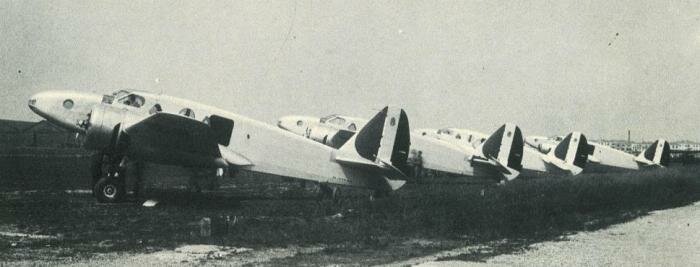
Operationally, the Ca.310 served in multiple theatres including North Africa and the Mediterranean, where reconnaissance and coastal surveillance were constant necessities. In a theatre dominated by sea lanes, convoys and island airfields, aircraft that could find targets and guide strikes were essential. Its vulnerability in heavily contested airspace meant it performed best where surprise, range and mission planning could compensate for limited defensive strength.
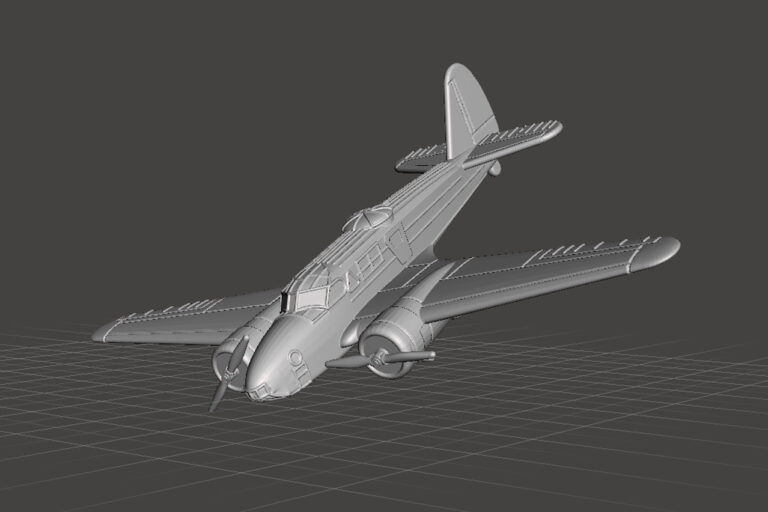
For modellers and wargamers, the Ca.310 is a superb scenario aircraft. It supports reconnaissance missions, convoy spotting, artillery direction narratives and coastal patrol games. It also helps tell the more realistic Regia Aeronautica story: not just fighters and bombers, but the aircraft that made operational decision-making possible. In campaign play, it’s a perfect “objective aircraft” — the machine that must survive long enough to bring the information home.
Fiat Br.20M 'Cicogna'
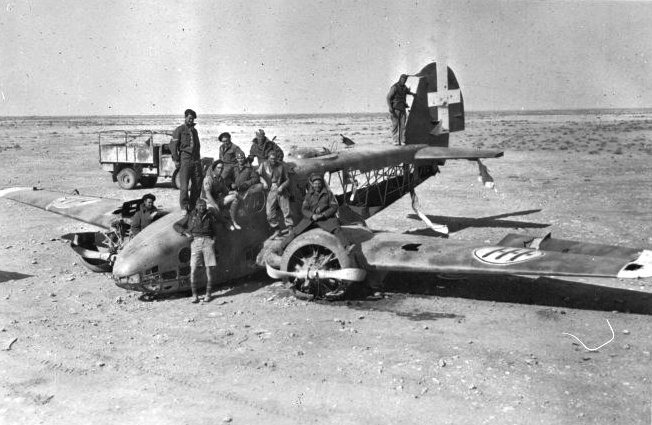
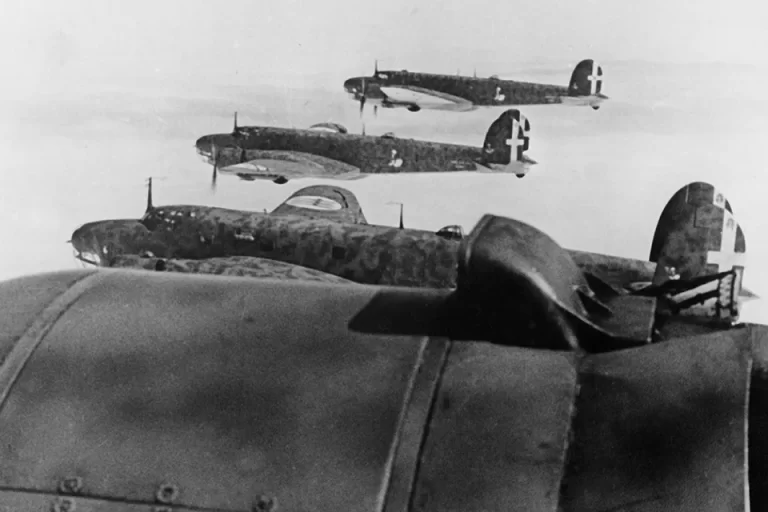
The Fiat BR.20M “Cicogna” was Italy’s first modern all-metal medium bomber to enter large-scale service, and it’s a strong counter to the lazy idea that the Regia Aeronautica was flying nothing but museum pieces. As an Italian WW2 medium bomber, the BR.20 was designed for range, payload and structural strength — a serious aircraft for a serious role at the moment it appeared.
Technically, the BR.20M variant incorporated refinements driven by wartime experience, with improvements aimed at survivability and operational effectiveness. Like most medium bombers of its era, its success depended on mission planning, formation discipline and escort availability rather than raw armour. Where those conditions were favourable, it could deliver meaningful results against airfields, ports, supply routes and troop concentrations.
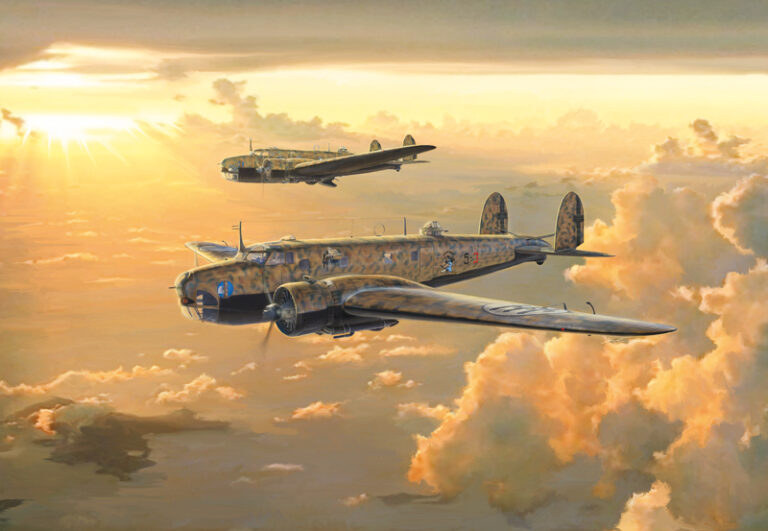
Operationally, the BR.20 family saw service in the Mediterranean and North Africa, and it also gained a notable “export combat record” when used by Japan early in the war. It was not immune to the rapid escalation of fighter performance, and later-war contested skies made medium bombing increasingly hazardous — but that is a universal bomber story, not uniquely Italian.
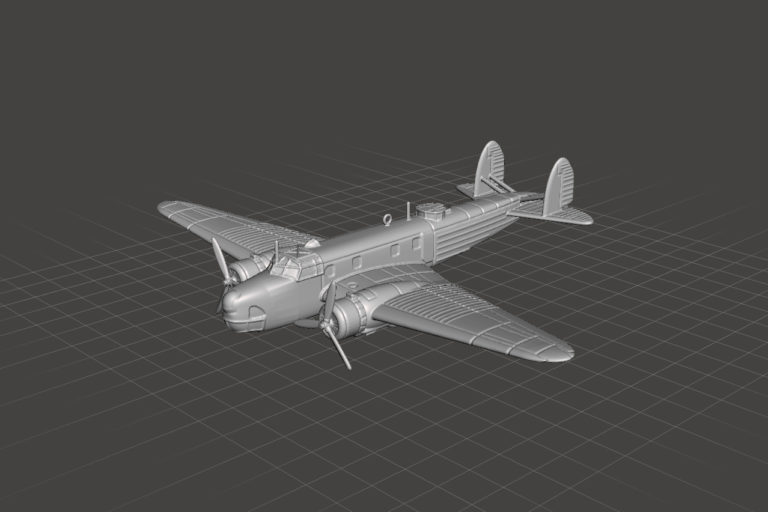
For modellers and wargamers, the Fiat BR.20M is ideal for early-to-mid war Mediterranean scenarios: port raids, airfield strikes, interdiction missions and convoy attack narratives. It adds depth to any Italian WW2 aircraft collection by representing the Regia Aeronautica as an operational air force conducting sustained bombing campaigns — not a caricature, but a working instrument of war.
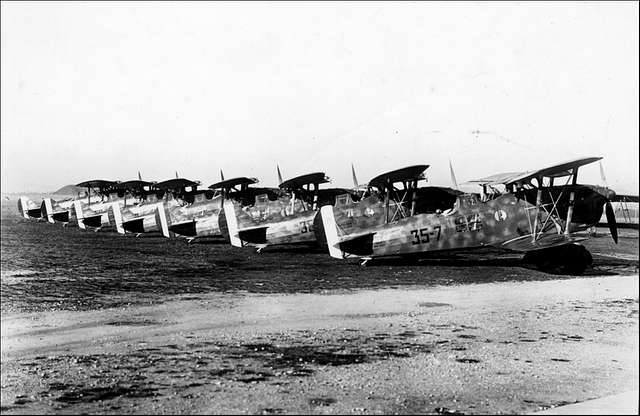
Fiat Cr.32
The Obice da 75/13 mod.15 is pure Italian doctrine in steel: a mountain howitzer designed to go where artillery “shouldn’t” be able to go. Born from First World War necessity, it was built to be broken down into pack loads and hauled by mules up steep tracks, across scree slopes and into firing positions that would make any logistics officer wince. If you want to understand why Italian firepower often looks “light” on paper, start here — it was engineered for vertical battlefields.
Its short barrel and relatively modest range were the trade-offs for portability. But what it offered was responsiveness. In mountain fighting, the ability to emplace quickly, fire, and shift — or simply to get a gun into position at all — can outweigh raw ballistic numbers. The 75/13 delivered effective high-explosive support against infantry, strongpoints and dug-in positions, exactly the kind of targets that dominated much of Italy’s expected wartime environment.
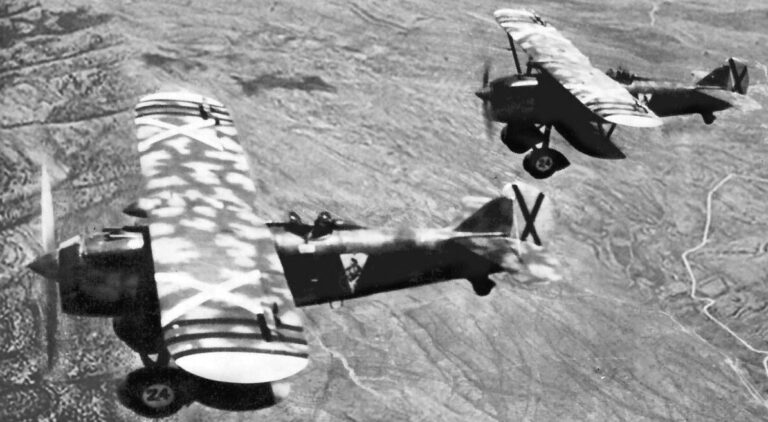
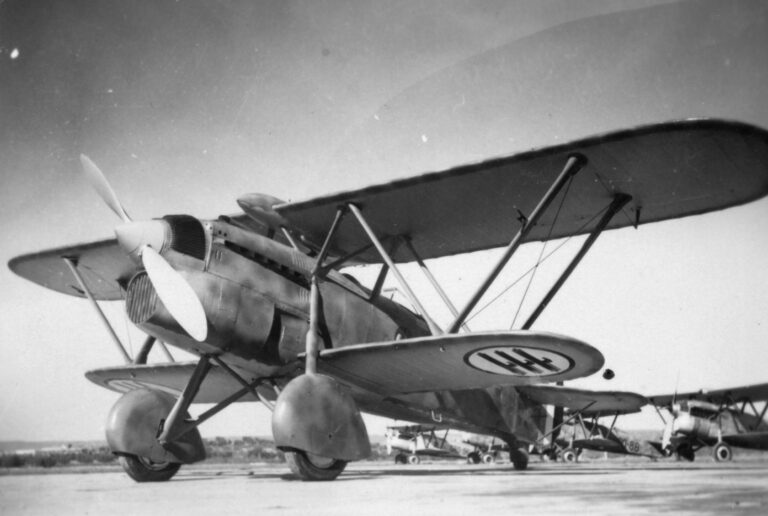
By 1940, the CR.32 was undeniably ageing, but it still found service where conditions suited it: secondary theatres, ground-attack work, and environments where modern fighters were scarce. It wasn’t meant to fight late-war Spitfires at altitude; it was a close-in knife fighter built for a style of combat that remained relevant in certain roles and regions.
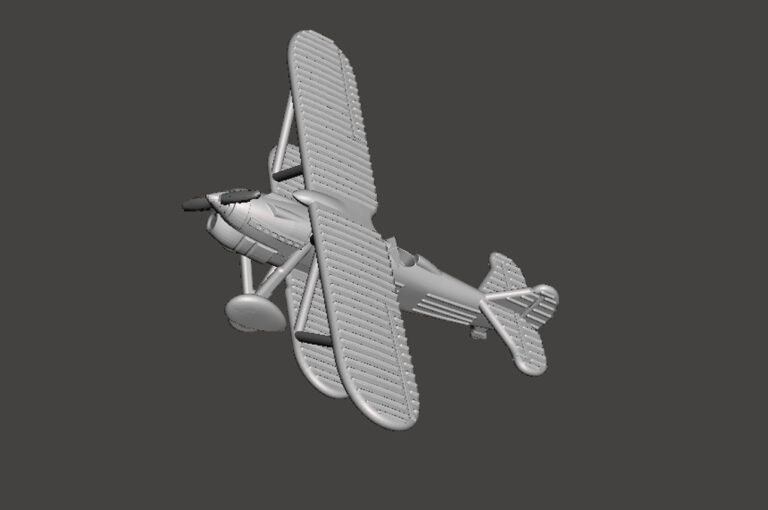
For modellers and wargamers, the Fiat CR.32 is essential for Spanish Civil War and early-war narrative play. It adds character to Italian air wings and opens up scenarios built around interwar escalation, colonial theatres and early Mediterranean operations. It’s also the perfect aircraft for dismantling the trope: “outdated” doesn’t mean “ineffective” — it means “context matters.”
Fiat Cr.42 'Falco'
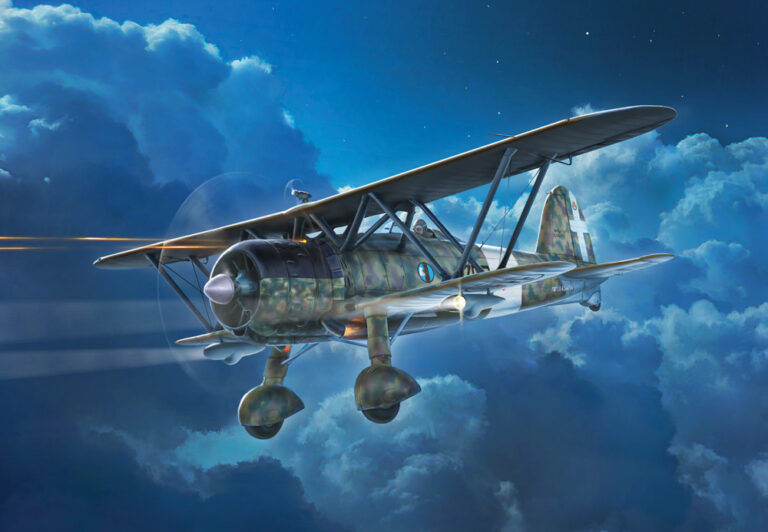
The Fiat CR.42 Falco is probably the most unfairly mocked aircraft in the entire Regia Aeronautica story. A biplane fighter in 1940 sounds like a punchline — until you remember that the CR.42 was one of the finest biplanes ever built: fast for its type, superbly agile, structurally strong, and highly effective in low-to-medium altitude combat. The trope says “obsolete.” The reality says “specialist.”
Technically, the CR.42 combined excellent manoeuvrability with rugged construction, making it well suited to rough-field operations and harsh environments. It could take punishment, operate from primitive strips, and still fight hard. Where engagements were close, chaotic and low-level — particularly in early-war conditions — it could be dangerously competitive against monoplanes, especially when flown with discipline.
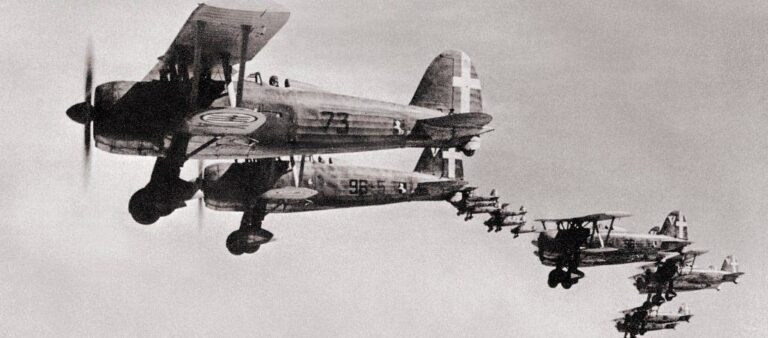
Operationally, the CR.42 served across multiple theatres including North Africa and the Mediterranean, and it was also used in night harassment and ground-attack roles later in the war. This is the key point: Italy didn’t keep the CR.42 because it didn’t understand modern aviation — it kept it because it could still do useful work under real operational conditions, particularly when industrial output limited newer fighters.
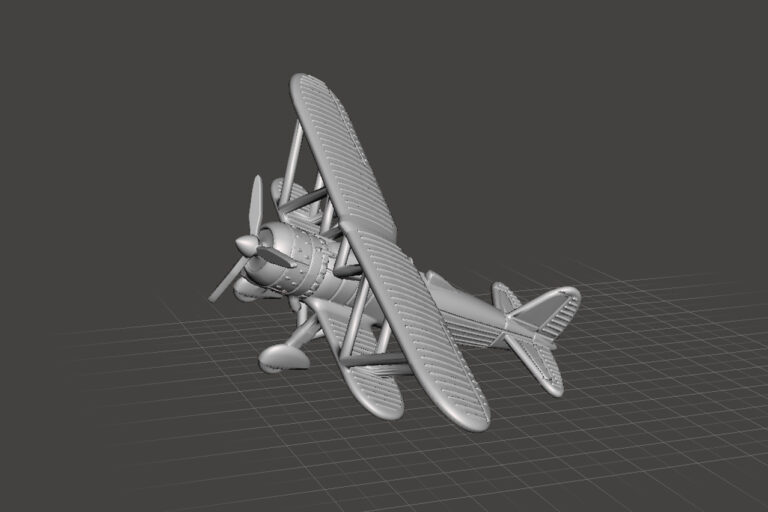
For modellers and wargamers, the CR.42 is a fantastic aircraft for early-war campaigns and asymmetric scenario play. It fits convoy escort, airfield defence, ground-attack missions and low-level interceptions where agility and surprise matter. It also brings instant visual flavour to any Italian WW2 aircraft collection — and it underlines the central theme again: being “outdated on paper” is not the same as being “useless in war.”
Fiat G.50 Freccia
The Fiat G.50 Freccia is one of the aircraft that instantly breaks the “Italy only flew biplanes” myth. This was a modern, all-metal monoplane fighter entering service before the war — fast, clean-lined and built for the emerging reality of higher-speed aerial combat. As an Italian WW2 fighter aircraft, the G.50 sits at the Regia Aeronautica’s transition point: the leap from interwar agility fighters to true modern interceptors.
Technically, the G.50 was sturdy and manoeuvrable, with good handling that pilots appreciated. Its limitations were familiar across early-war fighters: range, armament and engine performance compared to rapidly improving opponents. But again — context matters. Early in the war, the G.50 was fully credible in its role, especially at low to medium altitude, and it provided Italy with a modern fighter base upon which later designs would build.
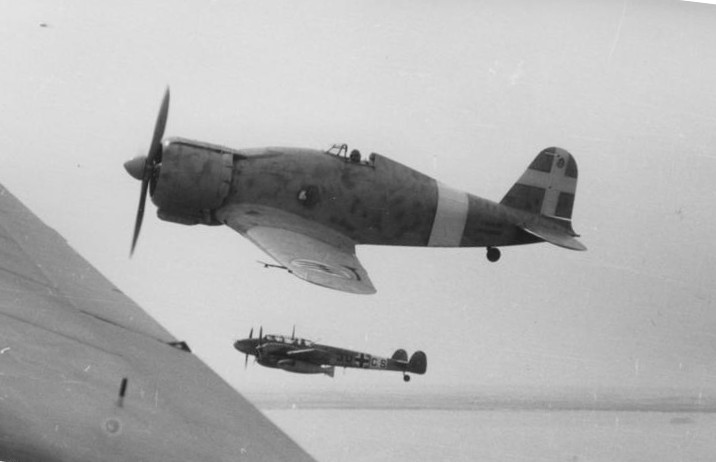
Operationally, the G.50 served in multiple theatres including North Africa and the Mediterranean, and it also appeared in Northern Europe through Italian participation on the Eastern Front and allied operations. It was adaptable, and it stayed in use because it was available, maintainable, and capable in the kinds of engagements Italy frequently fought — often low-level, over dispersed fronts, with heavy demands on reliability.
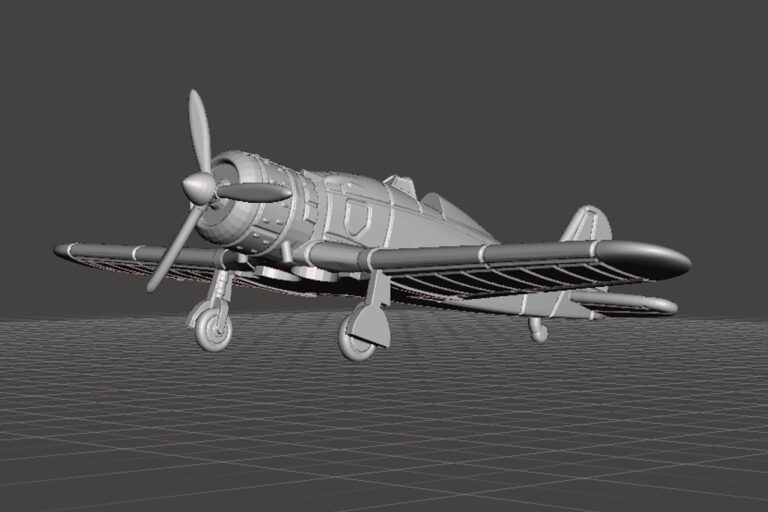
For modellers and wargamers, the Fiat G.50 is ideal for early-to-mid war scenarios. It fits North Africa, Malta-related Mediterranean action, and a wide range of defensive and escort missions. In a collection, it’s an essential “bridge” aircraft: the point where Italian fighter development clearly steps into the modern era — and the trope starts to collapse under its own weight.
Fiat G.55 'Centauro'
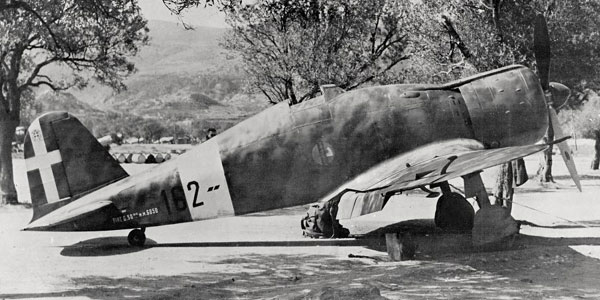
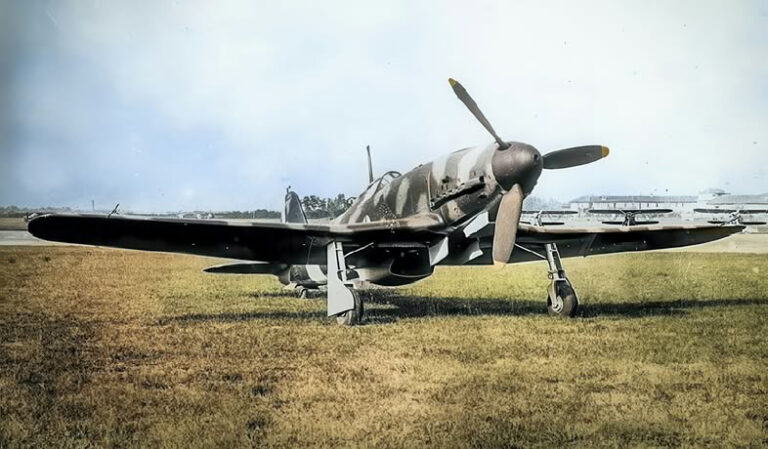
The Fiat G.55 Centauro is the aircraft you point to when someone says “Italy couldn’t build world-class fighters.” This was a late-war Italian design that combined strong firepower, excellent handling and high-altitude performance — a serious interceptor by any standard. As an Italian WW2 fighter, the G.55 represents the Regia Aeronautica at its technological peak, arriving not because Italy lacked capability, but because war and industry took time to converge.
Technically, the G.55 was built around a powerful inline engine and a robust airframe with good climb and manoeuvrability. It carried heavier armament than earlier Italian fighters, reflecting the increased demands of late-war air combat against bombers and heavily armed escorts. Pilots valued its stability and combat performance, and it earned a reputation as one of the best Axis fighters of the period.
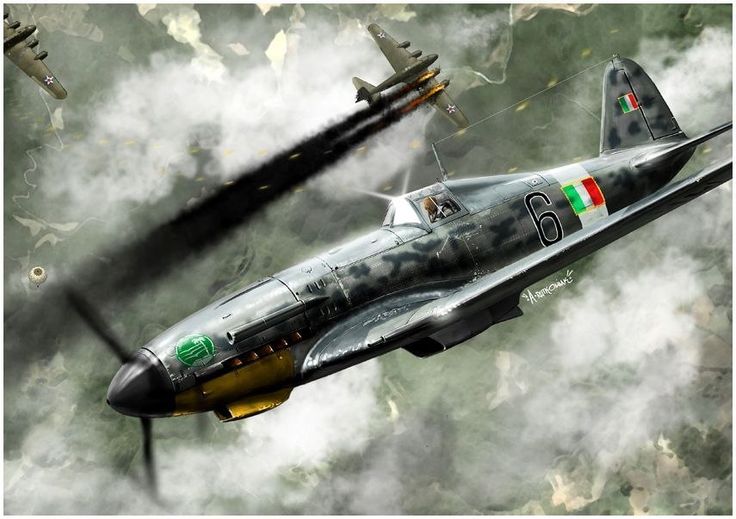
Operationally, the G.55 saw service in the defence of Italy during the later phases of the war, a brutal environment dominated by Allied numerical superiority and sustained bombing pressure. Numbers were limited — and that limitation fuels the myth that “Italy never had the good stuff.” The reality is harsher: the good stuff arrived when Italy was already collapsing strategically.
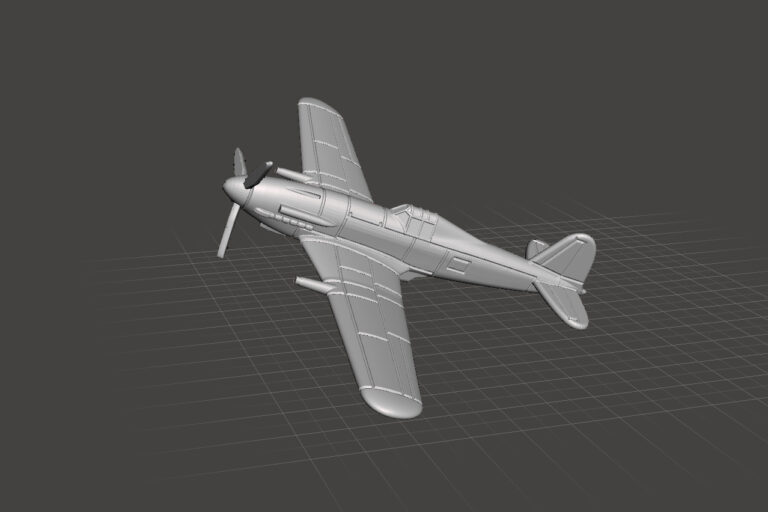
For modellers and wargamers, the G.55 is a premium late-war centrepiece. It fits Italian mainland defence scenarios, high-altitude interception missions and mixed Axis formations. On the tabletop, it supports narrative campaigns around bomber interception, desperate defensive sorties and late-war attrition. If you want a single aircraft that dismantles the trope in one silhouette, this is it.
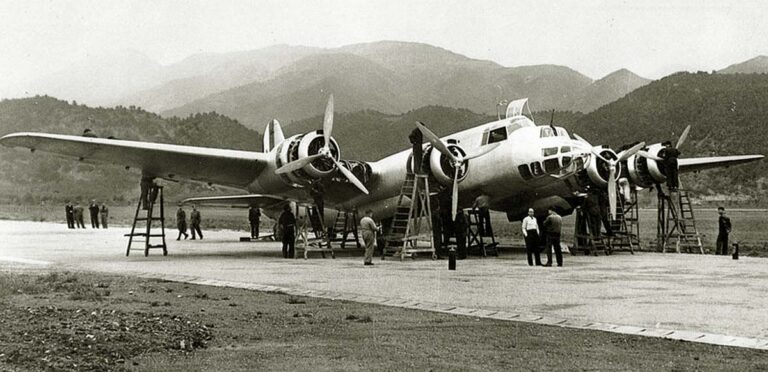
Piaggio P.108b
The Piaggio P.108b was Italy’s only four-engined heavy bomber to enter operational service during the Second World War. Designed as a strategic counterpart to Allied heavies, it combined long range with substantial payload capacity, reflecting Italian ambitions to project power beyond the Mediterranean basin effectively.
The aircraft featured a distinctive glazed nose, dorsal and ventral turrets, and remotely controlled wing turrets—an advanced concept for its time. Powered by four Piaggio radial engines, it promised impressive performance on paper, yet persistent reliability issues limited its operational impact throughout the conflict period.
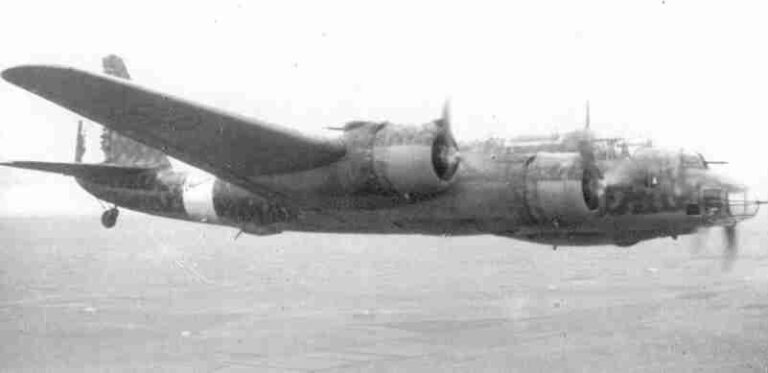
Operational P.108Bs conducted long-range bombing raids against Gibraltar and targets in North Africa, attempting to demonstrate Italy’s strategic reach. Crews faced heavy defences and technical shortcomings, and losses were difficult to replace given limited production and industrial constraints within wartime Italy at that time overall.
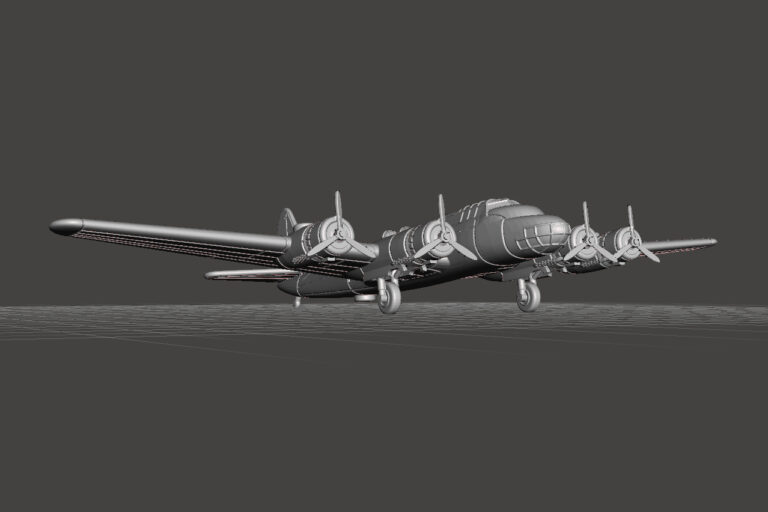
Although produced in small numbers, the P.108B symbolized Italy’s determination to field a true heavy bomber despite economic and technological limitations. Its mixed record illustrates both innovative thinking and structural weakness within the Regia Aeronautica’s wartime procurement, doctrine, and industrial capacity during the global conflict.
IMAM Ro.37bis
The IMAM Ro.37bis is the kind of aircraft that quietly wins wars while fighters take the posters. As an Italian WW2 reconnaissance aircraft, it served in the unglamorous but decisive role of army cooperation: spotting enemy movement, directing artillery fire, and providing real-time battlefield intelligence. If you want to understand how Italy fought, you need to understand aircraft like the Ro.37bis — because information is force multiplication.
Technically, the Ro.37bis was a rugged biplane with excellent low-speed handling and endurance, ideal for observation and liaison. It wasn’t built to outrun fighters; it was built to operate from rough strips, loiter over the battlefield, and return with actionable information. In the environments Italy often fought in — deserts, mountains, and dispersed fronts — those attributes mattered enormously.
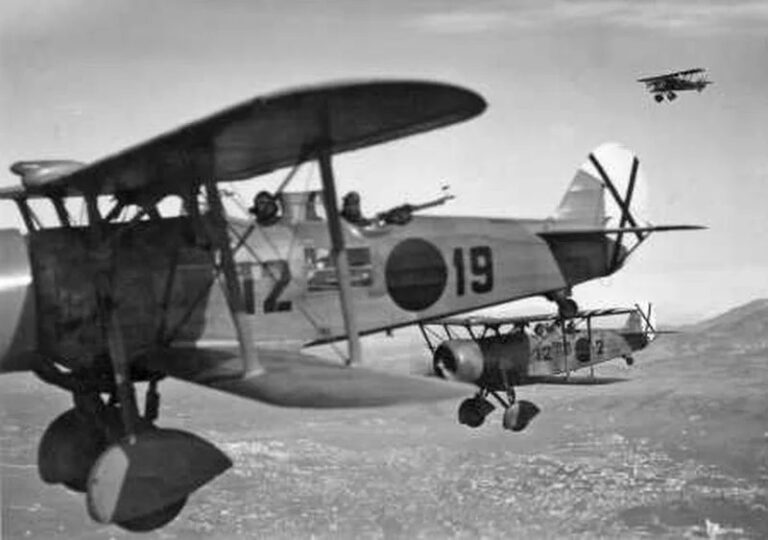
Operationally, the Ro.37bis saw extensive service in North Africa and other theatres where reconnaissance and artillery spotting were constant necessities. These aircraft worked close to the ground and close to danger, often exposed to ground fire and interception. Their survival depended on tactical routing, altitude discipline and, sometimes, sheer nerve — a reminder that not all bravery in air war is found in dogfights.
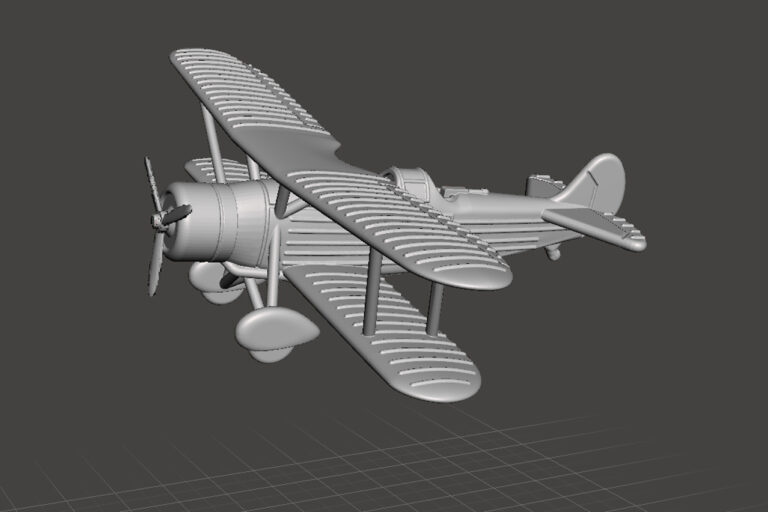
For modellers and wargamers, the IMAM Ro.37bis is perfect for reconnaissance-driven scenarios: spotting objectives, directing artillery, locating convoys, or triggering air strikes. It adds realism to campaign play, because it represents the aircraft that makes everything else work. If your Italian air force only fields fighters and bombers, you’re missing the operational connective tissue — and this aircraft provides it.
IMAM Ro.43 Floatplane
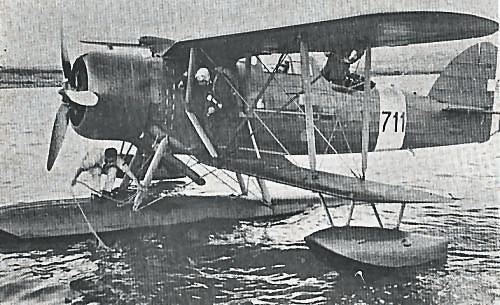
The IMAM Ro.43 is one of the most important aircraft types for understanding how Italy fought the Mediterranean war: not just in the air, but across the sea lanes. As an Italian WW2 floatplane, the Ro.43 served primarily as a ship-launched reconnaissance aircraft — the eyes of cruisers and battleships operating in a theatre where finding the enemy often mattered more than out-turning them.
Designed for catapult launch and maritime recovery, the Ro.43 prioritised range, stability and observation capability. It wasn’t a high-performance fighter, and it wasn’t meant to be. Its mission was to locate convoys, spot naval gunfire, report fleet movements and extend the reconnaissance reach of the Regia Marina far beyond the horizon. In the Mediterranean, that role was strategically critical.
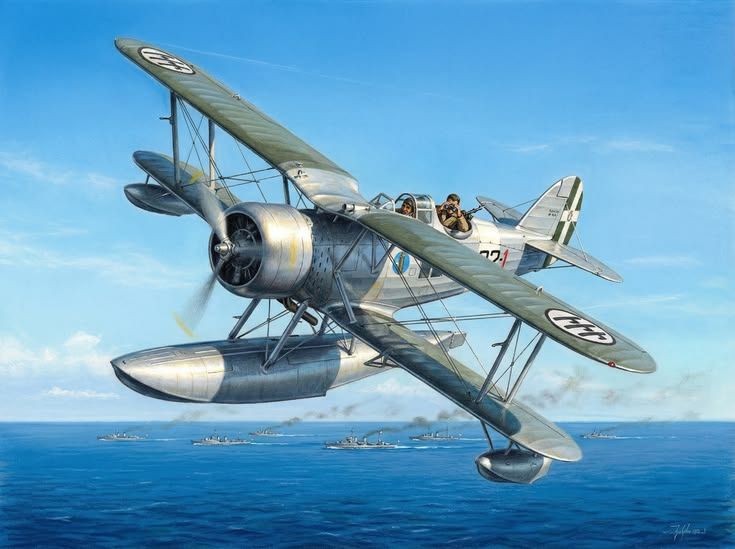
Operationally, Ro.43 floatplanes were used throughout the war for naval scouting and coastal patrol duties. They supported fleet actions, convoy interception efforts, and maritime surveillance around islands and choke points. The air war at sea is often a war of detection and timing — and floatplanes like the Ro.43 were central to that chessboard.
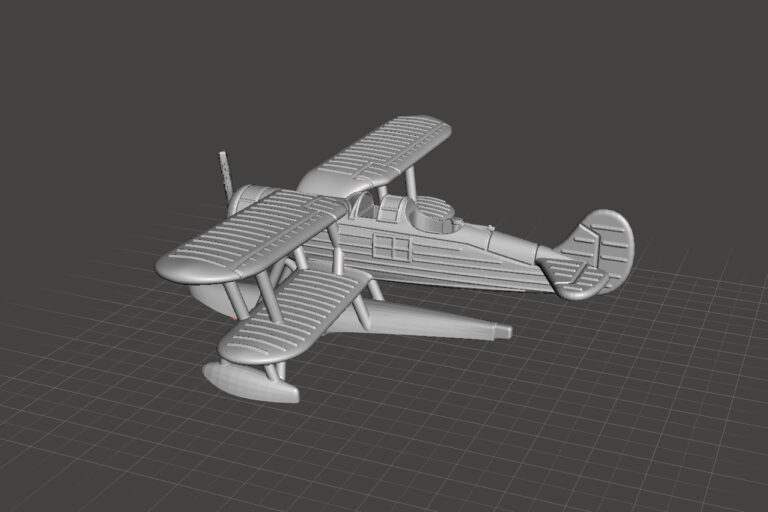
For modellers and wargamers, the IMAM Ro.43 opens up brilliant scenario possibilities: naval reconnaissance missions, convoy spotting, fleet engagement setup, or coastal patrol objectives. It also expands the Italian air story beyond land-based fighters and bombers, showing how aviation supported sea power in the Mediterranean. If your campaign includes convoys, islands, or naval gunfire, this floatplane belongs in the narrative.
Macchi C.200 'Saetta'
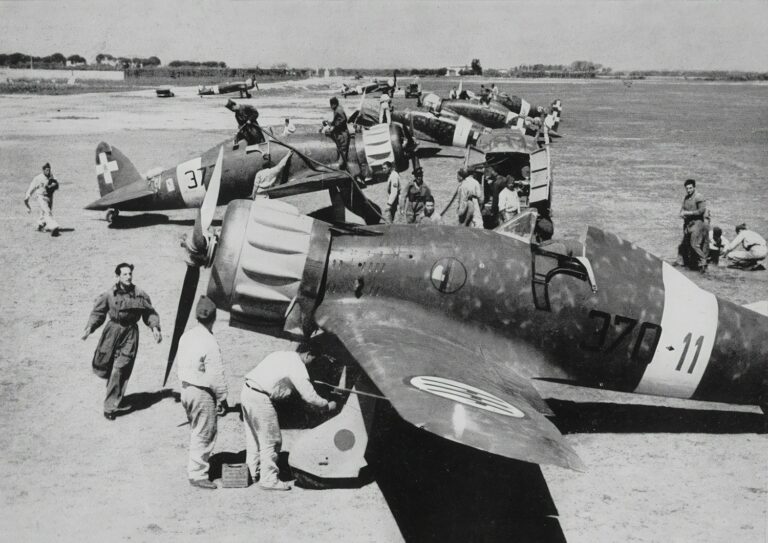
The Macchi C.200 “Saetta” is where the Regia Aeronautica truly steps into the modern fighter era. Sleek, all-metal and built for speed and manoeuvre, the C.200 dismantles the idea that Italy lagged helplessly behind. As an Italian WW2 fighter aircraft, it provided a stable, reliable platform that could compete effectively in early-war conditions — particularly at low to medium altitude where much Mediterranean combat actually occurred.
Technically, the C.200 was known for excellent handling and structural strength. Pilots appreciated its stability and forgiving flight characteristics, even if its armament and engine power reflected the constraints of its time. In desert conditions especially, reliability mattered just as much as raw performance, and the Saetta proved itself capable of operating in harsh environments where maintenance margins were thin.
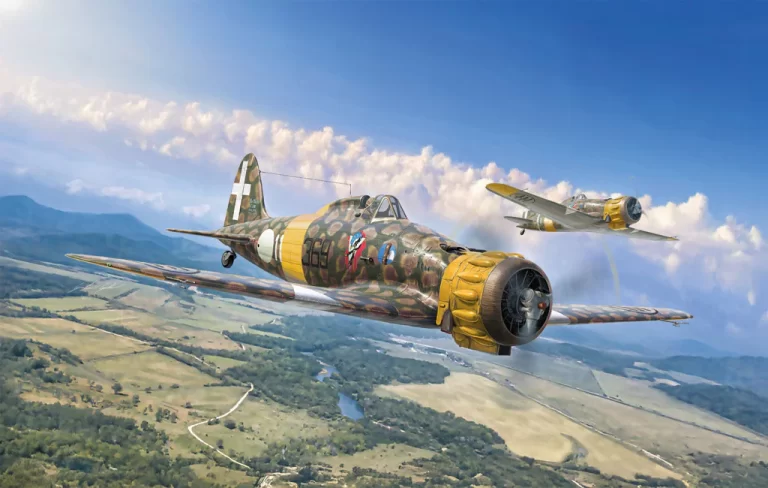
Operationally, the Macchi C.200 served extensively in North Africa and the Mediterranean, engaging British Hurricanes and other Allied aircraft. While not flawless, it was far from obsolete. In many engagements, pilot skill and tactical positioning determined the outcome more than a small performance margin. It became one of the backbone fighters of Italian air operations during the early and mid-war years.
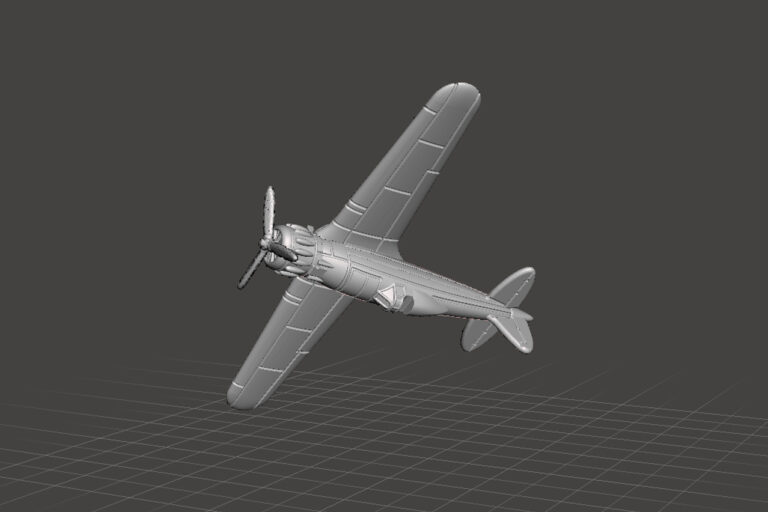
For modellers and wargamers, the C.200 Saetta is a core aircraft for Mediterranean and North Africa scenarios. It fits convoy escort, desert interception and airfield defence missions perfectly. Visually elegant and historically significant, it represents the turning point in Italian fighter design — the moment when the “biplane stereotype” gives way to modern monoplane reality.
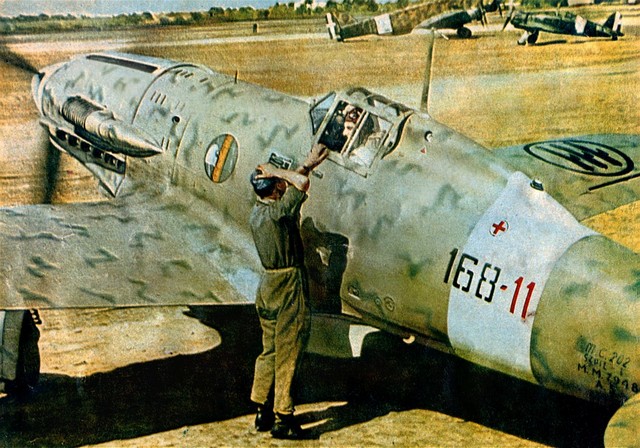
Macchi C.202 'Folgore'
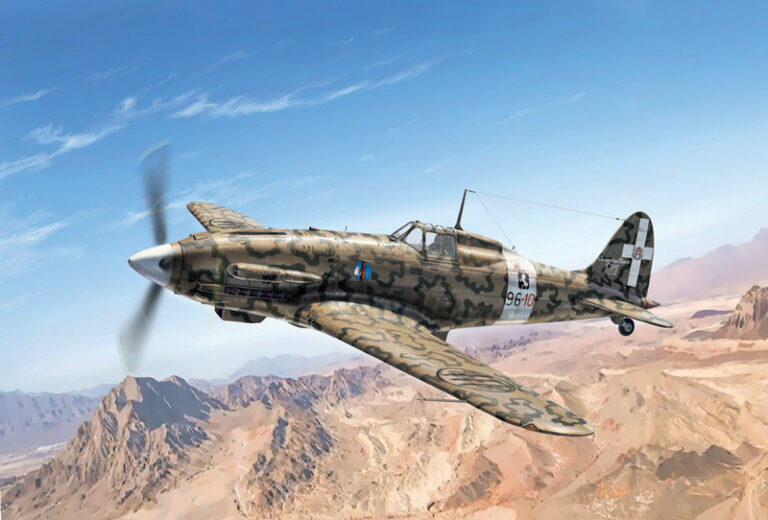
Operationally, the Folgore saw extensive action in North Africa, over Malta, and in the defence of Italy. Allied pilots quickly learned that the C.202 was not a soft target. In many respects, it marked the moment when Italian fighter design fully aligned with modern air combat standards — proof that industrial scale, not engineering talent, was the true limiting factor.
During the Second World War, the 100/22 appeared in a variety of formations and theatres, often reinforcing divisional fire support or serving in semi-static roles where a reliable medium howitzer could grind away at targets. In North Africa, it contributed to defensive and deliberate operations when supply allowed; in Italy and the Balkans, it could be positioned to exploit terrain and deliver sustained bombardment over time.
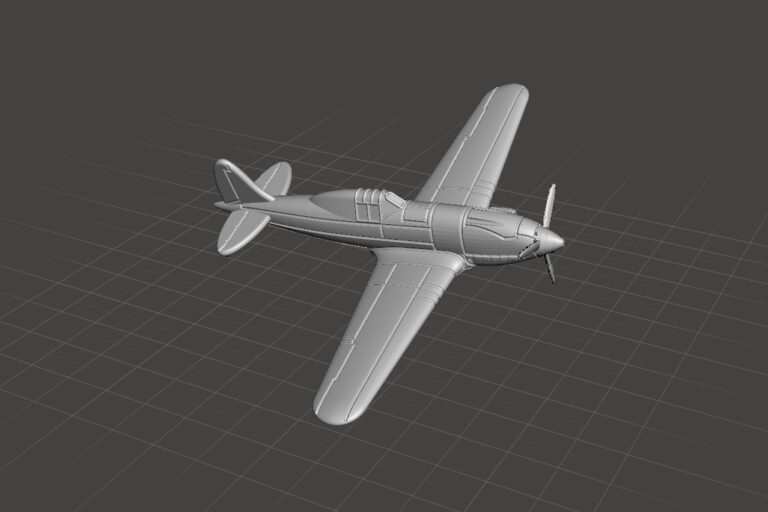
For modellers and wargamers, the Macchi C.202 is essential for mid-war Mediterranean campaigns. It supports air superiority missions, bomber escort roles and island defence scenarios. On the tabletop, it represents Italian air power at its most competitive — a sleek, capable fighter that challenges the tired narrative and elevates any Regia Aeronautica collection.
Reggiane Re.2002 'Ariete’
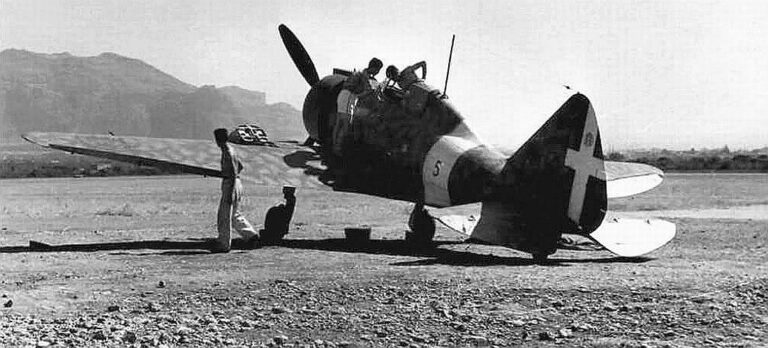
The Reggiane Re.2002 “Ariete” is a perfect example of Italian aviation adapting to wartime reality. While earlier fighters focused on air-to-air combat, the Ariete was developed as a fighter-bomber — built to strike ground targets, shipping and tactical objectives. As an Italian WW2 ground attack aircraft, it reflects the shift toward multi-role flexibility as the strategic situation intensified.
Technically, the Re.2002 combined solid handling with the ability to carry bombs and operate effectively at lower altitudes. It wasn’t designed purely to dogfight at high altitude; its strength lay in delivering ordnance against ground and naval targets while retaining respectable fighter characteristics. In Mediterranean warfare — where sea lanes, ports and coastal positions were constant objectives — that versatility was invaluable.
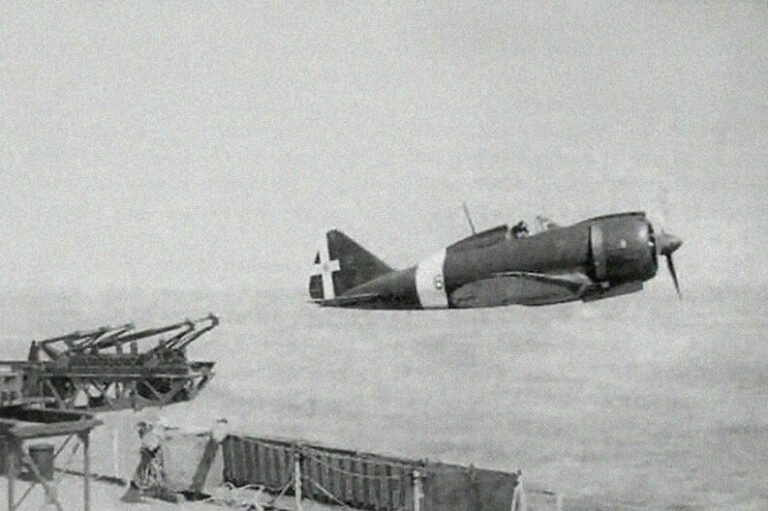
Operationally, the Ariete saw action in the Mediterranean and during the defence of Italy, including anti-shipping and ground attack roles. By this stage of the war, Allied air superiority was increasing, which placed enormous pressure on Italian strike aircraft. Even so, aircraft like the Re.2002 demonstrated that Italian design capability had matured into competent, flexible combat platforms.
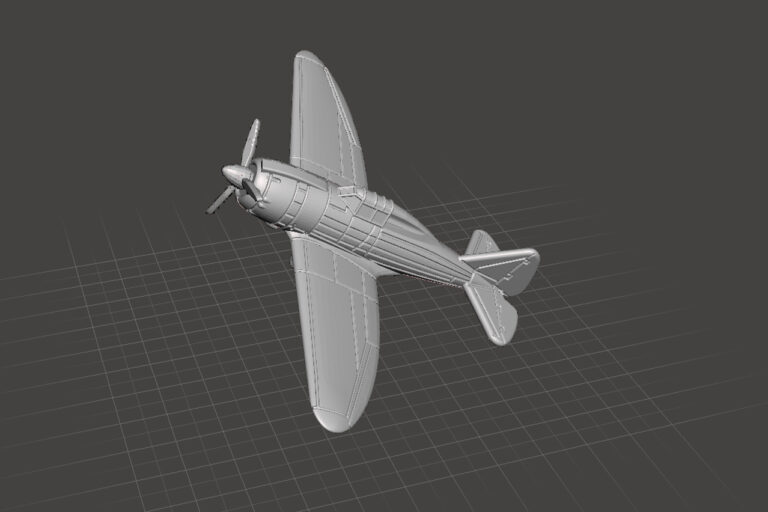
For modellers and wargamers, the Re.2002 is ideal for coastal strike missions, naval interdiction scenarios and battlefield support games. It adds depth to late-war Italian air forces by representing the ground-attack dimension rather than pure interception. On the tabletop, it enables convoy strikes, amphibious assault disruption and close air support — reinforcing the idea that Italian air power evolved, rather than stagnated.
Savoia-Marchetti SM.62
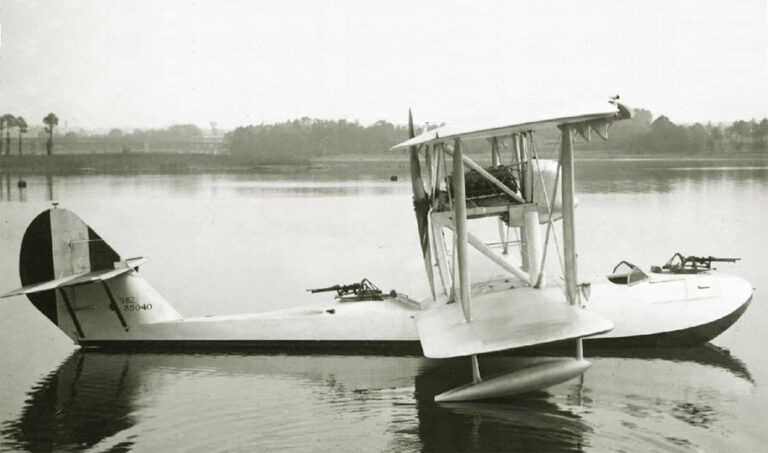
The Savoia-Marchetti SM.62 represents the maritime dimension of the Regia Aeronautica — a side of Italian air power that is often overlooked in favour of fighters and bombers. As an Italian WW2 seaplane, the SM.62 served in coastal patrol, reconnaissance and general maritime support roles in a theatre where control of sea lanes was strategically decisive.
Designed as a flying boat, the SM.62 prioritised endurance, seaworthiness and operational flexibility over speed. It could patrol coastlines, search for convoys, provide reconnaissance for naval forces, and support operations around islands and ports. In the Mediterranean, where visibility and timing could determine whether convoys lived or died, maritime patrol aircraft played a crucial role in the wider operational system.
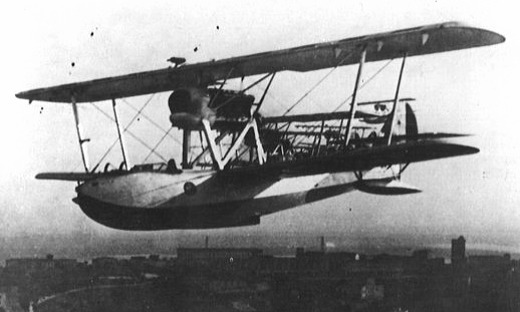
Operationally, aircraft like the SM.62 served in the Mediterranean and coastal zones, supporting surveillance and patrol activity that rarely makes dramatic headlines but shapes campaign outcomes. The ability to locate shipping, report movements, and maintain presence over key maritime areas was essential — especially for an Axis power operating under constant convoy pressure.
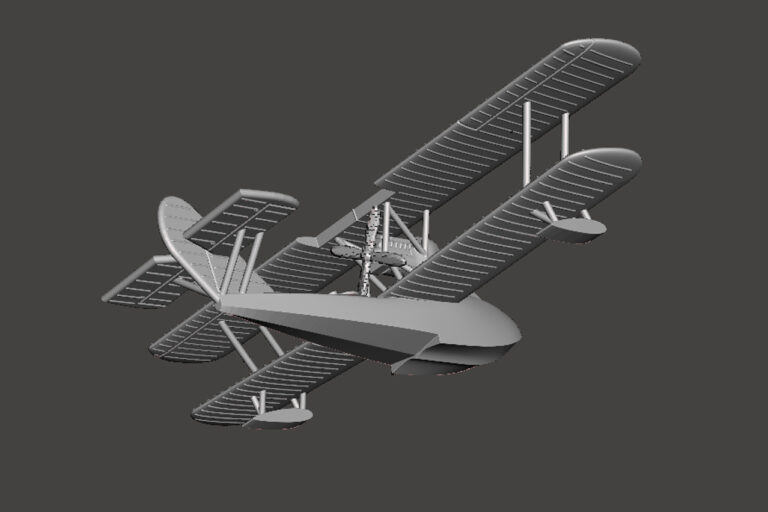
For modellers and wargamers, the SM.62 is ideal for naval-focused campaign scenarios: convoy spotting, coastal patrol missions and island theatre operations. It broadens an Italian WW2 air collection beyond land-based combat aircraft, reinforcing the combined air-sea character of the Mediterranean war. If your tabletop narrative includes convoys, ports or fleet actions, this seaplane brings authenticity and variety.
Savoia-Marchetti Sm.79 'Sparviero'
If you want one aircraft that demolishes the “Italian air force was ineffective” trope on contact, it’s the Savoia-Marchetti SM.79 Sparviero. This was not a second-rate bomber — it was one of the most effective torpedo bombers of the entire Second World War. In the Mediterranean, where shipping and convoys were strategic lifelines, the SM.79 became a weapon that Allied sailors and commanders learned to respect.
Technically, the SM.79 combined speed with a robust airframe and the ability to carry torpedoes for anti-shipping strikes. Its “tri-motor” layout provided redundancy over water and helped with stability and range. While defensive armament could not guarantee survival against modern fighters, the Sparviero’s real protection was tactical: low-level approaches, coordinated attack profiles, and crews trained for high-risk maritime strikes.
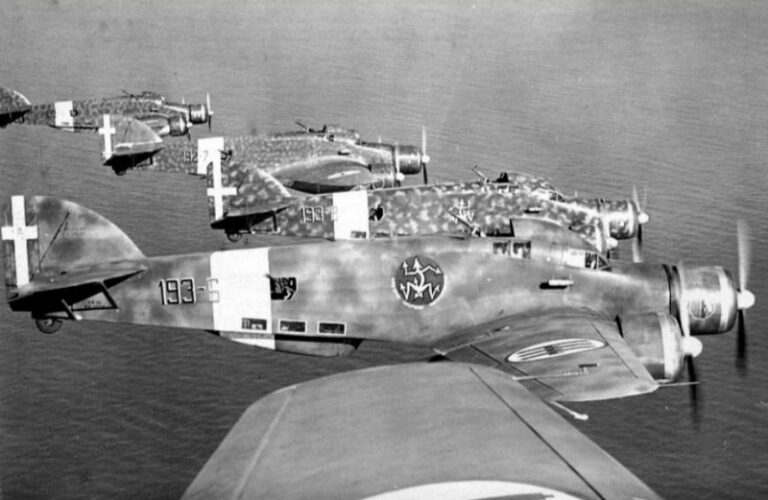
Operationally, SM.79 torpedo units achieved real results against Allied shipping in the Mediterranean. This was a theatre where success was measured in sunk tonnage, disrupted supply schedules, delayed offensives and forced rerouting — and the Sparviero contributed materially to that contest. These missions were among the most dangerous in the war: low, fast, and straight into concentrated flak.
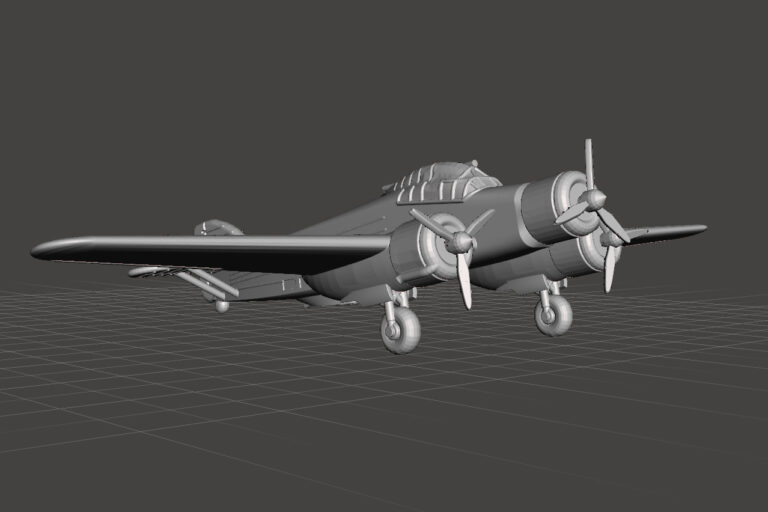
For modellers and wargamers, the SM.79 is a headline centrepiece for Italian WW2 aircraft collections. It supports convoy attack scenarios, Malta supply runs, port strike missions and naval campaign play. On the tabletop, it is pure cinematic tension: can it reach torpedo release range under fire, and can it escape? Few aircraft offer such a perfect blend of historical impact, narrative drama and unmistakable Italian identity.
Savoia-Marchetti Sm.81 'Pipistrello’
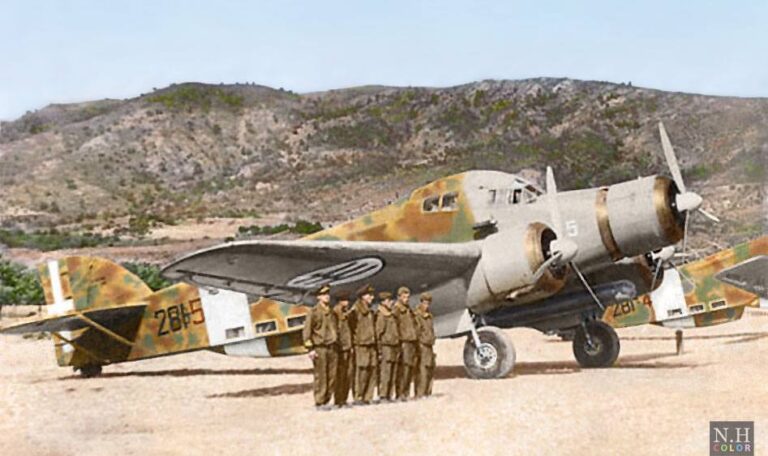
The Savoia-Marchetti SM.81 “Pipistrello” is often written off as outdated — and yes, it was an older design by 1940 — but calling it “useless” misses what it actually did. As an Italian WW2 bomber and transport aircraft, the SM.81 was a rugged, dependable workhorse used for the missions that keep a war effort alive: moving troops, hauling supplies, and delivering bombs where air opposition was limited.
Technically, the SM.81 was a tri-motor aircraft with strong range and useful payload capacity. In early-war conditions and secondary theatres, it could still perform effective bombing missions. As the war intensified and air defences improved, it increasingly shifted toward transport and support roles — exactly the same trajectory seen with many early-war bombers across all nations.
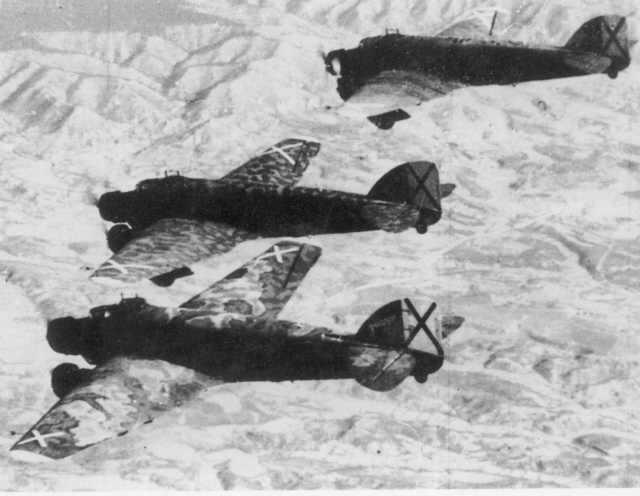
Operationally, the Pipistrello served extensively in North Africa and colonial theatres, where logistics and reinforcement were constant needs. Transport aircraft don’t get the glamour, but they deliver operational capability: garrisons supplied, units redeployed, ammunition moved, wounded evacuated. The SM.81’s long service life is less a sign of stagnation and more proof that it remained useful across multiple mission sets.
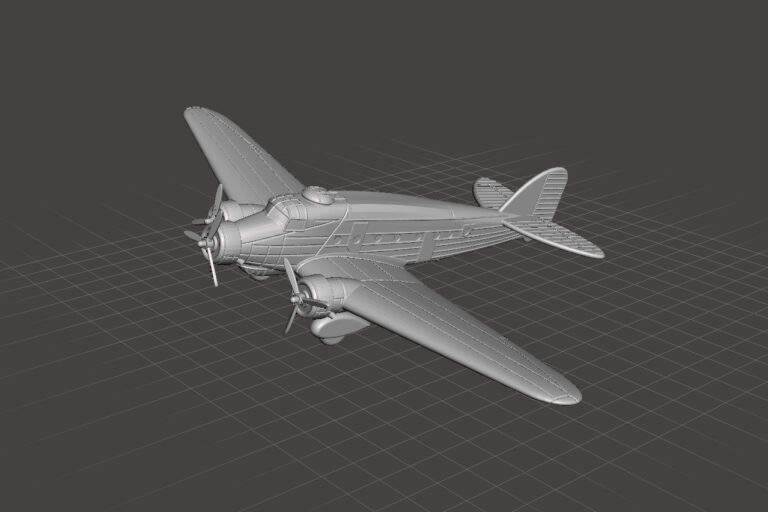
For modellers and wargamers, the SM.81 is perfect for campaign play: airlift missions, supply drops, reinforcement flights, and early-war bombing raids. It adds depth to an Italian WW2 air force by representing the backbone roles rather than just the headline fighters. If the SM.79 is the spear, the SM.81 is the cart — and wars don’t move without the cart.
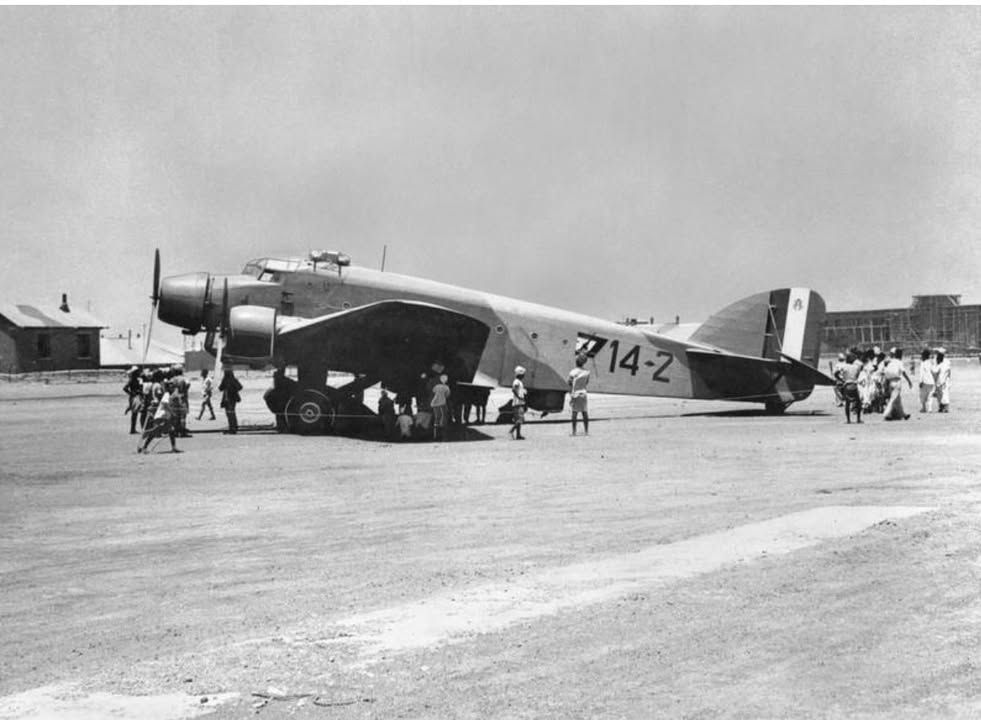
Final Thoughts from Bayonets & Brushes
The Regia Aeronautica was not a cartoon air force flying relics into inevitable defeat. It was a force shaped by geography, doctrine and industrial limitation — and within those constraints, it produced aircraft that were innovative, capable and, in certain roles, highly effective. The story of Italian WW2 aircraft is not one of ignorance. It is one of timing, scale and strategic pressure.
From the agile Fiat CR.32 in Spain to the formidable Macchi C.202 Folgore, from the torpedo strikes of the SM.79 Sparviero to the late-war promise of the Fiat G.55 Centauro, Italian aviation evolved continuously. The transition from biplanes to modern monoplanes happened. The move from light bombers to dedicated maritime strike platforms happened. The refinement of fighter performance absolutely happened.
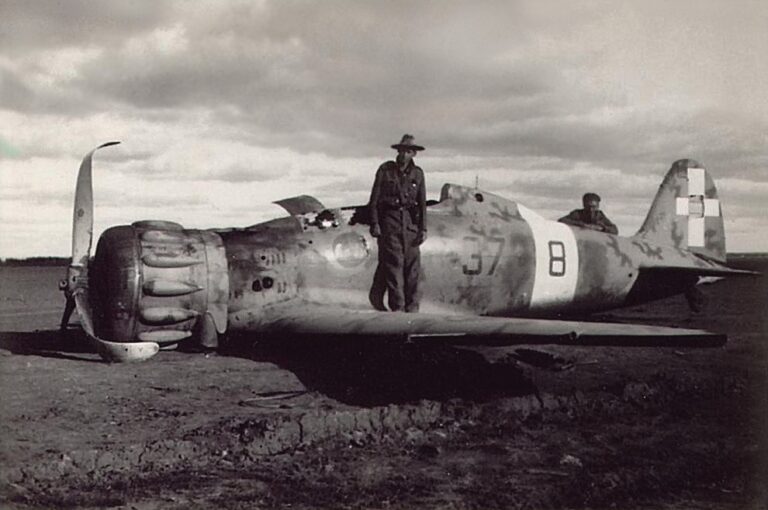
What constrained Italy was not imagination — it was production capacity, engine availability and the accelerating pace of the global arms race. By the time Italy fielded some of its most competitive designs, the strategic situation was already deteriorating. Numbers matter in air war. Industrial depth matters. But design talent and operational bravery were never absent.
For modellers and wargamers, this range opens the full spectrum of Mediterranean and North African air warfare. You can build early-war biplane dogfights, mid-war island defence campaigns, torpedo strikes against convoys, reconnaissance missions over desert columns, and late-war homeland interception scenarios. Italian air power becomes not a footnote — but a fully realised operational system.
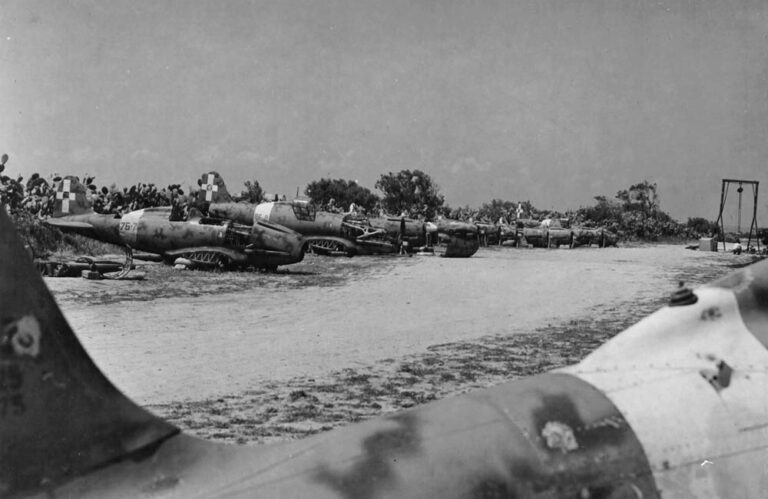
Visually, few air forces offer such stylistic character. Camouflage patterns, tri-motor silhouettes, elegant fighter lines and floatplanes skimming Mediterranean waters all combine to create one of the most distinctive collections in WWII aviation. Italian aircraft bring colour, theatre specificity and narrative variety to the tabletop in a way few other forces can match.
Ultimately, the trope collapses under its own weight. The Regia Aeronautica was not perfect — no air force was — but it was adaptive, ambitious and often dangerously effective in the roles it prioritised. With this Bayonets & Brushes Italian WW2 aircraft range, the story takes flight properly: not as parody, but as history — complex, contested, and absolutely worth revisiting.
Take a look at the full range here: https://bayonetsandbrushes.co.uk/home/store/world-war-ii-air/regia-aeronautica-the-royal-italian-airforce/
At Bayonets & Brushes, we do not merely produce miniatures. We curate ordnance history — in resin and discipline.
And as ever, we remain at your service.