
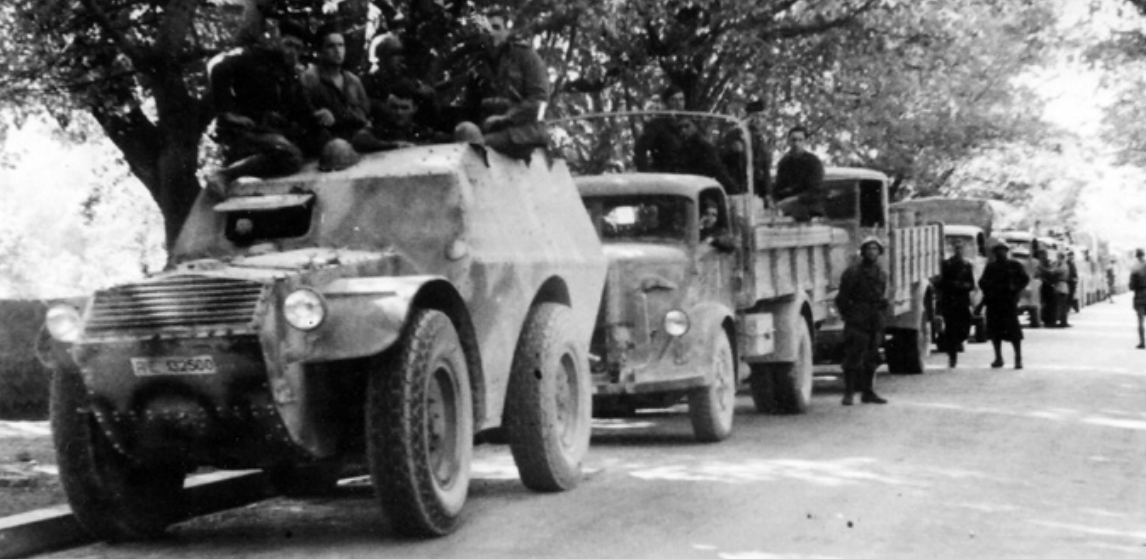
The Italian Vehicles That Kept the Guns Moving
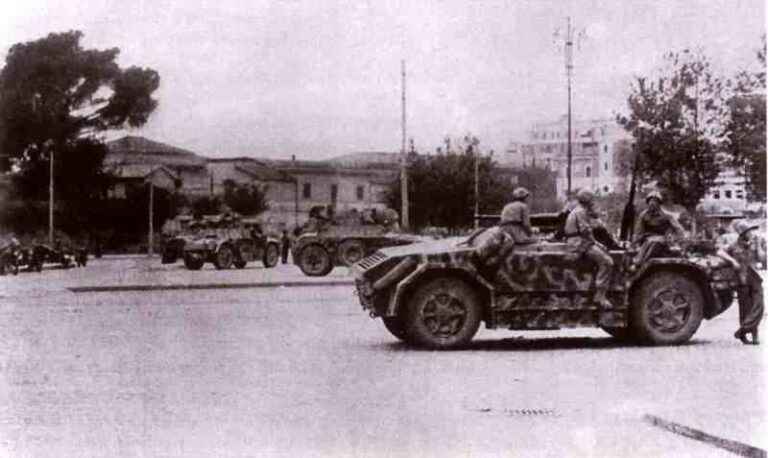
When discussing Italian World War Two vehicles, attention often focuses on tanks, Semoventi and heavy guns. Yet the true backbone of the Regio Esercito was its transport fleet. Italian WW2 softskins, artillery tractors and armoured personnel carriers were not secondary assets — they were the logistical engine that made every campaign possible.
Italian doctrine was shaped by geography. In the Alps, artillery had to be hauled into mountainous terrain. In North Africa, supply lines stretched hundreds of kilometres across open desert. In the Balkans and Italy itself, narrow roads and broken ground dictated vehicle design. As a result, Italian military trucks and tractors prioritised durability, cross-country performance and adaptability over sheer size or luxury.
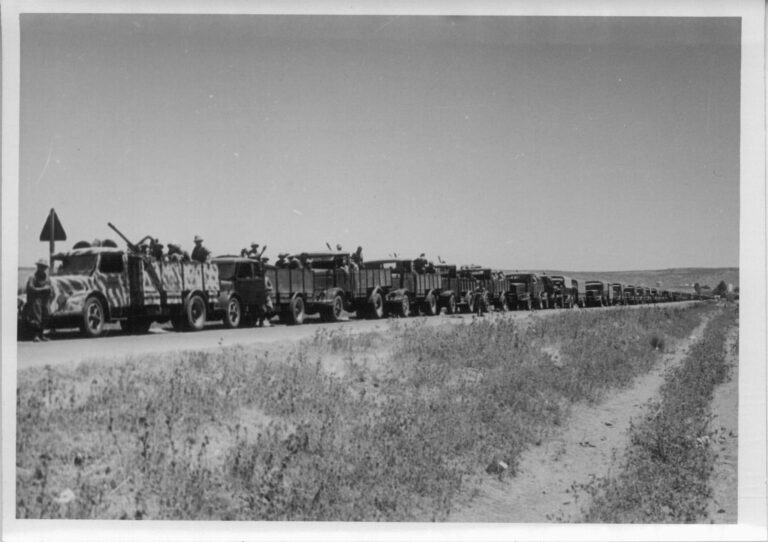
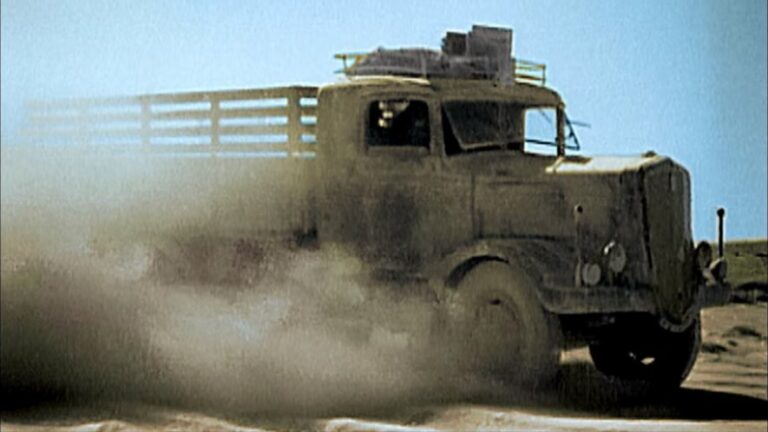
The desert war in particular exposed the critical importance of transport. The convoy was the frontline. Fuel, ammunition and water determined operational tempo. Vehicles such as the Lancia 3RO, Fiat 626, and SPA Dovunque 35 became as strategically important as any tank. Without them, no advance was possible — and no defence sustainable.
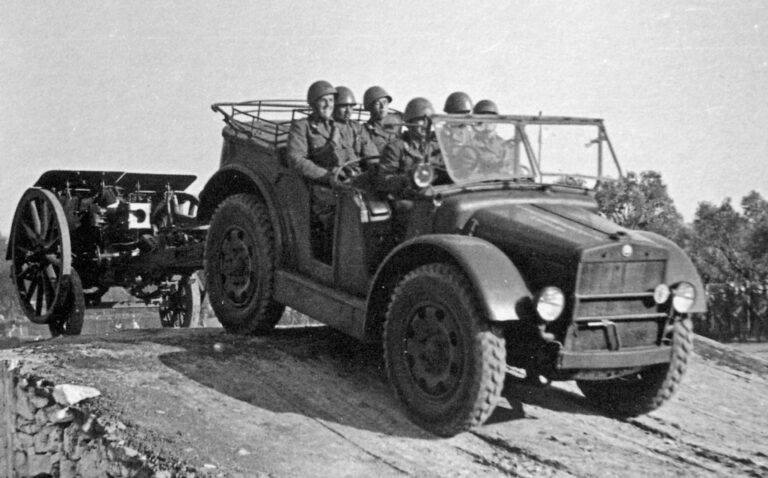
Italian artillery tractors deserve particular attention. The Pavesi P4-100, Breda TP-32, and Fiat SPA TL-37 were engineered to move guns across difficult terrain where conventional trucks would fail. These were not glamorous machines, but they embodied Italy’s emphasis on mobility in mountainous and restrictive environments.
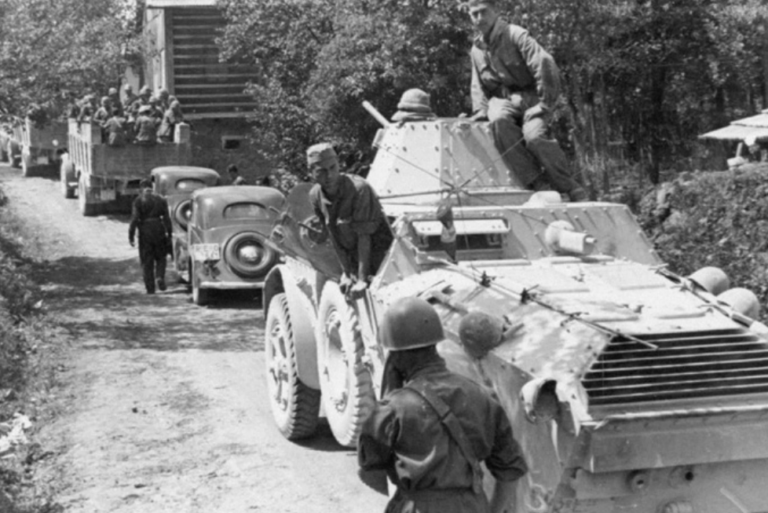
Armoured transport and protected trucks also evolved as threats increased. Vehicles like the Fiat 665NM Protetto and Fiat SPA Autoprotetto S-37 demonstrate Italy’s adaptation to air attack, partisan warfare and convoy vulnerability. They bridged the gap between pure softskin and full armoured fighting vehicle.
Ultimately, Italian WW2 softskins and artillery tractors tell the real story of how Italy fought: mobile where possible, adaptive under pressure, and logistically constrained yet inventive. This new Bayonets & Brushes range brings that often-overlooked backbone into full focus.
An Intro. to our Italian Softskins, Tractors and APC’s
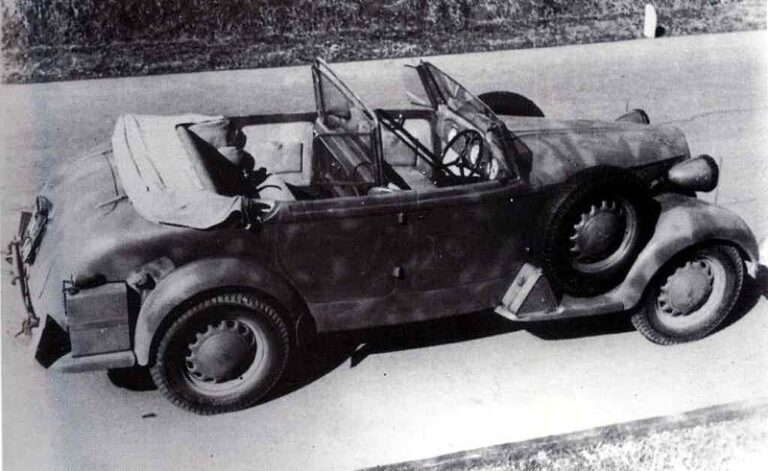
Alfa-Romeo 6C 2500 Coloniale
The Alfa-Romeo 6C 2500 Coloniale was one of the most distinctive Italian staff cars of the Second World War. Developed for colonial service, it combined the elegance of Alfa-Romeo engineering with practical modifications suited to harsh environments such as North Africa. As an Italian WW2 staff vehicle, it symbolised mobility at the command level — ensuring officers could move rapidly between dispersed desert formations.
Mechanically, the 6C 2500 featured a powerful inline-six engine and robust suspension adapted for rough terrain. The “Coloniale” variant incorporated desert modifications, including increased fuel capacity and reinforced cooling systems, essential for long-range operations across the Sahara. It was not an armoured vehicle, but its reliability and speed made it invaluable for reconnaissance liaison, command travel and inspection duties.
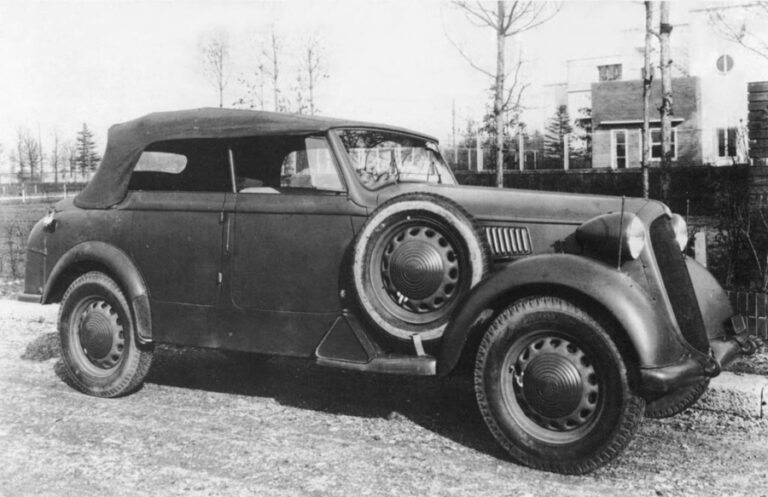
Operationally, the Alfa-Romeo 6C 2500 Coloniale appeared primarily in North Africa, where Italian commanders required rapid communication across vast distances. In a theatre where front lines shifted quickly and supply routes stretched thin, dependable staff cars were critical. The ability to physically move command personnel between units often determined coordination effectiveness.
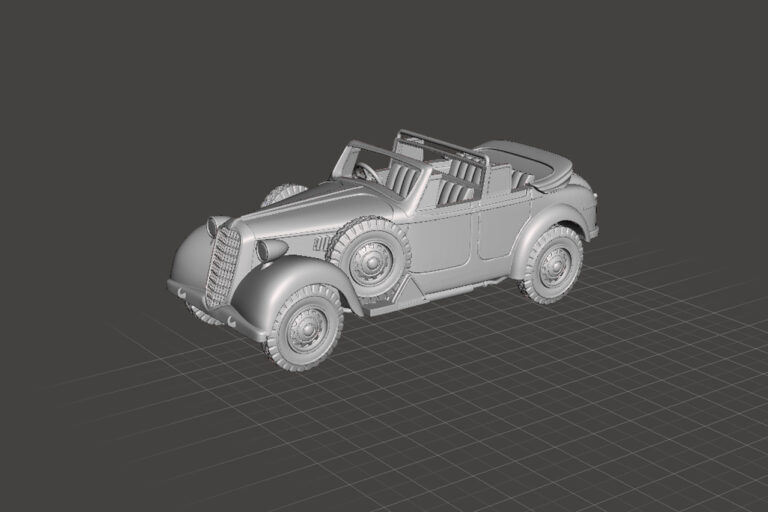
For modellers and wargamers, the Alfa-Romeo 6C 2500 Coloniale adds authenticity to Italian WW2 headquarters elements. Perfect for North Africa campaign scenarios, it enhances command posts, convoy columns and desert dioramas. As a non-combat vehicle, it also opens up narrative mission design — escort the general, intercept a staff movement, or protect the command convoy under air threat. It’s a small vehicle with significant storytelling power.
Alfa-Romeo 800 Truck
The Alfa-Romeo 800 Truck was one of the dependable heavy transport vehicles serving the Regio Esercito during World War Two. As an Italian WW2 military truck, it played a crucial role in sustaining frontline units with fuel, ammunition and personnel across multiple theatres. While overshadowed by more famous models like the Lancia 3RO, the Alfa 800 formed part of the logistical fabric that kept Italian formations operational.
Designed as a robust cargo platform, the Alfa-Romeo 800 offered solid load capacity and road performance. Its straightforward mechanical layout prioritised durability and ease of maintenance — vital qualities in environments such as North Africa, where dust, heat and distance punished fragile equipment. It was not glamorous, but it was dependable, and dependable transport wins wars.
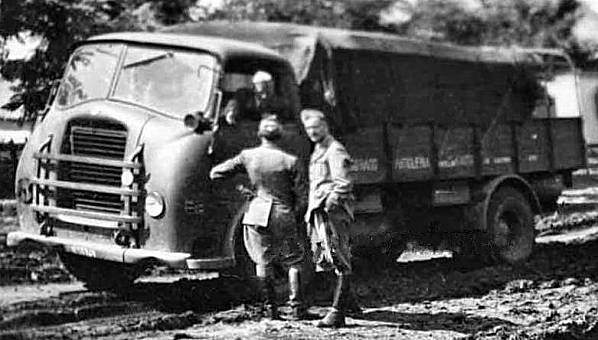
Operationally, trucks like the Alfa 800 appeared in convoy columns across desert supply routes, in Balkan security operations and in homeland logistics. In North Africa in particular, Italian WW2 trucks became frontline assets by necessity. Convoys were frequently targeted by air attack and mobile enemy units, making even “rear-area” vehicles part of the combat equation.
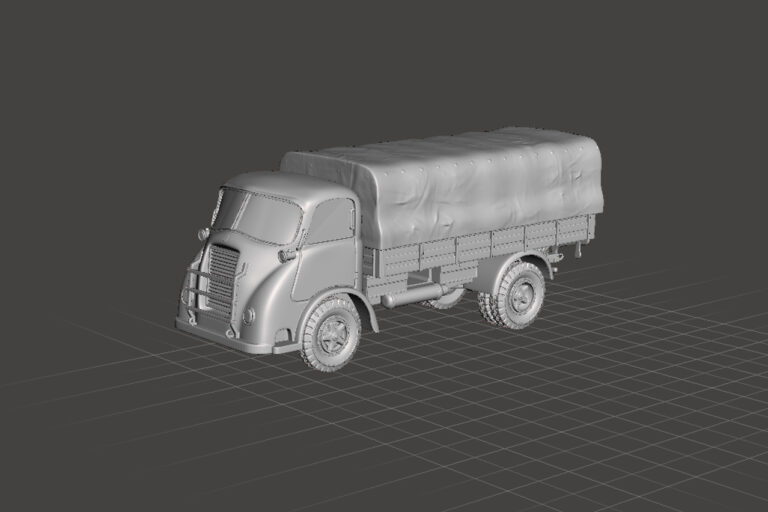
For modellers and wargamers, the Alfa-Romeo 800 Truck is essential for building realistic Italian WW2 convoy and logistics scenes. It complements artillery tractors, armoured vehicles and gun trucks beautifully. On the tabletop, it enables escort missions, supply objectives and campaign scenarios focused on protecting or disrupting Italian transport columns — adding operational depth beyond direct combat units.
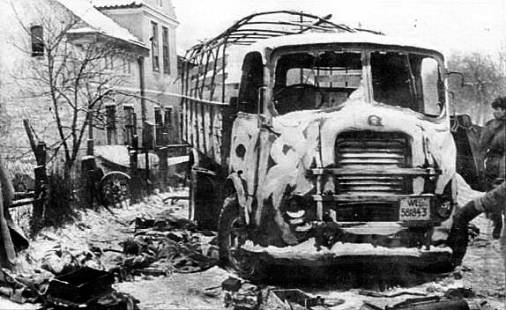
Bianchi Miles Truck
The Bianchi Miles Truck represents the lighter end of Italian World War Two transport — the kind of practical vehicle that carried supplies, crews and equipment across every kind of road Italy fought on. As an Italian WW2 light truck, it supported the daily mechanics of war: moving ammunition forward, carrying rations, shuttling engineering stores, and keeping units fed and functional. These vehicles were the connective tissue of the Regio Esercito.
Light trucks like the Bianchi Miles prioritised simplicity, manageable maintenance and flexible load utility. They were ideal for unit-level logistics where heavier trucks were unnecessary or impractical, particularly in broken terrain or narrow road networks. In theatres like Italy and the Balkans, where roads could be steep, winding and poor, a lighter vehicle could often reach positions that heavy transports struggled to access.
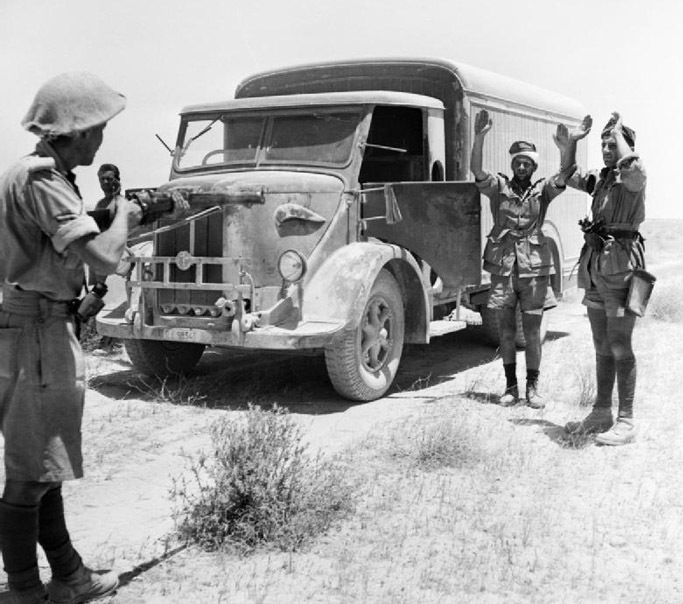
Operationally, the Bianchi Miles type would be found in convoy trains, divisional support columns and rear-area logistics — but “rear area” is a relative term in WWII. In North Africa, supply convoys were routinely attacked from the air and by fast-moving raiders. In the Balkans, ambush threats and partisan warfare made transport vehicles tactical targets. Light trucks therefore became part of the battlefield ecosystem, whether intended or not.
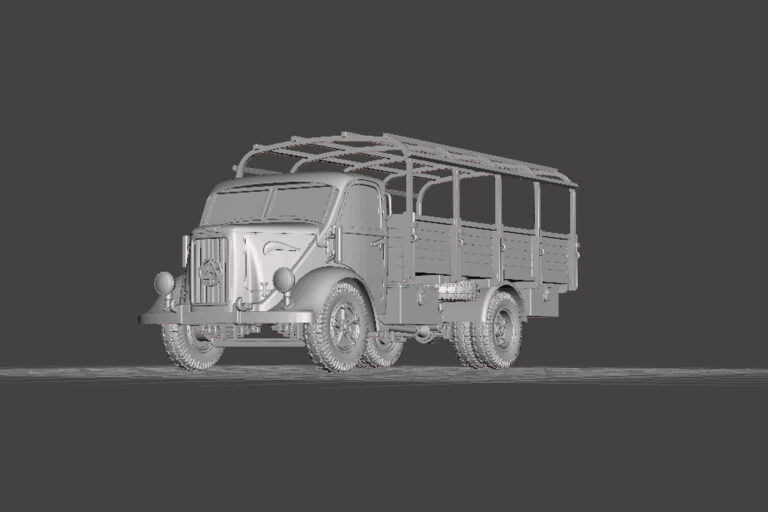
For modellers and wargamers, the Bianchi Miles Truck is a fantastic authenticity builder. It allows you to create Italian WW2 supply columns that look and feel believable, supporting artillery parks, infantry formations and armoured detachments. On the tabletop it’s perfect for escort missions, raid scenarios, and “capture the supplies” objectives — adding narrative and operational realism to Italian forces.
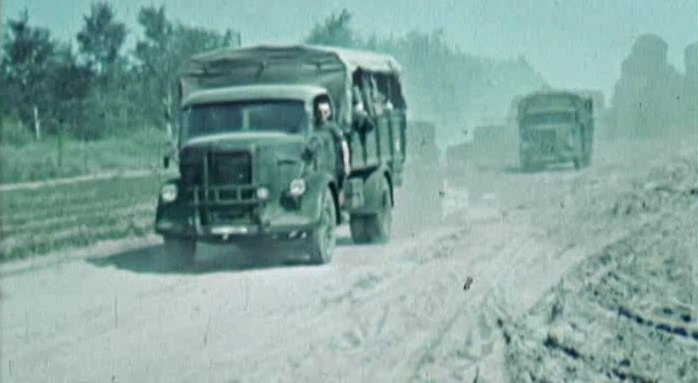
Breda 51
The Breda 51 was part of the broad fleet of Italian World War Two transport vehicles that powered the Regio Esercito’s logistics. In any modern army, trucks are the true operational bloodstream, and Italian WW2 trucks were no exception. The Breda 51’s role was simple but essential: move supplies, move ammunition, move men — and keep doing it under punishing conditions.
As a medium military truck, the Breda 51 balanced payload with mobility. It was suited to the long convoy routes of North Africa, where reliable road performance mattered, and equally relevant in European theatres where mixed surfaces and steep gradients demanded stable handling. Its value lay in its utility: adaptable to cargo transport, troop movement, engineering loads and general support tasks.
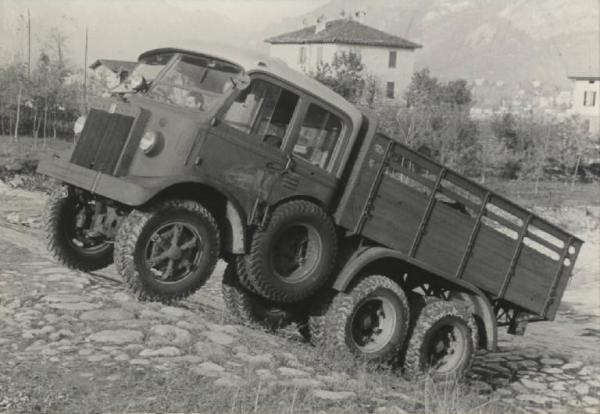
Operationally, vehicles like the Breda 51 would have been a constant presence in supply columns supporting armoured and infantry formations. In the desert war, convoys were frequently contested — strafed by aircraft, ambushed by raiders, or forced to reroute around shifting front lines. In the Balkans and Italy, trucks faced different threats: narrow roads, bridges, mud and partisan activity. The Breda’s job remained unchanged: keep the army moving.
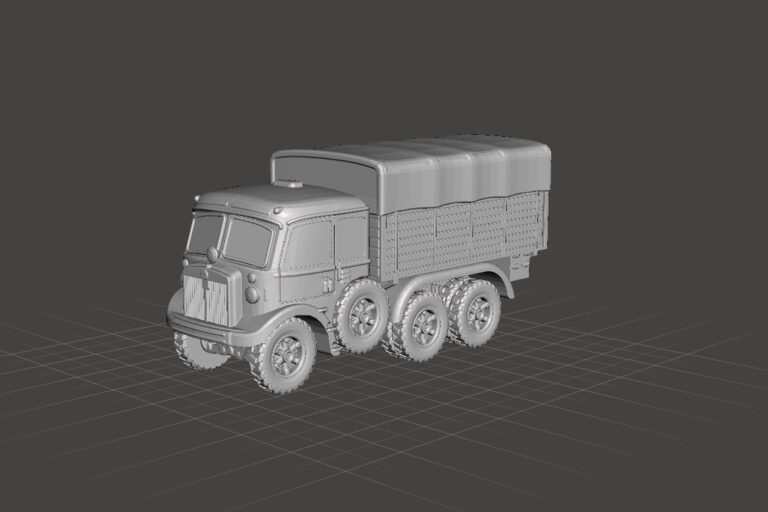
For modellers and wargamers, the Breda 51 adds depth to Italian WW2 force building. It’s perfect for convoy dioramas, logistics-heavy scenarios and campaigns where supply matters. Used alongside gun trucks, artillery tractors and armoured vehicles, it helps tell the real story of how Italian forces fought — not just with tanks and guns, but with the vehicles that made those weapons deployable.
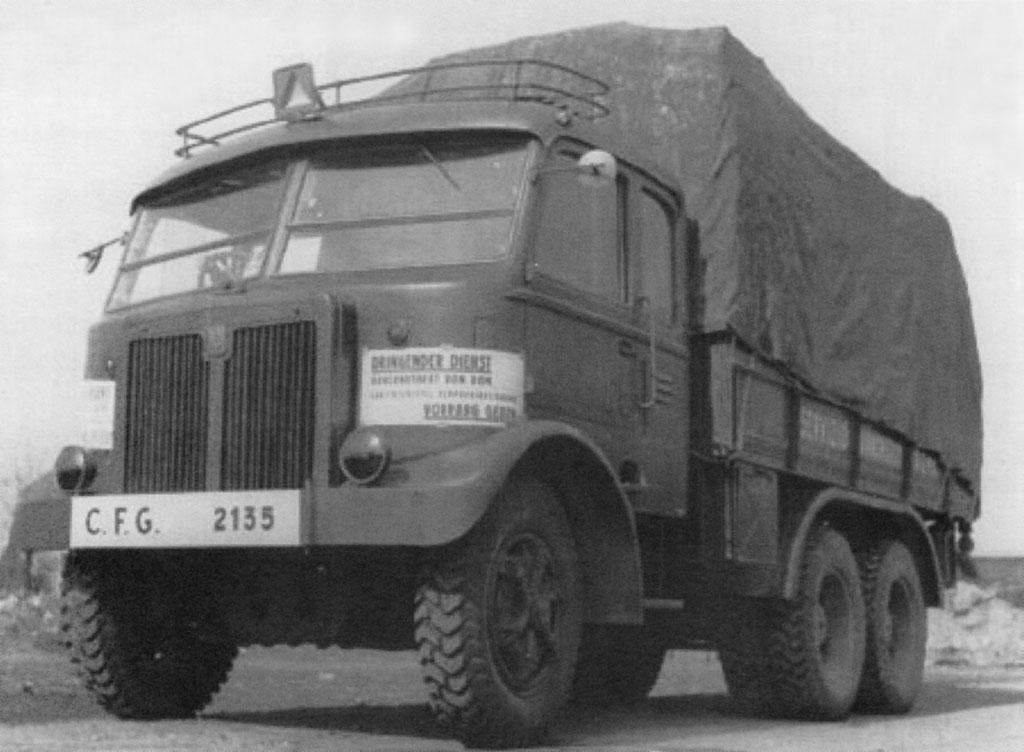
Breda 61 Halftrack Prime Mover
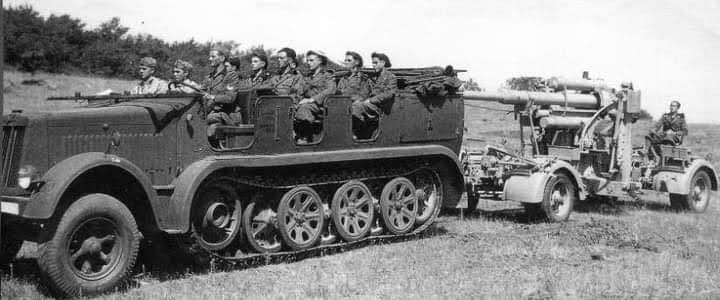
The Breda 61 Halftrack represents Italy’s effort to bridge the gap between wheeled transport and tracked mobility. As an Italian WW2 artillery tractor, it was designed to haul guns across terrain that would defeat conventional trucks while avoiding the full complexity of a tracked vehicle. In theatres where mud, sand or uneven ground dictated movement, halftracks offered a practical compromise.
The Breda 61 combined front-wheel steering with a tracked rear assembly, improving traction and load-pulling capability. This made it particularly suitable for towing medium artillery pieces and heavy equipment. Italian doctrine, shaped by mountain and rough-terrain fighting, valued mobility in difficult landscapes — and vehicles like the Breda 61 embodied that requirement in mechanical form.
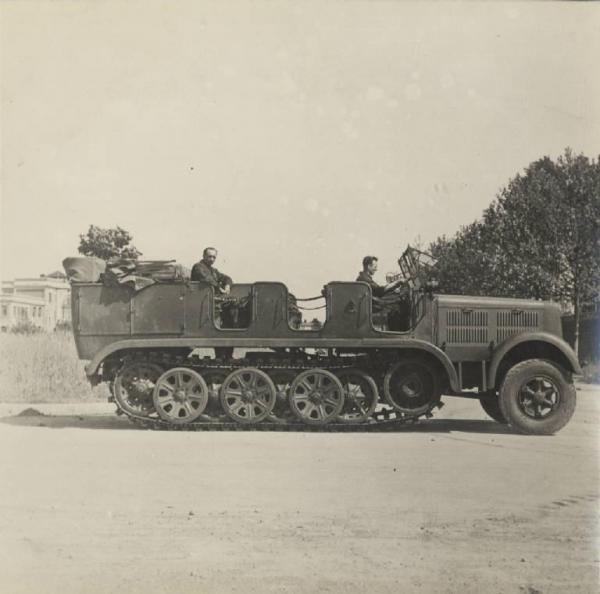
Operationally, halftrack prime movers would have been seen hauling artillery batteries into position in North Africa, Italy and the Balkans. In desert conditions, improved traction reduced the risk of vehicles bogging down while towing heavy guns. In European theatres, they were invaluable when roads deteriorated under weather or combat damage. Their purpose was straightforward: ensure the guns arrived where they were needed.
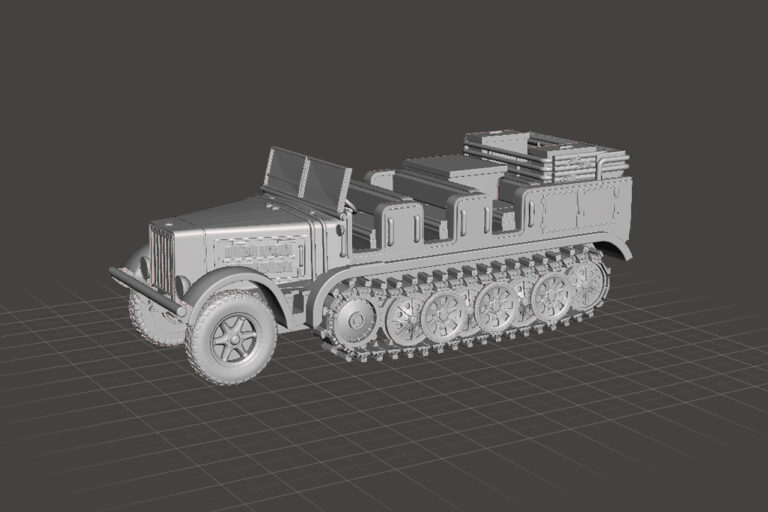
For modellers and wargamers, the Breda 61 Halftrack Prime Mover adds authenticity to Italian artillery formations. It pairs perfectly with 75mm, 100mm or even heavier guns in towing configurations. On the tabletop, it enables dynamic scenarios — redeploy the battery under pressure, rescue a stuck gun, or escort the artillery column through contested terrain. It’s a vehicle that reinforces the logistical realism of Italian WW2 forces.
Breda TP-32 Artillery Tractor
The Breda TP-32 Artillery Tractor was one of the key heavy prime movers used by the Regio Esercito during World War Two. Designed specifically to tow medium and heavy artillery pieces, it reflects Italy’s understanding that firepower is only as effective as its mobility. In a war fought across deserts, mountains and damaged infrastructure, reliable artillery transport was critical.
The TP-32 was engineered for traction and load-pulling capability, making it well suited to hauling heavier guns such as 105mm and 149mm pieces. Its robust chassis and strong engine allowed it to operate in demanding conditions, whether crossing desert tracks in North Africa or navigating steep, winding roads in the Balkans and Italy. It was not glamorous, but it was operationally indispensable.
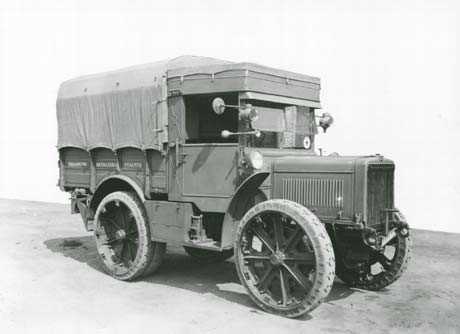
In theatre, artillery tractors like the Breda TP-32 ensured that Italian gun batteries could be repositioned as the front shifted. In North Africa, where battles could expand or collapse over vast distances, the ability to move heavy artillery rapidly was a strategic asset. In mountainous regions, its power allowed guns to be dragged into elevated positions that shaped defensive lines.
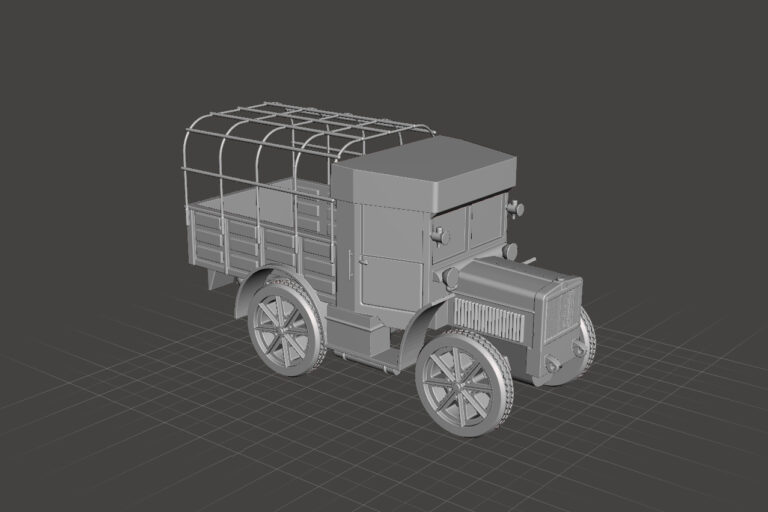
For modellers and wargamers, the Breda TP-32 is essential for building realistic Italian WW2 artillery columns. It pairs perfectly with medium and heavy guns, adding depth to battery deployments. On the tabletop, it enables movement-based objectives — redeploying artillery under threat, escorting gun columns or attempting to capture enemy guns before they can be withdrawn. It reinforces the idea that logistics and mobility win campaigns.
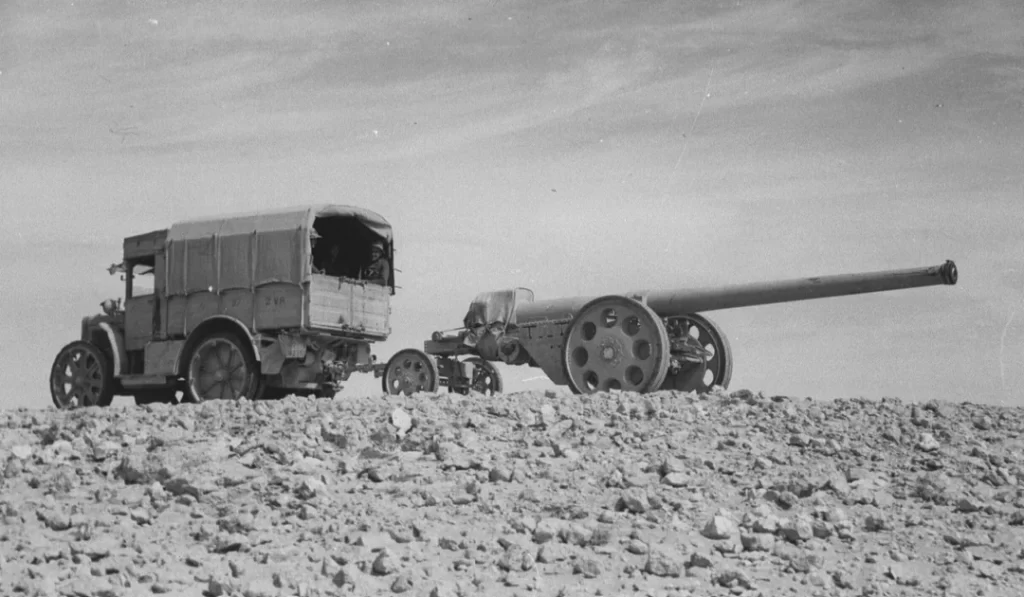
Breda TP-40 Artillery Tractor
The Breda TP-40 Artillery Tractor represents the continued evolution of Italian World War Two heavy artillery transport. Developed to improve upon earlier prime movers, the TP-40 offered enhanced pulling power and durability for hauling medium and heavy guns across difficult terrain. As an Italian WW2 artillery tractor, it reflects the Regio Esercito’s recognition that mobility was essential to sustaining effective fire support.
Designed with heavy-duty towing in mind, the TP-40 was capable of moving substantial artillery pieces, including 149mm and larger calibre guns. Its strong chassis and reliable engine made it suitable for both desert and European conditions. In North Africa, traction and endurance were paramount; in Italy and the Balkans, steep gradients and damaged roads demanded torque and resilience rather than speed.
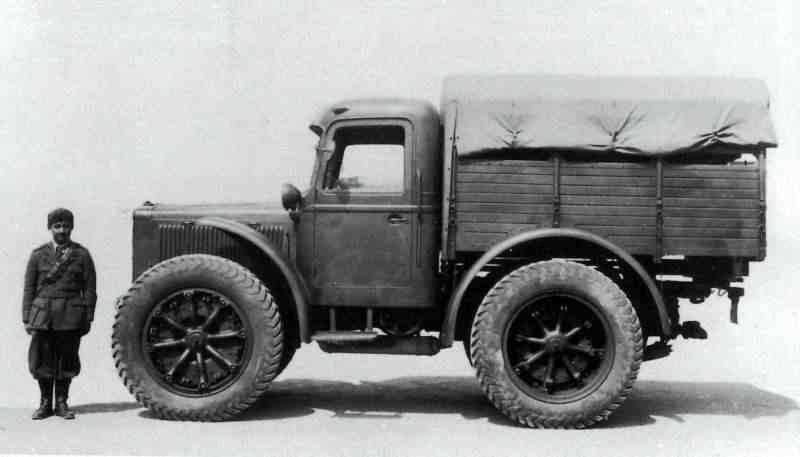
Operationally, tractors like the Breda TP-40 enabled Italian artillery units to reposition under pressure, withdraw heavy guns before encirclement, or reinforce defensive sectors as required. In theatres where static gun lines were vulnerable to air attack and counter-battery fire, the ability to move heavy artillery quickly could be decisive. It was a behind-the-scenes asset that shaped battlefield outcomes indirectly.
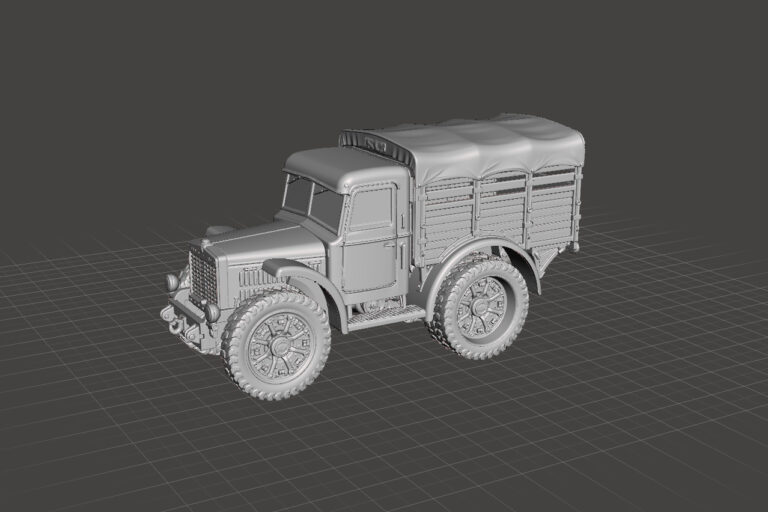
For modellers and wargamers, the Breda TP-40 adds authenticity to heavy artillery batteries and convoy formations. It pairs naturally with 149mm and 210mm guns, enhancing diorama realism and tabletop narrative. In scenario play, it creates opportunities for evacuation missions, gun redeployment under fire, and high-value asset protection — reinforcing the operational depth of Italian WW2 forces.
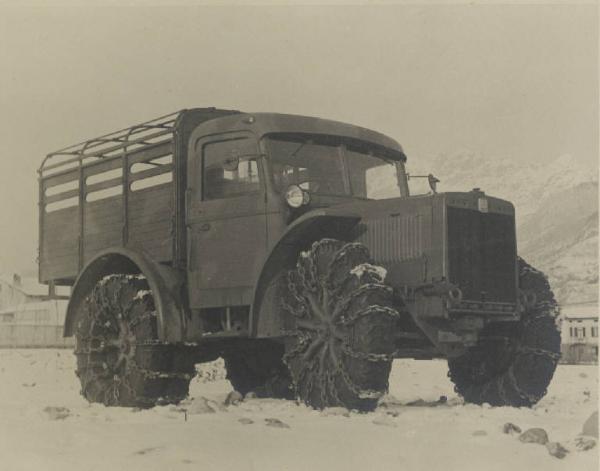
Camionetta Cingolata ‘Cingolette’ CVP-5 (L40)
The “Cingolette” was Italy’s answer to a simple battlefield need: move men, ammunition and supplies across terrain where wheeled trucks struggle. As an Italian WW2 tracked carrier, it was designed for cross-country mobility in mud, sand and broken ground — the kind of conditions that frequently disrupted supply and artillery support in both North Africa and Italy.
Compact and practical, the Cingolette was ideal for hauling ammunition, carrying crews and ferrying supplies forward to gun positions. Rather than serving as a frontline fighting vehicle, it functioned as a logistical enabler — the small machine that keeps big guns firing. Its tracked mobility made it particularly relevant for mountain and rough-terrain operations, aligning closely with Italy’s long-established emphasis on operating in restrictive landscapes.
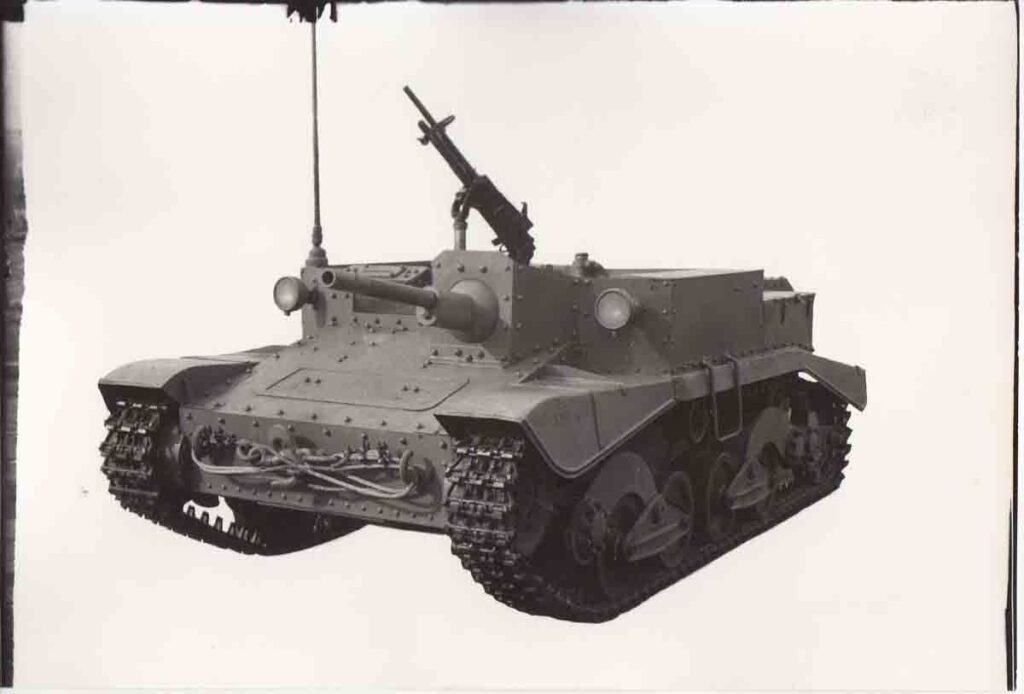
Operationally, tracked carriers like this supported artillery units and forward positions where continuous resupply was essential. In North Africa, they helped overcome soft sand and the limits of road networks. In Italy, they could keep moving when rain, shell damage and steep terrain reduced roads to bottlenecks. Their value was not in dramatic combat, but in sustained operational effectiveness.
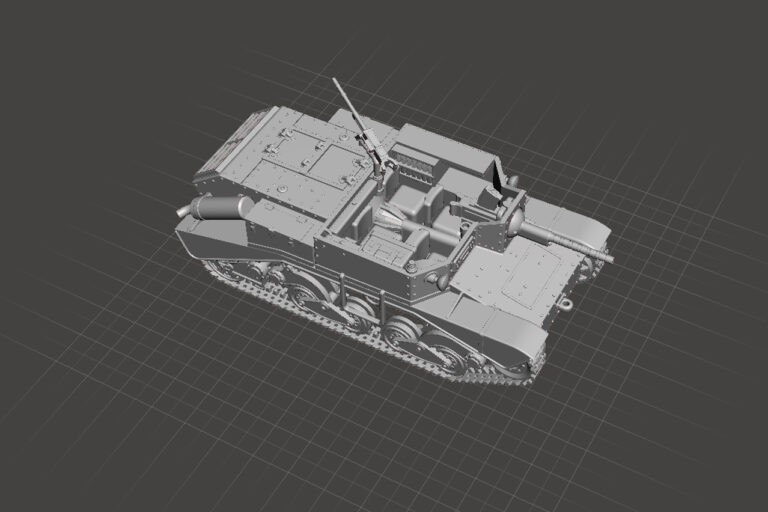
For modellers and wargamers, the Cingolette CVP-5 is a perfect support vehicle that adds realism to artillery and infantry forces. It fits ammunition resupply scenarios, gun-line dioramas, and missions where logistics matters. On the tabletop, it enables objectives like “keep the battery supplied,” “evacuate the wounded,” or “run supplies under fire,” giving Italian forces a rich operational flavour beyond tanks and guns.
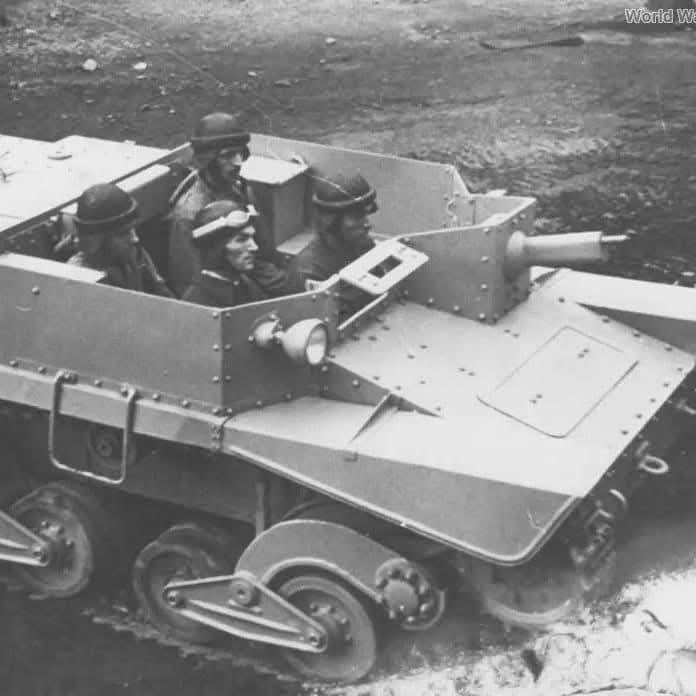
Carro Armato L.6-40 Porta Munizioni Tractor
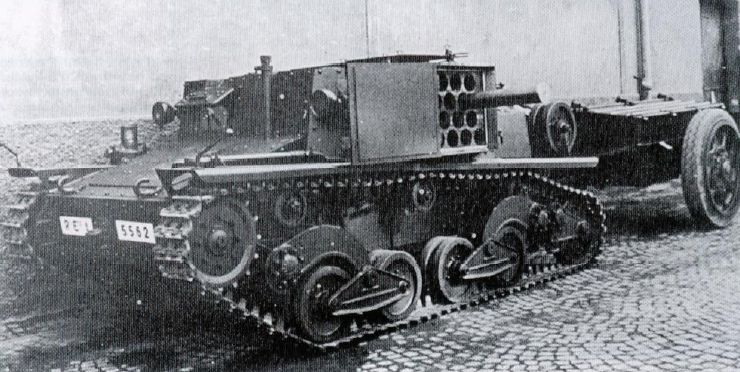
The Carro Armato L6/40 Porta Munizioni was a practical battlefield conversion that highlights a key truth of World War Two: logistics is combat power. Based on the L6/40 light tank chassis, this ammunition carrier and tractor variant was designed to move supplies — particularly artillery and armoured ammunition — forward under conditions where softskin trucks were too vulnerable or couldn’t reach the line. It’s an Italian WW2 support vehicle with a very specific, very important job.
Using a tracked chassis gave it cross-country mobility and improved survivability compared to unarmoured transport. While it wasn’t intended to fight tanks, it could operate closer to the front, resupplying gun positions and armoured units under fire. In the kind of broken, contested environments found in Italy and parts of North Africa, that ability to keep ammunition moving could determine whether a defensive line held or collapsed.
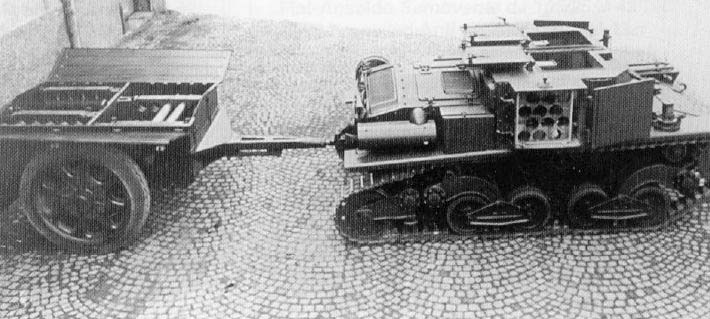
Operationally, porta munizioni vehicles sit in the shadow of the more famous fighting tanks, but they were crucial in sustaining tempo. Artillery needs rounds. Tanks need fuel and shells. If supply vehicles can’t reach forward positions, combat power evaporates. Tracked carriers like this helped bridge the “last mile” problem — the most dangerous part of any supply run.
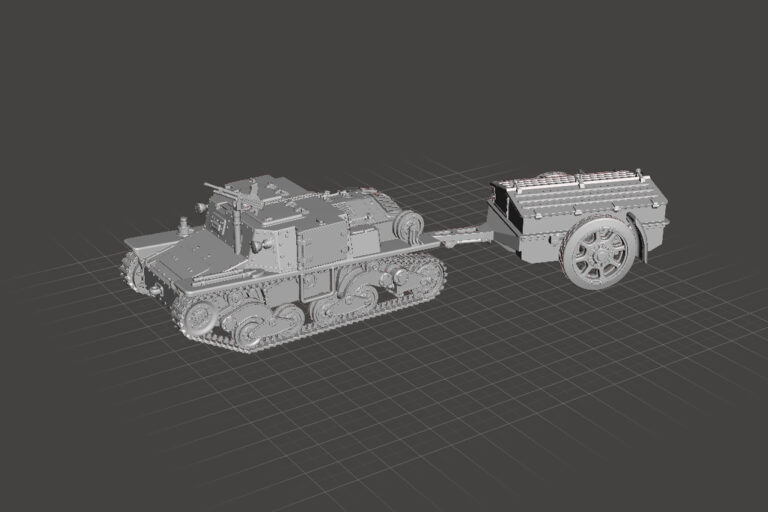
For modellers and wargamers, the L6/40 ammunition carrier adds authenticity and narrative depth. It’s perfect for artillery batteries, armoured formations, and Italian Campaign scenarios where resupply under threat is central. On the tabletop, it supports objectives like “keep the guns fed,” “escort the resupply run,” or “capture the ammunition carrier.” It’s a small unit with outsized operational impact.
Fiat 508 CM Coloniale
The Fiat 508 CM Coloniale was a compact, highly adaptable light military vehicle designed specifically for service in colonial environments. As an Italian WW2 light utility vehicle, it combined small size with impressive cross-country performance, making it particularly valuable in North Africa where mobility across sand and rough terrain was essential. It filled the niche between civilian-style staff cars and heavier military trucks.
The “Coloniale” variant featured modifications suited to desert warfare, including enhanced cooling systems, extended range capability and simplified fittings for field maintenance. It was used for liaison duties, reconnaissance support and general transport tasks. While lightly built and unarmoured, its agility allowed it to operate in areas inaccessible to larger vehicles, particularly in dispersed desert formations.
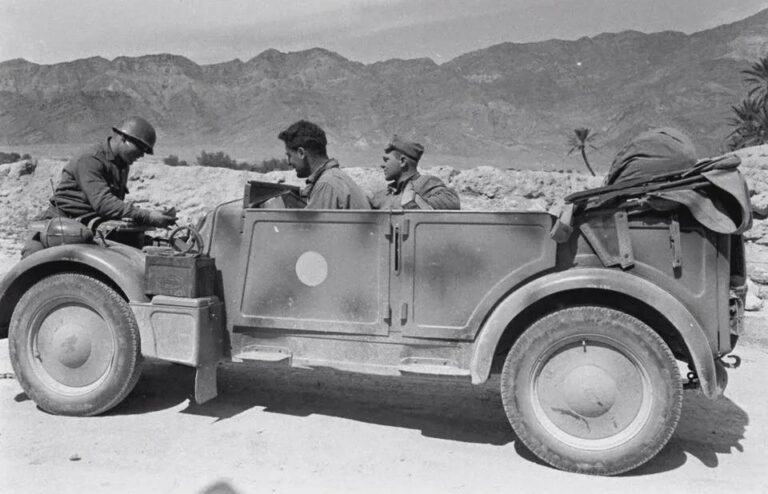
Operationally, the Fiat 508 CM Coloniale appeared across the North African theatre, supporting Italian and Axis units in reconnaissance, communication and rapid staff movement roles. In a war defined by distance, reliable small vehicles enabled command flexibility and rapid coordination. They also supported special detachments and patrol operations where speed mattered more than protection.
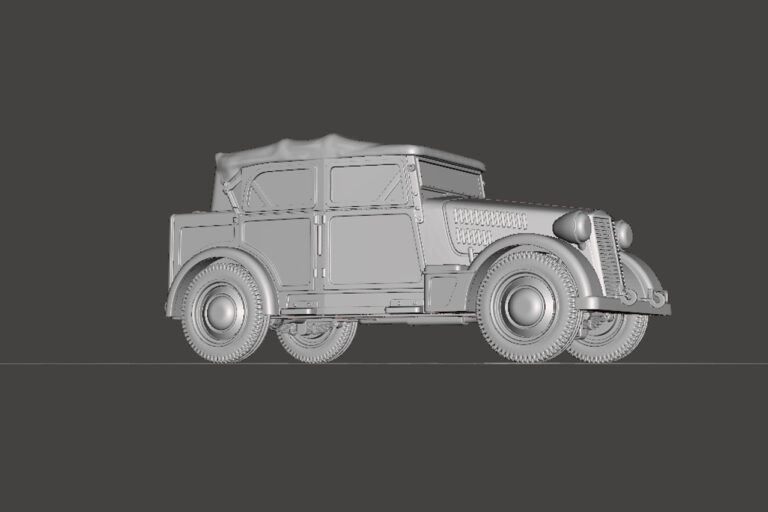
For modellers and wargamers, the Fiat 508 CM Coloniale is ideal for desert-themed Italian forces. It enhances headquarters elements, reconnaissance units and convoy scenes. On the tabletop, it works beautifully in escort missions, scouting scenarios and narrative-driven games where communication and rapid response are key. Its compact profile and theatre-specific character make it a standout addition to any Italian WW2 collection.
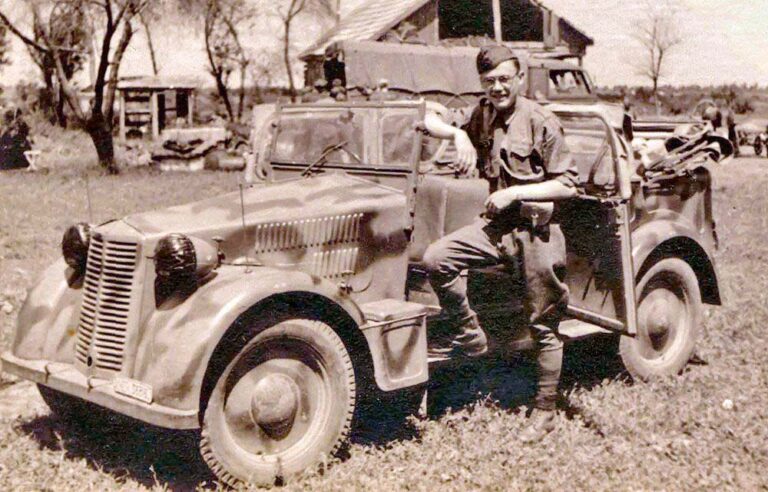
Fiat 618 MC
The Fiat 618 MC was one of the reliable medium transport vehicles serving the Regio Esercito during World War Two. As an Italian WW2 military truck, it was used for troop movement, cargo transport and general logistics duties across multiple theatres. It represents the everyday machinery of war — the vehicles that carried men and matériel long before the shooting started.
Built as a practical and robust truck, the Fiat 618 MC balanced payload capacity with manageable maintenance demands. It was well suited to the varied road conditions of Italy, the Balkans and colonial territories. While not heavily armoured, its dependable performance made it an integral component of supply columns and rear-area support operations.
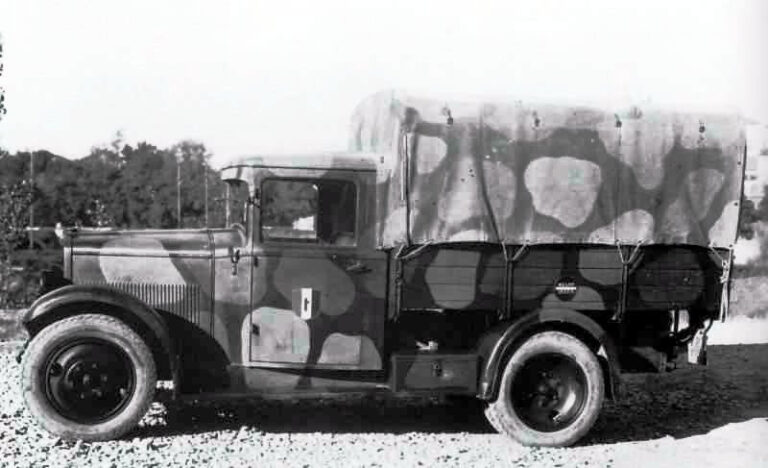
Operationally, the 618 MC would have appeared in convoy formations, engineering support roles and infantry transport duties. In North Africa, trucks of this class supported forward positions across long supply routes. In European theatres, they moved units through narrow roads and contested areas where mobility and flexibility were crucial. Like many Italian WW2 transport vehicles, its value lay in reliability rather than spectacle.
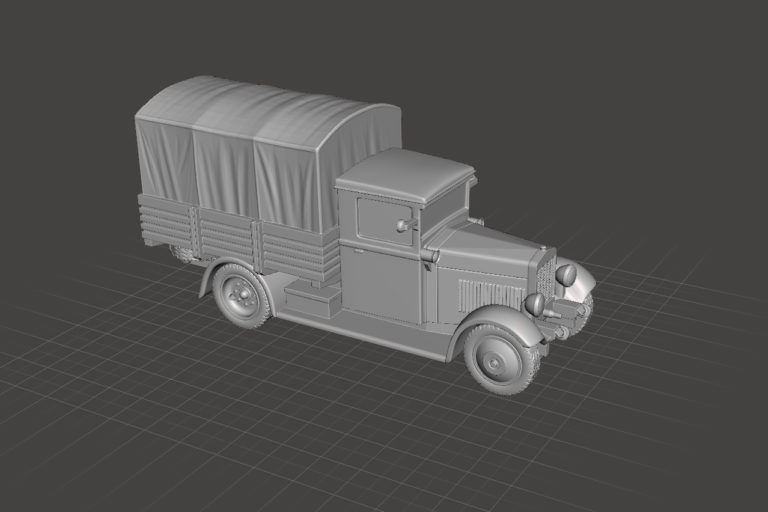
For modellers and wargamers, the Fiat 618 MC is an essential logistics vehicle that brings realism to Italian WWII forces. It pairs naturally with artillery tractors, gun trucks and armoured units. On the tabletop, it supports escort missions, troop deployment scenarios and supply-based objectives, adding operational depth beyond front-line combat vehicles.
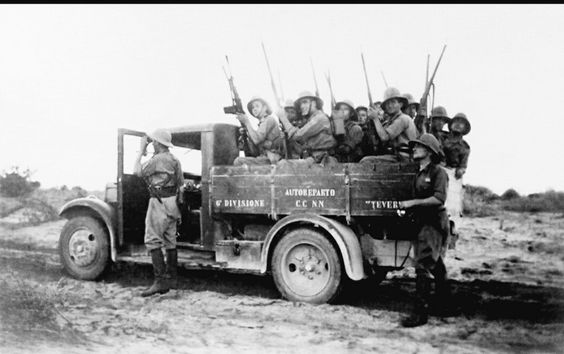
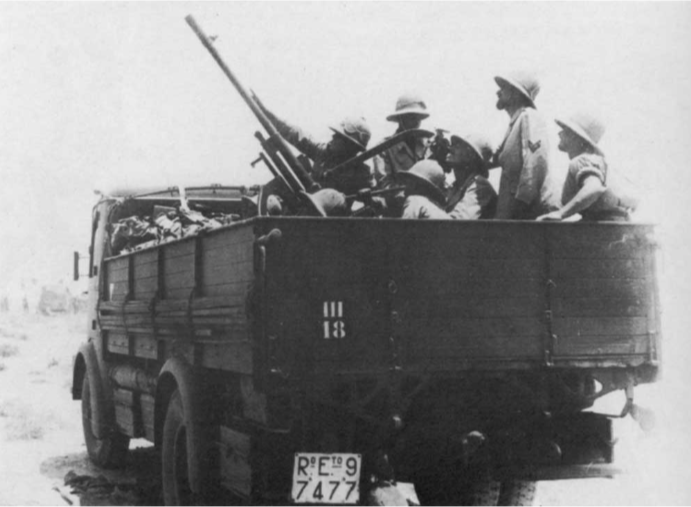
Fiat 626
The Fiat 626 is one of the most recognisable Italian World War Two trucks, serving as a core logistics vehicle for the Regio Esercito across multiple theatres. As an Italian WW2 military truck, it was used for hauling supplies, transporting troops and supporting artillery and armoured units. If tanks and guns are the striking arm, trucks like the Fiat 626 are the muscles and tendons that make them move.
Designed as a medium transport, the Fiat 626 offered a practical blend of payload, road speed and mechanical simplicity. It was well suited to long-distance convoy work, particularly in North Africa where supply routes were measured in days, not hours. Like many Italian transport vehicles, it was valued because it could be maintained in the field and kept running in punishing heat, dust and overstretched logistics conditions.
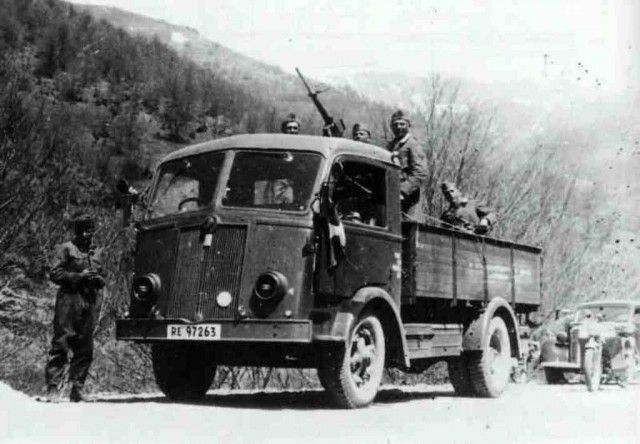
Operationally, the Fiat 626 appeared in desert convoys, Balkan columns and homeland transport roles. In North Africa, convoys were frequently attacked from the air or raided by mobile enemy forces, making transport vehicles tactical assets by necessity. In Italy and the Balkans, the threats changed — ambush, narrow roads, mud — but the core requirement remained: keep the supply moving.
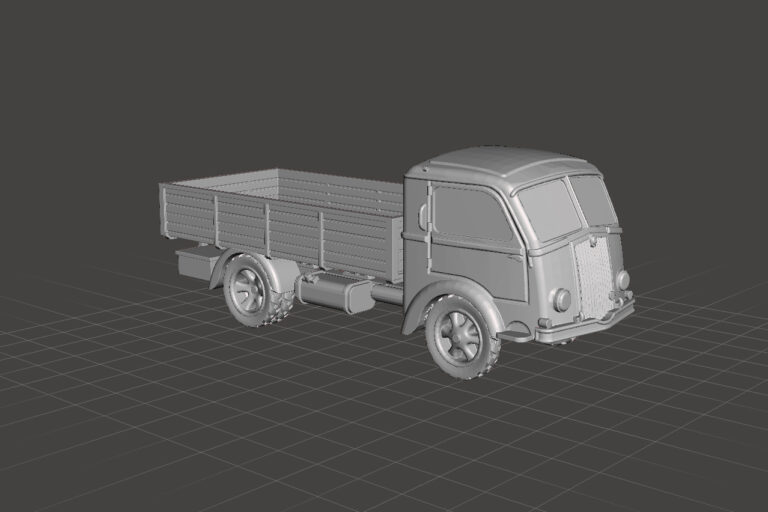
For modellers and wargamers, the Fiat 626 is an essential piece for building authentic Italian WW2 convoy scenes. It supports escort scenarios, supply objective missions and campaign play where logistics matters. Used alongside gun trucks and armoured vehicles, it helps recreate the true operational reality of Italian warfare: the convoy is the frontline, and the truck is the battlefield workhorse.
Fiat 665NM Protetto
The Fiat 665NM Protetto was one of Italy’s most notable attempts to provide protected troop transport during the Second World War. As an Italian WW2 armoured personnel carrier (APC), it was designed to move infantry under armour in environments where standard softskin trucks were increasingly vulnerable to air attack, ambush and partisan warfare. It represents the evolution from pure logistics vehicle to protected battlefield transport.
Built on the Fiat 665 heavy truck chassis, the Protetto featured an armoured body capable of carrying infantry while offering protection against small arms fire and shrapnel. It was not a heavily armoured fighting vehicle, but it significantly improved survivability compared to unprotected transport. In theatres where convoy attacks and close-range engagements were common, that protection mattered.
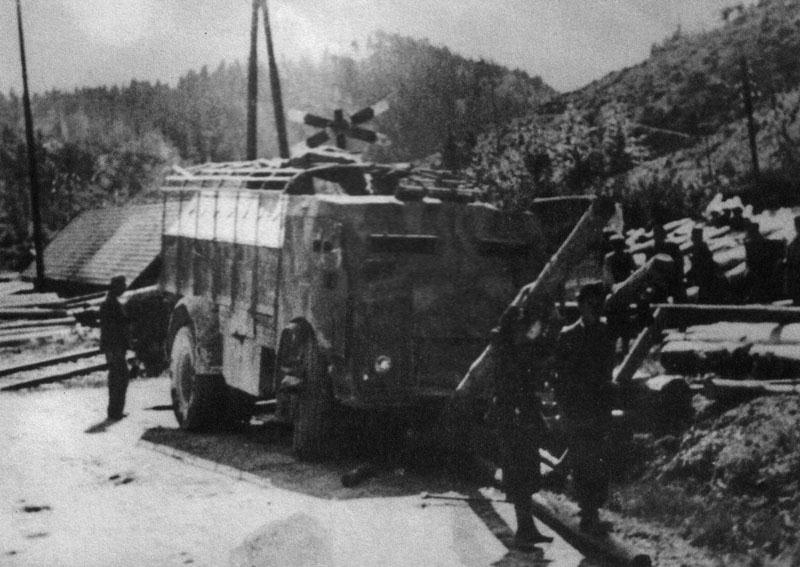
Operationally, the Fiat 665NM Protetto is most closely associated with later-war service in Italy and the Balkans. As the conflict intensified and partisan activity increased, protected troop carriers became essential for security operations, convoy escort and urban or rural sweeps. It allowed Italian and later RSI or German-aligned units to project infantry safely into contested zones.
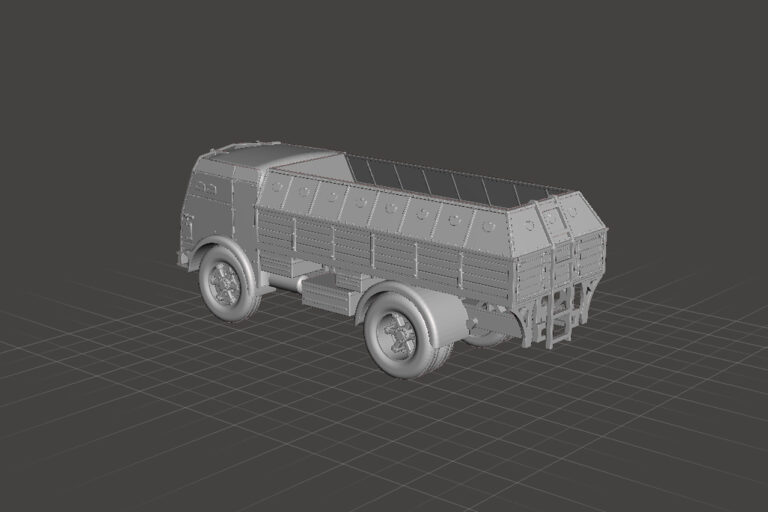
For modellers and wargamers, the Fiat 665NM Protetto is an outstanding centrepiece APC for Italian WW2 forces. It fits perfectly into Italian Campaign scenarios, anti-partisan operations and defensive convoy missions. On the tabletop, it enables mechanised infantry playstyles, protected movement under fire and narrative-driven objectives — adding tactical variety and visual weight to any Italian force.
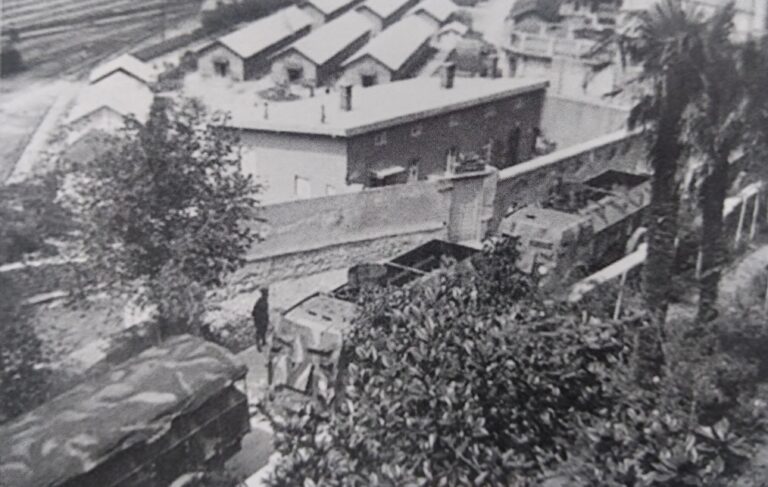
Fiat SPA AS-37 Troop Transport
The Fiat SPA AS-37 Troop Transport was purpose-built for the demands of desert warfare, making it one of the most important Italian WW2 transport vehicles in North Africa. Designed specifically for colonial and desert service, it combined long-range capability with robust construction, allowing it to carry infantry, supplies and equipment across vast, unforgiving terrain. In the North African campaign, vehicles like the AS-37 were operational lifelines.
The AS-37 featured increased fuel capacity, reinforced suspension and cooling systems adapted for extreme heat. Its design reflected Italy’s early recognition that desert warfare required more than simply deploying standard European trucks overseas. Mobility across sand and hard desert ground was critical, and the AS-37 delivered dependable performance under those conditions.
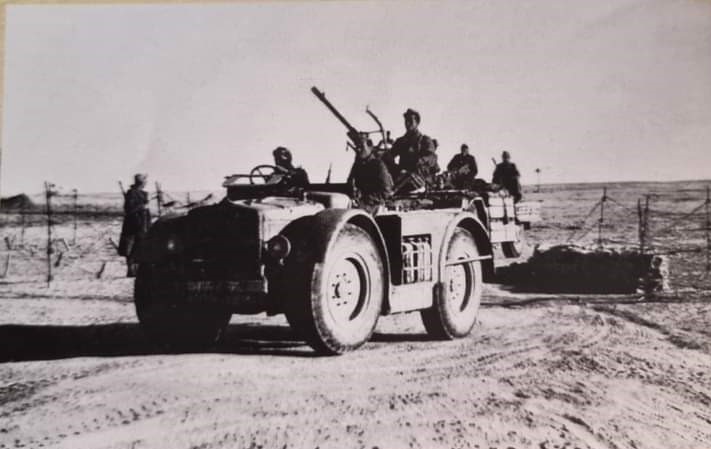
Operationally, the Fiat SPA AS-37 Troop Transport served in convoy roles, troop movement and support operations throughout North Africa. It supported armoured formations, artillery units and reconnaissance detachments. In a theatre where supply lines were constantly threatened, transport vehicles like the AS-37 were frequently exposed to air attack and mobile raiders, making convoy escort a constant necessity.
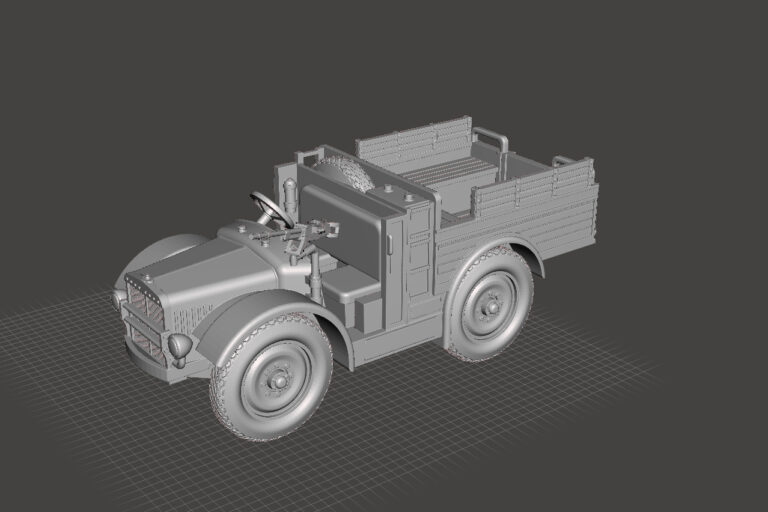
For modellers and wargamers, the AS-37 Troop Transport is a must-have for Italian North Africa forces. It enhances convoy scenarios, desert column dioramas and campaign-driven supply missions. On the tabletop, it allows mechanised infantry deployment and escort-based gameplay, reinforcing the reality that Italian WW2 transport vehicles were central to desert warfare operations.
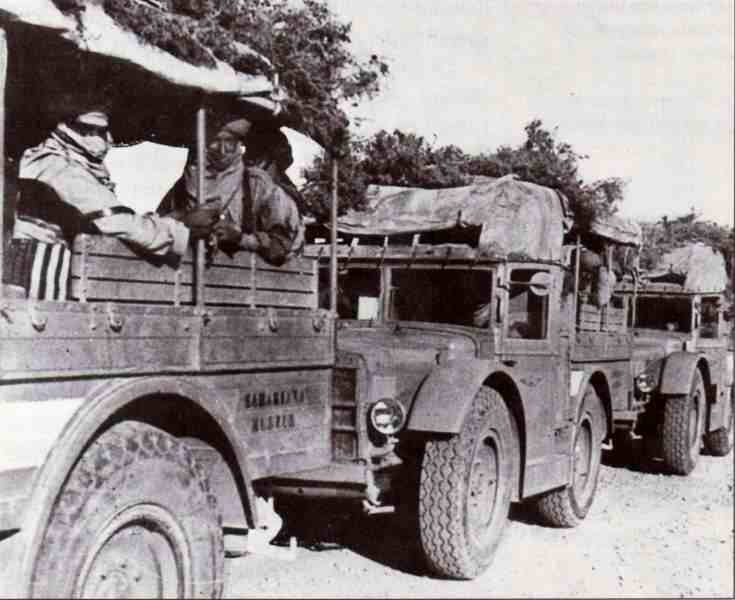
Fiat SPA AS-37 Truck
The Fiat SPA AS-37 Truck was one of the key Italian World War Two softskins designed specifically for colonial and desert conditions. Often associated with the North Africa campaign, it was engineered for long-range transport and reliability in extreme heat and dust. As an Italian WW2 desert truck, it provided the logistical backbone for infantry, artillery and armoured units operating far from established infrastructure.
Mechanically, the AS-37 combined rugged suspension, improved cooling and extended range features that made it ideal for sustained operations across open desert. It could haul supplies, ammunition and equipment over distances that would strain ordinary European-pattern trucks. This made it particularly valuable in a theatre where fuel and water convoys were strategic assets and where the front line could shift faster than fixed supply depots could adapt.
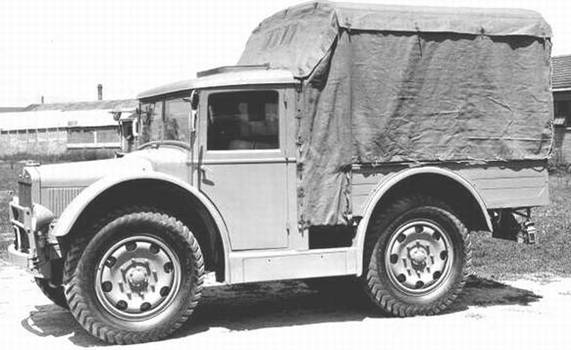
Operationally, the AS-37 served in convoy work, general logistics and support roles across North Africa. It also found use in other theatres where road networks were poor and vehicle endurance mattered. In the desert war, transport trucks were routinely exposed to air attack and raiding forces, making the AS-37 not just a logistics vehicle, but a frontline necessity by circumstance.
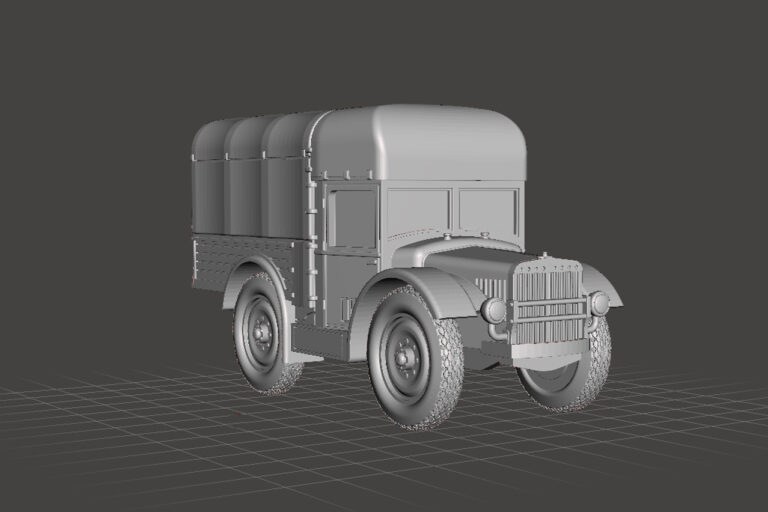
For modellers and wargamers, the AS-37 Truck is a versatile addition to any Italian WW2 collection. It supports convoy escort missions, supply objective scenarios and diorama builds focused on desert columns. Combined with Italian gun trucks, artillery tractors and armoured cars, it helps create historically credible Italian North Africa forces where logistics is part of the story, not background scenery.
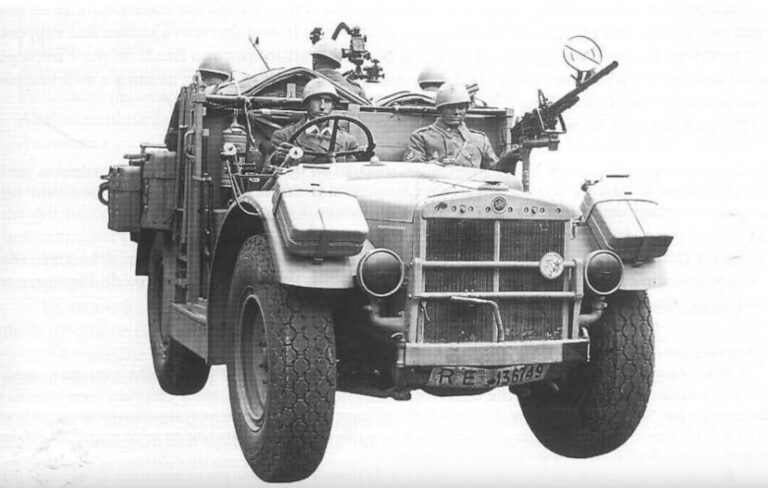
Fiat SPA Autoprotetto S-37
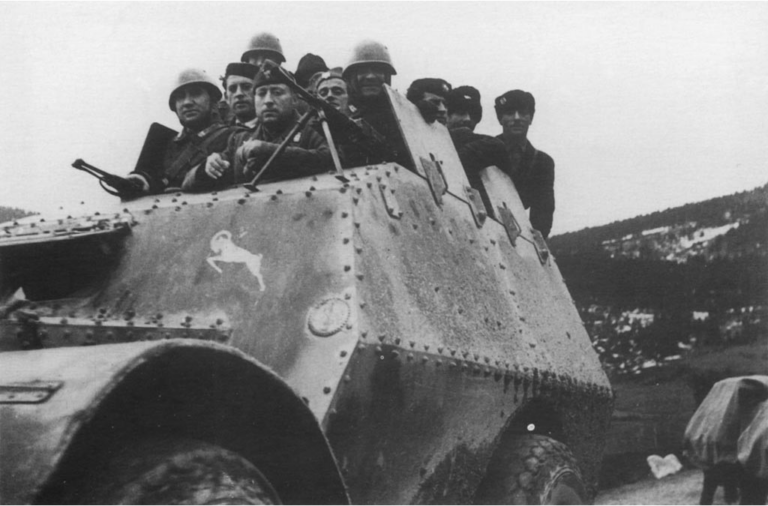
The Fiat SPA Autoprotetto S-37 represents Italy’s move toward protected mobility during World War Two. As an Italian WW2 armoured truck, it was developed to safeguard troops and equipment in increasingly hostile operational environments. While many Italian softskins were unarmoured, the Autoprotetto concept recognised that convoy escort, anti-partisan warfare and contested road networks required additional protection.
Built on a SPA chassis with an armoured superstructure, the S-37 provided protection against small arms fire and shell splinters. It was not a tank, but it offered significantly greater survivability than standard transport trucks. This made it particularly suited to areas where ambushes were common or where infantry needed to be delivered close to contested zones without suffering immediate casualties.
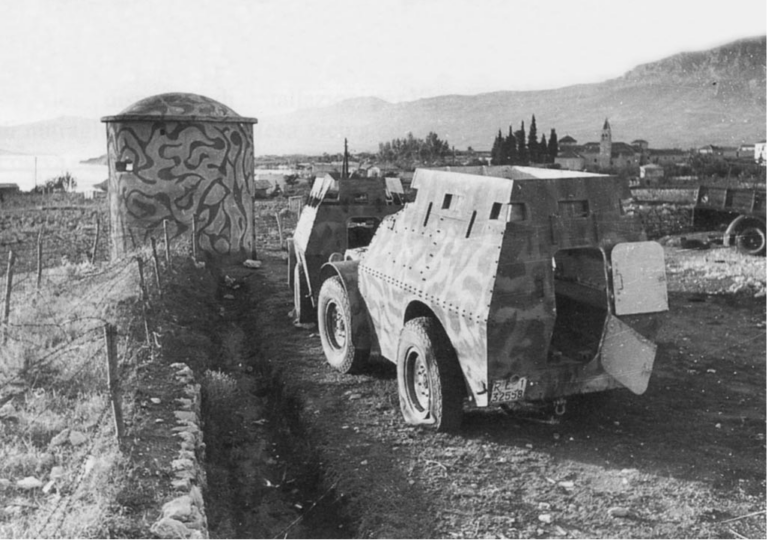
Operationally, the Autoprotetto S-37 appeared most frequently in later-war theatres such as Italy and the Balkans. As the war shifted toward defensive and internal security operations, protected troop carriers became increasingly important. They enabled convoy escort, rapid deployment of infantry and mechanised security patrols in environments where softskin vehicles were simply too vulnerable.
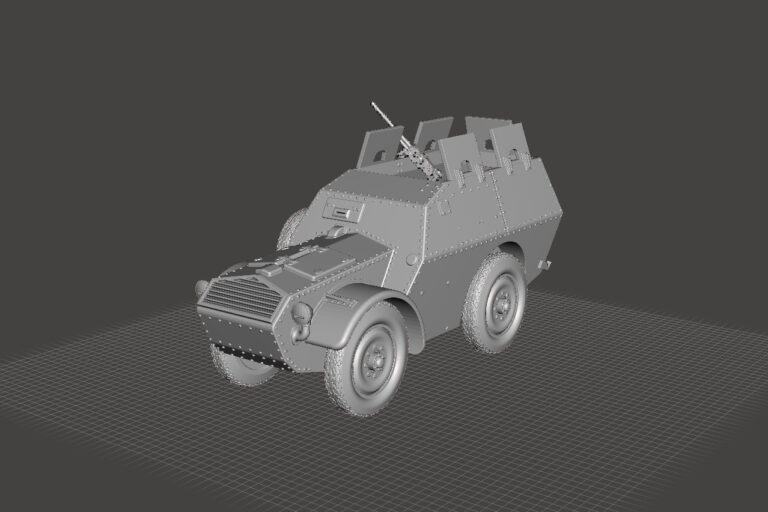
For modellers and wargamers, the Fiat SPA Autoprotetto S-37 is ideal for Italian Campaign scenarios and anti-partisan operations. It complements mechanised infantry forces and adds realism to convoy escort missions. On the tabletop, it allows protected troop movement under fire and creates dynamic objectives centred on vehicle survival and control of key roadways — expanding the tactical depth of Italian WW2 forces.
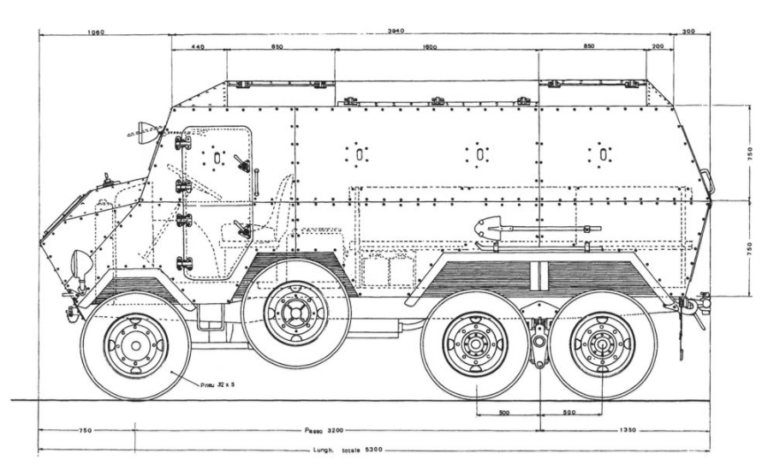
Fiat SPA Dovunque 35 Blindato
The Fiat SPA Dovunque 35 Blindato was an armoured adaptation of one of Italy’s most recognisable military trucks. The original Dovunque (“anywhere”) 35 was a versatile cross-country vehicle used extensively for transport duties. The Blindato variant added protective armour, transforming it into an Italian WW2 armoured utility vehicle designed for higher-threat environments.
Retaining the reliable mechanical base of the standard Dovunque 35, the Blindato version offered protection against small arms fire and battlefield splinters. While not intended for heavy frontline combat, it provided significantly greater survivability during convoy escort, troop movement and security operations. In contested theatres where ambushes and air attacks were routine, such protection could make the difference between mission success and disaster.
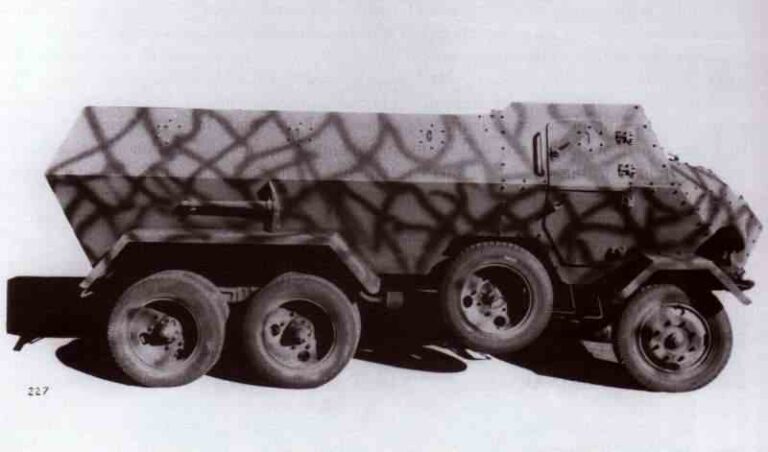
Operationally, the Fiat SPA Dovunque 35 Blindato is most associated with later-war service in Italy and the Balkans. As partisan activity intensified and road networks became increasingly dangerous, armoured transport vehicles gained importance. They allowed infantry to move between positions with reduced vulnerability and supported mechanised patrols in unstable areas.
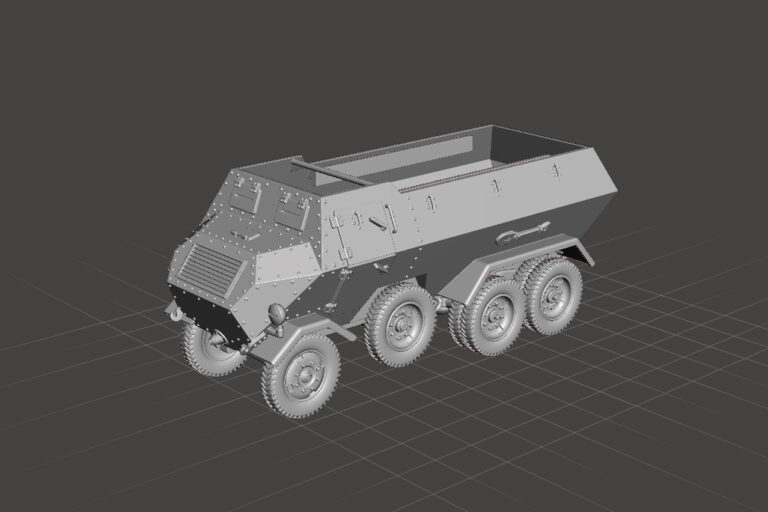
For modellers and wargamers, the Dovunque 35 Blindato adds a rugged, practical presence to Italian WW2 forces. It pairs naturally with protected troop carriers and gun trucks in convoy scenarios. On the tabletop, it supports escort missions, urban security operations and defensive roadblock actions — reinforcing the reality that Italian transport vehicles evolved in response to battlefield threat, not simply logistical convenience.
Fiat SPA TL-37 Artillery Tractor
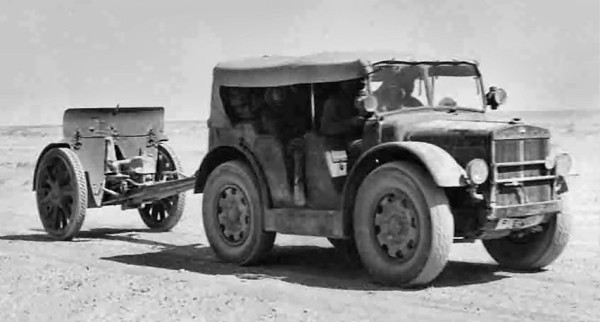
The Fiat SPA TL-37 Artillery Tractor was one of the most important light prime movers used by the Regio Esercito during World War Two. Designed specifically to tow artillery in rough terrain, it combined compact size with excellent manoeuvrability. As an Italian WW2 artillery tractor, it reflects Italy’s long-standing doctrine of moving guns through restrictive environments — mountains, broken ground and poor road networks.
The TL-37 was notable for its four-wheel steering and strong cross-country capability, allowing it to tow guns where conventional trucks struggled. It was commonly paired with 75mm field guns, mountain howitzers and anti-tank pieces, ensuring Italian batteries could deploy quickly and reposition under pressure. It wasn’t designed for speed, but for traction and practical mobility.
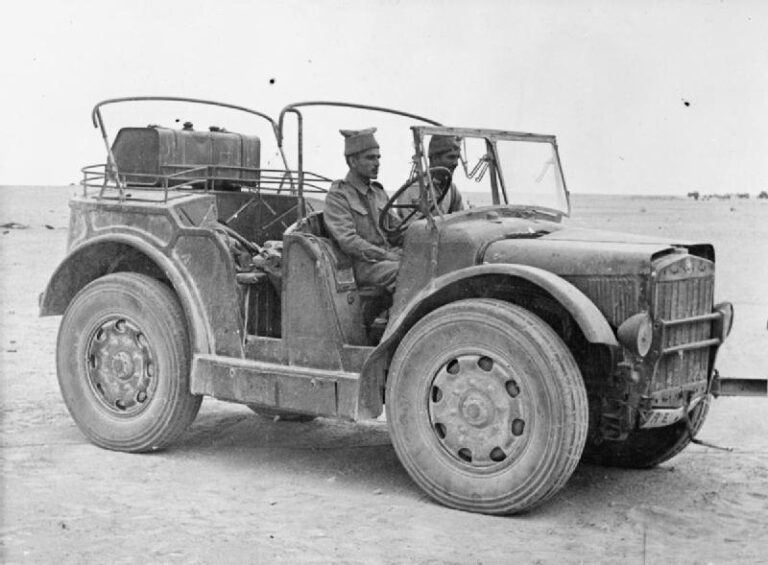
Operationally, the TL-37 served in North Africa, Italy and the Balkans, wherever Italian artillery needed reliable towing in difficult conditions. In the desert, it supported mobile batteries and gun trucks by ensuring guns could be moved to new firing positions rapidly. In European theatres, it proved valuable on narrow roads, muddy tracks and steep gradients where smaller, more agile tractors had an advantage.
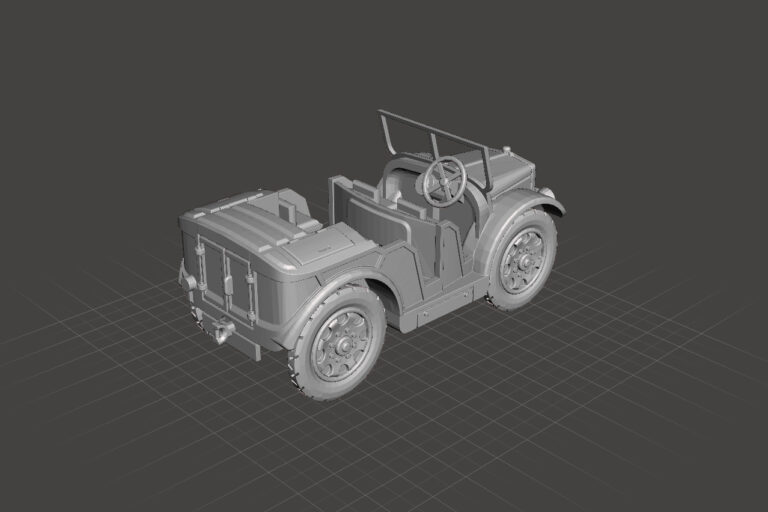
For modellers and wargamers, the Fiat SPA TL-37 is essential for creating authentic Italian artillery formations. It pairs perfectly with 75mm and 100mm guns, adding realism to towing scenes and battery deployments. On the tabletop, it enables dynamic artillery scenarios: redeploy under fire, evacuate the guns, or escort the artillery column through contested terrain — adding operational flavour to Italian WW2 forces.
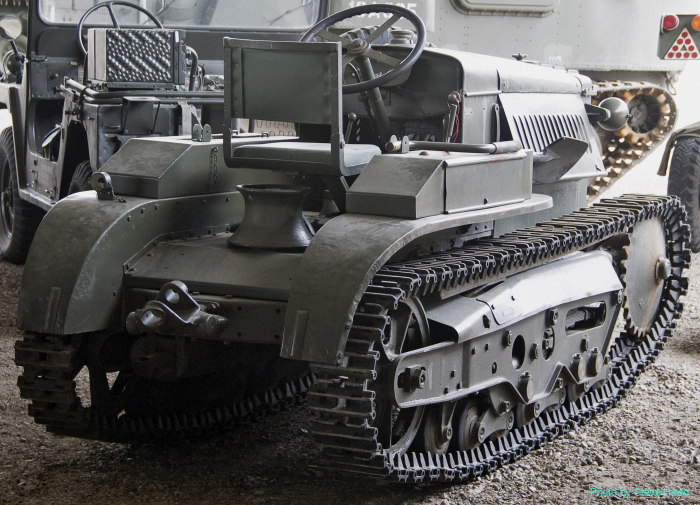
Fiat-OCI 708cm Light Tractor
The Fiat-OCI 708cm Light Tractor represents the small but crucial vehicles that kept Italian World War Two formations functioning day-to-day. As an Italian WW2 light tractor, it was used for towing light equipment, moving trailers, supporting engineering tasks and handling general utility duties around depots, gun lines and forward positions. These vehicles rarely appear in headline histories — but they’re the machines that made the battlefield work.
Light tractors like the 708cm were valued for simplicity, mechanical reliability and ease of maintenance. They could move where larger trucks were unnecessary or too cumbersome, particularly around artillery positions, supply dumps and field workshops. In rough terrain or congested roads, small tractors provided flexibility — shifting guns, hauling ammunition carts, or moving stores without tying up larger transport.
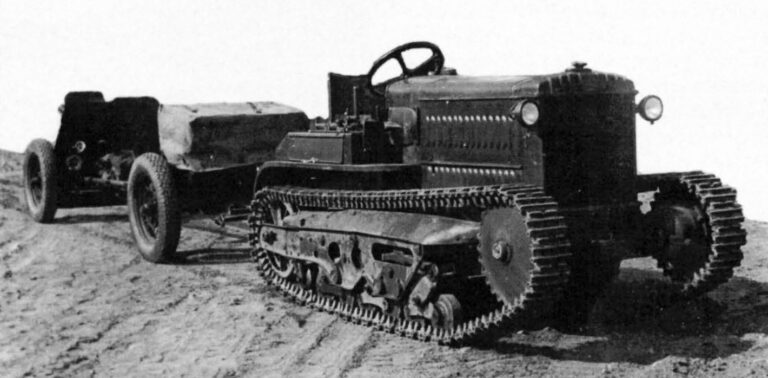
Operationally, this kind of vehicle is at home in every theatre Italy fought in. In North Africa it supported supply chains at the “last mile,” where sand and congestion could stall larger vehicles. In Italy and the Balkans, it helped move supplies through narrow roads, damaged infrastructure and muddy conditions. Its contribution is logistical but vital: it increases the efficiency of everything around it.
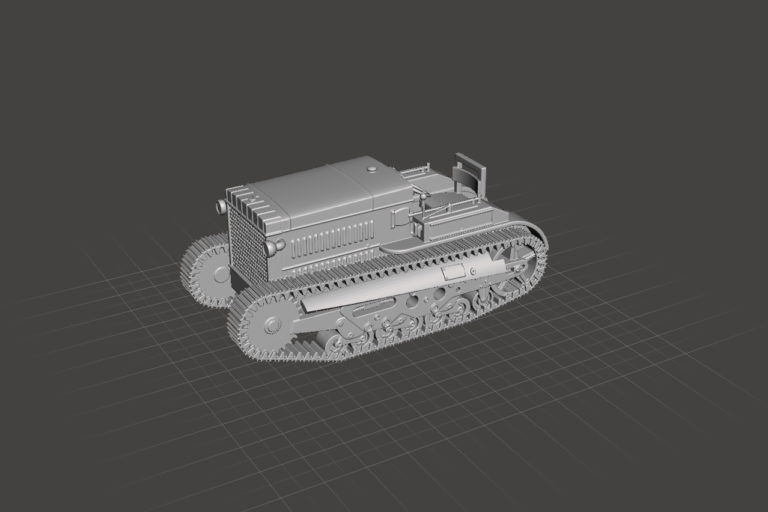
For modellers and wargamers, the Fiat-OCI 708cm adds enormous authenticity to Italian WW2 armies. It’s perfect for artillery batteries, supply depots, engineer scenes and convoy support elements. On the tabletop, it encourages narrative play — resupply tasks, towing missions, gun repositioning, or objectives centred on keeping equipment mobile under pressure. It’s a small model that adds big realism.
Lancia 3RO
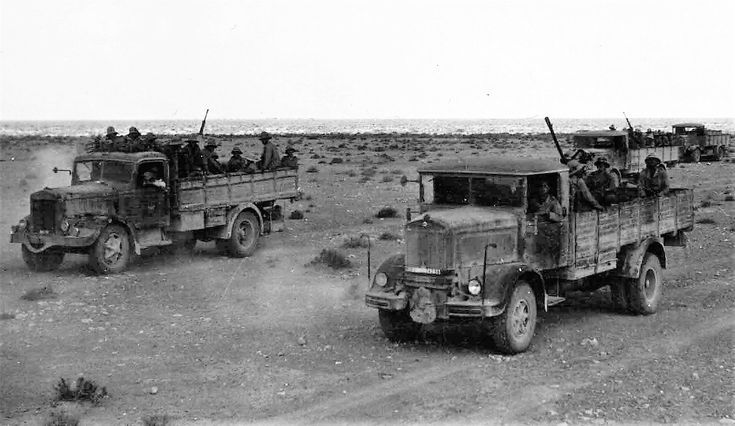
The Lancia 3RO was one of the most important Italian World War Two transport vehicles, serving as a heavy military truck across multiple theatres. As an Italian WW2 heavy truck, it became synonymous with the North Africa campaign, where long supply routes and harsh environmental conditions demanded durability and mechanical reliability above all else.
Powered by a robust diesel engine, the Lancia 3RO was valued for endurance, range and load-carrying capacity. It hauled fuel, ammunition, artillery components and troops across vast desert expanses. In a theatre where logistics determined operational success, the Lancia 3RO became a strategic asset — not simply a transport vehicle, but a lifeline for Italian and Axis forces.
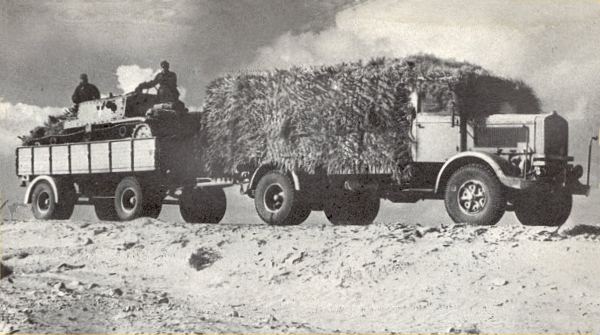
Operationally, the 3RO appeared everywhere: convoy columns in North Africa, transport duties in Italy and the Balkans, and even as a chassis for gun truck conversions such as the Autocannone 90/53. Its adaptability and reliability made it a cornerstone of Italian military transport throughout the war.
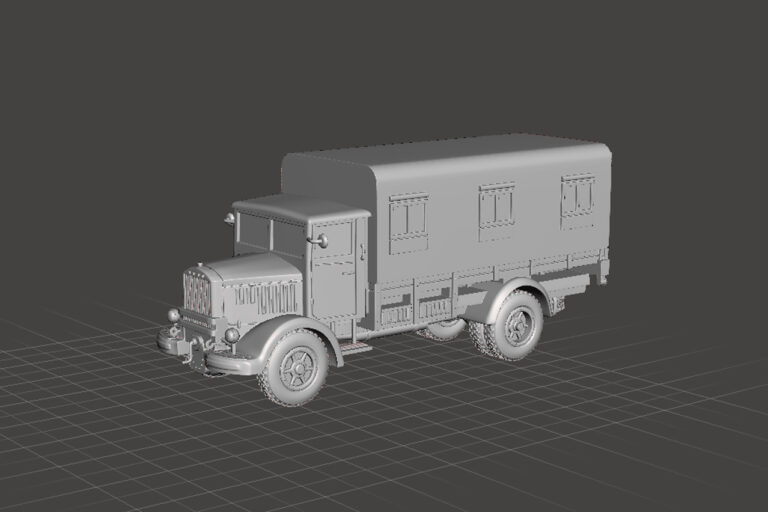
For modellers and wargamers, the Lancia 3RO is essential for building authentic Italian WW2 convoys. It supports supply missions, artillery towing scenes and gun truck configurations. On the tabletop, it enables escort-based gameplay, logistics-focused objectives and campaign-driven supply operations — reinforcing the reality that the desert war was fought as much with trucks as with tanks.
OM Taurus
The OM Taurus was a heavy Italian WW2 military truck that played a vital role in sustaining the Regio Esercito across multiple theatres. Built for durability and load capacity, it supported long-distance convoy operations, artillery support roles and general transport duties. In a war defined by stretched supply lines and contested logistics, vehicles like the OM Taurus were operational essentials.
Designed as a heavy cargo truck, the OM Taurus provided strong payload capability and dependable road performance. It was well suited to hauling ammunition, fuel and equipment across North Africa’s vast desert routes, as well as navigating the more restrictive road networks of Italy and the Balkans. Like many Italian WW2 transport vehicles, its value lay in reliability rather than speed.
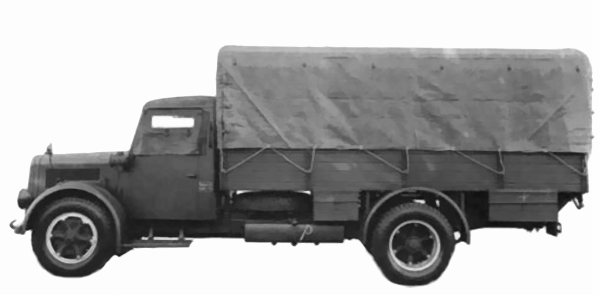
Operationally, the OM Taurus would have appeared in major convoy columns supporting armoured divisions and infantry formations. In North Africa, heavy trucks were constantly exposed to air attack and long-range raids. In European theatres, they faced narrow roads, mountainous terrain and partisan ambushes. The Taurus’ job remained unchanged: keep supplies flowing regardless of threat.
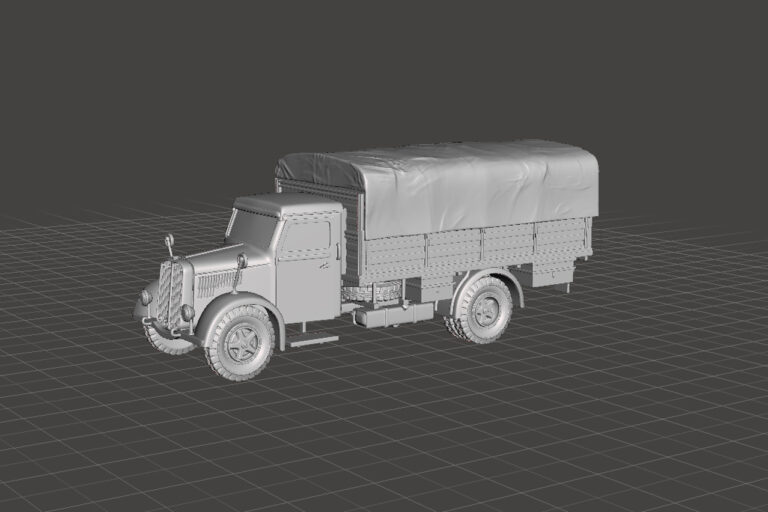
For modellers and wargamers, the OM Taurus is an excellent addition to Italian WW2 convoy builds and logistics-driven scenarios. It pairs naturally with artillery tractors, armoured personnel carriers and gun trucks. On the tabletop, it enables supply-based objectives, escort missions and campaign play that highlights the importance of transport in sustaining Italian operations.
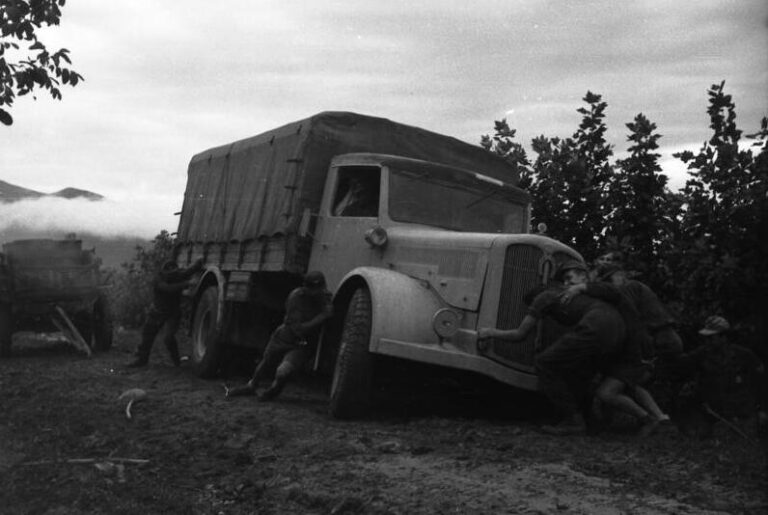
Pavesi P4-100
The Pavesi P4-100 is one of the most distinctive Italian WW2 artillery tractors, instantly recognisable thanks to its articulated four-wheel-drive design and massive tyres. Developed with cross-country mobility in mind, it was engineered to tow heavy artillery across terrain where conventional trucks simply could not operate. In many ways, it embodies Italian interwar doctrine — build vehicles capable of climbing mountains and crossing broken ground.
Mechanically, the P4-100 featured articulated steering and large-diameter wheels that provided excellent traction on uneven surfaces. It was particularly effective in towing medium and heavy guns, including 149mm and larger pieces. In mountainous and rural terrain, where narrow roads and steep gradients were common, its pulling power and manoeuvrability made it invaluable to Italian artillery units.
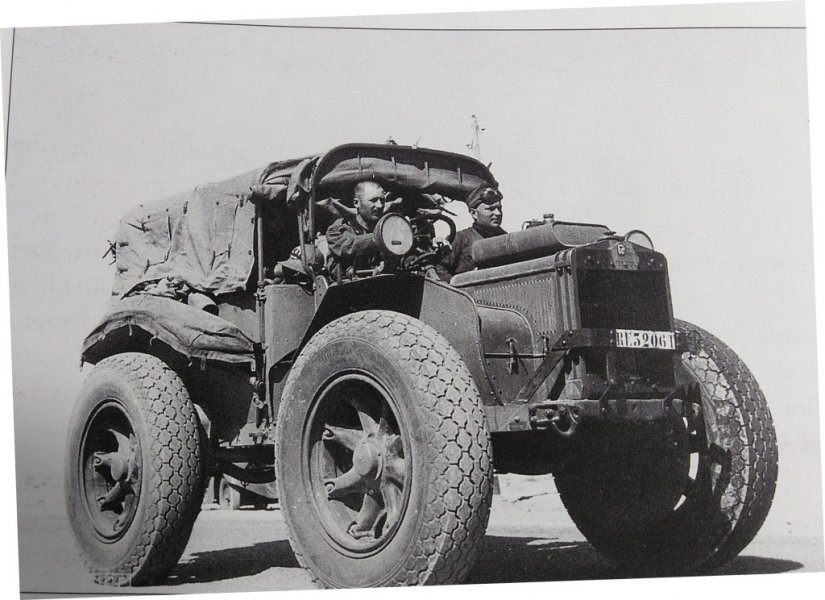
Operationally, the Pavesi P4-100 served in North Africa, the Balkans and Italy, wherever heavy guns needed reliable traction. In desert conditions, its design helped prevent bogging in soft sand. In European theatres, it proved its worth hauling artillery through damaged infrastructure and poor weather. It was not fast, but it was dependable — and for artillery mobility, dependability wins.
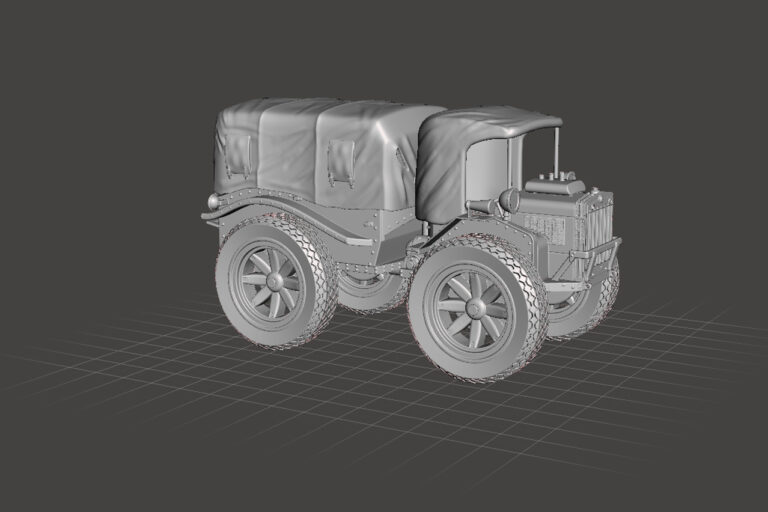
For modellers and wargamers, the Pavesi P4-100 is a standout vehicle that adds character and authenticity to Italian WW2 artillery formations. It pairs perfectly with heavy howitzers and field guns, enhancing towing scenes and battery deployments. On the tabletop, it supports redeployment missions, gun evacuation scenarios and convoy escort objectives — reinforcing the operational depth of Italian forces beyond front-line armour.
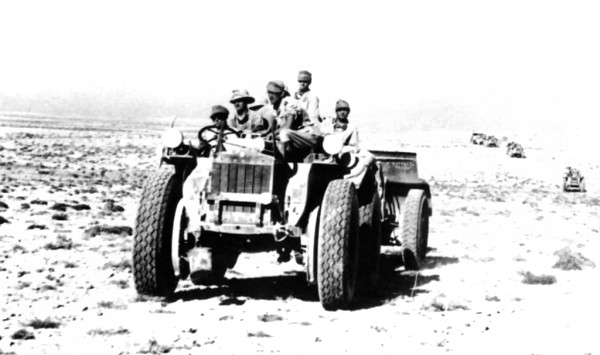
Renault ADR Blindato
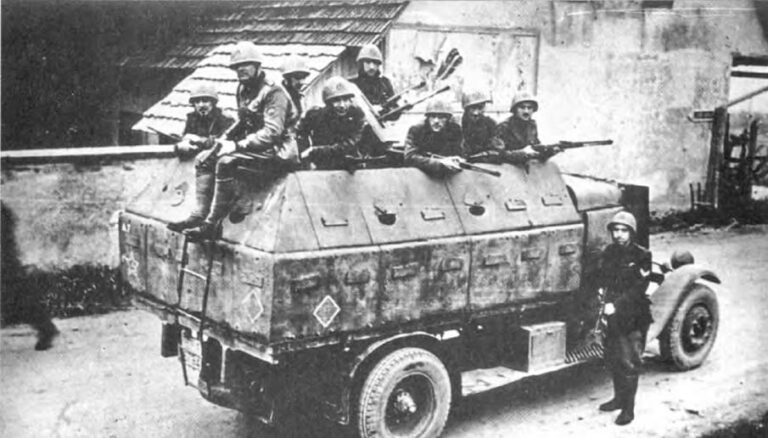
The Renault ADR Blindato is a fascinating example of how Italian World War Two forces used and adapted non-Italian vehicle designs for local needs. Based on the French Renault ADR truck, the Blindato (“armoured”) variant added protective plating to create a protected transport vehicle suitable for higher-threat duties. As an Italian WW2 armoured truck, it sits in the space between softskin logistics and full armoured fighting vehicles.
The armoured body provided protection against small arms fire and shell splinters, making it useful for convoy escort, security operations and troop transport in contested areas. Like many protected trucks, it was not intended to fight tanks — its purpose was survivability on dangerous roads and in ambush-prone environments. In theatres where partisan threats and air attack were common, protected mobility became increasingly valuable.
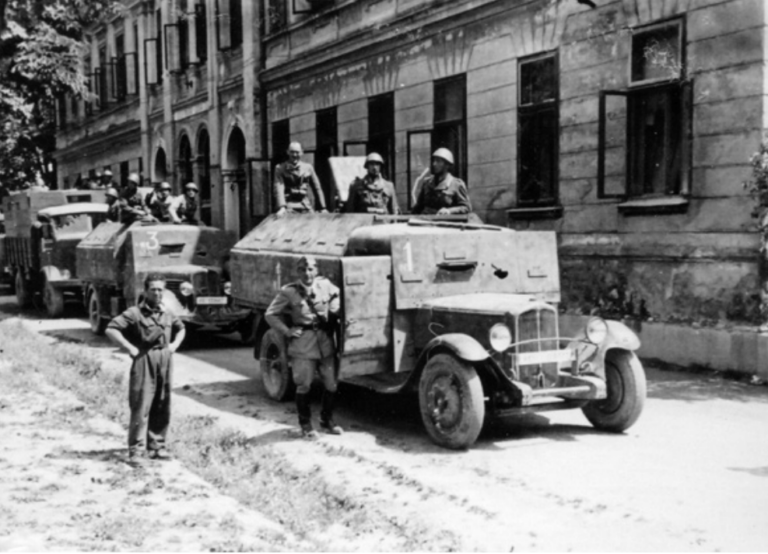
Operationally, armoured trucks of this type are most naturally associated with later-war security and defensive roles, particularly in Italy and the Balkans. As road movement became more hazardous, protected carriers offered a way to move infantry and supplies without suffering immediate losses. These vehicles reflect adaptation under pressure — taking what was available and making it suitable for the fight.
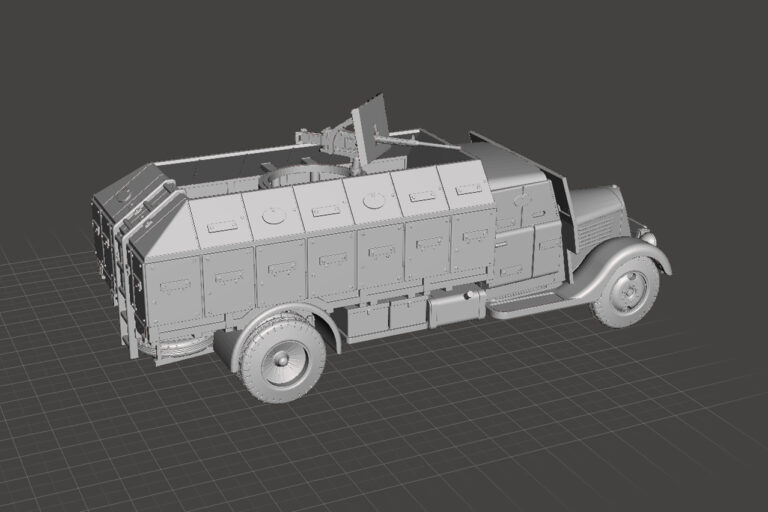
For modellers and wargamers, the Renault ADR Blindato adds variety and narrative flavour to Italian WWII forces. It fits convoy scenarios, internal security missions and mechanised patrol actions. On the tabletop, it enables protected troop movement, escort objectives and ambush-themed games, while visually standing out as a distinctive armoured transport option within a predominantly Italian vehicle fleet.
SPA 38R Truck
The SPA 38R Truck was a compact, practical Italian World War Two transport vehicle used for light logistics duties. As an Italian WW2 light truck, it was ideal for unit-level supply runs, towing light loads and moving equipment where heavier trucks were unnecessary or inefficient. In every theatre Italy fought in, vehicles like the 38R kept the daily machinery of war turning.
Light trucks such as the SPA 38R were valued for manoeuvrability and ease of maintenance. They could navigate narrow roads, operate around crowded supply dumps and move quickly between dispersed units. In mountainous terrain and built-up areas, smaller vehicles often proved more useful than heavy transports simply because they could reach places larger trucks could not.
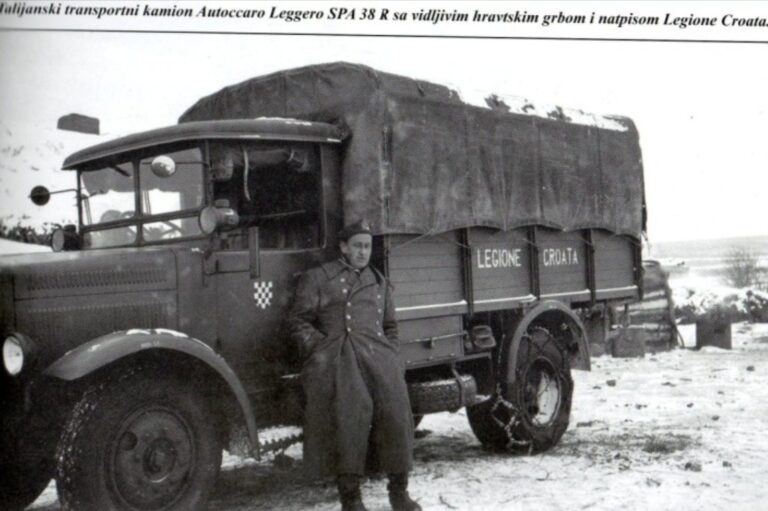
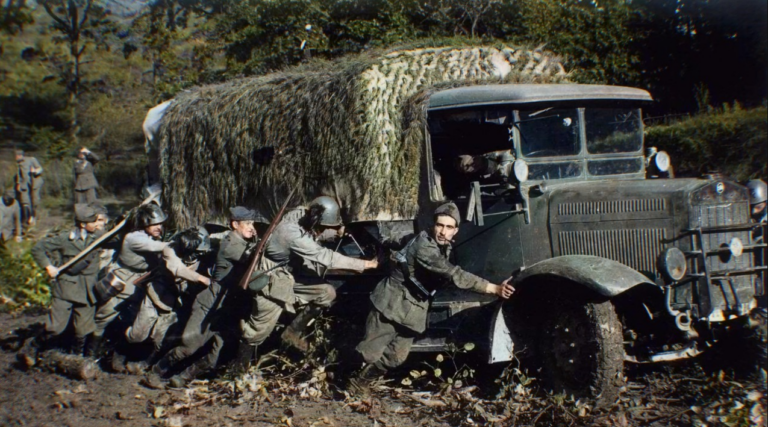
Operationally, the SPA 38R would have served in convoy support, engineering roles and rear-area logistics — but those roles were routinely exposed to combat realities. In North Africa, convoy columns were regularly attacked from the air. In the Balkans and Italy, ambush and partisan threats turned transport duties into tactical movements. Light trucks therefore became vulnerable but essential assets.
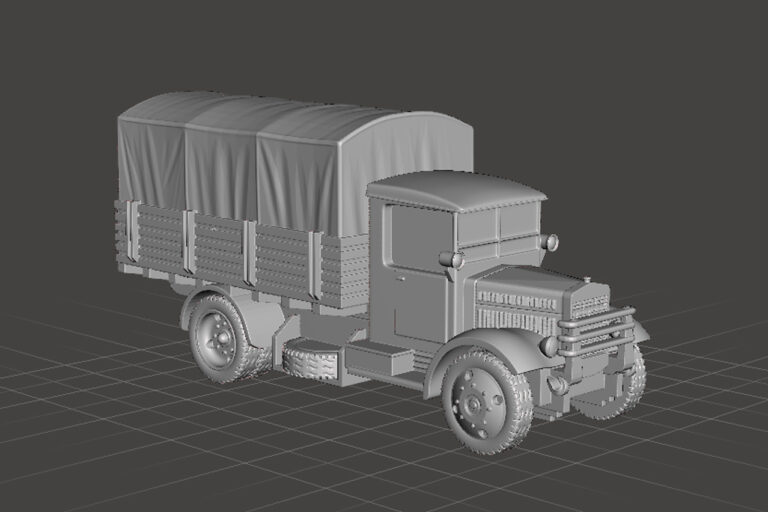
For modellers and wargamers, the SPA 38R Truck is a superb “support detail” vehicle that adds realism to Italian WW2 forces. It pairs well with artillery batteries, engineer units and convoy columns. On the tabletop, it enables supply-carrying objectives, towing missions and escort scenarios, helping to create campaigns where logistics and movement matter as much as firepower.
SPA Dovunque Viberti Radio Truck
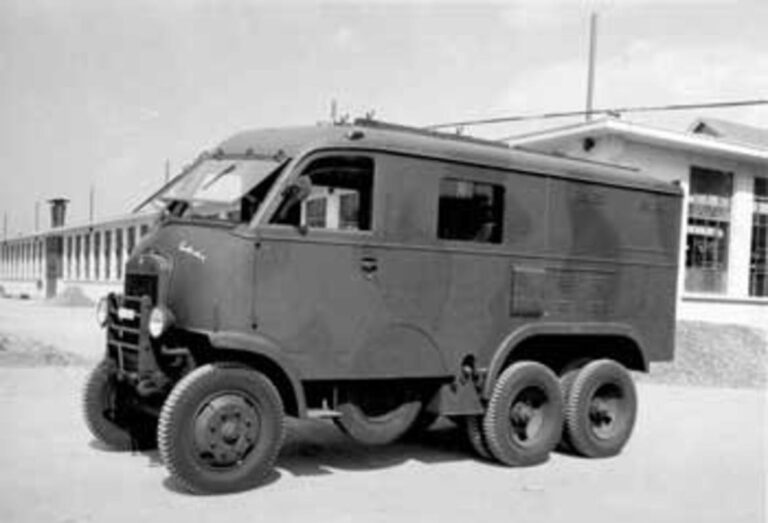
The SPA Dovunque Viberti Radio Truck highlights a crucial part of Italian World War Two operations that often gets overlooked: communications. As an Italian WW2 radio truck, it served as a mobile signals platform, supporting command and control across dispersed battlefields. In theatres like North Africa, where units could be separated by vast distances, reliable radio capability was as decisive as armour thickness.
Built on the dependable SPA Dovunque chassis, the Viberti radio-bodied variant provided space for radio equipment, operators and power supply systems. It functioned as a mobile communications node, linking headquarters to frontline units and enabling coordination of artillery, convoy movement and tactical redeployments. In a war where speed of decision could determine survival, radio trucks helped translate command intent into battlefield action.
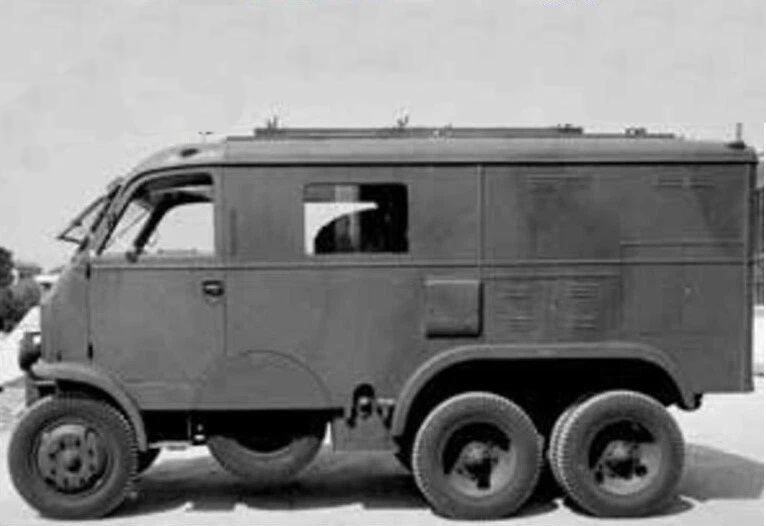
Operationally, signals vehicles of this kind were essential in the desert war, where line-of-sight and road movement often made physical liaison too slow. They were also valuable in Italy and the Balkans, where mountainous terrain fragmented units and complicated coordination. While not combat vehicles, radio trucks were high-value targets — their destruction could disrupt entire operations.
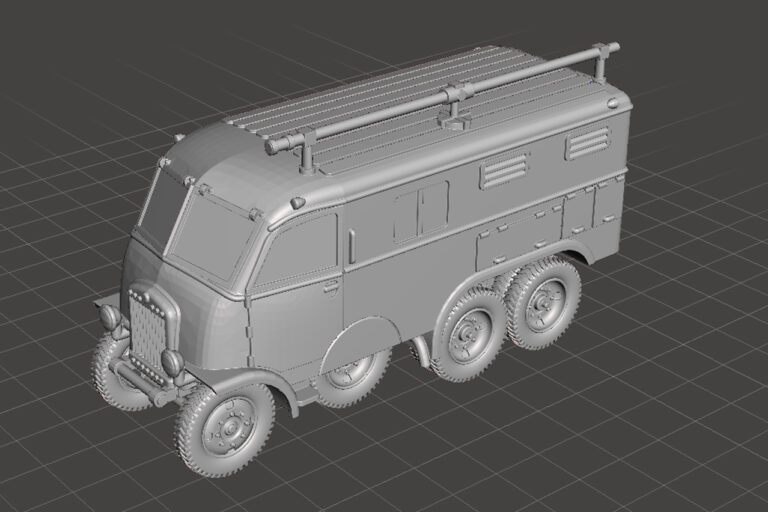
For modellers and wargamers, the SPA Dovunque Viberti Radio Truck adds realism and narrative depth to Italian WW2 armies. It’s perfect for HQ dioramas, command posts and convoy scenes. On the tabletop, it supports scenario objectives like “protect the communications vehicle,” “capture the signals truck,” or “maintain command link,” adding operational flavour beyond direct firepower.
SPA-Viberti AS42 'Metropolitana'
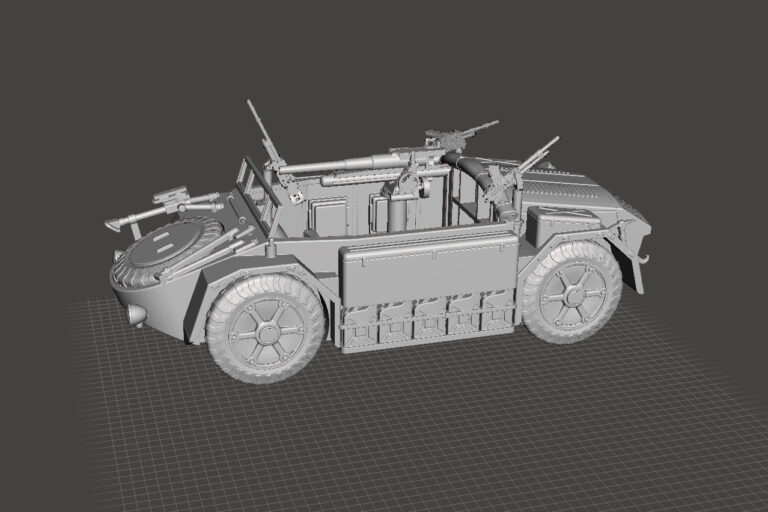
The SPA-Viberti AS42 “Metropolitana” represents the evolution of Italy’s fast desert reconnaissance vehicles into more general-purpose service. While closely associated with the Sahariana family, the Metropolitana variant reflects adaptation beyond pure desert raiding. As an Italian WW2 reconnaissance and utility vehicle, it combined mobility, range and versatility — characteristics essential to late-war Italian operations.
Built on the AS42 chassis, the Metropolitana retained high mobility and cross-country capability. It was capable of carrying personnel, light weapons and supplies, making it suitable for reconnaissance patrols, convoy escort and rapid-response duties. Unlike heavier armoured cars, it relied on speed and agility rather than protection, aligning with Italian doctrine that often prioritised manoeuvre over armour thickness.
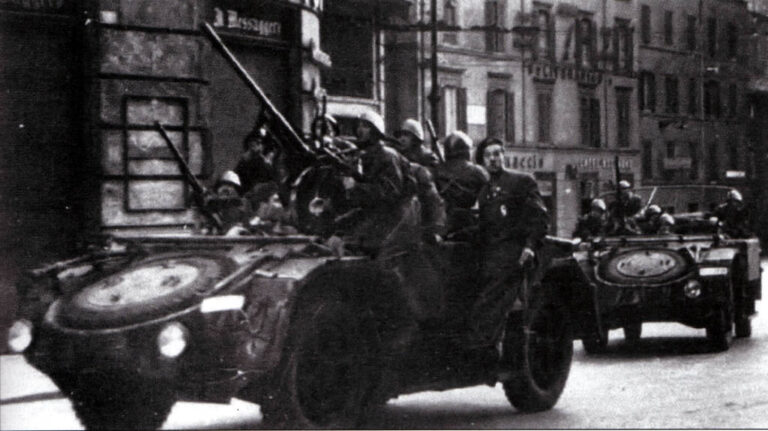
Operationally, vehicles like the AS42 Metropolitana were well suited to fast-moving operations and internal security roles, particularly in Italy and the Balkans. They enabled rapid redeployment of small units, supported patrol work and acted as flexible support vehicles in contested zones. Their adaptability made them valuable assets in an increasingly fluid and fragmented battlefield environment.
For modellers and wargamers, the SM.81 is perfect for campaign play: airlift missions, supply drops, reinforcem
For modellers and wargamers, the AS42 Metropolitana is an excellent addition to Italian WW2 forces. It supports reconnaissance missions, convoy escort scenarios and mechanised patrol gameplay. Visually distinctive and full of character, it adds mobility-focused tactical options to Italian armies, reinforcing the theme that Italian transport and reconnaissance vehicles were central to operational flexibility.
ent flights, and early-war bombing raids. It adds depth to an Italian WW2 air force by representing the backbone roles rather than just the headline fighters. If the SM.79 is the spear, the SM.81 is the cart — and wars don’t move without the cart.
Final Thoughts from Bayonets & Brushes
Italian World War Two softskins, artillery tractors and armoured personnel carriers rarely dominate the headlines — but they dominated the roads. From the deserts of North Africa to the mountains of the Balkans and the ridgelines of Italy, these vehicles formed the logistical spine of the Regio Esercito. Without trucks like the Lancia 3RO, tractors like the Pavesi P4-100, and protected carriers such as the Fiat 665NM Protetto, Italian armour and artillery simply could not function.
This range highlights something essential about Italian WW2 operations: mobility was not optional. Desert warfare demanded long-range convoy endurance. Mountain fighting required specialised artillery tractors. Increasing partisan and air threats forced the development of protected transport. Italian military transport vehicles were not generic background assets — they were tailored responses to real operational challenges.
From a modelling perspective, Italian WW2 trucks and tractors unlock enormous visual and narrative potential. Convoy scenes packed with SPA Dovunque trucks, artillery batteries towed by Breda and Pavesi prime movers, and protected APCs rolling through contested villages all create dynamic, story-rich displays. Stowage, fuel drums, radio masts and crew details bring these vehicles to life in a way combat-only collections cannot.
On the tabletop, softskins and transport vehicles fundamentally change the rhythm of a game. Supply must move. Guns must be towed. Troops must be delivered. Communications must be protected. Campaign-driven play becomes richer when logistics matters — escort missions, evacuation scenarios, ammunition resupply under fire, and convoy interdiction objectives add layers of realism and tension.
Perhaps most importantly, this release completes the operational picture. Italian WW2 forces were not defined solely by tanks or artillery pieces. They were defined by the ability — sometimes fragile, often stretched — to keep those assets supplied and mobile. These vehicles tell the story of how Italy actually fought: across distance, under constraint, and with constant attention to movement.
With this Italian WW2 softskins, artillery tractors and APC range, Bayonets & Brushes brings the backbone of the army to the forefront. Because without the trucks, there is no army — and without the logistics, there is no campaign.
Come over and take a look: https://bayonetsandbrushes.co.uk/home/store/world-war-ii-on-land/esercito-italiano-the-royal-italian-army/esercito-italiano-softskins-apcs/
At Bayonets & Brushes, we do not merely produce miniatures. We curate ordnance history — in resin and discipline.
And as ever, we remain at your service.


Impressive research!
Thanks Martin. Its definitely a passion project. Hope you enjoy the reading as much as I enjoy the researching…